Cinematic Episodes: Introduction

Themes are sometimes difficult to stick to. The way I usually manage to stick to them is by getting a bunch of installments written and ready and then scheduling ahead of time. Themes that I work on extemporaneously have a chance of being more inconsistent, or worse, falling into abandonment entirely.

I say this because I have had it in mind to do this idea for quite some time. I have not made the intention to do this theme known here, just in a few conversations. The main reason I’ve not announced this one to try and get this one started, and to give themes I do not consider to be done, some staying power.

Without much further ado, the idea I purport to embark upon is one I call Cinematic Episodes. This would be another cross-medium post wherein the link between cinema and another medium is explored. I have written about adaptations, films in books, characters in comics and other arts hitting the big screen. However, I recently have started to consider some of the technical, and in some ways, narrative similarities film and television have always shared and are starting to share.

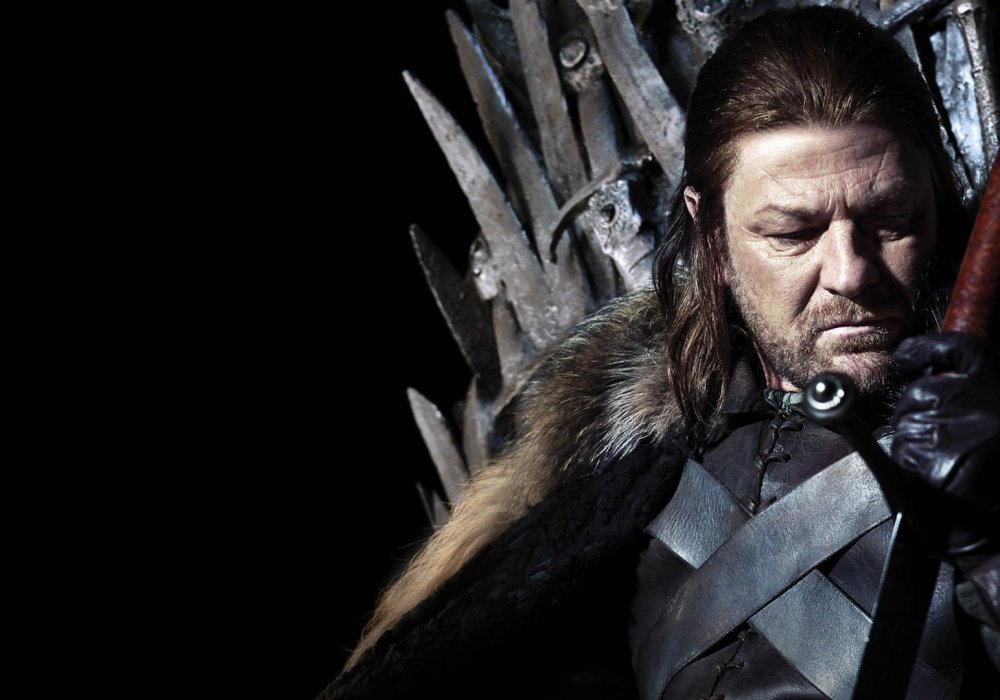
It’s no coincidence that on the day I sit awaiting delivery of Game of Thrones‘ second season that I post this, HBO and other cable outlets have truly blurred the lines more so than most in the past due not only to single camera approach, but also production values and elimination of the commercial break, thus, creating a more cinematic structure that builds its ebb and flow in a more traditional three-act manner than an hour of network television does due to the crescendo to commercial, the precipitous drop upon retuning and then the rise anew.

However, many shows on many outlets come to mind when thinking of the parallels and the current landscape, which I will plumb for the examples I am familiar with. This evolution didn’t happen on its own. I will look back and try and trace, to the extent I possibly can, the evolution of the exchange of ideas.
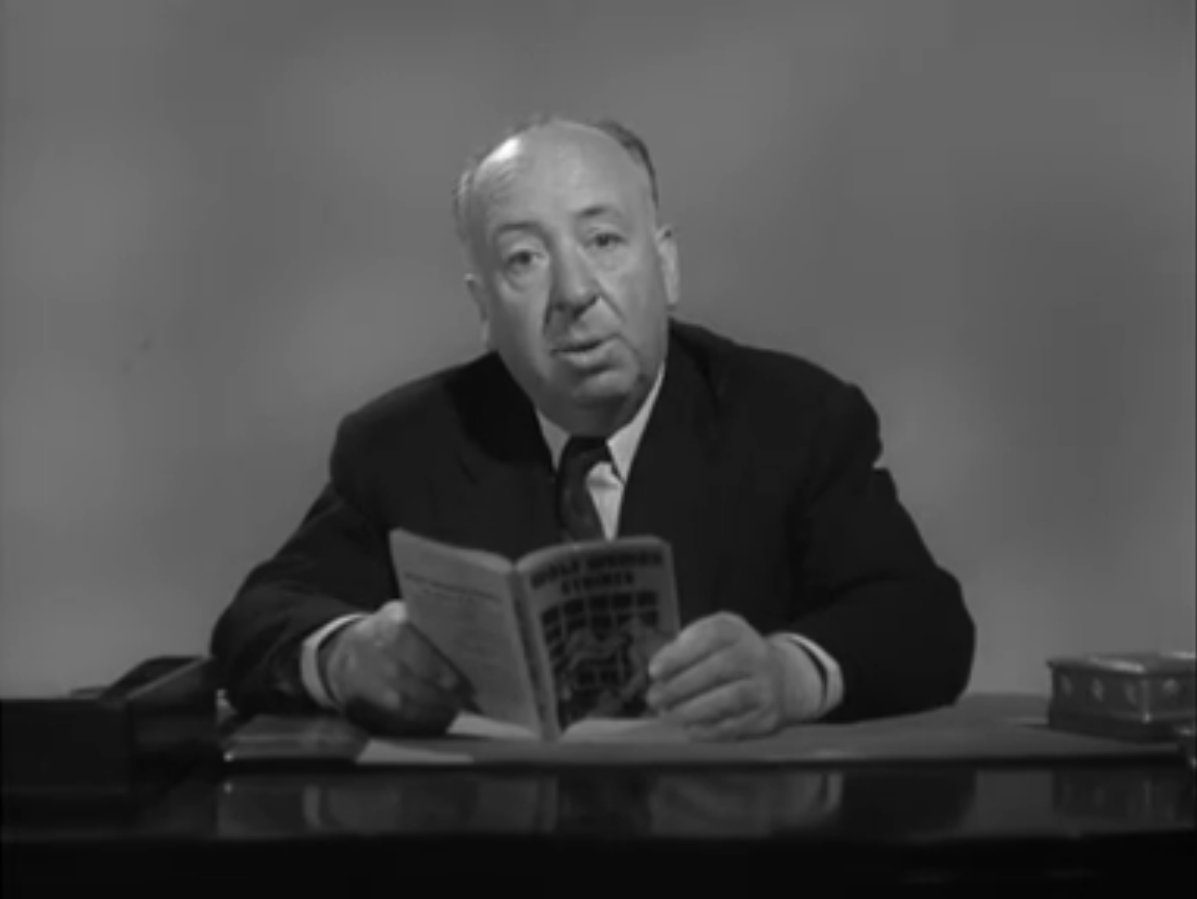
Alfred Hitchcock Presents (Universal)

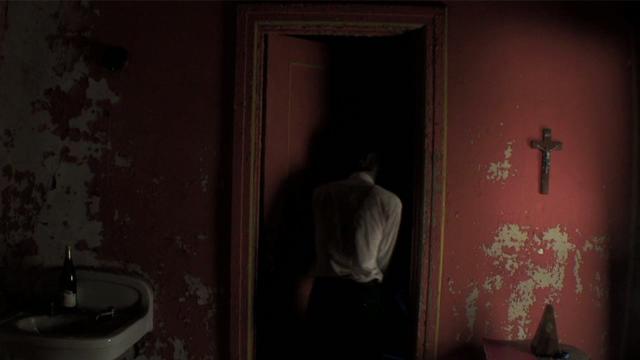
However, it’s not only a technique and structural focus. The first topic I thought of and will likely examine, with what I have access to are the Hitchcock-directed episodes of Alfred Hitchcock Presents. There will be other topics to examine, other specific shows, but I won’t be tiresome in listing them here.

Essentially, any other medium in relation to cinema is worth taking a look at. I’ve always viewed film as a culmination of all the other arts since the advent of sound. With the introduction of sound elements of theatre were further added, music was added as a permanently affixed appendage rather than a variable live element, through the ages an artist’s touch in framing and composition, be it in color or black and white, has been needed. As any new form of communication and/or artistic expression has come about, film has been challenged, however, it perseveres both by adapting itself and also by an eventual embracing and exchanging of ideas and symbiotic influence. It’s been illustrated before with the rise of radio and then with television, the internet is the next frontier, but that landscape is still a bit nebulous. Film is not yet truly threatened or totally changed, similarly those making content for YouTube and other such sites are progressing, pushing back and breaking through but, still being in process, the changes are not yet as evident.

Television being the middle child of “Threats to Film” has firmly established its foothold as a fixture, mostly due to its varied nature of content and usage, but on the entertainment side it remains vital. The last thing that bears saying is that the fallacious “which is better” arguement will not be found in this space – and considering the main focus of my site I doubt you want to read such an anti-climactic piece. As many similarities as I will find, and as many cases of shared influence I will illustrate both films and television work, or don’t, due to completely different reasons. If television is in a halcyon it’s certainly not due to the networks. It’s a bit like the major/indie dynamic in film. What’s pushing the envelope and advancing episodic visual storytelling is basic and prime cable original content.

The Hitchcock piece will likely be the first. I have a definitely viewing list for that and taking an auteurist approach and looking at a different kind of show is actually one of the better easier way to start such a comparative analysis. Stay tuned.
Mini-Review Round-Up February 2013

Here’s my standard intro to this post:

I had quite a review drought to end 2011 so I think the remedy for this kind of post would be to have the post be cumulative monthly. Therefore, after each qualifying film a short write-up will be added to the monthly post. The mini-reviews will be used to discuss Netflix and other home video screenings. Theatrical releases, regardless of how they are seen whether in an auditorium or on VOD, will get full reviews [That is when deemed necessary. As I wrote here I do want to focus more on non-review writing wherever possible].

For a guide to what scores mean go here.

Night Across the Street

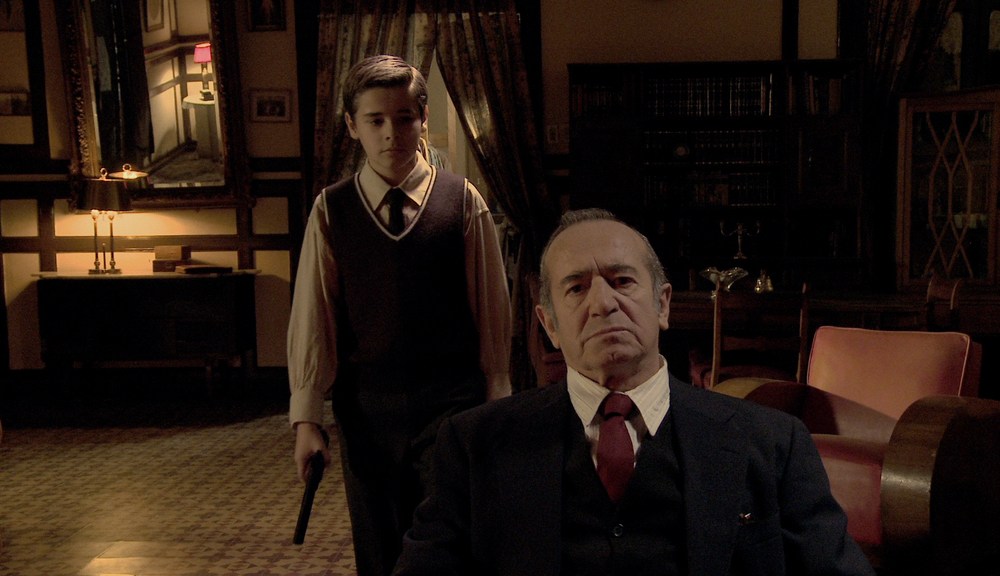
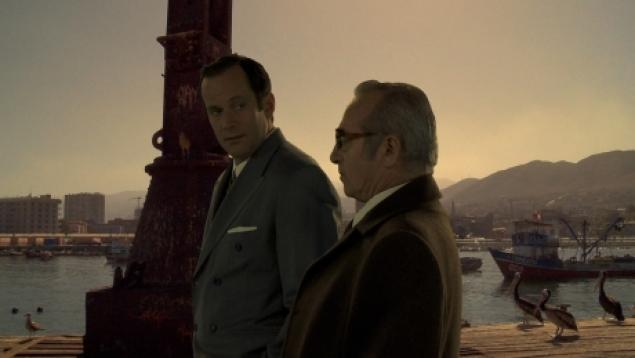
Night Across the Street (2012, Cinema Guild)

It can be most difficult to assign a numerical value to a film told in magical realism, which means you can pay less heed to the number assigned and more heed to what is said about the film. The reason it becomes difficult is that there are two interpretations you’re trying to quantify: your intellectual interpretation and your visceral one. These two interpretations of a film with more literal forms of cinema are virtually intertwined. With magical realism, or any other subgenre that ventures outside the norms or representative realities, it’s harder to gauge.

One can definitely take a symbolist approach to this film and try to devise a schema wherein the entirety of this film encapsulated in a dream, a hallucination or fancy. However, what bears noting is that this is the kind of film wherein there will be varying interpretations of plot points, symbols, uses of color, place, abuse of time, and all will be right, wrong and somewhere inbetween. The truth of the film and its meaning lies in the thematic basics of it, which is mainly that an old man on the brink of death is reflecting on his life and everything is coming back to him all at once, and is always there, and always will be.

That may sound cryptic but this is a film where, if you watch closely enough, you may even begin to doubt when certain events, like his impending death happened, or if they happened.

I cannot say it’s magical realism at its most accessible. It’s definitely one recommended for those with at least some grounding in it, as it is intentionally dizzying. However, for the most part the calculations in Ruiz’s final film add up. This film lends itself to re-viewing and analysis, and refuses to leave you disengaged and inactive, and will prompt debate, which are all great things for a film to do. It doesn’t do them impeccably, but it does them with a lot of style, great cinematography, effects and a unique editing language that I picked up on as it went along.

8/10

Be My Valentine

Be My Valentine (2013, Hallmark Channel)

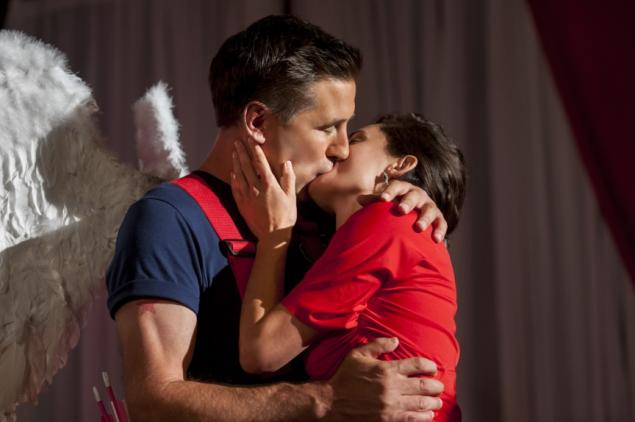
Yet again, the prerequisite comments that TV movies do count in my world and they have won awards and been nominated in the past in categories both flattering and dubious. Having said that, it doesn’t mean I didn’t venture into this holiday-themed romcom with some trepidation. However, what it does well is not only build its relationships well but it also doesn’t get contrived in adding necessary complications. It also rightly resolves its significant subplot of puppy love prior to the climax allowing that to proceed unfettered. It features good to strong performances from the whole most notably Lisa Berry, Natalie Brown and Christian Martyn.

8/10

Arcadia

Arcadia (2012, Film Movement)

One of the greatest tools at a filmmaker’s disposal is their ability to manipulate time. I recall in one of my screenwriting courses we were asked how long, hypothetically, it would take in movie time to dispose of a murder victim. Answers varied. We were then shown what I believe was a 15 minute sequence in Blood Simple wherein a murder victim was stowed, transported and buried. There is no correct answer to the hypothetical question, what determines the answer is how intrinsic said activity is to the plot and the film as a whole.

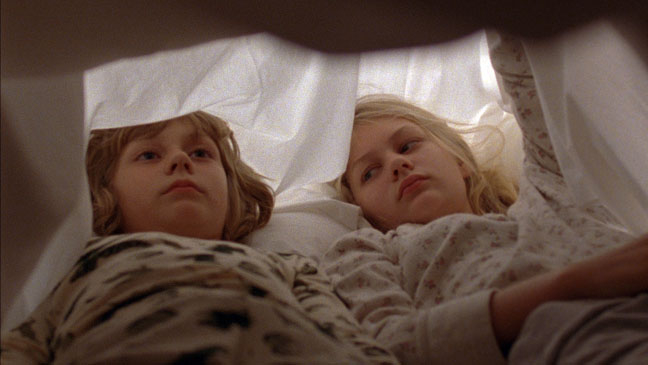
This brings me to Arcadia which tells the tale of a father and moving with his children cross-country by car. There are a few things that are purposely nebulous throughout (what this job is, why their mother isn’t with them, what the nature of their temporary separation is) but the film get stretched out past its simple parameters with cutaways and b-roll to accentuate the passage of time a bit too effectively.

This film is a very good character study, that could plumb deeper depths sooner if it so chose too. It features standout performances by John Wilkes, who since Winter’s Bone has been cornering the market on meaty character work for male characters of his age and type; Ryan Simpkins who in smaller films, and of less frequency than she merits, is finding challenging roles and rising to the occasion as stoically, if not moreso, than Chloe Moretz; and her brother Ty Simpkins, in an example of casting real life siblings working brilliantly, he frequently steals scenes both of comedic and dramatic nature. Yet, these performances, and the plot they operate within, don’t have the impact they could in the end because of the drag of time this film consciously implements. Verisimilitude can be a great thing, and emotionally the ebb and flow makes sense, however, a quicker, more violent storm likely would’ve made as much sense, and carried significantly more weight.

What will stay with me from this film is the outstanding, dynamic performances of the Simpkins siblings, and how I wish the overall experience was as electric as their work in it.

5/10

Nicky’s Family

Nicky's Family (2011, Menemsha Films)

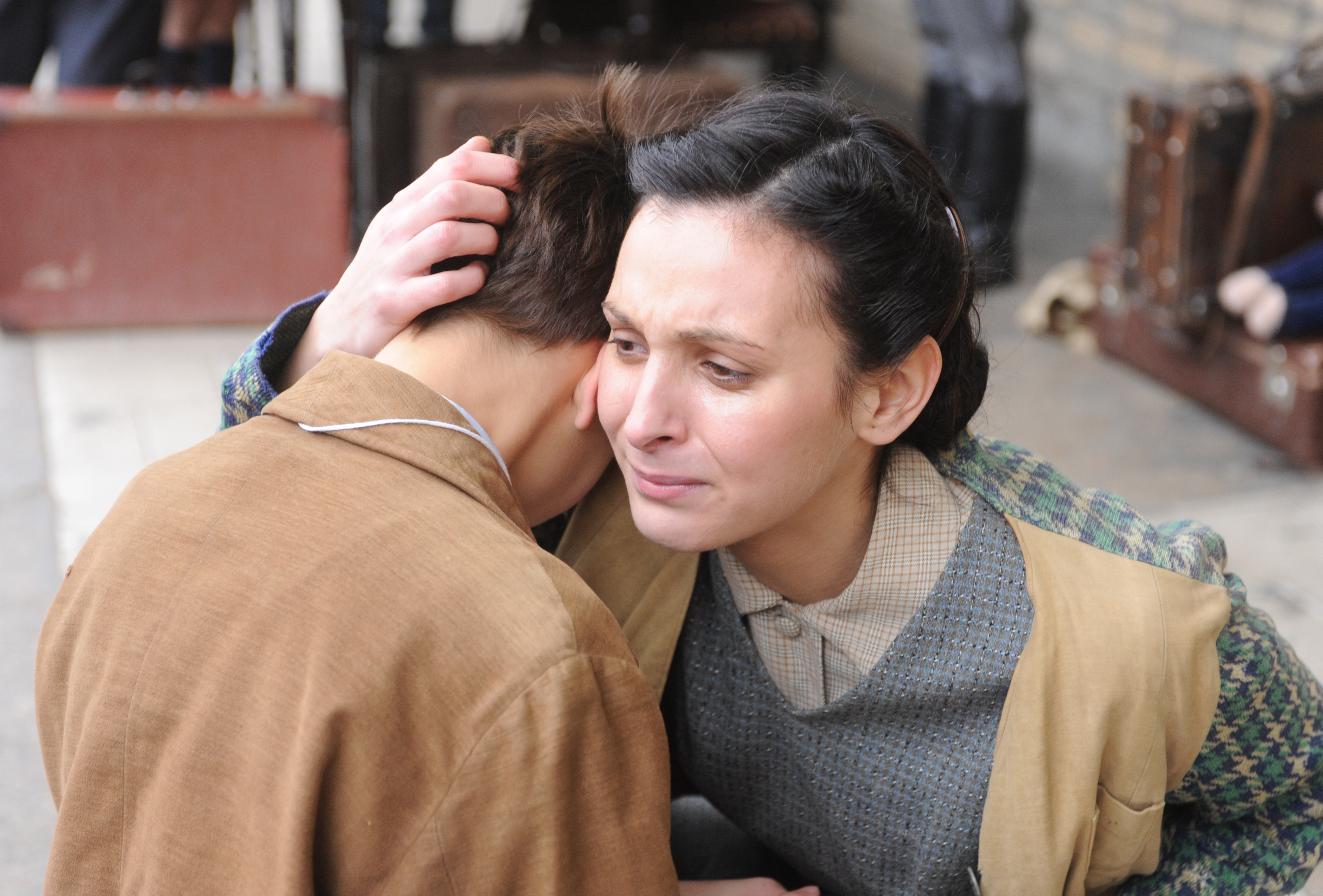
In this documentary, which also includes dramatizations that are thankfully usually silent, the tale of a British businessman, Sir Nicholas Winton, who took it upon himself to organize the Kindertransport program, which evacuated hundreds of children out of Czechoslovakia prior to World War II and the transport of Czechoslovakian Jews, Slavs and Gypsies to concentration camps, is told. However, as the title suggests how Winton came to be inspired to do so, what he had to do and how is only a part of the tale. The film also tells of how the story became more widely known and some of what the survivors went through both as Nazi Germany annexed the Sudetenland, what occurred during and after their relocation and lastly how the legacy of Nicholas’ actions are still felt to this day both with survivors and those inspired by his tale.

Within a seemingly simple story at the outset this is a hefty and ambitious task when all the component parts are taken into account. Having said that it does so quite well. Though I occasionally wondered about, or lost track of a thread, there is a narrative language established wherein transitions between hosted intros, stills, interview pieces, stock footage, re-enactments and b-roll occurs. It’s only a minor pacing hiccup in the end.

Much of the footage implemented, along with the personal accounts as well as some unique and well-placed scoring and original music really elevate this film.

In a great piece by Christopher Campbell from last year he discussed the importance of judging the film in question when dealing with a documentary and as a sidebar you can talk about the topic as he discusses in issue films, which this is. So here’s my sidebar: while there are myriad stories of heroics that occurred during the holocaust that saved further lives from being lost what separates this one is what a small, almost individual effort it was, how unassuming the hero is and how he’s inspired others to take action to this very day in almost a real-life Pay It Forward manner.

Nicky’s Family is a fairly good documentary that should find a wider audience both for the cinematic qualities it possesses and the tale it tells, one that may not be so widely known. For more information on the film you can visit Menemsha’s site or go here to request a screening near you.

8/10

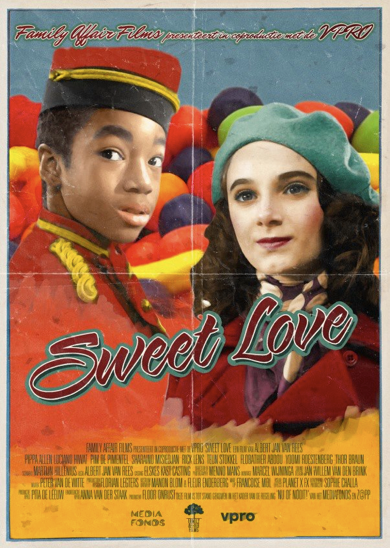
Short Film Saturday: Sweet Love

Roundabout early January, when the new year hasn’t really kicked in yet, and there’s nothing good coming out, I starting searching around for what many BAM nominees would be up to this year. Turns out Best Performance by a Young Actor in a Leading Role winner, Rick Lens, was in this film.

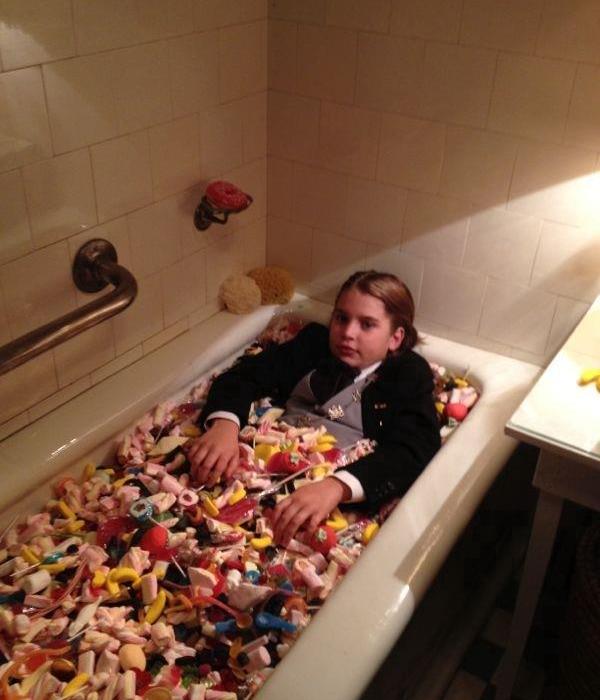
Sweet Love is a romantic comedy, told with an all kid cast, that is set in a fictional town where a bizarro version of Willy Wonka, the town’s Burgemeester (Read: burgomaster played by Lens), has everyone under his thumb. His girlfriend, Roos (Pippa Allen), falls for a doorman, Saba (Luciano Hiwat), but is with the Burgemeester, and the drama ensues from there.

Sweet Love (2012, Family Affair Films)

What’s most interesting to note is not just the juvenile cast but the fact that this film is also a musical. Now as opposed to being a sung-thru musical (the only other thing of this length I’ve seen that’s a musical and live action would be the “Influenza” episode of Even Stevens) this film places a song strategically in each act at the right time. Another interesting aspect is that the IMDb listed this film as having aired on TV, which for a short is rare here save for specialty channels.

This is a very humorous, quirky and charming tale that’s masterfully produced with some really great cinematography throughout. It is certainly a film that already has me thinking about possibly breaking out special jury prizes at the end of the year.

I’ve not been able to locate this film online, but if/when it is available I’ll update this post.

Once Upon a Time in the 80s: Animation (Part 7 of 17)

This is a recapitualtion of a paper I wrote in school. Part one can be read here. A search can retrieve subsequent parts. Since time does bring about changes and developments, I have included some notes in brackets after statements that may no longer hold true, or at least are in need of further enlightening.

In the 1980s Animation and Television are one. Even more so than in the 1970s animation was in the 80s a medium of television, while the animated feature was always a rarity we see in the 80s the complete discontinuation of cinematic shorts and the dominance of half hour animated programs before getting to that there are some important developments in the cinema that need examining.

Walt Disney Studios were my catechism in film. From 1937 to 1995 they were the Notre Dame of film in my eyes and could do no wrong. There is an asterisk, however, and that comes in the 1980s. The films they made were very eclectic in the 80s.

They made some very good films The Fox and the Hound (1981), The Great Mouse Detective (1986) and The Little Mermaid (1989) yet they produced films that I had no interest in seeing as a child and they were Oliver and Company (1988) and The Black Cauldron (1985). Disney went beyond the point of experimentation later on and just got bad on occasion. They’d lost the luster and were not something I looked forward to any longer. [I’ve since filled the 80s gaps in my viewing, and have found newer and older Disney titles I like. My fandom is complicated thing, as I will explore in March.]

If it takes about four years to produce an animated feature film then I estimate the death of Disney films as we knew them in 1991. Which is when they would’ve started working on Pocahontas and Mulan the first two Disney films I consciously avoided and then they released the terrible Hercules and it was over. The only quality they can come up with now is through collaboration with Pixar and through use of computer animation. [This too has changed since this writing and the introduction of Walt Disney Animation Studios, which focuses more on traditional techniques.]

Not that there was anything wrong with the Disney of the 1980s, oddly their best film of the period may have been The Brave Little Toaster in 1987 but one of the best things the 80s brought us was a legitimate alternative American feature length animation film for the first time since Max Fleischer’s Gulliver’s Travels.

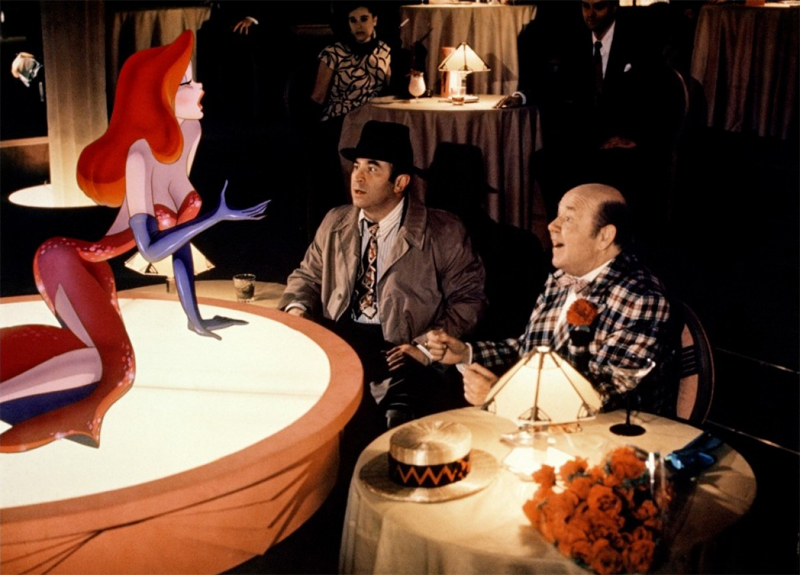
One of the very best films ever made has got to be Who Framed Roger Rabbit. It took the technology from Bedknobs and Broomsticks to the nth degree. Not only that but it’s one of the most entertaining and delightful films I’ve eve been witness to and it’s nearly miraculous that Spielberg was able to pull it all together. What makes Who Framed Roger Rabbit truly a great film of the 80s cinema is how we see the cartoon characters. This probably has more resonance with people who saw this film as children because, in essence, what the film is doing is rounding out these characters, if not that adding dimension at least. Whereas in shorts we knew what Bugs Bunny was going to say and how Daffy would respond. Here we saw them in different situations and in a new light. It’s something kids do all the time: take characters that have existing attributes, stories, etc. and put them in new ones either just in their own imagination or with the aid of action figures. This makes it such a rich and pleasing cinematic experience. While as children get to bask in whimsical awe that all these characters we never saw interact are running around together (Donald and Daffy) we also get wrapped up in the mystery and it becomes very suspenseful. For adults the opposite effect must be true the suspense and plot keep you in it and the cartoon characters take you back in time, making this a unique experience for all who see it. It is truly a gem of the 80s which was hailed as a ‘landmark’ at the time but hasn’t had much said about it since. Spielberg attempted to make Roger a new star of shorts but the logistics probably got in the way and only a few were made, however, Spielberg has continued to work with animation making the all computer animation Shrek, yet another breakthrough and creating such television series as Tiny Toons Adventures, Anamaniacs, Freakazoid! and Histeria.

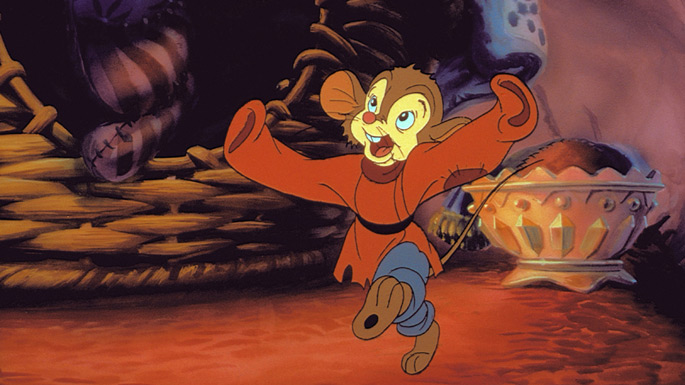
An American Tail (1986, Universal)

Aside from Spielberg’s efforts the 80s has produced another animation specialist named Don Bluth:

“Don Bluth was one of the chief animators at Disney to come to the mantle after the great one’s death. He eventually became the animation director for such films as The Rescuers (1977) and Pete’s Dragon (1977). Unfortunately, the quality of animation that Disney was producing at this point was not up to par with the great works of Disney, and there was rumor that the production unit at Disney might be shut down indefinitely. In retaliation, Bluth and several other animators led a walkout, and went off to form their own independent animation firm.”

Bluth’s story is one of those twenty-years-in-the-business-overnight-success-stories. In 1982 he released his first film The Secret of NIHM and it was a success. In fact, he didn’t have a bust in the 80s following that up with An American Tail, The Land Before Time and All Dogs Go to Heaven. While he’s never been on a Disney-like scale he has made quality films and continues to make his own works. As a businessman and a producer, he’s never said no to a sequel. God knows how many Land Before Time films there are now but he does have his standards as a director and his most recent animated sci-fi adventure Titan A.E. received sharply mixed reviews.

Animation is definitely now the domain of television. [Obviously this no longer holds as animated features now come from all studios and have spawned an Academy Award category all their own.] The short which used to be on before a feature film, is now paired with two other shorts and called a television show. The stage for this change was set in the 1980s as we will see in the television section.

Works Cited: http://us.imdb.com/Bio?Bluth,%20Don

http://www.rottentomatoes.com/m/TitanAE-1097051/

The Rex Reed Conversation

As I’ve mentioned on a number of occasions, part of my desire to start my own site, with its own agenda, was to not necessarily have to always be feeding into the voracious entertainment news cycle. Keeping that in mind, this is why I didn’t immediately jump all over the latest Rex Reed fiasco.

To be another voice in the chorus that chided Reed for going way out of bounds in insulting Melissa McCarthy in his review of Identity Thief would add nothing to the conversation. As Scott E. Weinberg eloquently pointed out, and I’m paraphrasing, if Reed’s sole purpose was to slam the film for having one joke, and going back to that well far too often, this was not the way to do it.

I will preface my further comments by saying I’ve never liked Reed’s work. Growing up I saw three critics on TV frequently: Reed, if I recall correctly, added film reviews to The Gossip Show on E!. Then there was Gene Siskel and Roger Ebert.

Of the three, I held the late great Gene Siskel in the highest regard. Roger Ebert is a great source of knowledge, but I don’t frequently agree both with what he says and how he goes about saying it. My last piece on a critical blunder was on the first in now a string of spoilers by him (and it shan’t resurface on here lest he does so again). Reed’s latest gaffe comes about a year after his egregious errors in fact on The Cabin in the Woods, which were embarrassing whether he liked the film or not.

To get back on point, corrections and admonitions of Reed based on the content of his piece and his track record, which is unquestionably long, are fine. However, it was only in this debate wherein Reed’s sexuality was confirmed to me based on people’s comments. This fact was brought to light in part due to the fact that he is insulting a woman on her appearance and weight. The veiled insinuation being that this latest breach of professional etiquette is due at least in part to his sexual orientation, which is completely and utterly asinine.

Boorish writing and unprofessional behavior is perpetuated by those in all walks of life. There’s no excusing Reed’s behavior, and to try and explain it is wasteful. Especially considering the fact that Reed has gone on to defend his comments and not retract them.

Anyone who either dabbles or works solely in the arena of opining likely has made regrettable statements or pieces, I know I have. My real contribution to this conversation is the following: In general terms, when criticizing someone’s insensitive remarks do not make generalizations or you’re stooping to their level (e.g. “Oh, well he/she would say that because they’re this). More specifically, if we’re debating the quality of someone’s work their sexual orientation has no bearing on the issue.

For example, I’d go so far as to say Joel Schumacher is one of the more wildly inconsistent directors there is, but when he’s good I think he’s very good and when he’s bad, well, you’ve seen it, and believe me there’s worse than the one you’re thinking of. However, any debate of on works of gay directors whether highly regarded like Gus Van Sant or not-so-much like Joel Schumacher almost invariably brings the fact up at some point. Anyone who strives to do something, and do so well, doesn’t want a qualifier: you don’t want to be a great gay filmmaker, black quarterback or female senator. You want to be a great filmmaker, quarterback or senator. It works on both ends of the spectrum. If Rex Reed is a bad critic, which I always found him to be, it’s because he’s not good at his job. Period.

2013 Oscar Nominated Short Films – Live Action

While not quite as deep as the animated shorts field, the live action shorts do have some very good contenders.

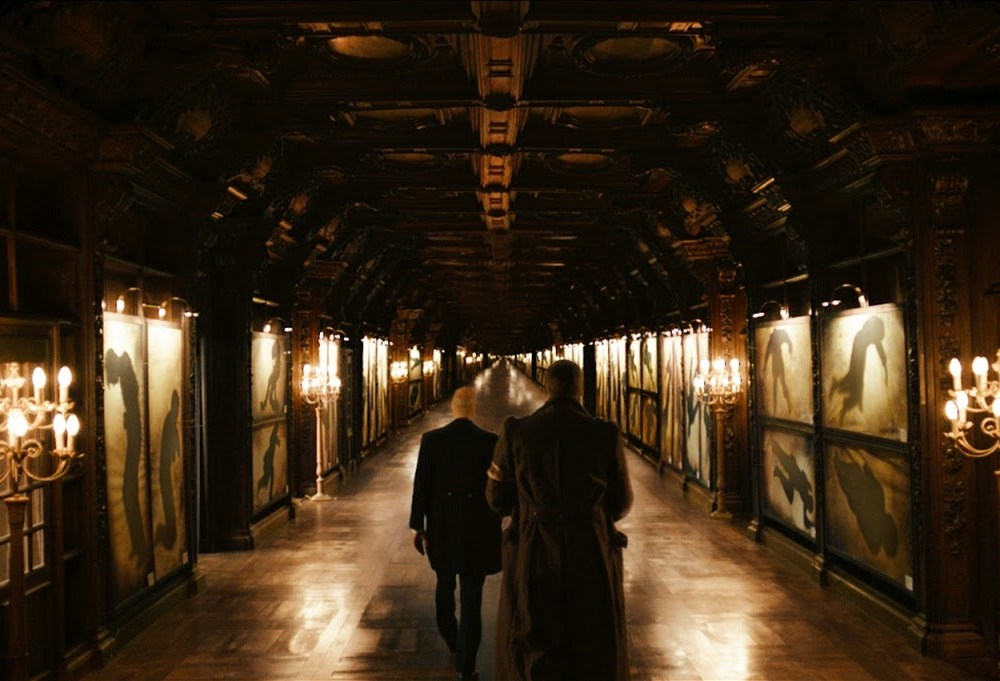
Death of a Shadow

Death of a Shadow (2012)

In a short film you obviously have very little time to convey your idea, therefore, it’s even more admirable, and helpful in decision-making, when the idea you’re conveying is quite different. The overall production values of this short are astounding and with very little dialogue tells its off-beat and engaging tale with the highest degree of cinematic quality possible. My favorite for this year’s category by a landslide.

Henry

Henry (2012)

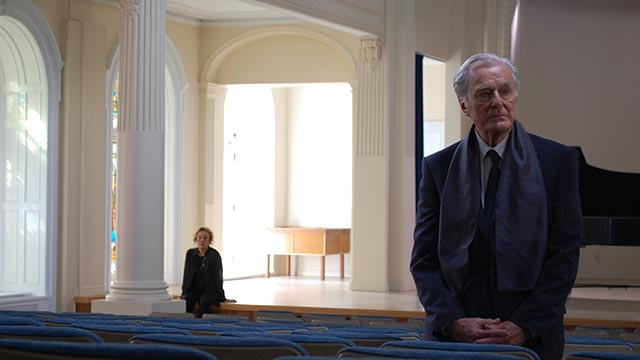
The most intimately grandiose of the productions which, like the first title, blurs the lines of time and memory to paint a loving portrait of a man fighting infirmity and memory loss.

Curfew

Curfew (2012)

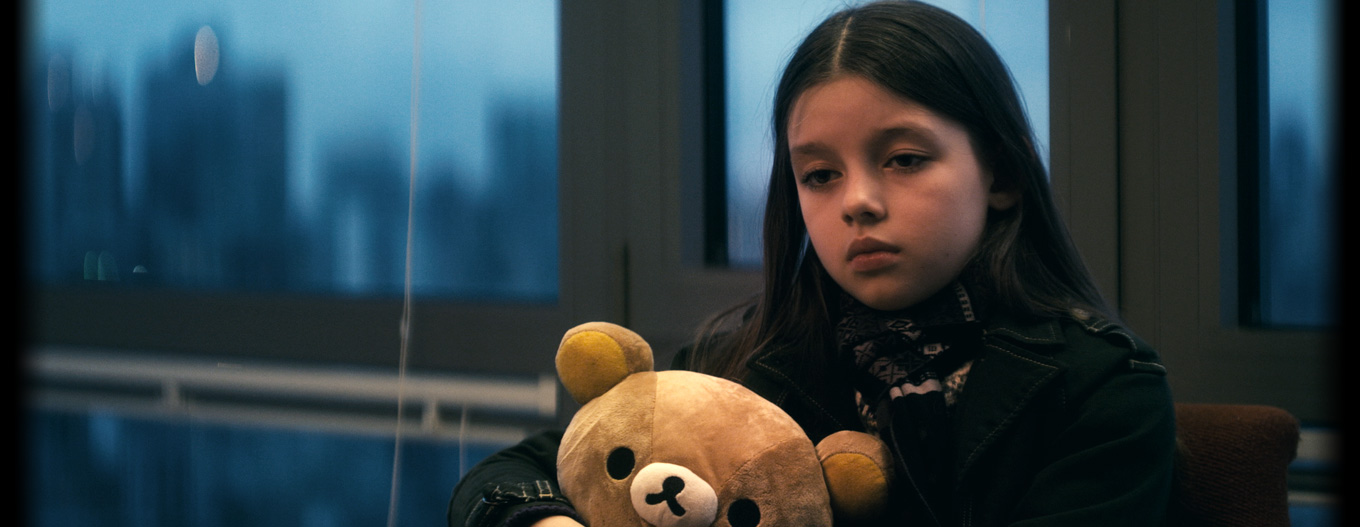
The American entry tends to usually be comedic in my brief experience viewing nominees. I was glad to find that this one is more of a dramedy. There are some slight missteps striking that balance I feel, but it is very good and serves as a breakout role for young Fatima Ptacek who steals this movie.

Buzkashi Boys

Buzkashi Boys (2012)

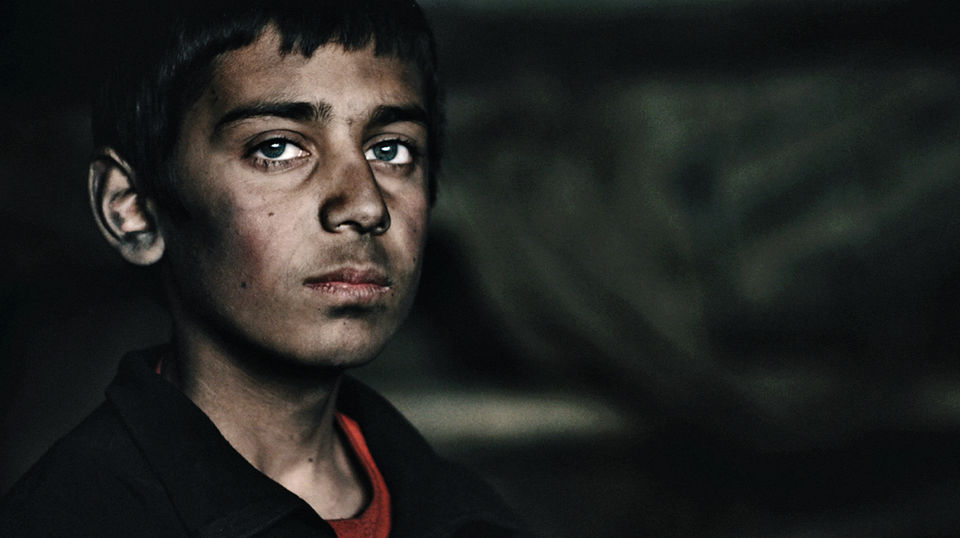
This is a subtle coming-of-age tale set in Afghanistan, which for all its best intentions and visual splendor, feels a bit incomplete.

Asad

Asad (2012)

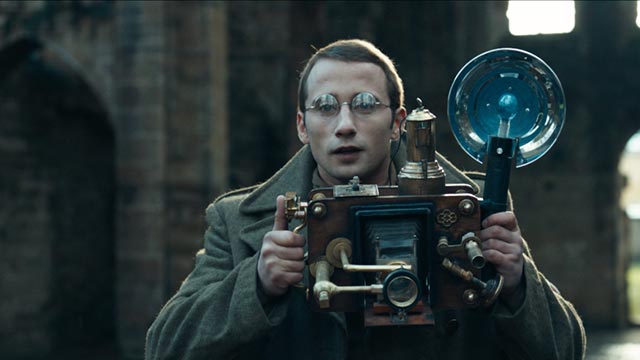
In terms of simulacrum, this is a most interesting tale inasmuch as it’s a South African film set in Somalia starring Somali refugees. Removing that and sticking solely to the narrative its a bit bare, though the from the outset neorealist approach is appreciated.

The Gray Area 2013

To put it in its simplest terms this piece is my best attempt to keep myself and my BAM Awards process honest. What this means is that if I had a legitimate opportunity to see a film in 2012, but for whatever reason it falls through the cracks, its review ends up here, rather than rolling over into 2013. There have been some good films that have appeared here in the past and I have found a home for them after all. For a guide to what these ratings mean go here.

Jack Reacher

Jack Reacher (2012, Paramount Pictures)

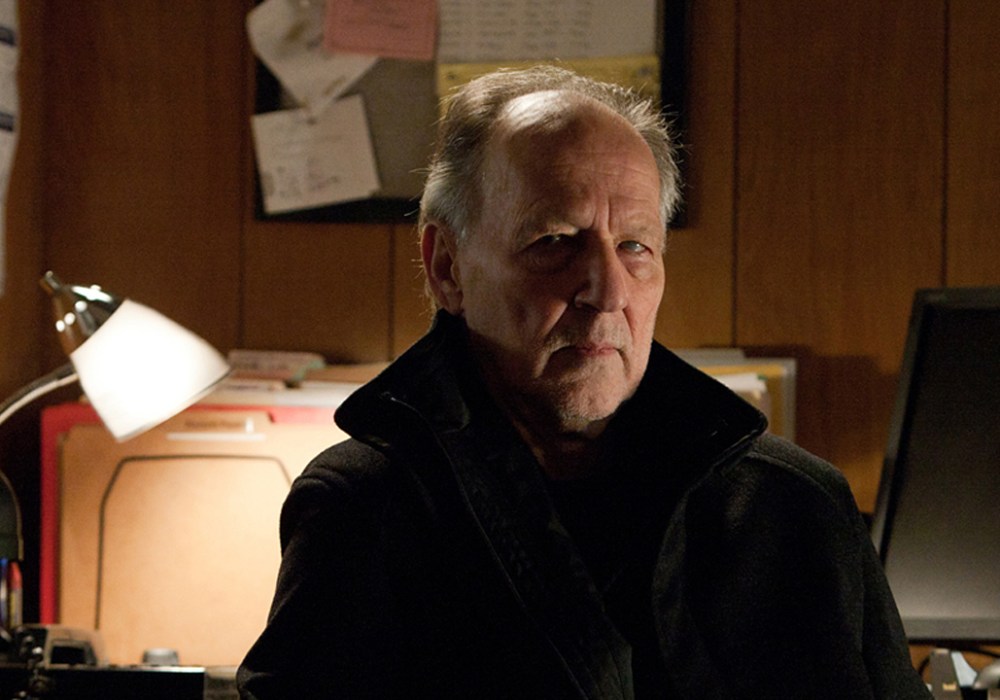
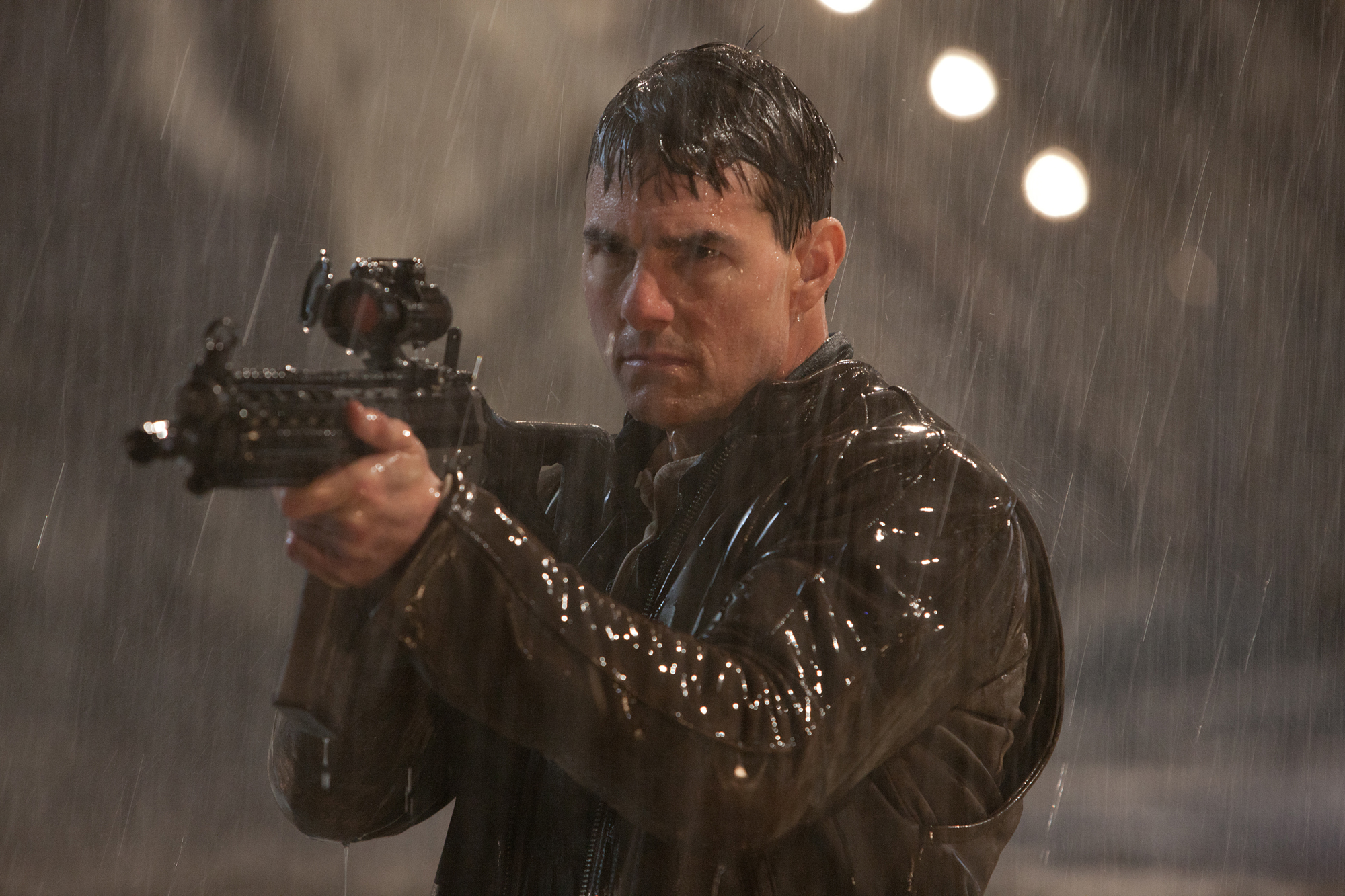
This is the kind of film that looks pretty good based on the trailer, but I’ll admit I didn’t rush out to see despite the fact that this film boasts the brilliant move of using Werner Herzog as its villain. My reaction to the trailer was that it seemed like those bits would be the highlights. It does, however, expound upon that with good action sequences and an intriguing web of mystery that’s well executed in visual and cinematic terms. It’s another winning project for Tom Cruise, who remains one of the few actors who can consistently find star vehicles that work on a narrative, financial and aesthetic level.

8/10

Clandestine Childhood

Clandestine Childhood (2011, Film Movement)

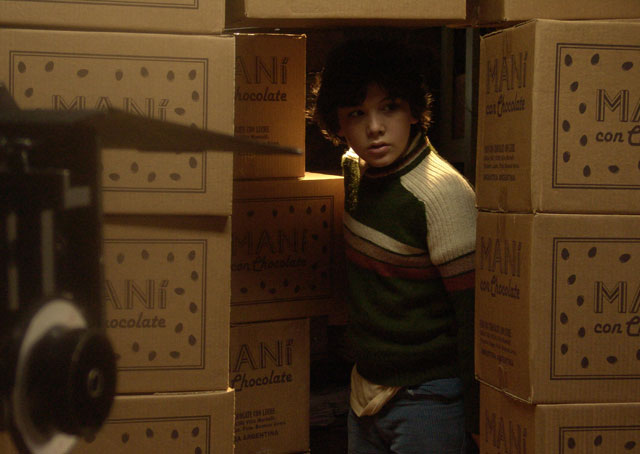
At the risk of sounding like a broken record, for I mentioned this when I reviewed Teddy Bear, not only do I truly enjoy the fact that Film Movement pairs a short film with its feature, but whenever possible its by the same director, and on occasion the short that inspired the feature. Here that is the case and it’s interesting inasmuch as the short serves as a springboard to the feature rather than just being expounded upon. The film is very well-shot with creative use of color and effective lighting throughout. It illuminates the oppressive atmosphere rebels in Argentina faced living under the regime of the late-70s/early 80s with human characters, humor and sensitivity. It’s not a wonder that Avila’s first feature earned him a spot at the Director’s Fortnight in Cannes.

8/10

The Impossible

The Impossible (2012, Summit)

Out of all the films that will likely end up appearing in this post before it peters out, this one was the most lamentable. This past year was the first time I that I jotted down a list of films I wanted to see before the year was out in order to create my lists and awards. This was the only one left on the the outside looking in.

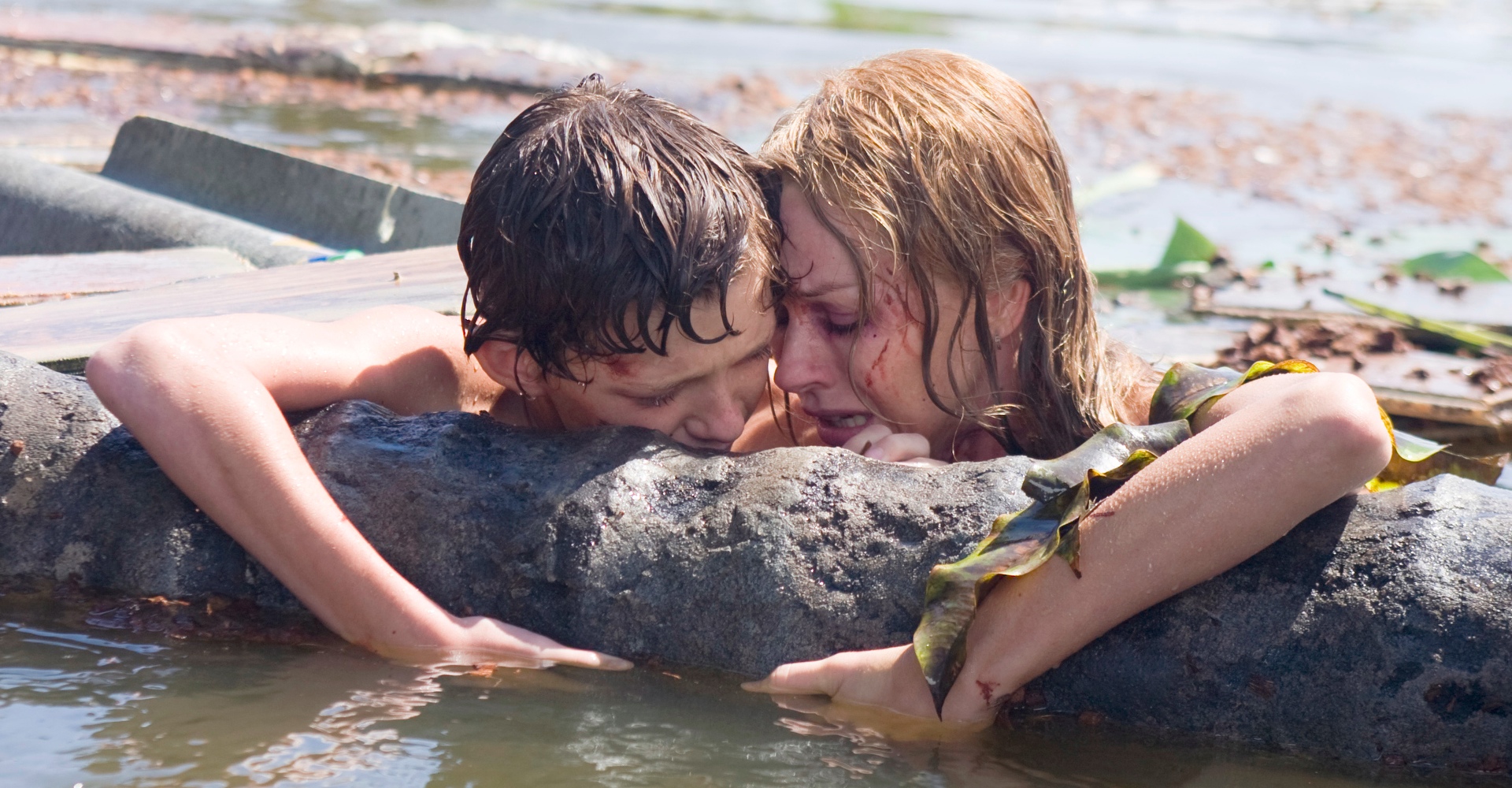
All that aside, be it my awards, the Oscars or anything else, the film still stands and should be seen. The film has a very smooth and even flow, such that the climactic sequence feels like it may be a prelude of false hope. On the technical end the film is a small marvel, not only in terms of effects work but also in terms of sound design and scoring. That’s before you get to the narrative and the performances. There’s a wonderful, pitch-perfect cameo, which is as much as I will say. As for the leads: Ewan McGregor’s work in one particular scene is likely the best moment of his career to date, and he’ll have many more to come, Naomi Watts is brilliant and all her accolades for the film are more than deserved. Most critical is the involvement of Tom Holland. He’s the audience’s bridge to the narrative, we divide time between his mother’s plight and father’s search, and he shoulders much of the burden and has a star-making turn that out not be drowned out in the award season buzz and should be seen.

Perhaps the best thing one can say about this film is that its impact as a piece of cinema is not immediately felt because it really is a harrowing and intimate portrait of a tragedy, and all that credit goes to director J.A. Bayona. The tonality of the film never wavers in its intent so it for the most part continues to feel like an account of an event rather than fiction. It never really feels over-dramatized or sensationalized, it’s real enough such that it’s engaging if not entertaining in the traditional sense.

9/10

The Thompsons

The Hamiltons (2012, Film Harvest)

Essentially part of the criteria for falling through the cracks in one year is cognizance. The release date on video for this film was 12/31, which made it a tough one to acquire and view before the end of the year.

This film reaches an honorable and rare duality of being a sequel that one could watch without having seen its predecessor and that continues the trajectory of a series properly. This sequel builds upon its own vampire myth, which is one whose origin is genetic rather than viral. What this film does infinitely better than its predecessor is build mystery, and suspense but also has reveals and significant plot points at a persistent pace. The necessary information, both new and old, is relayed quickly enough such that the raising of stakes happens early and often. You also have here a rather unusual paradigm wherein humanity is the outside world and you’re purely in a vampiric world. What The Thompsons does is firmly establish a foothold for the Buthcer Brothers concept in the genre, one that should be supported by those who like seeing new takes on old creatures, and specifically, want vampires to be brutal.

8/10

Short Film Saturday- The Music of Erich Zann and The Earth Rejects Him

The Music of Erich Zann

I am a huge admirer of the works of H.P. Lovecraft. I have read nearly all of his works, some on multiple occasions, and the few I haven’t yet read I’ll soon get to. Lovecraft typically has been seen as someone who is for the most part un-filmable. This is usually due to the descriptive nature of his work, how ensconced in prose, inner monologue and an atmospheric sense of foreboding that the psychological play of the written word can achieve far easier than a moving image. Those are just some of the reasons.

One recent excellent adaptation of similar length is The Call of Cthulhu by the HP Lovecraft Historical Society, they have a feature due out at the end of the month.

The Music of Erich Zann is a notable tale not only because of Lovecraft’s designating it as one of his favorites, but also because of the description of the eponymous music. This film is ambitious for tackling this story on that fact alone, and much of the time the music works it has a borderline-grating yet conversely captivating quality that Lovecraft alludes to in the text. The sound design of the film also works well in conjunction with it. There are great oblique angles thrown into the mix that build that sense of unease and hint of something outré.

The locations are really great and the film does well to play rather timelessly throughout. There are few hints of when this film was made, which allow it to be rather close to the Lovecraft’s text without being strictly period. The makeup work is rather good for the most part, but most of what makes this film click is that this film insists on the myopic world view of the mythos and that is most of why it works. The world beyond the walls of this decrepit apartment building is illusory and the reality of reality is being uncovered behind these walls.

This film is very true to the text based on what I recall of the story and builds atmosphere and dread and slowly builds to a huge wallop, that may impact the protagonist more than the spectator. I know from experience that an undertaking of a tale of this kind and size in a university production is quite an undertaking and the results are pretty impressive.

The Earth Rejects Him

Jared Skolnick has since made a new short film. This one is an original tale. What’s most intriguing is that most of it unfolds without the aid of discernible dialogue and it’s an elementary horrific tale insomuch as we see results and understand patterns, in short we witness results, and don’t necessarily discern the cause in a precise fashion, but understand it. This, of course, is by design. In a Lovecraftian way a curtain is pulled back here revealing a maniacal, terrifying underworld that we only understand enough to know we want no part of it, and in many ways that makes it more frightening.

You can view The Earth Rejects Him below.

http://t.co/roou4klSLn

If you’re interested in this film it can be purchased here.

Once Upon a Time in the 80s: The International Scene (Part 6 of 17)

One can never really analyze all of international film during a given decade given the enormous scope and the amount of films released worldwide in any 10-year period. Certain decades have cinematic movements within given cultures; the 1960s are perhaps the most notable with the nouvelle vague influencing all of Europe. However, the 1980s is the time when foreign films started to have staying power. The art houses would soon be cropping back up and Americans started to be more willing to watch foreign films than ever before, even in the 60s watching Fellini and Truffaut was a sect of counterculturalism that was not universal.

The Academy Awards have always been a promotional event. The press has added a great deal of importance to them and the public have followed it making it consistently one of the highest viewed television programs every year. Thus, when the Academy, whoever they are, starts nominating foreign films in categories usually reserved for American films one needs to take notice.


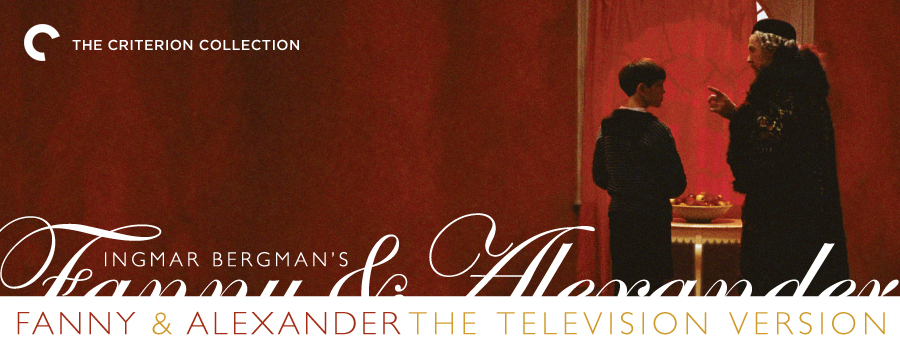
In 1983 Fanny and Alexander, what was said at the time to be Ingmar Bergman’s last film, received six Oscar nominations and walked home with four of them. Ironically, the categories in which Bergman should’ve been given the awards (Director and Screenplay) were the ones they didn’t win.

Later on La Historia oficial an Argentine film was nominated for best screenplay in 1985. In 1988 Marcello Mastroianni was nominated for Best Actor in Dark Eyes and the screenplay for Au Revoir les enfants and the director of My Life as a Dog, Lasse Hallström, were nominated while Babette’s Feast won Best Foreign Language Film. Also, amongst the nominees was a great piece of Norwegian folklore that has been handed down over the generations called Ofelas.


Max von Sydow received an academy award nomination for his performance in Pelle the Conqueror which was in 1989, for a 1987 release. This was a film which won the Palm d’Or in Cannes, and it is truly one of the best films to come out of any country during the 1980s. It takes place at the turn of the century when Lasse (Von Sydow) and Pelle (Pelle Hvenegaard) arrive in Denmark from Sweden to try and find work for themselves. We follow their trials and tribulations that make us as the audience feel more and more sympathy for the characters as the film progresses. Part tragedy and part triumph, this is a beautiful film that rightly put Bille August on the map.


Of course, we also get Giuseppe Tornatore who’s one of the most talented directors in the world right now coming out with his first hit Cinema Paradiso. In France there was the cinema du look but the emerging nation of the 1980s was Brazil. 


Pixote, A Lei dos Mais Fraco (1982, HB Films)

While the film industry was beleaguered when the government cut off all funding for the arts during an economic crisis there were two big films that set the stage for the international success Brazil would enjoy in the 90s and 00s with films like O Quatrilho, Central Station and O Que e Isso Companheiro? (English title: Four Days in September), A Partilha and Bicho de Sete Cabeças. First, there was Pixote a powerful film about juvenile delinquents from the favelas of São Paulo, of which none were professional actors. It’s a gut-wrenching dramatic experience and an amazing piece of simulacrum; in a sense the Brazilian neo-realist film. The film is told in two parts: first, we see the minors and their struggles in the juvenile camp. Second, there’s a break and they escape and we see their life on the street. Hector Babenco, a naturalized Brazilian, struck home by portraying poverty and crime as well as bureaucratic corruption as it was never seen before in Brazil. It ever landed on many American top 10 lists.


Meanwhile, Arnaldo Jabor’s Eu Sei Que Eu Vou te Amar is a direct victim of the government’s cutting artistic funding and they had to work on practically no budget. This film demonstrates not only the power of editing but also of fine acting. There are only two actors in this film and they are great so much so that Fernanda Torres won Best Actress at Cannes in 1986. We meet the two main characters and they have a discussion and an argument about their relationship why they got divorced. There are flashbacks and a video monitor with the actors on them represents their inner-monologue. The dialogue in this film is fantastical. There’s a stream of poetry that come out through these inner-monologues that is just perfect and the arguments are intelligent and not just bickering. The film is absolutely riveting and is as the blurb describes “a psychological playground” that only suffers from the hallucinogenic end.


International cinema finally made its presence felt for good in the nation that influences the world. Whether negatively or positively most cinematic movements around the world are reactions to Hollywood, and the constant presence and acceptance of international cinema is a necessity to the vitality of American cinema.

Film Thought: A Film For All Occasions

Not too long ago I was asked to participate in a medical study to gather information, and further knowledge, about a metabolic condition I am afflicted with. Part of the process which I was subjected to was a very long MRI. Any and all people taking this MRI were encouraged to bring in a movie to watch. This movie would be viewed in the tube through an angled mirror that would reflect the screen’s image in to you.

What this piece of information made me realize is that there really is a film for all occasions. With this situation I was thinking about what film had a hypnotic quality, that would keep me fairly still for an extended period of time. I also thought to pick a rather lengthy movie should the scan run long for whatever reason, which it did.

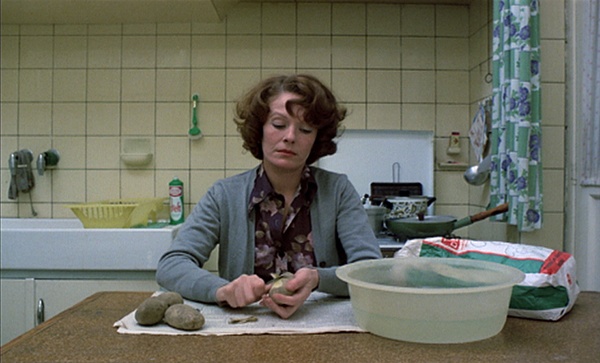
I chose Jeanne Dielman, which ended up working perfectly. I have since noted that there are films that, of course, have seasonal connotations such as Halloween and Christmas, but also those that are perfectly suited for other more idiosyncratic occasions. While I usually try to go to the movies on my birthday, those choices are particular to me and my tastes, there are even more obscure occasions that have movies that fit them. It’s all about finding the right tone and rhythm for you. What other odd occasions have movies that suit them perfectly, I now wonder, seeing as how I found the perfect MRI film?