2025 BAM Award Honorees
Just because something’s a cliché doesn’t mean it’s not true. The nomination process is the most difficult part of this and in its own way more significant than who is selected to celebrate.
As mentioned in my nomination post, this year’s delay in nominations were due to the fact that I’ve been acclimating to life following a liver transplant. In keeping with that re-acclimation, there’s a lack of explanations about what tipped the scales in each category, save for the honorary awards. As you scroll, take in and celebrate the nominees, honorees and above all film.
28 Years Later
Bring Her Back
Hamnet
I’m Still Here (Ainda Estou Aqui)
Nickel Boys
One Battle After Another
Relay
Sinners
Weapons
Young Hearts

Bring Them Down
Freaky Tales
Relay
The Surfer
Young Hearts
Paul Thomas Anderson One Battle After Another
Danny Boyle 28 Years Later
Ryan Coogler Sinners
Zach Cregger Weapons
Walter Salles I’m Still Here (Ainda Estou Aqui)
Tony Cranstoun The Surfer
Geoff Lamb Bring Her Back
Jon Harris 28 Years Later
Andy Jurgensen One Battle After Another
Michael P. Shawver Sinners
Not Awarded
Jessie Buckley Hamnet
Jodie Comer 28 Years Later
Sally Hawkins Bring Her Back
Fernanda Montenegro Vitória
Fernanda Torres I’m Still Here (Ainda Estou Aqui)
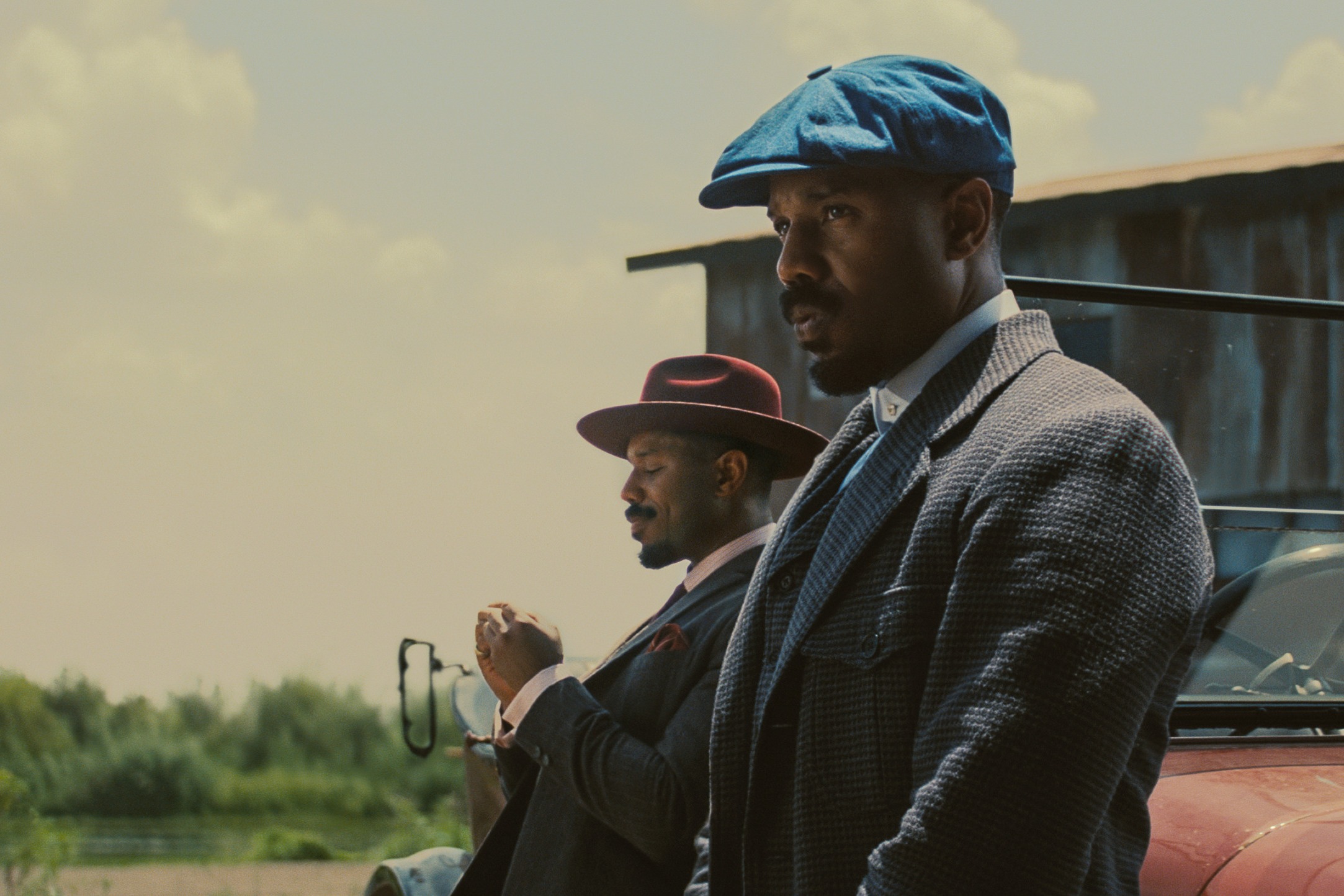
Tom Basden The Ballad of Wallis Island
Leonardo DiCaprio One Battle After Another
Michael B. Jordan Sinners
John Lithgow The Rule of Jenny Pen
Josh O’Connor Wake Up Dead Man
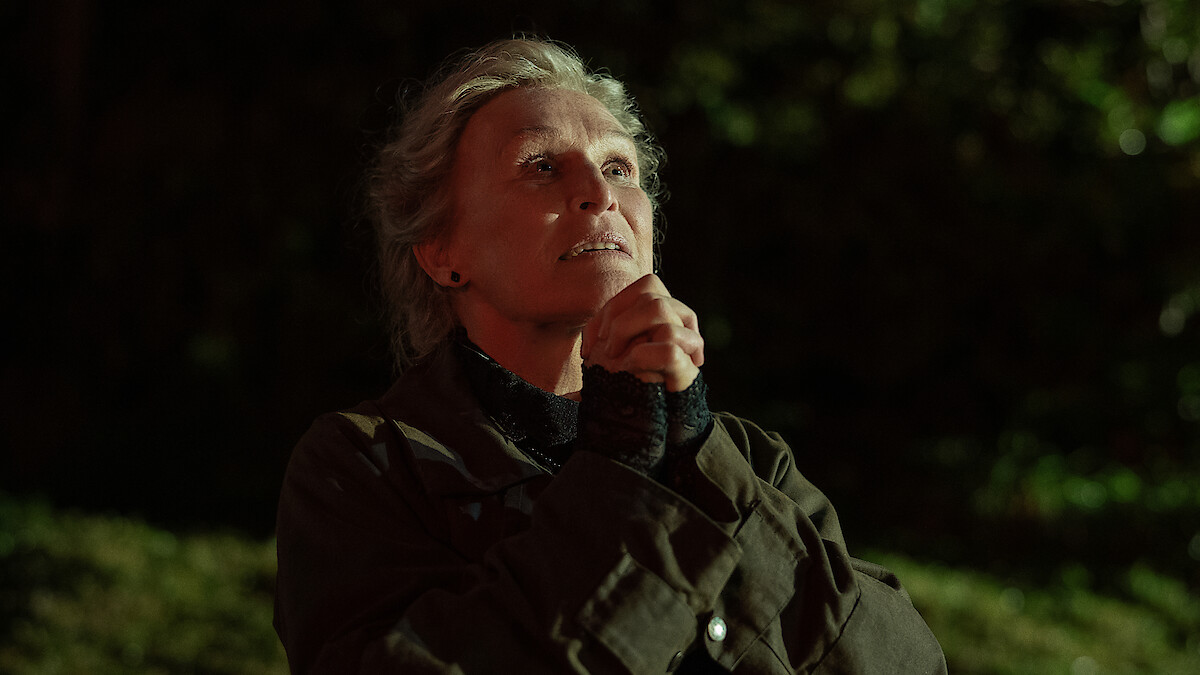
Glenn Close Wake Up Dead Man
Ariana Grande Wicked For Good
Amy Madigan Weapons
Mia Sara The Life of Chuck
Teyana Taylor One Battle After Another

Miles Caton Sinners
Ralph Fiennes 28 Years Later
Benicio Del Toro One Battle After Another
Tim Key The Ballad of Wallis Island
Delroy Lindo Sinners
Best Performance by a Young Actress in a Leading Role

Julia Butters Freakier Friday
Bodhi Rae Breathnach Hamnet
Ana Sophia Heger She Rides Shotgun
Madeleine McGraw The Black Phone 2
Sora Wong Bring Her Back
Helena Zengel The Legend of Ochi
Best Performance by a Young Actor in a Leading Role
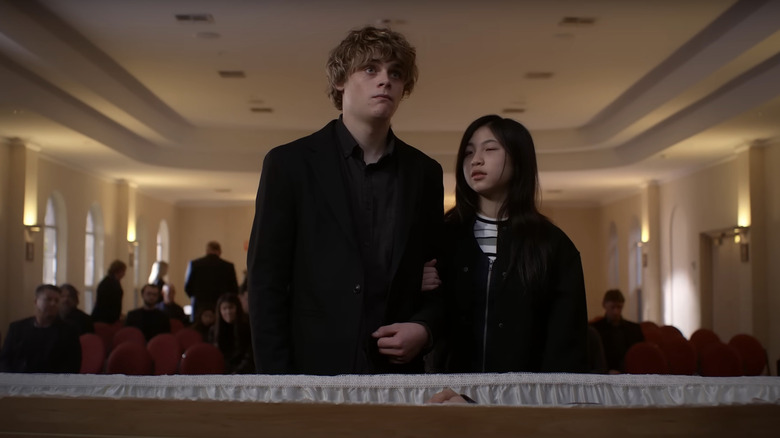
Benjamin Evan Ainsworth Everything’s Going to be Great
Isaac Amendoim Chico Bento e a Goiabeira Maraviosa
Billy Barratt Bring Her Back
Christian Convery The Monkey
Lou Goosens Young Hearts
Alfie Williams 28 Years Later
Best Performance by a Young Actress in a Supporting Role
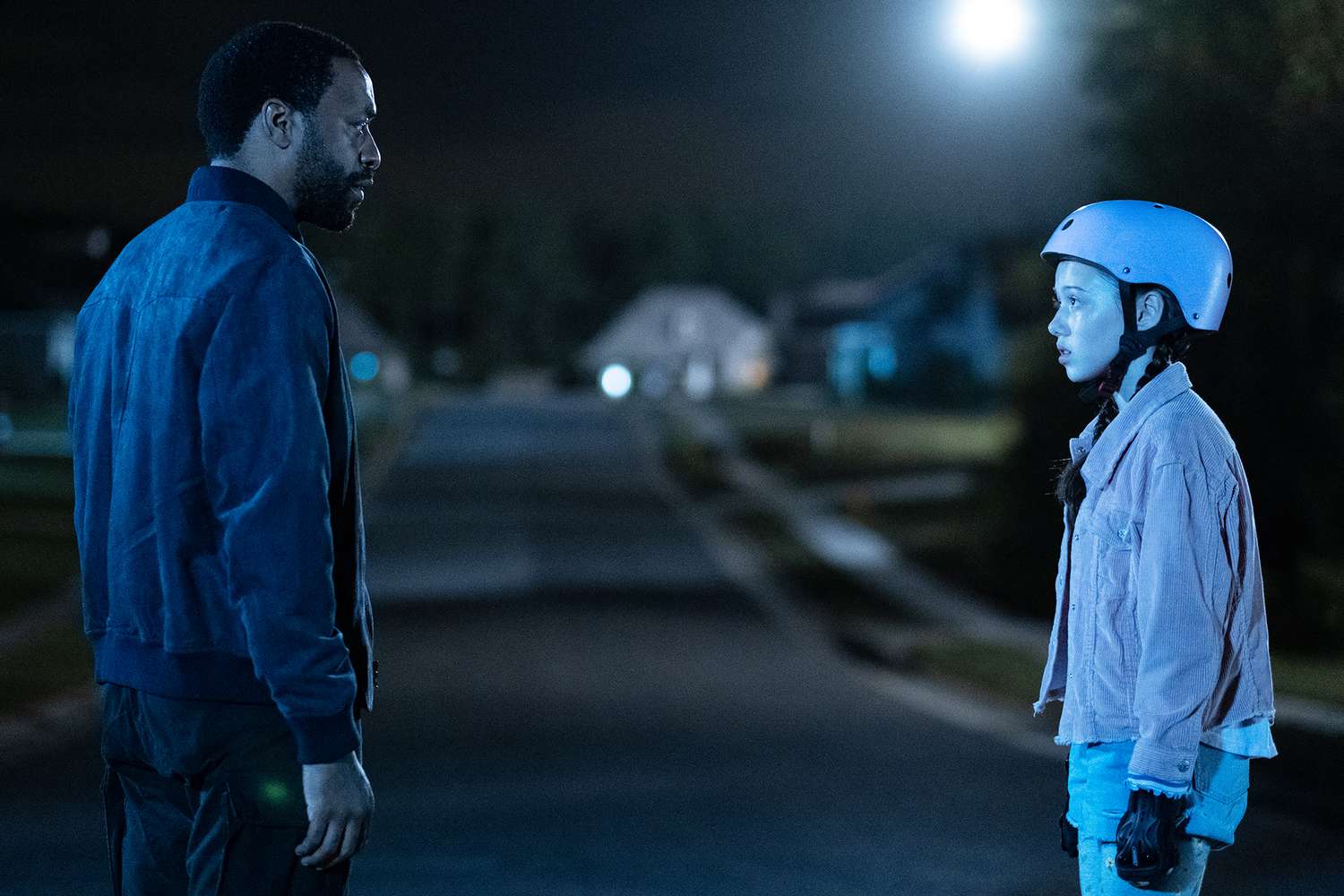
Trinity Jo-Li Bliss Avatar: Fire and Ash
Anna Julia Dias Chico Bento e a Goiabeira Maraviosa
Olivia Lynes Hamnet
Violet McGraw The Life of Chuck
Audrina Miranda Jurassic World: Rebirth
Lorena de Oliveira Chico Bento e a Goiabeira Maraviosa
Best Performance by a Young Actor in a Supporting Role
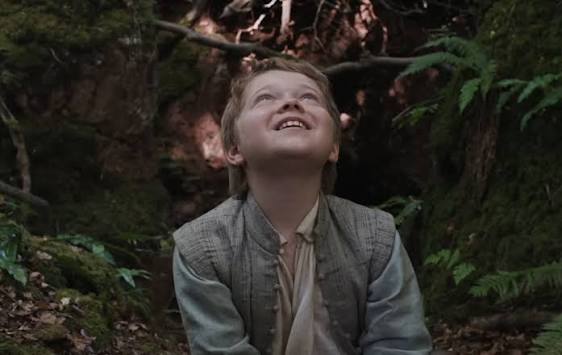
Benjamin Chivers Fountain of Youth
Jacobi Jupe Hamnet
Miguel Mora Black Phone 2
Benjamin Pajak The Life of Chuck
Jonah Wren Phillips Bring Her Back
Marius De Saeger Young Hearts

28 Years Later
Bring Her Back
One Battle After Another
Hamnet
Sinners
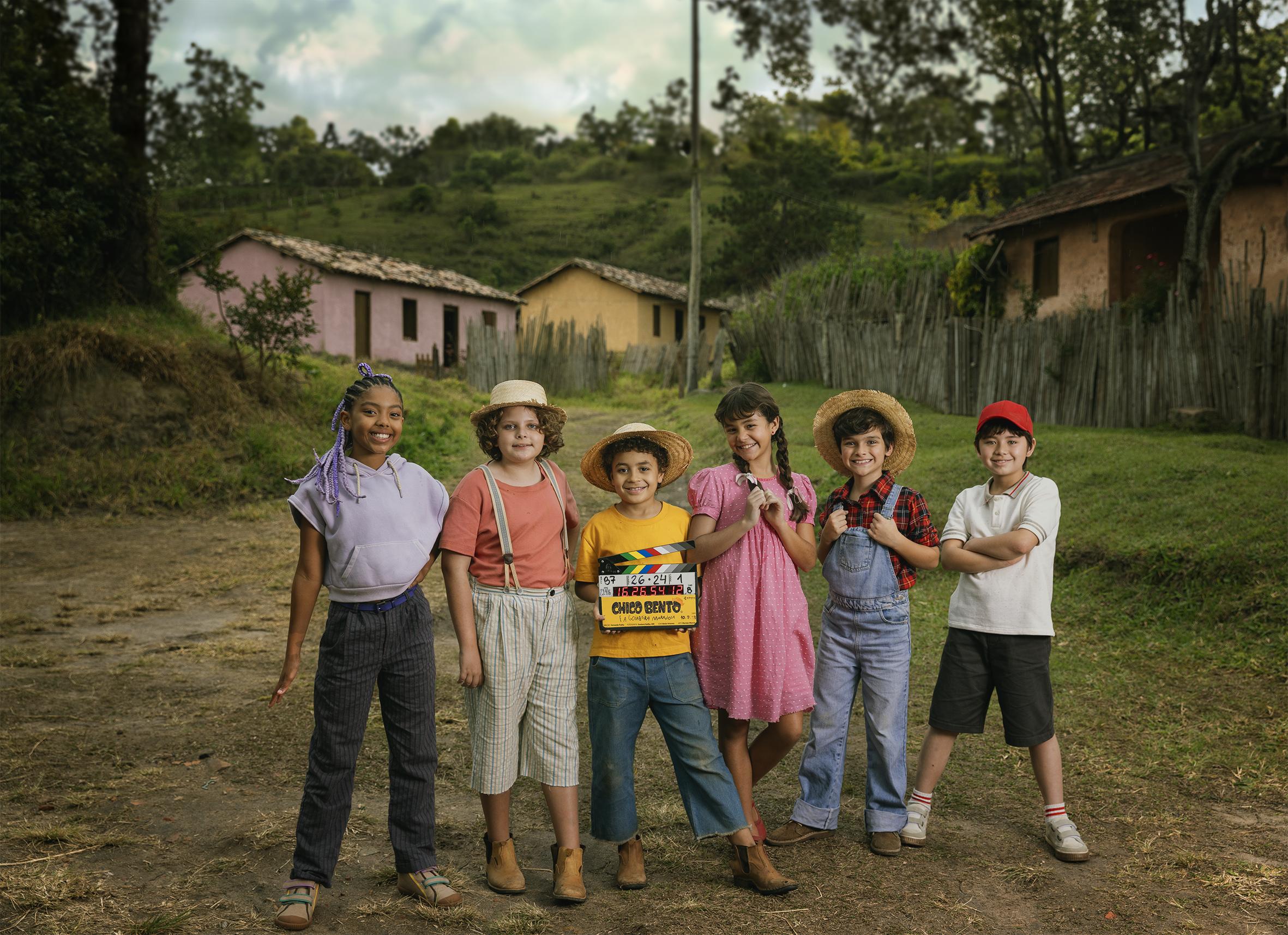
Chico Bento e a Goiabera Maraviosa
Hamnet
Bring Her Back
Young Hearts
The Legend of Ochi
Weapons


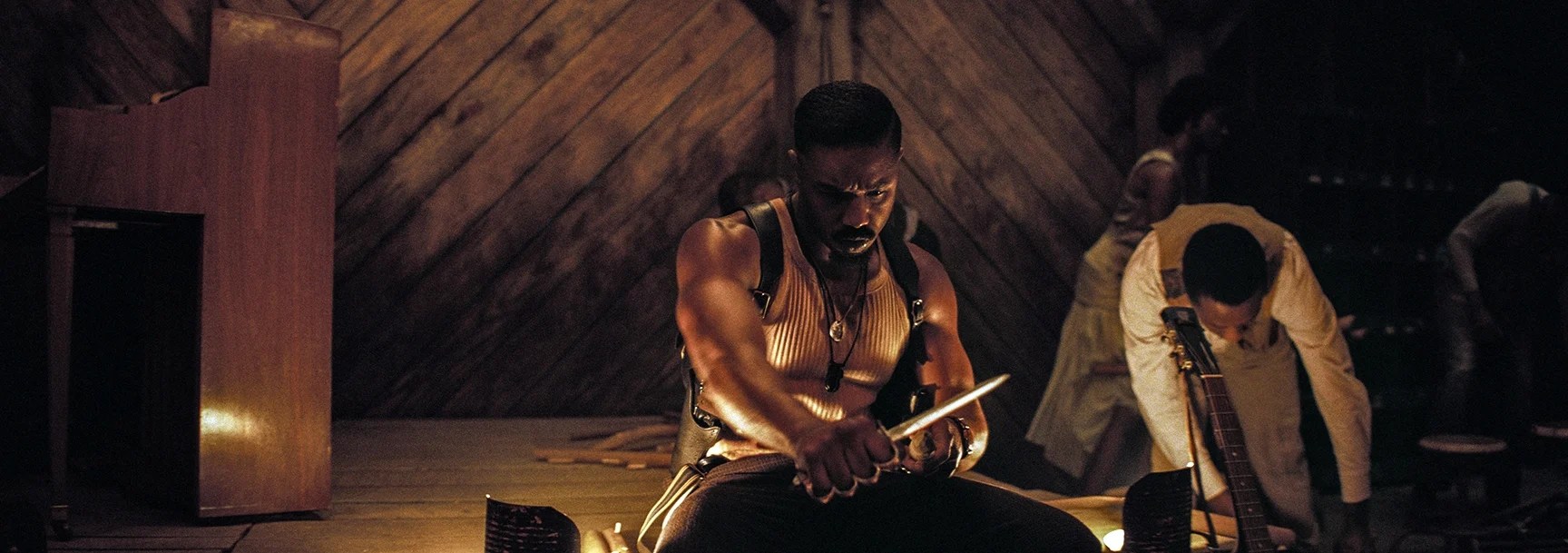
Autumn Durald Arkapaw Sinners
Michael Bauman One Battle After Another
Jomo Fray Nickel Boys
Radek Ladczuk The Surfer
Stephen Soderbergh Presence
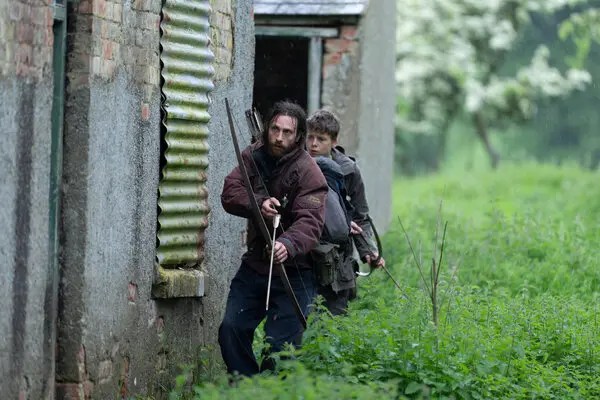
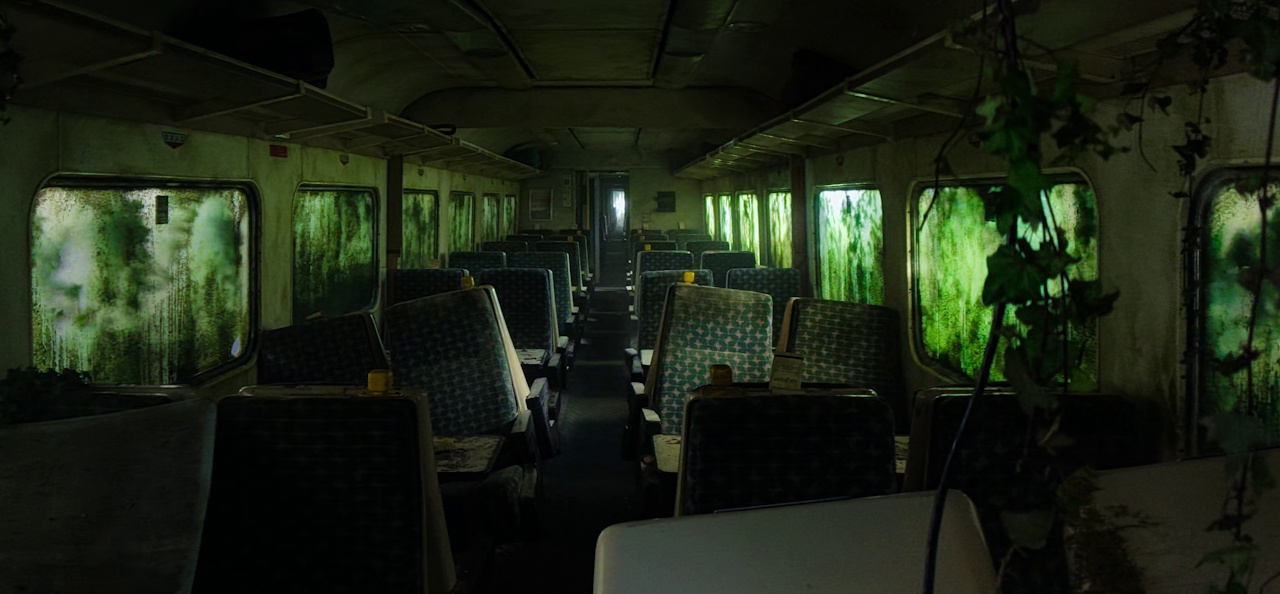
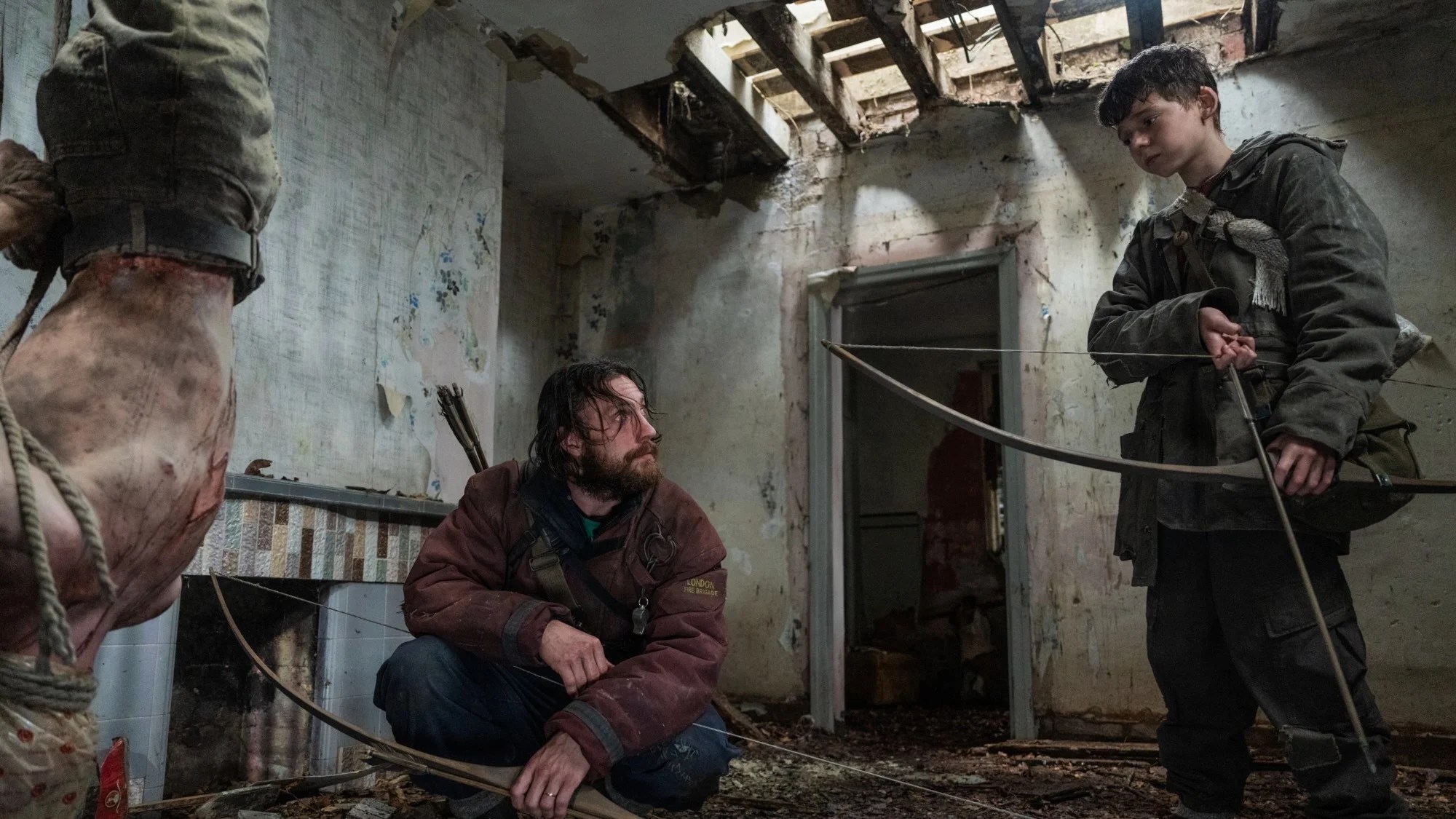
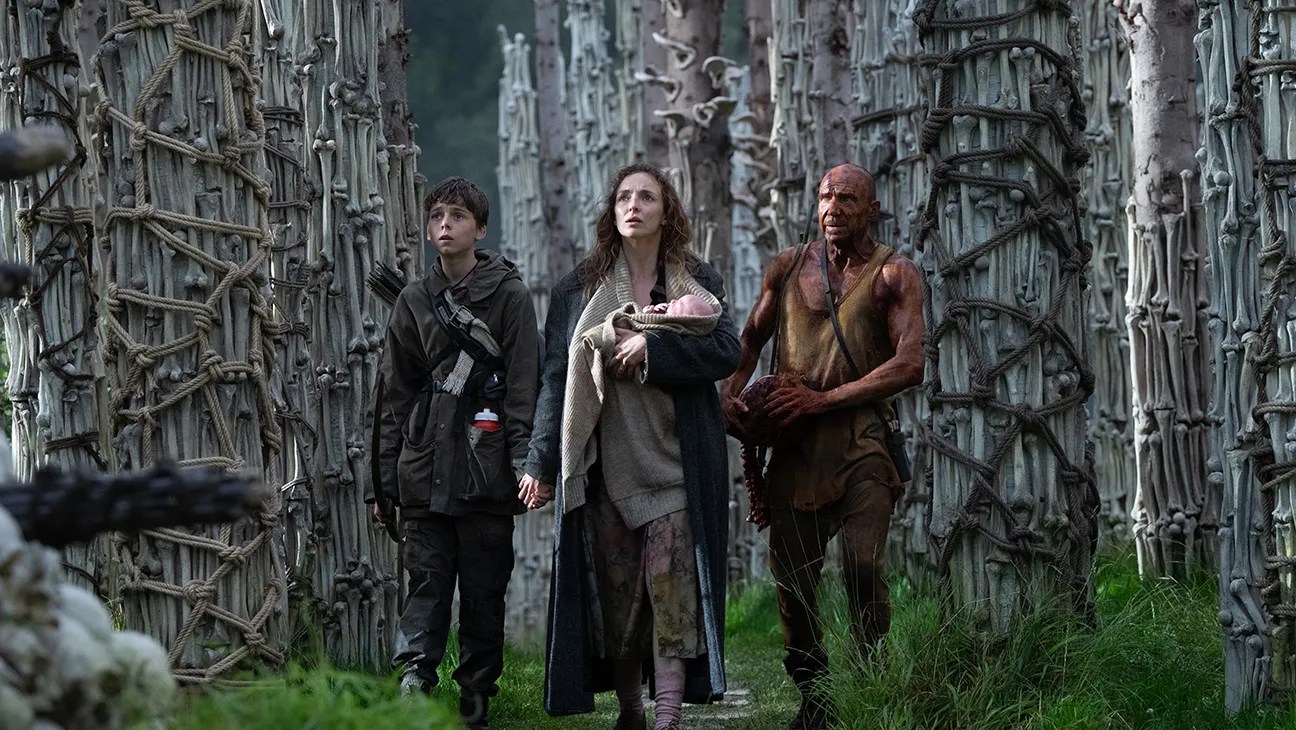
Dan Clay, Ewa Galak, Carsom McColl, and Gareth Pugh 28 Years Later
Vanessa Cerne, Michael Bell, and Max Nadilo Bring Her Back
Florencia Martin, Alex Max Cahn, Albert Cisneros, and May Mitchell One Battle After Another
Hannah Beachler, Jonathan Cappel, Timotheus Davis, and Jesse Rosenthal Sinners
Rick Heinrichs, Jim Barr, Dean Clegg, Kate Suzanne Hunter, Chloe Kletsa, Hugh McClelland and Quinn Robinson Wake Up Dead Man
Ryan Coogler Sinners
Zach Cregger Weapons
Alex Garland 28 Years Later
Rian Johnson Wake Up Deadman
Phillipou Brothers Bring Her Back
Chloé Zhao, Maggie O’Farrell Hamnet
Murilo Hauser, Heitor Lorega, Marcelo Rubens Paiva I’m Still Here (Ainda Estou Aqui)
RaMell Ross, Joslyn Barnes, Colson Whitehead Nickel Boys
Paul Thomas Anderson, Thomas Pynchon One Battle After Another
JT Mollner, Stephen King The Long Walk
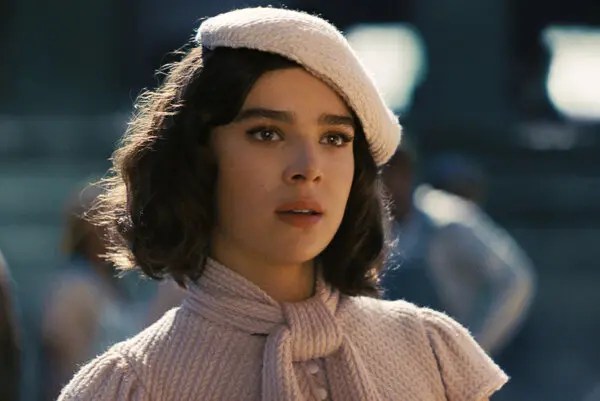
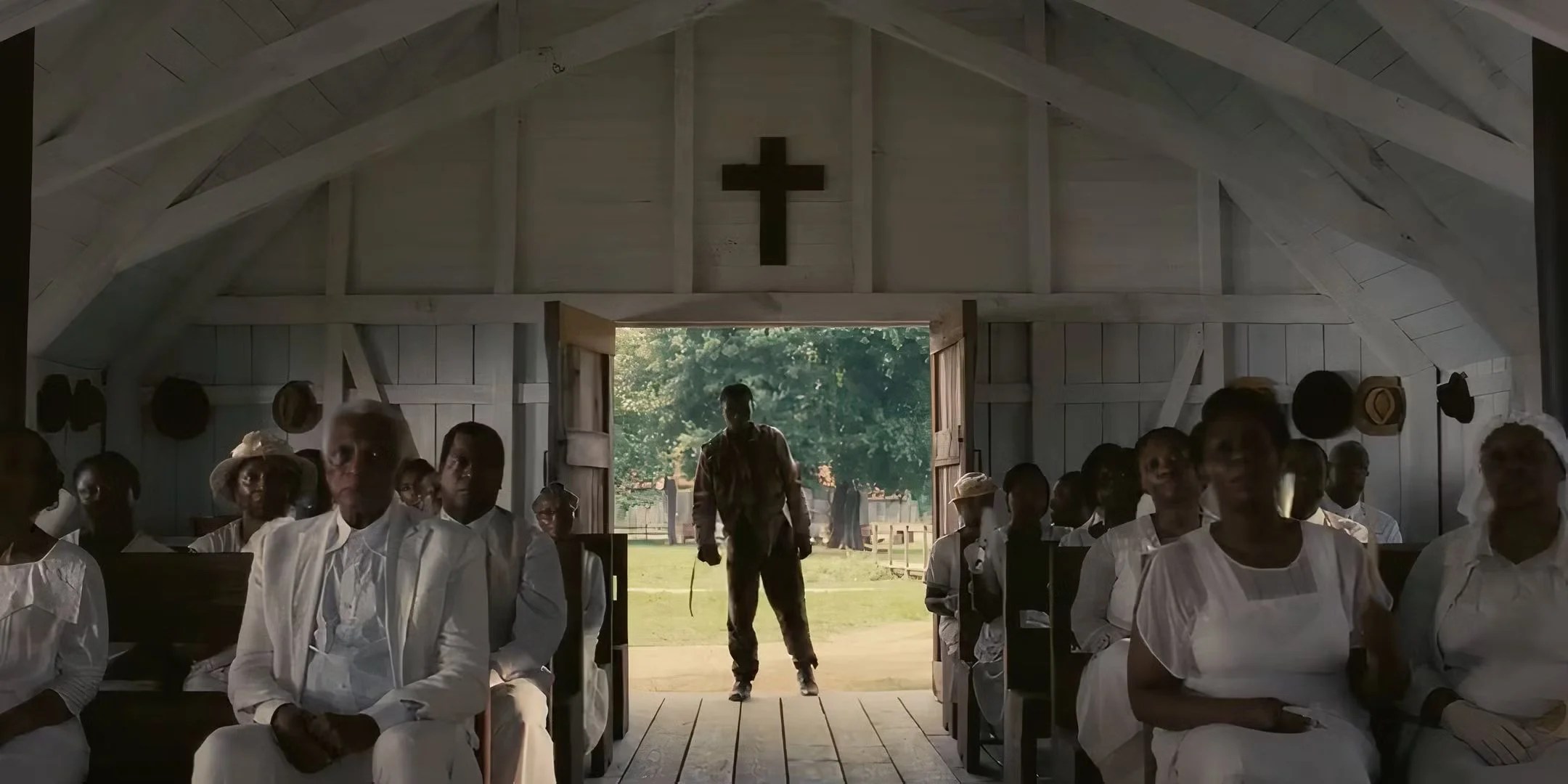
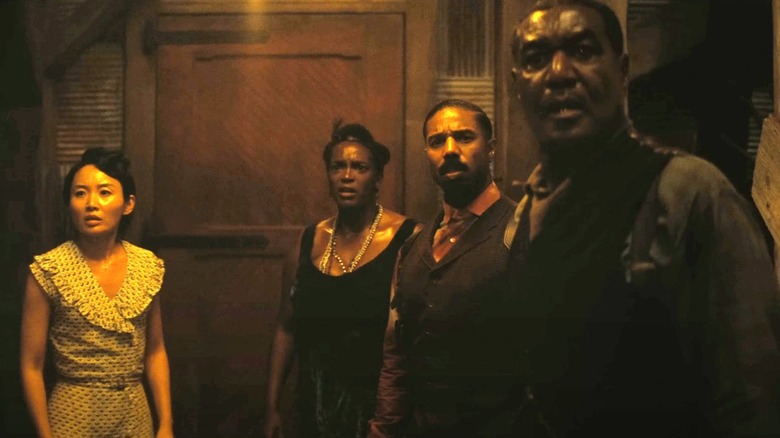
Leticia Barbieri Chico Bento e a Goiabera Maraviosa
Ruth E. Carter Sinners
Carson McColl, Gareth Pugh 28 Years Later
Deborah L. Scott Avatar: Fire and Ash
Malgosia Turzanksa Hamnet
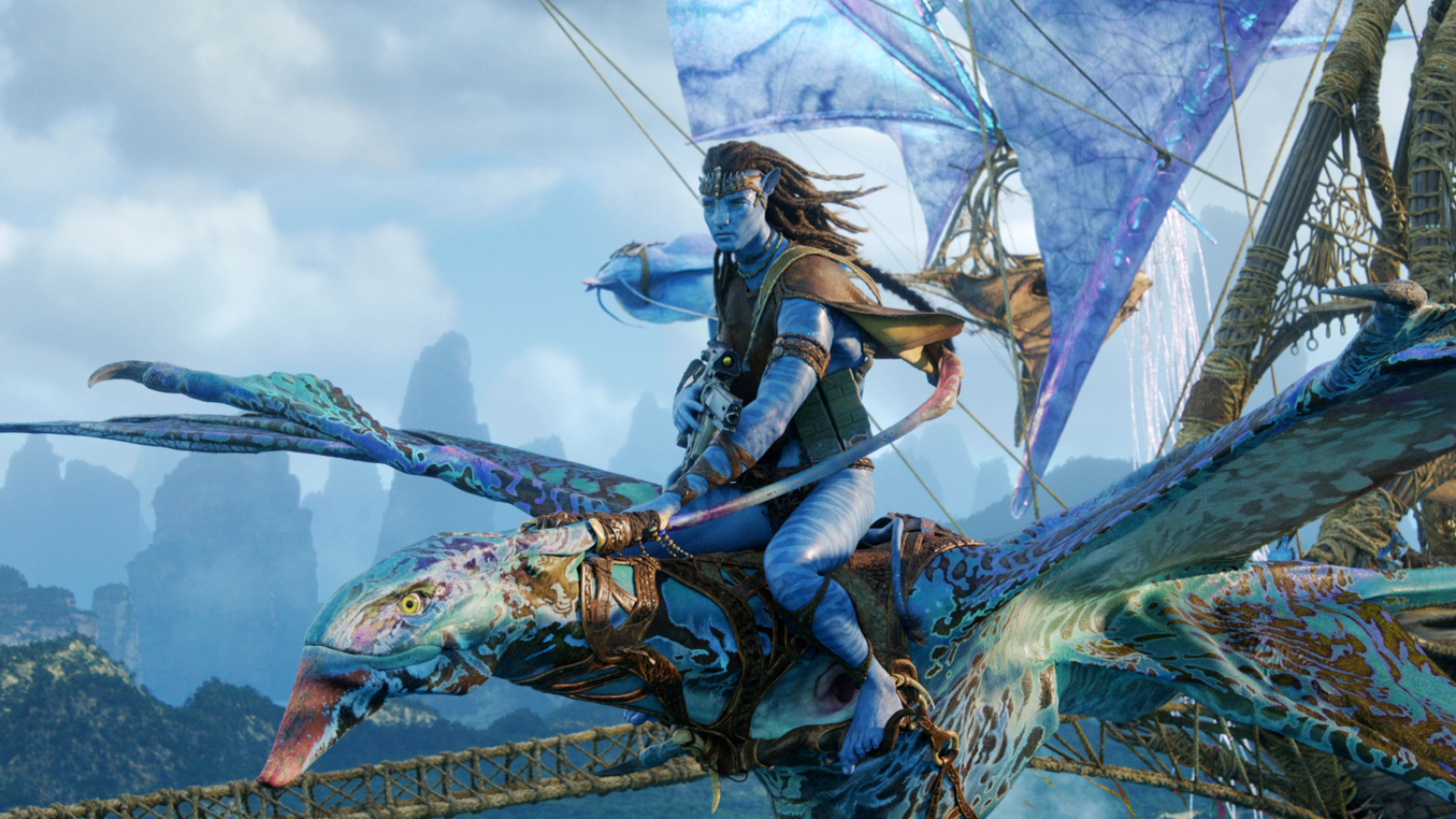
28 Years Later
Avatar: Fire and Ash
Bring Her Back
The Legend of Ochi
Sinners
Bring Her Back
F1
One Battle After Another
Sinners
Weapons
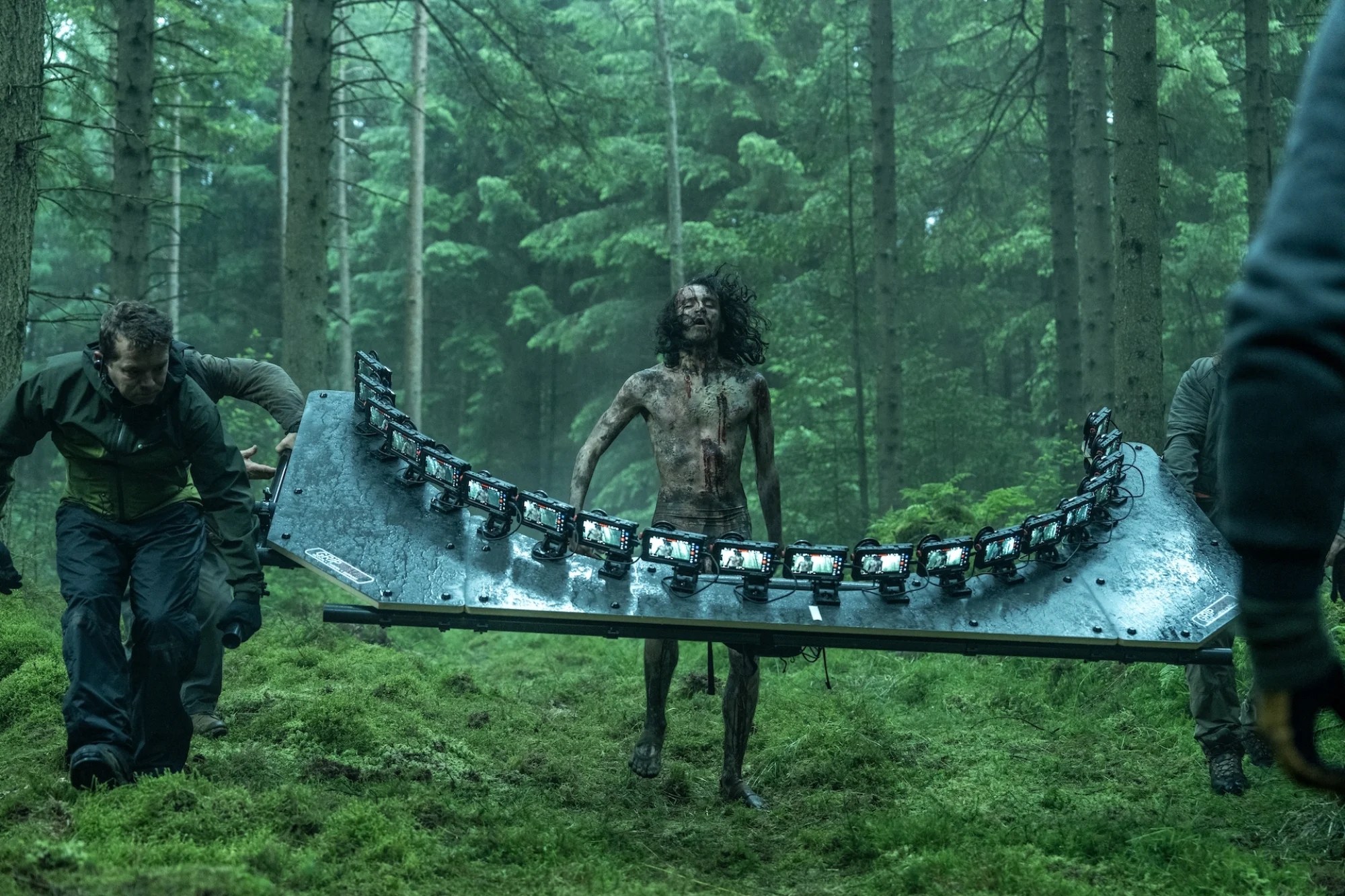
28 Years Later
Bring Her Back
The Toxic Avenger
Hamnet
Sinners
Ludwig Goränsson Sinners
The Newton Brothers The Life of Chuck
Francois Tétaz The Surfer
Cornel Wilczek Bring Her Back
Young Fathers 28 Years Later
“Steve’s Lava Chicken” Jack Black A Minecraft Movie
“Morning Evening” Tom Basden & Carey Mulligan The Ballad of Wallis Island
“I Lied to You” Miles Caton Sinners
“Joy” The Pocket Queen The Life of Chuck
“Happy Together” Susanna Hoffs & Rufus Wainwright The Roses
The Ballad of Wallis Island
Caught Stealing
Heads of State
I’m Still Here (Ainda Estou Aqui)
Not Awarded
Robert Downey, Jr. Entertainer of the Year Award
Pedro Pascal
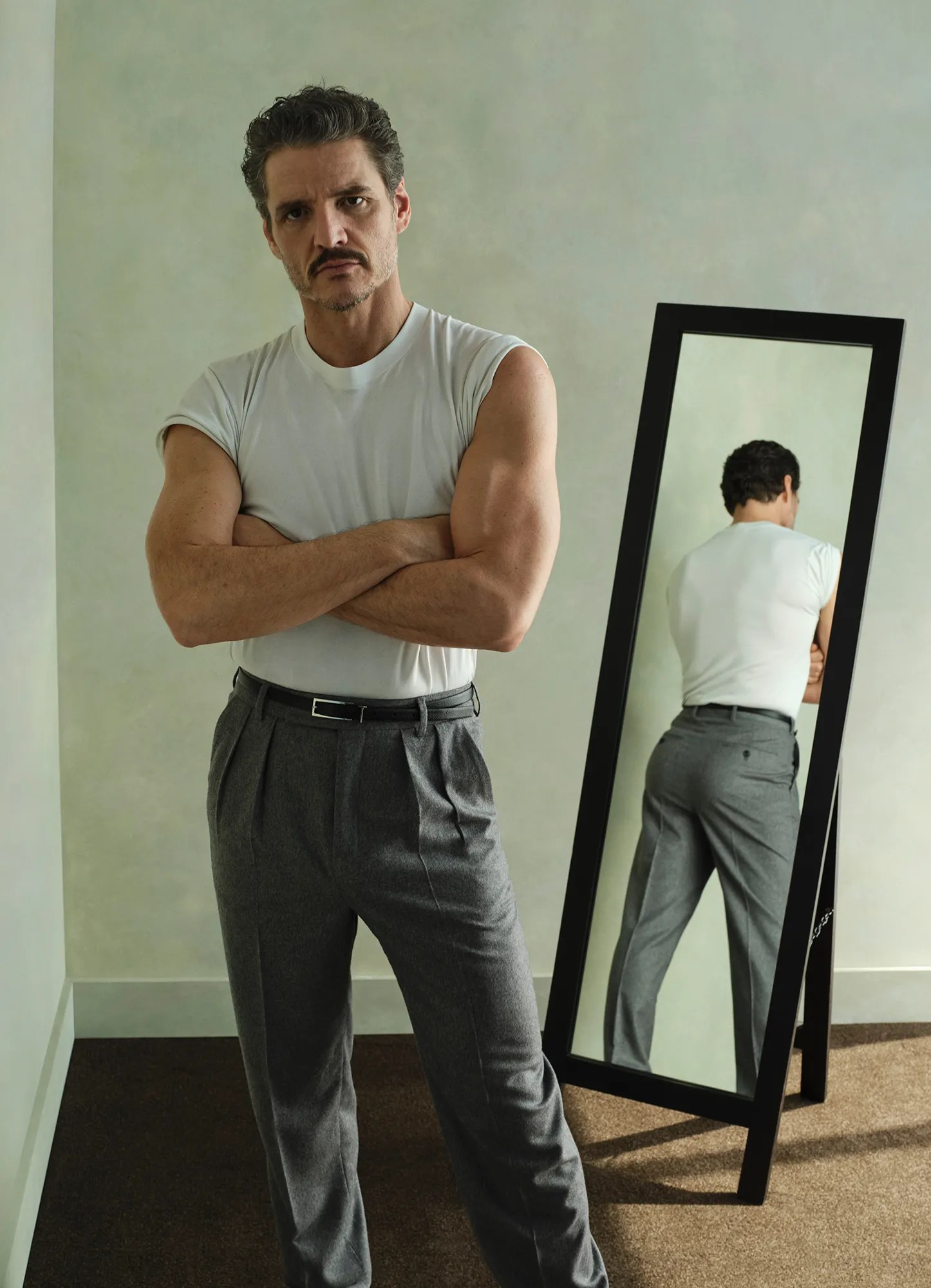
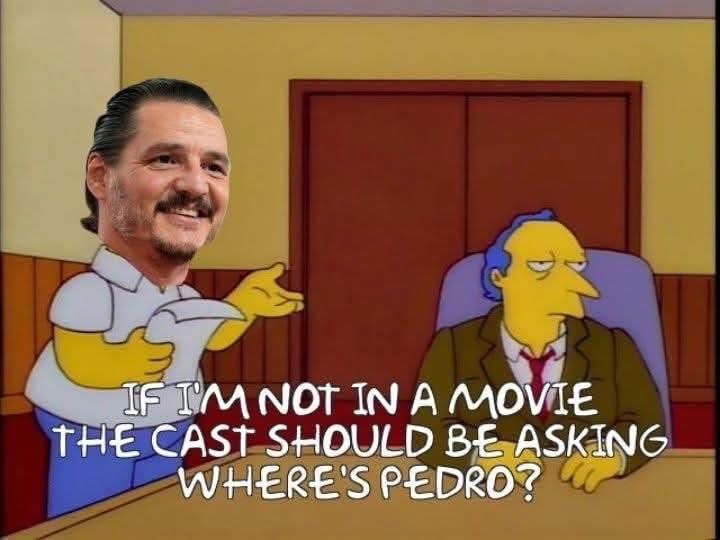
In 2025, Pedro Pascal was in the The Materialists, he was a part of the delightful zaniness of Freaky Tales, and played Reed Richards in the satisfying F4 and played the non-antagonizing antagonist in Eddington. Not to mention the fact that he finished his run on The Last of Us. He flew under the radar for years, broke out, became a beloved presence and in the past year was everywhere and it’s not getting old at all.
Ingmar Bergman Lifetime Achievement Award
The two women I’m honoring with lifetime achievement awards are the epitome of what the idea behind my version of this award is. In deciding to include this award annually I wanted to have honorees ideally be still at or near top form many years after their debut. This year’s honorees.
Glenn Close
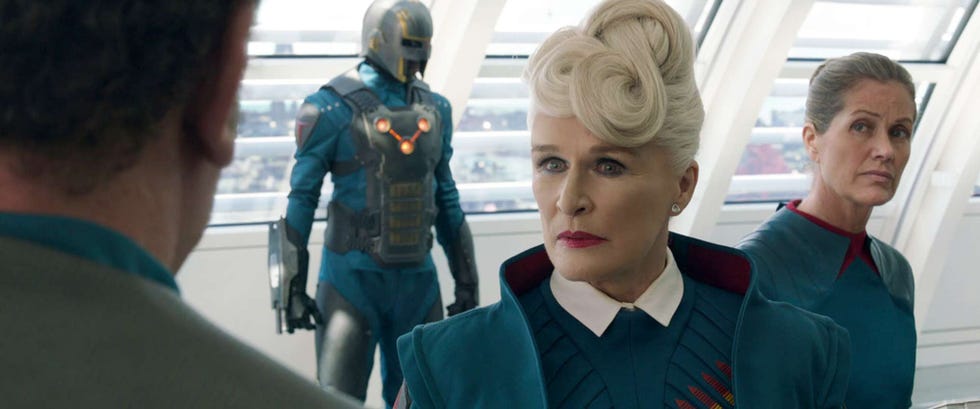
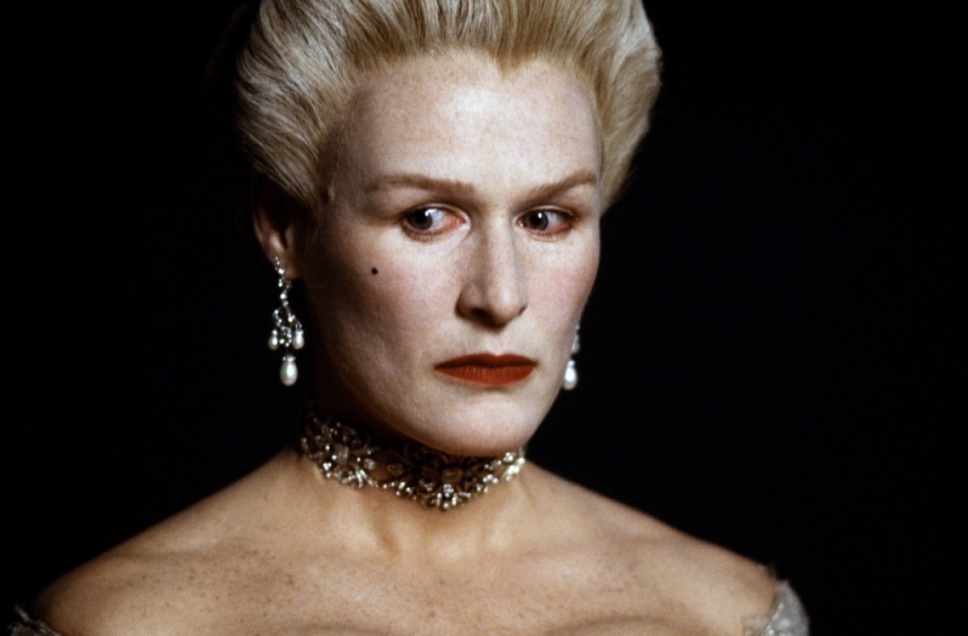
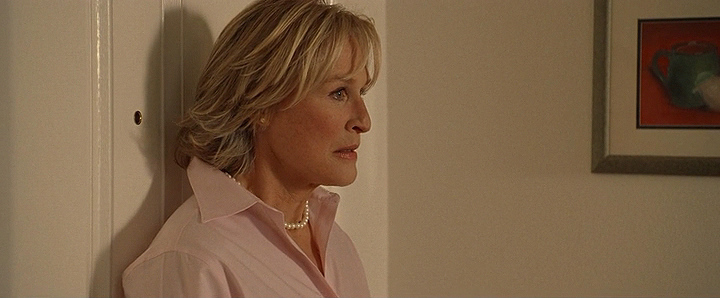

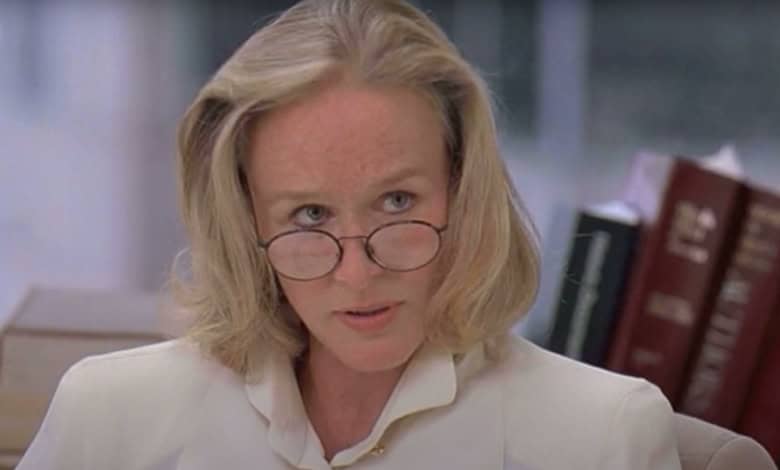

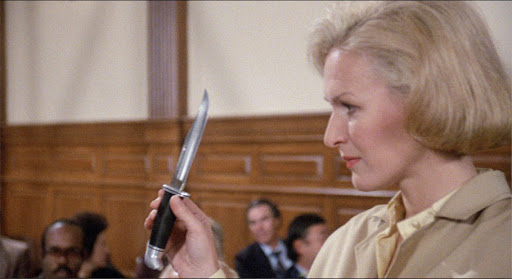
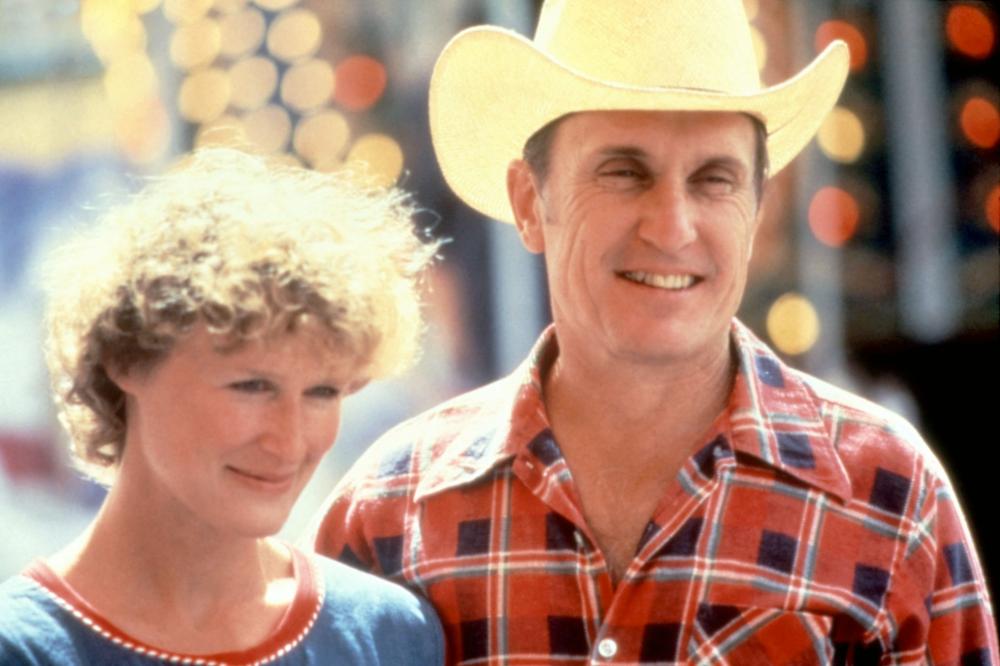
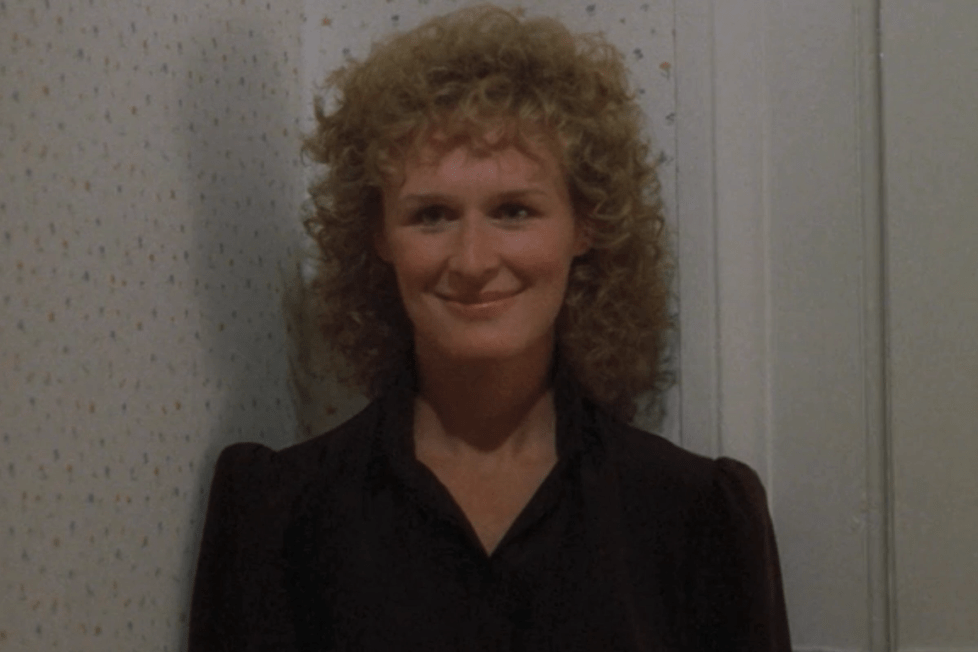
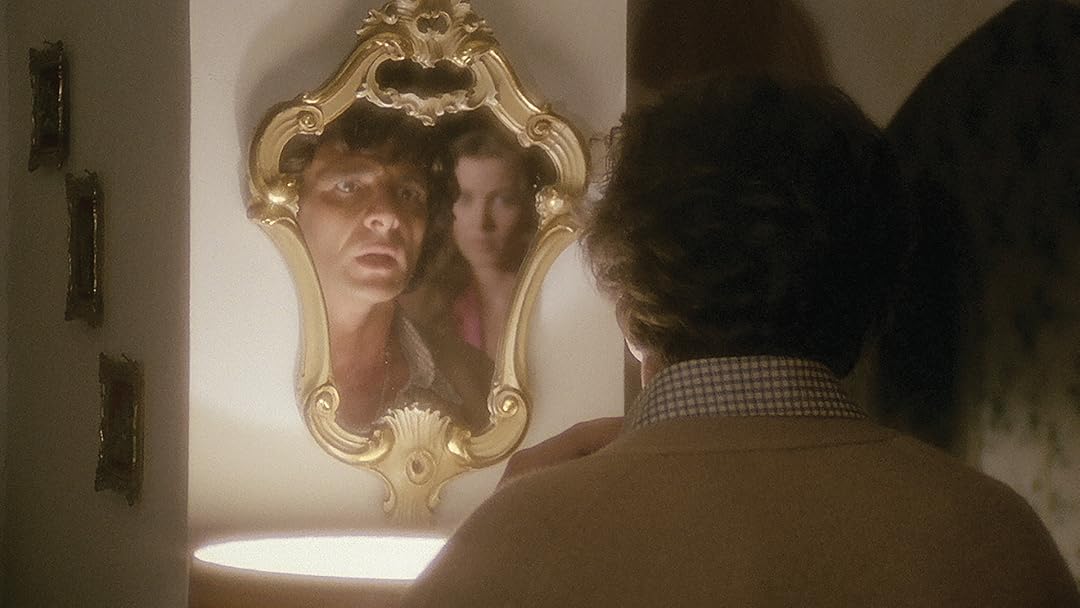
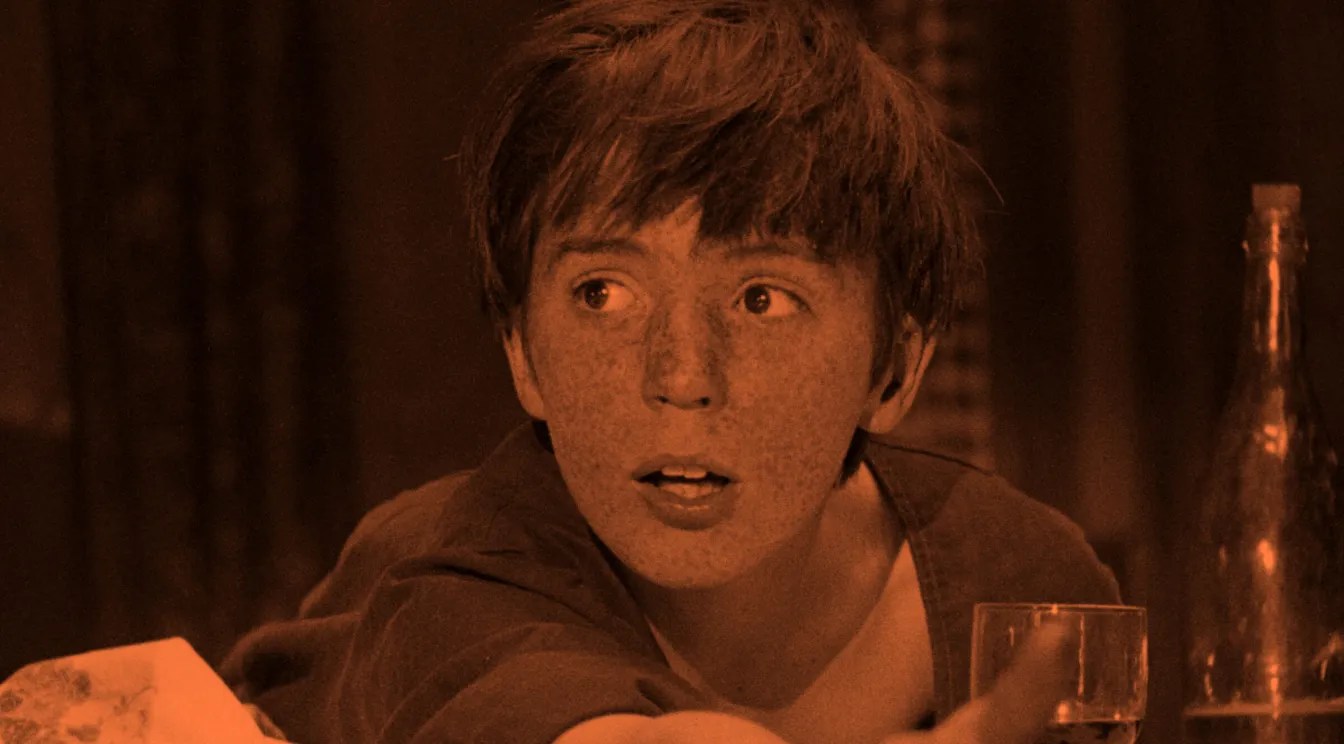
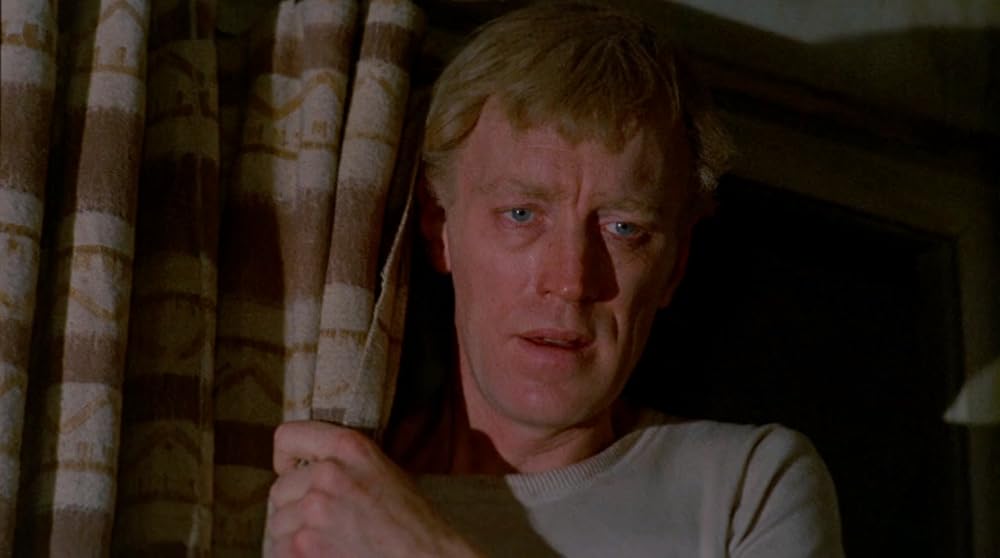
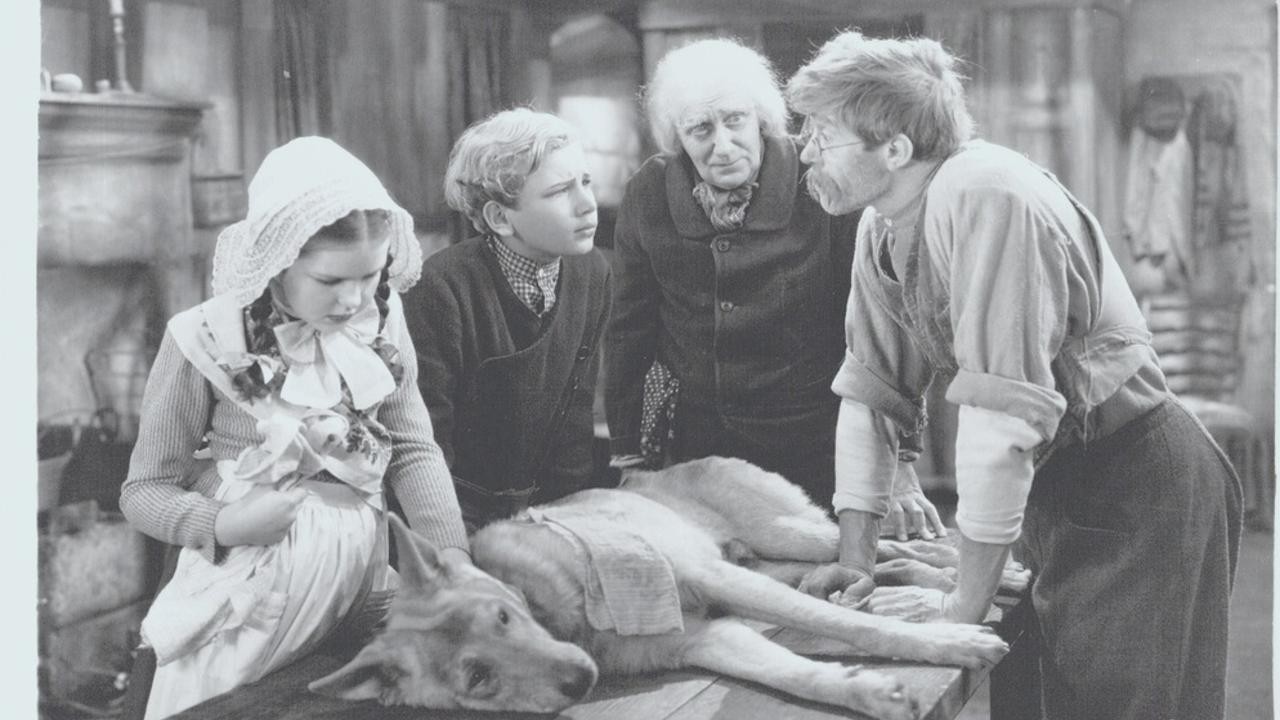
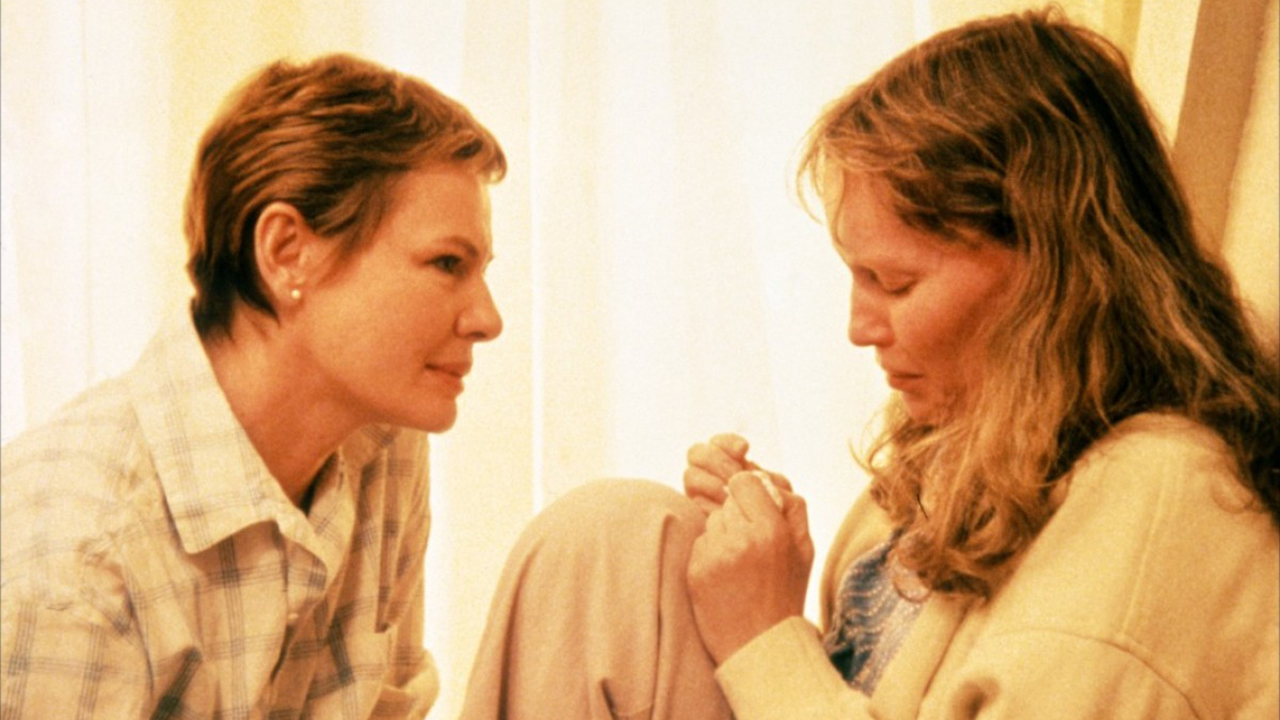
I could have had more pictures of Glenn Close movies above. I chose not to picture the very film I awarded her Best Supporting actress this year. She had a long run of great successes in the 80s and 90s but has still come up to remind the world of her virtuosity in many kinds of projects through the years.
Fernanda Montenegro
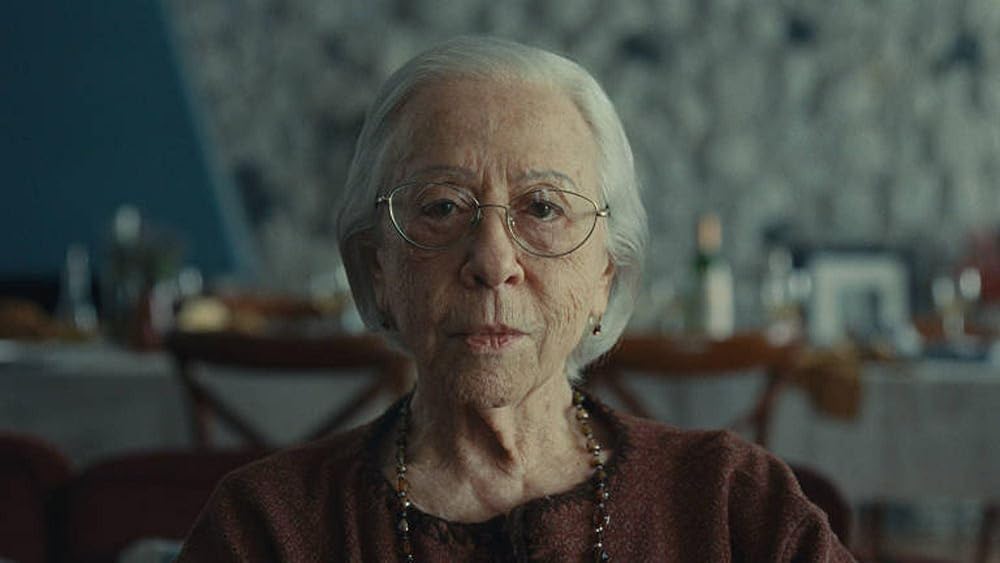
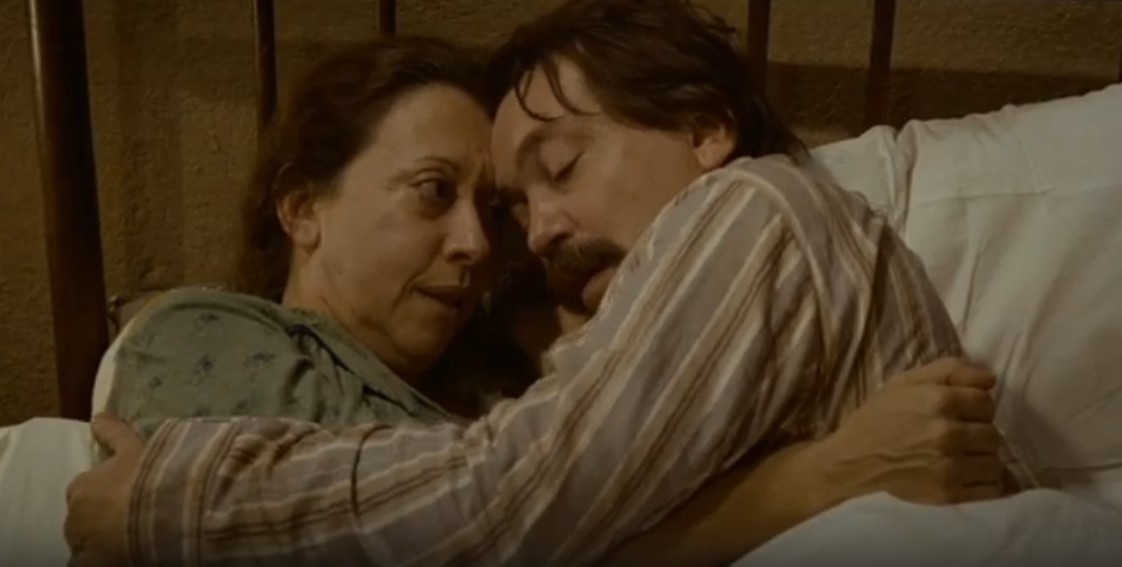
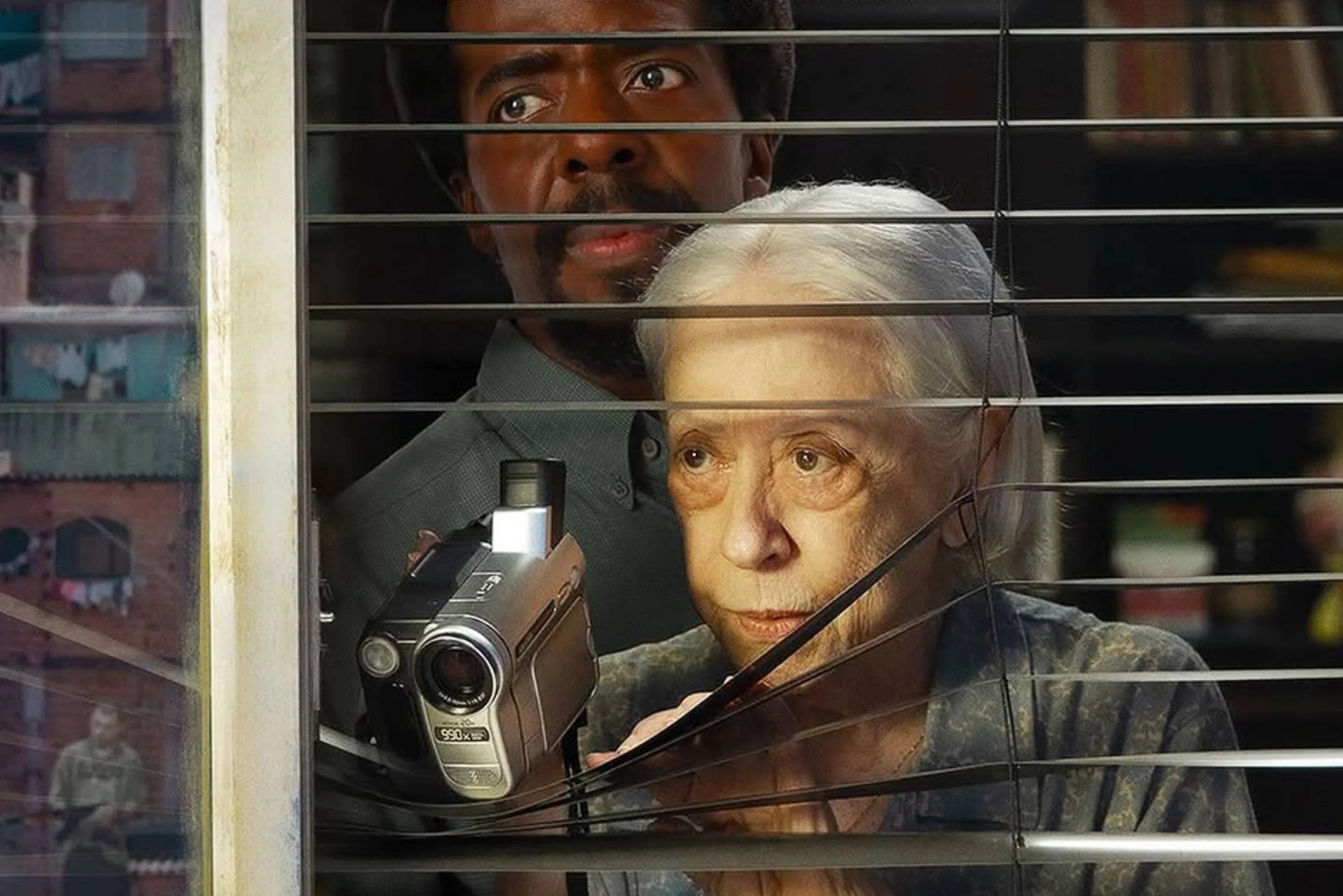

Fernanda Montenegro has been nominated for an Academy Award. She’s appeared in three Brazilian films that were nominated for Best Foreign Language Film. I awarded her Best Actress for Central Station (Central do Brasil). I nominated her as Best Actress this year, her daughter Fernanda Torres winning. At 95 she’s still acting on stage and announced her retirement from film only recently. There’s still much of her work I want to see, but she’s already an immortal.
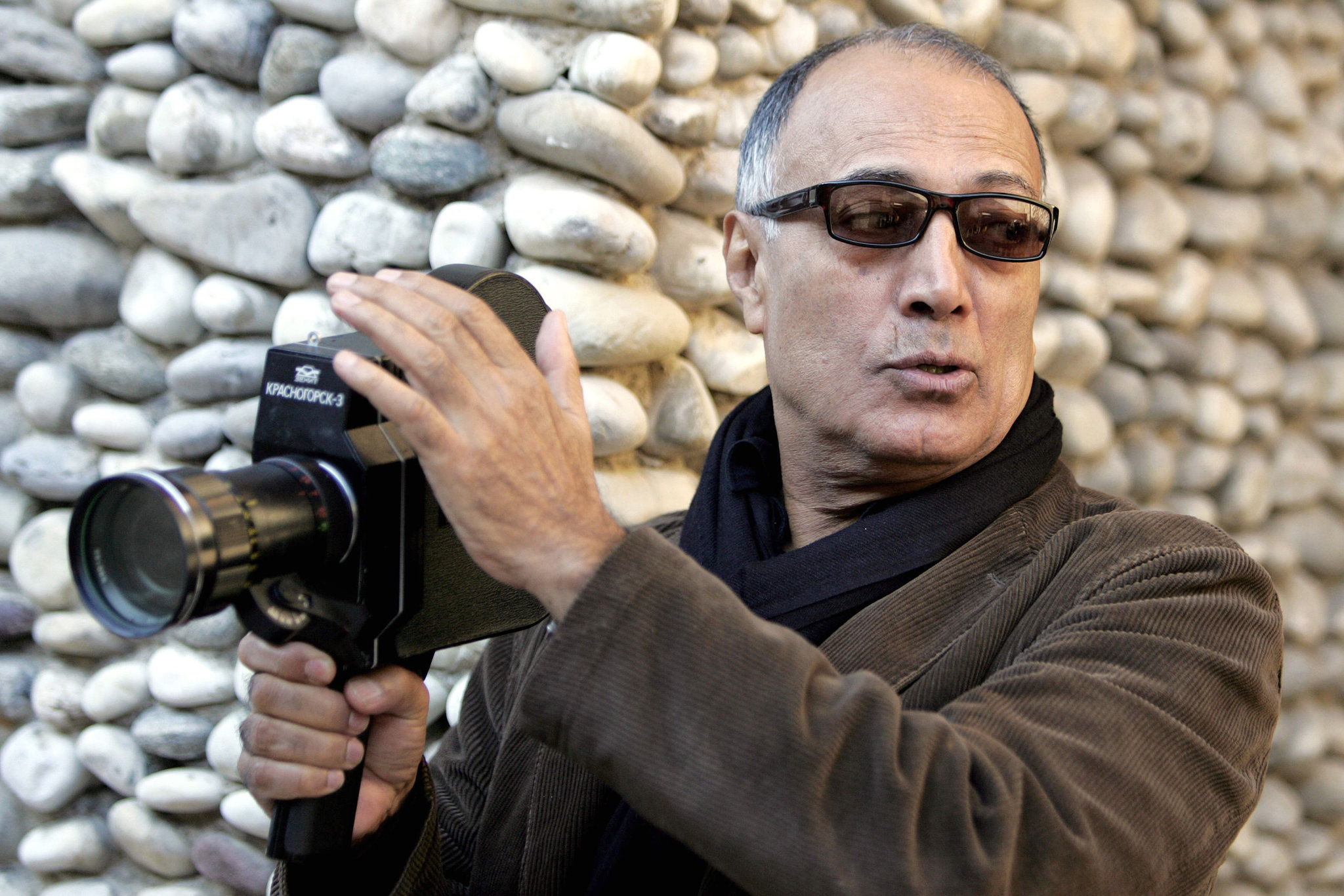
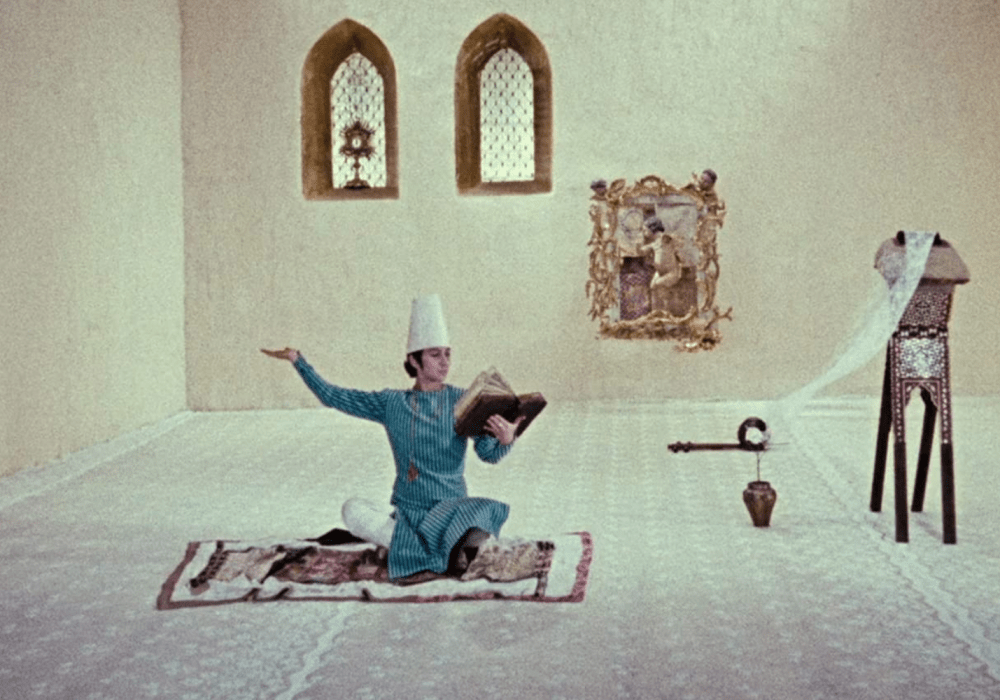
Abbas Kiarostami
I watched mostly early short films of Kiarostami’s last year but I had yet to watch any before 2025. His works quickly became a salve for my soul. I’ll continue to watch him, my soul needs it.
For the director, choreographers and actors who brought the dance sequences in The Life of Chuck alive.
Mike Flanagan Mandy Moore, Stephanie Powell, Jonathan Redavid, The Newton Brothers, The Pocket Queen, Tom Hiddleston, Annalise Basso, Mia Sara, Samantha Sloyan, Benjamin Pajak and Trinity Jo-Li Bliss
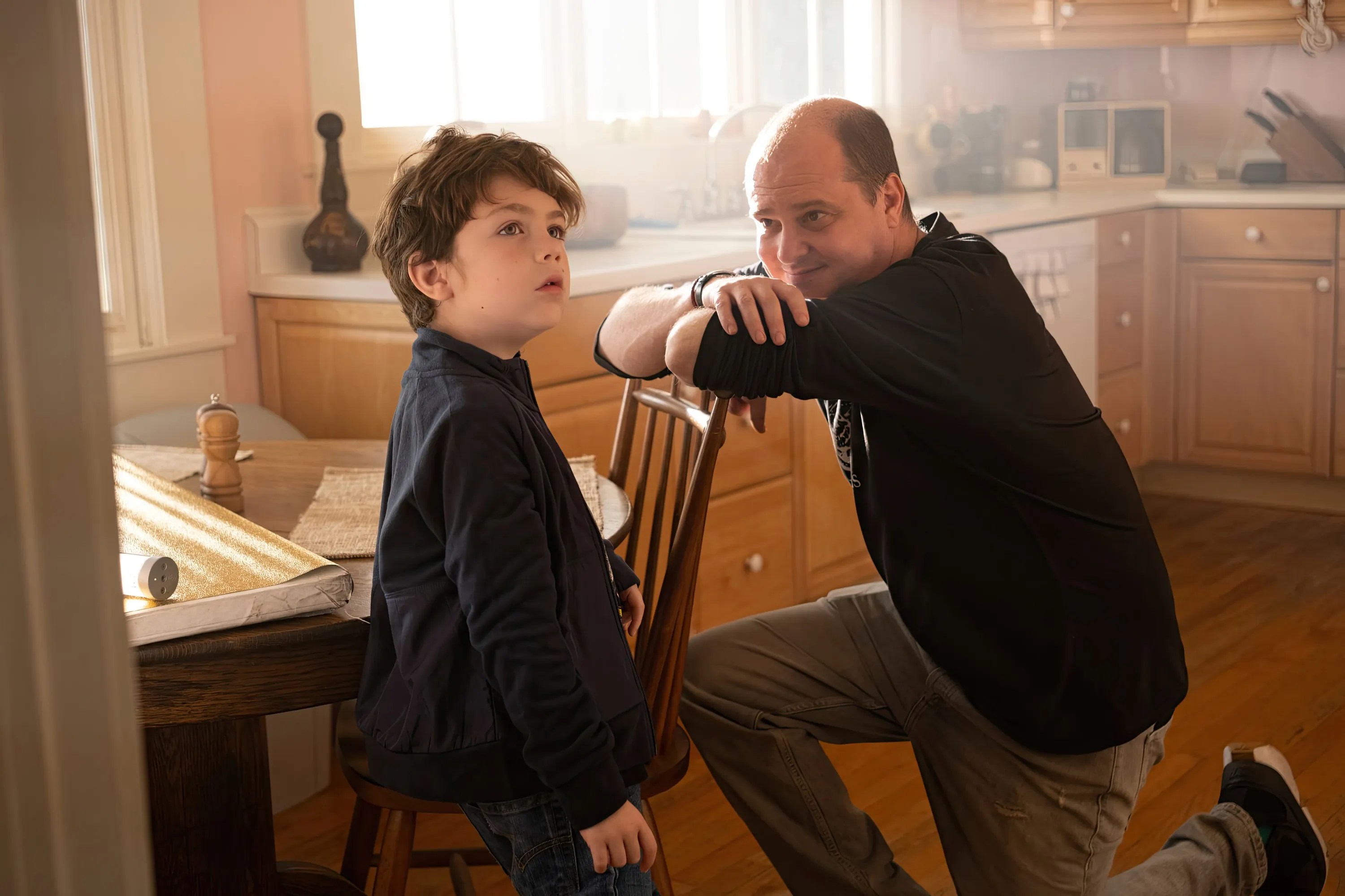
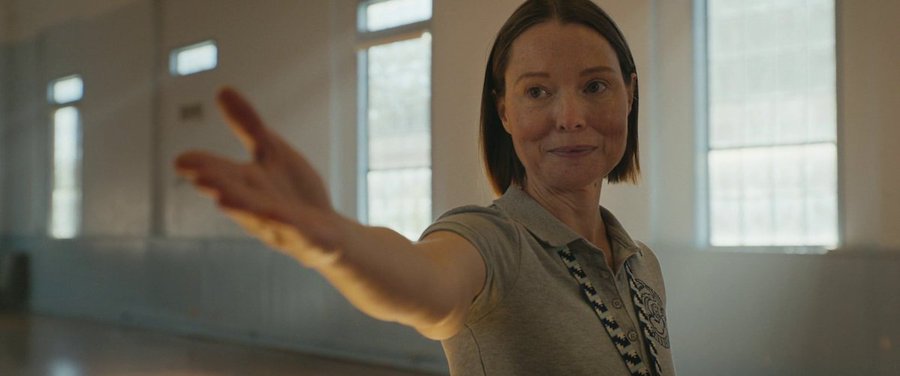
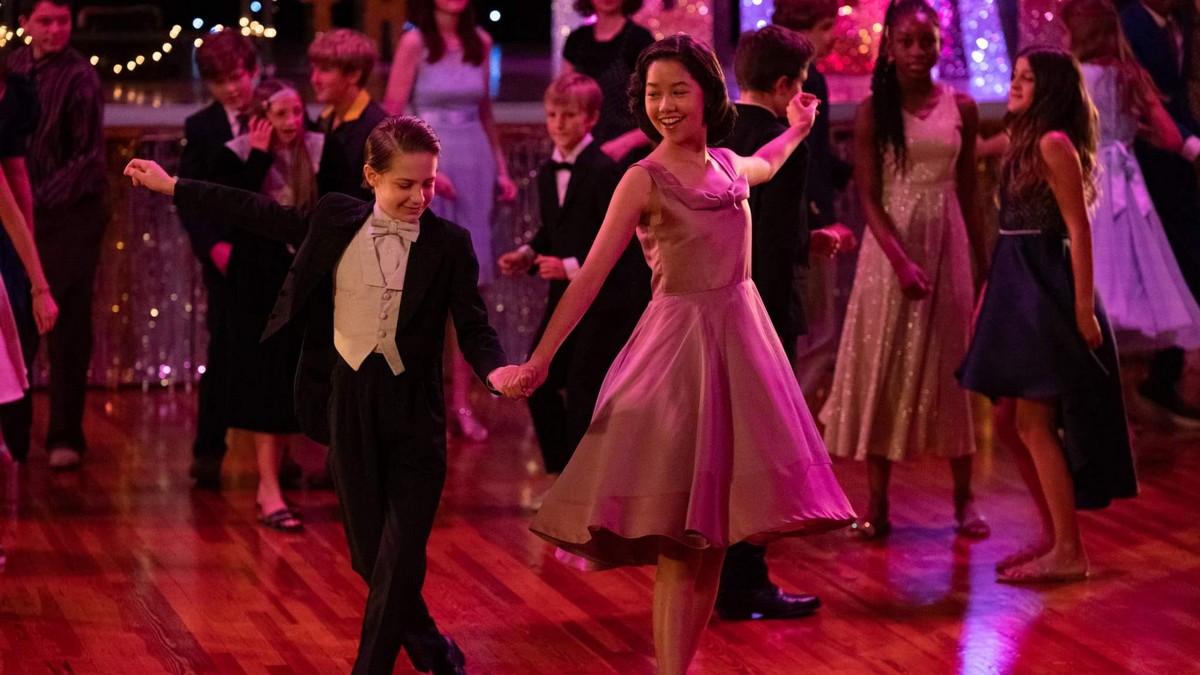
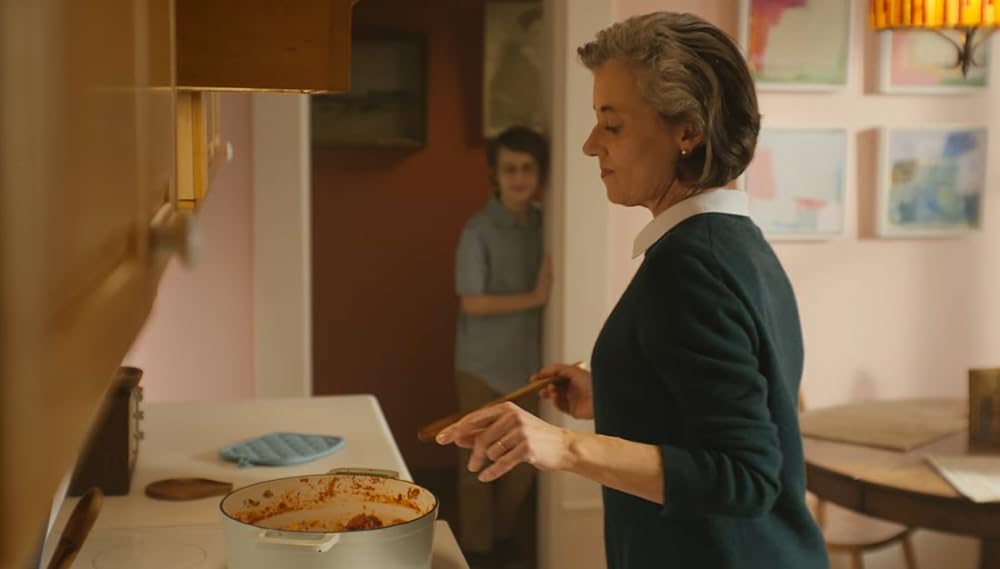
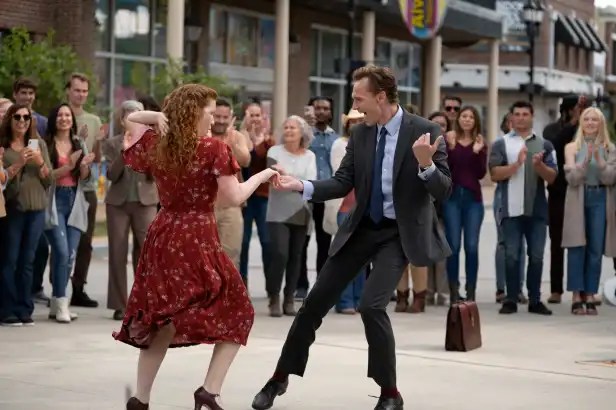

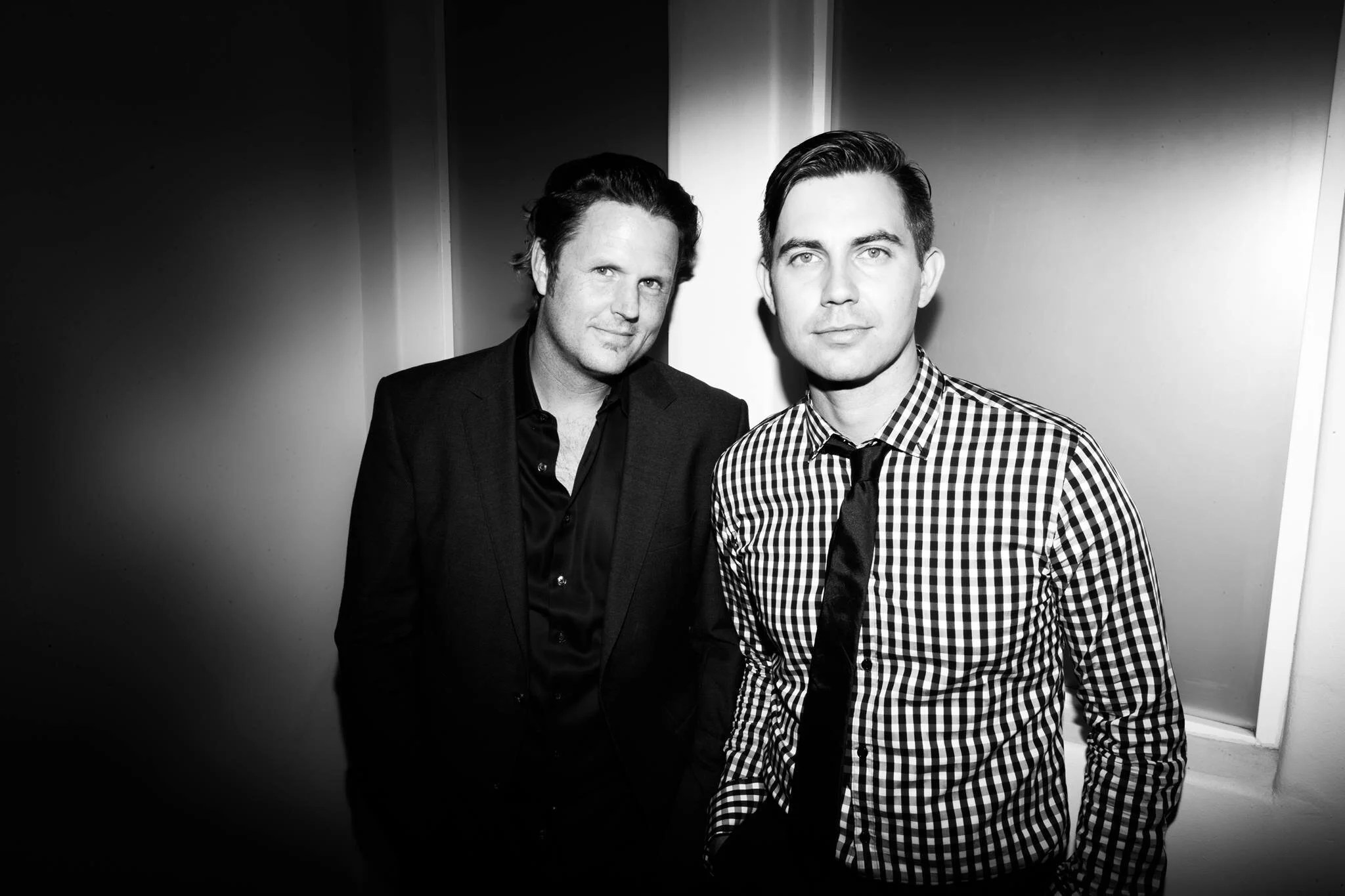
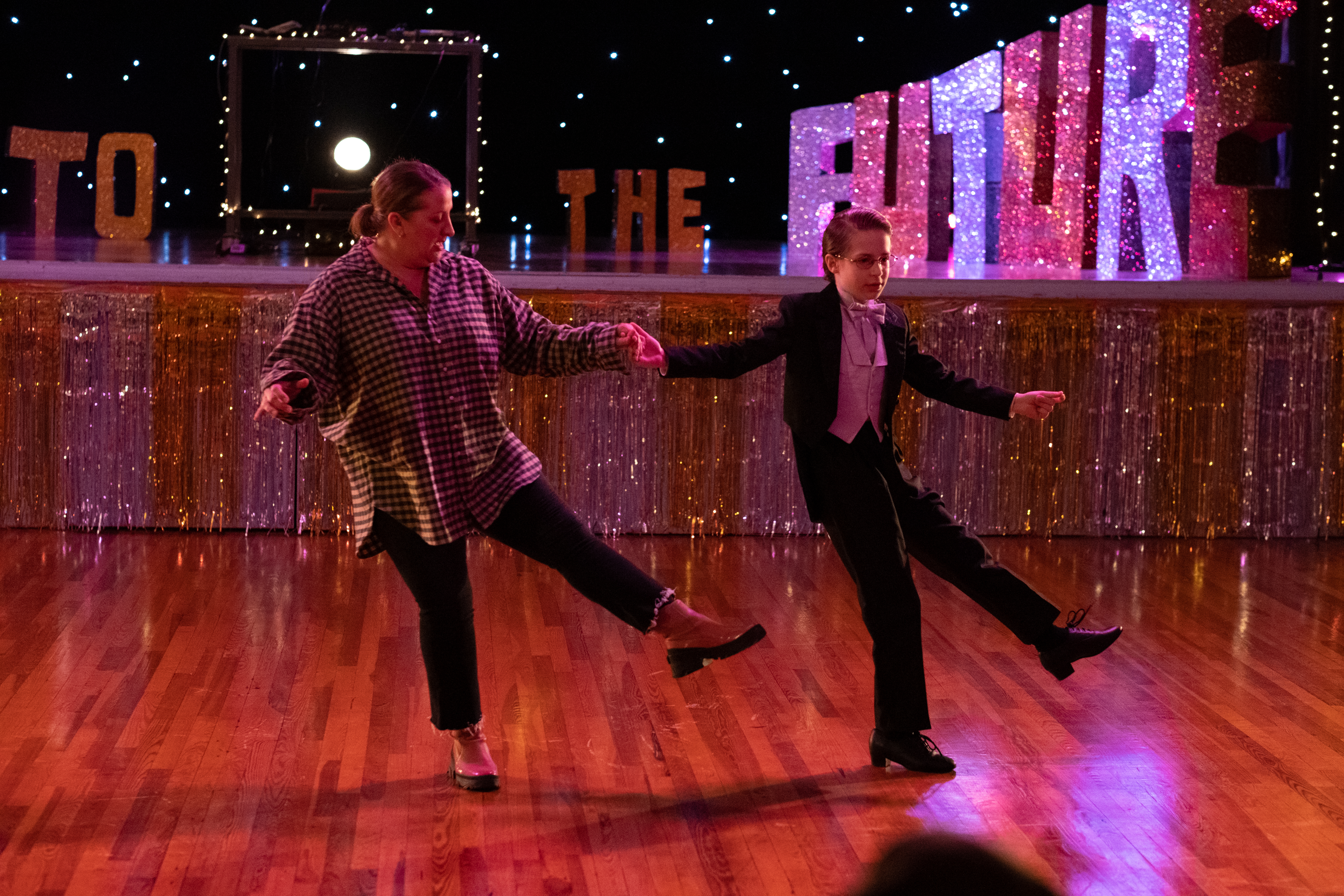

Stephen King described his novella, The Life of Chuck, as an experimental work. And I attribute that not just to the structure of it, but also the shifting genre and narrative reality. Another aspect that’s more experimental than not is the importance of dance and music to the plot. They are hard to describe in writing but he does so brilliantly. Despite that, seeing the dances and hearing the music affects audiences differently than words do. Taking those words and turning them into dance steps and musical notes is a herculean task. Director Mike Flanagan, the choreographers, musicians and actors took that unenviable task on and soared. Much out of what I’d read on the page I witnessed on the screen, but they wrenched so much more emotion by inserting missing steps and unwritten musical notes. The film’s heart comes from these contributions from the adjacent arts upon which cinema is built. These sequences are Total Cinema, which is very fitting in a film about life.







 The Movie Rat