March to Disney: The Advances of Peter Pan

Introduction

Last year to coincide with a trip to Walt Disney World in March, I decided to have a month-long focus on Disney fare. Their vaults are vast and varied enough such that this is a theme that could recur annually. Below you will find links to the inaugural posts written for the theme.

Peter Pan (1953)
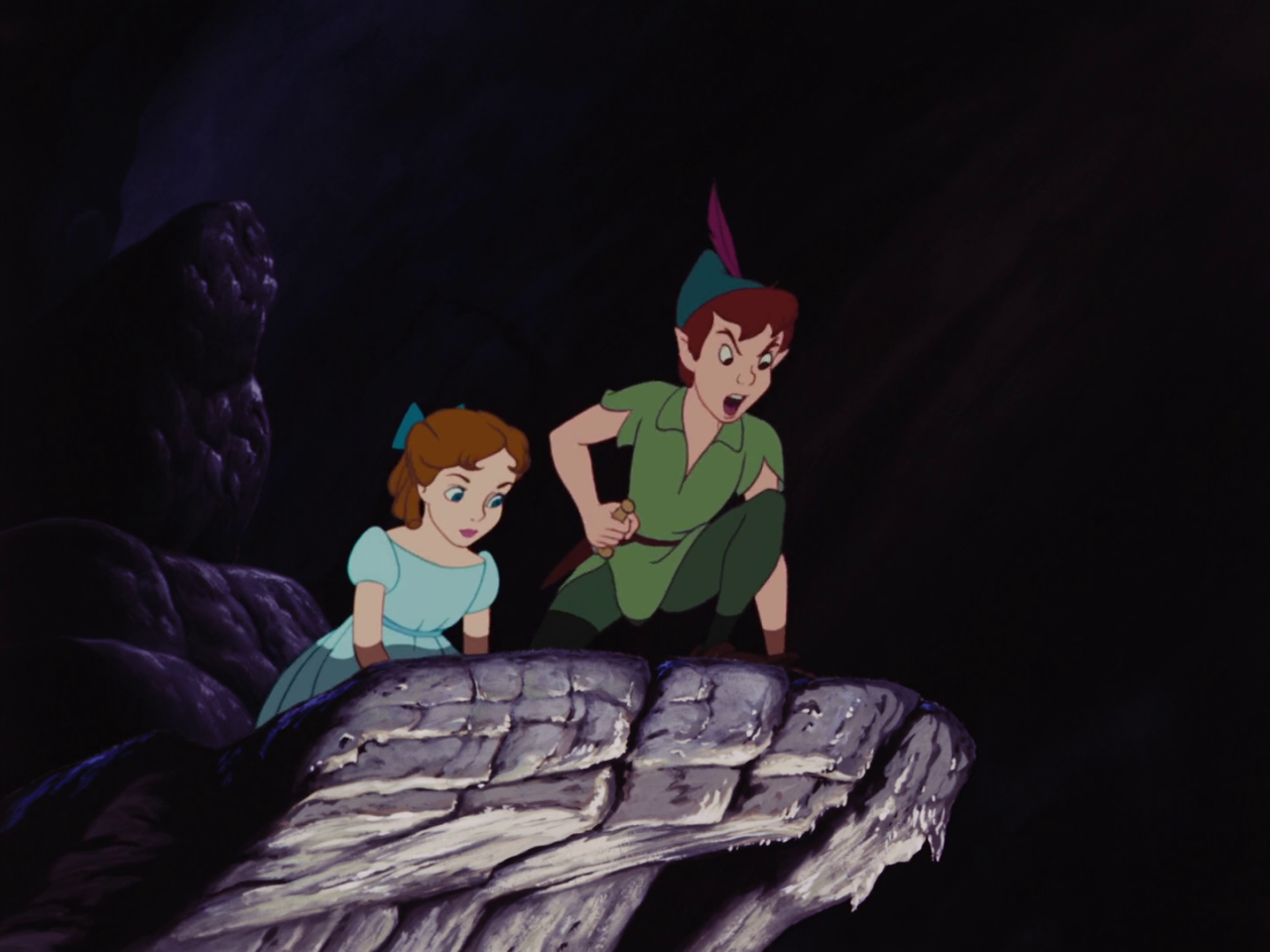
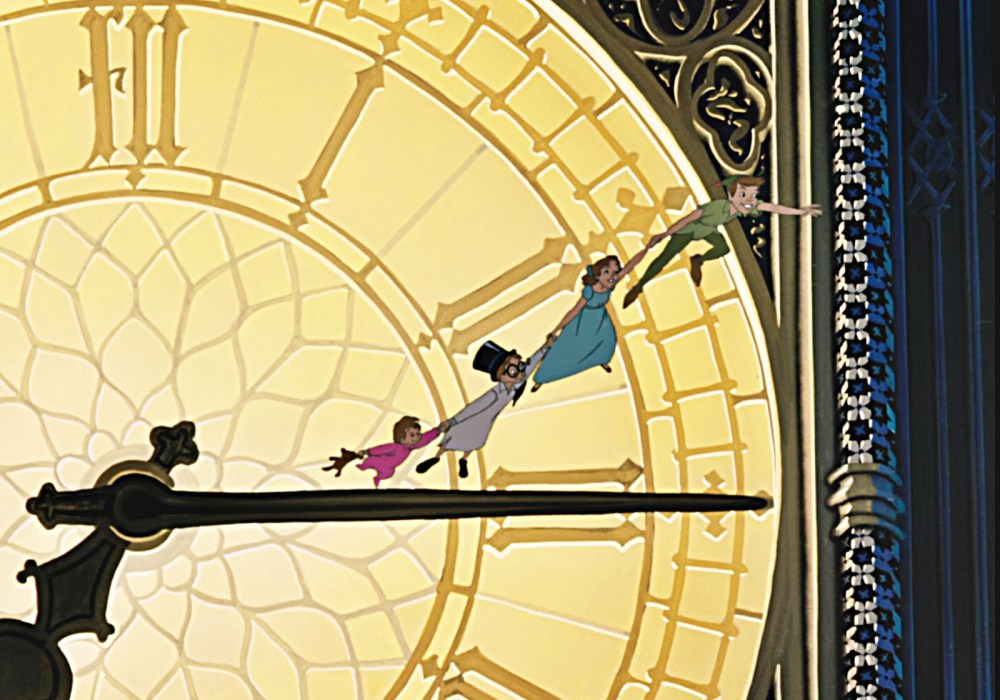
Peter Pan (1953, Disney)

Walt Disney’s production of Peter Pan is one that seems like its oft overlooked. That is why I a glad that it has recently come back up in the Disney rotation both with a Blu-ray release and also with a new Disney World attraction. Of course, the story is one that is universally known and beloved, but what can be lost with such a ubiquitous narrative is the distinguishing characteristics of each individual rendition.

Disney, from 1938 to its eventual 1953 release, dedicated himself to bringing this story to the silver screen anew in a version unlike anything anyone had yet seen. It’s ingenious but sometimes it takes a genius to think of something so ingenious: even in the 1950s the only way to bring forth a revolutionary interpretation of this story was to animate it.

With the conventions of stagecraft being stripped like actors flying on wires, an actor in a dog suit, a light as Tinkerbell and a girl playing Peter; the easiest way to changes these things, things that occurred on screen in the silent era, was to draw it.

The recycled documentary on the Blu-ray (it was on the DVD release as well) does well to highlight that the animators in this film had the brand new challenge of attempting to depict weightlessness of the human form. For to be able to fly, a person had to also be able to float.

Disney to this point, and past it in its history, used live models regardless, but never had their role been as pivotal as it was here for the animators through them were given guidance, and a frame of reference without the constraint of cameras rolling and a production around them, as to how to create said effect.
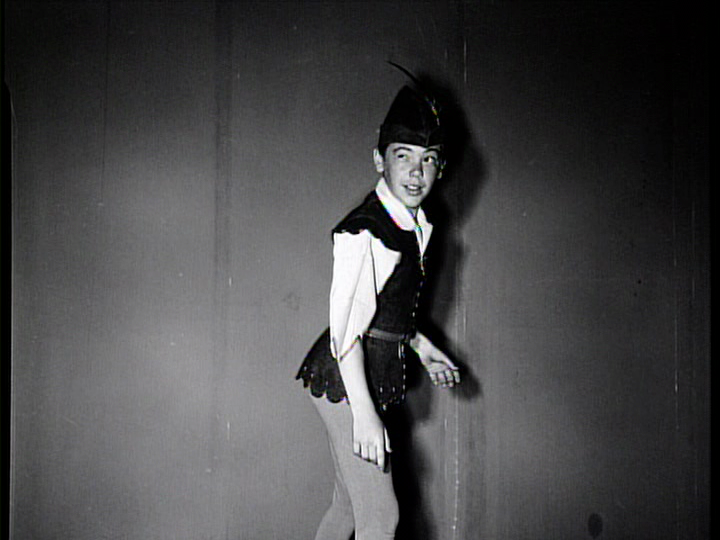
Peter Pan (1953, Disney)

The actors ability to pantomime for the animators was just one thing that had to be taken into consideration. Casting in this day and age at Disney was a multi-faceted process. Typically, animators were usually dealing with specific characters so they too had to “cast” so to speak. Yet, there was also the voice aspect to consider. Here there were a few inspired choices made.

First, there was Hans Conreid, who was most notably a radio actor, in the tandem roles of Mr. Darling and Captain Hook. There is a duality to his voice and so much emotion that he can emit through it that makes it one of the more indelible performances in the Disney canon. It is also rightly noted that Bobby Driscoll, although Disney’s first contract player and roundabout the right age for the part, was still the proper choice. Sure, it was the easy choice but it was the correct one. It was his Disney swan song, and perhaps his most lasting turn.

Also interesting to note here, in hindsight, that some of the concept art was darker than what Walt eventually approved for use in the film. Especially considering that it seems that P.J. Hogan’s sensibility in his ’03 live action version is closer to those original concepts. While it would’ve been great to see those things drawn by the talented hands at Disney un-softened. I look at it more as a calculated decision by Walt rather than softening for softening’s sake.

There is still in this story the threat of death and of growing up being flaunted in the face of children. Hook’s menace is quite real and present, thanks in large part to Conreid. Therefore, the visuals needn’t be as harsh as initially designed to get the message home. The emotions desired will still be elicited. Also, at a young age kids don’t necessarily consider stylistic choices. The danger, the emotions in general, are generated by the characters how they act and interact rather than the atmosphere.

What Walt Disney’s Peter Pan is most definitely Disney’s version of the narrative but also one that is progressive in terms of altering, and depending on your opinion, correcting prior conventions of this particular narrative. Like many things in the canon there are the iconic moments, namely Tinkerbell who became part of the Walt Disney Pictures logo. And she should be, since the first cinematic image of the character was his creation. However, in that logo she blends with Cinderella’s castle and is removed from her original context. The context being this film, which in spite of its changes and quirks is one of the true Disney masterpieces. A labor of love unquestionably re-branded, but also indebted to its source, and one that should live in the consciousness of children and children-at-heart for generations to come.

March to Disney: Genius (1999)

Introduction

Last year to coincide with a trip to Walt Disney World in March, I decided to have a month-long focus on Disney fare. Their vaults are vast and varied enough such that this is a theme that could recur annually. Below you will find links to the inaugural posts written for the theme.

Genius (1999)

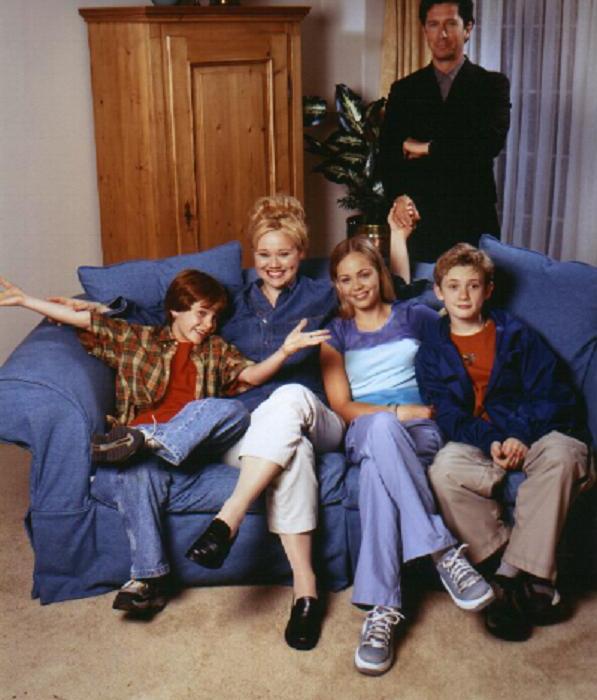
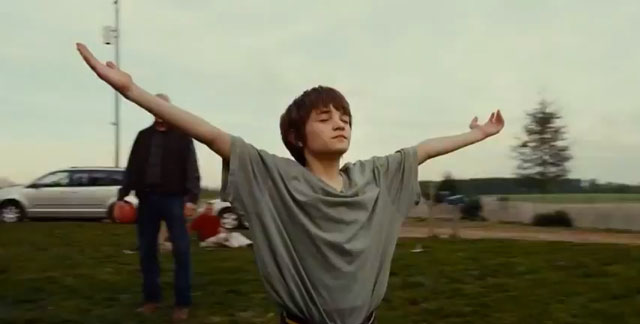
For this year’s March to Disney I most definitely wanted to cover a few Disney Channel Original Movies (DCOMs). I have at a few points in the past (most recently Teen Beach Movie). While they can be painful, as a lot of Disney Channel fodder can unfortunately be; on rare occasions they are quite good, not just among their own subset, but in general also. This particular title comes from the very earliest vintages of the DCOMs. In these days, late in the last millennium, these titles stood alone more and didn’t necessarily springboard performers into A-List Disney status, or weren’t always star vehicles. It sounds idealistic to state that “In this era the play was the thing,” but in many cases this is the truth.

Genius is a tale of a twelve-year-old wunderkind (Trevor Morgan) who is socially maladjusted, on his way to college and has his pick of the litter. He goes with an underdog choice in part because he gets to work with his idol. While the school fills his academic requirements the fact that he has to teach remedial classes for his scholarship underscores his misfit status, and leads to the alter ego plot that takes up a bulk of the tale. This is teased through most of the trailers. Now that plot line is old hat, and there are other tropes like a getting-to-know-you montage, mirror smooth-talk practice and more, abound that one has seen quite a few times before, but many of them are executed quite well and the mixture of them is what makes the film stand out.

It would be tiresome to list them all but there are most definitely moments where you will willingly have to suspend disbelief. However, if you do that there are rewards in store. And for some of the scientific and other fudging that’s done, the ice hockey elements are, for the most part, well-executed and not over-exaggerated.

Most of why this film does work has to do with the central performances, namely Trevor Morgan as Charlie Boyle. Morgan, in what was his first leading role, even at this young age, shows an innate ability to listen and react naturally such that his line readings don’t sound like readings at all but rather just talking. This influences everything from his timing to his physicality and makes all of it play more true. Playing his goal, his impetus for his dual personality, is Emmy Rossum who you may know from many films and most notably Showtime’s Shameless; she has her moments (especially her story about her mother’s figure skating which is better than 99.9% of what you usually get in these films). Playing his idol, in a rare onscreen appearance, is Charles Fleischer perhaps best known as being the voice of Roger Rabbit.

The prior mention of hockey, my favorite sport on the face of the earth, isn’t just a nod to the fact that they included it; it also plays a vital function in illustrating the progression of the protagonist. The film starts with his being a benchwarming cheerleader. In Charlie’s cooler persona he is allowed to play and shows sympathy to one who is in the same position he was once in. Lastly, a game of pick-up hockey is also used as the denouement when all’s well that ends well. This is not to mention the fact that there are the organized games played in a rink built above his lab that also play a vital role in the narrative. The sport here is most definitely a metaphor for acceptance and a narrative device, you rarely see something so deftly folded in to a DCOM.

There is bit of self-awareness to the silliness abound in the film, such as an actual ‘wah-wah’ chord in the score at a well-chosen moment. The effects work in these days were in shorter supply and more attentively done. A skeleton dancing in this looks better than most of what airs today, and reads as a nod to Harryhausen in its approach. While there are some aforementioned aspects that need to be overlooked there is a built-in symmetry that does aid this script. The jock/brain conflict drives a lot of this film and is given many chances to boil over. There are several great pieces of dialogue like Krickstein’s advice about experiments, smart barbs like “japesome wag,” use of phrases like “The Eureka Syndrome,” and the like. While the film does cram a lot of necessary plot elements into the third act it all works in the end and is one of the best, more under-appreciated DCOMs.

Introduction: March to Disney 2014

As profiled on one of my newer pages this is my annual tribute to Disney and its works in all shapes and sizes. On the aforementioned page you can see the titles I have profiled in the past. This year I am seeking to cover a few more and dip my toe back into the TV waters on a new installment of Cinematic Episodes. There will be shorts and some other surprises through the course of the month. Come back early and often and see what this year’s posts have to offer.

The Movie Rat Schedule

I’ve recently rediscovered the joys of posting in themes. So that there is always a handy reference I have decided to post this schedule to tell you all what the main focus of my site will be at any time cinematically.

I will try and add more regular features and/or special features as we move into the new year but for now this is what I have enjoy.

What’s Changed?

9/2/13
-Added the update post to the schedule. Post updates will occur tomorrow.

7/8/13
-Added Series Tracker to schedule
-Added Silent Feature Sunday as a regular post
Changed date of BAM Nomination Announcements to 1/2/14 (to get past the whole New Year crossover craze).
-Shifted dates of BAM Best Picture Profiles
-Added Food for Thought starting January 13th

Schedule-At-A_Glance

    Regular Features

Short Film Saturday

A short film is showcased each weekend.

Silent Feature Sunday

A new silent feature film post weekly.

BAM Award Considerations

Where I track candidates for all categories in my awards. New post monthly.

Mini-Review Round-Up

Short Reviews of non-theatrical but 2013 BAM- Award eligible films. New post monthly.

List of Films Seen

Where I list as accurately as I can what I’ve seen. Updated approximately bi-weekly.

Considerations for Favorite Older Film Seen

A list of the best older vintage film I’ve seen in a year for a separate list. Updated approximately bi-weekly.

Series Tracker

Where you can find links to special series and ongoing series that may post sporadically.

BAM Special Award Considerations

Posts that track candidates for Jury Awards, Lifetime Achievement, Neutron Star and Entertainer of the Year.

Update Posts

A bi-weekly post highlighting what’s been updated.

Special Features

Bela Tarr Retrospective

Starts Tuesday, May 7th

Part of winning the Ingmar Bergman Lifetime Achievement Award will now, officially, include a retrospective the following year. Starting on Tuesdays in May I will re-examine the films of Bela Tarr.

September 1st – October 31st

61 Days of Halloween

A focus on horror-related review and write-ups.

November 1-28

Thankful for World Cinema

A focus on films made both outside the US and/ or not of the English Language.

November 29th- December 31st

Year-End Dash

A head-long sprint to try and get as many titles eligible for the BAM Awards as possible. Capsule reviews of year-end dash to add eligible titles. Updated daily.

BAM Best Picture Retrospective

December 8-19

A look back at the films that have won the Best Picture title at my awards.

December 23rd

BAM Awards Shortlists announced.

January 2

At some point after midnight EST, the nominees for the 2012 BAM Awards will be announced here via LIVE BLOG.

January 7

The Winners of the 2012 BAM Awards will be announced in a series of posts and they will be added to the historical lists.

January 8th to When Complete

Favorite Older Films First Seen in 2013.

January 13th-February 28

Food for Thought

An undetermined number of analytical pieces during a fairly slow time in the film cycle.

March to Disney: Disney Animated Feature Ranking

This is a series of posts this month wherein I will focus on Disney films. For more on my background with Disney films and about the timing of this focus please read the introductory post here.

To be honest, this list was part of the motivation for me to do this theme. Another, as has been the case for a lot of what I’m planning this year, is a not insignificant stack of unseen DVDs and Blus (that I’ve now amazingly gotten through, so far as Disney films are concerned!).

So, to cut a long story short: this list was an imperative, but not one I looked forward to compiling. Any list is really splitting hairs. That becomes even more apparent when you’re picking from a group of films you generally love, some of which have been with you since early childhood. Any list can have a decent amount of pliability. Meaning that come next year I could revisit the concept and change the order. So I thought it more important to stratify my Disney films seen rather than be obsessed about “Well, is this one #3 or is it closer to #7?”

To split the films up in this way, should render a lot of these selections immutable, rather than losing sleep over which films crack the top 10.

Lastly, a few footnotes: I have excluded hybrid films for the purposes of this list (things like Song of the South and Bedknobs and Broomsticks) because it’s not fair to compare mixed medium films with wholly animated ones. Also, only films by Walt Disney Animation Studios are eligible (So Pixar titles, and things like A Goofy Movie and The Brave Little Toaster, produced by different divisions, but released by Disney are also ineligible) essentially these are the films that were “counted” (e.g. back in the days when Disney would announce its “35th full length animated feature”).

Any films I have yet to see will be noted at the bottom. Should I see them between now and next year, I will update the post accordingly.

As I tend to say for every list: all things are relative. For the most part I absolutely adore Disney animated films so some films that I love will slip when ranked and be branded with a moniker of “Middling.” That’s a comparative label. Many of them get very high scores on their own.

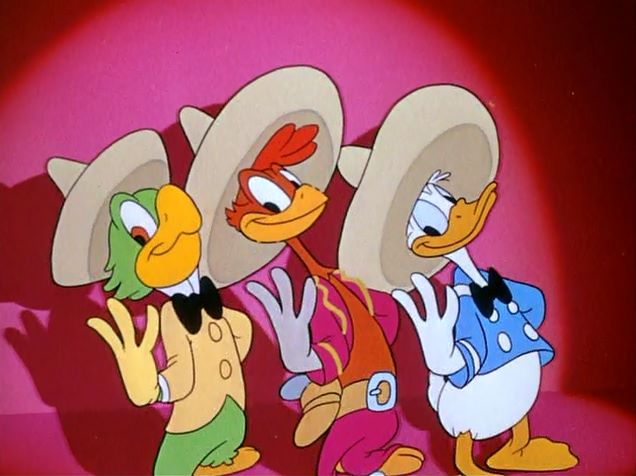
Three Caballeros (1943, Disney)

Package films are included and sprinkled throughout. It’s hard to compare a package films to a standard feature narrative so the ranking of some may belie their quality. If you’ve not seen The Many Adventures of Winnie the Pooh, Saludos Amigos, The Three Caballeros, Fun & Fancy Free, Make Mine Music and Melody Time they come highly recommended.

The Crème de la Crème

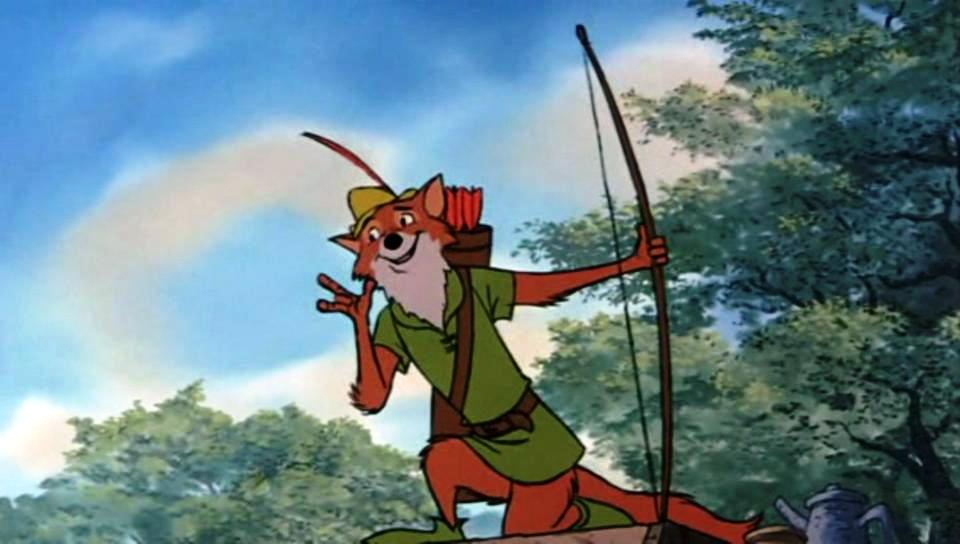
Robin Hood
Dumbo
Bambi
Pinocchio
Peter Pan
The Lion King
The Many Adventures of Winnie the Pooh
The Little Mermaid
Sleeping Beauty
Alice in Wonderland

Excellent Works

Cinderella
Snow White and the Seven Dwarves
The Fox and the Hound
Beauty and the Beast
Aladdin
The Jungle Book
The Sword in the Stone
Lady and the Tramp
101 Dalmations
The Aristocats

Great Works

The Rescuers
The Rescuers Down Under
The Great Mouse Detective
Wreck-It Ralph
Winnie the Pooh

Middling Works

Saludos Amigos
The Three Caballeros
Fantasia
Bolt
The Hunchback of Notre Dame
The Black Cauldron
Oliver and Company

Lesser Works

Fantasia 2000
Pocahontas
The Adventures of Ichabod and Mr. Toad
Chicken Little
Hercules

Films Unseen to Date

Mulan
Tarzan
Dinosaur
The Emperor’s New Groove
Atlantis: The Lost Empire
Lilo & Stitch
Treasure Planet
Brother Bear
Home on the Range
The Princess and the Frog
Tangled

March to Disney: Titles That Should Come Out of the Vault

To be brief, I completely and totally understand the inherent logic of Disney’s vaulting strategy. As a business model, it seems to have worked, because if it wasn’t working the practice would’ve been discontinued by now. Essentially the idea is: if you make a film available only for a limited time every x number of years you’ll drive up demand and sell more.

To be honest, I can deal with the larger titles, a majority of the animated features are ones that I’ve rushed to get when a new format came around. Upgrades are always a questionable call, but ultimately I’ve gone and gotten things over again a few times. Those are the titles I would consider strategically vaulted.

Now, there are then the lesser known titles, which seem to be buried more so than anything. Granted when you’re putting out a new title on DVD there are expenses such as marketing, manufacture, restoration and mastering, but one solution would seem to Disc on Demand, like Warner Archive. Now, Disney launched its own made-to-order line in 2011, but have scarcely used it releasing three titles per year.

Another possibility that Disney does seem to be using more is digital. However, as I talk about here, I still struggle to detach myself from physical copies of movies. And even in the digital realm I’d much rather a digital copy that I can play on a computer or phone and move about rather than one stored elsewhere that I have access to. However, if you are interested Disney does have many OOP titles available for purchase only via Amazon Instant Video things like The Prince and the Pauper.

In the list below, however, I will list currently unavailable Disney titles I’d like to see released on some platform.

Song of the South

Song of the South (1946, Disney)

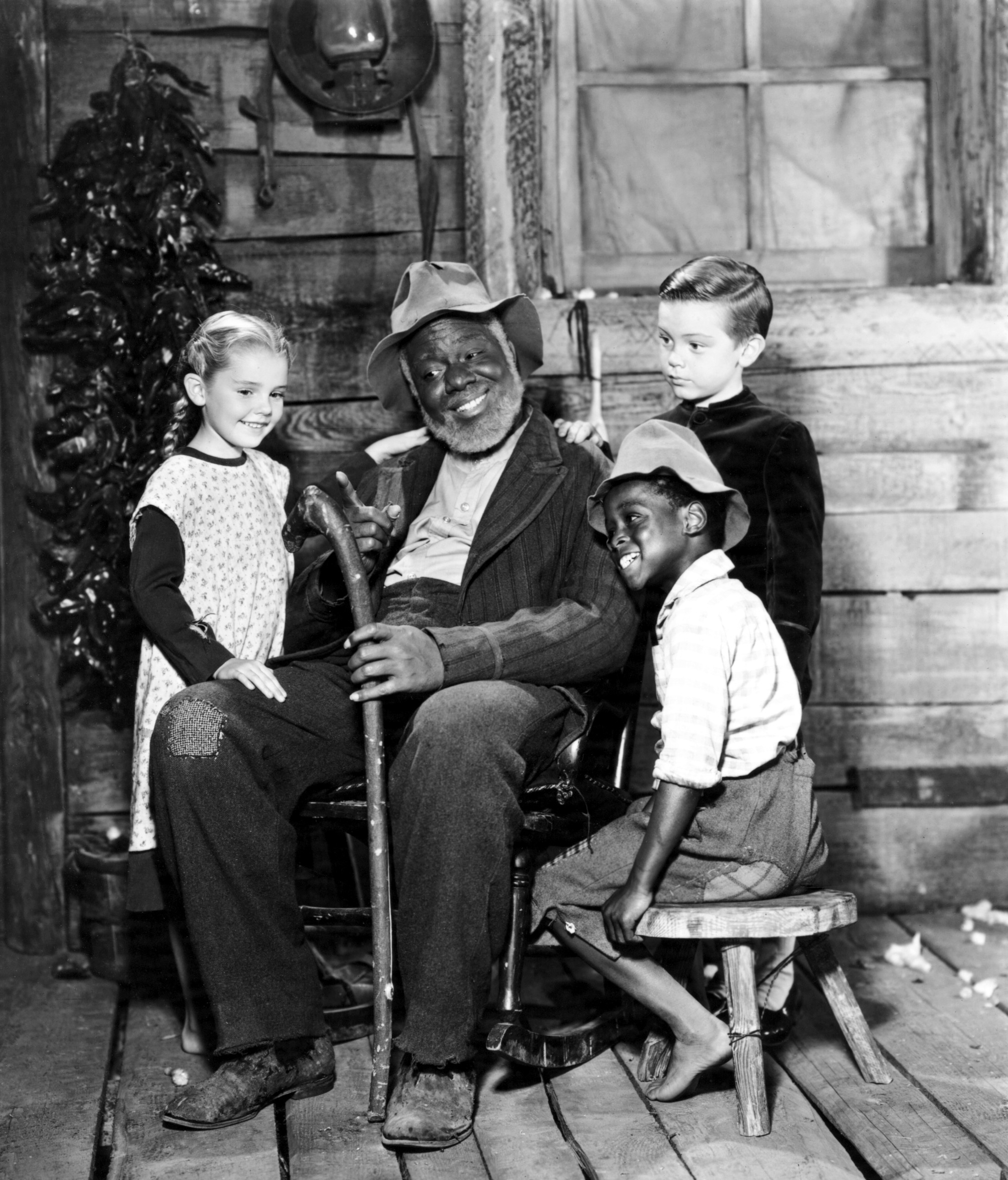
I’ve mentioned it on numerous occasions: Disney pretends like this film doesn’t exist only until it’s time for another greatest hits compilation then they dust of “Zip-A-Dee-Doo-Dah” or get one of their new singers to cover it. You can’t have it both ways. Aside from the fact that it should be available. Maybe On Demand would be the way to go here. Only those with a familiarity with the product or the studio go that route, it’d be less likely to cause a stir that way than if it was sitting on a shelf in Best Buy.

Mom’s Got a Date with a Vampire

Mom's Got a Date with a Vampire (2000, Disney Channel)

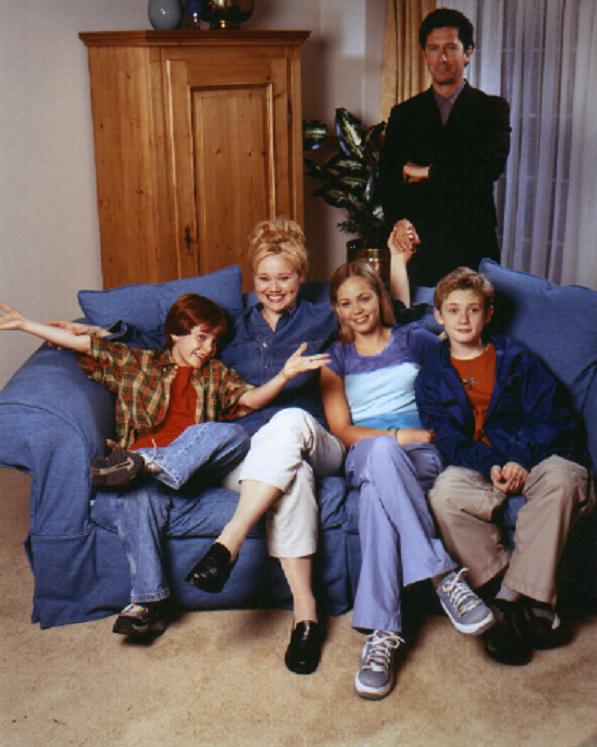
There aren’t that many DCOMS, there are even fewer this good and most of them are usually connected with a holiday. This is hands down my favorite of them all.

Spin and Marty

Spin and Marty (Disney, 1955)

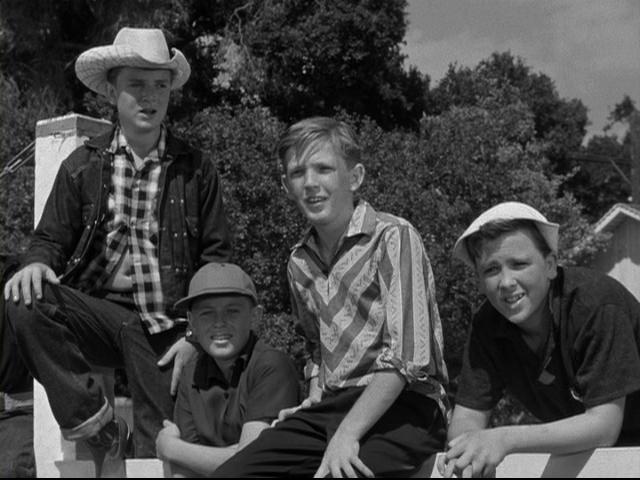
The characters Spin and Marty were introduced to young audiences as a serial story that was part of the The Mickey Mouse Club. The Adventures of Spin and Marty was released as part of the Disney Treasures collection. That constitutes the first season of the show. The second and third seasons have yet to be released. Disc on Demand has proven to be a great solution for shows that have small but dedicated followings. I think this would qualify.

Kniga Masterov

Kniga Masterov (2009, Disney)

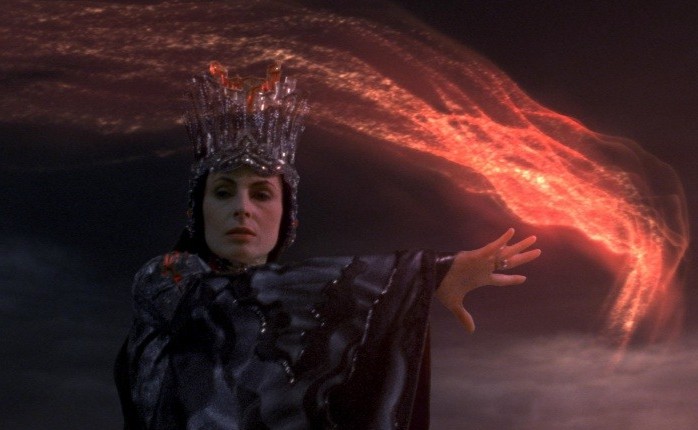
I am not sure this is the film I mentioned in the Zokkomon piece, which may have been a Disney channel film, but it is also a fantasy and looks pretty awesome. When part of my premise in that write up was this line should get diversified, I had to find something right? You will find a trailer and a clip here. I believe this is a great idea for all studios. Many of the majors produce films the world over, and most nations have their own genre cinema as well as their more artistic directors. Watching either kind of film from another country is usually a rewarding experience in one way or another. It seems like Russia would be the next logical spot for Disney World Cinema to release some titles from.

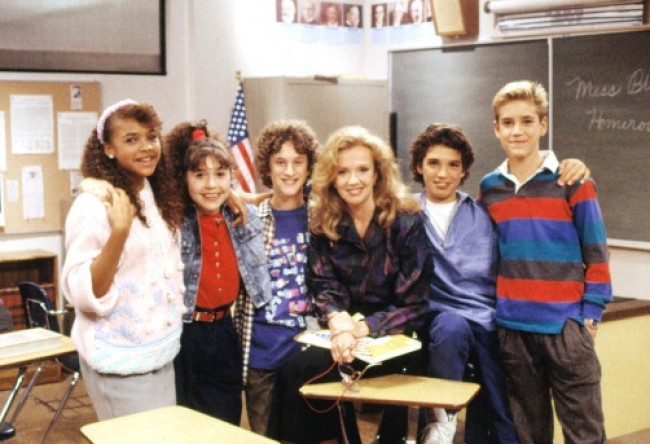
Good Morning, Miss Bliss

Good Morning, Miss Bliss (1988, Disney Channel)

OK, so this is kind of a representative choice. Here’s the thing Disney Channel is now in its 30th year. At the start of the last decade it started getting serious in terms of creating popular shows that became phenomena, but they still don’t package their shows properly on DVD, collecting a handful random, disjointed episodes by theme and not by season.

So, if choosing one title to represent Disney, why this one? This was one of the first comedic scripted shows The Disney Channel did (I just learned it was them). Furthermore, I don’t think I ever saw the show as Good Morning, Miss Bliss; but rather repackaged as Saved by the Bell, as some characters do transition over there. Not knocking Saved by the Bell‘s song at all, everyone of a certain age knows it, but I also never saw this show’s opening.

Now, I realize these same episodes are likely included in the Saved by the Bell set, and rights can be complicated. So, if that really bothers you a lot pretend I said Even Stevens, because that had “Influenza: The Musical,” one of the best single episodes of anything, and it was back when Shia LaBouef was funny and we all liked him.

What do you want to see Disney release? I always am eager to learn of new titles. It also bears mentioning that there are great online resources to try and gather momentum for releases like Open Vault Disney.

March to Disney: Disney at the BAM Awards

This past year I didn’t get around to affixing a nomination table to my BAM Awards, when I’m tidying up before 2013 festivities I likely shall. Another thing that always interested me around Oscar time, that I never did for myself, was to total the nominations per distributor.

Seeing as how this is the first ever theme I’ve run that’s been exclusively focused on one studio, I figured it was time to at least glance back at the Disney films that have made a dent in my Awards over the years.

There were a few ways I could go about doing this. In the end, I decided year-by-year would be best, and if I noted themes in categories I’d try to mention it in closing.

Enjoy!

1996

Disney gets punked by Nickelodeon. Nickelodeon Studios’ first film Harriet the Spy tied for the most nominations with 9. I can’t guarantee I saw any Disney titles in that calendar year. I only recently saw The Hunchback of Notre Dame, but I do know that Disney didn’t get any noms.

1997

Nil again. There will be some believe me.

1998

No nominations.

1999

No nominations. Mind you former subsidiaries have been nominated through these years such as Miramax and Hollywood Pictures whose film The Sixth Sense had the winningest year to date.

2000

No nominations.

2001

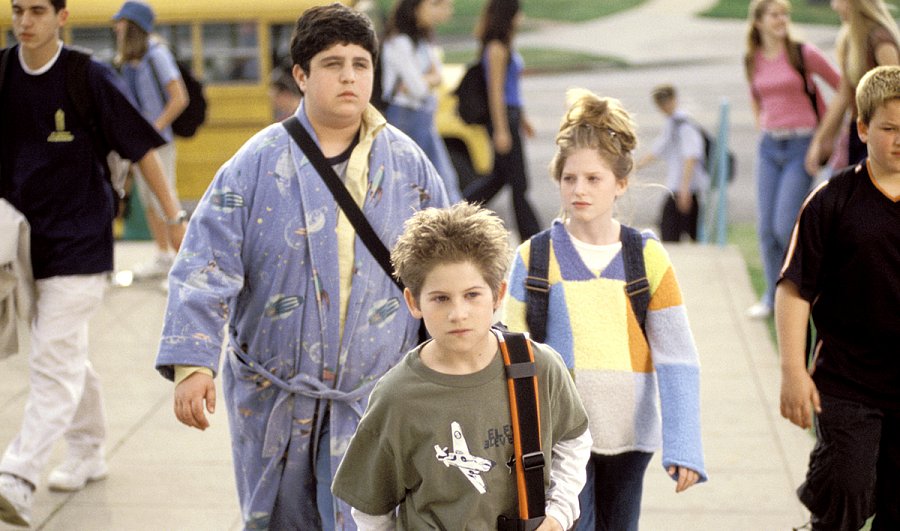
Max Keeble's Big Move (2001, Disney)

Though A.I. would go on to trounce the field in most categories, here can be found Disney’s first BAM Award nominations.

Max Keeble’s Big Move was one of the surprises of the year for me and it garnered 6 nominations, including Best Picture, Most Underrated and Best Performance by a Child Actor for Alex Linz. It didn’t happen to win any of said awards, but it’s quite a debut.

Ironically, Disney, via DCOMs (Disney Channel Original Movies), “dominated” the now-defunct Worst Picture category (including one that stars Linz) but didn’t “win” that award either.

Nominations: 9
Wins: 0

2002

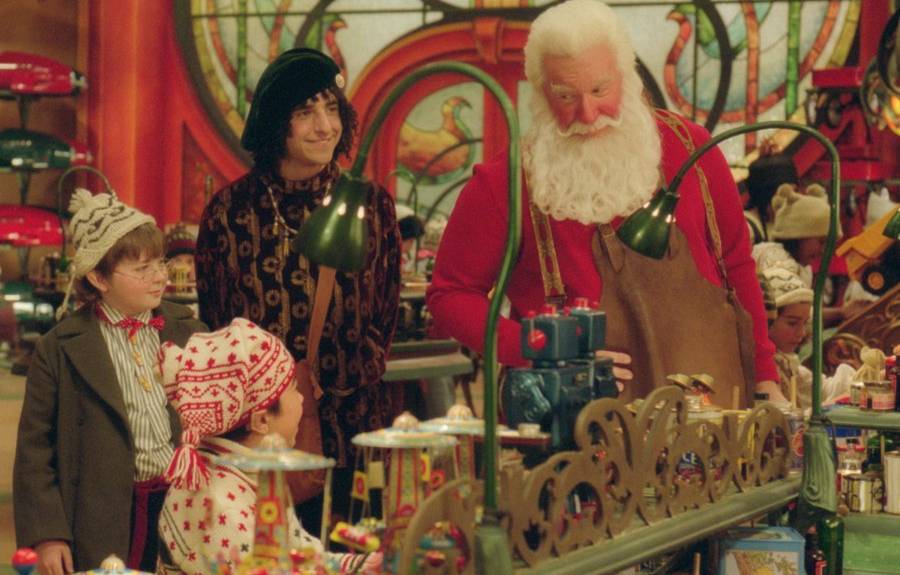
The Santa Clause 2 (2002, Disney)

Disney returns to the Awards with two films nominated in the worst category The Santa Claus 2 and Get a Clue, a theatrical and DCOM respectively. The latter had a catchy theme song; both have very sparse moments that spare them the dubious distinction.

Nominations: 2
Wins: 0

2003

Is a year I lost my records for. All I can recall are the winners, but everything came up Universal that year with Peter Pan winning 10 and Love Actually taking two.

2004

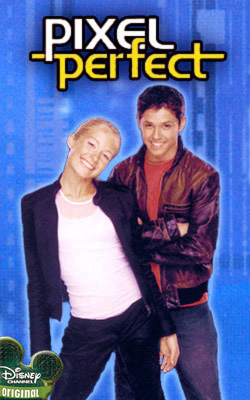
Pixel Perfect (2004, Disney Channel)

Disney’s first “win” is for another DCOM nominated in the now-discontinued Worst Picture category. There have been good ones, by the way. Some very good ones even, including Mom’s Got a Date with a Vampire, High School Musical, Girl vs. Monster, The Suite Life Movie, etc.

Nominations: 1
Wins: 1

2005

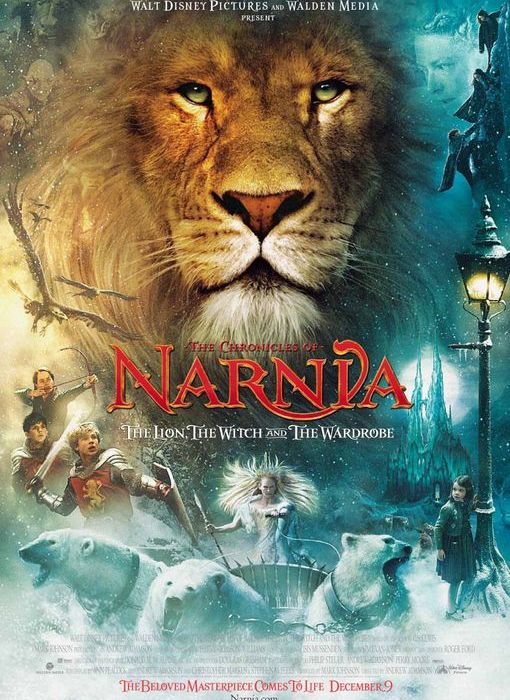
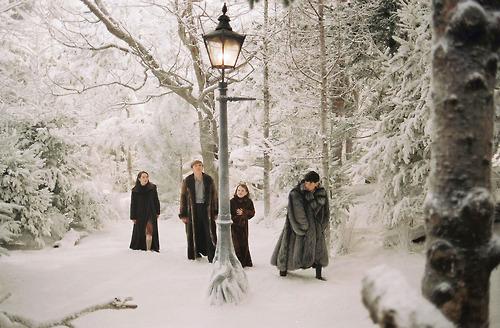
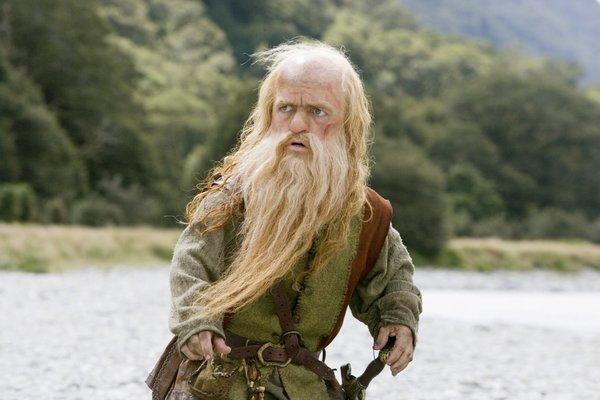
The Chronicles of Narnia: The Lion, The Witch and the Wardrobe (2005, Disney)

Hindsight’s always 20/20 but in retrospect Disney dumping the Narnia franchise is a mixed bag. After Caspian wasn’t as good as it could’ve been, a change was due it just seems that maybe the shift to Fox puts more pressure and onus on Walden Media, and though they may be fan-pleasers and great to me, future installments may be slow to come.

The current plan to be brief is The Magician’s Nephew next as opposed to The Silver Chair, which would make more sense in terms of cast continuity. Either project seems a ways off right now.

This aside is a lead-in is because Disney, when they had Narnia, had their biggest BAM triumph to date with Narnia not only garnering a staggering number nominations, but winning Best Picture.

In fact, Narnia alone earned more nominations than all Disney films from 1996-2004 at the BAMs combined (with 13 and four wins).

Nominations: 13
Wins: 4

2006

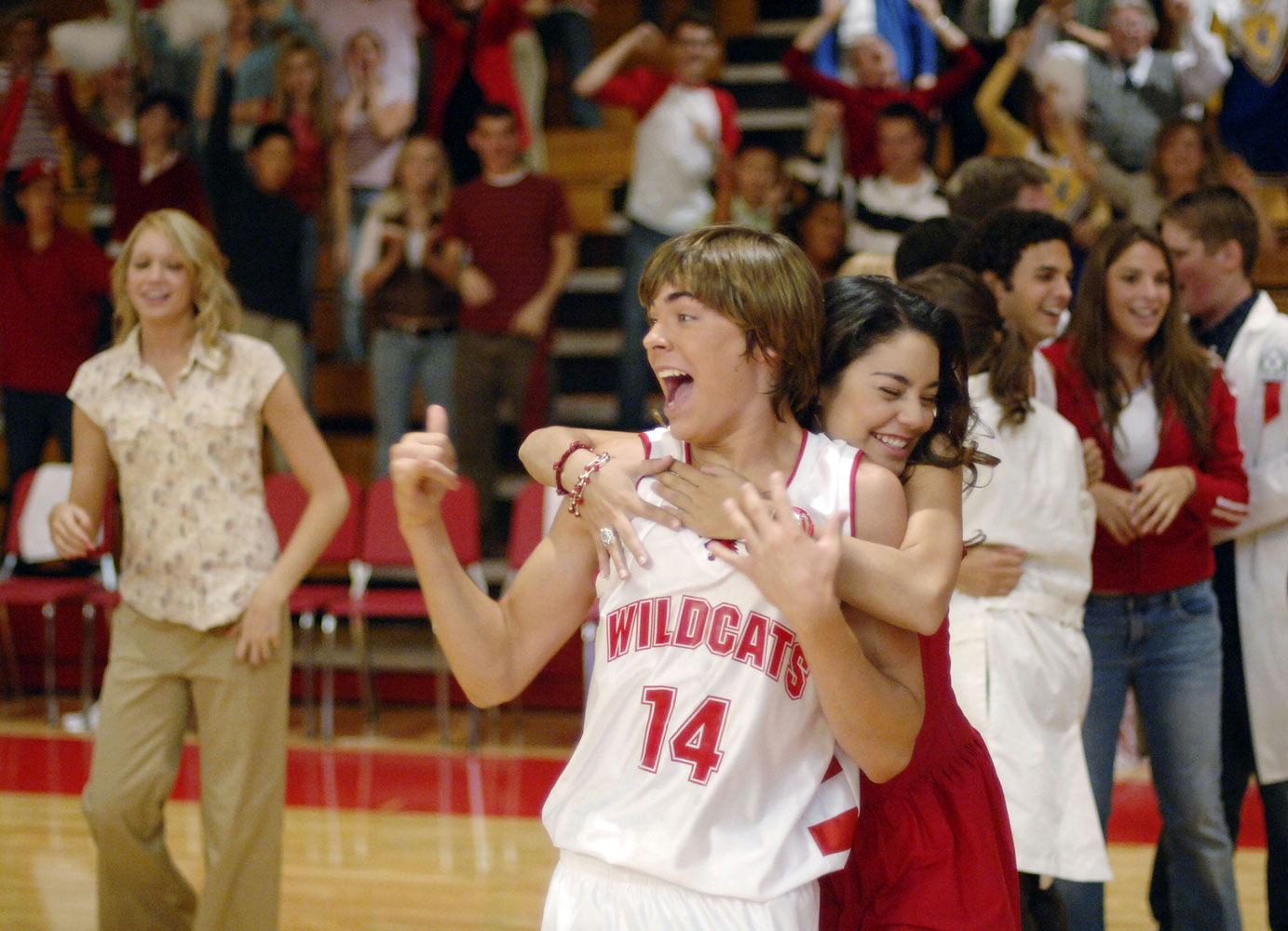
High School Musical (2006, Disney Channel)

This was a good year for Disney wherein they had two films earn multiple nominations AND multiple wins.

Pirates of the Caribbean: Dead Man’s Chest (3 Nominations, 1 Win)
High School Musical (6 Nominations, 1 Win)

Nominations: 9
Wins: 2

2007

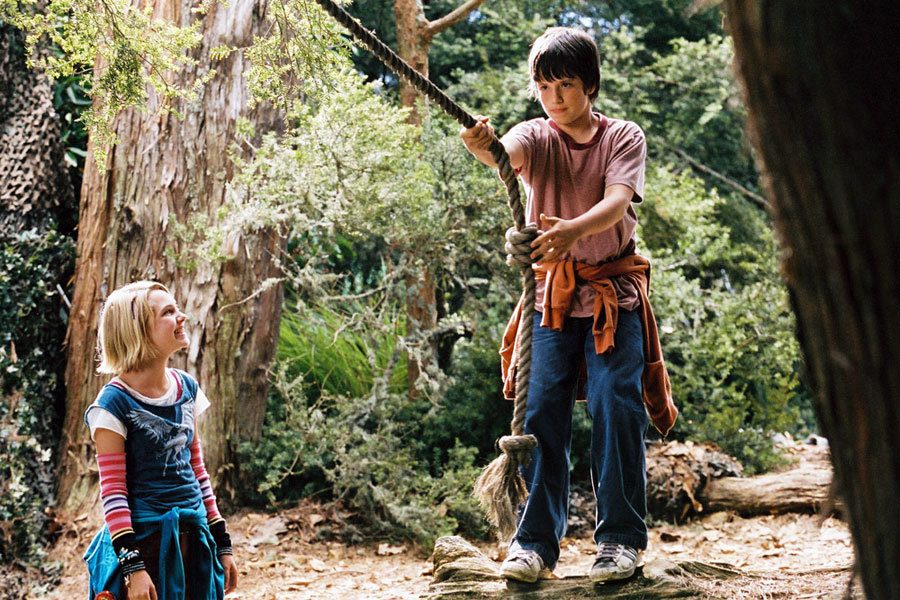
Bridge to Terabithia (2007, Disney)

This year was a first for Disney in a few ways. It was the first time Disney had three films nominated.

It also marked the first time two actors in Disney films made their presence known in multiple categories. Josh Hutcherson and AnnaSophia Robb earned not only Child Actor nominations, but lead Actor and Actress nominations respectively for Bridge to Terabithia.

On a dubious note, the Pirates of the Caribbean that made me fall asleep was released.

Bridge to Terabithia – 5 Nominations (1 Win)
High School Musical 2 – 1 Nomination
Pirates of the Caribbean: At Wold’s End 1 Nomination (1 Win)

Nominations: 7
Wins: 2

2008

The Chronicles of Narnia: Prince Caspian (2008)

Prince Caspian, as mentioned before, was not up to par but did capture two wins (Makeup and FX) and High School Musical 3 was up for 3 nominations, all in positive categories.

Nominations: 8
Wins: 2

2009

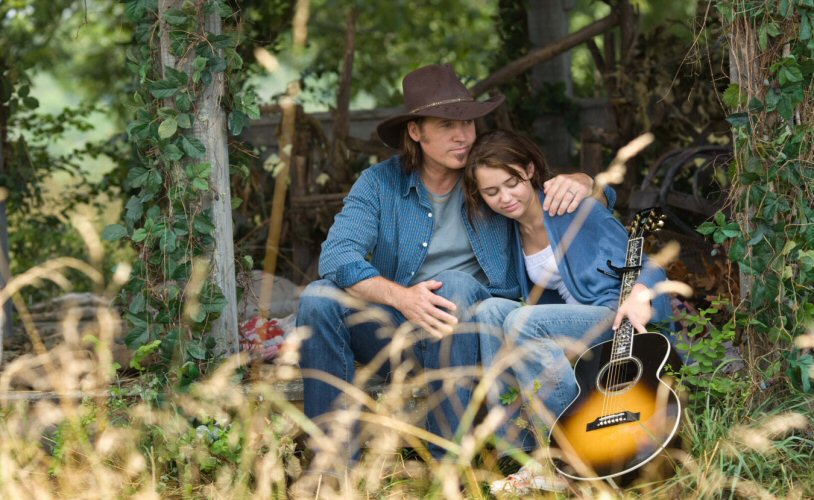
Hannah Montana: The Movie (2009, Disney)

Not a banner year, but it kept the nomination streak alive with Old Dogs grabbing an Underrated nod and Miley Cyrus’s “The Climb” earning a Song nomination.

Nominations: 2
Wins: 0

2010

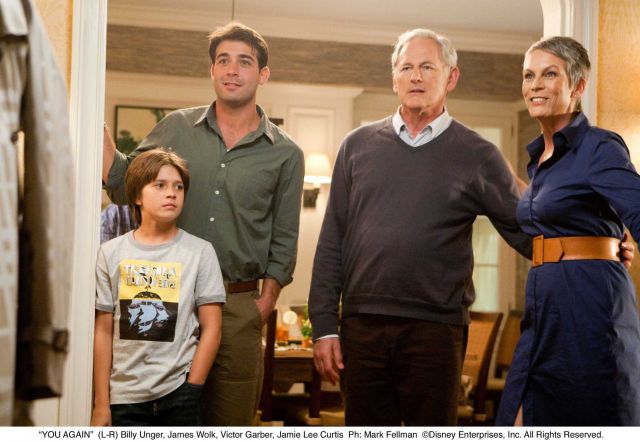
You Again (2010, Disney)

In total nominations, 2010 was a worse year for Disney. If being literal there were no nominations. However, Touchstone is a Disney brand whose name appears on You Again. Billy Unger’s performance in said film, along with the deep cast of The White Ribbon, were the catalysts for the first bifurcation of the youth acting categories.

So since I’m being anal retentive about whether or not its branded solely Disney, having omitted some Dinsey/Pixar titles, let’s call this one a shutout with an important footnote.

Also, The Voyage of the Dawn Treader cleaned up a lot of nods here, but was the first Fox film of the series.

Nominations: 0
Wins: 0

2011

Similar note as above Touchstone appeared with The Help.

Nominations: 0
Wins: 0

2012

No nominations, though as mentioned Timothy Green was widely overlooked and if not for the shifting focus of my “underrated” selections it would’ve been there.

Nominations: 0
Wins: 0

Total Nominations: 51
Wins: 11

Despite the droughts that averages to 3 nomination a year and about a win every other year, which is pretty darn good I’m assuming – I think other distributors may have bigger pops at more infrequent intervals. I guess I’ll find out if I should do another studio-centric theme.

March to Disney: Terabithia, Timothy Green, and Other Inauspicious Ends

Warning: Spoiler alert! There is story analysis that reveals key plot points below, proceed with caution.

If there’s one misconception about Disney films that bothers me it’s the tonality myth of the happy ending. Firstly, A lot of people act as if this applies only to Disney films and wasn’t part of the Hollywood formula since time immemorial. More so that that, however, what Disney films have exemplified, especially under the stewardship of Walt himself, was that they were not fearful of putting kids through the emotional wringer because that ending was waiting – in many ways it becomes not about the the ending, but the journey. Now, I will acknowledge there is a lot of Disney fare that is light escapism, the iconic example of Pollyanna being one I’ve not yet seen. However, as I will demonstrate here, films by the company have frequently not been afraid to bring real life emotions and traumas into their stories and aren’t just fun and games.

Now, the cornerstones of my argument are two more recent live actions films, but the pattern was established long ago. Here are some quick examples:

In Snow White not only is the witch frightening but we believe Snow White will be unconscious until her eventual demise.

The Pleasure Island sequence in Pinocchio is fairly shocking to a young child.

The treatment of Dumbo’s mother and her imprisonment, when she’s labeled as mad is rather brutal, and wrenches much emotion from the story.

If you want the stakes raised:

Sleeping Beauty is the first Disney title that comes to mind with any bloodshed, as minimal as it is.

Bambi’s mother is quickly, shockingly and almost unceremoniously, killed.

A more visually realized death is that of Mustafa in the Lion King.

Old Yeller has to be put down.

And if you’re saying, OK, what about endings? I’d propose Pocahontas without going into too much detail and spoiling it. It may not be a tragic finish, but it’s certainly not a “they lived happily ever after” one either.

And in terms of shorts you can look upon The Little Matchgirl as bittersweet at best. Not only is that a beautifully rendered tale, but it does treat an Andersen tale with a pathos closer to the original than The Little Mermaid did.

Bridge to Terabithia (2007, Disney)

With these more recent titles, however, I feel there is a sort of return to that notion that Disney always implied, if he didn’t say outright. Bridge to Terabithia in some ways I feel suffered critically, and perhaps financially too, due to the known plot point of Leslie’s death. It reminds me of the debate that surrounded My Girl. Thomas J’s death was seen as a detriment to the film by some, but in essence that’s part of what makes the film what it is. You can argue the merits of killing a child character but its functionality within the plot is really what determines how well the film works. Similarly, with last year’s Brave, you can dislike what the major reveal was, but the story was built to go there, its how it operated and functioned from that point on that matters.

With Terabithia the chronicle really is about Jess (Josh Hutcherson), and the fact that both he and Leslie carry a film that does wander into more serious territory was rewarded with several BAM nominations. The story is told through Jess’s eyes. It’s his coming-of-age that is being told. He has a skill (drawing) that some look upon and scoff at; he’s the one who has to come to terms with his own personality, to follow his dreams even though he’s called a dreamer; to embrace his imagination as a gift rather than a burden. Leslie is the catalyst to him doing those things. She creates an elaborate fantasy world that they share. Jess losing her is the ultimate test of if he can accept himself as he is. Can he forgive himself or will he blame himself? Can he draw again? Will he “return to Terabithia” anew now that he lost his traveling companion? The end of the film is a redemptive one, but it’s not one I would call happy because of all that came before it.

As for Timothy Green, this was an oft-overlooked, far too misunderstood film last year. As Roger Ebert stated very well in his review, the fact that Timothy’s fairytale like appearance is left a mystery and never logically explained is a boon to the story not a burden. As magically as he appears, you can tell that his time will be limited, there is a foreboding even at the most wondrous times he shares with his temporary parents that is apparent in the film, even if you didn’t infer it from the title. His departure is heart-wrenching and perfectly portrayed by CJ Adams, Jennifer Garner and Joel Edgerton, and the way it’s portrayed visually is even better.

Yes, the young couple in the end does get what they want. They still have the wonderful memories they shared with Timothy, but they also still bear the hurt of having known him for such a short time and having lost him. And if you think about it there are two deaths in that film.

No, you won’t always get the deepest, most intellectual treatment of every subject in a Disney film, but don’t go just based on a handful of titles and take in the totality of the entire film and not just the ending. Yes, even Disney films can feature real hurt, pain and emotions, and those that do are usually among the best.

March to Disney: Secretariat and the Sports Films of Disney

This is a series of posts this month wherein I will focus on Disney films. For more on my background with Disney films and about the timing of this focus please read the introductory post here.

It’s almost as unoriginal to say all sports films are essentially the same as sports films are, at least on the surface. What tends to separate the better ones is that they are usually on a very specific incident or figure, and more commonly, what else the film has going for it.

For example, one of the more acclaimed documentaries in recent years is Undefeated. It’s about a high school football team. What made it critically acclaimed and an Oscar winner was not the football aspect, but rather, and high school sports can do this better than most, the off-the-field life lessons involved. So there, even in documentary form, it’s about “What else do you have going for you?”

Disney, in both shorts and feature films, has a long history of dealing with sports as the focus of a film. The earliest, most notable forays, were the Goofy shorts wherein he’d engage in a number of sports with his usual haphazard results. The shorts, aside from being funny, are fairly good caricatures of the sports in question. Meaning it’s more about impression than accuracy of rendition and also about placing a character in a context so whether skiing, basketball, boxing, football (American), ice hockey, aquatic sports, or any other they served as short hilarious sketches and/or introductions to the sport.

The short form animated sports film has its own template of exaggeration, while the feature film usually deals in underdog stories. Which is what usually brings me back to Secretariat. Now, what the real world themes that are being brought to the fore are rather obvious. Due to the the setting and plot the film is a feminist comment. Ms. Tweedy, played marvelously by Diane Lane, is smart, tough, a risk-taker and ultimately successful. She’s the underdog of the tale, whereas the horse, who even if you only know a slight bit about horse racing, you know is the overdog. He, like many a thoroughbred, shot out of the blue into national consciousness, but is unquestionably the most dominant horse the sport has ever known.

Secretariat (2010, Disney)

Aside from the feminism, which the film plays through both mother and activist daughter, there is also the gently folded in family element. You see her sacrifice and work on two fronts due to what she feels is her responsibility to her father, the farm and the horse, and as much as she can she travels back across country to be with her husband and four kids.

That’d be more than enough, but Secretariat, being a film about horse racing, also plants the seeds of doubt about health of the horse, and addresses the concern of those ambivalent to negative on the nature of the sport. Needless to say there’s likely poetic license taken all over the place, it’s a film after all, but the impressive thing is that the film works on many fronts and levels, which is why it was one of my top films of 2010, and didn’t diminish upon re-view.

Now, as much as I do like other Disney sports films of a more traditional nature, like The Mighty Ducks, which I saw at a sneak preview with a friend and it got us so pumped that we laced up our rollerblades and had a near midnight practice session, or Cool Runnings. They do fall into the more typical mold. Secretariat stretches it on a few fronts. Now there is a recent rash of other Disney sports films that I am behind on, however, based on what I know of them Secretariat still upped the ante a great deal. Usually, there’s a theme or two tackled and few possible end games.

In a purely sporting sense, Secretariat paints a portrait that even a blowout can be a thing of beauty due to the prowess of the athlete and the dramatic stakes placed upon the race. Whereas in other films there’s one “brass ring,” here our protagonist has staked her livelihood on the fact that the horse will win the Triple Crown, something that hadn’t happened in 25 years at the time, and has only happened once since.

Now, all this is not to say Disney’s record is flawless in the genre, there’s far too many Most Valuable Primate and Air Bud films for that to be the case, but in the past decade or so, even with as many as I’m missing, on the dramatic end of the spectrum; they have found stories in the subgenre that can push the envelope ever so slightly in this kind of film.

Short Film Saturday: The Little Matchgirl (1996)

For a little more than 30 years, from the late 1920s to the early 1960s, you’d be hard pressed to find a year wherein the Academy didn’t nominate either Disney or Warner Brothers for Best Animated Short Film. Keeping that in mind, I decided instead to search out more latter-day Disney shorts that I may not yet have seen.

In this day and age the short film has to find new avenues to find audiences. Gone are the days of double-features and programs that were expected to include either and animated short or serial chapter and a newsreel. This short was included as a bonus feature on The Little Mermaid platinum edition DVD release, and is appropriately another Hans Christian Andersen tale.