Once Upon a Time in the 80s: The International Scene (Part 6 of 17)

One can never really analyze all of international film during a given decade given the enormous scope and the amount of films released worldwide in any 10-year period. Certain decades have cinematic movements within given cultures; the 1960s are perhaps the most notable with the nouvelle vague influencing all of Europe. However, the 1980s is the time when foreign films started to have staying power. The art houses would soon be cropping back up and Americans started to be more willing to watch foreign films than ever before, even in the 60s watching Fellini and Truffaut was a sect of counterculturalism that was not universal.

The Academy Awards have always been a promotional event. The press has added a great deal of importance to them and the public have followed it making it consistently one of the highest viewed television programs every year. Thus, when the Academy, whoever they are, starts nominating foreign films in categories usually reserved for American films one needs to take notice.


In 1983 Fanny and Alexander, what was said at the time to be Ingmar Bergman’s last film, received six Oscar nominations and walked home with four of them. Ironically, the categories in which Bergman should’ve been given the awards (Director and Screenplay) were the ones they didn’t win.

Later on La Historia oficial an Argentine film was nominated for best screenplay in 1985. In 1988 Marcello Mastroianni was nominated for Best Actor in Dark Eyes and the screenplay for Au Revoir les enfants and the director of My Life as a Dog, Lasse Hallström, were nominated while Babette’s Feast won Best Foreign Language Film. Also, amongst the nominees was a great piece of Norwegian folklore that has been handed down over the generations called Ofelas.


Max von Sydow received an academy award nomination for his performance in Pelle the Conqueror which was in 1989, for a 1987 release. This was a film which won the Palm d’Or in Cannes, and it is truly one of the best films to come out of any country during the 1980s. It takes place at the turn of the century when Lasse (Von Sydow) and Pelle (Pelle Hvenegaard) arrive in Denmark from Sweden to try and find work for themselves. We follow their trials and tribulations that make us as the audience feel more and more sympathy for the characters as the film progresses. Part tragedy and part triumph, this is a beautiful film that rightly put Bille August on the map.


Of course, we also get Giuseppe Tornatore who’s one of the most talented directors in the world right now coming out with his first hit Cinema Paradiso. In France there was the cinema du look but the emerging nation of the 1980s was Brazil. 


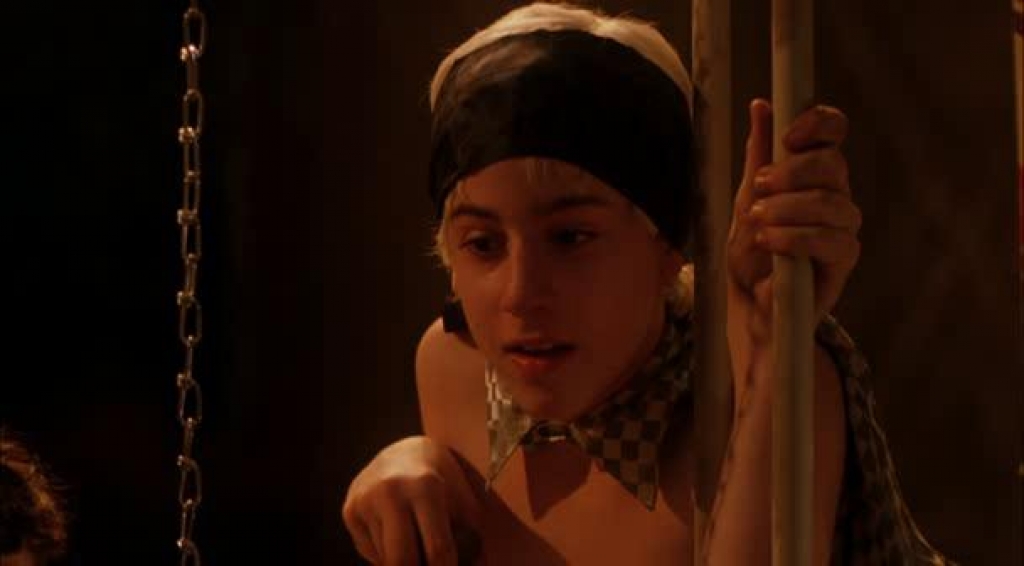
Pixote, A Lei dos Mais Fraco (1982, HB Films)

While the film industry was beleaguered when the government cut off all funding for the arts during an economic crisis there were two big films that set the stage for the international success Brazil would enjoy in the 90s and 00s with films like O Quatrilho, Central Station and O Que e Isso Companheiro? (English title: Four Days in September), A Partilha and Bicho de Sete Cabeças. First, there was Pixote a powerful film about juvenile delinquents from the favelas of São Paulo, of which none were professional actors. It’s a gut-wrenching dramatic experience and an amazing piece of simulacrum; in a sense the Brazilian neo-realist film. The film is told in two parts: first, we see the minors and their struggles in the juvenile camp. Second, there’s a break and they escape and we see their life on the street. Hector Babenco, a naturalized Brazilian, struck home by portraying poverty and crime as well as bureaucratic corruption as it was never seen before in Brazil. It ever landed on many American top 10 lists.


Meanwhile, Arnaldo Jabor’s Eu Sei Que Eu Vou te Amar is a direct victim of the government’s cutting artistic funding and they had to work on practically no budget. This film demonstrates not only the power of editing but also of fine acting. There are only two actors in this film and they are great so much so that Fernanda Torres won Best Actress at Cannes in 1986. We meet the two main characters and they have a discussion and an argument about their relationship why they got divorced. There are flashbacks and a video monitor with the actors on them represents their inner-monologue. The dialogue in this film is fantastical. There’s a stream of poetry that come out through these inner-monologues that is just perfect and the arguments are intelligent and not just bickering. The film is absolutely riveting and is as the blurb describes “a psychological playground” that only suffers from the hallucinogenic end.


International cinema finally made its presence felt for good in the nation that influences the world. Whether negatively or positively most cinematic movements around the world are reactions to Hollywood, and the constant presence and acceptance of international cinema is a necessity to the vitality of American cinema.

Film Thought: A Film For All Occasions

Not too long ago I was asked to participate in a medical study to gather information, and further knowledge, about a metabolic condition I am afflicted with. Part of the process which I was subjected to was a very long MRI. Any and all people taking this MRI were encouraged to bring in a movie to watch. This movie would be viewed in the tube through an angled mirror that would reflect the screen’s image in to you.

What this piece of information made me realize is that there really is a film for all occasions. With this situation I was thinking about what film had a hypnotic quality, that would keep me fairly still for an extended period of time. I also thought to pick a rather lengthy movie should the scan run long for whatever reason, which it did.

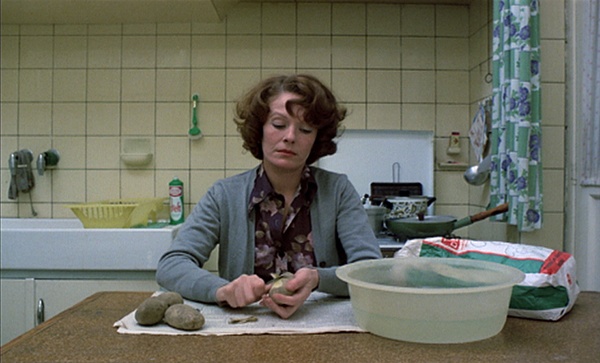
I chose Jeanne Dielman, which ended up working perfectly. I have since noted that there are films that, of course, have seasonal connotations such as Halloween and Christmas, but also those that are perfectly suited for other more idiosyncratic occasions. While I usually try to go to the movies on my birthday, those choices are particular to me and my tastes, there are even more obscure occasions that have movies that fit them. It’s all about finding the right tone and rhythm for you. What other odd occasions have movies that suit them perfectly, I now wonder, seeing as how I found the perfect MRI film?

2013 Oscar Nominated Short Films – Animation

One thing I most definitely praise the Academy as well as the sponsors who help bring this showcase to being (DirecTV, AT&T and Shorts HD) is that they are bringing the Oscar nominated shorts to a wider audience, whereas before you were in the dark and few, if any of these shorts, had any life beyond the ceremonies. Not to mention the fact that they’re now being sold on iTunes too.

The animated slate screened first this year, and it’s an even stronger field than last year. Especially when you consider that none of the nominated films has any significant dialogue. One merely had a news broadcast on TV, which is of no consequence.

Fresh Guacamole

Fresh Guacamole (2012, PES)

This could well be the most creative of the nominees, but while there is abundant cleverness in the replacement of literal props with representative artifacts, its brevity and simplicity may be to its detriment considering the other nominees.

Adam and Dog

Adam and Dog (2011, Minkyu Lee)

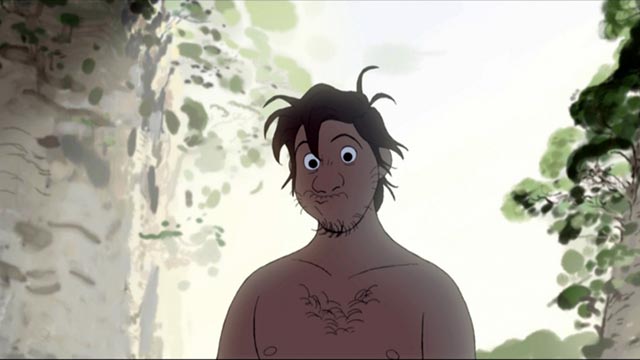
This is a very well-drawn and interesting depiction of the first dog and the first man, which is very poignant.

Head Over Heels

Head Over Heels (2012, National Film and Television School)

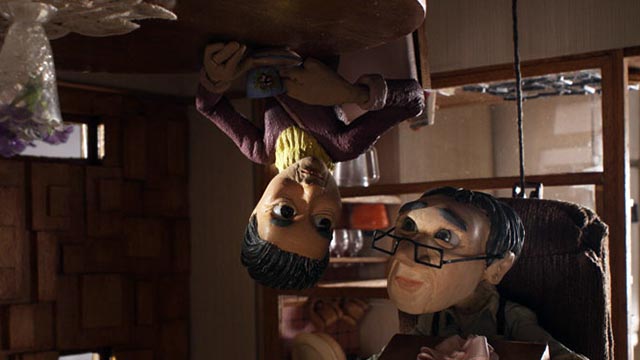
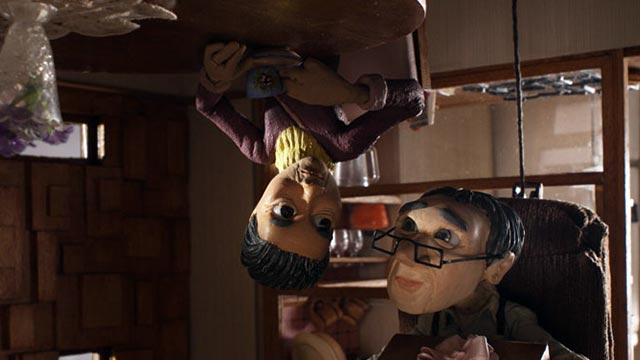
Is perhaps the most moving of the selections. As opposed to a short like Reverso, which I featured on a short film Saturday, here you get a very literal metaphor for the unusual upside-downness of the world.

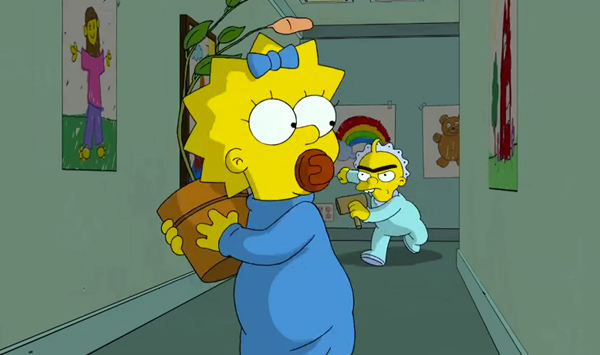
Maggie Simpson in “The Longest Daycare”

Maggie Simpson in The Longest Daycare (2012, Gracie Films)

Here you have a nomination that hearkens back to yesteryear inasmuch as it is a notable lead from a popular stable of characters in this short tale. As you might expect from Matt Groening there is a lot of intelligence and humor in this short, but also a very cinematic sensibility.

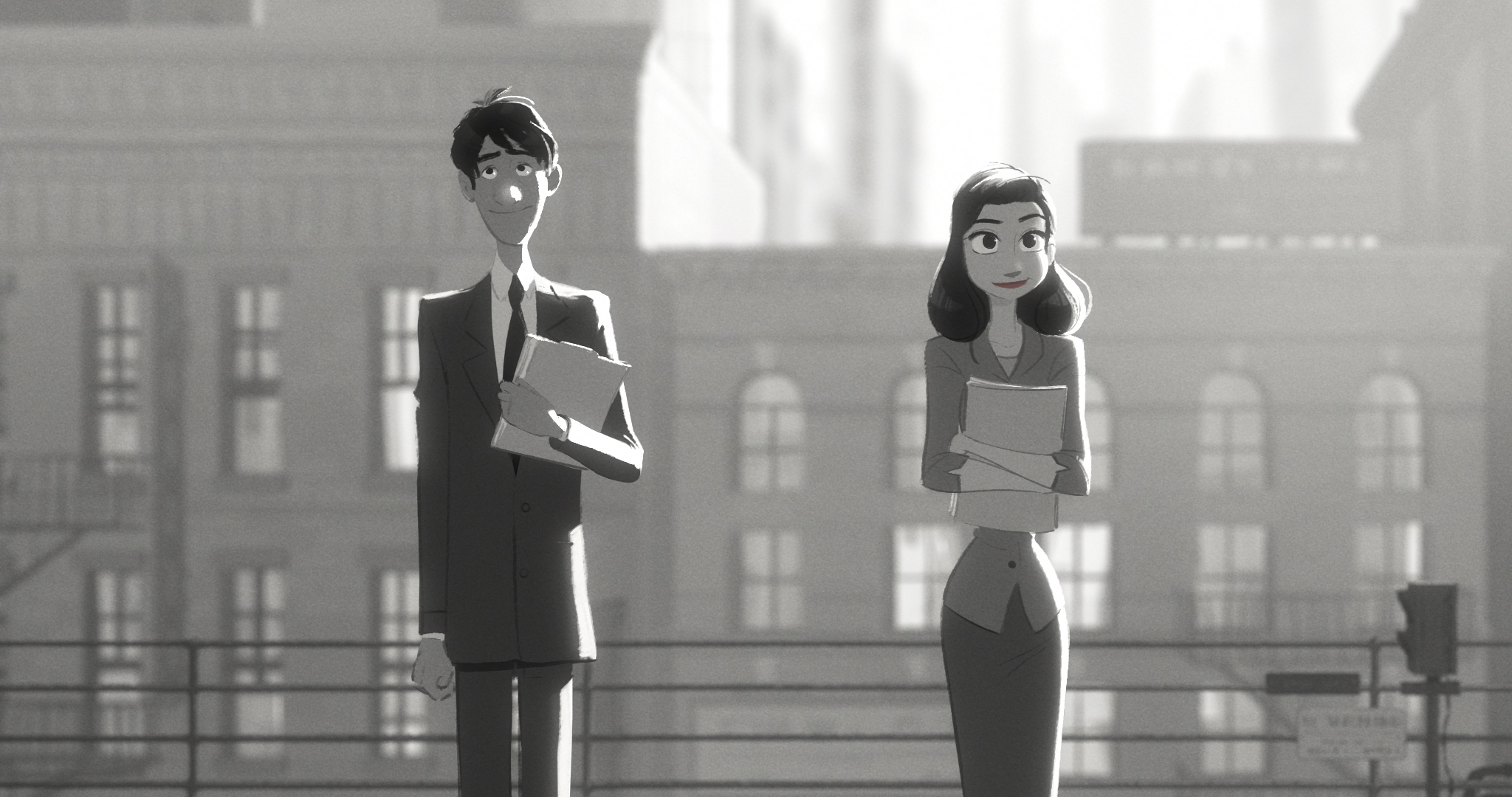
Paperman

Paperman (2012, Disney)

Walt Disney Animation Studios is also nominated for this charming little short that they had play prior to the start of Wreck-It Ralph. It’s another coup for the studio pushing the company brand to greater heights. I likely have little pet peeves about each of these shorts, this one is the largest though.

Highly Commended Selections

To fill out the program there is usually a selection of Highly Commended shorts. This year’s crop isn’t as strong overall if memory serves.

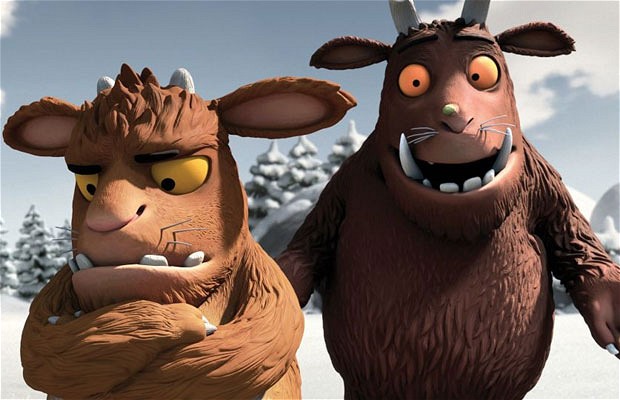
The Gruffalo’s Child

The Gruffalo's Child (2012, E1 Entertainment)

I didn’t really care for the original, and like this one less so. As beautiful as the animation is, and as much as I appreciate the technique, the storytelling is too basic and stilted in its storybook predictability.

Dripped

Dripped (2011, ChezEddy)

It’s a creative idea that doesn’t feel quite as fully developed as the others.

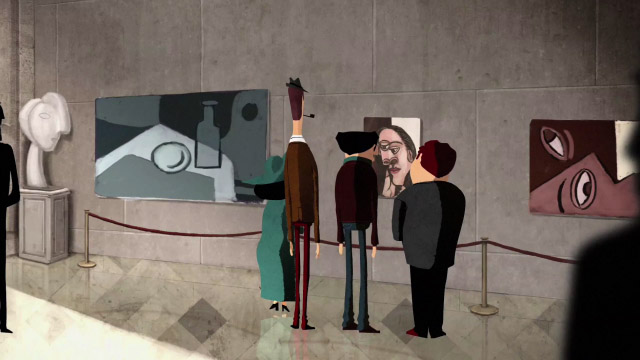
Abiogenesis

Abiogenesis (2011, Fuzzy Realms Media)

Of the three selections, this is by far the best and presents the double-edged sword of including Highly Commended films because I honestly don’t understand how this film wasn’t nominated. It’s sheer brilliance.

Best of Spielberg

Here’s a second installment of a list idea I’m borrowing from Brian Saur. Here I will discuss the films of Steven Spielberg. Spielberg is probably my favorite director of all time. I did an Ingmar Bergman list first, in part to track what I still needed to see. With Spielberg my impetus was to finally be up to date on his narrative features, which sadly I wasn’t.

As with any list, rankings may make thing seem worse than they are. There are 30 films on this list. Make no mistake I like 28 of them and am a snarky fanboy on one, and three have at one point been my all-time favorite, including my current number one (if pressed to answer). Here goes…

30. The Lost World: Jurassic Park (1997)
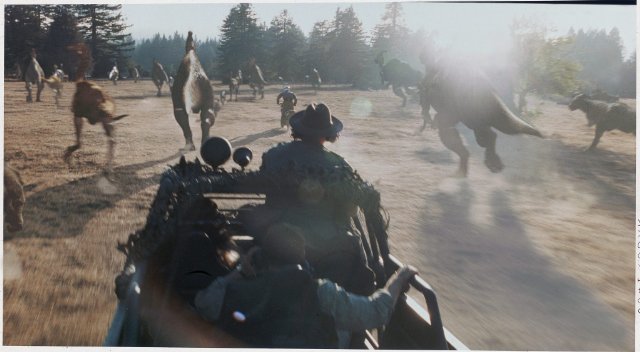
Jurassic Park 2: The Lost World (1997, Universal)

This is the sequel Spielberg supposedly gave Universal so they’d leave E.T. alone. That’s almost enough to bump it past last place but I can’t. Even though I loved the score and effects it was still one of the worst, most confounding thing I saw that year. The third film and news of a fourth have softened that hurt, but seeing newly-introduced annoying character and the follow-up to my then favorite film of all-time relegated to a Godzilla/King Kong knock-off hurt.

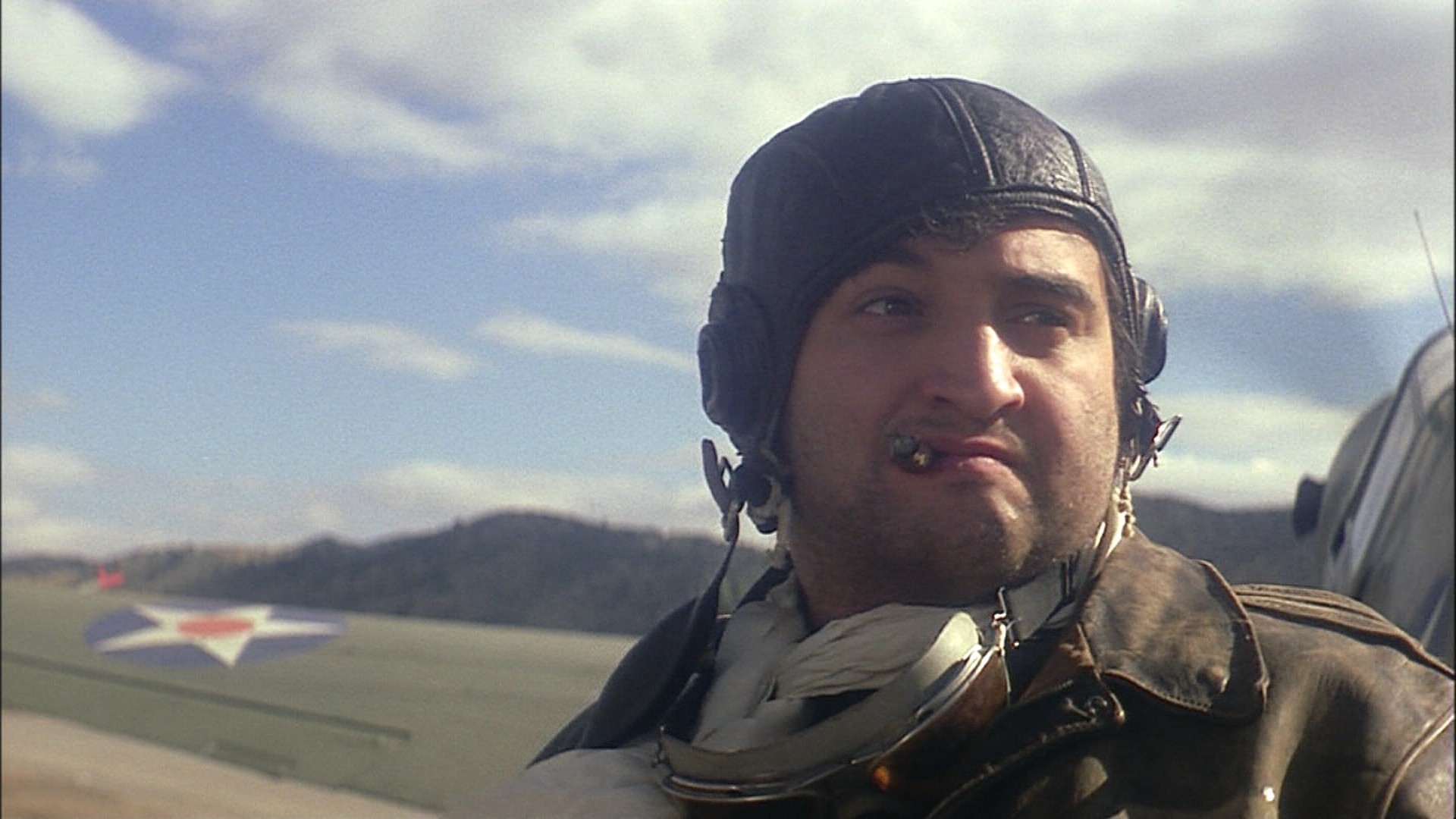
29. 1941 (1979)
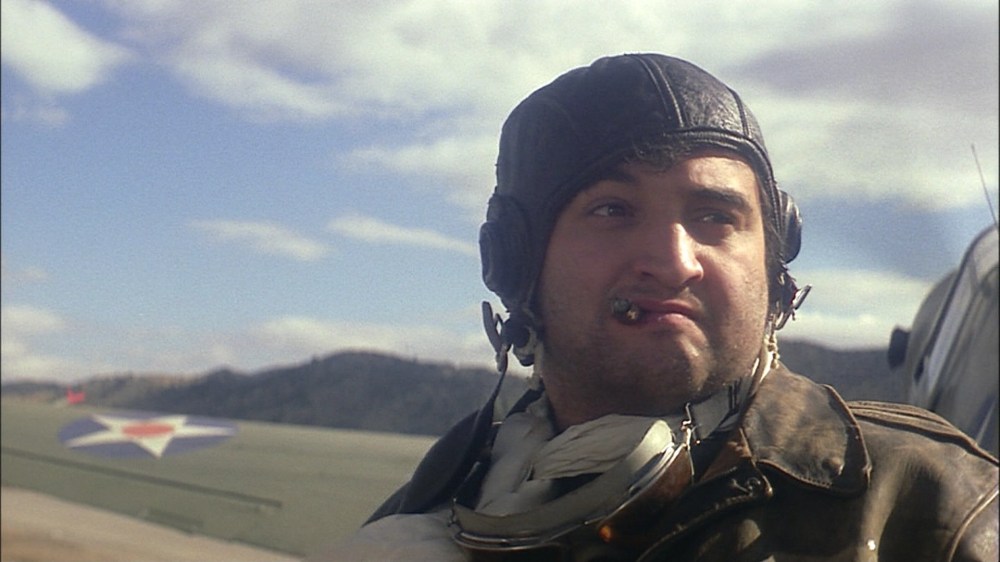
1941 (1979, Universal/Columbia)

I did try to like this. My professor tried to get me to like it. I just don’t. Spielberg doesn’t care much for it either and has moved on to bigger and better things.

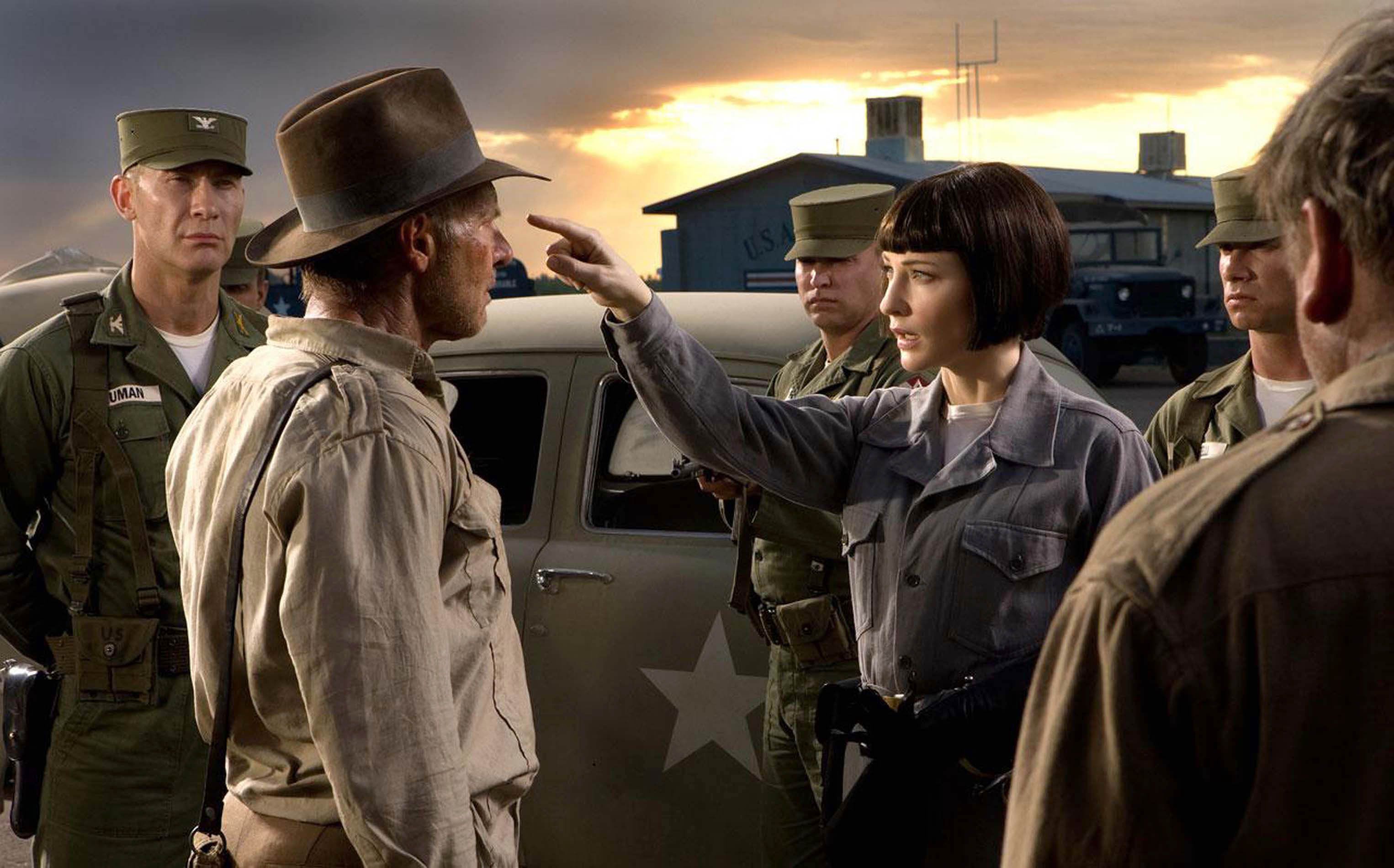
28. Indiana Jones and the Kingdom of the Crystal Skull (2008)
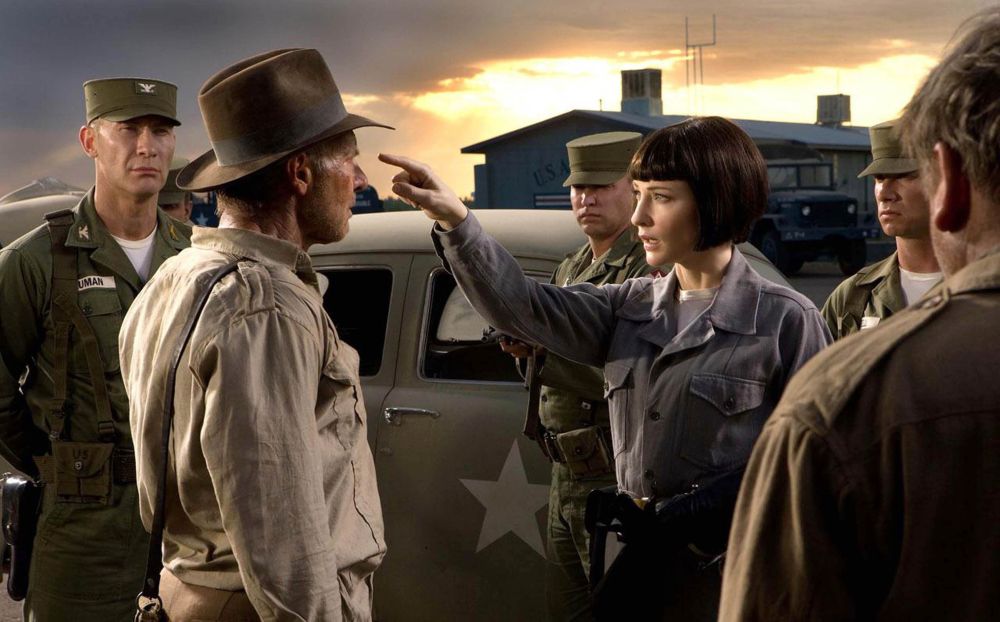
Indiana Jones and the Kingdom of the Crystal Skull (2008, Paramount)

Nuking the fridge only happened in one scene people, Shia LaBeouf had many more scenes than that and Cate Blanchett seemed uncomfortable. Spielberg has since honestly confessed what his reservations were about this film. Hopefully that molds a better fifth film should it occur, though he certainly doesn’t need there to be one.

27. Amistad (1997)
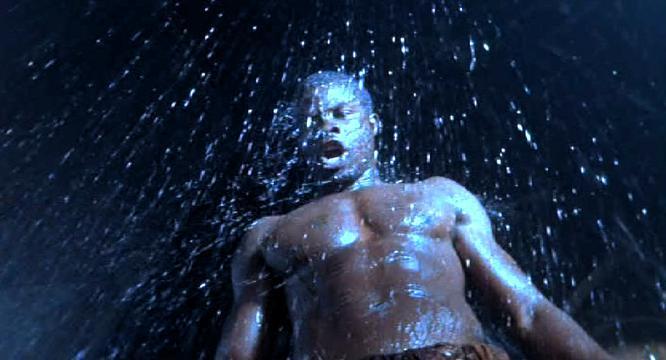
Amistad (1997, Universal)

As oddly engaging as Spielberg’s restraint in Lincoln is, if memory serves, there was an attempt at such here too that doesn’t work quite as well. I remember Honsou and Hopkins impressed but not much else.

26. The Terminal (2004)
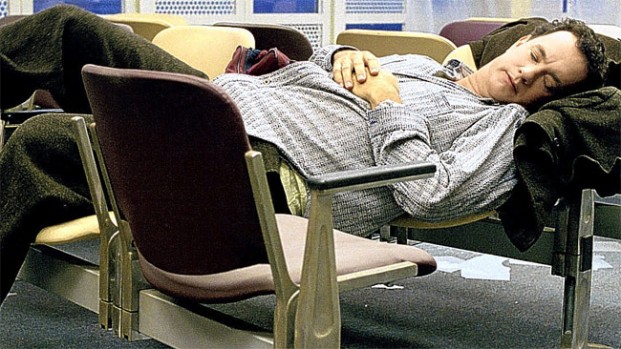
The Terminal (2004, DreamWorks)

Unlike Catch Me If You Can, which appears shortly, I wasn’t even compelled to go out and see this one theatrically. It’s an interesting and well-handled idea that I can indentify with on a few levels but it’s just not one of his best.

25. Twilight Zone: The Movie (segment 2) (1983)
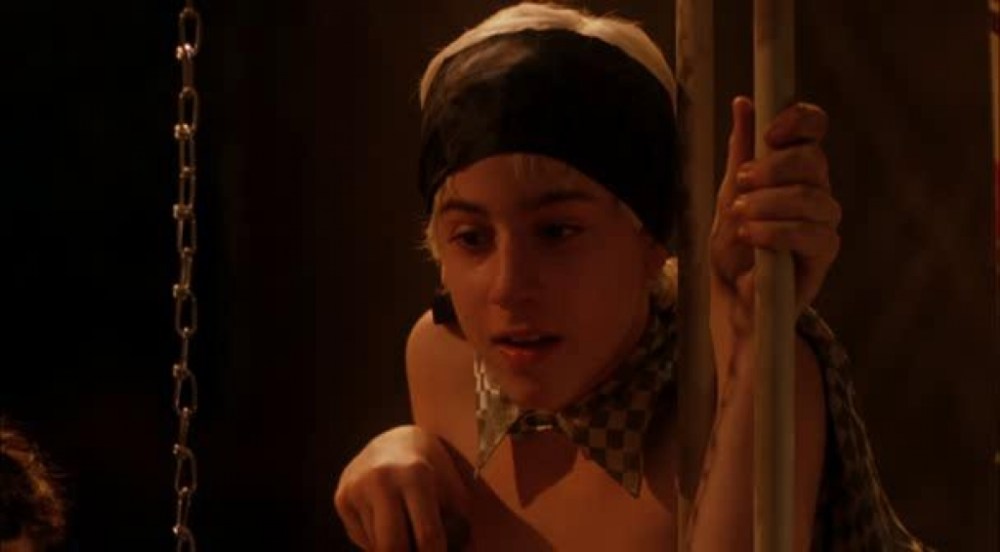
The Twilight Zone: The Movie (1983, Paramount)

I saw this recently also and Spielberg’s segment fits him to a tee (residents of a retirement home become young again) and is the second best in the anthology in my estimation behind Joe Dante’s zany one.

24. Poltergeist (1982)
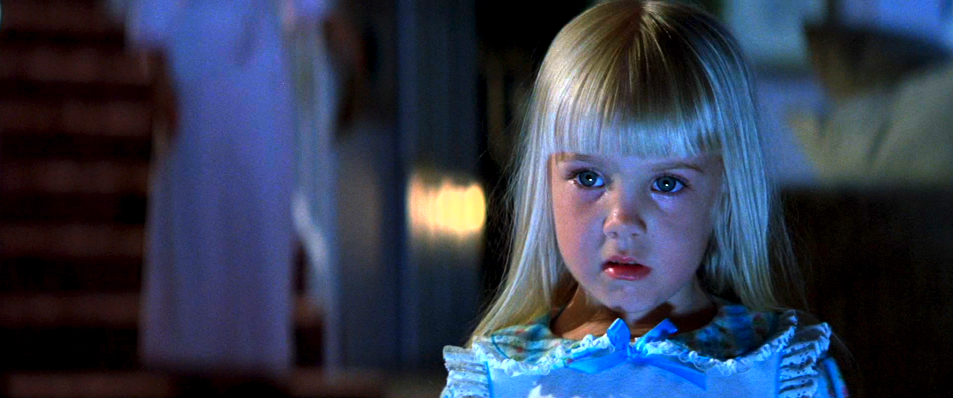
Poltergeist (1982, Paramount)

One can debate the nuances and politics of whether Spielberg really directed this. To be brief: I have it on good authority that he directed most of it and just didn’t take the credit because he couldn’t per DGA rules at the time. This is a title where I could rant and rave childishly about how “My opinion is different than yours!” but I won’t. Poltergeist is fine, it just never had a tremendous amount of impact on me.

23. Indiana Jones and the Temple of Doom (1984)
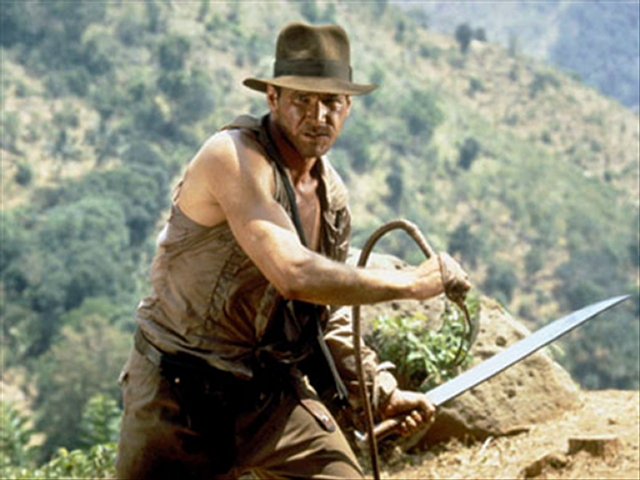
Indiana Jones and the Temple of Doom (1984, Paramount)

To address the white elephant in the room: I do not have any issue with the character of Shortround whatsoever. Temple of Doom lands here more for being the third best in the series and Kate Capshaw than anything else.

22. Catch Me if You Can (2002)
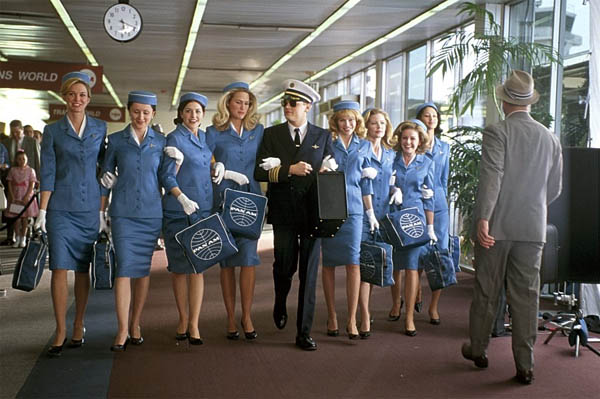
Catch Me If You Can (2002, DreamWorks)

This is one of those that falls into the category of “There’s nothing really wrong with it, I just can’t get into it.”

21. The Sugarland Express (1974)
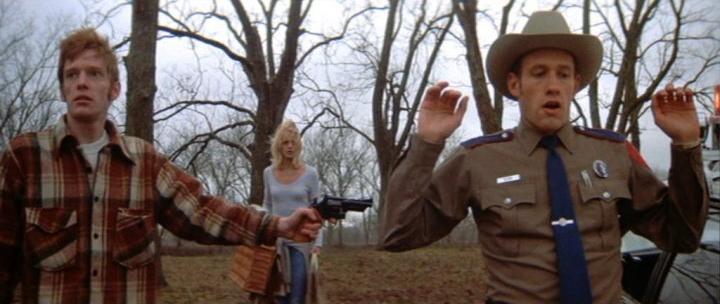
The Sugarland Express (1974, Universe)

This is an unusual but involving one with a great turn by a young Goldie Hawn.

20. Always (1989)
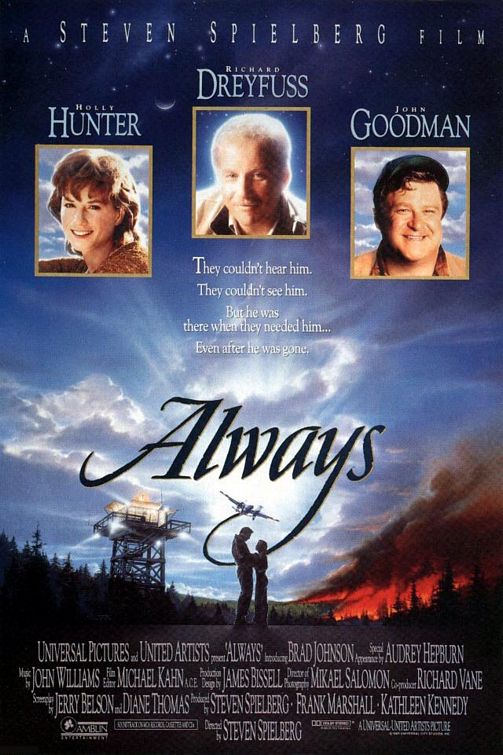
Always (1989, Universal)

This one film I finally saw last year so as I could finally create this list. I had avoided it because in clips and trailers you could not get a sense of the totality of the film. It is Spielberg’s first remake, but it’s a fairly well modernized one that features Audrey Hepburn‘s final performance.

19. Close Encounters of the Third Kind (1977)
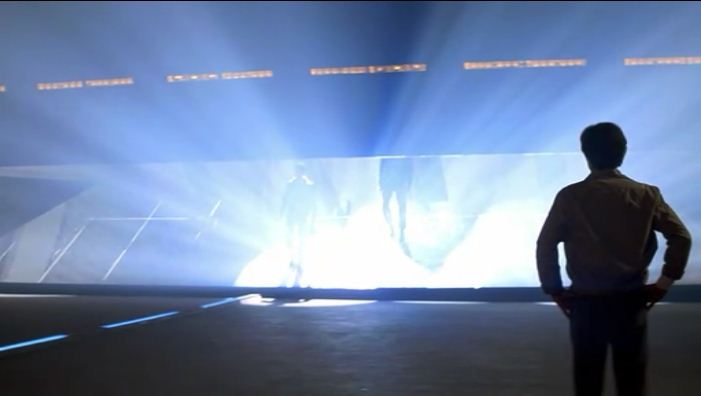
Close Encounters of the Third Kind (1977, Columbia)

Spielberg has said that the end of this film dates him as a filmmaker. I understand his point entirely but he does set it up very well. Also, in a bit of fanboy wish-fulfillment, I’d suggest the end of this film and the end of E.T. swap, but it is a very visual and evocative film with the added bonus of an acting-only participation by François Truffaut.

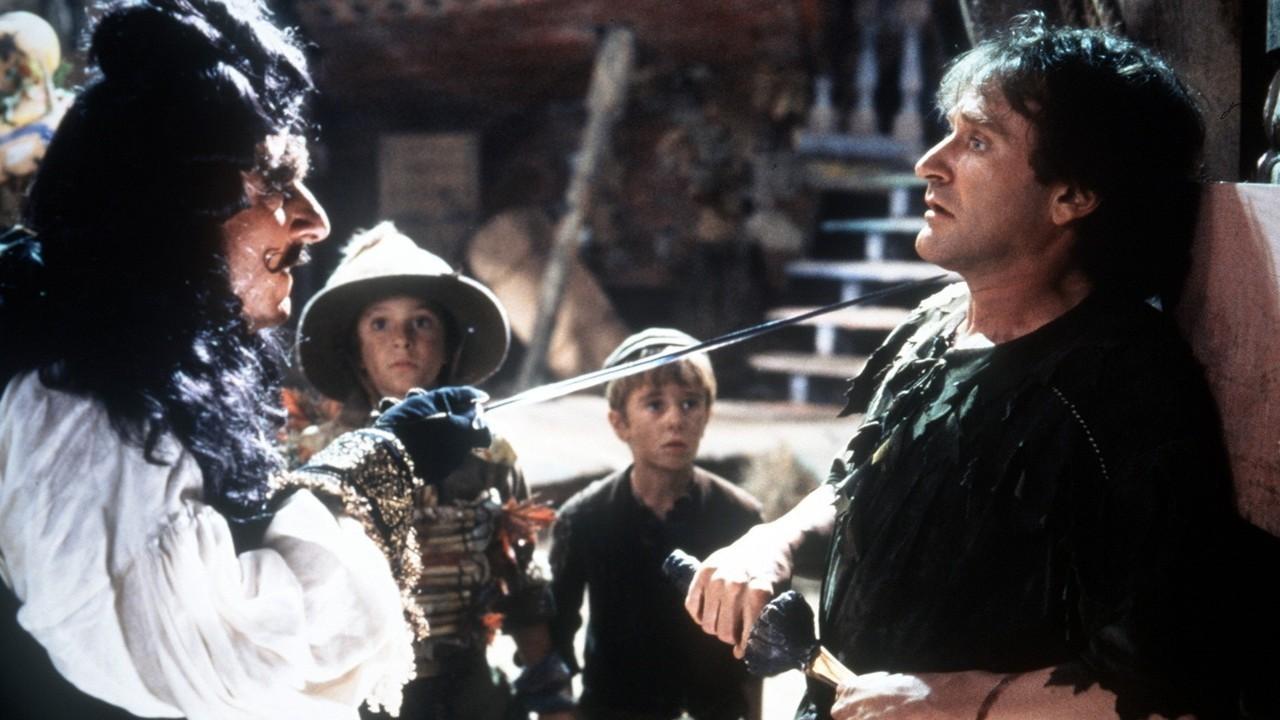
18. Hook (1991)
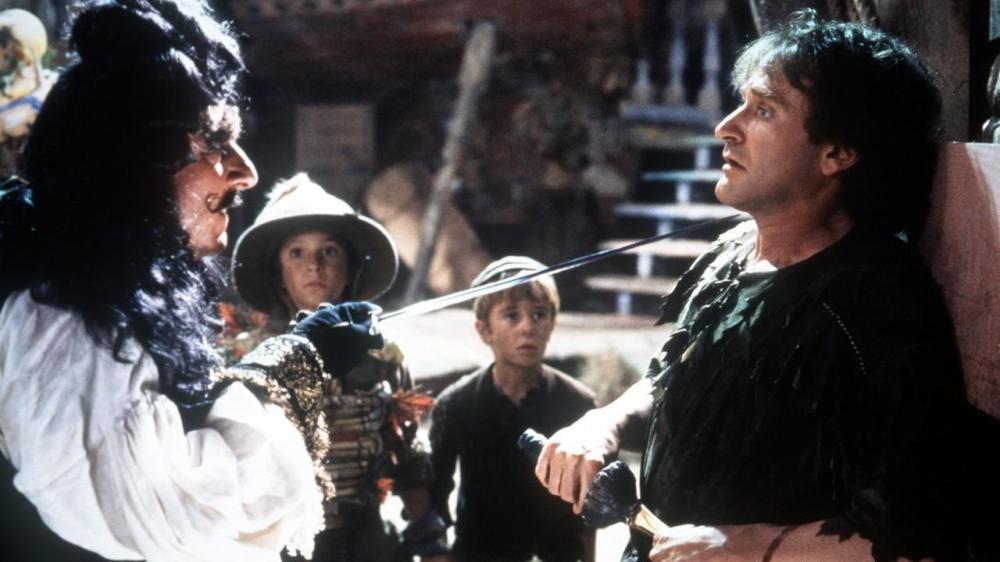
Hook (1991, Columbia)

The mark of a great director is making something that seems illogical, that shouldn’t be able to work, work. This is his best example ih that regard.

17. Minority Report (2002)

Minority Report (2002, DreamWorks)

If Robopocalypse, or something like it, ever comes to fruition it would complete a Dark Future Trilogy for Spielberg, which may seem antithetical to his ethos but something he said he’s not averse to when discussing A.I.

16. Munich (2005)
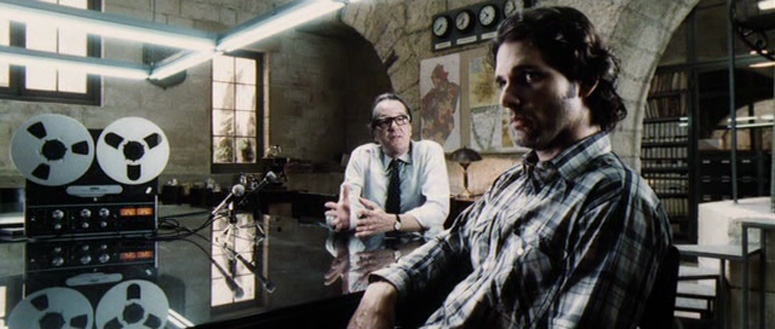
Munich (2005, DreamWorks)

I welcome departures from directors. Spielberg is perhaps more underrated in terms of his diversity than any other director. His hits and classics have commonalities to them such that it makes people think he repeats himself constantly. These two selections shake that notion massively. Munich is a dark film, where there can be no happy endings. It’s a chillingly rendered tale of an ugly incident in history that cannot be buried.

15. Lincoln (2012)
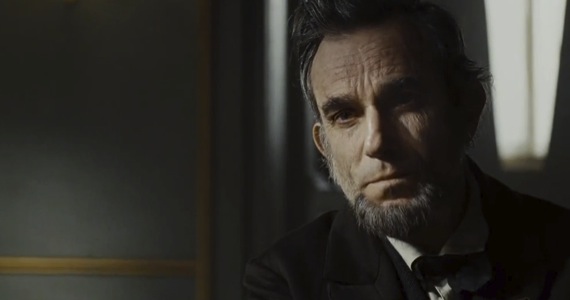
Lincoln (2012, DreamWorks)

Lincoln almost isn’t a Spielberg film, it plays with such classical restraint and removal that it’s almost anti-auteurish, but it’s still very engaging and convincing.

14. War of the Worlds (2005)
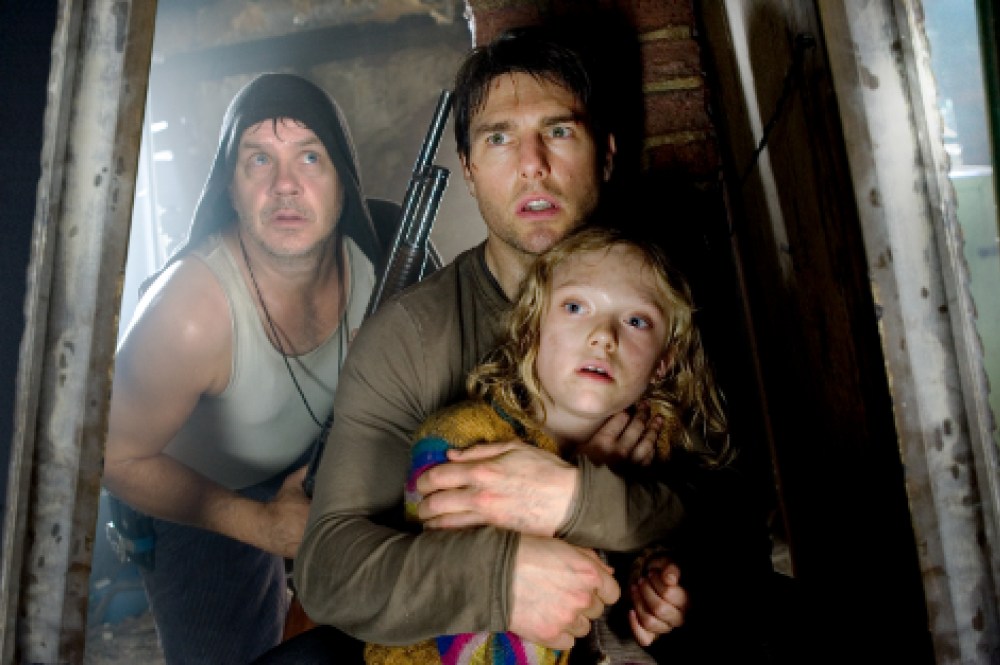
War of the Worlds (2005, Paramount)

I think this film might get overlooked in part because it stuck close to the source material, but also because it’s the kind of film Spielberg “should” take on. However, when you consider how often he’s made aliens benevolent a surviving an alien apocalypse tale is a little different for him. That and it’s another rather imperfect family.

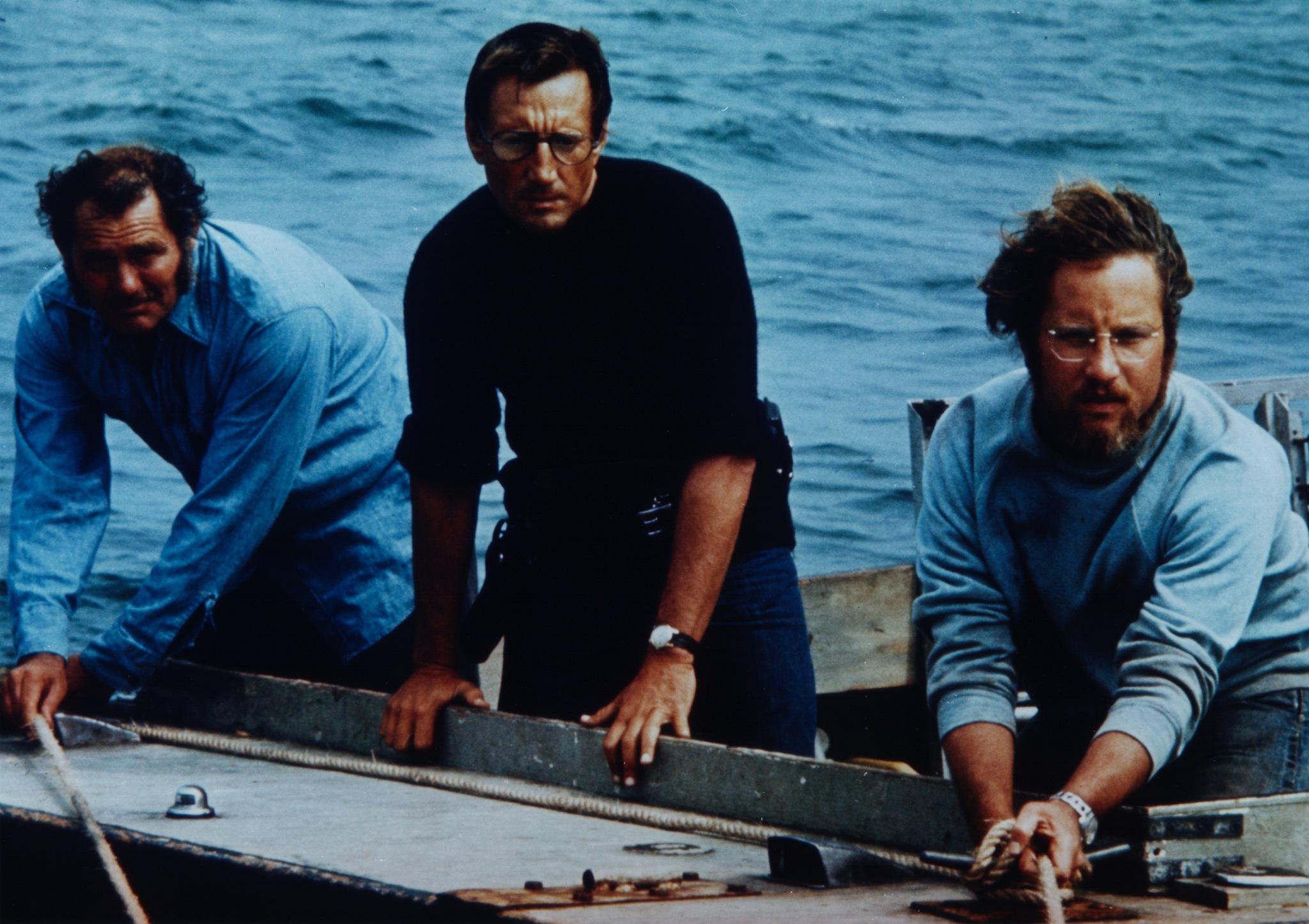
13. Jaws (1975)
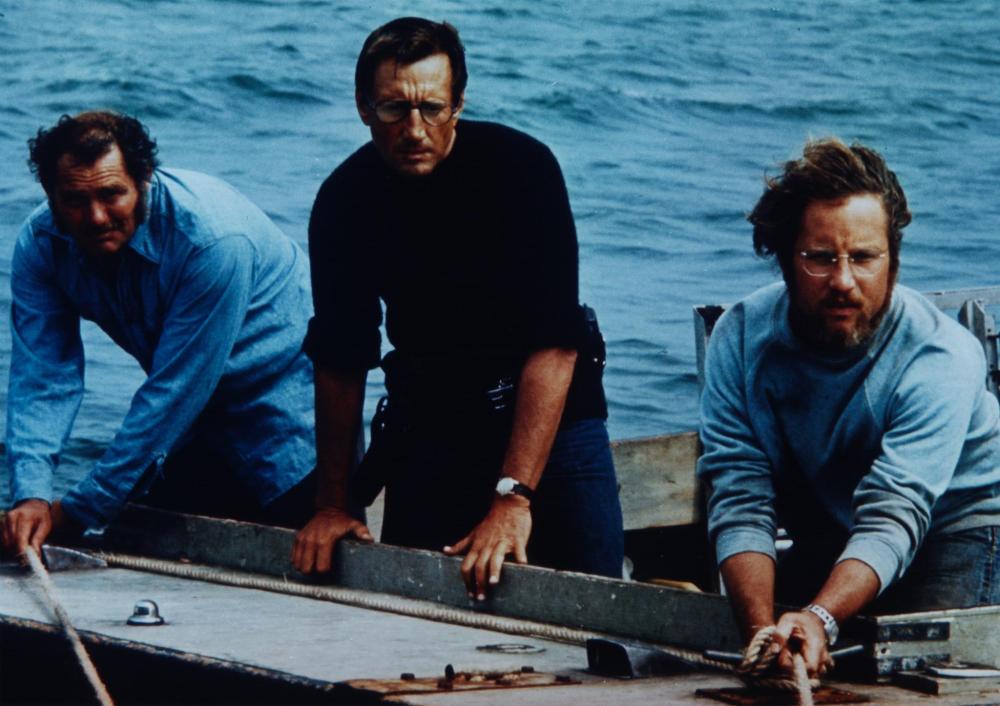
Jaws (1975, Universal)

Here’s where rankings can get you in trouble. Jaws is great. I have nothing I can say against it, except the intangible “I like other works in Spielberg’s canon a lot better.” I have and can see Jaws many times over. It’s just a matter of preference when you start slotting them.

12. Raiders of the Lost Ark (1981)
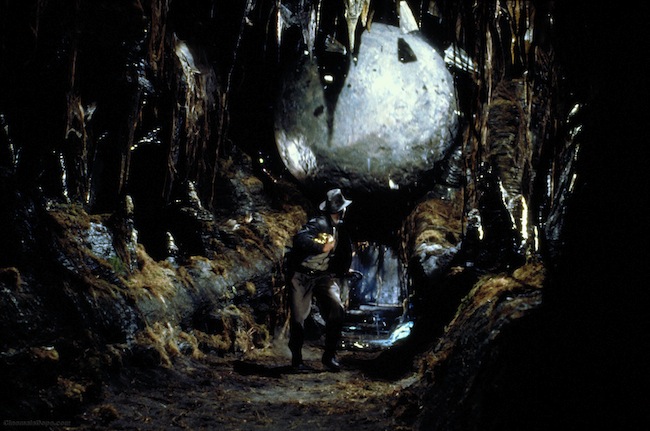
Raiders of the Lost Ark (1981, Paramount)

Yes, the Indiana Jones and the was later tacked on. Spielberg and Lucas have combined perfectly three times in this series. They take a serialized approach to a feature and update classic tropes very well and memorably.

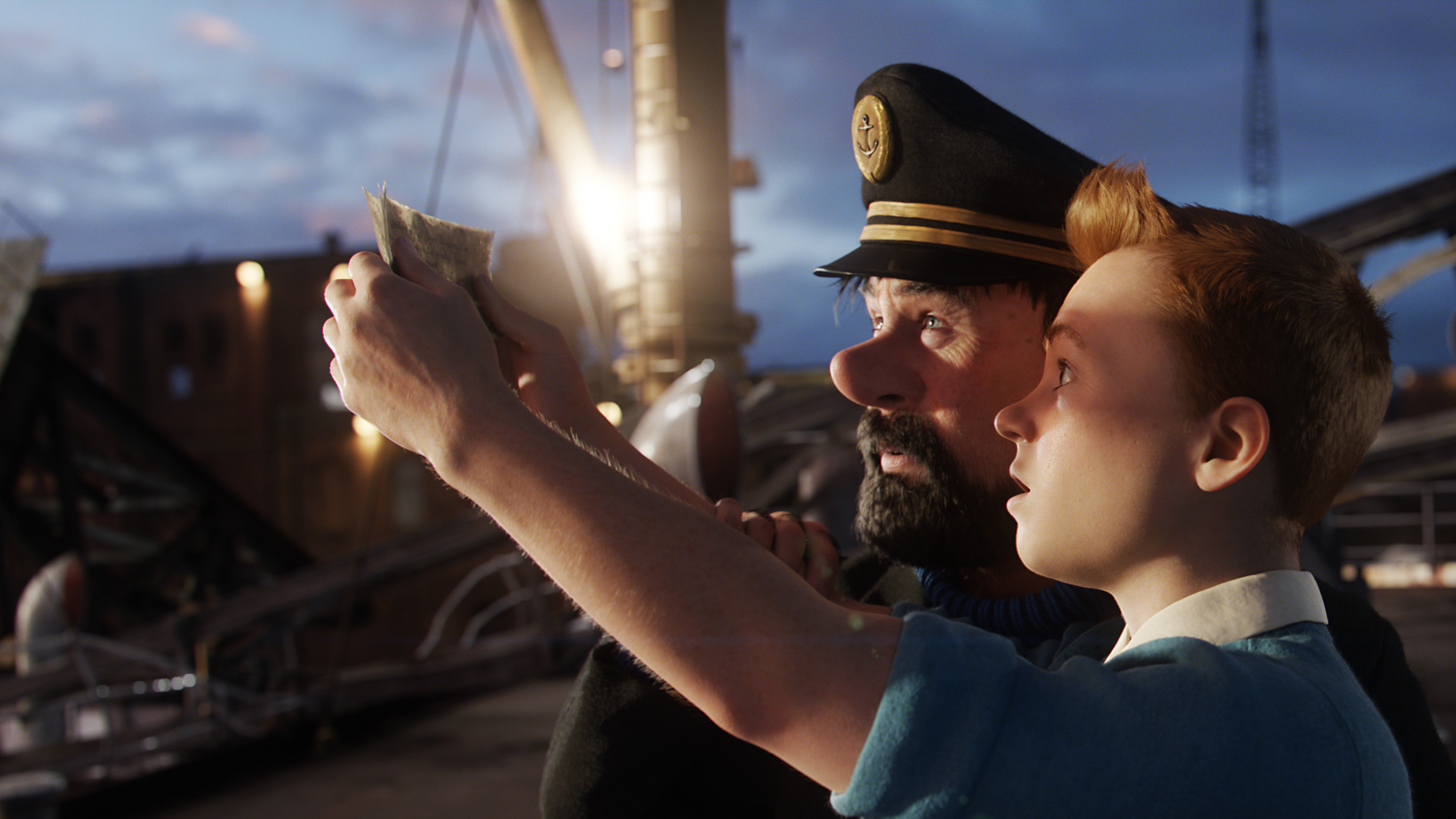
11. The Adventures of Tintin (2011)
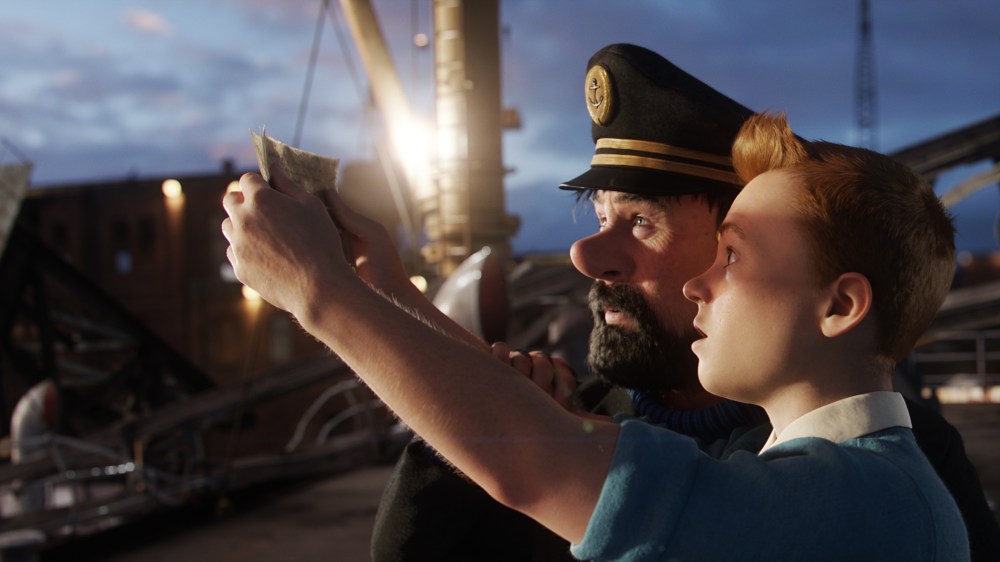
The Adventures of Tintin (2011, Columbia/Paramount)

When Spielberg is at his best he combines technological innovation with great stories. Although I fell under the spell of seeing motion capture for the first time in The Polar Express, it was imperfectly ahead of his time and didn’t make a jump toward verisimilitude until this film. It’s a very viable tool other animation properties should and could use. Not only that it’s a great take and a global re-introduction of a beloved character. Not many directors go from live action to animation or vice versa, this is a seamless jump.

10. Indiana Jones and the Last Crusade (1989)
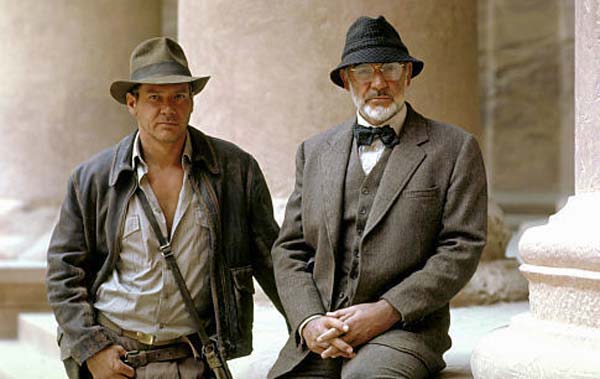
Indiana Jones and the Last Crusade (1989, Paramount)

I am a fan of the Indiana Jones series, albeit a Johnny Comelately to it, and this is my favorite one. More explanation can be found in the link above.

9. Duel (1971)
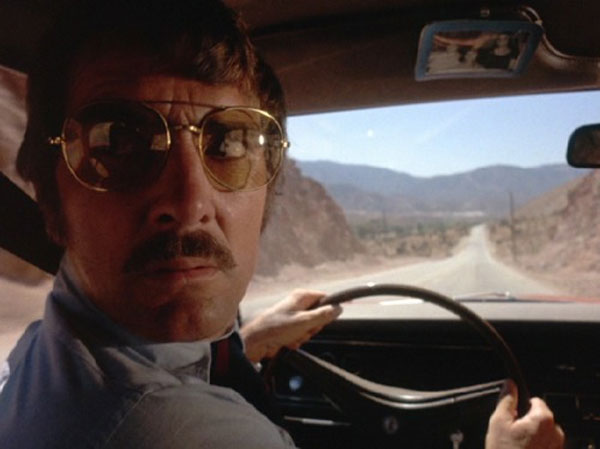
Duel (1971, Universal TV)

If there was ever a made-for-TV movie that prove that it’s a meaningless distinction, it’s this one. I have to remind myself it is one. Only once in a hundred times when I think about this movie do I recall that. It’s taut, brilliantly suspenseful and relatably frightening.

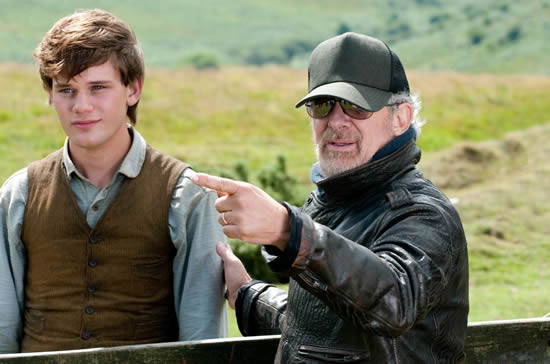
8. War Horse (2011)
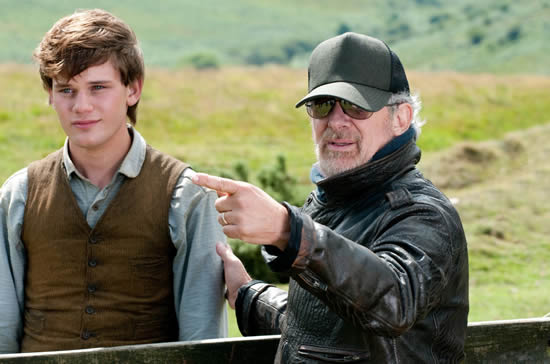
War Horse (2011, DreamWorks)

War Horse is one I need to revisit, but this one vaults up the list due to improbability. Spielberg is one of the directors I go out and see regardless, however, I didn’t expect much here. I was anxious for Tintin, but this one shook up my whole best of the year list. Very surprisingly emotional and engaging.

7. The Color Purple (1985)
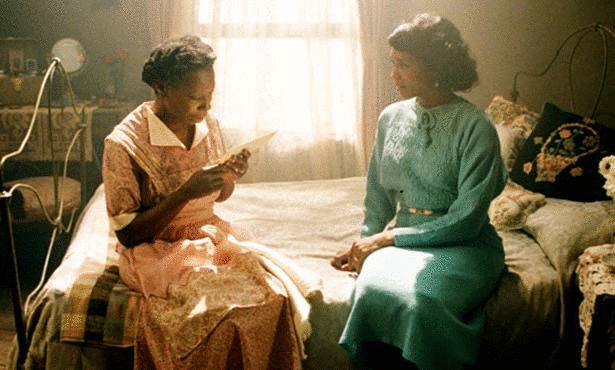
The Color Purple (1985, Warner Bros.)

One of the most embarrassing moments in Oscar history is perhaps the fact that this film is the biggest oh-fer, garnering eleven nominations and no wins. Spielberg created some controversy by even taking this film on. I think the end result proved he could do it and paved the way for his more mature dramatic works later on.

6. Empire of the Sun (1987)
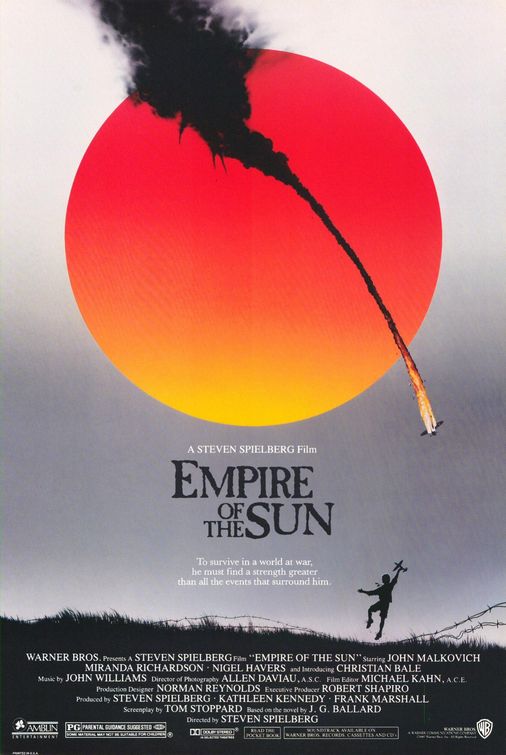
Empire of the Sun (Warner Bros.)

I saw this in 2002 just after having taken my Spielberg course. I hadn’t really heard of it ’til then. It was referenced as Spielberg’s “most European film” by my professor and one that I began anticipating in A.I.-like fashion, which should’ve set me up for disappointment, but didn’t. It’s dense and takes some wading but when you get there it’s special. Not to mention there’s a brilliant performance by a young Christian Bale.

5. Schindler’s List (1993)
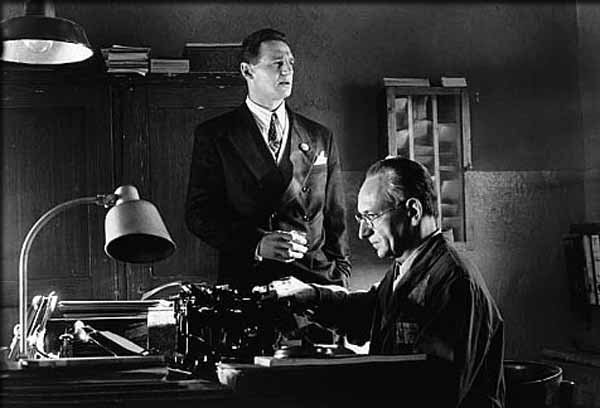
Schindler's List (1993, Universal)

The next two films are ones that I really admire, have great affection for, but am leery to revisit because they are taxing experiences. However, they’re important and I hope their legacy continues through oncoming generations. A while ago, I recall I saw a kid picking up Schindler’s List at a video store and it was heartwarming, as I saw a burgeoning cineaste.

4. Saving Private Ryan (1998)
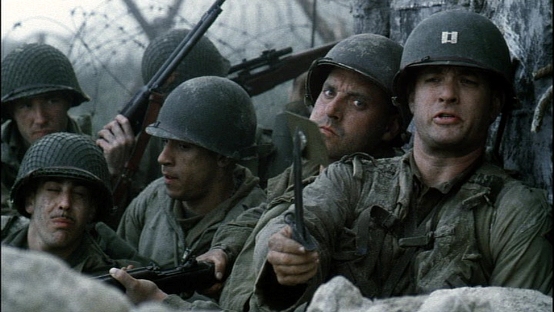
Saving Private Ryan (1998, DreamWorks)

It took me a while to see this one. The tale of saving the last surviving brother is the MacGuffin, a very Spielbergian one. However, the reaction I had to this film, though very different than many of his works, was one of the strongest I had. It was a new aesthetic for him and in many ways a revolutionary work.

3. E.T.: The Extra-Terrestrial (1982)
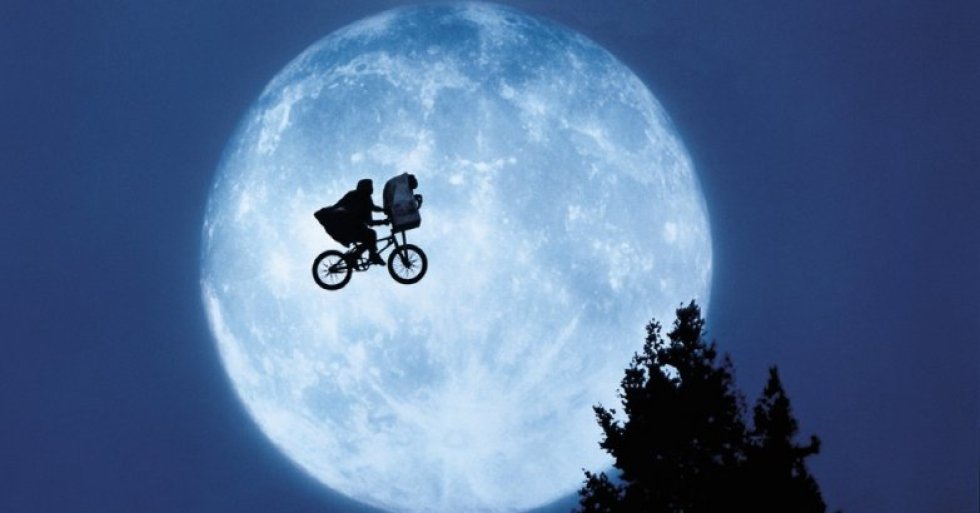
E.T.: The Extra-Terrestrial (1982)

Nearly any child of the 80s grew up on Spielberg films. I will be doing a focus on Disney, which I surmise that unless you saw re-releases and VHS tapes you weren’t getting the golden age of that studio. However, if you grew up in the 80s, regardless of who you were, odds are every few years Spielberg changed your life. E.T. is an imaginary friend come true, it’s not necessarily always an alien, but many of us were Elliot, which is what makes it resonate.

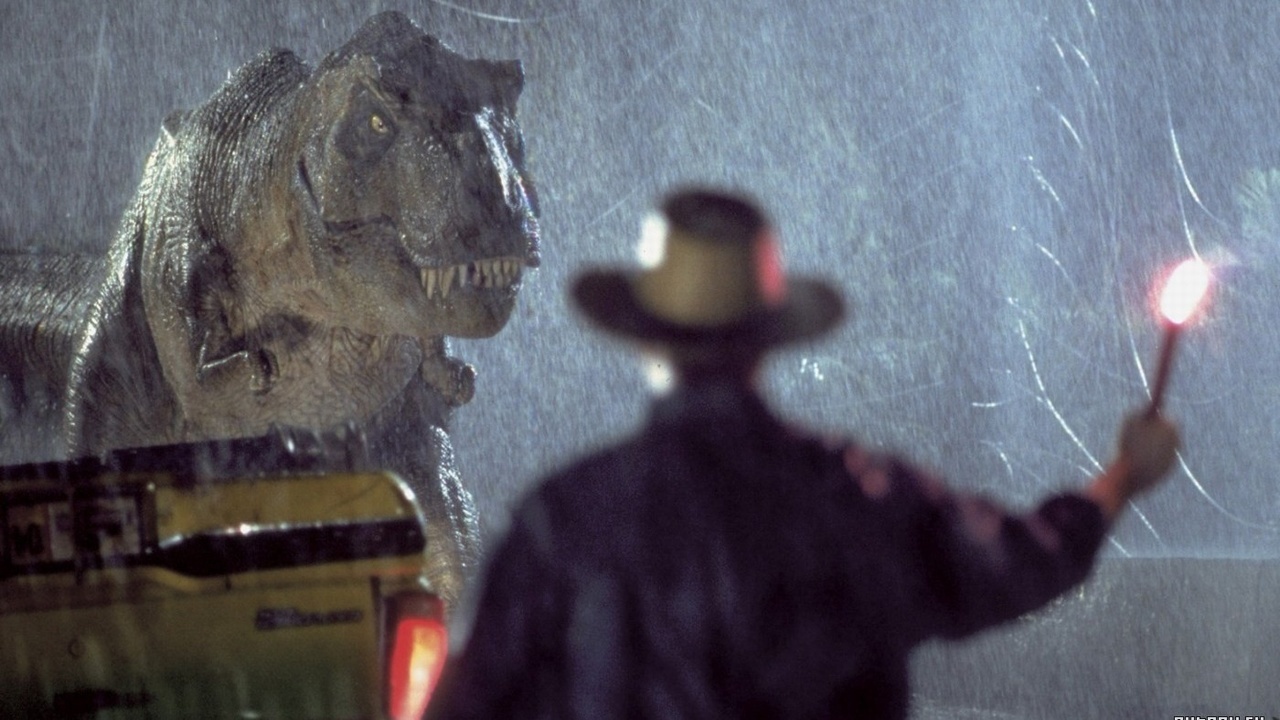
2. Jurassic Park (1993)
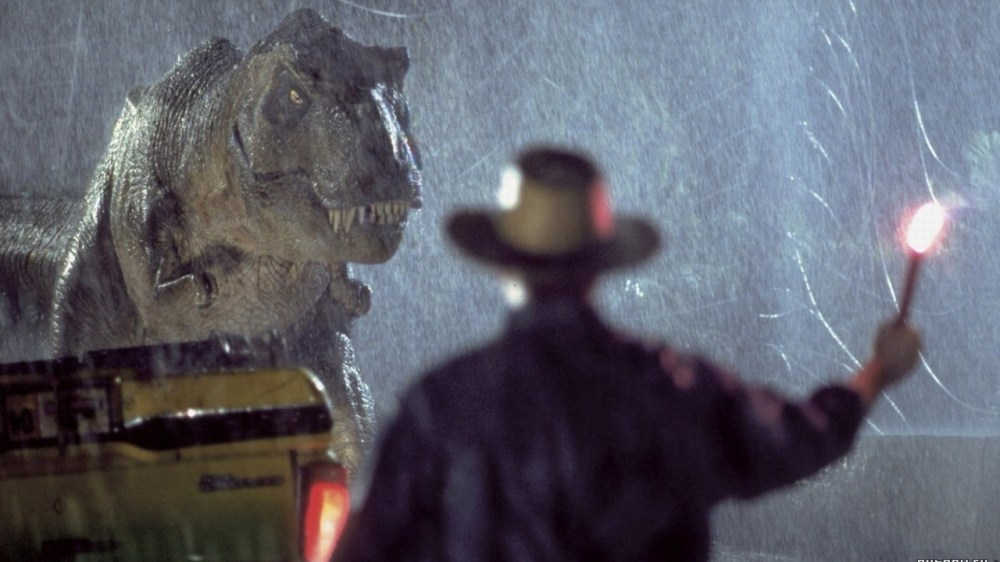
Jurassic Park (1993, Universal)

Suffice it to say that upon its release, when I was still quite young, this was probably the most amazing theatrical experience I’d ever encountered. I’ve found myriad great films since then but this one has not lost its luster in the slightest. When I first saw it, this was the greatest film of my lifetime. It was the dream of every dinorsaur-loving child brought to life for better and for worse.

1. Artificial Intelligence: A.I. (2001)

Artificial Intelligence: A.I. (2001, DreamWorks)

I’ve already written a tome about this film, which I have posted on this site in installments. Making a new or different case for it would be nearly pointless.

Short Film Saturday: If and Nuts & Robbers

As you may have noticed, I missed two short film Saturday posts so far this year, which is not cool. In an attempt to make up for this, whenever it should happen, I will try to include multiple videos in those I do get up rather than double posting.

These selections were submitted to me on Twitter by Chris Heath. The only commonalities they have are his involvement and being shot in Belfast, Northern Ireland, but they are really intriguing foils. On the dramatic end there’s a rendition of Kipling’s iconic poem “If” which one could be interpreted as being read to the city, which makes it ever more poignant.

Then you have Nuts & Robbers, which is plays like a modernized, amped up Take the Money and Run.

If

Nuts & Robbers

2013 BAM Award Considerations – January

And the circle opens anew. Last year I had one massive running list and it became very cumbersome to add to, and to read I’m sure. By creating a new post monthly, and creating massive combo files offline, it should make the process easier for me and more user-friendly for you, the esteemed reader. Enjoy.

Eligible Titles

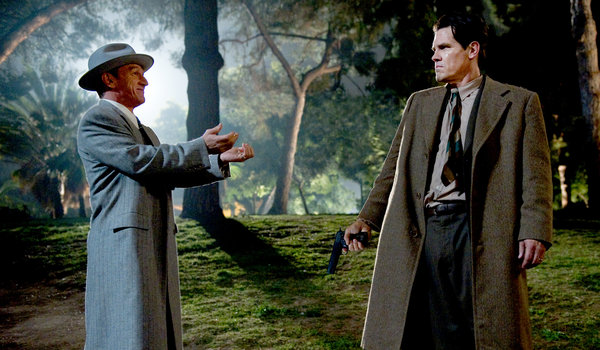
Gangster Squad
Mama
Texas Chainsaw 3D
Insight
Broken
Movie 43
A Haunted House
Sweet Love
(Special Awards Only)

Best Picture

Broken

Best Foreign Film

Most Overlooked Film

As intimated in my Most Underrated announcement this year, I’ve decided to make a change here. Rather than get caught up in me vs. the world nonsense and what a film’s rating is on an aggregate site, the IMDb or anywhere else, I want to champion smaller, lesser-known films. In 2011 with the selection of Toast this move was really in the offing. The nominees from this past year echo that fact. So here, regardless of how well-received something is by those who’ve seen it, I’ll be championing indies and foreign films, and the occasional financial flop from a bigger entity.

Broken

Best Director

Rufus Norris Broken

Best Actress

Jessica Chastain Mama
Eloise Laurence Broken
Essence Atkins Movie 43

Best Actor

Josh Brolin Gangster Squad
Nicolaj Coster-Waldau Mama
Tim Roth Broken
Dennis Quaid Movie 43

Best Supporting Actress

Emma Stone Gangster Squad
Zana Marjanovic Broken
Emma Stone Movie 43

Best Supporting Actor

Sean Penn Gangster Squad
Daniel Kash Mama
Rory Kinnear Broken
Kieran Culkin Movie 43
Marlon Wayans A Haunted House

Best Performance by a Young Actress in a Leading Role

Megan Charpentier Mama
Isabelle Nélisse Mama
Eloise Laurence Broken

Best Performance by a Young Actor in a Leading Role

Jonah Green Insight

Best Performance by a Young Actress in a Supporting Role

Maya and Sierra Dawe Mama
Martha Bryant Broken
Rosalie Kosky Broken
Chloe Grace Moretz Movie 43

Best Performance by a Young Actor in a Supporting Role

Austin Abrams Gangster Squad
Maxwell Perry Cotton Gangster Squad
Bill Milner Broken
George Sargeant Broken
Jimmy Bennett Movie 43

Best Cast

Gangster Squad
Mama
Broken
Movie 43

Best Youth Ensemble

Gangster Squad
Mama
Broken

Best Original Screenplay

Best Adapted Screenplay

Gangster Squad
Mama
Broken

Best Score

Mama
Broken
Insight

Best Editing

Mama
Broken

Best Sound Editing/Mixing

Gangster Squad
Mama
Broken

Best Cinematography

Mama
Broken
Insight

Best Art Direction

Mama
Broken

Best Costume Design

Gangster Squad
Mama

Best Makeup

Ganster Squad
Mama
Broken

Best Visual Effects

Mama

Best (Original) Song

“Chica Chica Boom Chic” Sharmila Guha & The Gangster Squad Movie Band Gangster Squad
Broken

Tarzan Thursday – Tarzan of the Apes (1918)

Last year the character of Tarzan celebrated his 100th year in print. A serialized version of the story first appeared in 1912. A hardcover collection of Tarzan of the Apes first appeared in 1914. Being in the middle of the Tarzan centennial period it’s an opportune time to (re)visit many of the screen renditions of the character.

Thanks to the wonders of the internet and copyright laws, the very first screen appearance of Tarzan is available to any and all who want it legally and free of charge. It’s also an interesting historical footnote as this was one of the earlier, quicker adaptations of very popular literature; appearing just six years after the character was introduced to the public.

Any film of a certain era can be referred to as dated. To me it’s a fairly weak, simplistic argument. Very few films are truly of the vanguard and ahead of their time. What needs to be taken into consideration is how does it function for the era and the kind of film it was. In silents, less titles are better; conversely if you feel you’re needing titles that too could be an issue.

This film gets by a lot of the time without needing them, but is sadly a little heavy on them. Unfortunately, there is also some hokey writing within them like a few references to his “little English brain” longing for things more akin to what a civilized white man would desire, when he never had any such frame of reference.

However, the version I saw was a little over an hour long, and though the titles helped it breeze through, it could’ve stood a bit more running time. This truncation only hurts minimally though as the story does ends up being a pretty brisk, entertaining and coherent origin.

Tarzan is played at two ages: by Gordon Griffith when he is young and Elmo Lincoln as a man. Griffith was one of the first young stars of the cinema and it’s clear why. He carries the first half of the film mostly on his own without any real scene partners. His expressiveness is, of course, influenced by screen acting conventions of the era, but exploits them to great effect. Similarly, Lincoln seems to have a great following among those who are great fans of the character, and it’s apparent why also.

Returning briefly to the concept of being dated, the only two times that became terribly apparent in ways that weren’t just about it being silent cinema were in one or two prejudiced/racist title cards and the very obvious (though not terrible) gorilla suits. Otherwise, it’s actually fairly easy to lose yourself in this story, and a perfect way to kick off this retrospective.

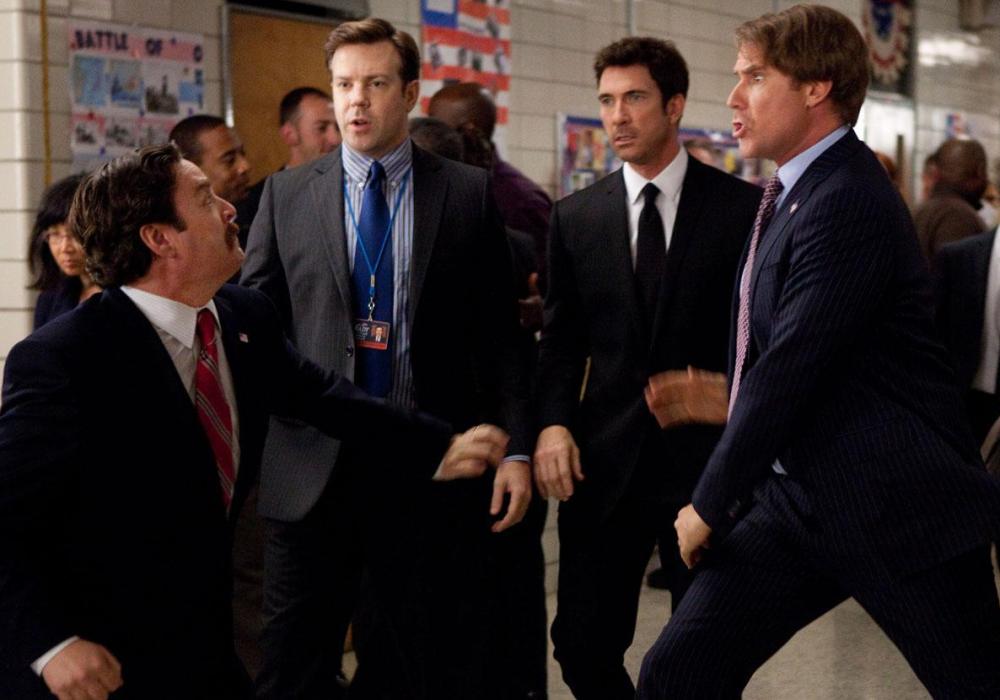
How Silly is The Campaign, Really?

I made a comment after seeing The Campaign over the summer that it was a silly skewering of campaigning and American politics in general. As I rewatched it, after this year’s election, it suddenly seemed less silly. Granted there’s comedic exaggeration but some of the incidents in the campaign weren’t that far off. And in keeping with my vow to do more off-beat pieces and not always reviews, allow me to take the silliness just slightly more seriously than I did before.

“You can call me dad.”

This ad, while hilarious, struck me as one of the largest exaggerations when I watched it. However, when Tagg Romney took it upon himself to stick himself into the election saying he wanted to “take a swing at him [Obama],” then this scene seemed not so crazy anymore.

“I spoke last.”

As hilariously insightful as this line Ferrell delivers is, I never thought it’d be quite so prophetic seeing as how after the first debate Jim Lehrer was roundly criticized for losing control of it and Mitt Romney was cited as the most frequent abuser of debate decorum, essentially wanting to get in the last word regardless; even if it was as inane as “I spoke last.”

The Sex Tape

This campaign was devoid of sex scandals, and as many sex tapes as exist, there’s yet to really be one that incriminates a politician, to my knowledge. However, sex scandals are clearly nothing new politics. Even before his eventual impeachment Bill Clinton had to fend off marital infidelity rumors during his first presidential campaign.

Mera-Kai

Through all the discussions about tax codes one issue that popped up, and was only really ever of concern to voters who paid close attention, was relations with China; namely who did or did not invest in Chinese firms, and who would or would not be tough on their trading practices. It’s a far cry from the scenario the film paints, but perhaps a portent of one of the crucial foreign policy concerns in coming years.

“Is he an Al-Qaeda?”

It will never be a stretch in my mind to make any joke about fear-mongering in American politics. This is not only a jab and poor grammar and syntax but also one about baseless accusations, trying to show your opponent in a negative light, and as “not one of us.”

Conclusion

The aforementioned accusations is levied by Ferrel’s character who plays the frequently-unopposed Democratic incumbent, so the film is pretty fair and doesn’t play into stereotypes that the left and right have about one another whenever possible in making its points, which as silly as they are rendered, it is saying a bit more than you might think upon first glance.

Once Upon a Time in the 80s: Box Office Boom (Part 5 of 17)

This is a recapitulation of a paper I wrote in film school, and had previously posted on another site. It’s being re-posted here in periodic installments. You can read parts one, two, three and four here.

A very likely reason for the love-affair of the studio with the sequel is that the Blockbuster Mentality was in full force. A hit was a smash and a bomb blew up in your face. Ticket prices were up and so were budgets, but even with all that taken into account there was an increase in the size of the Blockbuster Film.


1989 was a watershed year when the Blockbuster Mentality finally came to some kind of fruition. In that same year the top 10 all earned $100 million with Parenthood bringing home that exact amount. In 1989 viewership rose 16.4% percent from the year before with Batman, The Little Mermaid and Honey, I Shrunk the Kids being amongst notable original hits (i.e. non-sequels) and sequels also proved successful with Indiana Jones and the Last Crusade, Lethal Weapon 2 and Back to the Future part II. Having seen most of these films I do believe them for the most part to be very well done, unlike much of the trash that lines the top of the box office today. And through the 80s as a whole despite an increase in prices by 48% attendance also rose 24%.

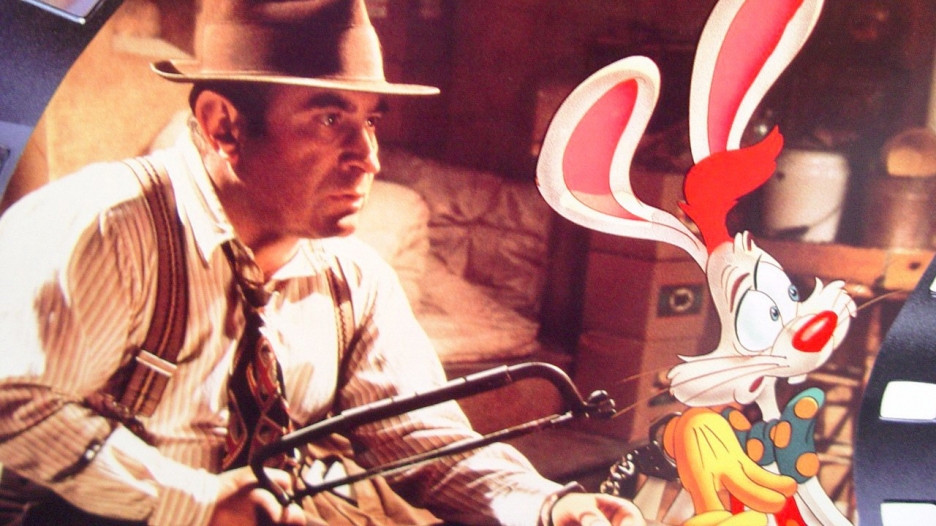
With the youth of America being the power at the box office in the 80s, and the appeal of the cinema being eternal, attendance never really took a hit but every attempt was made by the studios to conquer this audience. There was also an attempt made to conquer the adults who were too busy watching The Cosby Show. Something went terribly right in 1989 because we never had seen so many sequels work in such a big way. The size and scale of major motion pictures also have never looked back. While the 80s were big on gigantic budgets they would really kick into high gear in the latter part of the decade. Just one example being Who Framed Roger Rabbit costing $70 million to produce and grossing $392 million worldwide. With these kind of success stories the studios were ever more tempted to throw money at their one guarantee and sit to wait for their investment to multiply.


This strategy has ultimately lead to the further deterioration of whatever is left of the studios but it has helped to create the true blockbuster because when a film’s a hit now it’s truly a hit; meaning it has to make loads and loads of money to go anywhere.
 It does seem, however, that trying to make a huge score on a more modest budget is less a part of the game now.

Work Cited: http://www.boxofficemojo.com/yearly/

My Ballot: LIONs for LAMBs and The OMIEs

As I indicated earlier, when there are public or open to membership voting that I qualify for, I will write a post here to discuss my picks and to publicize the poll. I have included two polls here.

They are both run by the LAMB, the Large Association of Movie Blogs, of which I am a part, or a member thereof. The first is Lions for the Lambs, which seeks ranked submissions in various categories. Since that closely reflects my BAM Award selections, I also included my Omie choices where I more closely considered “Oscar-viability” in my decision-making process.

LIONS for the LAMBs

Best Film

1. Django Unchained
2. The Turin Horse
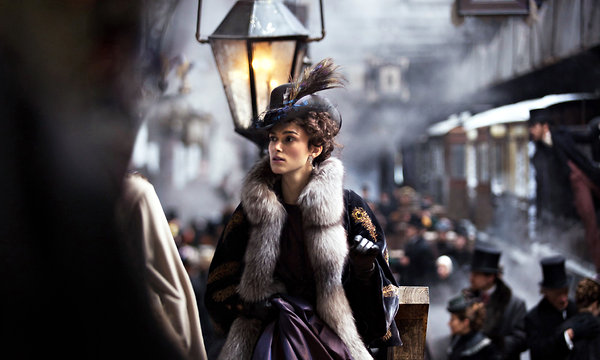
3. Anna Karenina
4. The Dark Knight Rises
5. North Sea Texas
6. The Cabin in the Woods
7. Les Misérables
8. The Dynamiter
9. The Perks of Being a Wallflower
10. Kauwboy

Best Director

1. Bela Tarr The Turin Horse
2. Quentin Tarantino Django Unchained
3. Bavo Derfune North Sea Texas
4. Joe Wright Anna Karenina
5. Christopher Nolan The Dark Knight Rises

Leading Male Performances

1. Daniel Day-Lewis Lincoln
2. Hugh Jackman Les Miserables
3. Denis Lavant Holy Motors
4. Matthew McConaughey Killer Joe
5. Logan Lerman The Perks of Being a Wallflower

Leading Female Performances

1. Keira Knightley Anna Karenina
2. Tilda Swinton We Need to Talk About Kevin
3. Magaly Solier Amador
4. Noomi Rapace The Monitor
5. Erika Bók The Turin Horse

Supporting Male Performances

1. Leonardo DiCaprio Django Unchained
2. Samuel L. Jackson Django Unchained
3. Eddie Redmayne Les Misérables
4. Mikkel Boe Foesgaard A Royal Affair
5. Matthew McConaughey Bernie

Supporting Female Performances

1. Anne Hathaway Les Misérables
2. Samantha Barks Les Misérables
3. Gina Gershon Killer Joe
4. Sally Field Lincoln
5. Anna Gunn Sassy Pants

Best Screenplays

1. Patrick Wang In the Family
2. Bavo Defurne and Andre Sollie North Sea Texas
3. Quentin Tarantino Django Unchained
4. Laszlo Krasznahorki and Bela Tarr The Turin Horse
5. Tom Stoppard Leo Tolstoy Anna Karenina

Best Foreign Film

1. The Turin Horse
2. North Sea Texas
3. Kauwboy
4. Holy Motors
5. The Raid: Redemption

As for the Ormies, as intimated above, it’s more of a snubbed award so here are my choices based on Oscar expectations. A few are admittedly wished-for surprises. These are open to anyone. Submit your choices here via email.

Best Picture

The Perks of Being a Wallflower

Best Director

Tom Hooper Les Misérables

Best Actress

Keira Knightley Anna Karenina

Best Actor

Matthew McConaughey Killer Joe

Best Supporting Actor

Leonardo DiCaprio Django Unchained

Best Supporting Actress

Samantha Barks Les Misérables

Best Original Screenplay

The Cabin in the Woods

Best Adapted Screenplay

The Perks of Being a Wallflower

Foreign Language Film

Kauwboy

Animated Film

Rise of the Guardians

Documentary

Bully

Original Song

“The Big Machine” Safety Not Guaranteed