A Cinematic Trip Around Australia

It is Australia Day today. Much like the post I created last Canada Day I wanted to create a post that highlighted films set and produced in each territory/state of the nation on this day. Unlike the Canadian entry, I created this in part to seek further suggestions, as with the Canadian list I had ideas and sought to bolster my list.

Another unique issue that the Australian list presents is that as I looked up films I knew to be set/produced there many didn’t seem to have specificity to their locale and were shot in multiple territories/states. In the end, I did take one film that was shot all over and attribute it to one location, other more obvious titles that could be attributed to many areas were omitted.

As I mentioned above, I really am seeking suggestions too. It’s not the most comprehensive of lists, and the geographical subdividing makes it a bit tougher to assemble, but it was still fun – especially since it allowed me to do some more geography nerd-work, and Canada always came easier to me than did Australia, but now I think I have it all sorted.

The last disclaimer that applies is that I did find links to information on and video of documentaries about the Torres Strait and Christmas Islands, but found nothing suitable about the Capital District or Norfolk Island; so it really is mainland Australian titles within. However, it must be stated for the record that in my searches I did find a plethora of film festivals, agencies and resources in Canberra so that’s very cool.

Over the past few years I’ve been more drawn to Australian films and culture, so I would definitely be eager to find more and also to celebrate some of what I have seen thus far.

Victoria

Victoria

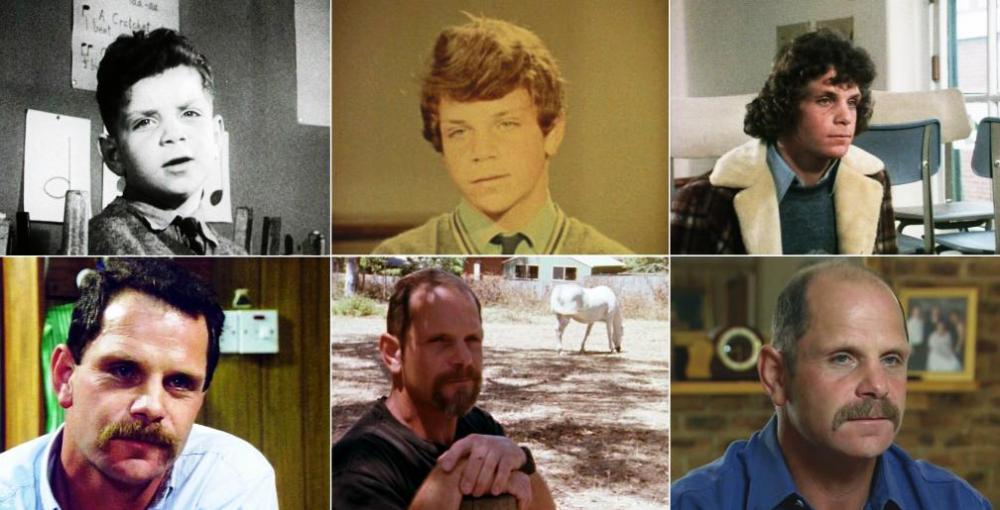
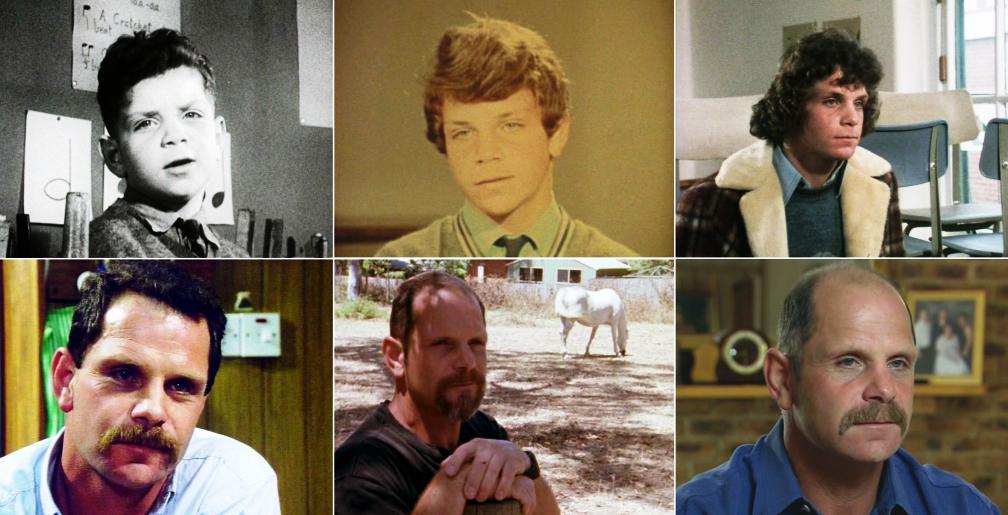
The Up Series

The Up Series (Grenada Films)

Though it is a British production, The Up Series of documentaries has had cause to go abroad as its subjects have grown. The series of films has interviewed subjects every seven years starting at the age of seven. While Nick has spent time teaching in the US, Bruce has taught in Bangladesh, John has done charitable work in Bulgaria; its most frequent trips have been to Australia where Paul moved shortly after the first film. His segments have been amongst the most interesting as his move preceded the talks of expatriates, which entered the series later on.

Lake Mungo

I am not against found footage as a rule. Furthermore, even if you hate it and cite say Chronicle or The Blair Witch Project as the exception that proves the rule, this is a film that should be viewed. In large part due to the fact that it utilizes a mockumentary structure with critical moments being examination of footage. It is a a higly effective slow burn that really packs a wallop.

The Devil’s Playground

Fred Schepisi may not be a name you consciously know but odds are you’ve seen something he’s directed. His credits include Roxanne, A Cry in the Dark (Which features later on this list), The Russia House and Six Degrees of Separation. This is his debut feature, which is an acclaimed, award-winning film that he also wrote, which is better than a vast majority of boarding school-set coming-of-age dramas that are more renowned.

Northern Territory

Northern Territory

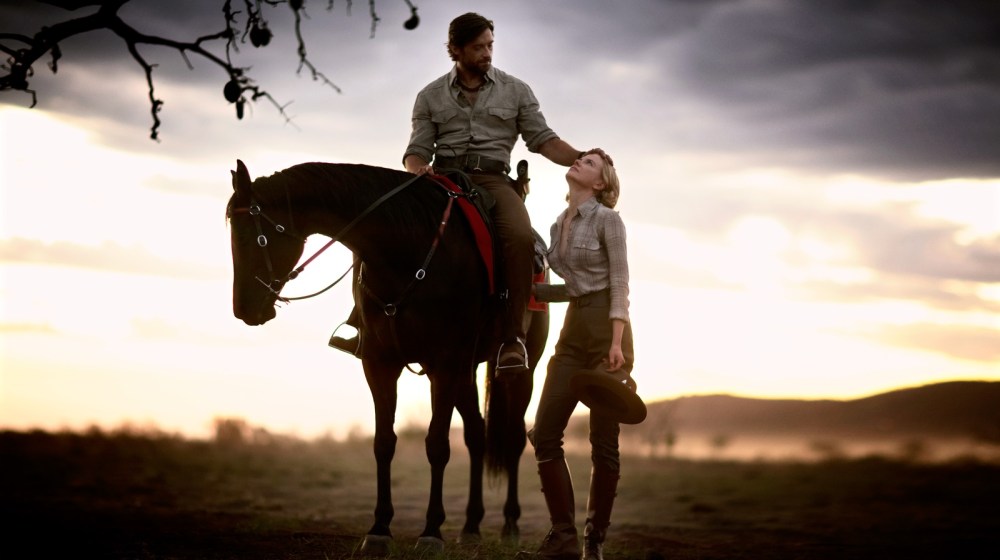
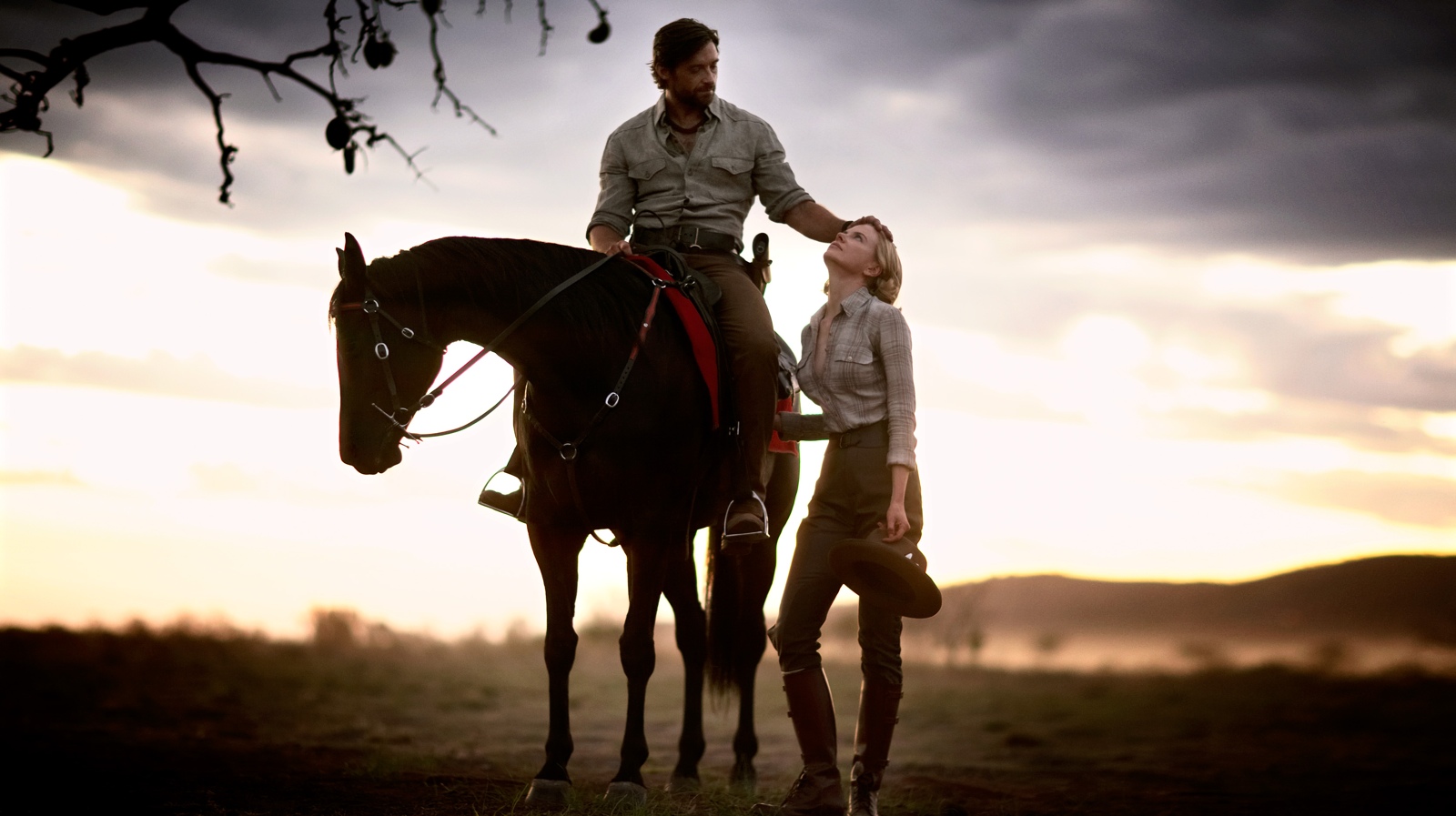
Australia

Australia (2008, 20th Century Fox)

OK, OK, I realize that it’s not original in the least to include a film called Australia on a list of Australian films. It’s such an obvious pick that I’d include it here whether I liked it or not, however, I am a fan of this film as the 2008 BAM Awards will evidence.

This is definitely a case where a propriety title (i.e. Baz Luhrmann’s Australia) may be very fitting. It’s clearly one man’s vision. It’s a Golden Age aesthetic plopped into the 21st Century and a sweeping epic that does traverse the nation.

However, much of the film does center around Darwin in the Northern Territory, hence that’s where I place it.

Tasmania

Tasmania

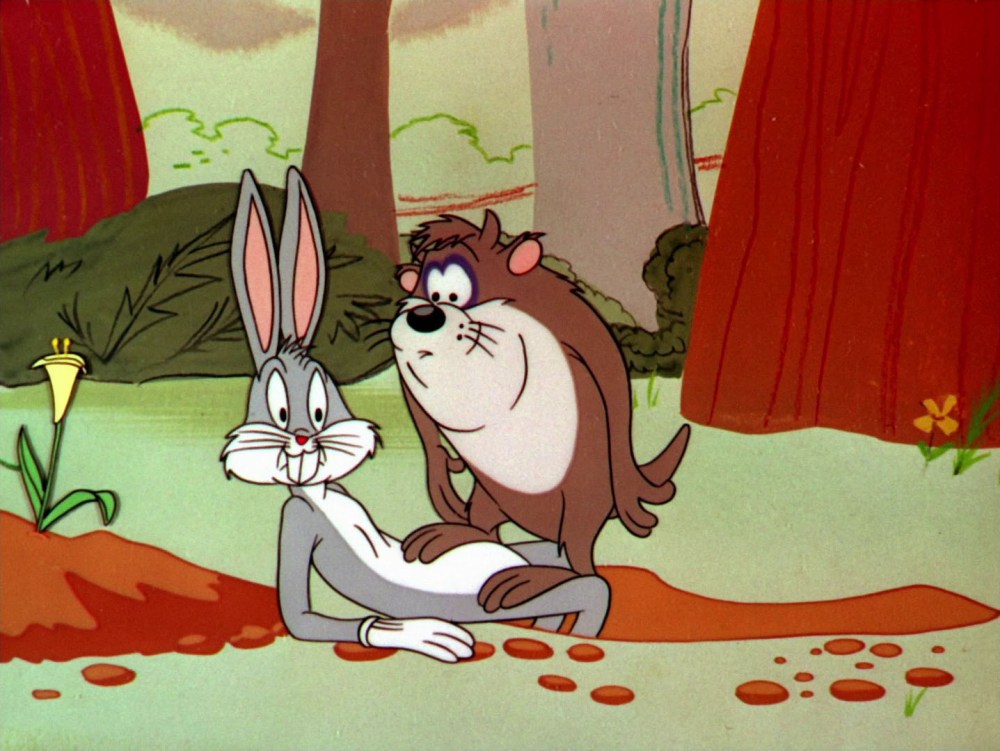
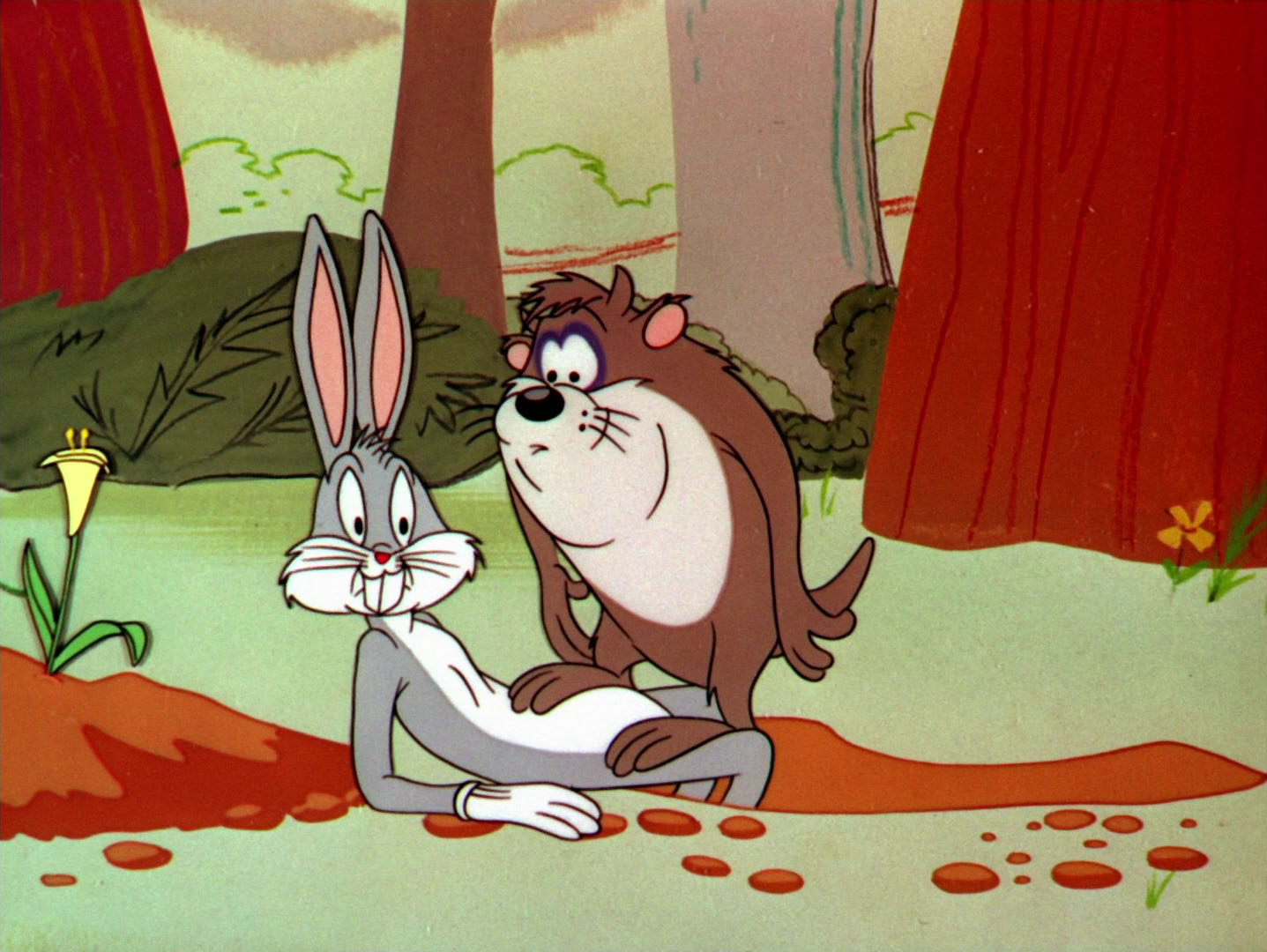
Looney Tunes

Devil May Hare (1954, Warner Bros.)

I grew up on Staten Island, the forgotten borough of New York City, so I have an affinity for any island that’s part of a larger whole. However, even as Staten Islanders we had our occasional moment of cinematic pride (as cheeky as it might be) like in Working Girl. I write that intro because I’m fairly sure that my Tasmanian selections will leave some nonplused and/or vexed. Believe me I am more than welcome to suggestions here, and for what it’s worth I think Tasmania should have an Aussie Rules team. Having said that, here’s my take on Taz:

My first introduction to the isle of Tasmania was through the insane depiction of the Devil as created by the Looney Tunes. Granted I had an inkling, even being young and only slightly informed, that it was a broad caricature but like with everything the Looney Tunes did it’s hilarious; even if the Devils don’t spin like dervishes, spit or even walk on their hind legs.

To mention an actual Australian character: the internet has shown me that Ginger Meggs is quite funny.

Young Einstein
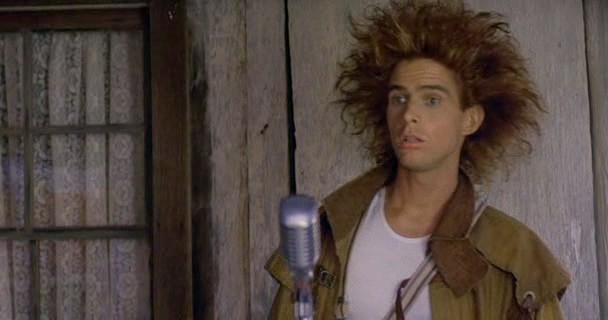
Young Einstein (1988, Warner Bros.)

At least this one features a person who actually is Australian and made his character from Tasmania. Many don’t like this film. I didn’t quite expect to when I saw it in theaters, even though I was young, but I did.

Queensland

Queensland

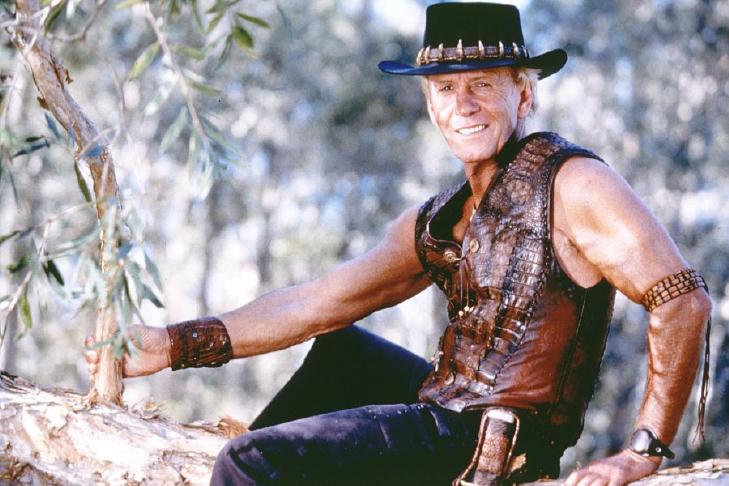
Crocodile Dundee

Crocodile Dundee (1986, Paramount)

Perhaps one of the most insightful jokes ever on Family Guy was about Crocodile Dundee. Crocodile makes a random appearance and then Peter says “I want to see a lot more of you and then suddenly none of you.” This film epitomizes this pop culture phenomena. We here in the US glutted ourselves on this film and Hogan such that the over-saturation seemed to have nauseated us to the concept by the time the sequel hit. That is rather unfortunate since the reception to the delayed third installment was fairly good, though the box-office was fairly tepid, as expected.

Western Australia

Western Australia

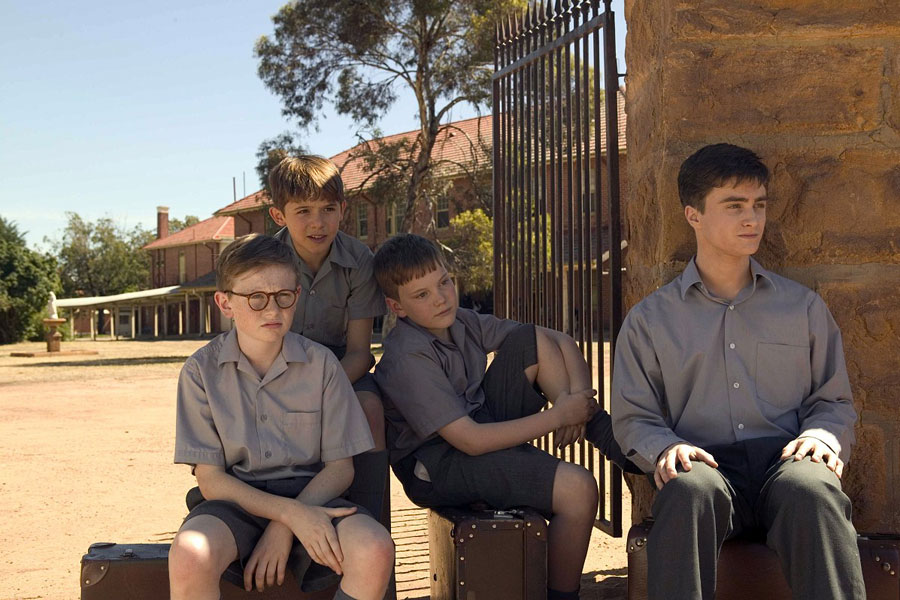
December Boys

December Boys (2007, Warner Independent Pictures)

The films that the cast of the Harry Potter series did, while the series was ongoing, got a bad wrap at the time. In essence, Radcliffe’s involvement in this film was it seems mostly designed to buoy a film that deserved a wider reach. This a very well-told, heart-wrenching film that should be sought out.

New South Wales

New South Wales

When thinking of New South Wales and doing research three titles immediately jumped to mind. One I still have yet to see, two I have.

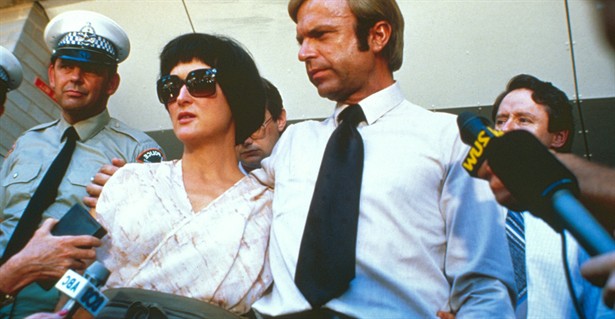
A Cry in the Dark (1988, Warner Bros.)

A Cry in the Dark is by this point an iconic film, and sadly, in the US in a bit of an infamous way due to the Seinfeld joke. However, this was not only a very popular film but features a great performance by Meryl Streep, one of her myriad Oscar nominations, and it’s a rather effective drama.

Finding Nemo, although it’s animated, takes place underwater, one of the major plot elements is hitting the East Australian current, but of course, the first line that pops into most people’s heads when it comes to this movie is “P. Sherman, 42 Wallaby Way, Sydney.” It is where the dentist’s office is, and it is a beloved film so it most certainly belongs.

Lastly, is Muriel’s Wedding. I honestly cannot tell you how I have not seen this film yet. It’s directed by P.J. Hogan won BAM Awards for his involvement in Peter Pan and stars Toni Collette who is a two-time BAM Award winner in her own right. I will rectify this and seeing the Mad Max films soon.

South Australia

South Australia

Australian Rules  (2002, Beyond Films)

With South Australia I have selected two titles. I have done so with two different trains of thought: one title I want to see based on what I learned about the plot. The second, I have seen and though it was not a film I personally enjoyed (far from it) it is a film that has received a lot of acclaim, but not necessarily viewership.

The film I would like to see is Australian Rules, which deals not only with the antipodean version of the game, which I love, but also with race relations (white and aboriginal).

The film I have seen is Snowtown (aka Snowtown Murders). My displeasure with the film is mostly due to the narrative.

So there are the films I could come up with based mostly on what I’ve seen. As I said, I do these in part to have new films to hunt down. So what say you? Comment below or tweet me @BernardoVillela.
Top 10 Movies I Can’t Believe I Liked

This is a list I originally posted on my prior site. I don’t think I’ve found newer, better examples; so the choices remain the same. Below you’ll find 10 films that for one reason or another I had no expectations going into, but ended up liking.

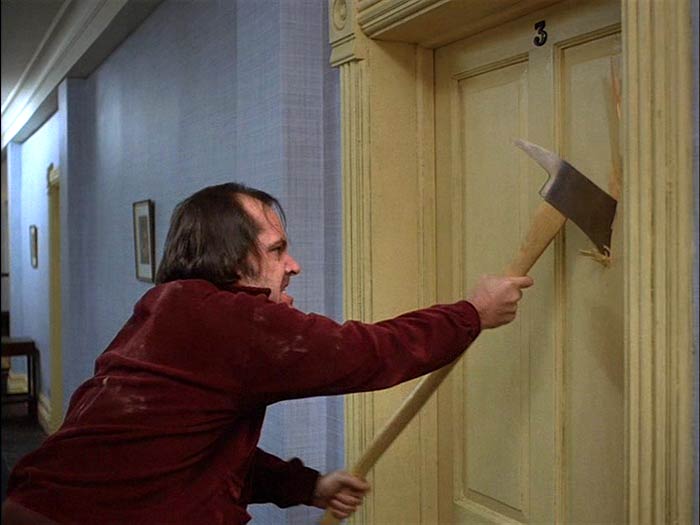
10. The Shining (1980)

The Shining (1980, Warner Bros.))

I first saw this film in cinema class as a freshman in high school. Until I saw this film I never really enjoyed being scared, and I hated horror movies. In a class setting it must’ve taken three days to watch it and I was riveted as if I watched it in one viewing and I looked forward to it every day. It was Kubrick‘s The Shining (which I like better than the book) that got me to read Stephen King and ultimately made me fall in love with horror.

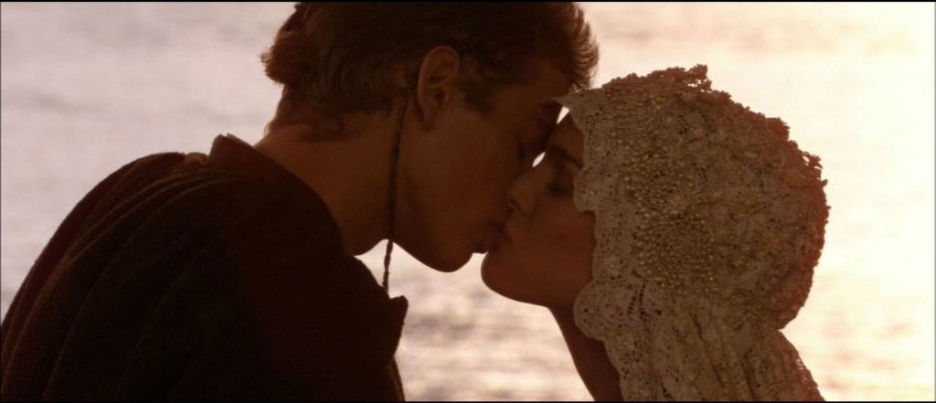
9. Star Wars – Episode II: Attack of the Clones (2002)

Star Wars: Episode II - Attack of the Clones (2002, 20th Century Fox)

I saw the Star Wars prequels first. Having never felt the urge to see the originals, and then hearing about the prequel concept which was popularized, if not invented by, Lucas – I wanted to watch the movies in the story’s chronological order. So I waited until 2005 to see the original trilogy. After having seen The Phantom Menace I just didn’t get the appeal, but I stuck it out and went to see Attack of the Clones and then I got it – Star Wars – Episode II: Attack of the Clones is awesome. The Phantom Menace was just not that good at all and it never will be no matter how many times I watch the film. Star Wars – Episode II: Attack of the Clones won the BAM for Best Picture in 2002 (BAMs are my personal movie awards – look out for those here next year).

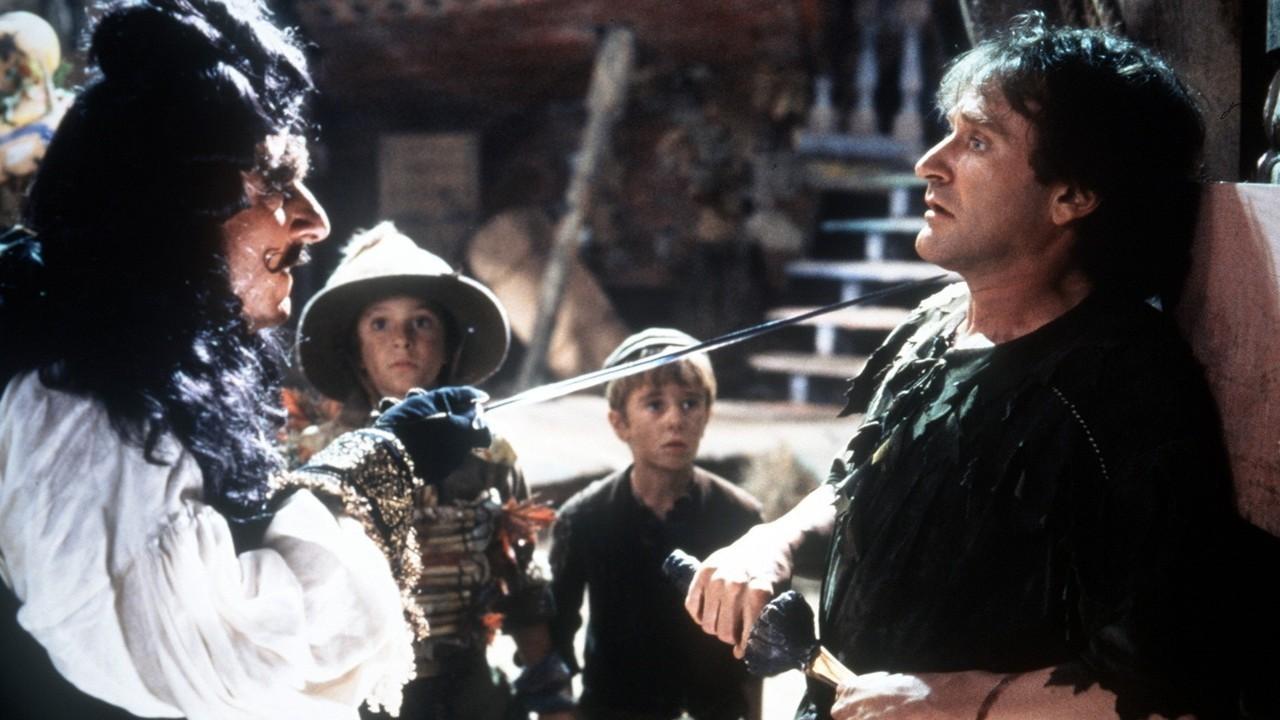
8. Hook (1991)

Hook (1991, Columbia)

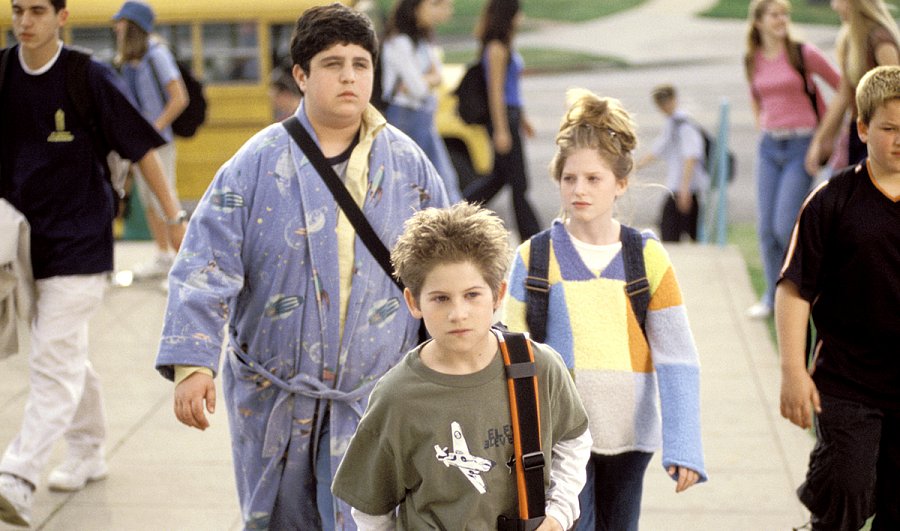
This film being on the list is based entirely on concept. To me the idea of a movie about Peter Pan growing up was just absurd, so I avoided Hook for a long time but then I watched it… and Spielberg does turn almost everything into gold. It will never replace the original, or come close to it, but it is a very good and underrated film.

7. Max Keeble’s Big Move (2001)

Max Keeble's Big Move (2001, Disney)

I saw this as the cherry on top of a self-made triple feature one day. Of the movies I saw that day (Zoolander and Hearts in Atlantis being the other two), I had the lowest expectations for this one and it was my favorite. It is just a zany, off-the-wall comedy that actually ended up being nominated for a BAM as Best Picture.

6. Freaky Friday (2003)

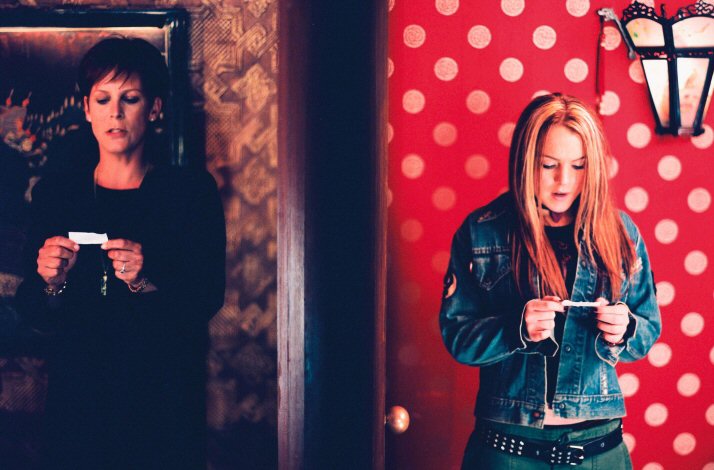
Freaky Friday (2003, Disney)

It was one of those Disney’s 70s live-action films that just never quite did it for me for a number of reasons, but mainly because suspension of disbelief becomes difficult. Complicating matters this was the second time Lindsay Lohan was remaking a Disney film after her big break in the The Parent Trap. I went to see it ‘just because,’ not expecting much and loved it. It was probably Lohan’s last appealing character pre-drug/attitude problems and Jamie Lee Curtis is a perfect foil. Thus, the ridiculous concept didn’t bother me at all in the end.

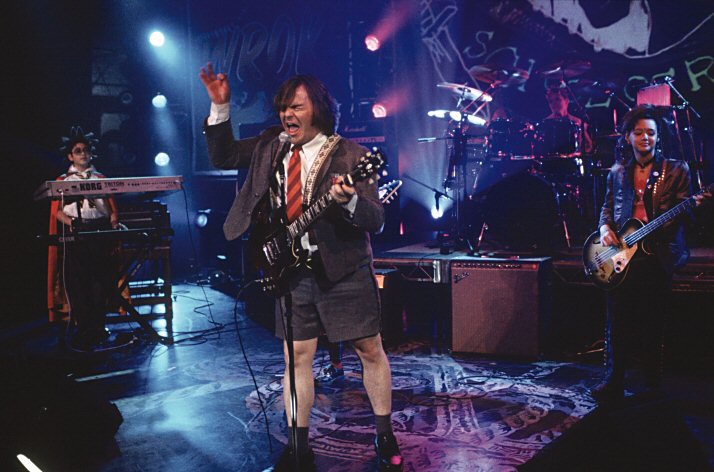
5. School of Rock (2003)School of Rock (2003, Paramount)

Keep in mind this film was released in 2003. At the time I only really knew Jack Black from Tenacious D and I didn’t think this concept would work or be funny. I was dragged to watch the film just short of kicking and screaming, and lo and behold I loved it, and consider it to be one of the 50 funniest movies I’ve ever seen. No other vehicle has quite captured Jack Black’s lightning in a bottle like this film did. I was ultimately very glad I saw it indeed and watch it frequently – and quote it as well.

4. A Dog of Flanders (1999)

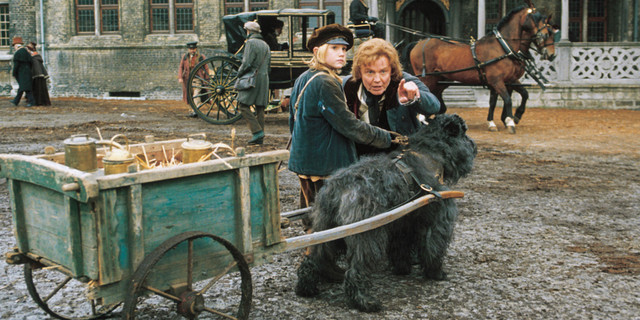
A Dog of Flanders (1999, Warner Bros.)

I used to go to the movies every weekend in junior high and high school, whether accompanied or not, to see something new. It didn’t matter what I went to see, and that’s how I saw the next film. Here’s a film that misleads with its title. Having never seen or heard of the original story and films upon which this most recent rendition was based I thought it was your typical ‘boy and his dog’ film, in fact the title refers to the protagonist, Nello, as much as it does to his dog. However, at its heart it is a much more serious tale of poverty, sacrifice and the struggle to be an artist. In fact, it may well be one of the best examples of that subgenre. It is a rare film in which the protagonist ages and both performances by actors playing younger and older Nello (Jesse James and Jeremy James Kissner) are equally compelling. Along with a great supporting turn from Jon Voight, a good score, and a tear-jerking ending this is a great film that caught me completely by surprise.


3. Young Einstein (1988)

Young Einstein (1988, Warner Bros.)

I literally saw this because Home Alone was sold out, or was it Batman? Either way I didn’t see it that day and my friend’s birthday plans changed. Just watching it under those conditions should have lead to disappointment. However, I remember it being okay and not a complete and total waste of time. And looking back and considering that it starred a man who calls himself Yahoo Serious that is saying something.


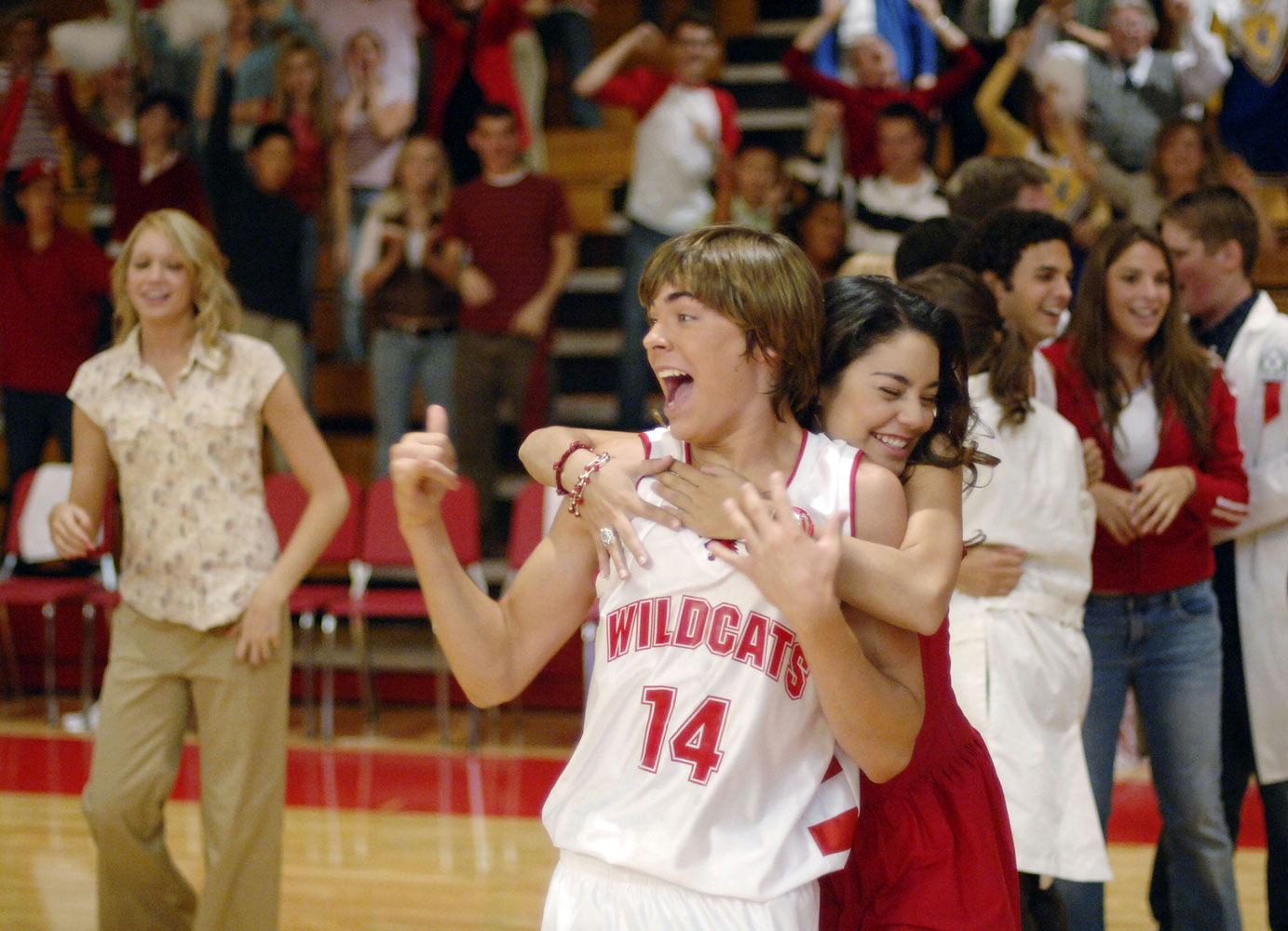
2. High School Musical (2006)

High School Musical (2006, Disney Channel)

If nothing else, it’s one of those movies you watch just because you want to see what people are talking about, and I have to admit that the first one actually does work. Yes, it’s sappy, but it makes no claims to be otherwise and doesn’t try to overdevelop subplot as the 2nd and 3rd installments do. The sequels are also pretty much artistically unjustified and terrible but that can’t detract from the first.

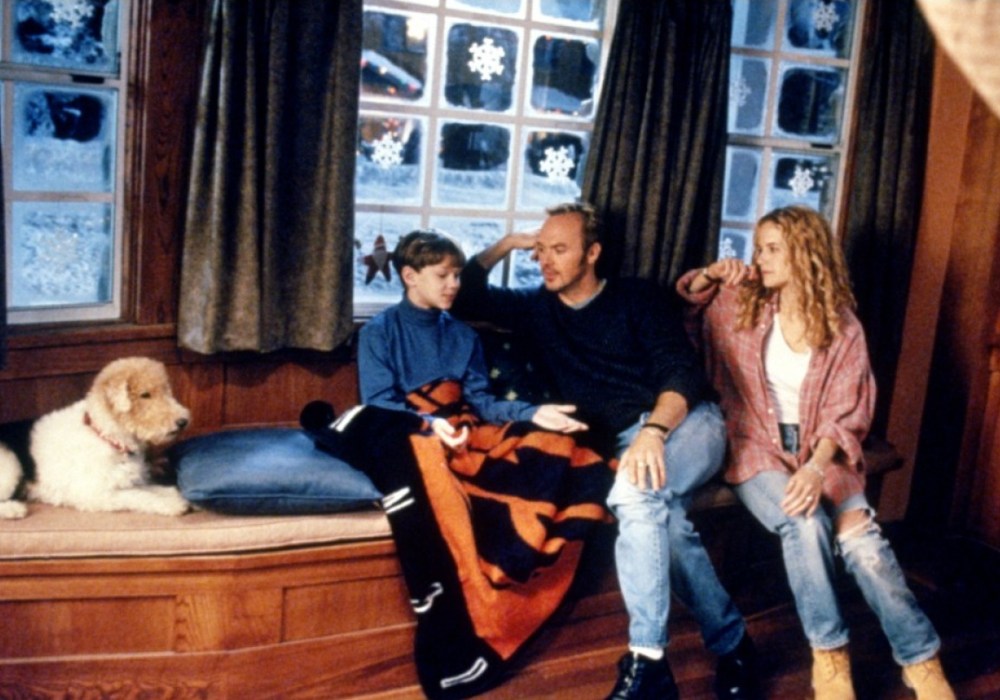
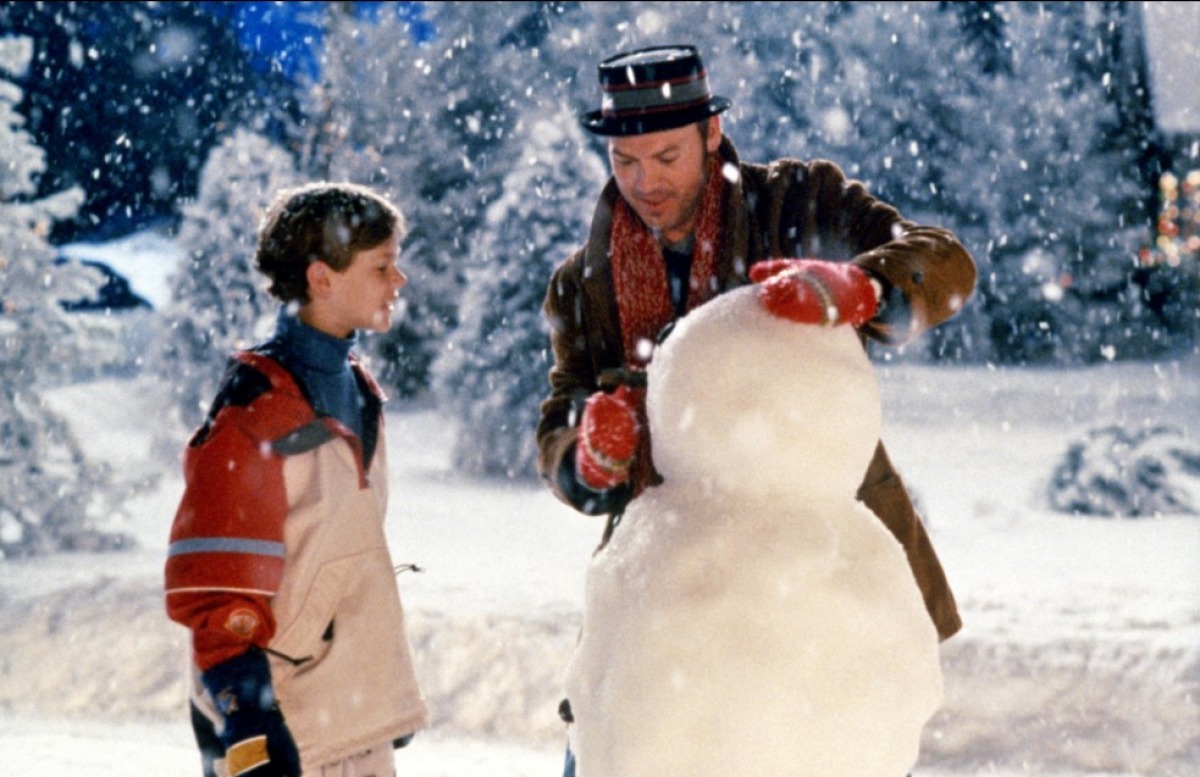
1. Jack Frost (1998)

Jack Frost (1998, Warner Bros.)

This one sits atop the list because it deals with perhaps the most preposterous storyline of them all. A kid loses his father and finds him the next year reincarnated as a snowman. It sounds like the kind of thing that would land on MST3K. However, with the setup, the tumult surrounding the father leaving and the devastation his loss causes, and with all the insinuations of insanity handled immediately – it starts to work. What pushes it over the top are the performances of the cast: the always great Michael Keaton, both on screen and in voice becomes a character we ourselves greatly miss seeing. Joseph Cross, who is now an established character actor having recently appeared in Lincoln, after his prior comeback with Running with Scissors and a supporting role in the Oscar-winning Milk; gives the performance of his childhood career (which is saying something), as the sensitive, shy and affected Charlie. Rounding out the principal cast is Kelly Preston doing the most that almost anyone could with such a small role. It’s a film I’ve now seen a number of times and could probably pop in every holiday season without growing tired of it and still think “I can’t believe I like this, but I do.”

Mini-Review Round-Up January 2013

So here we are again starting a new Mini-Review Round-Up. This one is kicking off later in the year due to a more prevalent slate of Gray Area releases and early 2013 Theatrical screenings.

Here’s my standard intro to this post:

I had quite a review drought to end 2011 so I think the remedy for this kind of post would be to have the post be cumulative monthly. Therefore, after each qualifying film a short write-up will be added to the monthly post. The mini-reviews will be used to discuss Netflix and other home video screenings. Theatrical releases, regardless of how they are seen whether in an auditorium or on VOD, will get full reviews [That is when deemed necessary. As I wrote here I do want to focus more on non-review writing wherever possible].

For a guide to what scores mean go here.

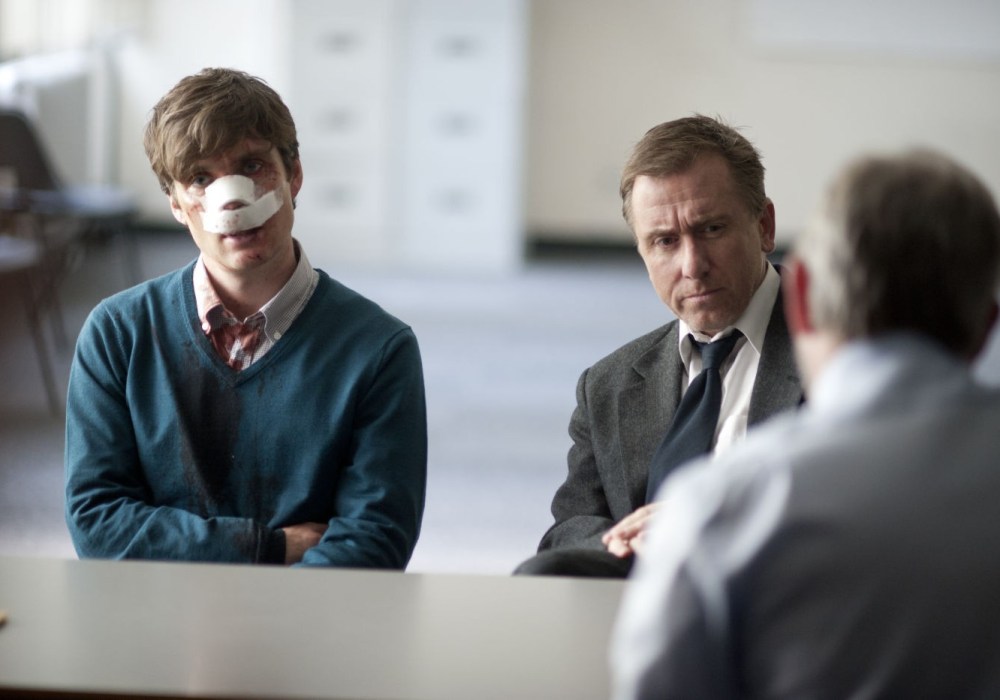
Broken

Broken (2012, Film Movement)

I have quite often discussed how I love Film Movement’s Film of the Month Club. Usually when citing this fact I do so with a mind to the packaging of a short and a feature. However, as the previous year’s BAM Awards indicate I also have an affinity for a number of the titles they pick up, as The Dynamiter, Corpo Celeste, Found Memories and Amador all earned nominations. Well, that affinity has grown in leaps and bounds as their last two selections were films I was eagerly anticipating namely Clandestine Childhood and now Broken.

This is a film that, aside from being the opening selection during Critics’ Week at Cannes and winning the Grand Prix at the Odessa Film Festival, was also nominated for nine British Independent Film Awards, A European Film Award and two awards at the London Film Festival; so it made a bit of hay that made me intrigued to see it.

I am glad to say that after all that hullabaloo I was not let down in the least, quite the opposite; Broken is the first great new film of the year that I’ve had the pleasure of watching. It’s an intricately told and layered tale that with many narrative threads, characters crossing paths, that could get trite, but is instead invigorating and riveting.

There are frames within the film and excellent persistent use of cross-cutting that acutely accesses the proper emotional tenor that is sought, which finds the commonality in these characters so frequently at odds. In certain ways, it’s like an externalized version of We Need to Talk About Kevin, in terms of the way it’s cut together and how the actors have to truly use the edit to great affect.

It’s what I like to term a “collision course narrative,” which is a tale wherein there’s a suspenseful foreboding to the meeting of certain events that you feel, and it’s perhaps the best example of such I’ve seen. It’s also a film that starts strong and never really lets go.

Membership in the Film Club means I’m watching it a few months ahead of most people, therefore you have ample time to heed my advice: watch Broken, it is an absolutely exquisite piece of cinema.

10/10

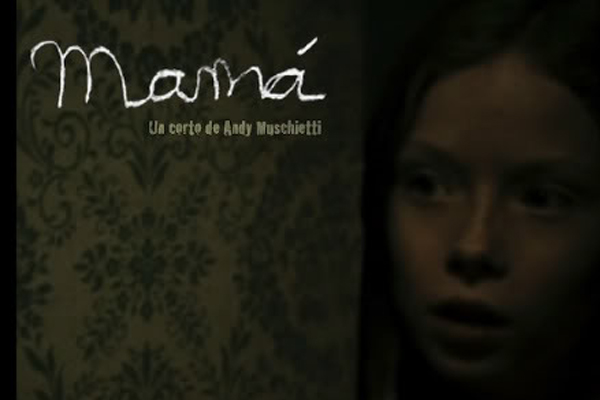
Short Film Saturday: Mamá

I can’t say it comes up too often, however, whenever a short that has been turned into a feature does come around and you can find it online, I’d like to put it up here. Out now is Mama, which drew its inspiration from this short, which does live up to the introduction that Guillermo Del Toro gives it. It’s highly effective for as short as quick as it is. The scene keeps rolling and the music is fantastic.

Once Upon a Time In The 80s: Sequels (Part 4 of 17)

“Leaves the door wide open for a sequel,” is a phrase that was not part of the cinematic vernacular even in the 1950s. It really does sound like something you’d say after watching a slasher movie. These films, of course, were very popular in the 1980s, but just because you didn’t see a horror movie didn’t mean you were safe from someday hearing of a sequel.
 

In the 1970s the ‘pre-sold’ product became a big thing with studios there were many literary adaptations so logically sequels would soon follow. In 1981 there were 42 sequels produced worldwide; in 1989 there were 124. By the end of the 80s there were six Police Academys, five Halloweens, Howlings, Star Treks and Nightmare on Elm Streets; if you wanted to kill someone you could strap them to a chair and make them watch these in succession. There’s probably more but it would get redundant. As opposed to the positive legacy of special effect, the 80s left us with a trend that has only gotten worse. While there are no new series that are growing ridiculously, although Friday the 13th has reached 10 [now 11 with a 12th in development], it is much easier for a film to get a sequel now such as Legally Blond which didn’t even hit 100 million, but was made on no budget so the profitability was easier to hit. Another new trend is immediately announcing a sequel: when Spider-man opened with $115 million dollars in its first weekend the studio announced plans for a sequel. Opening weekend sequel plans have become commonplace and they can be directly blamed on the 80s who exacerbated sequel-mania in a need for guaranteed money.

While the contrived sequel can be called a spawn of the 80s on the good side there is also the series. The difference is that a series is a story that is not supposed to be in one film or book as the case may be. While there was only Indiana Jones and Star Wars these films helped develop the business concept of ‘the franchise,’ more so to me than the other films than those sequelized ad neauseum. The franchise by my estimation is a designed series of films that will also be a cash cow. To me these two series planned by Lucas and Spielberg are what set the stage for some of the better films of our times.

The studios relied on the sequel for easy money because the horror films that made them all their money were pick-ups. The Slasher Trinity of Halloween, Friday the 13th and Nightmare on Elm Street were all independent productions which cost their respective distributors practically nothing. Thus, when they each took off like rockets they didn’t want to see the profits stop. And like at anytime in film history, you never know what’s going to be a hit and what isn’t, no matter how much test research you do. So they figure they’d just repeat what worked. And people went, and will go, if only out of curiosity.

While I can justify all these sequels that seemingly have no point I in no way excuse them. Because what started as just a rash has become a plague and now any film which shows and inkling of profit potential is a candidate to be butchered and repackaged in a sequel. For the most part I very much enjoy these films of the 80s, but a tendency towards needless repetition is something I can live without.
 

Work Cited:  http://us.imdb.com/List?year=1989&&tv=on&&keywords=sequel&&nav=/Sections/Years/1989/include-commongenres&&heading=8;sequel;1989

Note:  This is a recapitulation of a paper I wrote in film school. It will be published here in installments. This is part four you can read part one, two and three here.

Once Upon a Time in the 80s- Special Effects (Part 3 of 17)

Note: This is a recapitulation of a paper I wrote in film school. It will be published here in installments. This is part three you can read part one here and part two here.

The 1980s were marked by the emergence of the computer into mainstream American culture. The increasing accessibility and availability of this tool made its impact on the entertainment industry in a very powerful way. In 1984 one of the most famous commercials of the year was Apple Computer’s ‘Big Brother’ a play on Orwell’s 1984. While unlike the 90s where computers would soon come to reside in well over half of America’s households, and the science fiction aspect and the improbability of the device was demolished; they were becoming a much more practical tool.

The key in revolutionizing computerized effect lay with one man. In 1977 George Lucas formed Industrial Light and Magic to create the effects for Star Wars. Working out of Marina County California his company soon started to work on effects for many films. Their first heavy volume of releases was in 1985 with Back to the Future, Cocoon, Explorers, The Goonies and Young Sherlock Holmes which with ‘The Stained Glass Man’ had the first fully computer generated character. The rest was history in 1986 comes Aliens which took the computer generated character to the next level and it’s been an ongoing game of “Can You Top This?” ever since.

The fact that the special effects craze came about in the late 70s and grew exponentially in the 80s is like kismet. This was a decade that was jam-packed with action films but also had an abundance of fantasy films still around. This new technology opened up possibilities for narrative never before seen and they were used, for example, a journey inside a human body in Innerspace. The kind of film that was in demand with the American public was also the kind of film that was well-suited to the new special effects technology.

Before the apathetic generation-x-ridden 90s when films of social dementia disguised as poetry like American Beauty would run amuck, the 80s was a decade riddled with myth and fantasy, here’s a sample: The Empire Strikes Back, Return of the Jedi, E.T.: The Extra-Terrestrial, The Neverending Story, Legend, Dark Crystal, Back to the Future, Flight of the Navigator and so on. Escapism being a large part of the cinematic formula coupled with the youthful audience allowed for these advances and this type of storytelling which is only recently beginning to creep back into being.

The shift away from fantastical storytelling that occurred in the mid-90s and lasted until about 1999 in a way has impeded the progress of CGI. While in some films it blends in perfectly and is breathtaking in others it sticks out like a sore thumb. Sure, there are films and studios that will be cheap, but had there been more constant works the floor of marginally acceptable CGI would’ve risen. The man who is always breaking the glass ceiling of CGI excellence is George Lucas, and he says he tries to push other directors with every film he does, hopefully people will follow suit.

The computer generated image is one of the few things from the 80s which was expanded upon in the 90s. The technology has some very practical uses such as digital stunts and extras. With this technology the director’s vision can more easily be realized where as if something doesn’t exist the way he sees it can be created. This is one of the 80s lasting legacies. When we’re looking back upon this decade we, of course, can’t forget some of the films that came out of the decade, but we must also remember that filmmaking was forever changed in this decade because ‘Special Effects’ became a term that we could apply to almost every film. A new cinematic tool was beginning to be fully realized and is still being perfected to this very day.

 Footnote and Work Cited:

1. The Empire Strikes Back won an Academy Award for Special Achievement in Special Effects. The following year it was a category at the awards, Raiders of the Lost Ark and Drangonslayer were nominated.


2. Star Wars: Episode II- Attack of the Clones Dir. George Lucas. Feat. Hayden Christiansen, Ewan Macgregor, Natalie Portman, Christopher Lee. 2002, 20th Century Fox. DVD extra features.

In Anticipation Of: Mercy

Intro

A large part of why I started this blog, as opposed to continuing at the site I was perviously, was that I wanted to control my content and also if I should choose to be publishing daily I wanted to not necessarily constrain my focus to a particular region or breaking news.

Yes, having access to information is great, and I partook in the internet explosion that occurred when Jurassic Park IV added itself to next summer’s calendar, but I want to focus mostly on things I have seen rather than will see. Of course, there are exceptions to every rule, and the new Universal/Blumhouse production of Mercy, which starts rolling today, is an exception.

Background

Gramma (Signet)

Mercy is based on a short story by Stephen King. The original story was entitled “Gramma” and was first read by most in his short story collection The Skeleton Crew.

When I heard the news the name of the story didn’t immediately ring a bell. As the casting announcements started coming I decided to revisit it. This time I read it not just to be refreshed on the story but to look at it as an adaptation. I can still mostly keep prose in mind as pure prose (Hitchcock reached a point where he could no longer read for pleasure because he read everything with an eye for adaptation), unless I am consciously adapting it like I did with Suffer the Little Children.

So, how are the elements being prepared for the screen? How good do they look? For the most part they reinforce my positive outlook.

The Story

Now, as is the case with a lot of prose (particularly King’s), a certain amount of externalization will need to take place. Much of the tale takes place in a single location and chronicles the protagonist’s reaction, through inner monologue, to the predicament he finds himself within.

It’s a highly effective narrative, which has potential for great visuals, interesting construction and a lot of tension. In fact, it was brought to the small screen during the short-lived return of The Twilight Zone.

The Screenwriter

Children of the Corn III: Urban Harvest (1995)

Brought in to adapt the story into a screenplay was Matt Greenberg whose previous credits include Children of the Corn III: Urban Harvest, The Prophecy 2 and Halloween H20: 20 Years Later as his franchise prolonging starting points, then Reign of Fire; an intriguing installment of Masters of Horror called The Fair-Haired Child, then most importantly 1408, based on King and the upcoming Pet Sematary remake. King projects have been botched enough that track record and pedigree matters; Darabont and Garris usually means a good visual treatment of the tales; Greenberg may as well, if his previous works are any indication.

Director

The Haunting in Connecticut (2009, Lionsgate)

Peter Cornwell has genre experience in a film I happened to like quite a bit, A Haunting in Connecticut. That does lead me to the next point…

Marketing

Based on the narrative of the story itself this film should be a PG-13 horror movie. I believe a faithful adaptation would make it so. You’d need to amp things up to get it to an R-Rating. I don’t have an issue with that in and of itself, it’s just something I predict.

Casting

American Horror Story (2012, FX)

Stephen King, the story and the team (including Blumhouse the production company helming who have had much genre success lately, namely Sinister and the Paranormal Activity series) are enough to make this a movie to anticipate, however, then you get to the cast.

Dylan McDermott is first billed. In recent years he’s not only had a return to prominence, but I’m sure gained many new fans with his very successful forays into the horror genre. Most notably on American Horror Story. I know my appreciation of his work has grown exponentially.

The lead as per King’s text is George, the younger of two brothers, who I presume will be played by Chandler Riggs. Playing Carl Grimes in The Walking Dead is no small feat. You know this to be true whether you’re a fan of the show, graphic novels or both. I read a lot of the books before trying the show and Riggs gives a much more well-rounded interpretation of Carl than I had imagined.

Then there’s Frances O’Connor who I have not seen nearly enough of since I first became of her in Artificial Intelligence: A.I.

Joel Courtney and Chandler Riggs (Joel Courtney/Twitter)

If we are to presume McDermott and O’Connor are the parents and Riggs is the younger sibling, then naturally Joel Courtney (Super 8) would be Buddy, the older brother. If this is to be the case then it would be an interesting change of pace from Courtney‘s appearances thus far. In Super 8 and his guest spot on The Haunting Hour he’s been a dreamer, a bit of nerd, and all-around good kid. However, Buddy, as written from George’s perspective, is your typical older brother maybe a little meaner, a little more antagonistic than most.

Last, but certainly not least when the source material is called “Gramma,” is the grandmother who will be played by Shirley Knight, which is another great choice. It’ll be great to see her in a film like this as opposed to Paul Blart: Mall Cop.

Conclusion

I don’t want to wander into potential spoilerdom. The story, which should give you an idea what the film will sort of be (but don’t judge it on that!), is out there if interested. I also needn’t go into each production department and discuss where else awesomeness can happen, but the potential exists elsewhere also! The more I got into the story and examined in cinematic terms the more exciting a prospect it became. I am definitely looking forward to this one.

BAM Award Winners: Best Editing

This is perhaps the most crucial category to the filmmaking process that was absent from these awards for a large period of time. However, until one edits, learns to edit both in theory and in practice it is very difficult to start to interpret the edit of a film. The editing choice ultimately is always an aesthetic choice because the technical aspects, what was removed, how scenes were improved due to judicious cuts or how the whole was bettered by losing a scene or a shot can only truly be evaluated if one has seen all the footage. Nevertheless, it’s here and here to stay. The decision in this category is very difficult year after year. Here are the films that have shown themselves to be the most impressive thus far.

2024 Louise Ford Nosferatu

2023 Laurent Sénéchal Anatomy of a Fall

anatomy-of-a-fall-still-3-c45e928b57ff421ca237ddb34a6751a0

2022 Yorgos Mavropsaridis The Cursed

2021 Peter Sciberras The Power of the Dog

mv5bmjrknwm1nmmtyzayos00mwrmlwe0odetotm5ymq1mguyyjy4xkeyxkfqcgdeqwpnyw1i._v1_

2020 Claudia Castello, Bruno Lasevicius, and Suzanne Spangler Abe

2019 Nicholas Monsour Us

2018 Andrew Wehde Eighth Grade

2017 Jason Ballantine It 

2016 Brett Granato, Maya Mumma, and Ben Sozanski O.J.: Made in America

img_3428

2015 Margaret Sixel Mad Max: Fury Road

9e513e79-10fb-4f48-b87e-9ac67d057f0f

2014 Bernard Beets The Strange Color of Your Body’s Tears

The Strange Color of Your Body's Tears (2013, Strand Releasing)

2013 Victoria Boydell Broken

Broken (2012, Film Movement)

2012 Joe Bini We Need to Talk About Kevin

We Need to Talk About Kevin (2011, Oscilloscope Labs)

2011 Hank Corwin, Jay Rabinowitz, Daniel Rezende, Billy Weber and Mark Yoshikawa The Tree of Life

2010 Trevor Waite Red Riding: In the Year of Our Lord 1983

Red Riding: In The Year of Our Lord (2009, IFC Films)

2009 Mark Day Harry Potter and the Half-Blood Prince

2008 Thomas Alfredson and Daniel Jonsäter Let the Right One In

2007 Chris Dickens Hot Fuzz

2006 Jim Mol The Heart is Deceitful Above All Things

2005 Andy Blumenthal and David Finfer Waiting…

Waiting

2004 Steven Weisberg Harry Potter and the Prisoner of Azkaban

2003 Peter Boyle The Hours

BAM Award Winners: Best Score

Below you will find the posters for the winners of the Best Score award at the BAMs. I considered looking for YouTube clips to accompany them but obsessively uploading anything and everything is a new phenomenon and some were hard to find so rather than post some but not all I decided to forgo it. Secondly, the only thing that really needs to be noted, as you can see for yourself the multiple winners, is that somehow in 2008 (when I already posted winners online) I omitted the category. I have no excuse for this but I won’t try to retroactively fix it, it is what it is. It’s things like that which have me more vigilantly listing my considerations.

So here are the past winners in this category:

2024 Robert Carolan Nosferatu

2023 Robbie Robertson Killers of the Flower Moon

killers-of-the-flower-moon-1

2022 Howard Shore Crimes of the Future

crimesofthefuture_soundtrack_cover.jpg

2021 Dascha Dauenhauer Blood Red Sky

mv5bmdq0mwezmdetmgzmnc00njq0lwjlnditzdmyndc5mmfkodjjxkeyxkfqcgdeqxvyodk4otc3mty40._v1_fmjpg_ux1000_-1

2020 Colin Stetson Color Out of Space

2019 Michael Abels Us

2018 John Carpenter, Cody Carpenter and Daniel Davies Halloween

2017 Benjamin Wallfisch It 

2016 Mark Korven The Witch

2015 Tom Holkenborg (Junkie XL) Mad Max: Fury Road

madmaxresdefault

2014 Fons Merkies Finn

2013 Steve Jablonsky Ender’s Game

Ender's Game (2013, Summit)

2012 Mihály Víg The Turin Horse

2011 Michael Giacchino Super 8

Super 8 (2011, Paramount)

2010 David Arnold, The Chronicles of Narnia the Voyage of the Dawn Treader

The Chronicles of Narnia: The Voyage of the Dawn Treader (2010, 20th Century Fox)

2009 Carter Burwell and Karen O. Where the Wild Things Are

2008 Not Awarded

2007 Nick Macina August Rush

2006 Patrick Doyle Wah-Wah

2005 Bruno Coulais The Chorus

The Chorus (2004, Nonesuch Records)

2004 Philip Glass Undertow

2003 Philip Glass The Hours

2002 John Williams Star Wars: Episode II: Attack of the Clones

Star Wars: Episode II - Attack of the Clones (2002, 20th Century Fox)

2001 John Williams Artificial Intelligence: A.I.

2000 Thomas Newman Pay it Forward

1999 James Newton Howard The Sixth Sense

1998 Antonio Pinto and Jacques Morelebaum Central Station (Central do Brasil)

Central Station (1998, Sony Pictures Classics)

1997 John Williams Jurassic Park: The Lost World

1996 Dick Hyman Everyone Says I Love You

BAM Award Winners: Best Sound Editing/Mixing

I will not purport to be a sound guy, which us quite different than knowing something about it. I did learn it and study it. I have my tastes and know some rules of the game and tricks of the trade. However, I did not include a sound category before I had studied it. It was originally called merely Best Sound Design. If you pay attention at the Oscars you’ll note that Mixing and Editing will usually go to the same film. They are separate and distinct skills and prizes but there is a definite link. I will not pretend that I can split the hairs necessary to sub-divide the category so I will keep it as one. This past year (2010) was when the slash was added to the prize.

2024 Dave Whitehead, Chris Terhune, Jeff Sawyer, Matt Stutter, Michael Babcock, Lee Gilmore, et al. Dune: Part Two

2023 Natsuko Inoue, Yoshihito Yokoi Godzilla Minus One

3ef6de7f-7114-4fe3-874f-bd898864af9e

2022 Dan Kenyon Smile

2021 Ghostbusters: Afterlife

afterlife.jpg

2020 Greyhound

2019 Midsommar 

2018 A Quiet Place

2017 Dunkirk

2016 The Jungle Book

img_3423

2015 Mad Max: Fury Road

FURY ROAD

2014 The Strange Color of Your Body’s Tears

The Strange Color of Your Body's Tears (2013, Strand Releasing)

2013 Leviathan

Leviathan (2012, Cinema Guild)

2012 The Woman in Black

The Woman in Black (2012, Hammer Films))

2011 Super 8

Super 8 (2011, Paramount)

2010 The Chronicles of Narnia: The Voyage of the Dawn Treader

The Chronicles of Narnia: The Lion, the Witch & the Wardrobe (2005, Disney)

2009 Avatar

2008 The Spiderwick Chronicles

2007 August Rush

August Rush (2007, Warner Bros.)

2006 Final Destination 3

Final Destination 3 (2006, New Line Cinema)

2005 Star Wars: Episode III: Revenge of the Sith

Star Wars: Episode III - Revenge of the Sith (2005, 20th Century Fox)

2004 The Passion of the Christ

The Passion of the Christ (2004, Newmarket Films)