Best of Spielberg

Here’s a second installment of a list idea I’m borrowing from Brian Saur. Here I will discuss the films of Steven Spielberg. Spielberg is probably my favorite director of all time. I did an Ingmar Bergman list first, in part to track what I still needed to see. With Spielberg my impetus was to finally be up to date on his narrative features, which sadly I wasn’t.

As with any list, rankings may make thing seem worse than they are. There are 30 films on this list. Make no mistake I like 28 of them and am a snarky fanboy on one, and three have at one point been my all-time favorite, including my current number one (if pressed to answer). Here goes…

30. The Lost World: Jurassic Park (1997)
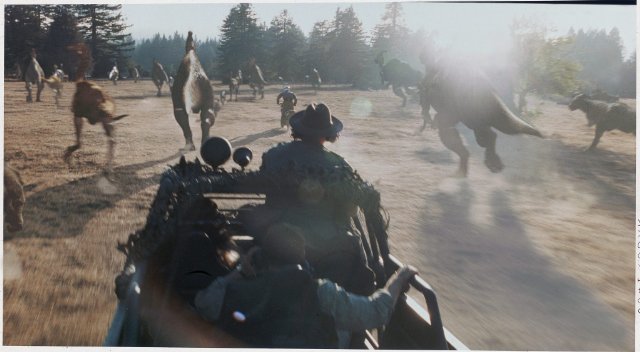
Jurassic Park 2: The Lost World (1997, Universal)

This is the sequel Spielberg supposedly gave Universal so they’d leave E.T. alone. That’s almost enough to bump it past last place but I can’t. Even though I loved the score and effects it was still one of the worst, most confounding thing I saw that year. The third film and news of a fourth have softened that hurt, but seeing newly-introduced annoying character and the follow-up to my then favorite film of all-time relegated to a Godzilla/King Kong knock-off hurt.

29. 1941 (1979)
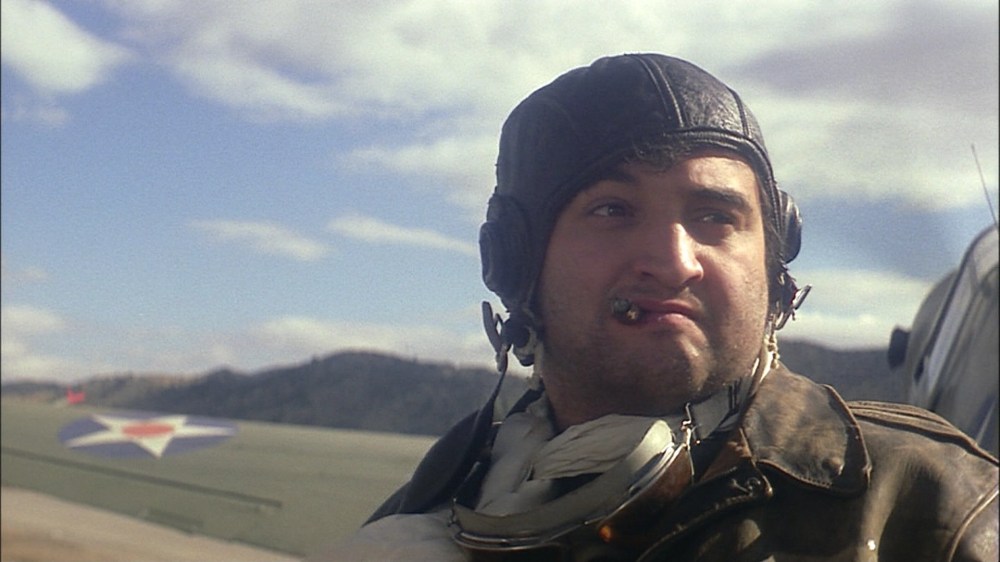
1941 (1979, Universal/Columbia)

I did try to like this. My professor tried to get me to like it. I just don’t. Spielberg doesn’t care much for it either and has moved on to bigger and better things.

28. Indiana Jones and the Kingdom of the Crystal Skull (2008)
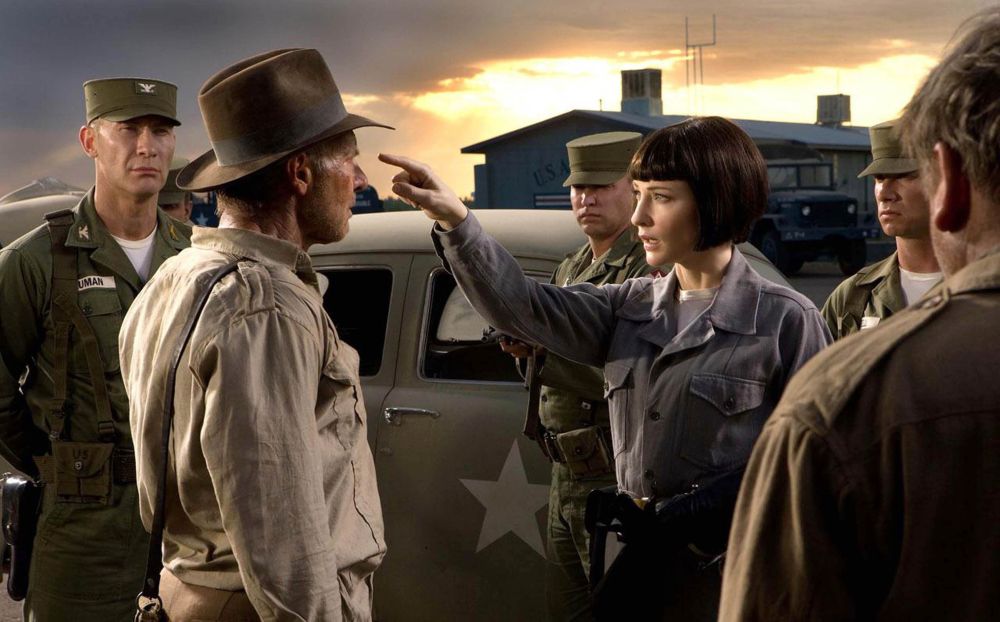
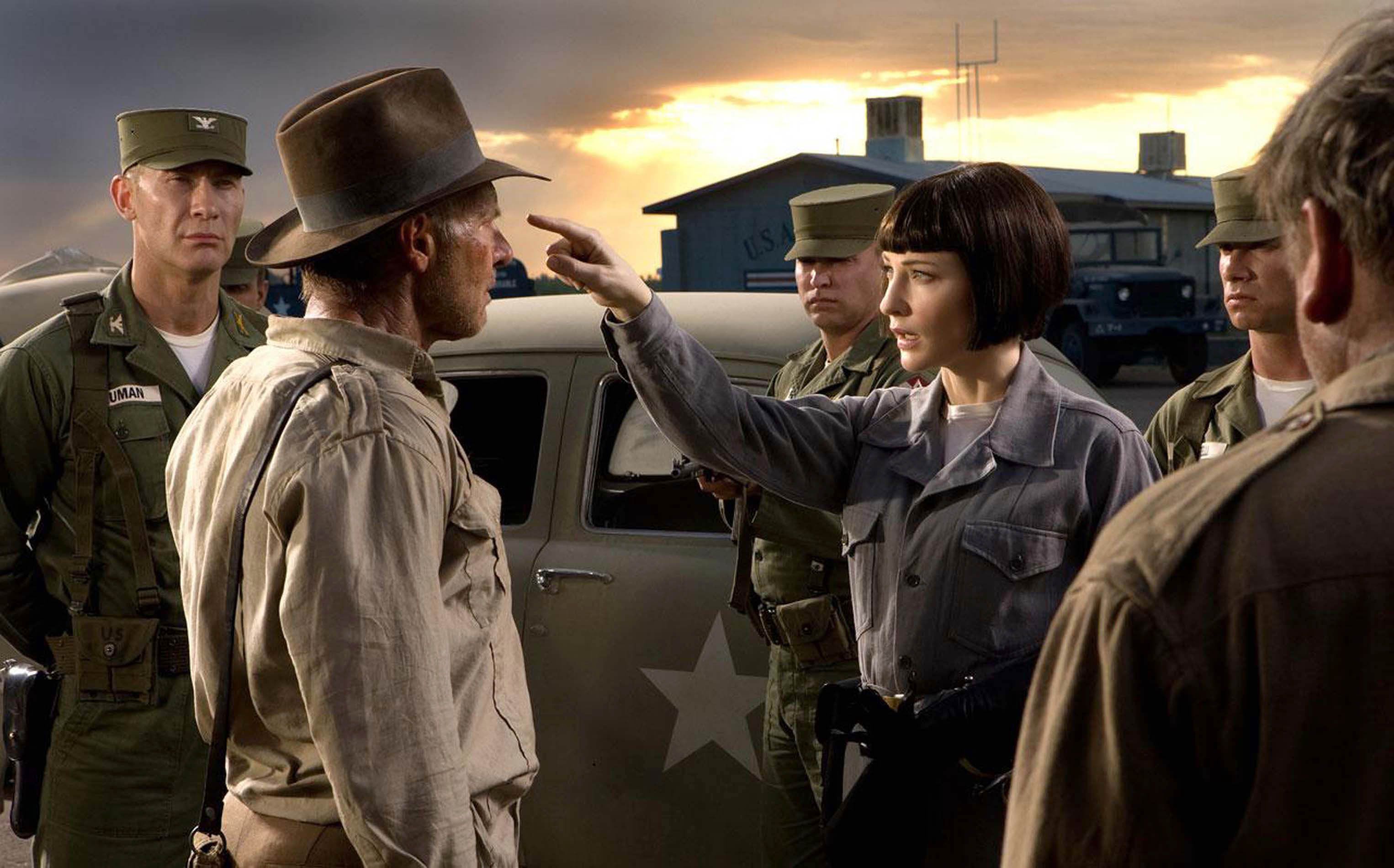
Indiana Jones and the Kingdom of the Crystal Skull (2008, Paramount)

Nuking the fridge only happened in one scene people, Shia LaBeouf had many more scenes than that and Cate Blanchett seemed uncomfortable. Spielberg has since honestly confessed what his reservations were about this film. Hopefully that molds a better fifth film should it occur, though he certainly doesn’t need there to be one.

27. Amistad (1997)
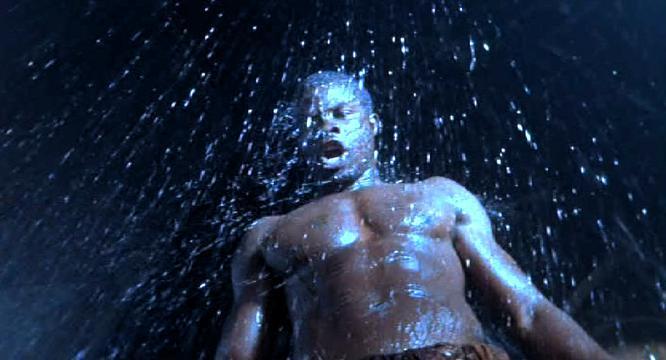
Amistad (1997, Universal)

As oddly engaging as Spielberg’s restraint in Lincoln is, if memory serves, there was an attempt at such here too that doesn’t work quite as well. I remember Honsou and Hopkins impressed but not much else.

26. The Terminal (2004)

The Terminal (2004, DreamWorks)

Unlike Catch Me If You Can, which appears shortly, I wasn’t even compelled to go out and see this one theatrically. It’s an interesting and well-handled idea that I can indentify with on a few levels but it’s just not one of his best.

25. Twilight Zone: The Movie (segment 2) (1983)

The Twilight Zone: The Movie (1983, Paramount)

I saw this recently also and Spielberg’s segment fits him to a tee (residents of a retirement home become young again) and is the second best in the anthology in my estimation behind Joe Dante’s zany one.

24. Poltergeist (1982)
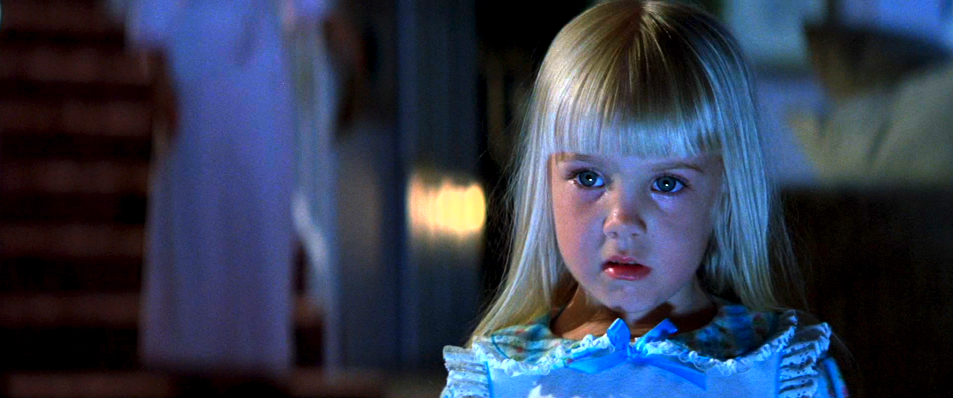
Poltergeist (1982, Paramount)

One can debate the nuances and politics of whether Spielberg really directed this. To be brief: I have it on good authority that he directed most of it and just didn’t take the credit because he couldn’t per DGA rules at the time. This is a title where I could rant and rave childishly about how “My opinion is different than yours!” but I won’t. Poltergeist is fine, it just never had a tremendous amount of impact on me.

23. Indiana Jones and the Temple of Doom (1984)
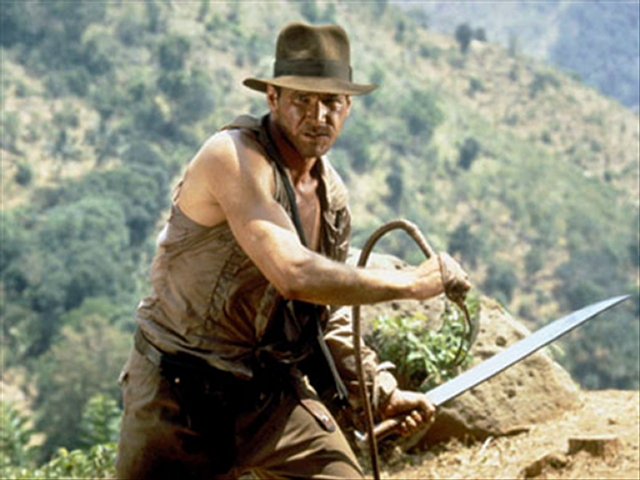
Indiana Jones and the Temple of Doom (1984, Paramount)

To address the white elephant in the room: I do not have any issue with the character of Shortround whatsoever. Temple of Doom lands here more for being the third best in the series and Kate Capshaw than anything else.

22. Catch Me if You Can (2002)
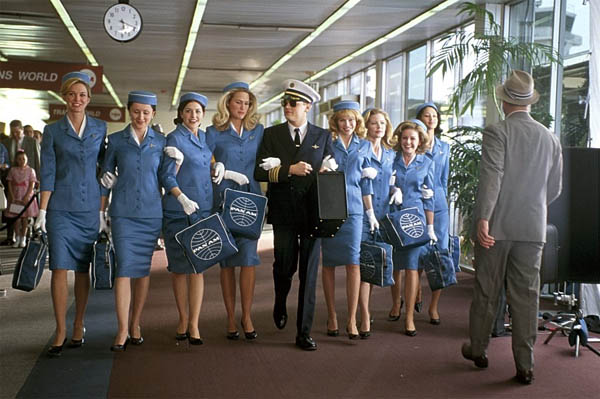
Catch Me If You Can (2002, DreamWorks)

This is one of those that falls into the category of “There’s nothing really wrong with it, I just can’t get into it.”

21. The Sugarland Express (1974)

The Sugarland Express (1974, Universe)

This is an unusual but involving one with a great turn by a young Goldie Hawn.

20. Always (1989)
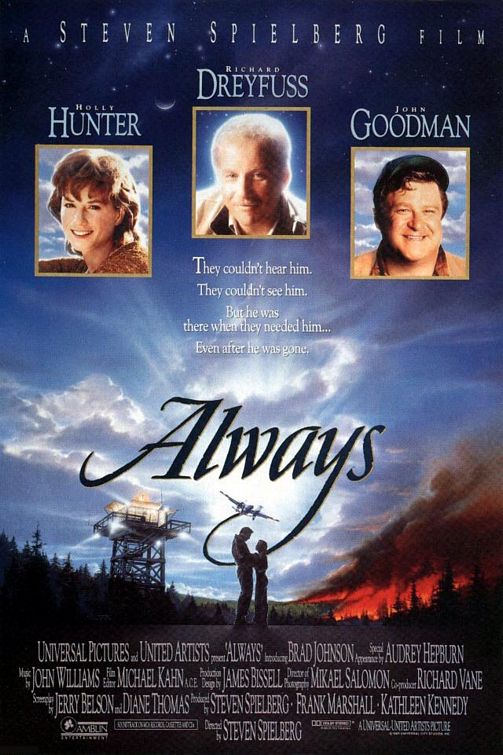
Always (1989, Universal)

This one film I finally saw last year so as I could finally create this list. I had avoided it because in clips and trailers you could not get a sense of the totality of the film. It is Spielberg’s first remake, but it’s a fairly well modernized one that features Audrey Hepburn‘s final performance.

19. Close Encounters of the Third Kind (1977)
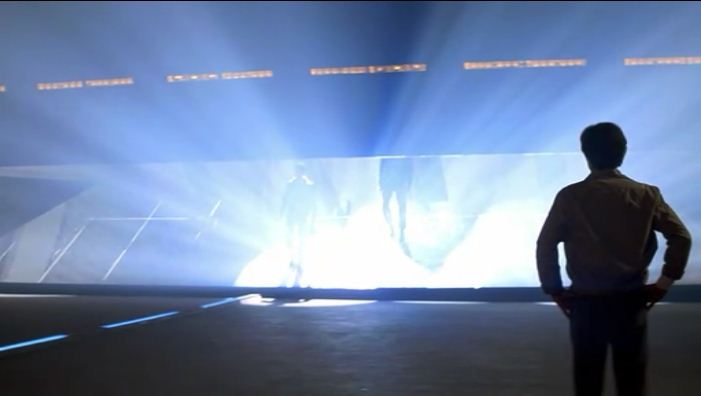
Close Encounters of the Third Kind (1977, Columbia)

Spielberg has said that the end of this film dates him as a filmmaker. I understand his point entirely but he does set it up very well. Also, in a bit of fanboy wish-fulfillment, I’d suggest the end of this film and the end of E.T. swap, but it is a very visual and evocative film with the added bonus of an acting-only participation by François Truffaut.

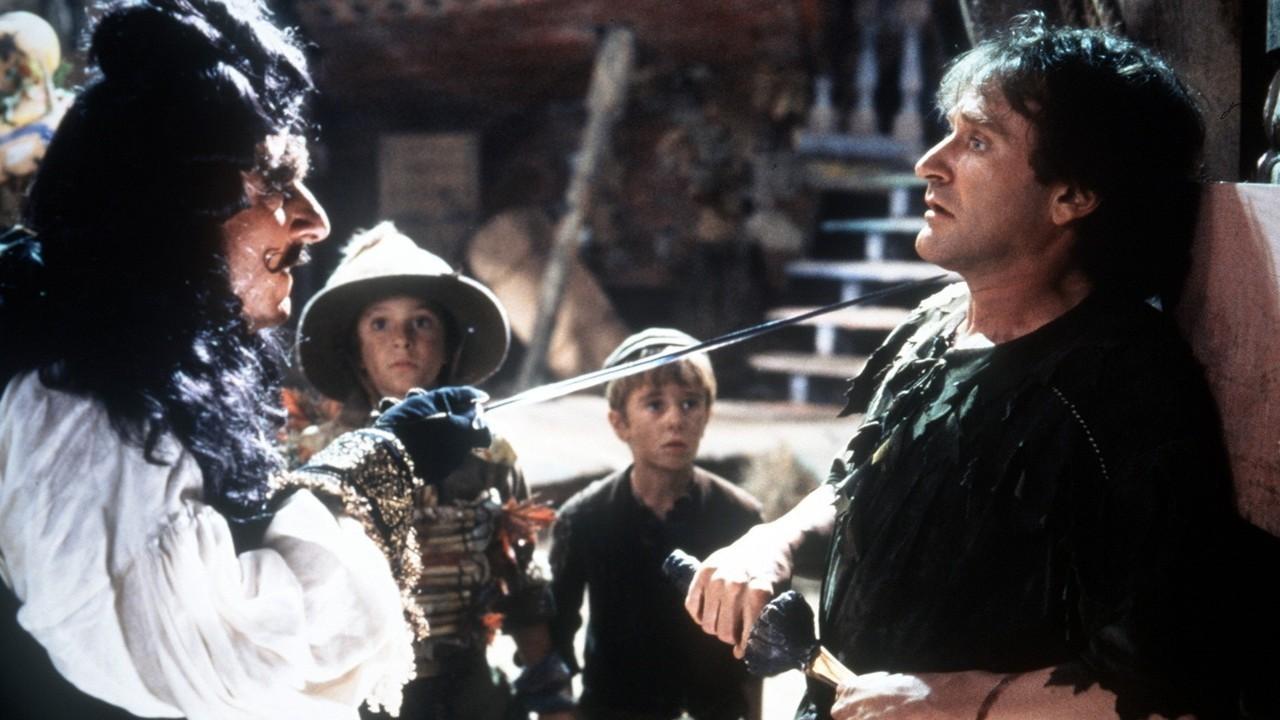
18. Hook (1991)
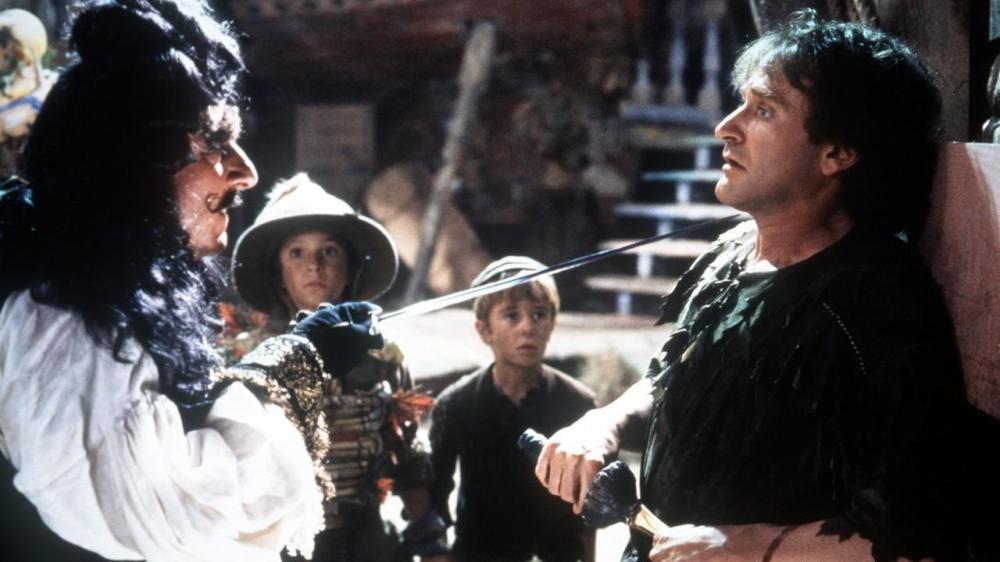
Hook (1991, Columbia)

The mark of a great director is making something that seems illogical, that shouldn’t be able to work, work. This is his best example ih that regard.

17. Minority Report (2002)

Minority Report (2002, DreamWorks)

If Robopocalypse, or something like it, ever comes to fruition it would complete a Dark Future Trilogy for Spielberg, which may seem antithetical to his ethos but something he said he’s not averse to when discussing A.I.

16. Munich (2005)
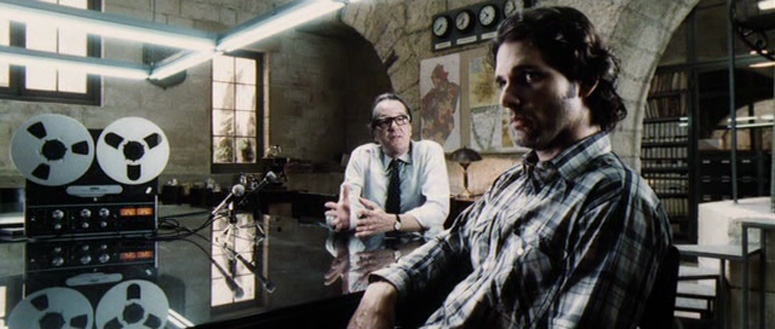
Munich (2005, DreamWorks)

I welcome departures from directors. Spielberg is perhaps more underrated in terms of his diversity than any other director. His hits and classics have commonalities to them such that it makes people think he repeats himself constantly. These two selections shake that notion massively. Munich is a dark film, where there can be no happy endings. It’s a chillingly rendered tale of an ugly incident in history that cannot be buried.

15. Lincoln (2012)
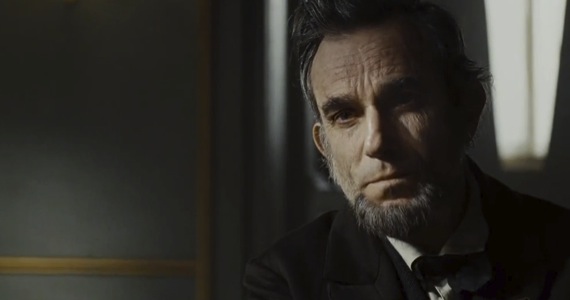
Lincoln (2012, DreamWorks)

Lincoln almost isn’t a Spielberg film, it plays with such classical restraint and removal that it’s almost anti-auteurish, but it’s still very engaging and convincing.

14. War of the Worlds (2005)
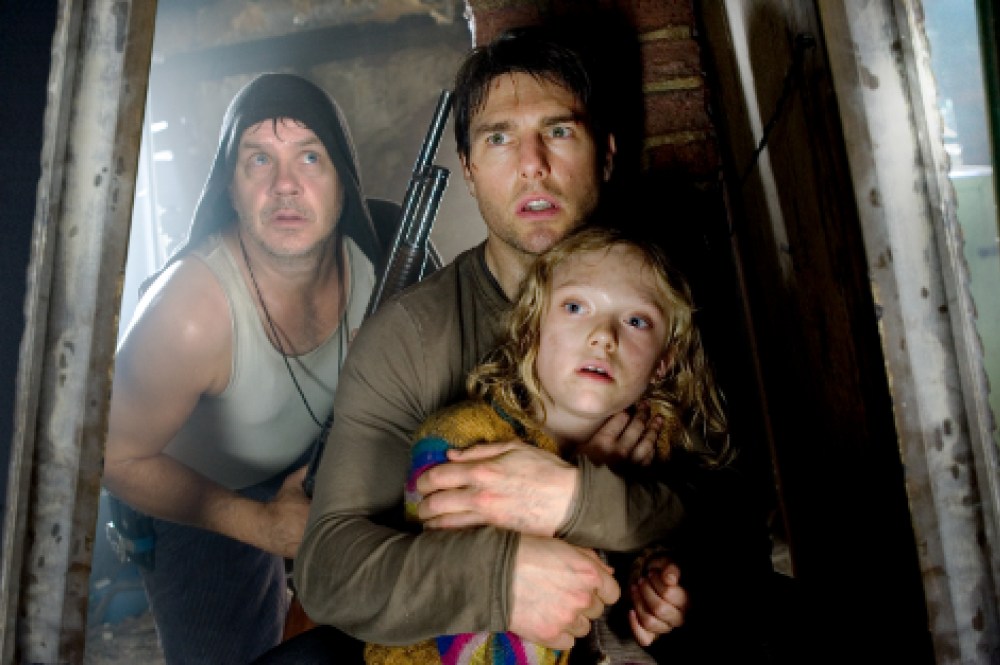
War of the Worlds (2005, Paramount)

I think this film might get overlooked in part because it stuck close to the source material, but also because it’s the kind of film Spielberg “should” take on. However, when you consider how often he’s made aliens benevolent a surviving an alien apocalypse tale is a little different for him. That and it’s another rather imperfect family.

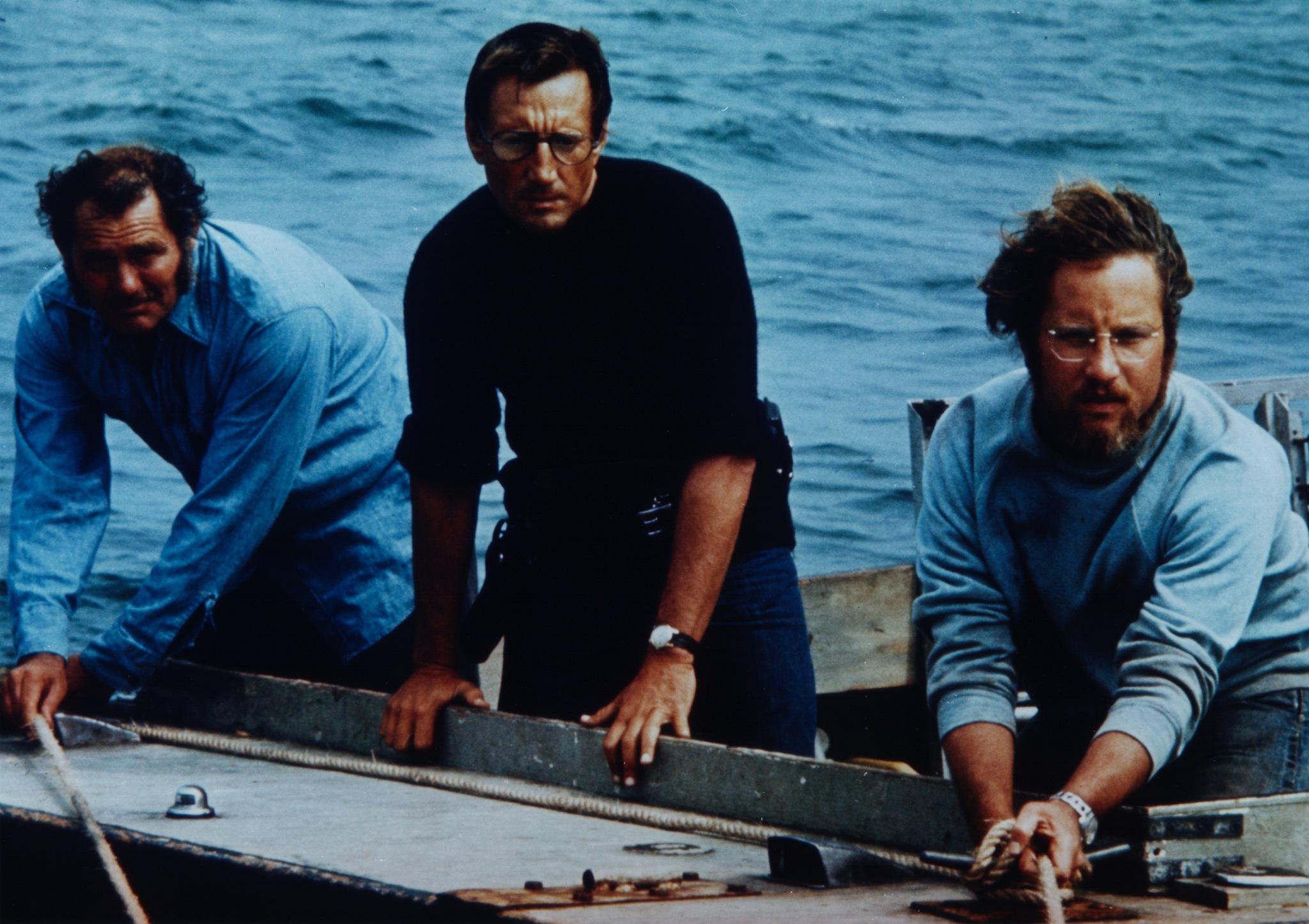
13. Jaws (1975)
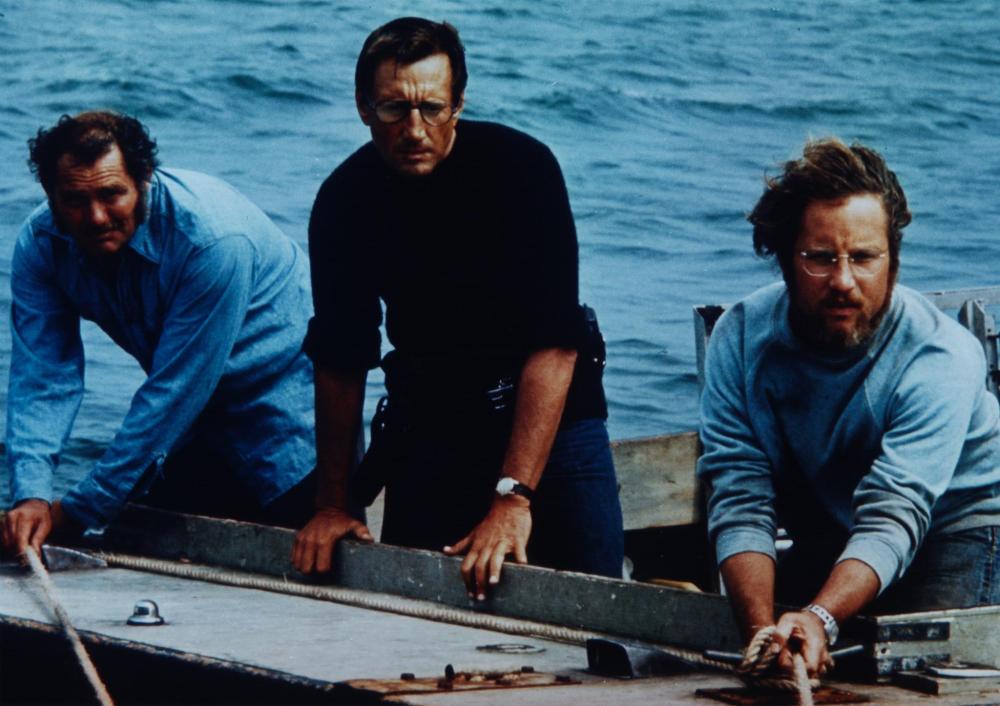
Jaws (1975, Universal)

Here’s where rankings can get you in trouble. Jaws is great. I have nothing I can say against it, except the intangible “I like other works in Spielberg’s canon a lot better.” I have and can see Jaws many times over. It’s just a matter of preference when you start slotting them.

12. Raiders of the Lost Ark (1981)
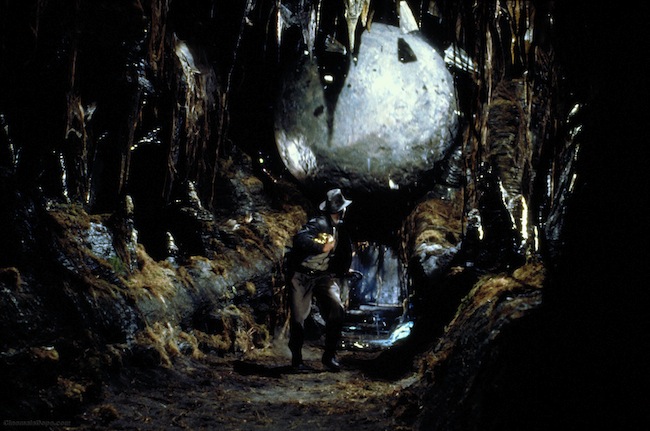
Raiders of the Lost Ark (1981, Paramount)

Yes, the Indiana Jones and the was later tacked on. Spielberg and Lucas have combined perfectly three times in this series. They take a serialized approach to a feature and update classic tropes very well and memorably.

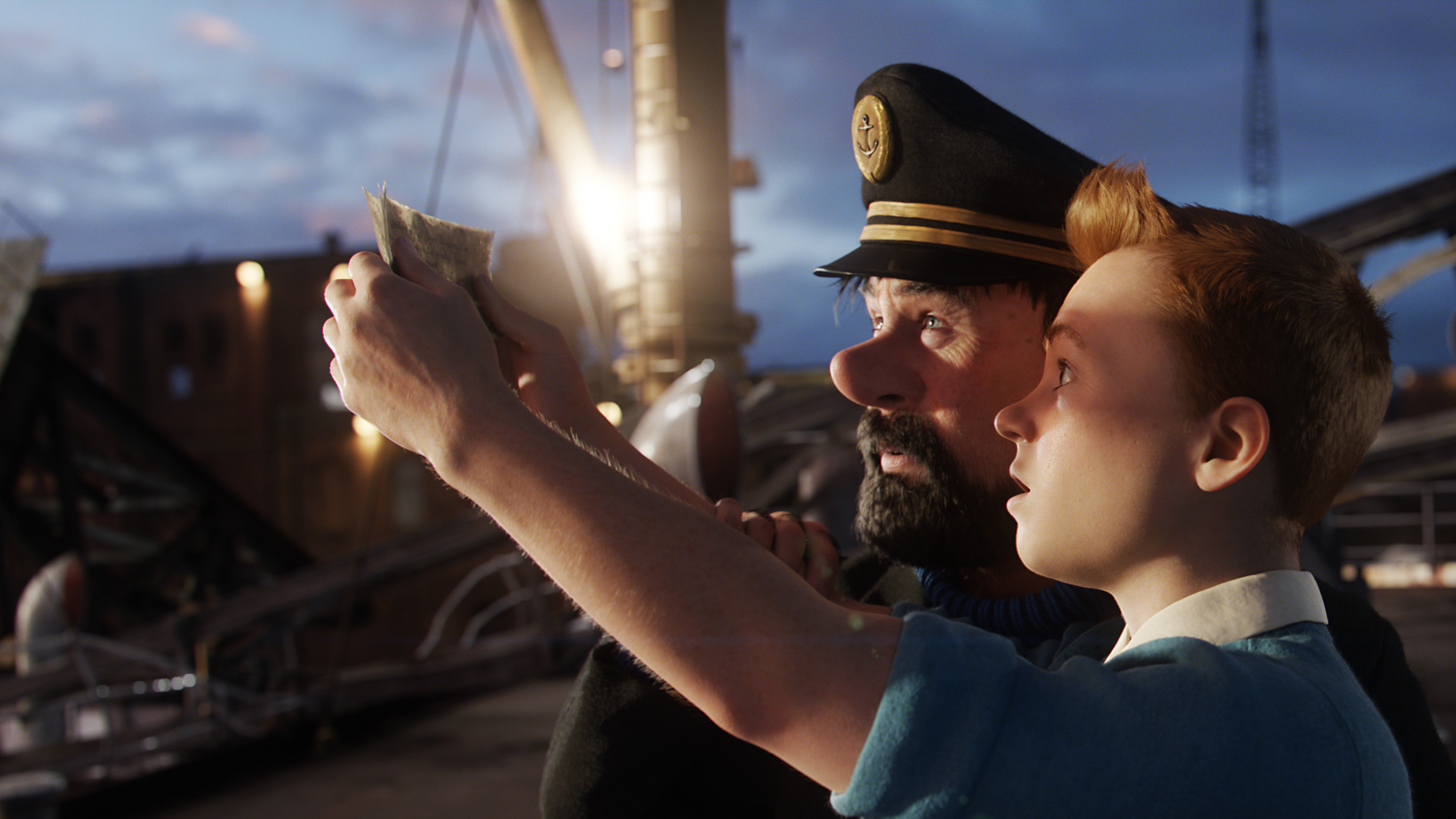
11. The Adventures of Tintin (2011)
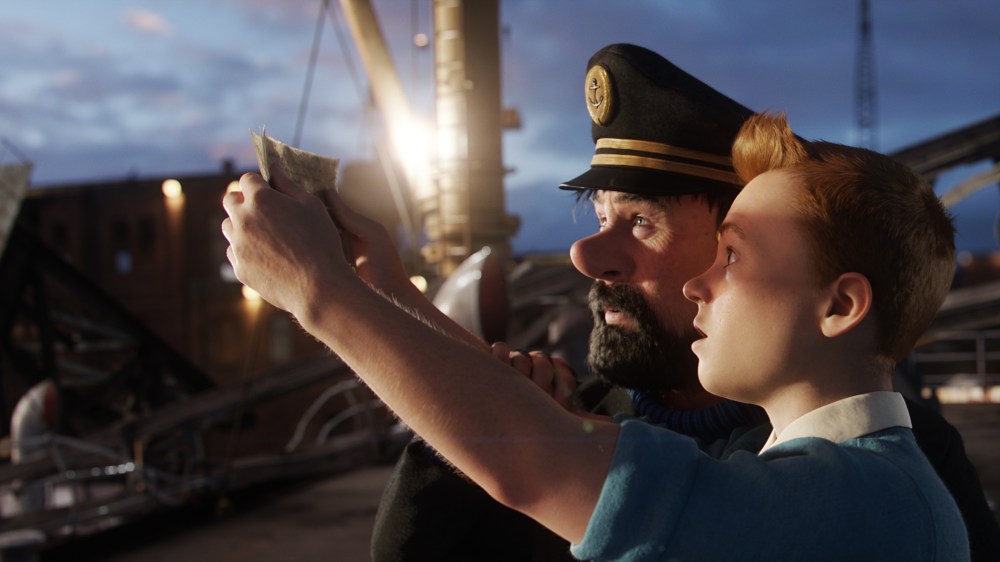
The Adventures of Tintin (2011, Columbia/Paramount)

When Spielberg is at his best he combines technological innovation with great stories. Although I fell under the spell of seeing motion capture for the first time in The Polar Express, it was imperfectly ahead of his time and didn’t make a jump toward verisimilitude until this film. It’s a very viable tool other animation properties should and could use. Not only that it’s a great take and a global re-introduction of a beloved character. Not many directors go from live action to animation or vice versa, this is a seamless jump.

10. Indiana Jones and the Last Crusade (1989)
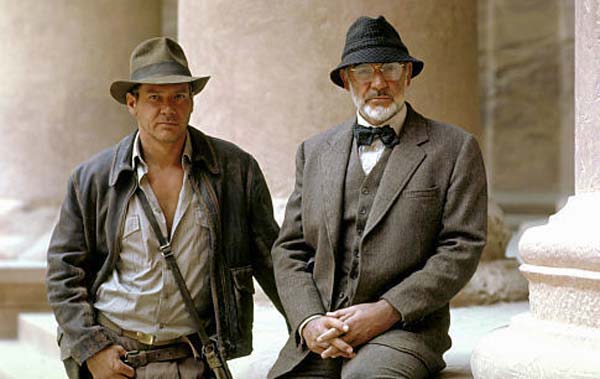
Indiana Jones and the Last Crusade (1989, Paramount)

I am a fan of the Indiana Jones series, albeit a Johnny Comelately to it, and this is my favorite one. More explanation can be found in the link above.

9. Duel (1971)
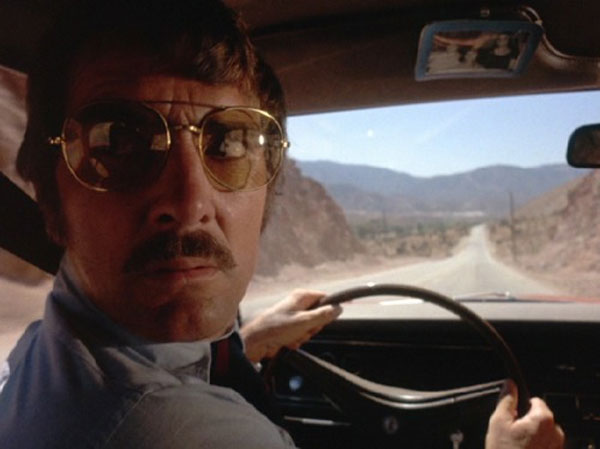
Duel (1971, Universal TV)

If there was ever a made-for-TV movie that prove that it’s a meaningless distinction, it’s this one. I have to remind myself it is one. Only once in a hundred times when I think about this movie do I recall that. It’s taut, brilliantly suspenseful and relatably frightening.

8. War Horse (2011)

War Horse (2011, DreamWorks)

War Horse is one I need to revisit, but this one vaults up the list due to improbability. Spielberg is one of the directors I go out and see regardless, however, I didn’t expect much here. I was anxious for Tintin, but this one shook up my whole best of the year list. Very surprisingly emotional and engaging.

7. The Color Purple (1985)
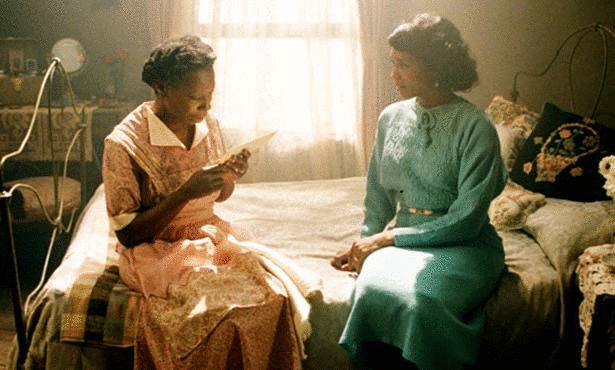
The Color Purple (1985, Warner Bros.)

One of the most embarrassing moments in Oscar history is perhaps the fact that this film is the biggest oh-fer, garnering eleven nominations and no wins. Spielberg created some controversy by even taking this film on. I think the end result proved he could do it and paved the way for his more mature dramatic works later on.

6. Empire of the Sun (1987)
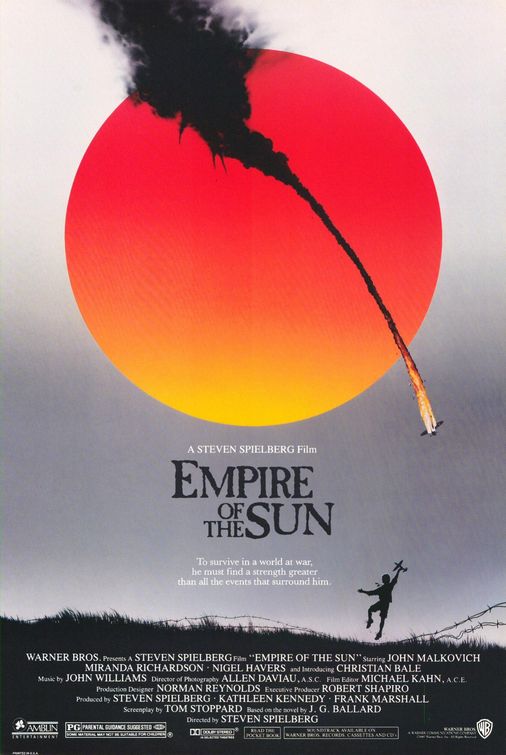
Empire of the Sun (Warner Bros.)

I saw this in 2002 just after having taken my Spielberg course. I hadn’t really heard of it ’til then. It was referenced as Spielberg’s “most European film” by my professor and one that I began anticipating in A.I.-like fashion, which should’ve set me up for disappointment, but didn’t. It’s dense and takes some wading but when you get there it’s special. Not to mention there’s a brilliant performance by a young Christian Bale.

5. Schindler’s List (1993)
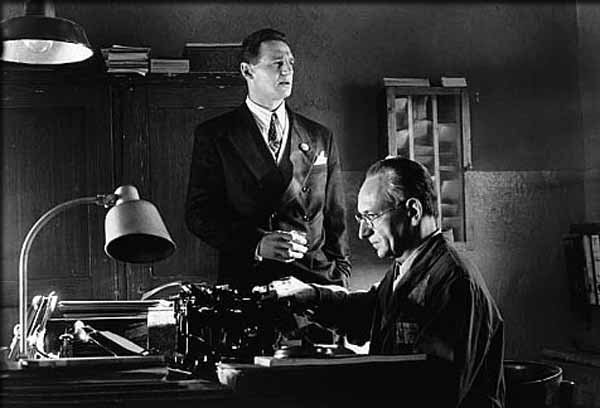
Schindler's List (1993, Universal)

The next two films are ones that I really admire, have great affection for, but am leery to revisit because they are taxing experiences. However, they’re important and I hope their legacy continues through oncoming generations. A while ago, I recall I saw a kid picking up Schindler’s List at a video store and it was heartwarming, as I saw a burgeoning cineaste.

4. Saving Private Ryan (1998)
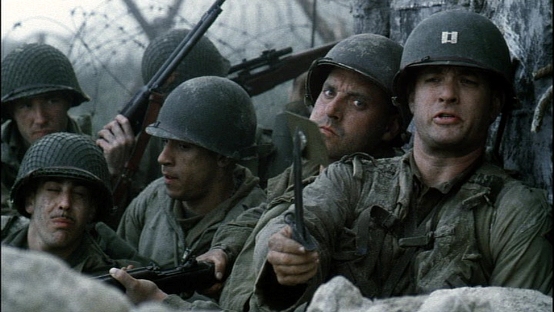
Saving Private Ryan (1998, DreamWorks)

It took me a while to see this one. The tale of saving the last surviving brother is the MacGuffin, a very Spielbergian one. However, the reaction I had to this film, though very different than many of his works, was one of the strongest I had. It was a new aesthetic for him and in many ways a revolutionary work.

3. E.T.: The Extra-Terrestrial (1982)
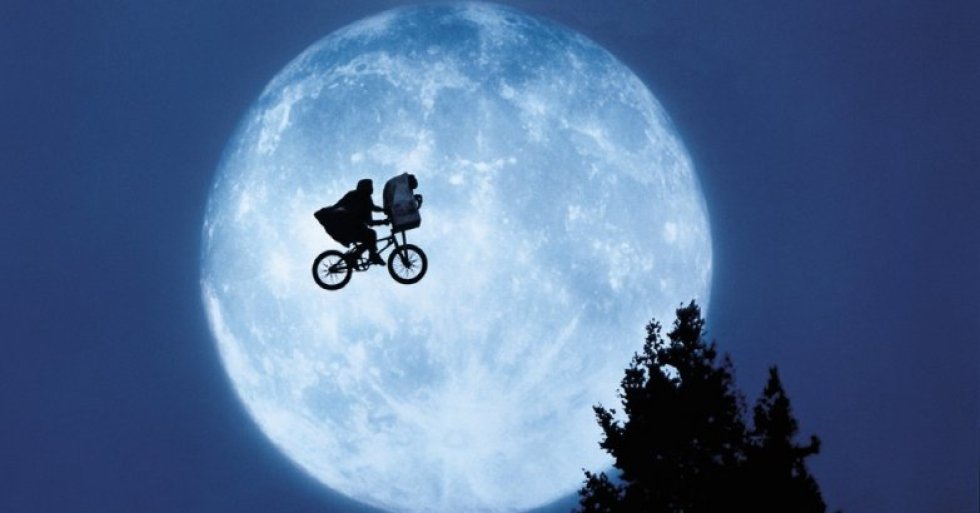
E.T.: The Extra-Terrestrial (1982)

Nearly any child of the 80s grew up on Spielberg films. I will be doing a focus on Disney, which I surmise that unless you saw re-releases and VHS tapes you weren’t getting the golden age of that studio. However, if you grew up in the 80s, regardless of who you were, odds are every few years Spielberg changed your life. E.T. is an imaginary friend come true, it’s not necessarily always an alien, but many of us were Elliot, which is what makes it resonate.

2. Jurassic Park (1993)

Jurassic Park (1993, Universal)

Suffice it to say that upon its release, when I was still quite young, this was probably the most amazing theatrical experience I’d ever encountered. I’ve found myriad great films since then but this one has not lost its luster in the slightest. When I first saw it, this was the greatest film of my lifetime. It was the dream of every dinorsaur-loving child brought to life for better and for worse.

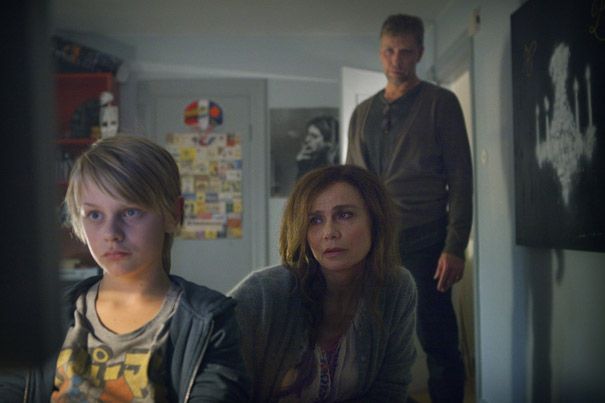
1. Artificial Intelligence: A.I. (2001)
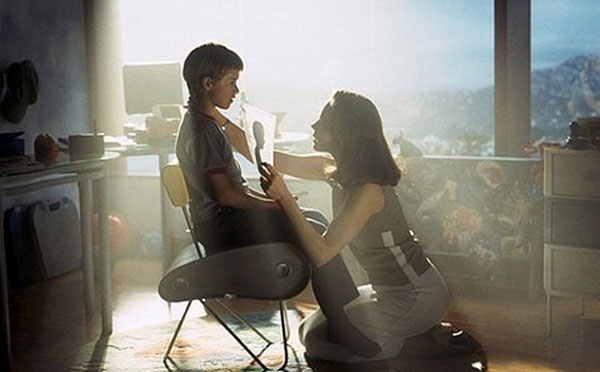
Artificial Intelligence: A.I. (2001, DreamWorks)

I’ve already written a tome about this film, which I have posted on this site in installments. Making a new or different case for it would be nearly pointless.

The Problems of Limiting Foreign Film Submissions (Part 2 of 2)

Similar to the first installment of this piece there was one nation where I got a more rounded, abundant reaction. However, I still didn’t have near the sample size as I did with Brazil. Therefore, I wanted to test the waters and get samples from around the world about the foreign film submissions from my Twitter friends’ respective countries. Even with fewer reactions, and fewer characters with which to glean and convey information, I still got some interesting insights that furthers my hypothesis that limiting a nation to one film submission to the Oscars for consideration can cause issues. Some of these reactions point to aforementioned stumbling blocks, some are new. As is the case with Brazil’s selection, I have not had the chance to see the films that have been submitted on behalf of the nations listed below. I will attempt to see as many of them as I can. Also, I realize that some of these opinions may venture into more perception than reality, but that’s kind of the point. There is a threshold where perception becomes reality and behind every cynicism is some truth, so these opinions do highlight flaws in the system.

Sweden

Sweden’s is a case I alluded to in my prior commentary and review about Simon and the Oaks, so I was glad to get the kind of feedback I did there. Sweden’s official selection is The Hypnotist by Lasse Hallström. The general reaction I got from the handful of people who ended up commenting was that it was a weak choice. In fact, the notion I had in mind when formulating the “reputation of the director” question was echoed here. What prompted me to write that question was the conventional wisdom of ‘Oh, well, so-and-so directed it so it has to be selected.” The reactions to the the film itself were mixed to negative, as was the perception of its choice, and chances of making a dent on the nominees list. I also saw in this selection a reflection of a common theme with a award shows in the US, wherein the film was submitted to the Academy but hadn’t premiered, which is not dissimilar from press screenings of late-December releases that are up for awards before a vast majority of moviegoers have gotten a chance to see it. If these comments are any indication, I wouldn’t be surprised to see either Brazil or Sweden missing out on the shortlist. More tellingly they seem to play out scenarios and ill-feelings that would be alleviated by additional selections.

Canada

Canada, and the next section, are in this list for a few reasons. So far as Canada goes, I have a lot of Twitter contacts there, and it’s important to note that none I asked had seen War Witch at the time I asked. Quite a few heard of it and wanted to, some went on to learn of its fairly impressive festival run to date. So again you have, at least based on a small sampling, an underseen film, which would benefit from Oscar attention. I don’t necessarily think that it represents a language barrier (That is, however, a selection concern for many nations where multiple languages and/or dialects are spoken), as the film was only playing in Vancouver when I asked.

Chile

The difference between the answers I got from two contacts in Chile and the myriad I have in Canada is that the Chileans were both well aware of No, it has been well-received and they intended on seeing it.

France

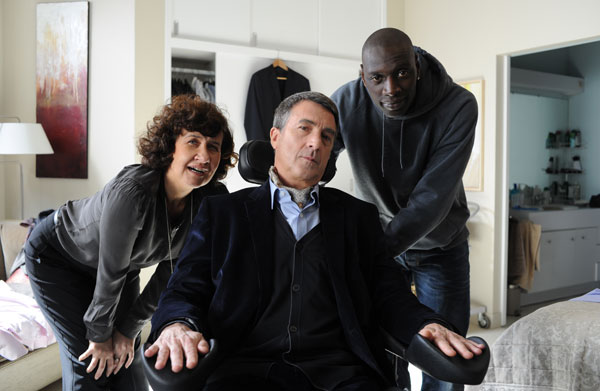
When asking a contact in France I got very interesting and honest feedback regarding The Intouchables, which I missed over the summer. He believed it a worthy selection for many reasons, but also added that it was “the most Weinsteinable,” which, of course, refers to the Weinstein Company who are not only Award forces but purveyors of ‘gateway’ foreign film selections.

Conclusion

Lastly, I asked a huge foreign film watcher my question. The answer was qualified by not having seen sufficient titles from any country to make definitive statements, but he did cite both France and Denmark as countries that had stronger films in his estimation that could’ve been submitted. In the end, the point of this exercise is not to definitively approve or condemn a film selection. It has been to gather information from those who have seen said film(s) and are familiar with the machinations of their nation’s film industry. In doing so I hoped and think I have illustrated that there are issues with the system at current that would be alleviated by allowing for additional submissions. If you were to introvert the Oscar screening process, that is to say, were I to only stick to Oscar nominees I never would’ve discovered Le Grand chemin, and if it wasn’t self-evident by now, my personal awards (The BAM Awards) do not have a limiter. However, as I’ve stated with many synonyms this plan is an interesting academic exercise, somewhat impractical, and unlikely to be implemented in any way shape or form. Therefore, what can we take from all this? If nothing else, it’s that whether there’s a cinema that we’re close to personally, either through relations or by aesthetic appreciation, we should try to get to know it more fully. Rather than just debating and griping about the film it submits to the Oscars, have another immediately in mind, or better yet know and appreciate that cinema well enough to not care what the submission is, but just think of that as a bonus. Should the country you call home, home away from home, or whose films you enjoy gets nominated; that’s great. If it does not, you can still watch all its other great films.

Short Film Saturday- The Writer

This is a short film that was created for a contest Quentin Tarantino ran as part of a promotion for his upcoming Django Unchained. Below you will find the winning entry by Brazilian student filmmaker Edson Oda. Oda, per reports, is heading to USC for his masters.

Here is Oda’s Vimeo blurb:

This is a short film a created for the Quentin Tarantino’s Emerging Artist Contest to promote the film Django Unchained.

“The Writer” tells the story of Pedro, a young cowboy who defies the writer of the short film (me). I used the footage of the film “Day of Anger” and changed the dialogues in order to create this comic book world ruled by the sacred script.

It is a really fun, insightful and creative short. I hope this film is allowed an Academy Award qualifying festival because it’s certainly deserving. I do recommend you watch fullscreen to not miss any of the text.

Enjoy!

The Writer from Edson Oda on Vimeo.

84th Annual Academy Awards

Before We Even begin

Here are the pertinent links you’ll need as a frame of reference for my thought-process as the evening progresses.

In a vacuum my thoughts on what the nominees should’ve been based on what I saw can be found in the BAM Award Nominees. The pertinent winners can be found in these three posts (Acting, Crew and Film).

For a slightly less competitive slant on the year in film you can check out my Top 25 of 2011 (#25-21, #20-16, #15-11 and #10-1).

For what I want to happen and what I think will happen in most categories tonight go here.

You’ll note I didn’t comment on the short films as I was ill-informed at the time. I have since seen them my thoughts on the live action shorts and animated shorts are now available.

I’ll likely only know at the end of the night how well or how poorly I did in regards to prognosticating but you can follow the post here or tweet me during the show and I’ll likely respond.

The Red Carpet

I always complain about E!’s coverage yet what am I watching before I leave for the party. Yeah…

What’s written under that piece of paper with the Canadian flag on it? Press ID or what?

These Oscars will at least be more engaging because of the sizable screen I am seeing them on.

If not for the little skirt thing Michelle Williams’s dress would be perfect.

George Clooney is the only current star who looks like he fell out of the Golden Age. Everyone else is slightly awkward in a tux.

Milla Jovovich is now in the pole position for best dressed.

Maybe Penelopé Cruz now. Pretty amazing look.

The Ceremony

Billy Crystal still has it. Amazing opening. Wow.

They have to get Tom Hanks.

Robert Richardson wins for Hugo! Amazing! My favorites are 1-1.

Switching up the announcements this year.

Hugo again yes! Called set design on both counts I think.

Where’s this band coming from?

The Artist takes costume design. Is the start of the dominance?

Melanie Griffith and Antonio Banderas sighting. Good to see them. For all my E! complaining they do seem to be less myopic.

It’ll be hard to top the speech by A Separation.

Octavia Spencer wins for The Help. Well done. Great work. First standing ovation of the show.

This band in the boxes is the consistent bad idea in this show.

The Girl with the Dragon Tattoo wins editing. Funniest awkward acceptance.

Hugo gets sound editing. That’s three.

Another editing/mixing sweep. Hugo is up to four wins.

Not a surprise considering the attendance numbers that the Oscars are focusing on celebrating moviegoing this year.

Undefeated I’ve heard about and want to see. Memorable speech for an audio dump and the first playoff of the next.

Rango best animated feature.

Hugo in somewhat of an upset, which pleases me. Five now.

Christopher Plummer with a much deserved win and standing ovation. Great moment.

Thankfully the president’s speech was short and followed by one of the best jokes of the night.

In all seriousness what is the rule about using non-original music in scores. Loved The Artist and its original music but it did use a lot of Vertigo.

Well, my gamble in a competition fell through. Not surprised Muppets won. There were better songs in Rio than the nominee.

The first wow of the night. Woody Allen won it. I was taken aback. Amazing and awesome.

Surprising but pleasant live action winners. Political speeches abound. Great speech from animation winners.

Should’ve charged my phone the whole way. Blogging by phone is draining may power down before the end of the show.

So You Wanna Win Best Foreign Language Film?

Gaspard Mannesse and Raphael Fejtö in Au Revoir les enfants (Orion)

To be clear this article is not meant in any way shape or form to disparage the Academy. This list is aimed at the film enthusiast who may, as I used to, get a bit too worked up about who won or lost. Granted you will link your opinion to a sense of justice, however, it bears keeping in mind that below are over 30 films all of whom were nominated for Best Foreign Language Film but did not win all of whom have a legacy stronger than most winners of the award. Ultimately, time, the public and critical re-appraisal are what determine the films that last, awards, while nice, are in the moment comparatively speaking. The Oscars are a great show and if something or someone you like wins its even better but if not its not the end of the world. The list below is evidence of that.

1. Umbrellas of Cherbourg
2. Kapò
3. Marriage Italian Style
4. Kwaidan
5. Stolen Kisses
6. Lacombe, Lucien
7. Cousin Cousine
8. Jacob the Liar
9. That Obscure Object of Desire
10. Kagemusha
11. The Last Metro
12. Das Boot
13. Colonel Redl
14. Au Revoir Les Enfants
15. Pathfinder
16. Farewell My Concubine
17. The Scent of Green Papaya
18. The Wedding Banquet
19. Eat Drink Man Woman
20. O Quatrilho
21. Secrets of the Heart
22. Four Days in September
23. The Thief
24. Central Station
25. Children of Heaven
26. Amores Perros
27. Lagaan
28. Amélie
29. Evil
30. The Chorus
31. Downfall
32. Pan’s Labyrinth
33. After the Wedding
34. The White Ribbon
35. Incendies

So You Wanna Win Best Picture?

E.T.: The Extra-Terrestrial (Amblin)

To be clear this article is not meant in any way, shape or form to disparage the Academy. This list is aimed at the film enthusiast who may, as I used to, get a bit too worked up about who won or lost. Granted you will link your opinion to a sense of justice, however, it bears keeping in mind that below are 25 films all were nominated for Best Picture, did not win but all have a legacy stronger than most winners of the award. Ultimately, time, the public and critical re-appraisal are what determine the films that last, awards, while nice, are in the moment comparatively speaking. The Oscars are a great show and if something or someone you like wins it’s even better but if not it’s not the end of the world. The list below is evidence of that.

Films That Didn’t Win Best Picture

1. Citizen Kane
2. E.T.: The Extra-Terrestrial
3. King Kong
4. The Wizard of Oz
5. The Color Purple
6. The Sixth Sense
7. The Maltese Falcon
8. Apocalypse Now
9. Raging Bull
10. Star Wars
11. JFK
12. A Few Good Men
13. Pulp Fiction
14. As Good As It Gets
15. Double Indemnity
16. It’s a Wonderful Life
17. High Noon
18. Miracle on 34th Street
19. The Ten Commandments
20. Dr. Strangelove
21. The Graduate
22. The Exorcist
23. Chinatown
24. Jaws
25. Taxi Driver

For the Return of the Juvenile Award

This can be considered a general call to attention for several entities. Firstly, to the Academy of Motion Picture Arts and Sciences, you will be asked in the course of this article to un-retire an award. Now several categories have been scratched from the list of Oscars handed out annually many of them with reason. For example, there used to be separate color and black & white cinematography awards. This was logical because there is an inherent and obvious difference in shooting black & white versus color. It was also logical because for many years there was a fair split between films shooting in either medium. Now the question “Color or black and white?” is hardly asked and the award no longer is qualified.

That is an example of an award that has been retired and should be. An award that should be un-retired and become a staple is the Juvenile Award. The Juvenile Award was presented 10 times between 1935 and 1960. It was a category where there were never nominees but on occasion the academy would feel a performer was worthy of honoring.

Now the nomenclature is a little dated and if the Academy were willing to update the name that’d be fine. The fact of the matter is that due to the outstanding and consistent achievement by young performers year after year there should be a category to recognize these achievements. We’ve reached a point where the occasional young nominee as an honoree and as a pseudo-stunt is old.

This will allow proper credit to be bestowed upon young talent and thus Keisha Castle-Hughes would have her statuette and so would Haley Joel Osment and he would’ve been nominated appropriately as a lead amongst the youths anyway.

There is precedent for honorary statuettes becoming standardized categories, for example, honorary awards were bestowed upon foreign releases before the creation of a fully-nominated category in 1957.

The second intended audience for this piece is the studios and distributors who are sitting on Oscar-winning performances which are pieces of history that are unknown to the public.

Typically, the Juvenile Award was cited for the actor’s body of work as the best of his age group in Hollywood during the given year. However, examining filmographies one can easily see the specific projects that garnered the honor.

Juvenile Awards were Awarded to:
     

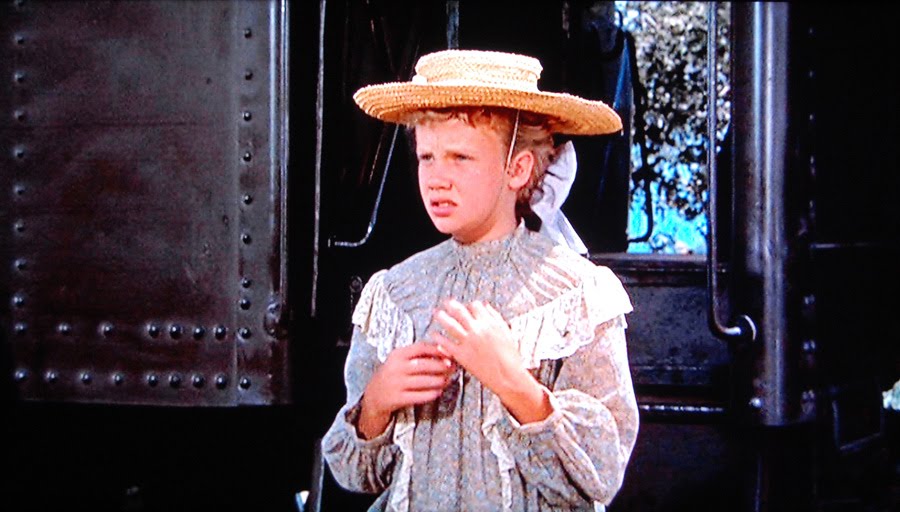
Hayley Mills

Hayley Mills in Pollyanna (Disney)

“For Most outstanding juvenile performance during 1960.”

Pollyanna is a Disney classic title and readily available.

Vincent Winter and Jon Whiteley

Jon Whietely and Vincent Winter in The Little Kidnappers (United Artists)

For his outstanding performance in The Little Kidnappers.

This title seems to be out of print and it shouldn’t be it’s a shared award for one film, which is rare. I had also never heard of this film or these last two winners until I was updating this post so I’m glad I did.

Bobby Driscoll

Ruth Roman, Bobby Driscoll and Paul Stewart in The Window (RKO)

“For the outstanding juvenile actor of 1949.” 

This was mostly for the The Window, a film noir where Driscoll plays a modern incarnation of “The Boy Who Cried Wolf.” So Dear to My Heart, a Disney film, went wide in January of that year but premiered in 1948. It is typically drama that’ll have influence on such an award and The Window is available from The Warner Archive Collection but streams on Amazon.

Ivan Jandl

Ivan Jandl

“For the outstanding juvenile performance of 1948 in The Search .”

This film is available from Warner Archive. It’s the tale of an American soldier helping a Czech boy find his mother.

Claude Jarman, Jr.

Claude Jarman, Jr. in The Yearling (MGM)

“For the outstanding child actor of 1946.”

This award is truly for The Yearling which was Jarman’s debut. It is still readily available on DVD and is well worth seeing. Be sure to have Kleenex on hand for this tear-jerker.

Peggy Ann Garner

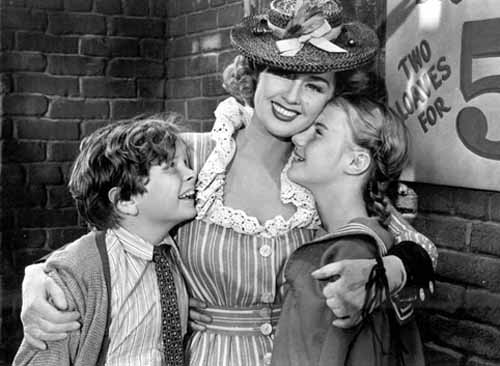
Ted Donaldson, Joan Blondell and Peggy Ann Garner in A Tree Grows in Brooklyn (20th Century Fox)

“For the outstanding child actress of 1945.”

While her notable performances from 1944 (Jane Eyre and Keys to the Kingdom) are available and her most famous 1945 role (A Tree Grows in Brooklyn) the other two parts in 1945 that earned her a general citation for excellence (Nob Hill and Junior Miss) are out of print.

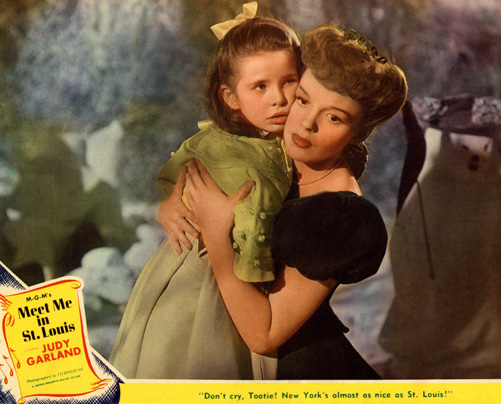
Margaret O’Brien

“For outstanding child actress of 1944.”

O’Brien earned her award for four performances. Only Meet Me in St. Louis is on DVD. The Canterville Ghost is on VHS, if you like that sort of thing.  
 
 
Judy Garland 
  

Judy Garland in The Wizard of Oz (MGM)


“For her outstanding performance as a screen juvenile during the past year [1939].”

Judy Garland’s performances in both Babes in Arms and The Wizard of Oz which won her the award in 1940 are both readily available. The first is part of a Rooney-Garland Box Set released by Warner Brothers Home Video.

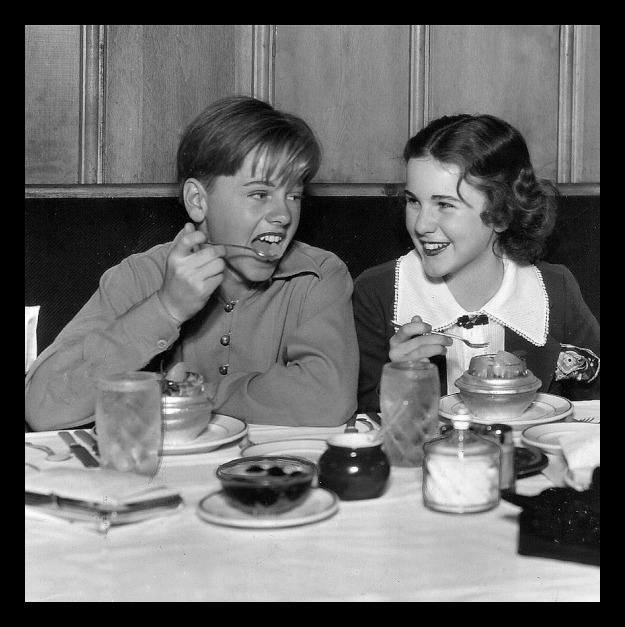
 Mickey Rooney and Deanna Durbin

MGM

“For their (Durbin/Rooney) significant contribution in bringing to the screen the spirit and personification of youth, and as juvenile players setting a high standard of ability and achievement.”

Rooney’s Andy Hardy films are still readily available.

Shirley Temple

Shirley Temple

“In grateful recognition of her outstanding contribution to screen entertainment during the year 1934.”

Most of Shirley Temple’s filmography is still readily available.

Any gaps in the availability of a performance in the history of this unique and short-lived award should be rectified. Likewise, the award should return. The Academy can name the award after Ms. Temple if they like and honor young actors every year.

For even missing from this list are the likes of Freddie Bartholomew, Jackie Cooper, Roddy MacDowell, Dean Stockwell, Elizabeth Taylor, Patty McCormack, Anne Rutherford, Debbie Reynolds and more, so even in an era when the award existed not everyone worthy won the award. Not that trophies need to be handed out in hindsight or to those who have left us but the award should definitely make its presence known again both on video and in the ceremony.

Oscar Nominated Live Action Shorts

In recent years there have been nationwide screenings of the Oscar-nominated short films, which is a great thing for many reasons: clearly it promotes the filmmakers but also as a filmmaker and Oscar spectator you’d like to have an informed opinion based on more than just the title and/or the snippet shown, which I have operated under many times.

Clearly seeing only a few seconds of each film as opposed to each in their entirety can skew your perspective. It’s rather enjoyable to discover these films and artists and while I don’t feel this year’s field is as strong as last year’s there are some very good contenders all the same.

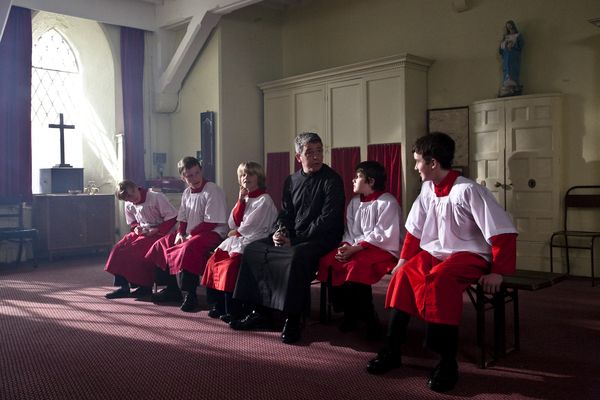
Pentecost

Pentecost (Irish Film Board)

Is a hilarious film from Ireland, which at my screening got the only round of applause upon its completion. It tells the tale of an altar server’s chance at redemption at a big service. It plays like a sports film at times and all its laughs are good natured ones.

Raju

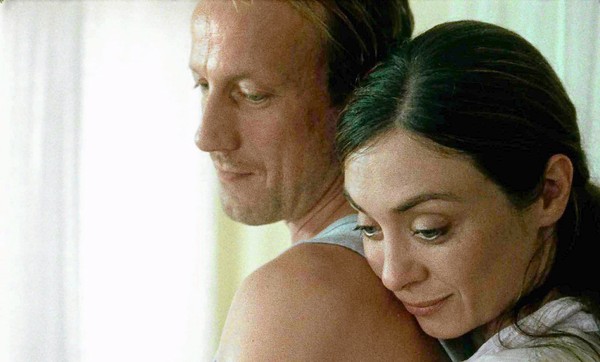
Wotan Wilke Mohring and Julia Richter in Raju (Interfilm Berlin)

A tale of the complications a German couple encounters in trying to adopt a child in India. The intentions of the tale and message are fine but there are a few narrative stumbles and predictable moments that hold the film back from maximizing its potential.

The Shore

Ciarán Hinds in The Shore (Screen Northern Ireland)

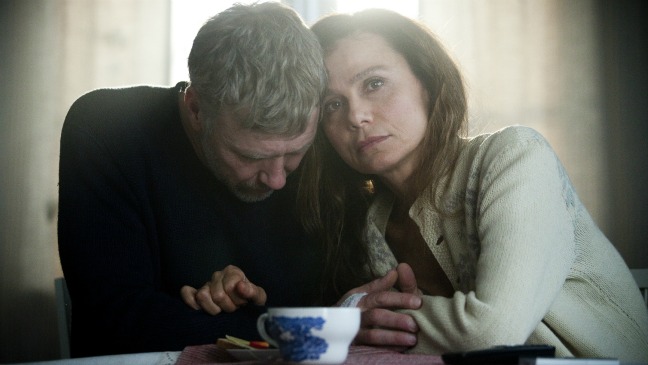
This film from Northern Ireland features not only the only star turn (Ciáran Hinds) in this year’s nominees but perhaps the simplest through-line. A great film about forgiveness and friendship above all else.

Time Freak

Michael Nathanson in Time Freak

It seems the American entry is usually comedic (based on these two years I’ve seen- not much to go on but bear with me). There’s been a surreal or silly edge to both, however, God of Love (Last year’s winner) is a fully articulated thought and this while funny felt a bit more like an ambitious sketch. There’s talent and film craft at work but it wasn’t as narratively whole or as ambitious as other entrants.

Tuba Atlantic

Edvard Hægstad and Terje Ranes in Tuba Atlantic (Norwegian Film School)

In a short tonality matters greatly and is harder to establish for you have less time so your choices have to be that much more certain, your intentions that much clearer. Therefore when a short not only plays as comedic and dramatic it’s twice as impressive. The film also creates very well-defined and unique but not irrationally quirky characters. It touches on many of the themes that the other nominees do but handles each quickly and deftly and creates its world quickly and precisely. It’s full of surprises laughs and emotion and the most complete and fulfilling short I’ve seen since this time last year.

More information about these shorts can be found here. The Academy Awards are on Sunday, February 26th on ABC.

The Oscars Should Change Its Best Foreign Language Film Processes

Antonio Banderas and Elena Anaya in The Skin I Live In which is not Spain's entry therefore ineligible for the Oscars (Sony Pictures Classics)

The official submissions for Best Foreign Language Film are now in and the nominees, like those for all other categories, will be announced on January 24th, the shortlist will be announced today. The list of submitted films does immediately indicate some issues with the nomination process in this category that should be addressed.

The Process

This sections facts were clarified with the help of this Hollywood Reporter article.

Here’s how the system works:

Each nation through its national film board creates a list of contenders and then the constituency therein picks one film to submit for Best Foreign Language Film. Each country is allowed one submission, chosen by its film board. Sixty-three films have submitted this year. Some noticeable omissions this year include: Albania’s first pick, Joshua Marston’s Forgiveness, was disqualified because it didn’t have enough Albanians in key behind-the-scenes roles, which Marston calls “ridiculous.” Similar grounds were used to to knock out Angelina Jolie’s debut In the Land of Milk and Honey because it was so international no one country claimed it, however, those sort of casualties occur yearly and are a bit harder to legislate against but I will address them.

The Academy’s foreign-language selection committee, which consists of any Academy member prepared to sit through many a film, are divided into four color-coded groups, and each member must see at least 80% of the pictures in his/her group.

Few active members have the time this requires, which means older and retired members figure heavily among the voters, which can factor into the strategy of selecting a film the avant garde will stand less of a chance. Hence, Greece’s selection of Dogtooth last year and Hungary’s The Turin Horse stand out as bold selections for bravery.

Approximately 300 members vote, grading films on a scale from 7 to 10, and their scores are averaged, meaning if 10 people or 100 see a movie, it’s their average score that counts. There’s no weighting that takes into account that X film got many people to watch it.

The top six point-earners qualify for the shortlist.

The nine-title shortlist includes three additional films chosen by a 20-person Executive Committee led by producer Mark Johnson (The Chronicles of Narnia).

This additional provision was implemented in 2008 after the broader committee failed to select 2007 Cannes Palme d’Or winner 4 Months, 3 Weeks and 2 Days. The super-committee consists of such prominent figures as director Florian Henckel von Donnersmarck, cinematographer Janusz Kaminski and writer Michael Tolkin.

Once the nine films are named, they are screened during one weekend for 20 invited voters in Los Angeles and 10 in New York. Those voters comprise a few random Academy members and others specifically named by Johnson, who attempts to find a distinguished range of Academy veterans across all fields. They decide the five nominees, which are unveiled the same day as the other Oscar nominees, Jan. 24.

After the 5 nominees are named the vote is held as such: Any member can vote on the winner but must give proof that he or she has seen all five nominees, voters can only see the movies in a theater, not on DVD because as Johnson asserts “In a perfect world, nobody should be seeing movies on DVD.”

How it Should Be

The National Film Board Level

Some may look at this process (with one submission a nation) and say “Well, what’s wrong with that?” While it is egalitarian, it is exclusionary to some extent. Countries like France, Italy, Spain and India (and others) with large quantities of film production and a lot of good product to offer have to pick one, and only one film and with that one choice the submission could be more political. It can be based on who the filmmaker is, what the subject matter is, how appealing it might be to the American viewer, instead of what it should be based upon – the quality of the film.

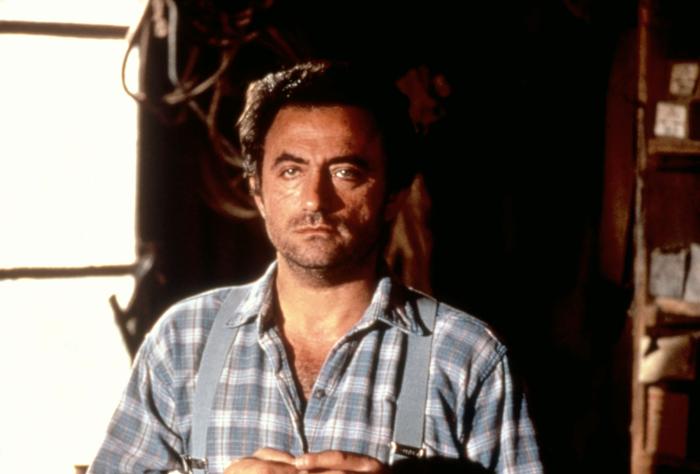
Aside from one film knocking out another contender from its own country like Au revoir les enfants being submitted in 1987 and Le grand chemin being overlooked, not that the former shouldn’t have been nominated but both should have, the problem with the current system is that there is not a true representation of what the Best Foreign Language Film is, it is the best from amongst the submitted films.

How does one go about solving this? There are a few ways. The Academy has juries, viewers and voters for all categories. What should happen is that this group should be expanded so that more films can be submitted.

The Expansion Plan: Submission Quotas

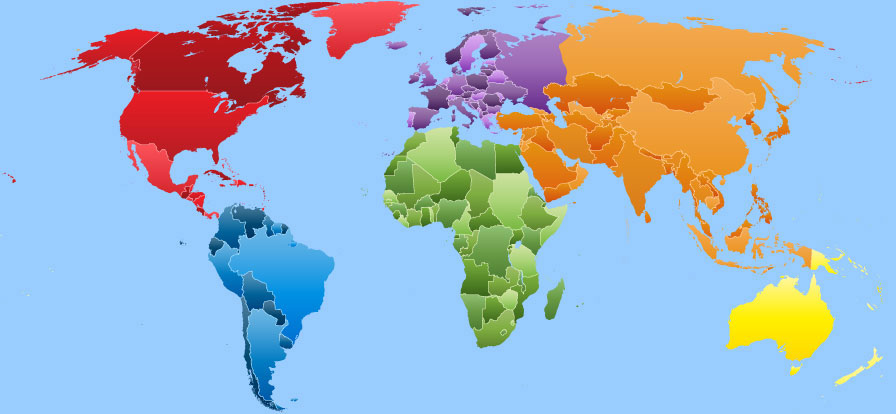
The Division of Continents would be Similar to FIFA's for the World Cup

Now should every film in the world be submitted? Of course not. However, to limit every filmmaking nation in the world to one is crazy. Think of this: Canada gets one submission, which basically means the best Quebecois film goes in because with a majority of Canadian films being shot in English they are ineligible, which is not to knock Quebecois filmmaking. Canada absolutely should get its submission but again you are saying a region of a nation and a prolific nation are on equal footing. They have the same number of submissions that France, the birthplace of cinema gets. So there definitely needs to be more allowable submissions when there are a handful of nations that have a strong field annually.

There are a few ways to go about expanding. Regardless of which plan is enacted the jury needs to be divided and watch the submissions of each continent. The cap of submissions should be five per nation at most. Now if the Academy wanted to control submissions for a while they could allocate submissions to nations based on the “strength” of the nation as a film producer. For example France, Italy, Spain, Sweden, etc., who have been nominated for and won several Academy Awards in this category would receive 5 submissions, and whatever nations were considered the next tier would get four and so on.

Therefore, you’d have a team who have to watch the submissions from each continent. This may seem like a ridiculous idea but one must consider that the deadline to submit your foreign language film consideration is approximately 3 months (late September/early October) ahead of the Oscar nominations. With enough dedicated Academy members all films, even with increased submissions, can be whittled down to a reasonable size (a top 10-20) for larger viewership and voting similar to how its constructed now.

Selection Process

Francesc Colomer in Black Bread (Massa d'Or Produccions) Spain's Official Selection not yet distributed in the US.

So that is how they could expand submissions. Now on to the selection process – firstly, it should expand to between five and ten films and be a preferential ballot like Best Picture (can be) lest the Academy be seen as jingoistic but the selection of nominees should be based on the scores of several viewers. The films receiving a score above a certain threshold (on a scale of 1 to 10 rather than 7 to 10) would move on. Then the remaining films would be seen by all members and the films with the ten, or five, highest scores would be the nominees. It could be similar to the Best Original Song in that way in as much as the films need to be of a certain quality to be considered. What shouldn’t happen is that the Academy feels the need to nominate one film from every continent. This system is meant to find the best films not to represent all regions as if it was the World Cup.

Conclusions

Making some countries pick just one film has always been and will always be wrong based on the quality and quantity they churn out and it should be addressed. Expanding submissions will also open up other categories since at current only submitted foreign films are eligible in other categories and ideally giving some nations multiple submissions would subvert the political machinations that might block a particular film or director from being considered for a nomination. Also, to be considered under a new mode of selection would be at a minimum the removal of the DVD restriction. Anyone with an appreciation for film knows that a theatrical viewing with ideal conditions is preferable, however, it is a bit more time-consuming and restrictive for a voter. I think what should matter is getting all the films in a given phase a viewing regardless of how that occurs.

Implementing any of these changes will be a boon to the Best Foreign Language Film category would be most important. Specifically, expanding the number of nominees many of these films are hardly viewed or get their only boost in the US after a nomination so why not expand?

Review- Rise of the Planet of the Apes

Andy Serkis as Caesar and James Fanco in Rise of the Planet of the Apes (20th Century Fox)

So here we are again it’s time for another prequel, however, unlike most that have come along since it became a popular trend this one is quite good and valid at the same time. However, this is not one where I’d suggest you watch the prequel first. Therefore, if you, like many of those I watched this film with apparently, have not seen the original Planet of the Apes please do so before venturing to see Rise of the Planet of the Apes. As good as it is and it is pretty good it will ruin the experience of the first film for you because it is a classic that is spoiled entirely by the conception of this film.

Having said that if one has the knowledge of what occurs in the first series of films it is fascinating to watch this film and see how the blanks get filled in and they’re not done so in a thoughtless haphazard way but rather intelligently and interestingly as well.

What is also good to see is that the scope of the film is not too large. It is a rather focused story that seeks to tell only the very beginning, the rise as it were. Therefore, it’s not too sweeping and that focusing of the narrative allows for a greater identification with the plight of the characters involved and for us to watch in close quarters the world-changing events that will take place.

This is the kind of plot that is intriguing and detailed enough such that it doesn’t really hinge on the performances of its cast. Film is a strange medium in as much as a well-crafted, well told story need not have the most powerful acting to succeed whereas in a play that’s next to impossible. A prime example would be James Franco’s character, he’s not given much in the way of a character and doesn’t add a tremendous amount to it either. Where he brings me into the story is in the moral/ethical dilemmas of the testing in the lab and the moments with his father, played by John Lithgow. His interaction in scenes opposite motion-capture creations are less compelling. Freida Pinto similarly just seems to be there as a plot device and of significance to the protagonist but not truly present in the tale. Tom Felton’s first post-Harry Potter performance is a bit inconsistent and uncomfortable sadly, though it is a perfectly despicable villain hearkening back to the beginning of Malfoy’s arc where he was more vile and less ambivalent.

Then, of course, there’s the performance all are talking about which is that of Andy Serkis as Caesar. Having seen Serkis recently in Sex & Drugs & Rock & Roll I was most impressed with his performance there. Here I was impressed by the combination of factors: how he in turn aided the CG artists to render a humanoid ape. I appreciate and admire the contribution he makes to this film and consider a success but any Oscar talk pre-Fall is always premature and for the time being any and all motion capture discussions of that nature are far-fetched.

As intimated prior the effects work is rather impressive throughout, however, as is the case in most films that use them so regularly some sequences are far stronger than others and the rendition is by no means perfect.

The climax of the film is truly great stuff and is the kind of sequence you head out to the movies for but don’t find nearly often enough. It’s a pretty huge and well-choreographed battle that the whole movie has been working towards.

While Rise of the Planet of the Apes does have a few failings it is a very solid piece of entertainment. Those who were, or still are, skeptical can rest easy: it’s a well done and worthy installment in the series.

8/10