Bernardo Villela is like a mallrat except at the movies. He is a writer, director, editor and film enthusiast who seeks to continue to explore and learn about cinema, chronicle the journey and share his findings.
So, first here come a couple of notes about the history of this category: again this category only started in the middle part of the last decade, as I began to become cognizant of all the facets of filmmaking. I cannot be certain there was an ’03 award as my records from that year have vanished and winners are being recalled. I am pretty confident there was and that in ’05 and ’06 my notes made it such that I couldn’t award a prize.
It will be awarded from here on out as all I have to do is have films to consider as all narrative films do qualify.
Art Direction is vitally important as it is the job of this department to interpret the director’s vision and aside from the camera department has the most control of the mise en scene, aside from the director.
This is a post siphoned-off from the Young Actors post to make for easier reading/browsing that also reflects the changes in the Youth Acting categories in recent years. In 2010 the sing category was split into two unisex categories (Lead and Supporting). In 2011 Lead and Supporting categories for both genders were created.
Here is another post siphoned-off from the catch-all Young Actors post, which was getting a bit cumbersome to read. The diversification of the categories started in 2010 when Lead and Supporting categories were split. They were unisex for that year then divided by gender in 2011.
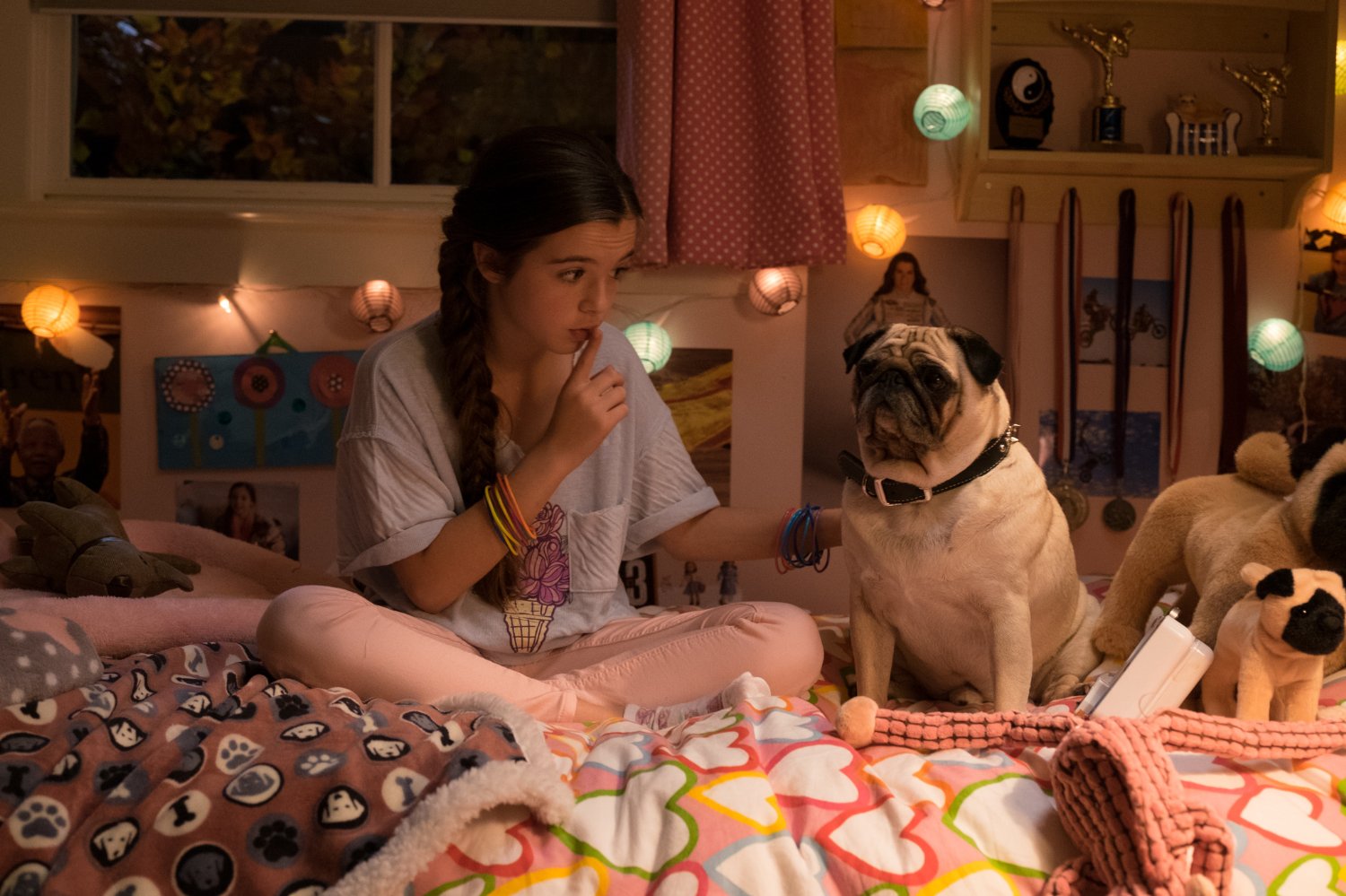
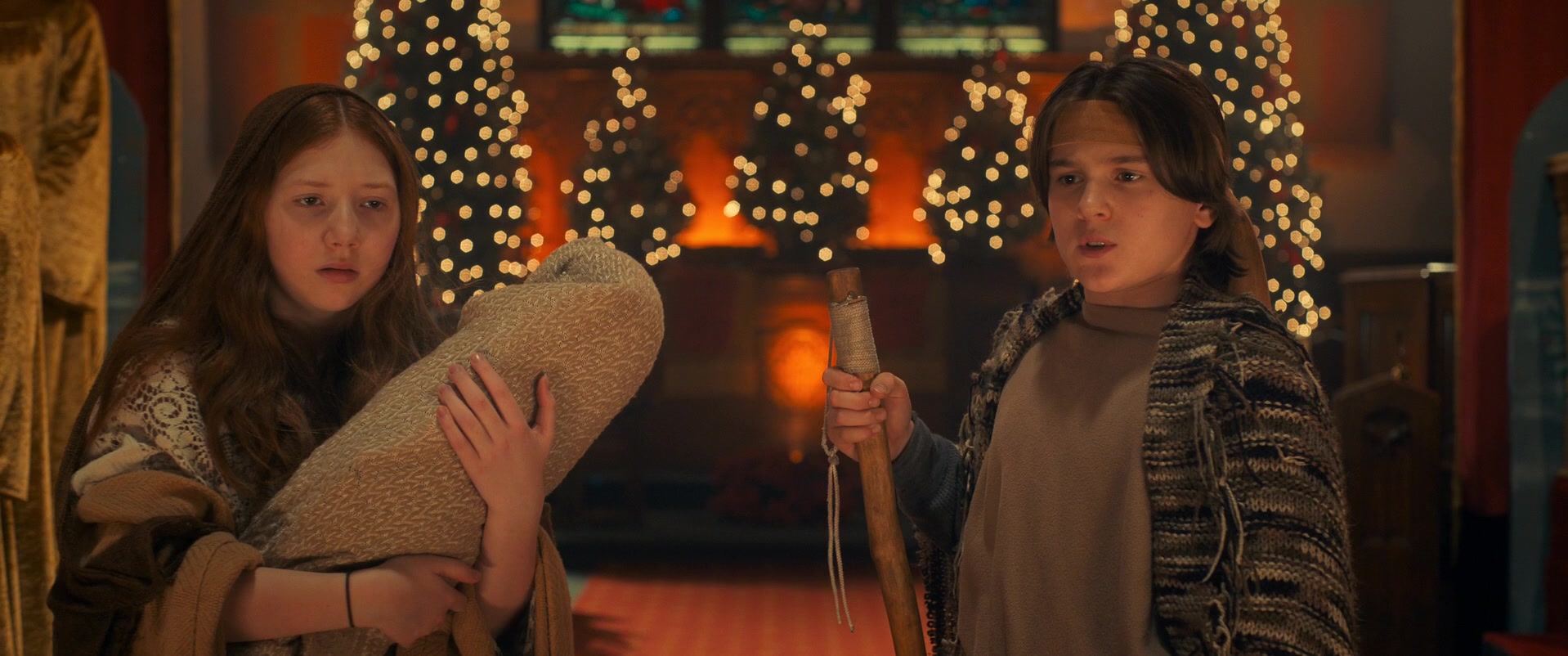
2024 Molly Belle Wright The Best Christmas Pageant Ever
While the diversification of the Young Actor categories began in 2010 with a split created between Lead and Supporting Roles each category was unisex until the following year. So aside from semantical changes there have been quite literal changes to this category through the years. This post chronicles the years in which there was only one category where young leads, regardless of gender, could hope to get in. To view the nominees you can follow the hyperlinks in each individual year.
This is a newly-siphoned off post from the original Young Actors post. This category came into being in the 2011 BAM Awards as part of the start of the diversification of the Youth Categories. This division of the category was necessary because while there were female winners, most of the time that was not the case and even nominations were hard to come by. This year’s nominees not only validated this decision, while hard to find as many titles the quality was high, the Supporting categories, which was a gamble, also provided great candidates.
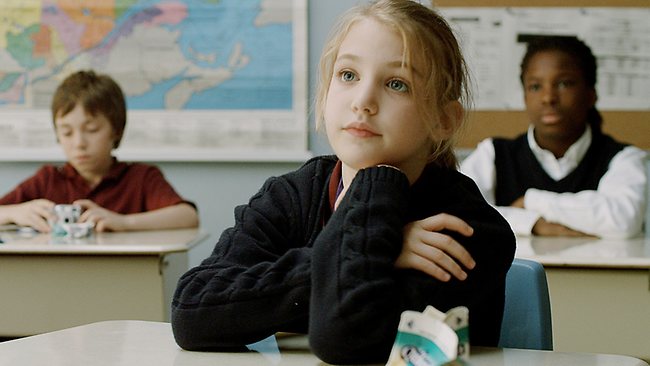
2024 Beatrice Schneider The Best Christmas Pageant Ever
This is a newly-siphoned off post from the original Young Actors post. This category came into being in the 2011 BAM Awards. After adding an Ensemble Award the next logical step was to end the unisex nature of the Youth Lead Categories. The final step was complete this year with the inclusion of Supporting categories for young actors. The Lead Youth Acting winners from 1996-2010 can be found in a separate post.
This is a newly-siphoned off post from the original Young Actors post. This category came into being in the 2010 BAM Awards to recognize Ensemble work, but only among young actors within a cast, which differentiates it from Best Cast. The inception of this category was the first step toward parity between youth-specific and open categories.
2024Kynlee Heiman, Sebastian Billingsley-Rodriguez, Wyatt Dewar, Matthew Lamb, Owen Mathison, Ewan Matthis-Wood, Essek Moore, Laurelei Olivia Mote, Mason D Nelligan, and Isla Verot The Best Christmas Pageant Ever
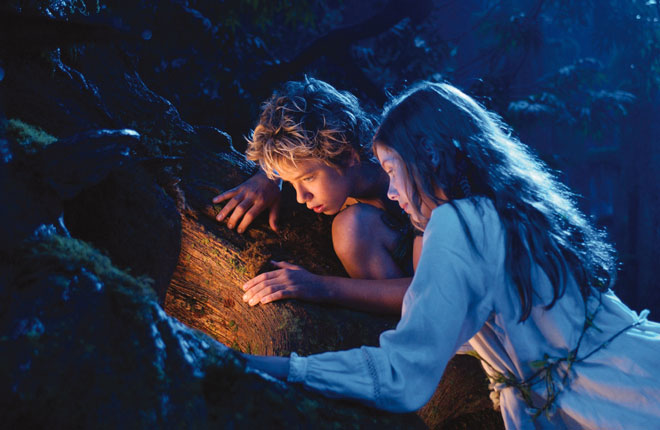
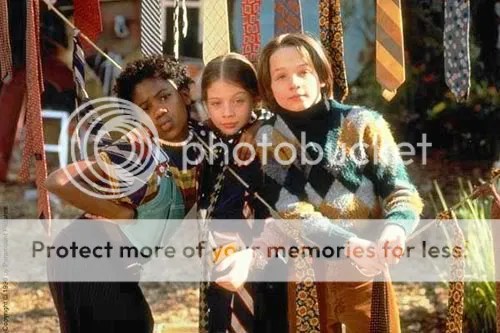
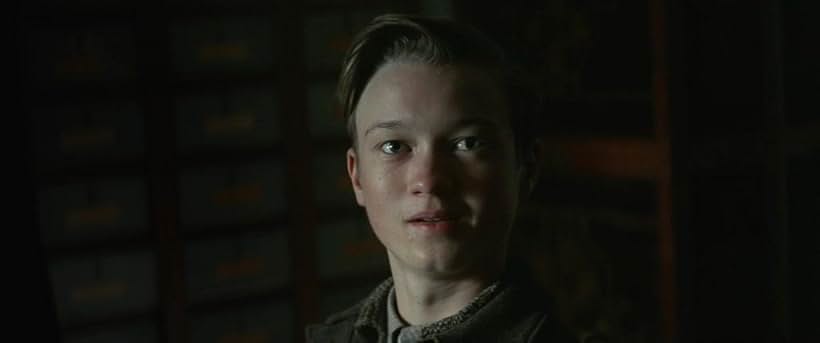
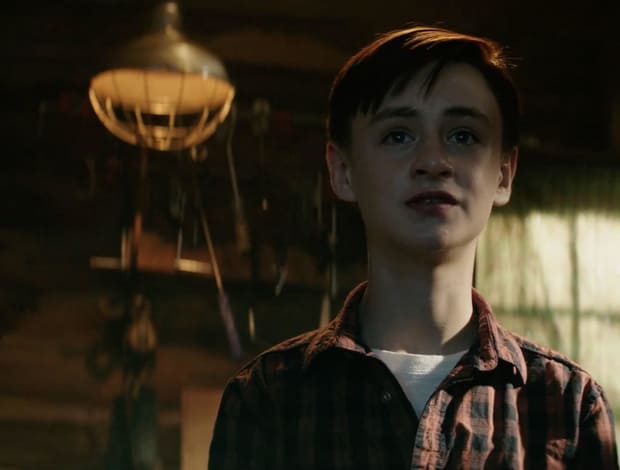
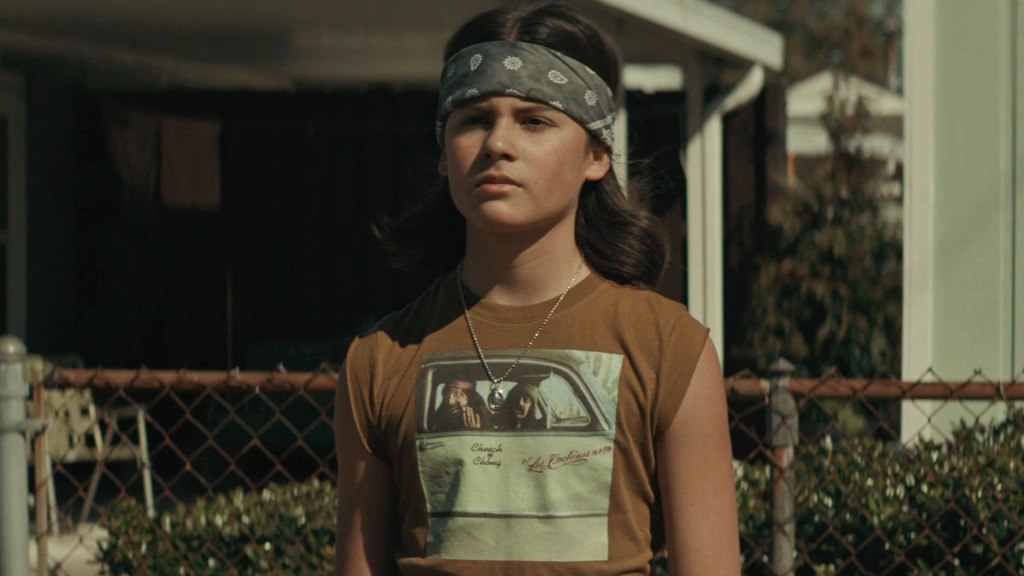
2022 Mason Thames, Madeline McGraw, Miguel Cazarez Mora, Rebecca Clarke, J. Gaven Wilde, Spencer Fitzgerald, Jordan Isaiah White, Brady Ryan, Tristan Pravong, Jacob Moran, Brandy Hepner, Banks Repeta The Black Phone
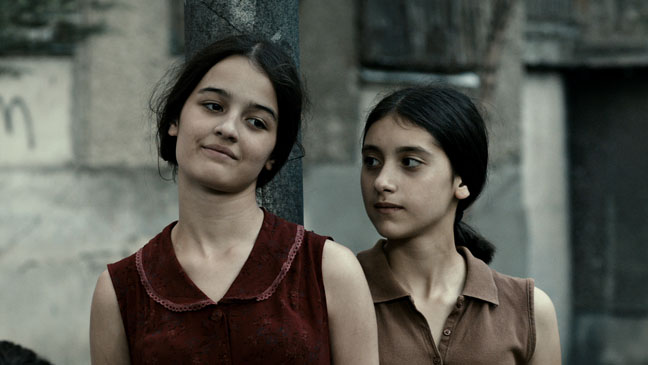
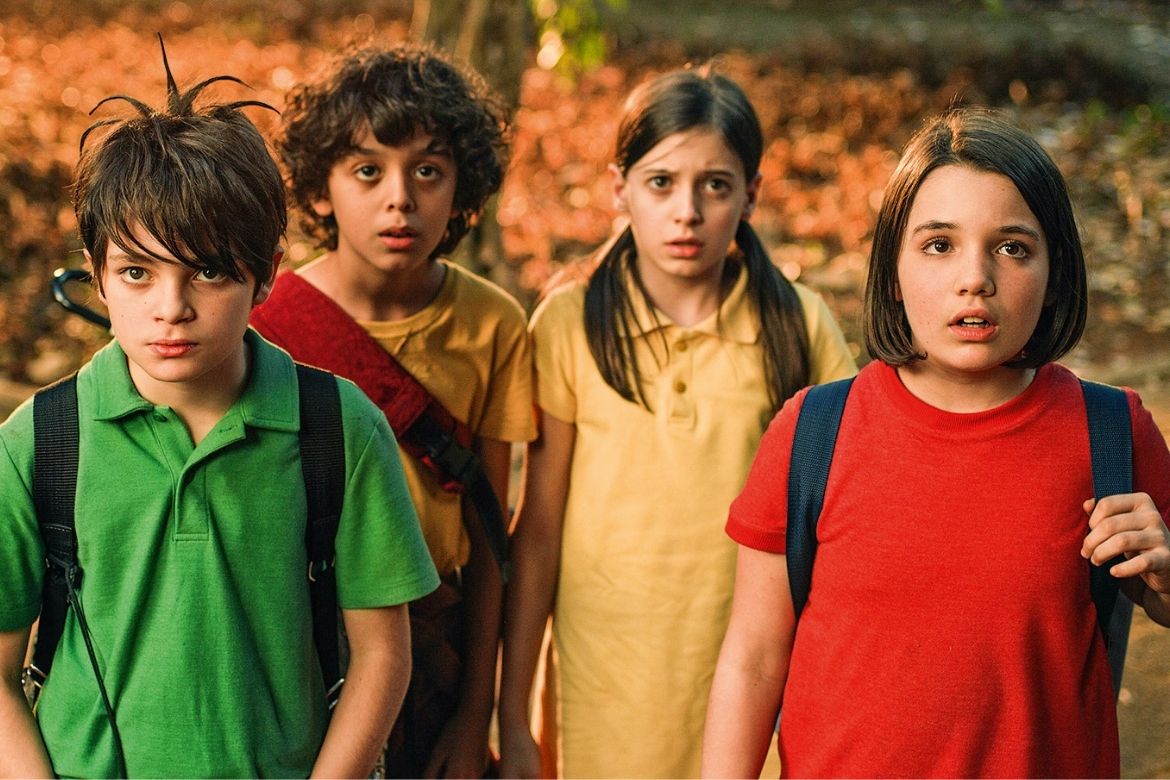
2021 Kevin Vechiatto, Gabriel Moreira, Laura Roseo, and Giulia Benite Turma da Mônica Laços
2020 Alivia Clark, Ashling Doyle, Tanner Flood, James Freedson-Jackson, Oliver Gifford, Nolan Lyons, Sam McCathy, Ivy Mille, Taylor Richardson, and Eric Schuett 18 to Party
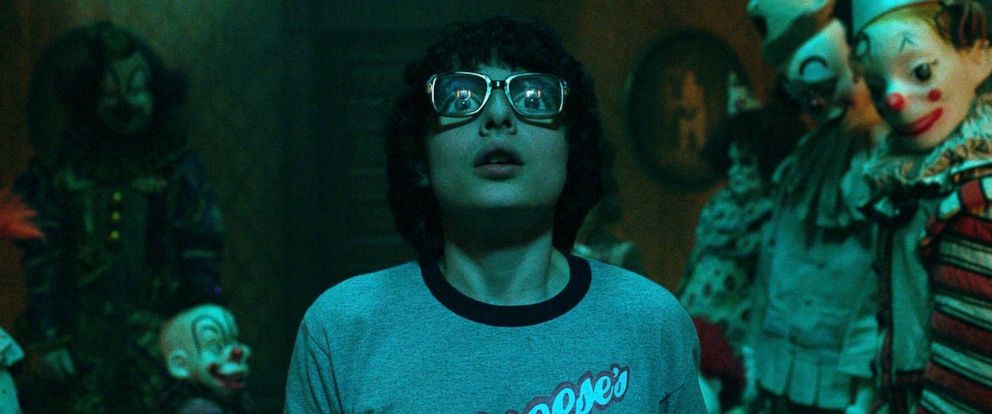
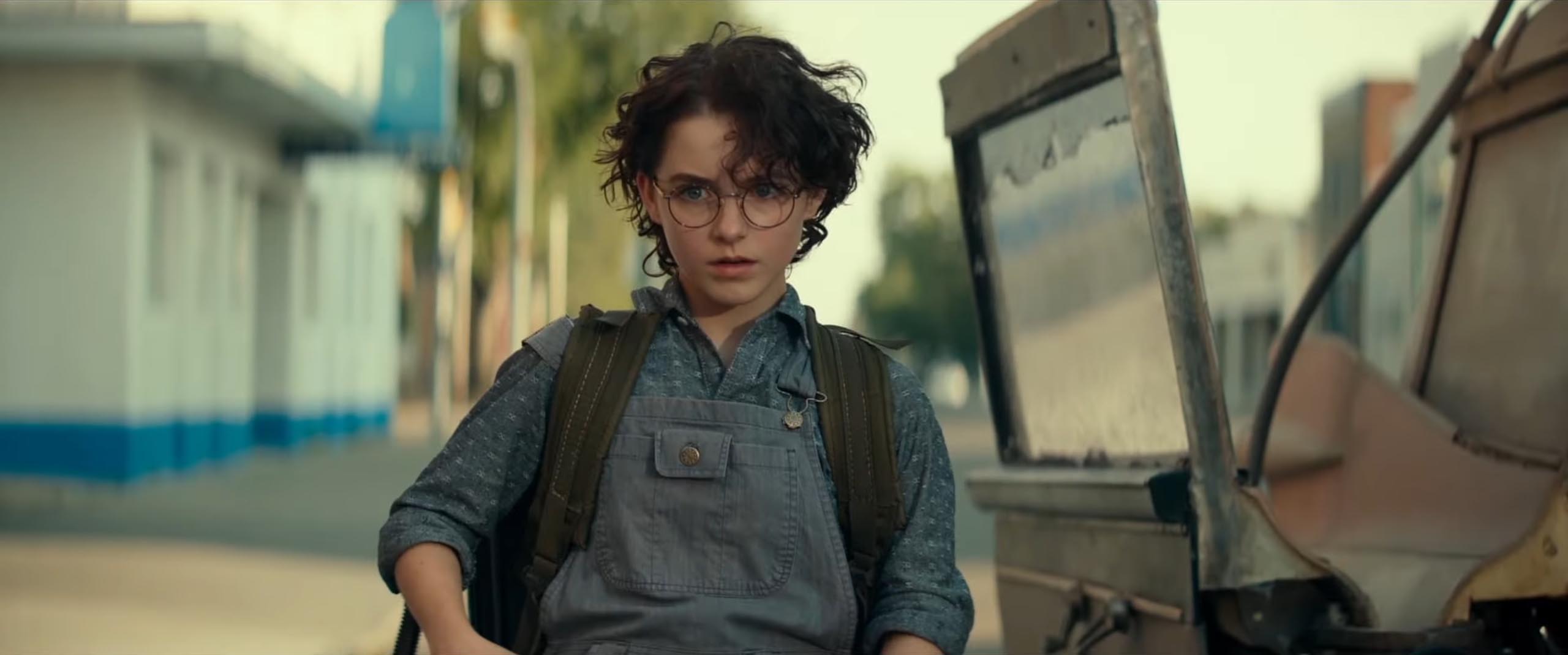
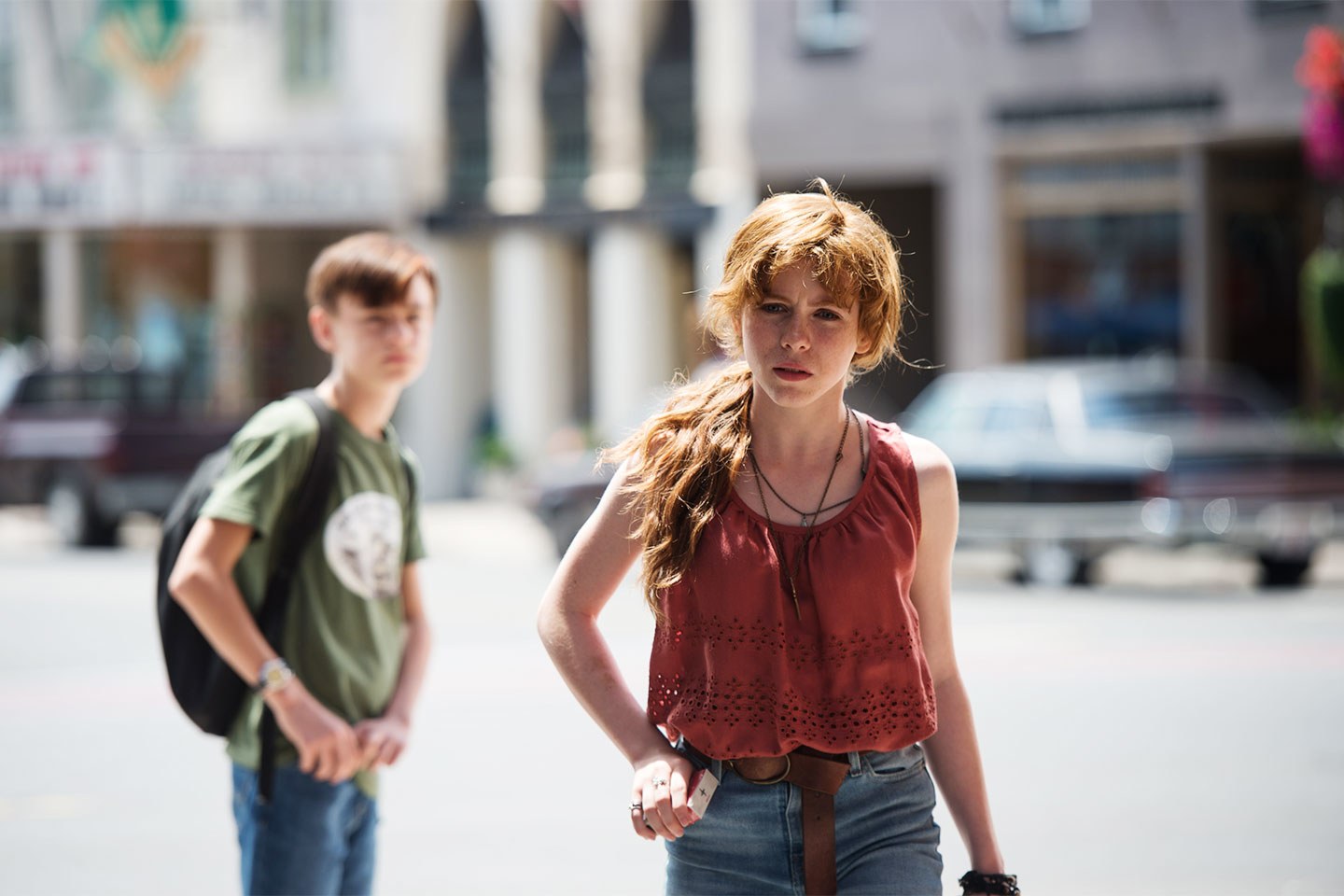
2019 Jack Dylan Grazer, Jaeden Martell, Finn Wolfhard, Wyatt Oleff, Chosen Jacobs, Jeremy Ray Taylor, Luke Roesseler, Jackson Robert Scott, Sladen Peltier, Sophia Lillis, Ryan Kiera Armstrong, It: Chapter 2
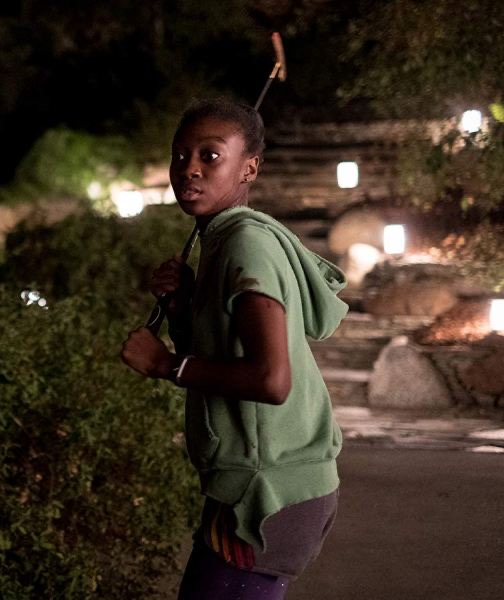
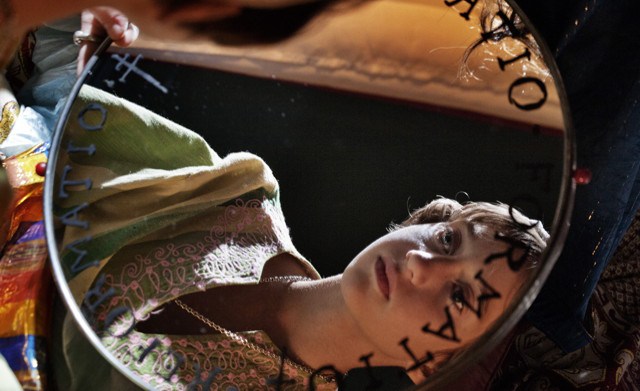
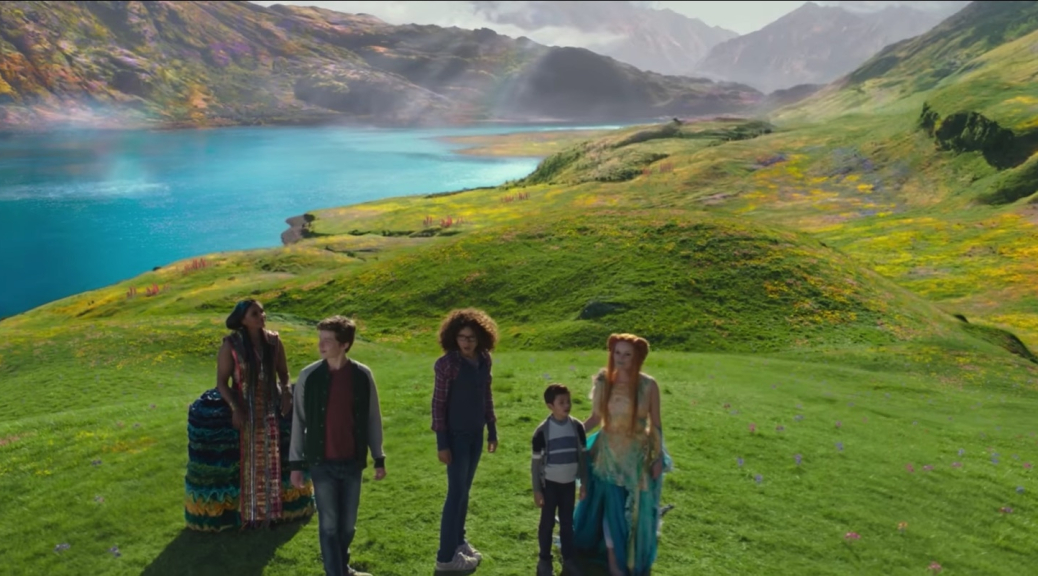
2018 Storm Reid, Levi Miller, Deric McCabe, and Rowan Blanchard A Wrinkle in Time
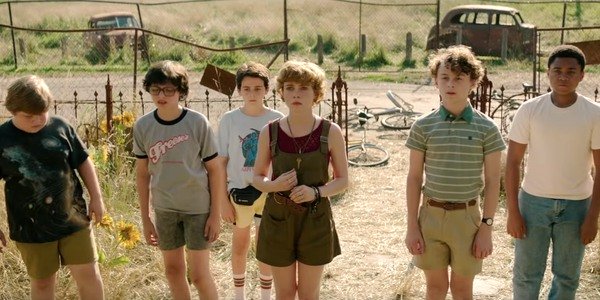
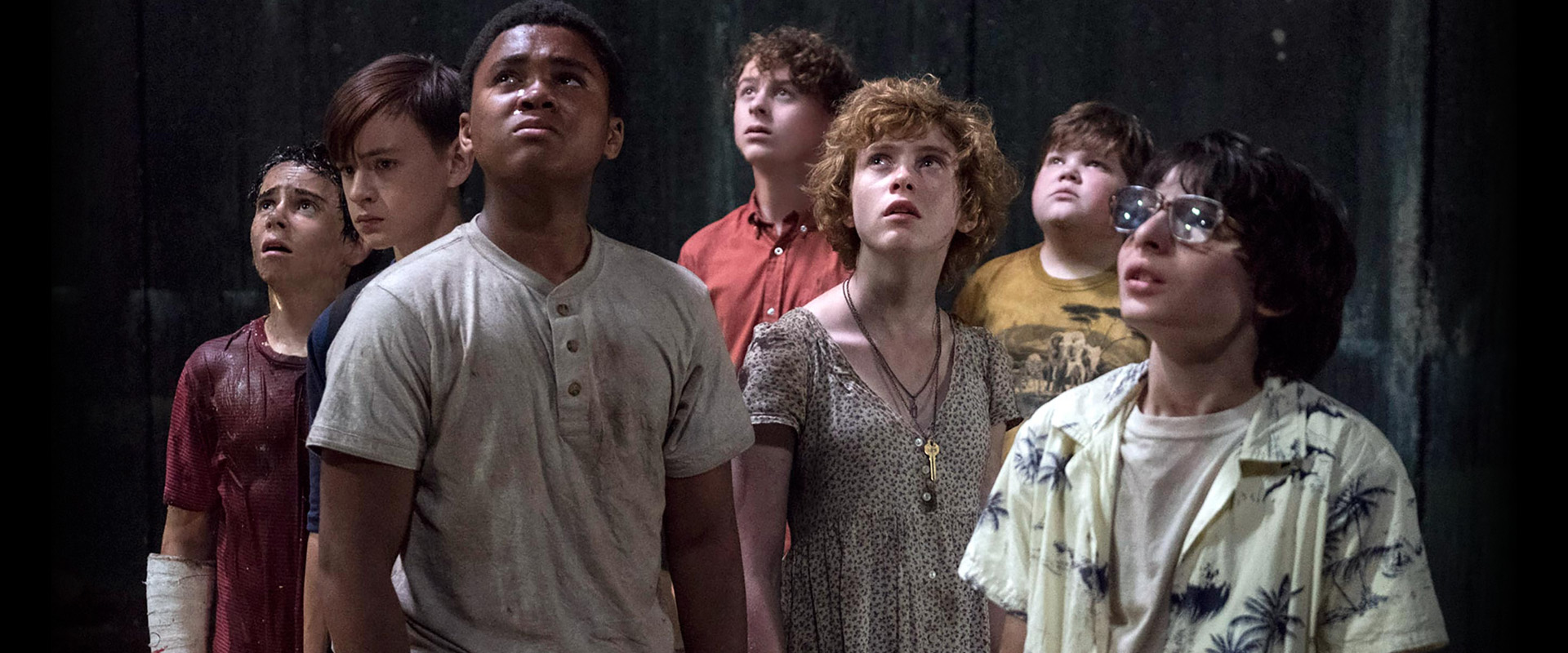
2017 Jaeden Lieberher, Jack Dylan Grazer, Wyatt Oleff, Chosen Jacobs, Jeremy Ray Taylor, Sophia Lillis, Finn Wolfhard, Jackson Robert Scott and Nicholas Hamilton It
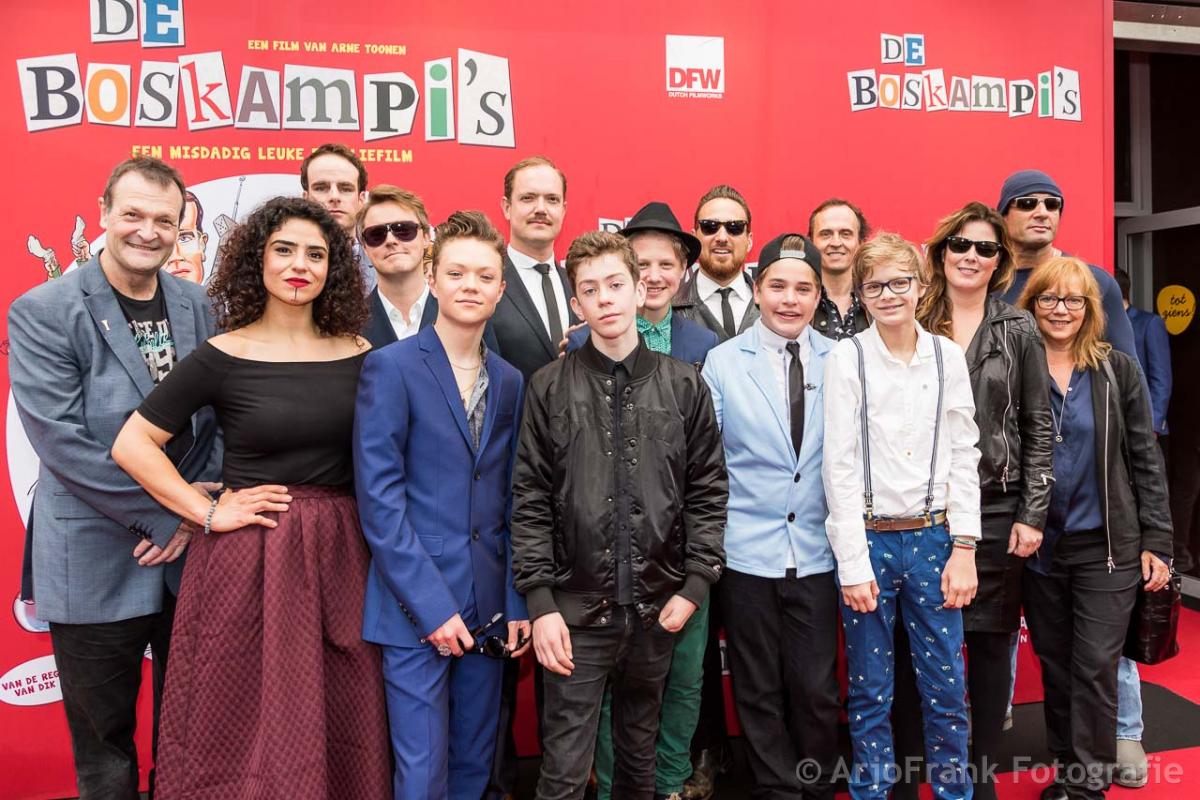
2016 Thor Braun, Rick Lens, Thijn Brobbel, Luciano Hiwat, Dylan Pijper, Joes Brauers, Maas Bronkhuyzen, and Dennis Reinsma De Boskampi’s
2015 Oscar Dietz, Samuel Ting Graf, Astris Juncher-Benzon, Amalie Kruse Jensen, Marcus Jess Petersson, Johannes Jeffries Sørensen and Hectores Brøgger Andersen Antboy 2: Revenge of the Red Fury
2014Spencer Bogaert, Felix Maesschalck, Emma Verlinden, Nell Cattrysse and Pommelien Tijs Labyrinthus
2013 Siam Yu, Colton Stewart, Gage Munroe, Michael Friend, Aidan Gouveia, Mackenzie Munro, Alex Cardillo, Dyson Fyke, Spencer Howes, Andy Reid, Richard Nguyen, Eric Hanson, and Alex Wall in I Declare War
2012Ben Van den Heuvel, Nathan Naenen, Noor Ben Taouet, Jelle Florizoone, Nina Marie Kortekaas, Mathias Vergels North Sea Texas
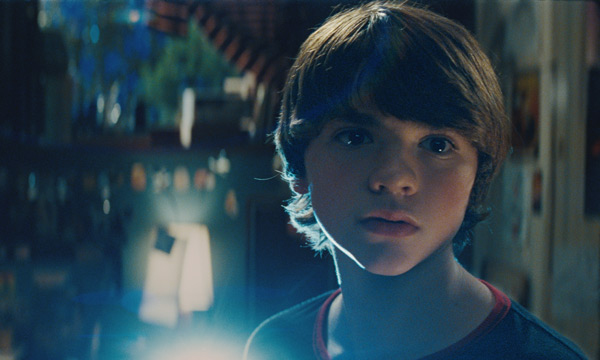
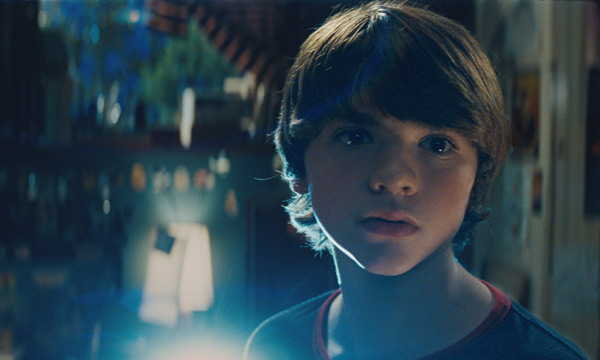
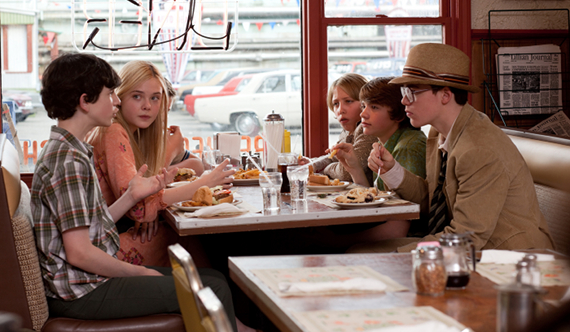
2011 Joel Courtney, Elle Fanning, Ryan Lee, Zach Mills, Gabriel Basso and Riley Griffiths Super 8
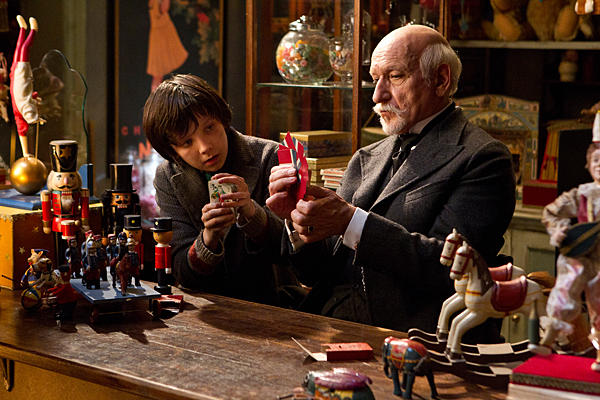
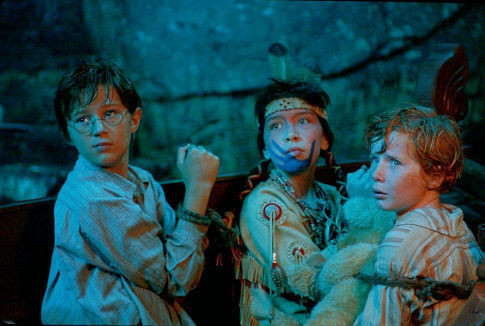
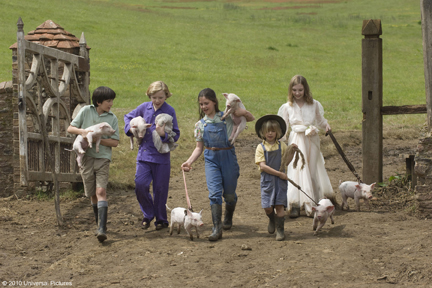
2010 Oscar Steer, Asa Butterfield, Lil Woods, Eros Vlahos and Rosie-Taylor Ritson in Nanny McPhee Returns
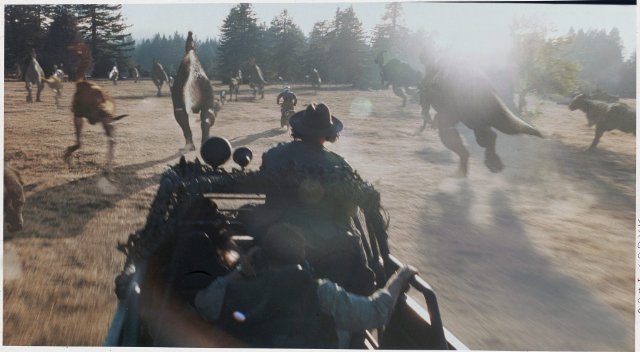
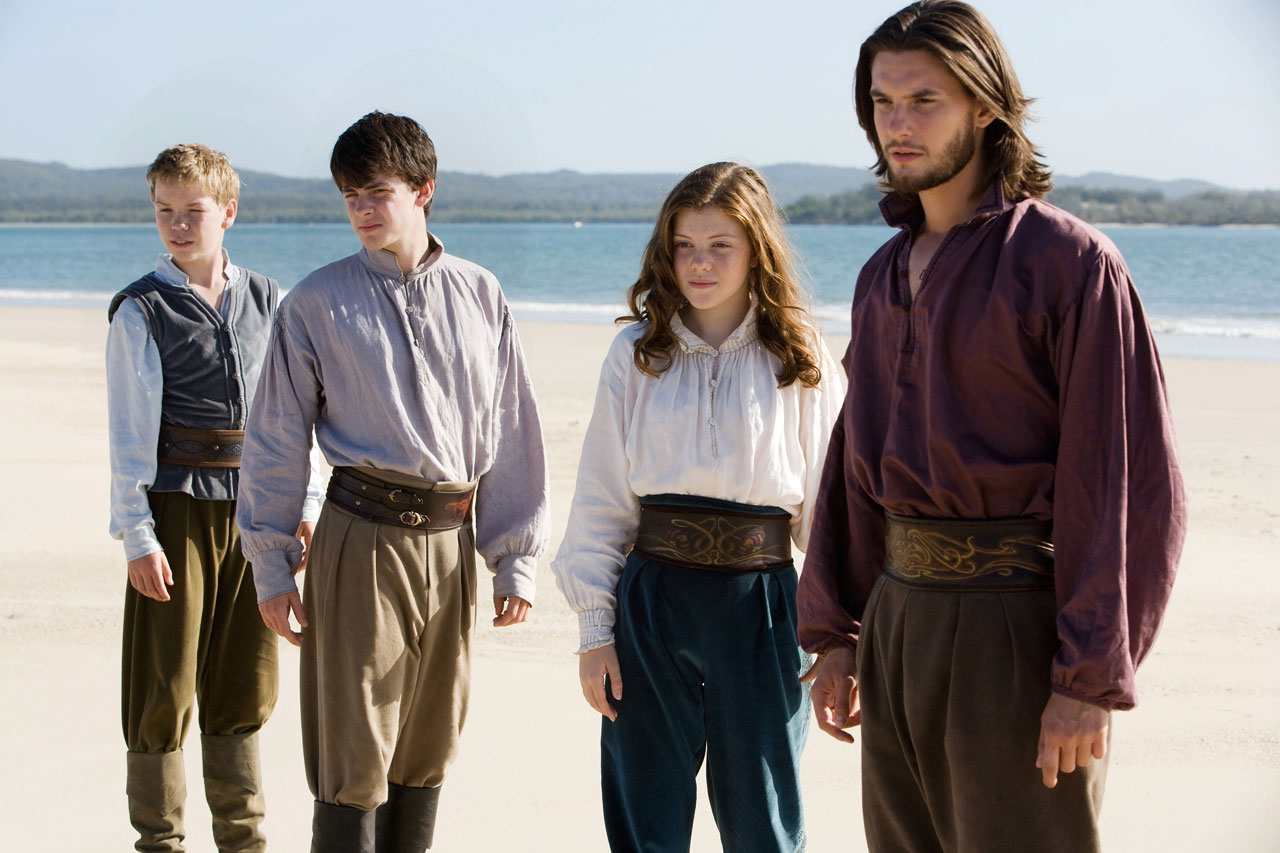
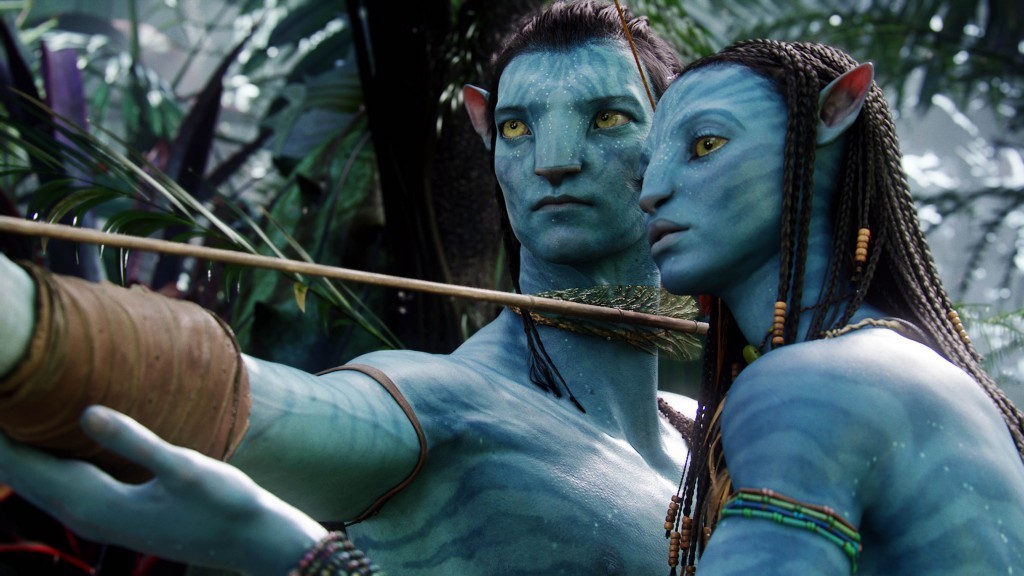
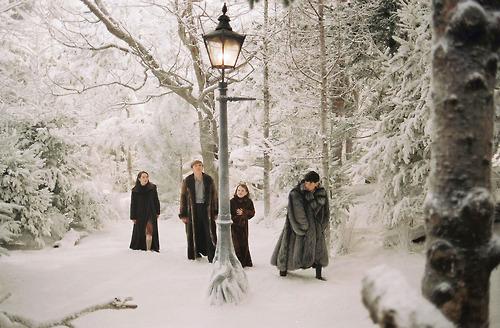
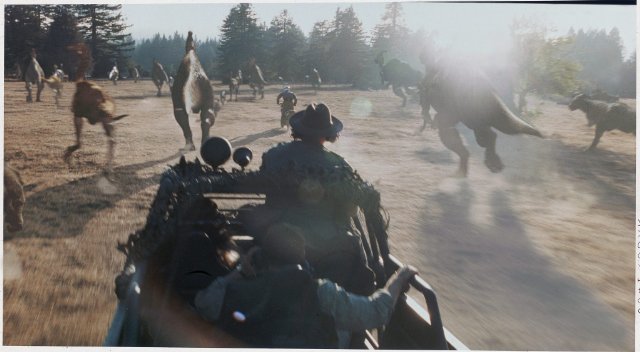
So here is the eye candy award. As always there are a few things to note: first, among my favorite winners are the back-to-back tandem of Jurassic Park: The Lost World and Small Soldiers simply because I like to award combined efforts whenever possible. Combined efforts meaning many techniques were used to create the effects of a film like robotics, prosthetic, models in tandem with CGI. Had I known how some effects were achieved for Inception it may have swayed my 2010 vote, having said that I was glad it won the Oscar. Second, one curious thing to note is that you have at times here streaks like 20th Century Fox is on a run as a studio and the Narnia series is 3-for-3 as they always up the ante in combining their work with real elements.
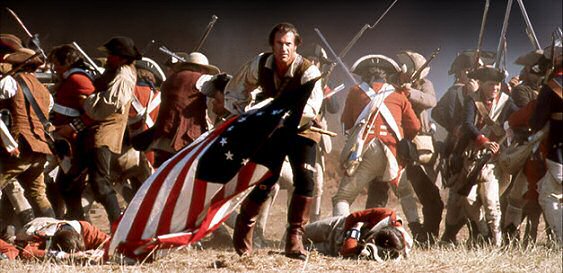
Lastly, I must’ve learned something about how certain shots in The Patriot were achieved in 2000 that influenced my vote but I honestly cannot recall what but as I have stated before I am not revisiting these awards merely posting them for posterity. I, of course, could never have predicted my fatigue of disaster films in 1996 or how much more unsavory that White House shot in Independence Day would grow over the years.
Nevertheless, I hope you enjoy the winners as much as I have.
I have for some time wanted to start a series like this, and figured this new year was a good time to start. Essentially, whenever there is a publicly-voted award in the film world I will share my thoughts and vote here.
I was thankful to be reminded of this award this morning. It’s one I have voted in before and since it’s kind of a body of work award and is thus more intriguing than most. I can’t recall how many times I have voted in this poll in the past, but considering that Nicholas Hoult and Emma Stone have been nominated previously, and also been BAM honorees, I’m fairly sure I cast my ballot for them in the years in which they were nominated.
As for this year’s ballot the choices are:
Elizabeth Olsen, considering that I picked her as Best Actress last year, and liked her in a subpar film this year, she’s already “risen” in my mind.
Andrea Riseborough, I sadly haven’t seen in any of her recent roles, so I couldn’t vote in her favor.
Suraj Sharma, I liked him far more than I did The Life of Pi, but it’s a stepping-stone to potentially bigger and better roles for him.
Juno Temple, I liked her performances in Killer Joe and The Dark Knight Rises. However, there was another tandem of roles that was more impressive this year amongst this list.
When we think of the 90s socio-politically you can almost draw a parallel to the kind of films that were produced. With Clinton in office the stock market more than doubled it was prosperity galore and yet there was a generation (Generation X followed by Y, how original) that could care less. There were hardly any films that reflected the times we were in because that would be bourgeois, no one really cared they had money in their pocket. Yet there was also nothing to escape unless you count the laughable Lewinsky affair, so film stagnated aside from the occasional blip here and there.
While the 80s were not like the 60s in that there was a constant issue constantly looming over everyone like the Vietnam War. There were several crucial events in America’s history. Films are the products of our society and the people writing those films for the most part came of age in the 60s and thus, had a higher social consciousness than those who grew up in the culturally devoid 70s.
Being children of the 60s coupled with the fact that escapist family oriented cinema was in demand for a great part of the decade lead to many of these films having a lot of pie-in-the-sky idealism in them.
The 80s socially and politically were a mess. There was always something. New York was a crime-ridden dirty hole, which is reflected to some extent Ghostbusters. At the beginning of the decade there was the hostage crisis and the decade ended with the beginning of the communist collapse. While there were many crises and negative events there was a national sentiment in the nation and a presentiment that gave people a feeling that we could change things, amid all the excesses of the ‘me generation’ there was Hands Across America, Farm Aid and Artists for Africa which were movements by musicians that we could change the world and films like Amazing Grace and Chuck reflect that sentiment.
It was undoubtedly a turbulent time but there was a wind of change in the air. Reagan’s short-sightedness in his term is paralleled by the studio heads. Reagan wanted to give the taxpayers a break immediately and it hurt in the long run while the studios wanted money immediately and slowly the quality of films they were producing would dwindle. Thankfully, the quality did keep coming out until the end of the decade. The political conditions were all aligned for good, even great films to be made. Great films never come out in abundance when the nation is affluent. Pre-packaged hit-me films do, the 80s were a great time to grow up in because you probably weren’t aware of all that was going on around you. Yet I do recall seeing the possibility for change and seeing that something good can occur in this world and I saw it plastered across a large silver screen every weekend.
Note: This is a recapitulation of a paper I wrote in film school. It will be published here in installments. You can read part one here.



































































 The Movie Rat