Tarzan Thursday: Tarzan’s Revenge (1938)

Introduction

In 2012 the character of Tarzan celebrated his 100th year in print. A serialized version of the story first appeared in 1912. A hardcover collection of Tarzan of the Apes first appeared in 1914. Being in the middle of the Tarzan centennial period it’s an opportune time to (re)visit many of the screen renditions of the character. Previous posts in this and other series can be found here.

Tarzan’s Revenge (1938)

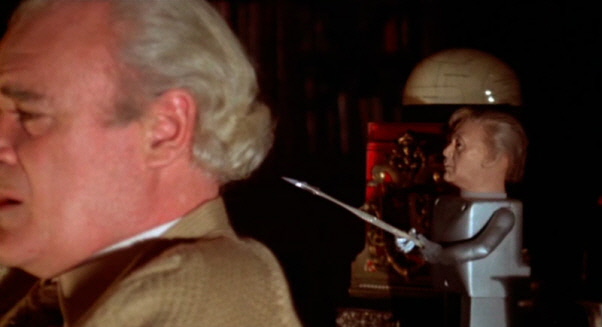
If you page through the Poverty Row Studio books you’ll find an entry for a studio established by Edgar Rice Burroughs to bring his characters, mainly Tarzan to the silver screen the way he saw fit. Surely, Burroughs (and his estate) was not the only author ever dissatisfied with screen versions of his story, but a reason for that could be the proliferation of poor films made. Disregarding “accuracy” many of them are just not good and highly disposable works.

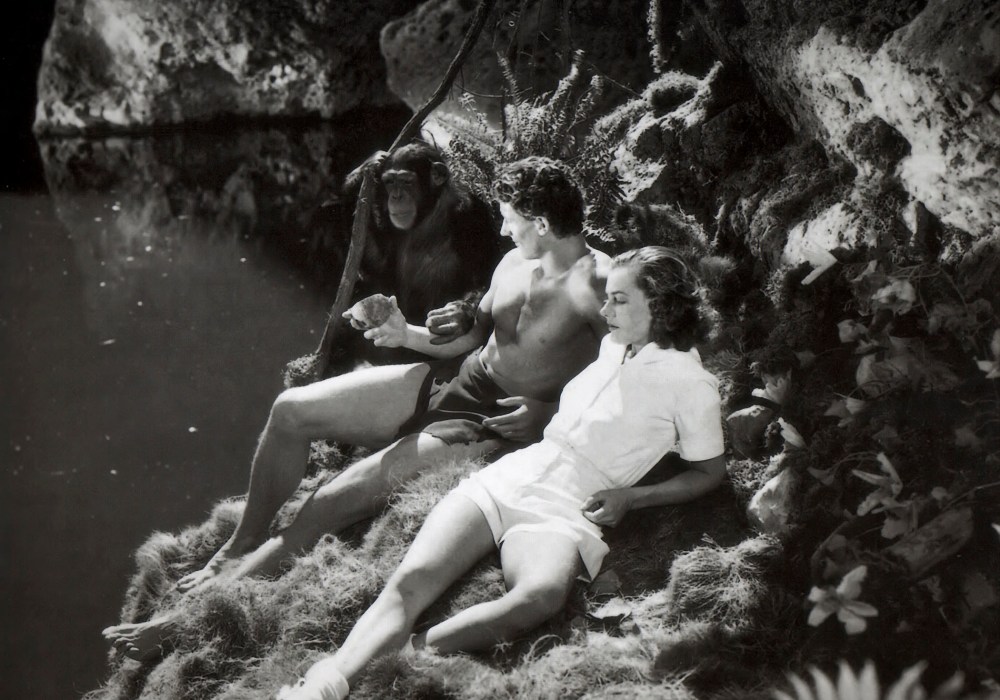
This particular version though produced by Sol Lesser, who was the architect of many of the character’s onscreen incarnations, was a Fox release. There’s not a lot in Tarzan’s Revenge that stands out as unique and most of it stands out as being so in a bad way. Hunting is a major plot element, and the goal of the hunt is to trap animals for a zoo.

Being at another studio there are some things that would have to be different: the love interest is Eleanor (Eleanor Holm) not Jane, the Tarzan call is different, the chimps is a quieter less insane version, and in its defense this Tarzan (Glenn Morris) is a bit more fit.

However, many of the issues from the MGM-RKO titles are here too because conventions of the day were too easily obeyed. A map of Africa plays a significant supporting role, ambiguous native, excessive amounts of exposition, Eleanor being disbelieved, lots of swimming and gallivanting.

However, there are things uniquely weird here: Tarzan is there but rather passive for a time, the battle for Eleanor’s affection is lame; the bottom line is that this is flat and unengaging.

Favorite Older Films First Viewed in 2013 (Part 4 of 5)

This is a list I first saw on Rupert Pupkin Speaks. The idea is to list your favorite films from the past year that you saw for the first time, but exclude new releases. This allows much more variety and creates a lot of great suggestions if you read many of them.

Since I tracked these films much more closely this year my list grew long. I will occasionally combine selections by theme, but there is enough for five posts. These choices are in no particular order.

Enjoy!

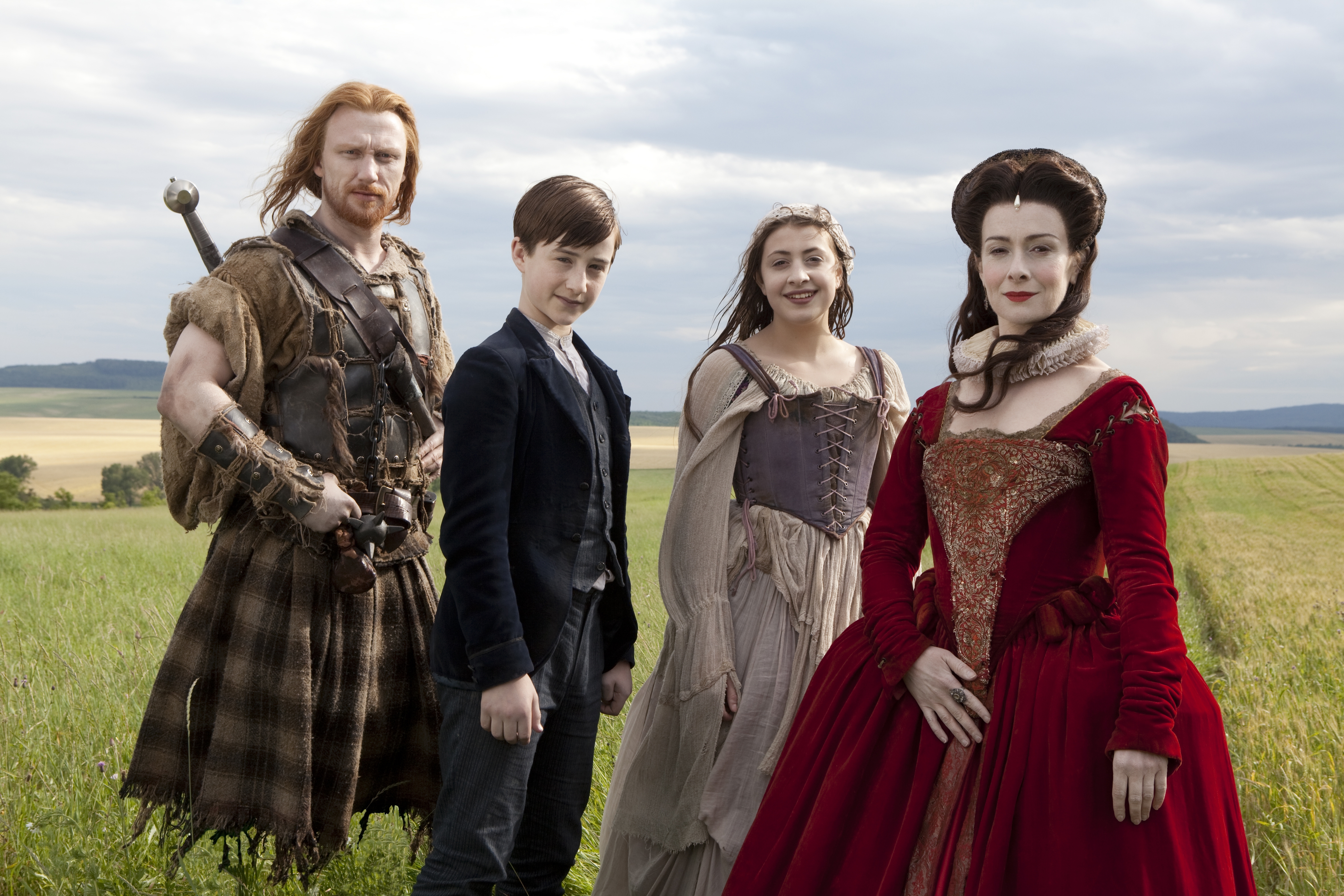
The Great Ghost Rescue (2011)

The Great Ghost Rescue

Family horror is an under-appreciated and under-utilized subgenre. It is usually a delicate balancing act where you have to have elements of a harsher genre keep it true, effective and still palatable for young audiences and hopefully engaging enough for those accompanying said viewers.

There are definitely different phases to this narrative, and it’s also one that, at least in its backstory does not fear taking things to the scariest place it can for children (death), but also presents a flip-side offers comedy and a strong lead performance by Toby Hall that elevates it above the ordinary.

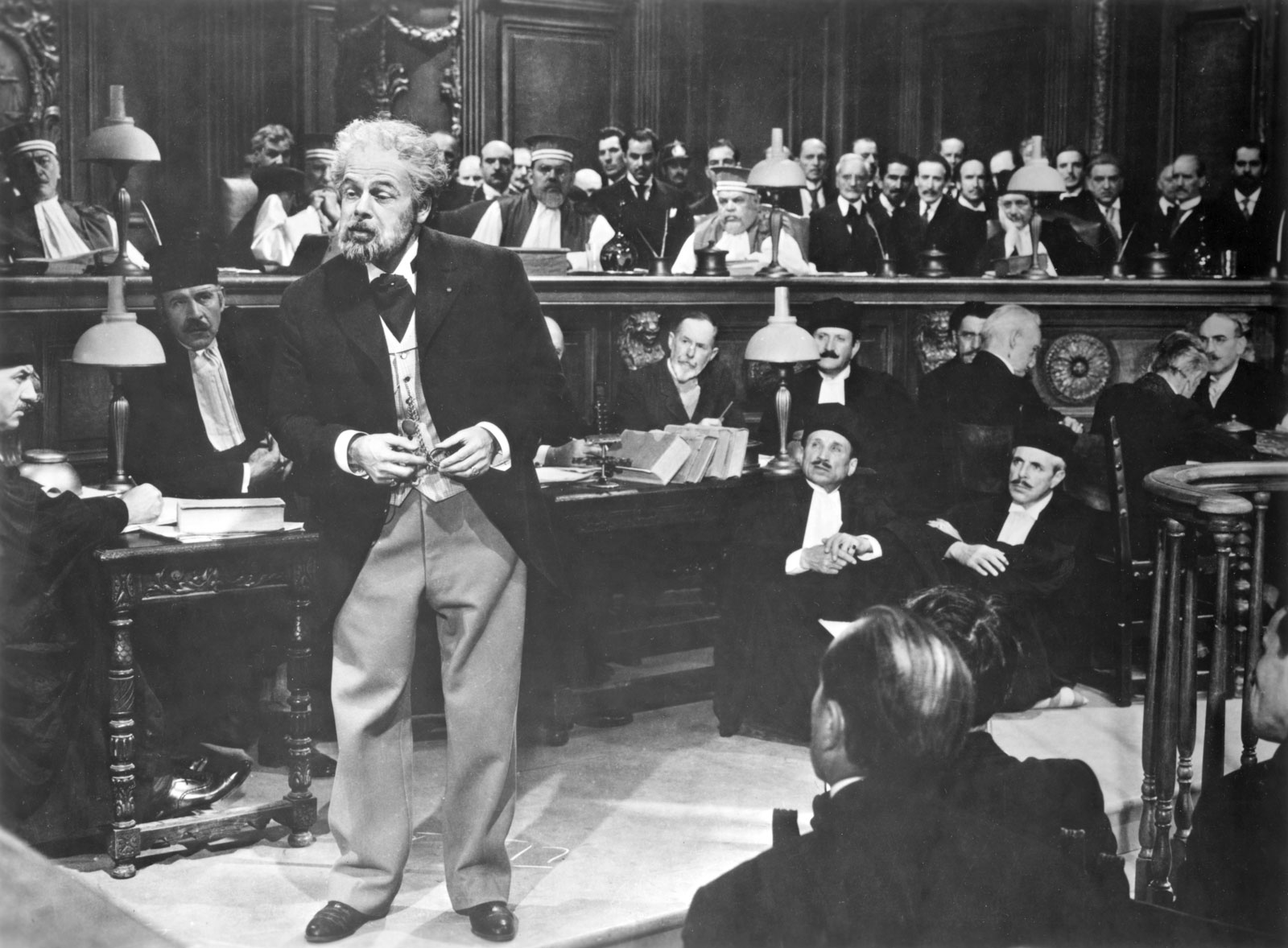
The Life of Emile Zola (1937)

The Life of Emile Zola (1937, Warner Bros.)

Here was my 31 Days of Oscar take on this film:

A Paul Muni biopic strikes again, and perhaps he takes an early lead in the Neutron Star Award race for this year. What’s fascinating is that it chronicles a writer’s rise in typical biopic fashion in act one, then a military frame-up at the head of act two and has them smash together and culminate in a riveting courtroom drama. It distills the essential and best elements of a few subgenres to make a riveting and engaging film that surpasses its formulaic and periodic tropes.

Caught up in trying to stay current I was vague, so I will elaborate some: as opposed to his rendition of Pasteur, which had its own interesting take on scientific ideals and fear of new ideas; here we have a man who gets comfortable, perhaps forgetting his roots and then in seeing grave injustice lays his life and reputation on the line. It’s a fascinating, as holistic as possible in a two-hour film as it can be, treatment. It owes much of its success not only to the narrative, but also its structure and also Muni.

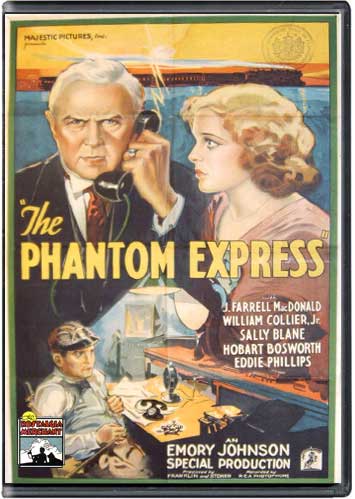
The Phantom Express (1932)

The Phantom Express (1932)

This is the first of the Poverty Row titles on this portion of the list. It’s also one of the more surprising revelations from that theme.

As I read and downloaded titles I noted the proclivity for the word phantom in titles. It must’ve scored well in marketing research of the day, it gives an air of mystery and intrigue. Sadly, no film I saw with the word phantom in it had either featured a ghost or been any good. This one at least accomplished the latter and is a highly entertaining tale. It’s not a whodunit so much as a “howdunit” as the perpetrators are revealed early. The film concerns a man who derails a train attempting to make an emergency stop causing many fatalities. He claimed there was an oncoming train he wanted to avoid, there was no record of this supposed train so it was dubbed “The Phantom Express.” The investigation into the mystery, the repeated incidents, the reveal along with explicatory closing monologue are all great. The effects work, mainly miniatures, may look primitive now, but is well done for the time and budgetary constraints. It’s really captivating stuff.

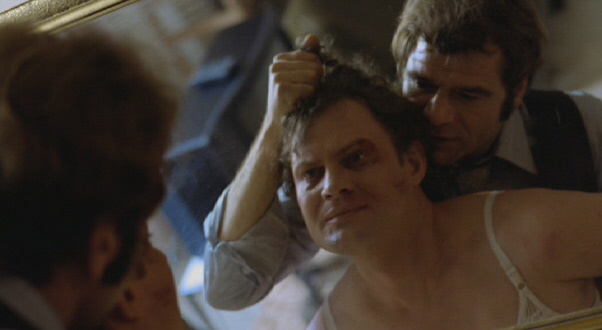
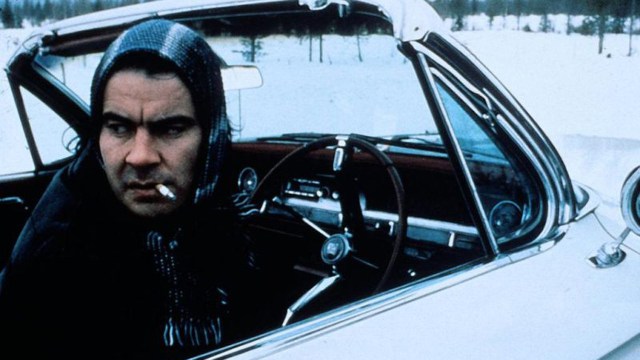
In a Year with 13 Moons (1978)

In a Year with 13 Moons (1977, RWF Foundation)

Were my list shorter than it is Fassbinder could have easier dominated it rather than just being a prominent theme, which is why I like allowing this list to bloat as it allows more themes to seep through. However, my increased consumption of Fassbinder titles cannot be denied here.

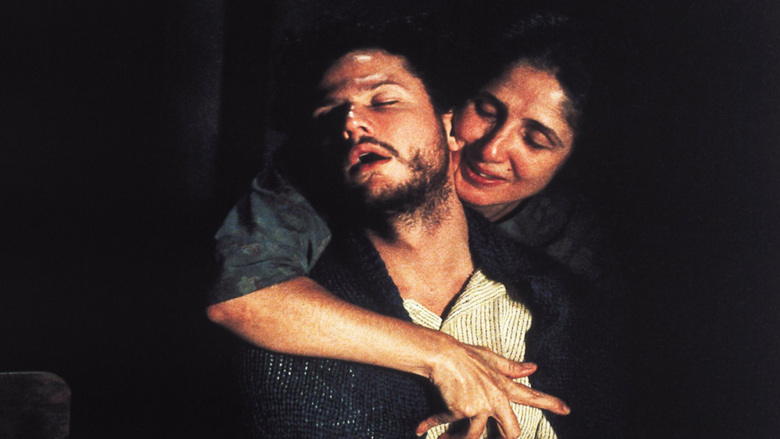
In a Year with 13 Moons explains its name with title cards to start, and has the kind of narrative that could easily be exploitative were it wielded by less skilled hands. Here’s a synopsis per the IMDb:

This drama follows the last few days in the life of Elvira (formerly Erwin) Weisshaupt. Years before, Erwin told a co-worker, Anton, that he loved him. “Too bad, you aren’t a woman,” he replied. Erwin took Anton at his word. Trying to salvage something from the wreckage love has made of his life, he now hopes that Anton will not reject him again.

It could wander into parody, or the absurd; it never threatens to instead it’s just absolutely gutting and virtually pitch perfect.

Rainbow on the River (1936)

Rainbow on the River (1936, RKO)

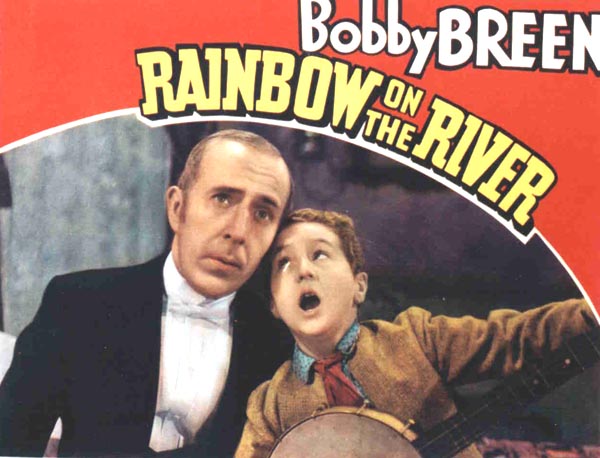
I believe it was first through Movies Unlimited, when they had brick-and-mortar locations, that I first discovered the Sol Lesser-produced musicals that star Bobby Breen. Rainbow on the River, however, is likely the last of them that I can see, as his last outstanding film (Johnny Doughboy) is hard-to-find and overpriced through resellers at Amazon.

Fairly often in these films the story was but more than a pretense to get Bobby singing. On the rare occasion both of these combined perfectly. Yes, there’s an uncomfortable postbellum rendition of the south that’s a bit dated, but there’s a predominant fish-out-of-water aspect and fairytale caliber adoptive family that distract from that and get sympathies where the film wants it. The songs are naturalistically instilled and, as usual, brilliantly rendered.

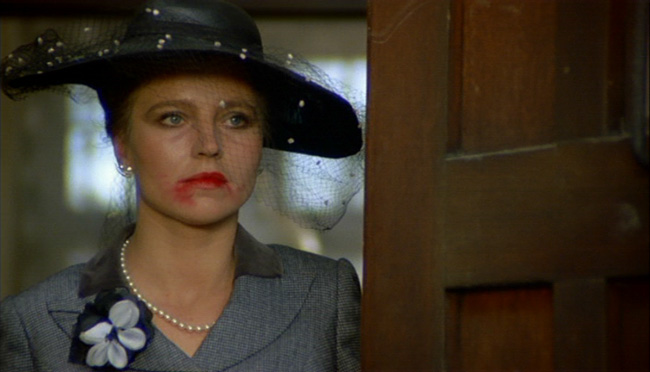
To the Left of the Father (2001)

aRea9fetSJxfmiB60AqALizGdLI

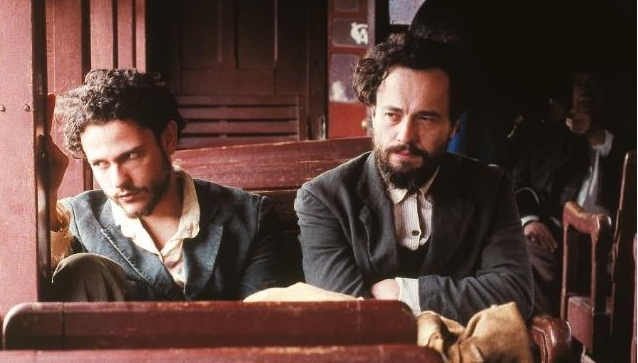
This is a film I first heard about years ago when visiting family in Brazil. It’s one I didn’t get a chance to see there and it took a while for it to migrate over and secure North American distribution both in theaters and on home video via Kino Lorber. It’s one that took me even longer to see, I’m a bit embarrassed to admit because of its running time.

What you find in this film is an extraordinarily poetic title both in verbal and visual terms that externalizes the inner-workings of the mind extremely well and successfully manipulates time as only film truly can. While it has very internal conflicts it brings them forth, and even while being a very technical “filmmaker’s film” still allows room for the actors to work and drive home the emotions being underscored by the narrative. I’m completely unfamiliar with the written work upon which this film is based and did not find that it’s opaque without having read the book.

It may have taken me a while, but it’s testament to Edgar Wright’s statement that “It’s never too late to see a movie.”

Gorgo (1961)

Gorgo (1961, MGM)

In hindsight I was rather fortunate in my viewing themes as they are providing most of the content of these selections. This is another 61 Days of Halloween selection that…

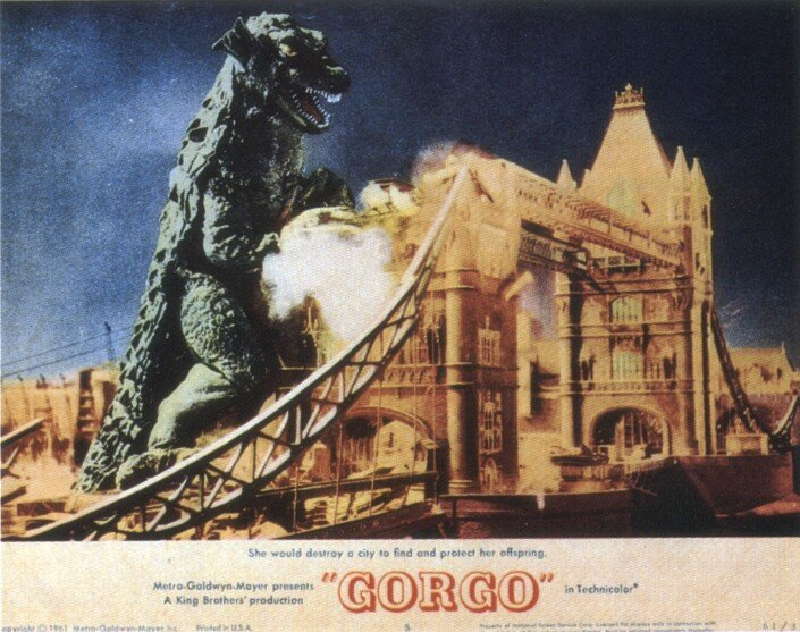
came to me by way of Stephen King’s list of horror films in Danse Macabre. I have to admit, I chuckled a bit and had some trepidation when I saw that this was a monster movie. After all I’m fairly sure that during the period from which King curated the list (1950-1980) there were other, more well-known giant-monster-attacks-city films; most notably the Japanese brood. So what makes Gorgo special?

I soon realized what it was and it’s not really about the fact that this species of prehistoric beast is discovered off the coast of an Irish isle, but rather the thing the film does in just 78 minutes. There’s a period of time wherein the film is like a proto-Jaws. There is a threat identified and a mostly unseen enemy. There is a plan to try and take it down.

What occurs then is a spin on King Kong, which has also been done. One notable example I viewed, that didn’t really work out, was Jurassic Park: The Lost World. However, here it does work because that second twist on the average monster film isn’t the last.

It’s also another brisk selection that’s worth looking up.

Imitation of Life (1934)

Imitation of Life (1934, Universal)

One interesting thing about this title is that after having seen it I discovered it one of friend’s all-time favorite films, which got me thinking about that aspect. Specifically about how some overlooked titles can affect people. Even before I was made to realize and reflect upon that I had before me the film and there were many notable things about that made it stand out to me.

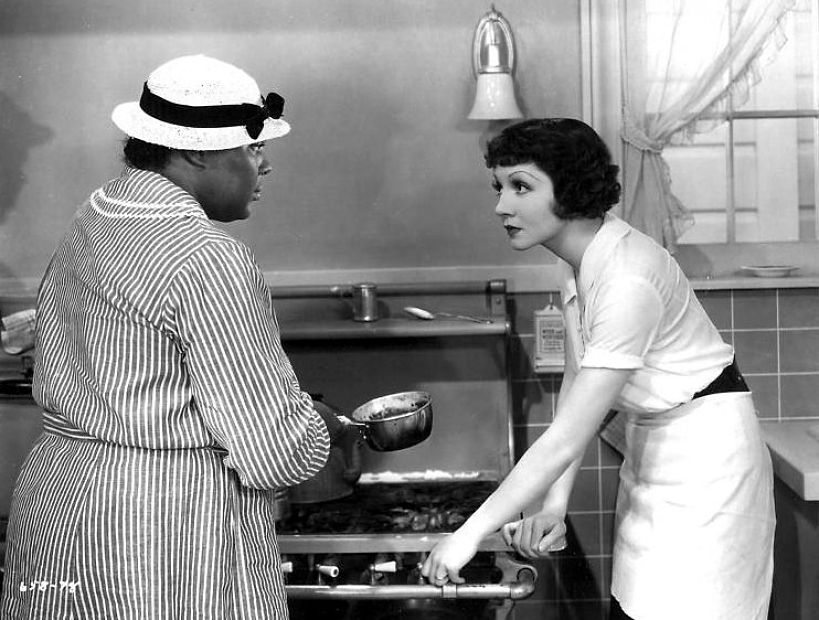
Merely being ahead of one’s time is a great in and of itself, however, that alone doesn’t make for a great drama. What’s fortunate is that for this film it has both. Imitation of Life deals with race about as openly, maturely and progressively as any film of its era – if you can fault it for anything cinematically it’s being slightly repetitious (But it addresses that), in social terms it discusses and even challenges norms. This was considered a dangerous films and Universal was strongly urged not to make it. Not only does it deal with race relations but in having Delilah’s daughter be able to pass for white, it also implies miscegenation, which was at the time one of the biggest taboos there was.

However, as I said without a compelling narrative all of the above is just a footnote. Bea’s chance meeting with Delilah snowballs in a very compelling way into a most unlikely friendship and partnership. The trials as single mothers also form dueling subplots that at times are equally compelling. The only knock I thought I had against it was that I wanted more focus on the more unusual plot, but based on the way things play out it is handled properly.

Blossoms in the Dust (1941)

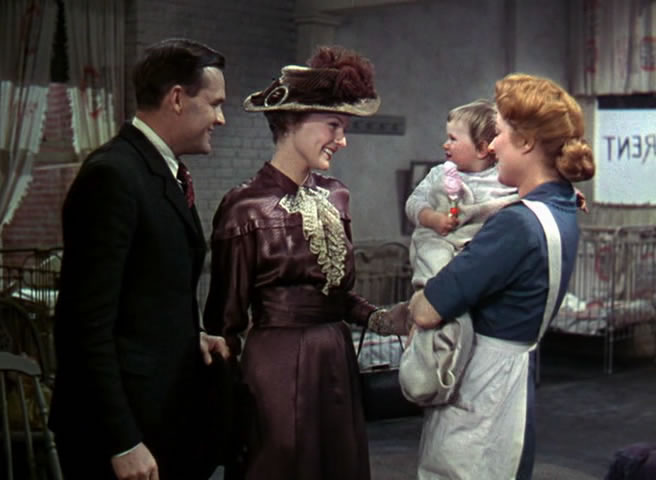
Blossoms in the Dust (1941,

Perhaps one of the biggest laments in all my TCM 31 Days of Oscar watching has been the fact that I didn’t sit and watch all of Greer Garson’s consecutive Oscar-nominated roles back-to-back. Since that block aired I’ve been trying to make up for it and I haven’t been disappointed yet. Here’s my reaction to my latest find:

This was actually I found in a drug store on Oscar Day in 2012, this was after my having missed this on a TCM broadcast. This film is part of Greer Garson’s legendary run of five consecutive Oscar Nominations for Best Actress and six in seven years. Yes, this film doesn’t get away with not having its stump-speeches and it does give a classical Hollywood whirlwind treatment to and elongated tale, but it is so tremendously moving and gorgeous to look at. Watch it for the the acting, watch for Karl Freund working in color and stay for the tale, which when it really has to, when it wants to hit home, holds up just enough. It took me a while to get this one off my to watch pile, but it certainly was a memorable viewing. There are plenty of jaw-dropping moments in the film. I also learned a few things so it has the righteous indignation angle working for it too.

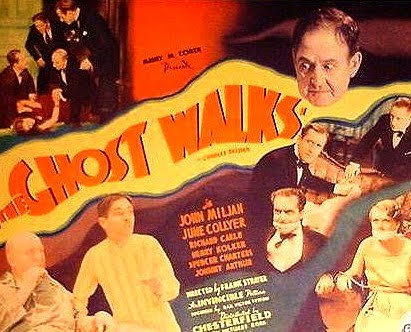
The Ghost Walks (1934)

The Ghost Walks (1934)

There are two titles on this section of the list with the word Ghost in the title. Only one, however, can stake any claim to being a straight horror film and this isn’t the one. There’s plenty going on in both, more so here:

Perhaps the first thing that struck me as a side note is that this is the first of the selections I chose that struck me as being very Pre-Code, though its December 1st, 1934 release date made it after promised Code re-enforcement. Most of that impression has to do with the theatrical producer and his the male secretary, the secretary both in affectation and through dialogue directed at him, is being portrayed as gay – perhaps the biggest code taboo. This all leads me to my second point, which is had the acting not been of such quality, the lines not as well-timed or funny, this film would’ve been ridiculous. Instead it’s one of the funnier films I’ve seen in a while. Granted the horror/thriller portions are intended too and the first act pantomimes a straight horror film excellently, but the comedy is very much by design and laugh out loud funny.

The Classic Movie History Project Blogathon, 1944: Carmen Miranda, The Three Caballeros and the Good Neighbor Policy

Introduction and Approach

With the Classic Movie History Project Blogathon it was always my feeling that there was, and is, only so much of any given time period that one can truly discuss given the confines of a blog post. Truly if you’re looking at an artform such as film one that was so fruitful at this time, and already a global enterprise, then it becomes doubly impossible to accurately encompass the landscape at the time.

Therefore, I felt that the best way to tackle this year was to find an entry point. An entry that would allow me to discuss the topic I chose to focus on through the guise of one film. The Good Neighbor Policy, due to my being a dual citizen of the United States and Brazil, was always a topic that fascinated me. Therefore, I found my “in” in 1944’s (due to its premiere date in Mexico) The Three Caballeros.

Ideally, I would’ve loved to have taken in more retrospective viewings of various artists leading up to this post. As fate would have it, this blogathon fell around a time where the blog was very busy and my viewings are slight. Therefore, I hope it will inspire future viewings. In the meantime, however, there are insights one can glean from this title, and some things I do know to be true about how a pacifist, isolationist policy of non-interference did open up Hollywood to new names, voices and cultures.

Political Background

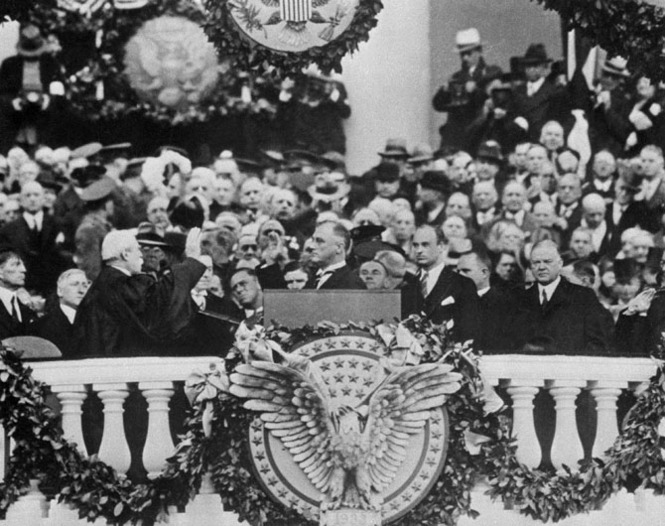
FDR Inauguration 1933

The film that is the centerpiece of this article is one that comes towards the end of The Good Neighbor Policy’s era. An era commonly defined as ending in 1945 with the threat of the Cold War looming following the end of the World War.

The policy was intimated at Roosevelt’s inaugural address in 1933:

“In the field of World policy, I would dedicate this nation to the policy of the good neighbor, the neighbor who resolutely respects himself and, because he does so, respects the rights of others, the neighbor who respects his obligations and respects the sanctity of his agreements in and with a World of neighbors.”

This policy was later formalized as any number of occupations and treaties were altered to reflect said intention, and later the formation of the Office of the Coordinator Inter-American Affairs (CIAA) in August of 1940 and appointed Nelson Rockefeller to head the organization. The Great Depression’s necessities aside, it was a policy a long time coming, whereas two such examples of US involvement in Brazil were attempts to free the Amazon waterways for trade and siding with Bolivia with politically, and with additional kinds of support if necessary, in a dispute over a piece of land that now forms the state of Acre.

The Policy’s Impact on Hollywood

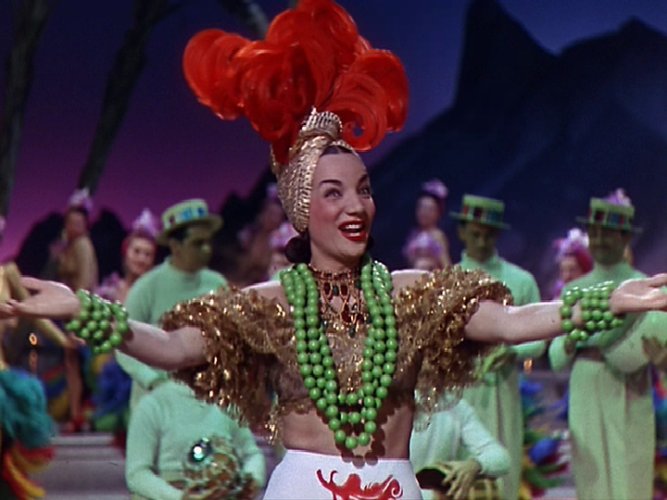
carmen1702

It was the CIAA that pushed the Good Neighbor Policy into the entertainment field. Walt Disney Studios and 20th Century Fox participated; RKO can be said to (though Welles never finished his documentary, and his being sent to Brazil has been generally cited as an excuse to wrest control of the edit of The Magnificent Ambersons away from him).

The question of how much influence entertainment has is always something open to debate, however, there’s no question that when seeking to improve an image in the American consciousness the World’s Fair of 1939 was one step, but the motion picture would reach many more hearts and minds.

With regards to Carmen Miranda, who representing Brazil, rose to stardom earlier than Disney could get their efforts to the screen; it illustrates the double-edged sword of a nation being brought out of its shell and into the consciousness of another for the first time.

Miranda received lavish praise and early stardom here in the US and eventual backlash in Brazil that was ultimately rescinded, just prior to, and upon her untimely passing. Essentially, the difficulty, and the issue is, that no one person is a monolith. She is not a monolith, she is not “The Brazilian bombshell,” but a Brazilian; one Brazilian. While the studio system of the 1940s was the perfect time to bring about some stars generated from these policies due to the amount of films generated and the star-specific packaging many titles employed, it was also a time sure illustrate some issues in the way global figures were handled in pre-globalized world.

Now I grant that I’ve seen footage of Miranda but not the films, but I know her playing an Argentine in Down Argentine Way is a stretch, so I take some of the same issues with that concept as they did.

Essentially, I view Miranda as a unique personality and persona that seemed to have been shoehorned into almost anything Latin in her time at Fox. The failure of Fox is a lack of specificity, which is where Disney excels in their treatment of Brazilian subject matter.

1944

SaludosAmigosLC

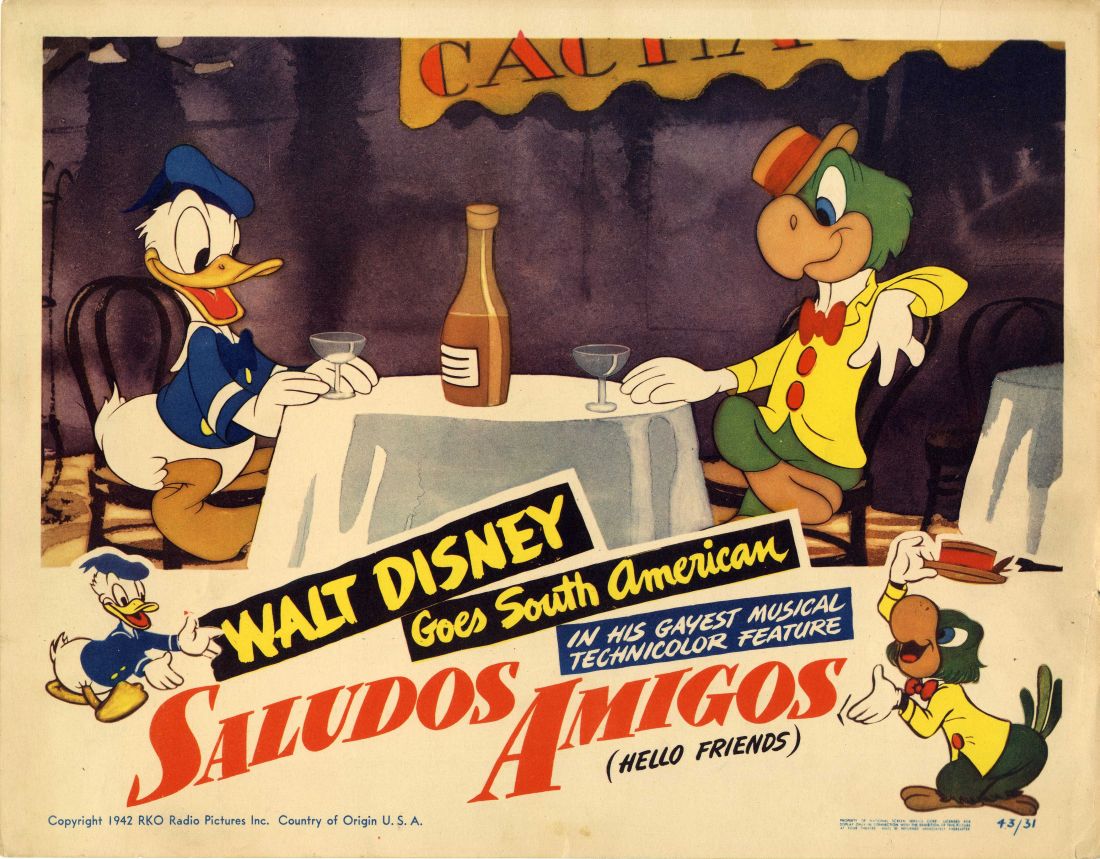
The road to the creation of The Three Caballeros really begins with the release of Saludos Amigos two years prior. Where the Three Caballeros stands out is adding another new character to the mix and expanding the what we knew of one character. And it is worth noting that being ahead of the curve by about 70 years these films premiered in Brazil and in Mexico, as mentioned above, respectively a few months ahead of hitting US theaters.

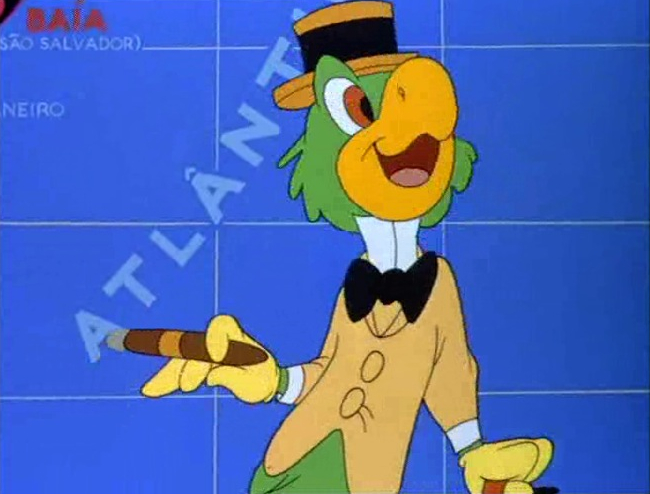
Saludos Amigos features four segments (Lake Titicaca, Pedro, El Gaucho Goofy and Aquarela do Brasil) the first features Donald in classic form struggling on a journey through the mountains; the second an anthropomorphized airplane on an adventure through Chile; thirdly, as one might expect from the title, it’s Goofy flubbing through the ways of the South American cowboy; then via the newly-introduced José Carioca, or Zé Carioca as he is known colloquially, Donald is given a musical medley, metamorphosing watercolor tour of Brazil.

The Three Caballeros

ThreeCaballerosTheLC3

The Three Caballeros is similarly constructed in a composite style. However, as opposed to Saludos Amigos it gets into full-blown feature film range (71 minutes) as opposed to Saludos Amigos‘ technically-feature-film-but-really-a-short film range (42 min).

This film puts Donald Duck front and center as opposed to just having a segment. Donald not only makes it a humorous film, but is also perhaps the most representatively American character to go on a South/Latin American tour. Not only that but the precedent of bird characters had already been set with José Carioca being introduced last time, and Panchito Pistoles joining the trio this time.

The framing mechanism in this film is birthday presents to Donald. The great thing is that the first segment is going to Bahia, a part of Brazil it turns out Zé only knows by reputation, which is a move I appreciate because it tips its hat to how big and regional a country Brazil is.

Snapshot 2014-01-14 13-50-34

Next there is The Cold-Blooded Penguin segment which is a great way to incorporate going all the way up the Pacific coast of South America. There is a quick interstitial with some rare bird species introduced that it also used to transition, and there’s also a hilarious tongue-in-cheek reference to Professor Holloway voiced by Sterling Holloway.

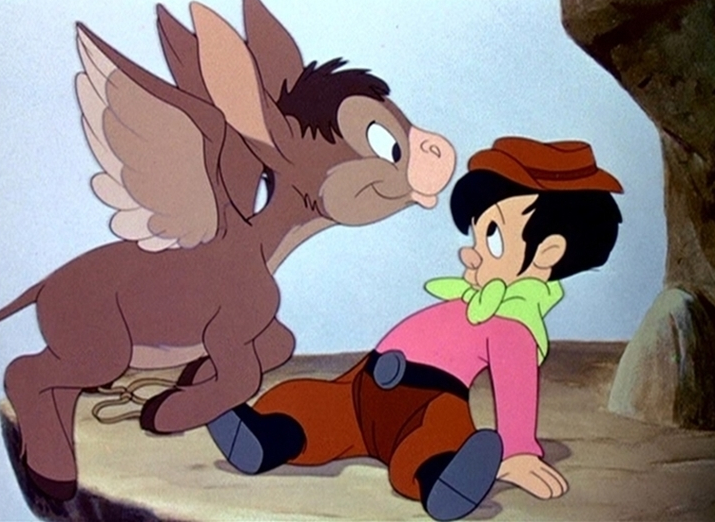
Whereas the last film there was an Argentine gaucho tale here there is a Uruguayan gaucho one with tale of the flying donkey, The Flying Gauchito. While being influenced by the Good Neighbor Policy and at time didactic by nature there is also a good bit of naturalness where things are sometimes just said and not instantly translated, or translated at all, and just left to incite further curiosity.

With the tour of Bahia there is beautiful scenery, which I’d like to see restored. Implementation of live-action and animation co-exisiting. It also allows the music to speak for itself. Music which for this film, in Portuguese, was written by the famous Brazilian sambista Ary Barroso.

Snapshot 2014-01-14 13-53-28

So in his two-film stint Zé Carioca gets a decent tour of Brazil in. Owing to the fact that Mexico is our neighbor to the south, and that this is Panchito’s lone appearance, I understand how and why Mexico gets a much more thorough tour. It starts with the introduction of the history of the piñata and a Mexican Christmas custom of Posada; continuing with the Story of flag/Mexico City; there’s a song accompanied by montage; a Favorite dance illustrated, a trip to Veracruz for the Lilingo; Acapulco beach; the second live action/animated sequence: “You Belong to My Heart” that leads into a long very Disney, with Berkeley allusions; a metamorphosing montage concluding in literal fireworks, and a trilingual “The End.”

Aftermath

Snapshot 2014-01-14 13-59-50

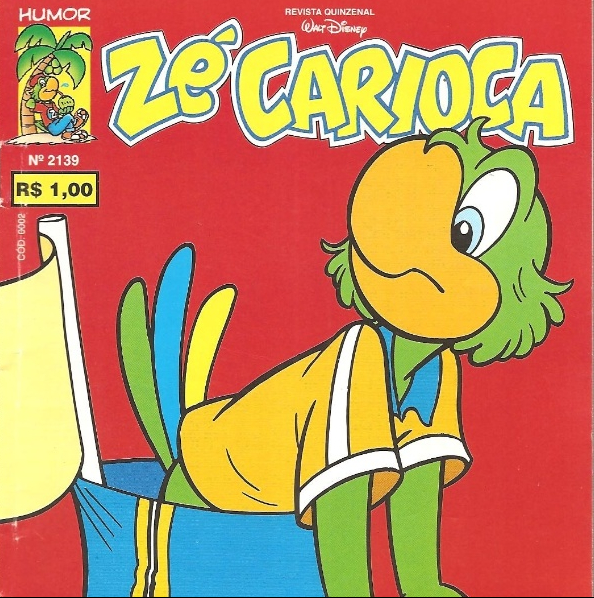
Zé Carioca still survives, and, in fact, thrives in comics in Brazil. Being an originally by Disney he’s a obviously canonical, but is a testament to the power that the Disney characters have in that medium. In fact, in the Brazilian comics his own universe has expanded to include many supporting characters and cousins that represent different parts of the country. Aside from that he has resurfaced in American comics in stories by Don Rosa; on television, in Mickey Mouse Works and House of Mouse and in film as one of the many cameos in Who Framed Roger Rabbit. In the Disney Parks, the addition The Gran Fiesta Tour Starring The Three Caballeros reintroduces them to many.

Panchito Pistoles, aside from being a mascot on some Mexican WWII aircraft, he has not had much life outside American-made Disney products.

Funnily enough, while there were mixed feelings about Brazil’s first breakthrough thanks to the Good Neighbor Policy, the cartoon no less, that has had a bit of staying power and seems to have offered a less controversial representation. It’s well documented, even in a documentary that I’ve not yet seen, but want to; that Disney and/or his team spent a bit of time in Latin America therefore they got a good sense of the culture and at least on parts I can attest to didn’t go off half-cocked. and created some lasting, lovely tributes to a people and a culture that have stood the test of time.

Conclusion

Kiss of the Spider-Woman (1985, HB Filmes)

It’s pretty interesting to have happened upon this topic now. I recently discussed both the breakthroughs and the lamentations I had about the globalization of casting. My impetus was another, but the discussion of current Brazilian actors and the roles they are afforded in American films for global consumption is oddly not that different that this one.

A progressive governmental impetus was a great breakthrough for Latin culture in the American cinema. Not to be overly-reductive, but it’s sad the Cold War retarded whatever progress could’ve been built off that momentum for a number of years, and when you consider that McCarthyism would soon be in play and careers and lives would be ruined it’s not too far from accurate. As best as I can figure there would not be another Brazilian-born actress breaking through into American films in any significant way until the mid-eighties [Marília Pêra in Mixed Blood (1984) and Sonia Braga in Kiss of the Spider Woman (1985)].

However, I do have hopes regarding the ever-digitizing and -shrinking world that both the long-overlooked past will not be ignored and that mistakes of the past will be righted in the future. There’s a hilarious Carmen Miranda gag on Family Guy where Carter says: “Am I a singer or a dancer? No one knows, they just remember the fruit.” Which is the sad truth with regards to the past. As for the future, the bottom line is that when you go outside what’s known there are new and interesting stories to be told. The Three Caballeros is testament to that, which is 70 years old. Maybe one day we’ll learn from that.

Favorite Older Films First Viewed in 2013 (Part 3 of 5)

This is a list I first saw on Rupert Pupkin Speaks. The idea is to list your favorite films from the past year that you saw for the first time, but exclude new releases. This allows much more variety and creates a lot of great suggestions if you read many of them.

Since I tracked these films much more closely this year my list grew long. I will occasionally combine selections by theme, but there is enough for five posts. These choices are in no particular order.

Enjoy!

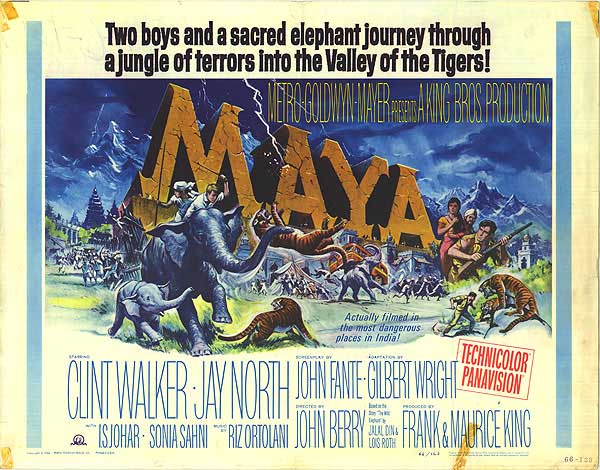
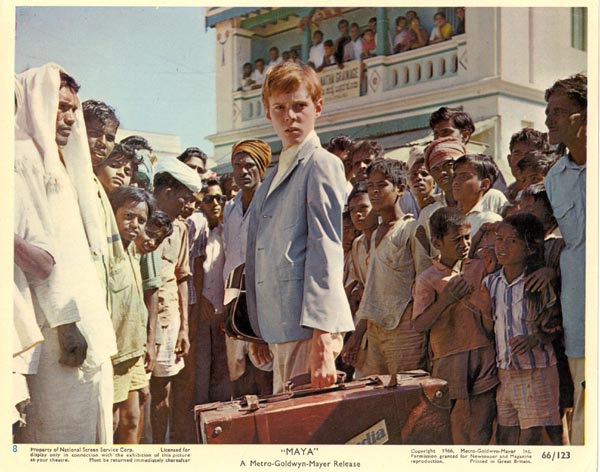
Maya (1966)

Maya (1966, MGM)

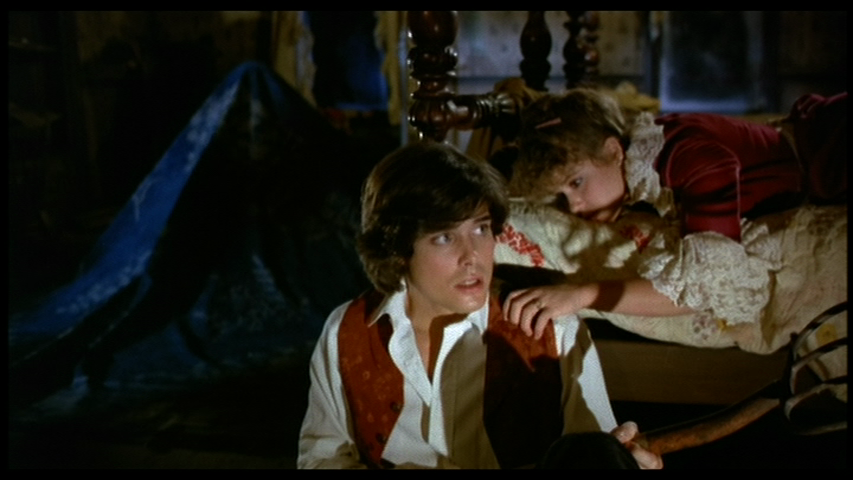
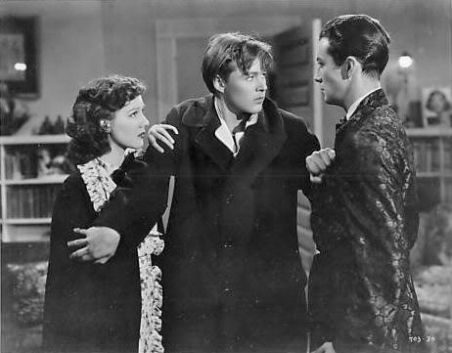
This is one of two titles that appears on this section of the list thanks to their being made available by Warner Archive. This is one of the great things about Warner Archive is that they do rescue these titles from obscurity. This was one of Jay North’s rare film roles after Dennis the Menace was done airing, and it was apparently popular enough to spawn a TV-Show spin-off that ran for a season, which starred both himself and his sidekick Rajid Khan.

Maya tells a simple tale of a boy who runs away in India after a fight with his father, but does so very entertainingly and creates great adventures, and a wonderful bond between its two leading characters.

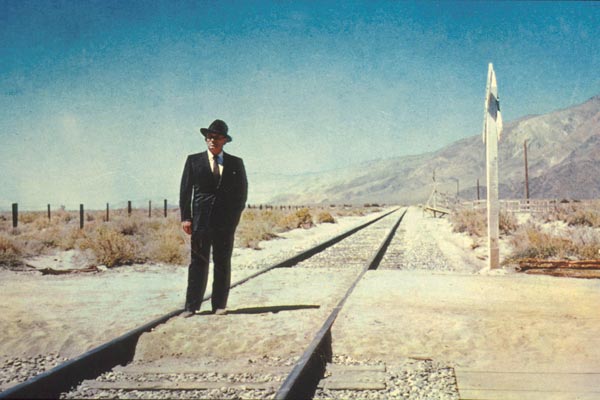
Bad Day at Black Rock (1955)

Bad Day at Black Rock (1955, MGM)

If you like films that take place all in the course of 24 hours it’s kind of hard to do better than Bad Day at Black Rock. The film brilliantly takes its time, paints xenophobia and builds tension. Furthermore:

This film sets itself up so well and does things that work in its favor constantly. It deals with xenophobia, with regards to its ghost character; it deals with the stranger-in-a-strange-land trope brilliantly, with its protagonist; however, it also makes the paranoia felt in this town so palpable the lead is instantly on the defensive, such that you’re left unsure as to what his business in town is. It’s a cloistered and oddly claustrophobic tale, in what looks like an inhabited ghost town that’s well worth watching.

Bolt (2008)

Bolt (2008, Disney)

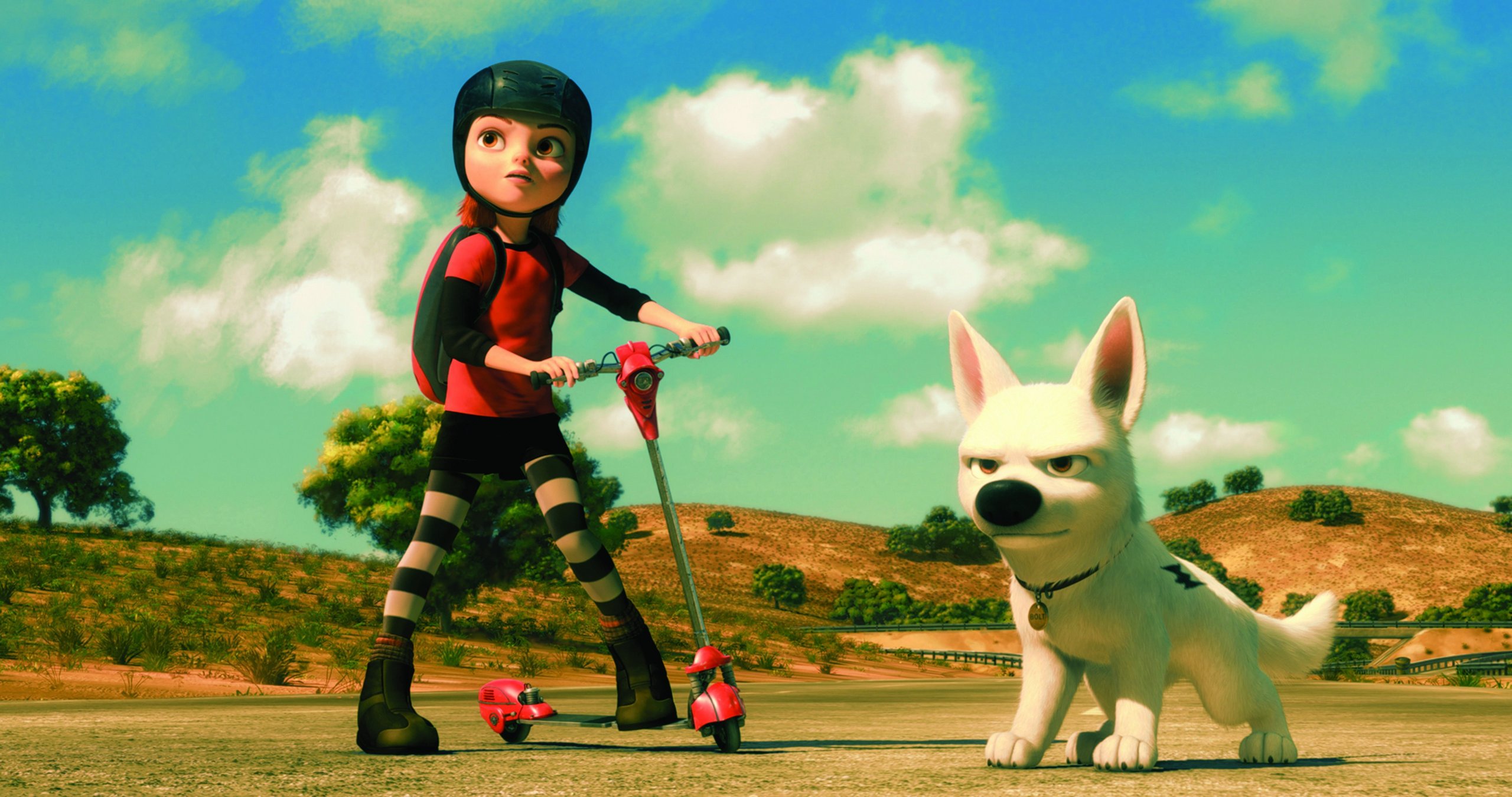
This was one of my more fortuitous viewings of the year. It was already into my March to Disney theme it was early on a Sunday, before you even ponder doing much of anything, and this came on Disney Channel. I found myself not only pleasantly surprised that this was a good Disney animated feature of recent vintage that I didn’t give a fair shake when it was released theatrically, but also that it shared similar themes and topics as a classic with modernized touches.

A Lizard in a Woman’s Skin (1971)

Lizard in a Woman's Skin (1971,  Apollo Pictures)

When you’re dealing with the two titans of Italian horror you’re lucky to find a new-to-you film. Recently, prior-to-its-reissue, I happened upon a region-two DVD of this hard-to-find film.

When one gravitates towards Italian horror and starts to navigate it, one is generally made aware of the two most titanic figures in it: Argento and Fulci. Many viewers make it seem like you have to embrace one and scorn the other. I do not believe that is so. They both operate in rather different ways, but this title perhaps could be viewed as the closest to there being a stylistic overlap, certain tropes are similar: the approach to the narrative highly stylized, while the protagonist “witnessed” the incident in a dream, or fugue state early she (like us) is trying to make sense of what she saw, to identify the culprit, going in chase of them parallel to police activity, and independent of them.

A Lizard in a Woman’s Skin may not be Fulci’s greatest work, but it is another great work of Fulci’s I was glad to discover.

The Smart Set (1928)

the-smart-set

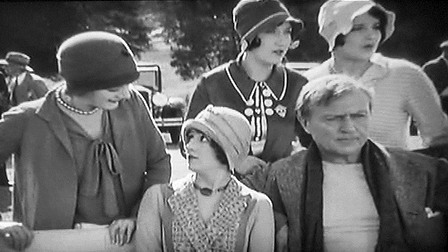
I will admit there is an unevenness to the lead performance in this title. William Haines is a jokester who has to start realizing the consequences of his actions and be brought back down to earth. He loves a girl, he’ll want to win her. Perhaps one of the brilliant things about the film is that is does work despite the fact that for about 30 minutes Haines seems to be enacting a slapstick performance from the decade prior. However, when he starts acting more like a person he is pretty good and charming. The film is funny, romantic and dramatic and really starts to kick into gear. This was a film I discovered thanks to Coy Watson, Jr.’s biography, and he does brilliantly in his small role. The standout may be the reconstructed, gorgeous score of the film. Many thanks to Warner Archive for that and for making this great film available.

Sisters (1973)

Sisters (1973, AIP)

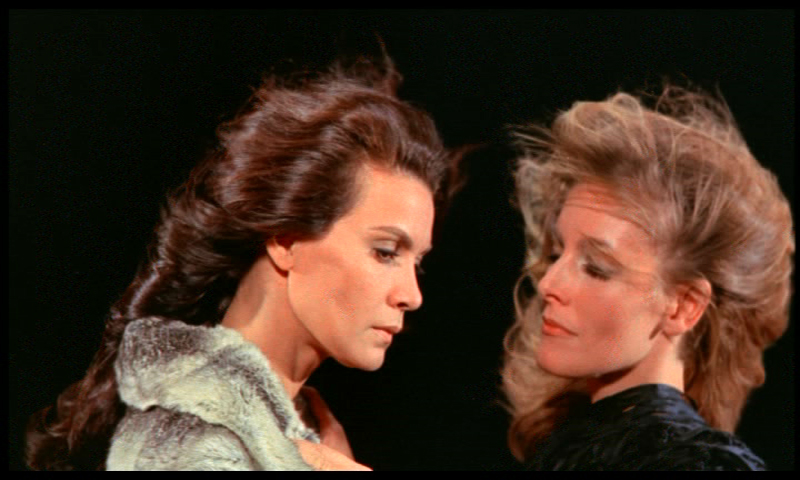
One way I chose selections for 61 Days of Halloween was Stephen King’s list of standout horror films from 1950-1980. On it a few selections were Brian De Palma films. I went into this film a virtual blank slate and was very glad I did.

Sisters is a great little gem. I use that term because it starts with a fairly small series of events one after another that slowly turn in to a much bigger plot than was intimated at first. The simple Hitchcockian mystery element gets more byzantine as it progresses; even throwing some last second misdirection, making certain things even weirder than they are.

Hell Night (1981)

Hell Night (1981, Compass International)

This is a choice I owe completely to my being invited to participate in my first ever podcast as a guest. Because of that I finally got around to viewing this film. If you want more in depth discussion of the film you can go check that out. For a quick blurb that may convince you, read this:

It may be another slasher, another slasher with college co-eds but it does try to spice things up. Firstly, the four pledges who are locked in the house of ill-repute overnight are two different factions: those very much into the fraternity/sorority process and those not so enamored with the idea, doing it because they feel they have to.

And as mentioned on the podcast, it does masquerade as a haunted house film a bit which gives it an additional layer.

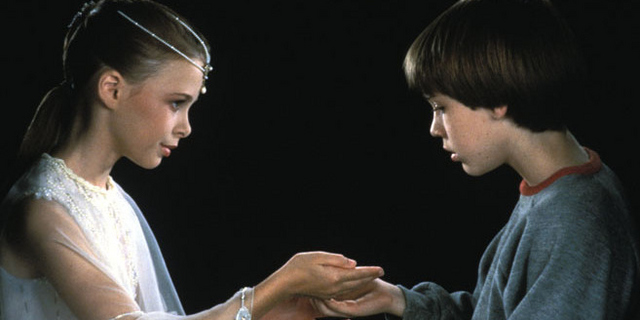
The Neverending Story (Original German Cut) (1984)

The Neverending Story (19484, Warner Bros.)

This was an alternate cut that I didn’t even know existed until I saw an announcement from Diabolik DVD. If you’re interested in specific, detailed explanations of what changes in this version the IMDb does have an exhaustive user-submitted list.

In short: some of the voice talent is different, the score is different, some scenes play out longer and better. You have to be a huge fan of the film to want to pay to get this version (the Blu-Ray is region-free, by the way), but if you are it’s well worth it, as there is a different, at times darker feel to it. It also has a German dub that I may try out one day.

Dead Souls (2012)

Dead Souls (2012, Chiller)

There are a few noteworthy things about this film. First, it’s the newest title and second it’s the only made-for-TV movie that appears on the list. It’s one that I wish I had sneaked into my 2012 BAM Awards. As it stands, I didn’t and it makes an appearance here.

What this film does that’s slightly off the beaten path is that it plays out like a haunted house/ghost story, but also has an element of occult building and that puts it’s own spins on the events.

It leaves its protagonist John (Jesse James) alone much of the time. That’s good for character work, especially when there’s an expressive actor in tow. James has a natural sensitivity that exudes off the screen and allows him to carry the vehicle quite easily. He effortlessly handles the notes he has to play in the film: thoughtful, quiet, scared – and, upon learning what he deals with, feeling an emotional pull to the place and his family he’d never known. He does brilliant work here.

It’s definitely worth checking out.

Favorite Older Films First Viewed in 2013 (Part 2 of 5)

This is an list I first saw on Rupert Pupkin Speaks. The idea is to list your favorite films from the past year that you saw for the first time, but exclude new releases. This allows much more variety and creates a lot of great suggestions if you read many of them.

Since I tracked these films much more closely this year my list grew long. I will occasionally combine selections by theme, but there is enough for five posts. These choices are in no particular order.

Enjoy!

The Marriage of Maria Braun (1979)

The Marriage of Maria Braun (1979, Rainer Werner Fassbinder Foundation)

One theme that was hard to split up among all these lists were the works of Rainer Werner Fassbinder. While Fassbinder made the lists in 2011 and 2012 I saw one and two films of his in those years respectively. This year I saw quite a bit more, and then got both region 2 box set of his films.

I was more hooked on his work than any other filmmaker this year, and this is the first of his selections that will show up here. The postbellum period in Germany’s history was one of his major preoccupations and while I’ve not yet seen all that’s readily available this appears to be both the most evocative and effective of his works on the time period; whereas Fassbinder paints the portrait of a nation, and a period of time, through the eyes of one woman.

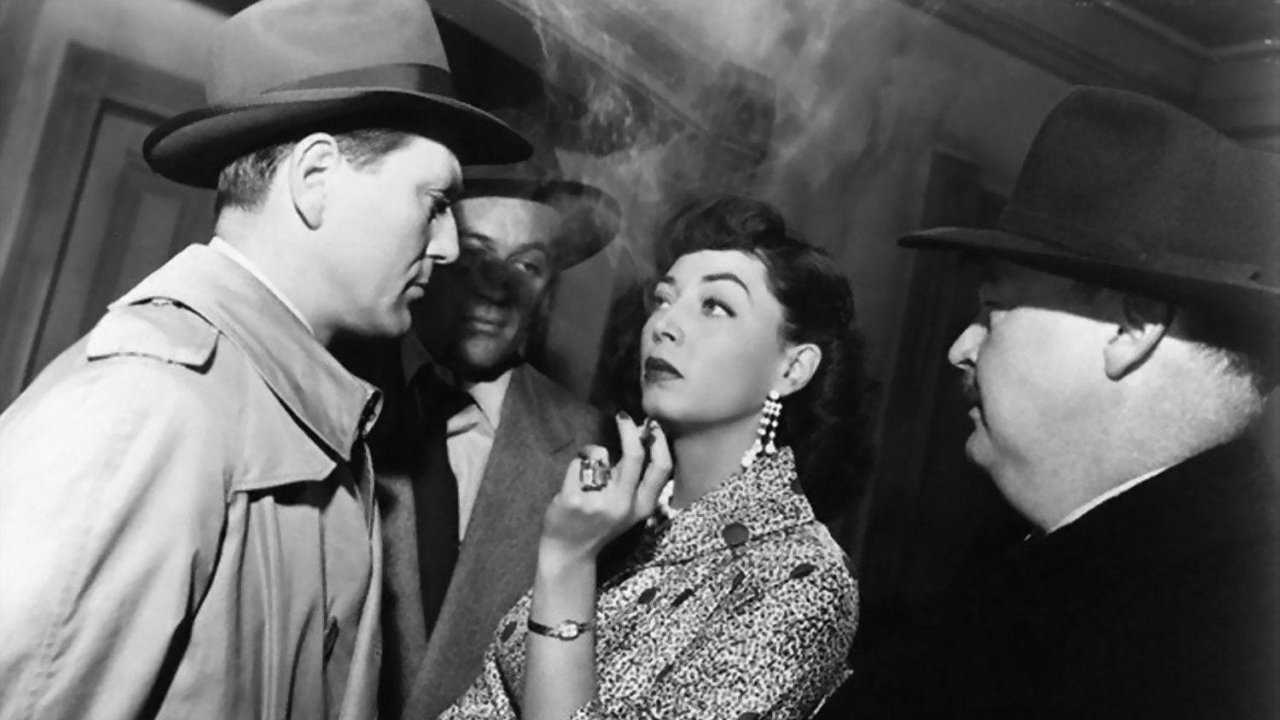
The Narrow Margin (1952)

The Narrow Margin (1952, RKO Radio Picutres)

This is another selection from 31 Days of Oscar and was one of the films I had heard the least about going into my viewing. Here was my initial take:

Here’s another film with a short running time but a hell of a lot of wallop. The setup is great: cops escorting a grand jury witness cross-country to testify against a mobster. When you throw in the fact that it’s a film noir tale, you know you’re gonna be thrown for a loop quite a few times and boy does it have some doozies up its sleeve. This movie’s the kind of good that had me absolutely buzzing after it was over. Amazing.

It was a late night viewing that kept me riveted and is very memorable.

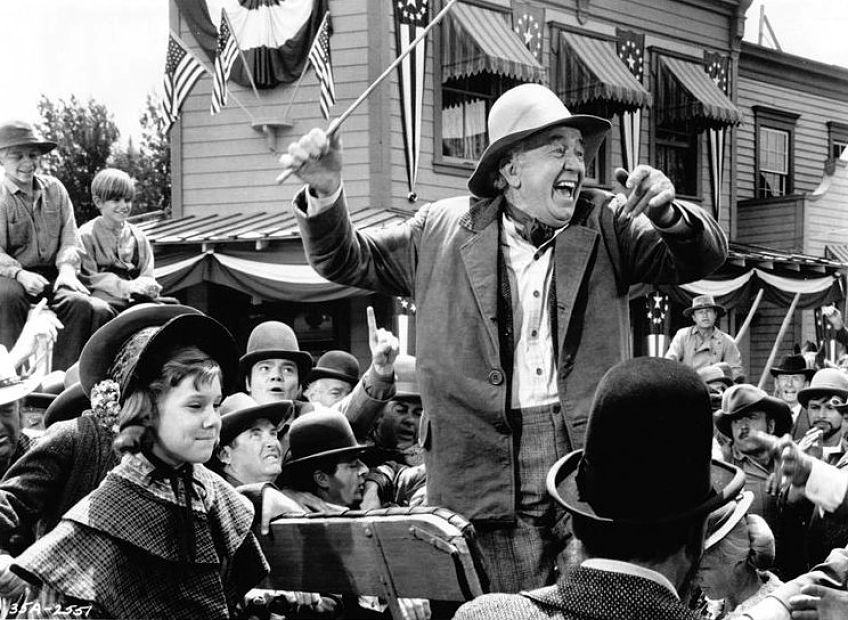
The One and Only, Genuine, Original Family Band (1968)

The One and Only, Genuine, Original Family Band (1968, Disney)

Viewed, but not written up, during my March to Disney theme this film had a few surprises in store. Sure enough there were a few staples of Disney live-action musicals within in, especially enjoyable toe-tapping songs; but perhaps most surprising (in a move reflective of the time in which the film was produced, and something that would never happen now) there’s a lot of familial in-fighting of a political nature. Not only that but the backdrop is one of frontier days prior to the Dakotas joining the union. Therefore, there’s also an American history reminder folded neatly into the plot, which if you pay close attention to the Walt Disney World attractions was a favorite of Uncle Walt himself also. There’s much to like in this not-too-frequently-referred-to film.

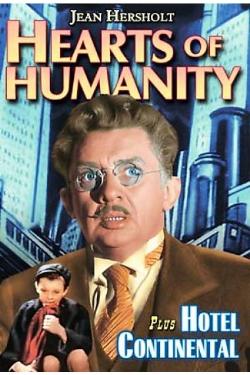
Hearts of Humanity (1932)

Hearts of Humanity (1932)

This is a film that was part of my Poverty Row April theme this past year. It’s also an example of how the initial scoring is not always indicative of how lasting a film will be. There was a film that scored higher, in part because of a more generic title, that I had to slip back in to the final post because this one was more memorable.

Here’s a blurb from my original review:

In this film there’s an example of much of what I was talking about as a boy is orphaned one day through two unrelated acts. Both his parents die on the same day. His father has just learned of his mother’s demise when he meets his unfortunate fate. The plot that follows his less high-stakes to an extent, but it is moving. Jean Hersholt is endearing in the lead and Jackie Searl shows his ability to play endearing characters as well as conniving ones, though his Irish accent isn’t that great. It’s a simple film, but a truly enjoyable one in the style that only this era could produce.

This is a film you can find on archive.org.

Blood Car (2007)

vlcsnap2012080520h12m50s77

I’m not very up-to-date on HBO and Showtime. I have, at the moment, one show I watch on DVD (i.e. late) from each. I say that by way of an introduction to the fact that I’ve been slow to catch up on the Anna Chlumsky renaissance, most notably HBO’s Veep. Granted she has a supporting role, but this was one of her first roles back from her departure from acting after a promising, if not A-list, career as a young actress.

Blood Car is a hilarious horror/comedy that riffs tremendously on current events and concerns and takes them to absurd extremes for comedic and horrific effect. Fueling automobiles with blood is a tad ridiculous, but how far away from that are we really?

Ariel (1988)

ariel1

Over the course of the week via Netflix I finally viewed the Proletariat Trilogy, which I had meant to see for quite some time. I thought that perhaps the films were just going to seem passable, although brisk, a bit off-balance comedically, unique and visual; but then there was Ariel. A man’s father commits suicide and he is framed for a crime he didn’t commit. Upon escaping from jail he wants to flee the country but of course things don’t go smoothly. I would recommend all the films as they are short and quick-moving but this is the unusually warmest and most human.

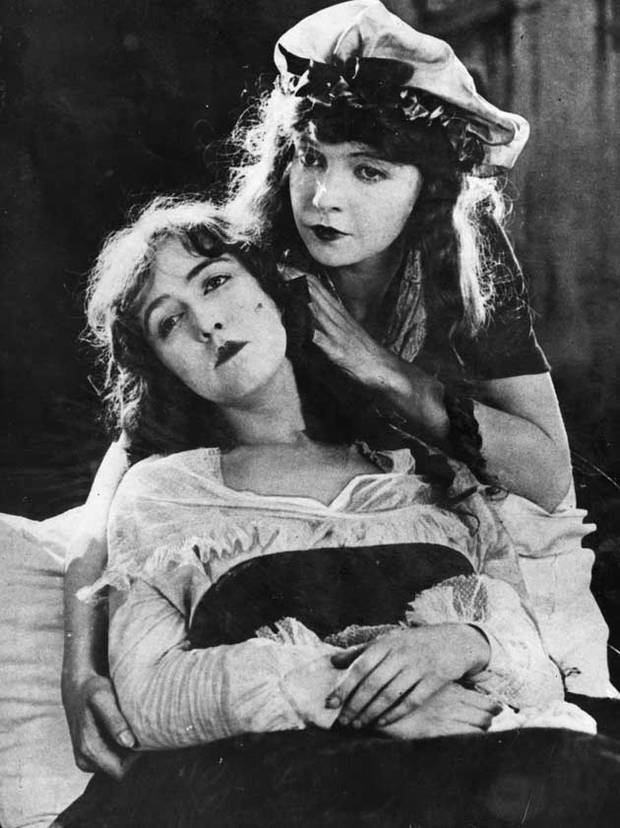
Orphans of the Storm (1921)

The Gish Sisters

Here’s one I was able to see, yes, because it’s on YouTube but the reason I even looked for it was a blogathon. Silent features, even if you’ve seen more than a few, can be a bit daunting; especially one this lengthy. However, the later the vintage on a silent feature the more like the modern language of film it is, that and this film very quickly absorbs you as I stated in more words in my original post.

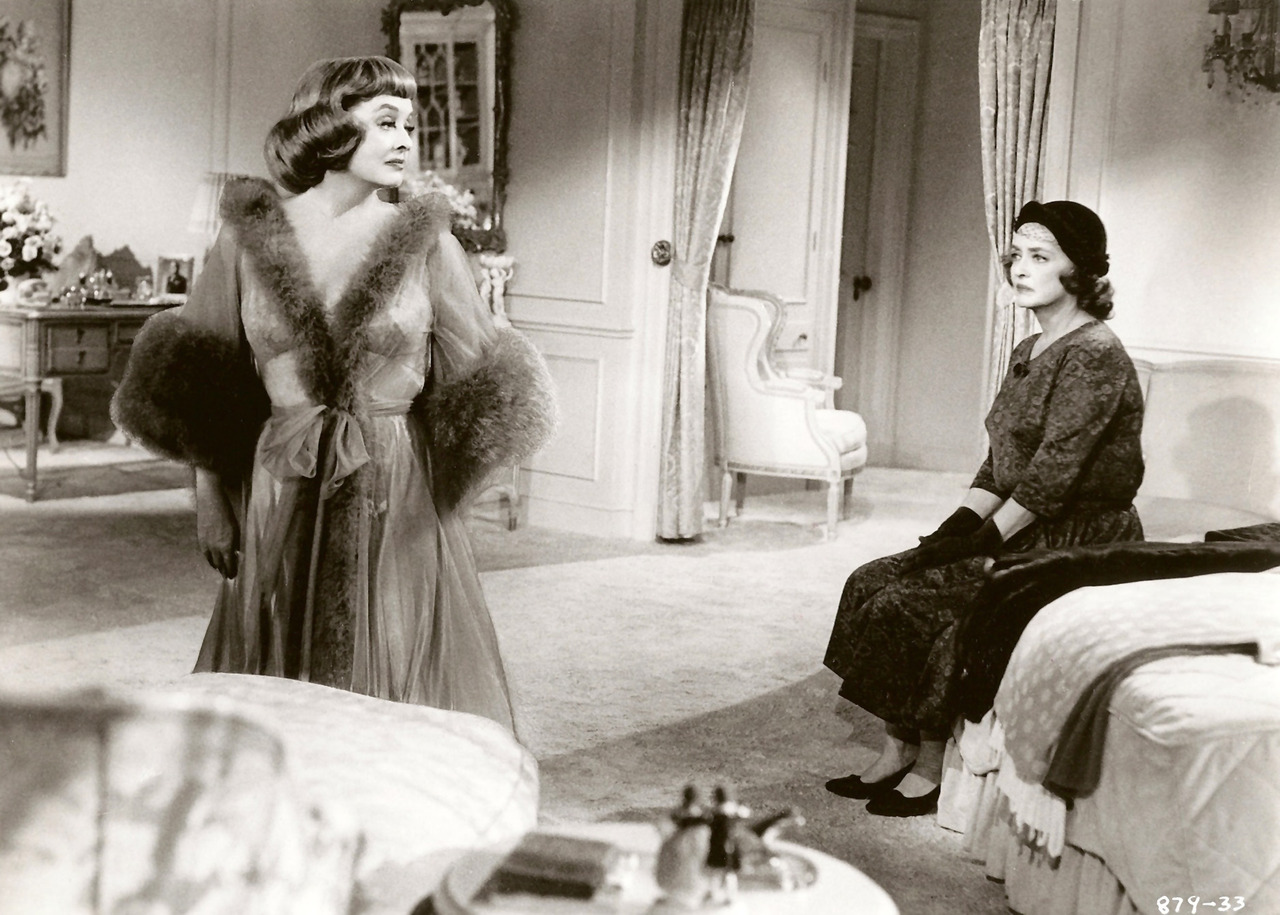
Dead Ringer (1964)

tumblr_l9ug76Nsjw1qchs1z

I shouldn’t have to try too hard to sell a film starring Bette Davis and Bette Davis. However, what bears noting is that the film is worth watching for more than just the unique double-starring role for the legend. It’s a classic revenge thriller formula with a great ending and brilliant support from Karl Malden.

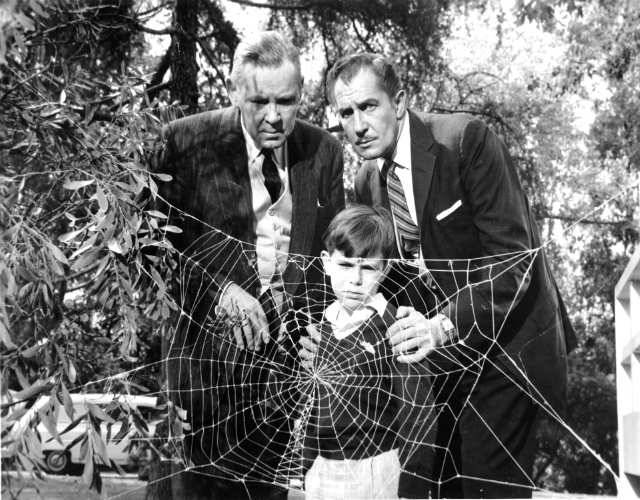
The Fly (1958) and Return of the Fly (1959)

The Fly (1958, 20th Century Fox)

I discussed the entire original Fly Trilogy during 61 Days of Halloween. However, they really stood out through now. I took a while to watch the box, and didn’t get in as many new vintage titles during that timeframe this year as I wanted to, but these were great not just on their own but also how they work back to back (as I watched them very close to one another. They make a great double-bill.

Favorite Older Films First Viewed in 2013 (Part 1 of 5)

This is an idea I first saw on Rupert Pupkin Speaks. The idea is to list your favorite films from the past year that you saw for the first time, but exclude new releases. This allows much more variety and creates a lot of great suggestions if you read many of them.

Since I tracked these films much more closely this year my list grew long. I will occasionally combine selections by theme, but there is enough for five posts. These choices are in no particular order.

Enjoy!

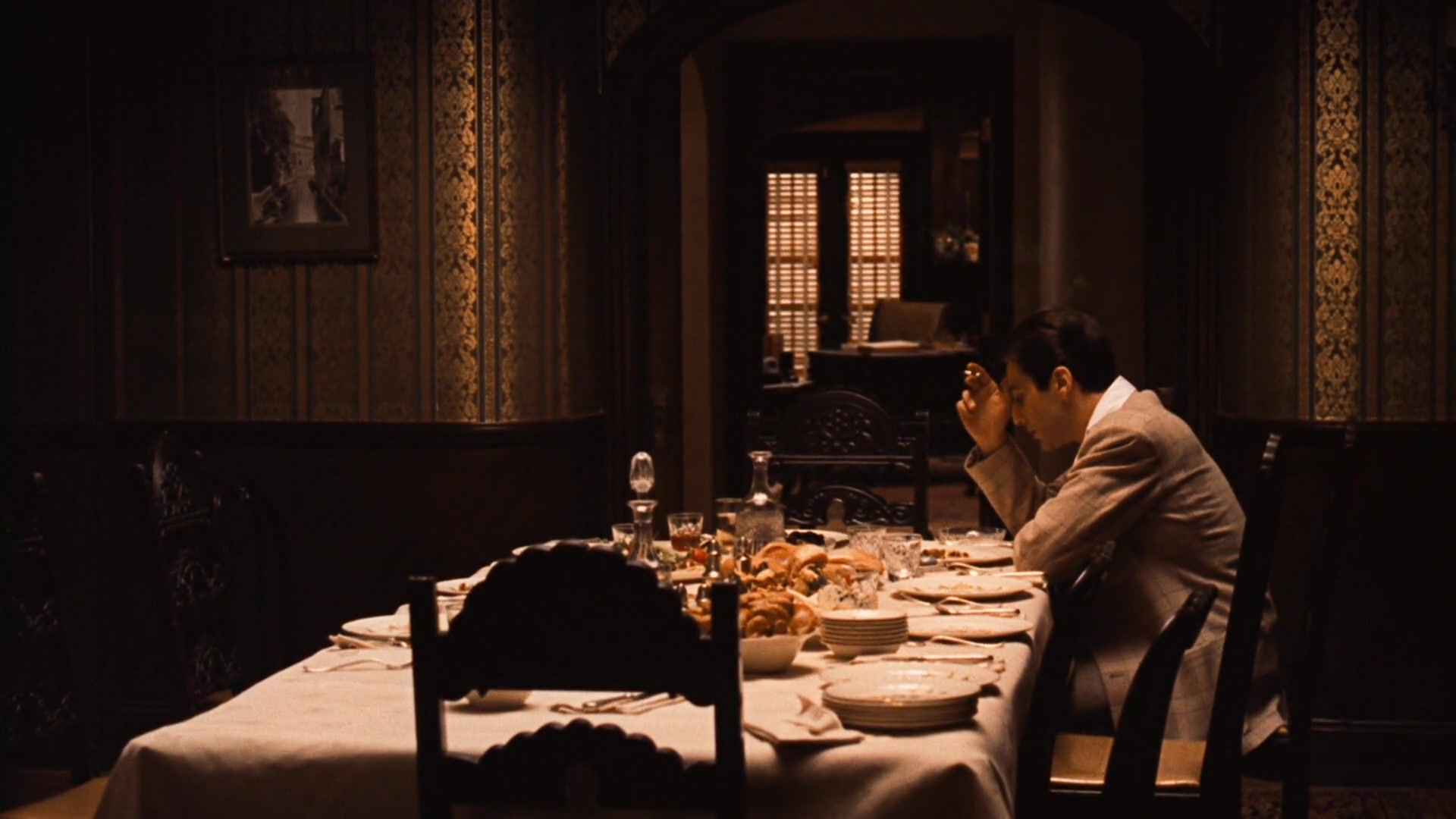
The Godfather (1972) and The Godfather Part II (1974)

the-godfather-part-ii-17601-hd-wallpapers

There’s not much that can be said (I’m quite sure) about these two films that hasn’t already been said. Perhaps what is likely more interesting to you who read this is how and why I went so long without seeing these films. I think with a lot of movies it boils down to wanting enough separation from all the hyperbole. I think once I started developing some eclectic tastes that hearing merely that: “It’s great. You HAVE to see it.” became more of a deterrent than an incentive.

Quite frankly I nearly put just part two here because it’s that much better (it’s like watching two amazing movies at the same time) but you can’t have one without the other, and one thing I take solace in is that as opposed to people who saw them as they were released I saw part two a week after part one and only waited 24 hours before being terribly let down by part 3.

Who’s Afraid of Virginia Woolf? (1966)

Who's Afraid of Virginia Woolf? (1966, Warner Bros.)

I tried to split where I saw these films when creating the five parts of this series. Thus, the likelihood of having consecutive classics is lessened. I saw this film during 31 Days of Oscar.

This was my initial capsule review:

This is an incredibly intricate and thankfully subtle-when-it-counts psychological drama. It also has an interesting approach of showing us what is seemingly your typical, bitter, drunken, couple of academia, then when their guests arrive we start to learn, slowly but surely who they really are, and the portrait painted is shocking, harrowing and really makes you think.

A personal note is that I recall the Walpurgisnacht segment from an acting class I took in college as it was one of the assigned scenes. It was interesting to not only see a film version, but also to be exposed to the entire work.

A Wicked Woman (1934)

rt3814

This is a film I saw thanks to TCM, and fittingly features an actor I spotlighted in the Children in Film Blogathon, Jackie Searl. This is a film that offers in his filmography another break from his usually slimy, bratty persona. It’s also one of his older performances from when he could still be considered a young actor and eventually transitioned to adult character roles.

It’s a brisk tale that’s a melodramatic romance. It’s briefer synopsis as offered by the IMDb is rather a simple one:

A mother, who, to save her children from a bestial father and herself from being killed, kills her husband and makes a bargain with God that if she remains free for ten years, in order to raise her children, she will then give herself up to justice.

The complications that could occur are inherent and the film does well to put some unexpected spins on the scenarios that ensue.

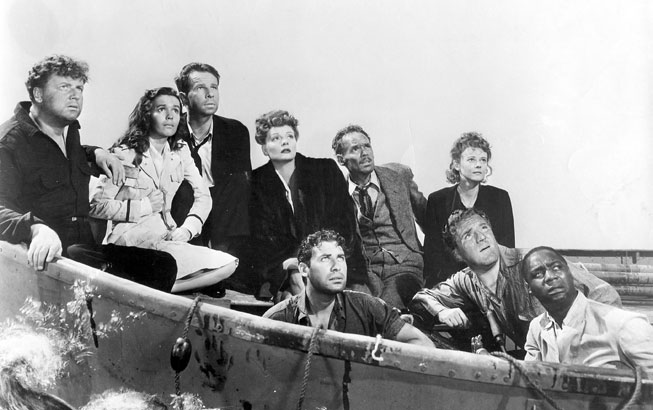
Lifeboat (1944)

lifeboat

This was a year that more and more saw more gray area tales with World War II as a backdrop. However, this one is by no means new. What’s fascinating in this film is that despite its unity of space, and the potential visual doldrums that any seafaring tales can bring on; this film remains vibrant, tense and character-based throughout, and through Old Hollywood magic (and Hitch) is pretty great to look at throughout.

The suspense is palpable because of the characters, how their drawn and the situations they find themselves in.

Tarzan’s Desert Mystery (1943)

Tarzan's Desert Mystery (1943, RKO)

It seems that some series have some late sequence gold in them. This film in the Weissmuller era, and in the RKO years nonetheless; pulls off quite a miraculous feat in being as enjoyable as it is.

This movie is ridiculously fun to watch. It’s crowd-pleasing aspects drench it and still radiate off the screen to this very day. Having traversed the series anew my expectations were corrected, but even thinking back to where they (the expectations) had been this blew those right out of the water regardless.

You don’t have to watch all the prior Weissmuller Tarzan films to get this one, but you’ll certainly have more of an appreciation of how unexpected this one was if you have.

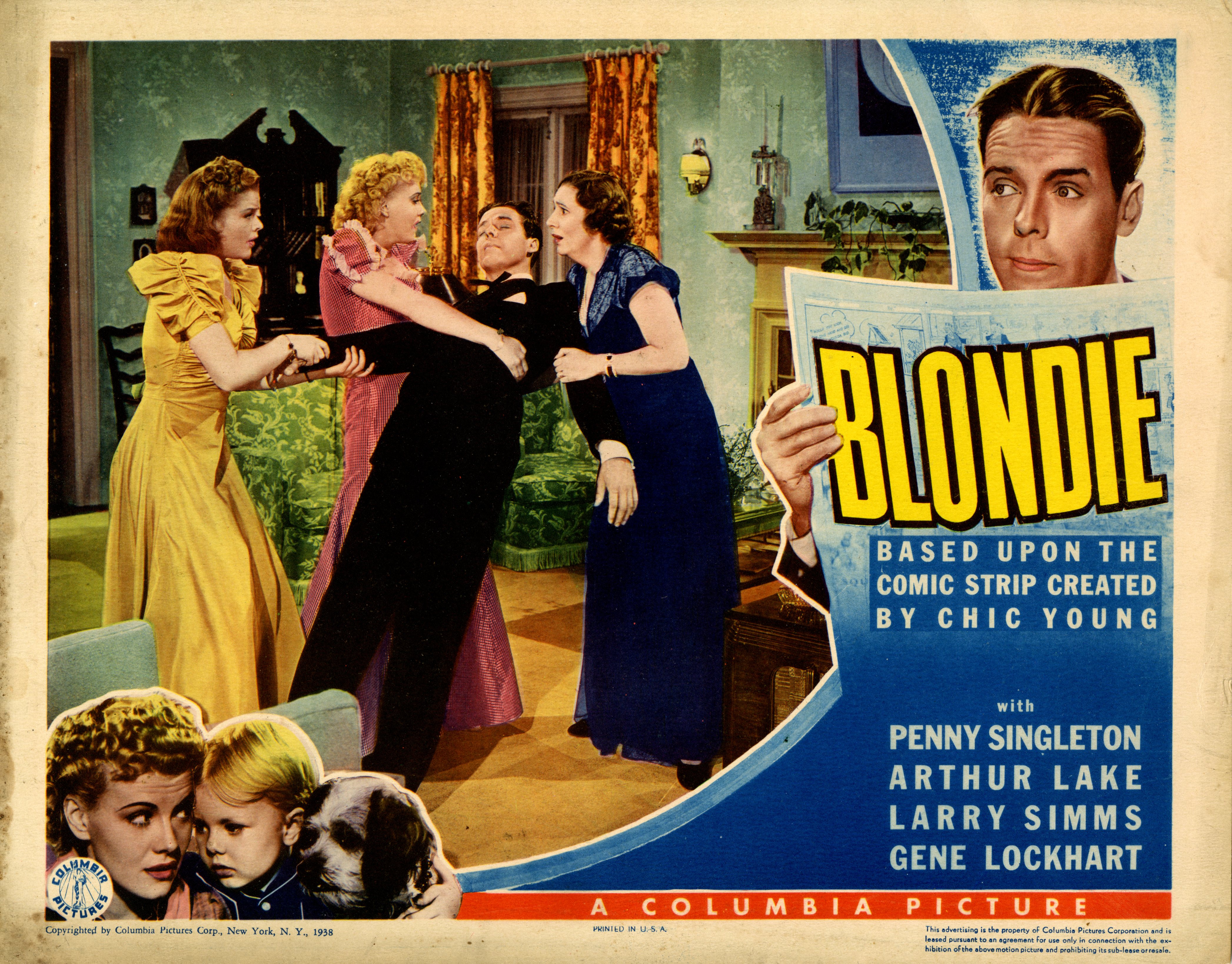
Blondie (1938)

blondie001

When people discuss that sequels are not new they often cite the glut of Blondie films that were made from the late-1930s through the early 1950s. Having gotten a cheap boxset a while back I decided to crack the seal when I heard this cited several times over.

Blondie was still in a fairly consistent rotation through syndicates in the comics section of newspapers when I was young. However, that was a small taste, and lower down the reading list for me. Despite the fact that these films seem to be TV cuts with a later scene of confusion spliced in at the head of the film as a carrot. Regardless, it’s well set-up, still funny and fairly timeless. It’s a series I’ll gladly continue through the next year.

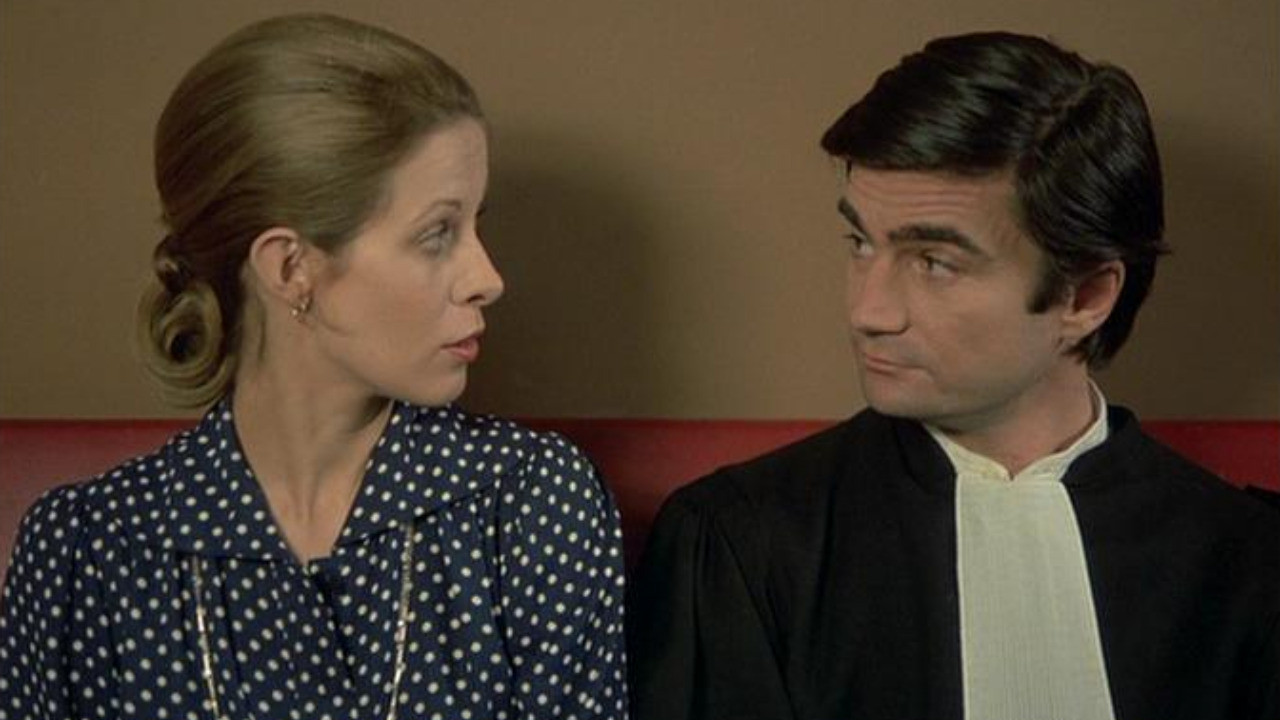
Love on the Run (1979)

njz1n3Nd2igshPYQ05epNff7aqI

Yes, I had somehow not completed the Antoine Doinel films. I love Truffaut, and somehow I hadn’t. My miscalculation was that there would be a predictable ebb-and-flow to the series. I like The 400 Blows just fine. I don’t hold it as highly as others either in his canon or the whole of his career. But viewing the entire series its a wondrous journey and this is perhaps my favorite. It cannot and would not be viewed out of sequence, as I made such mistakes in the past, but viewed in sequence you may find your own favorite. There’s much magic later on in the series, as opposed to most.

Asylum (1972)

Asylum (1971, Amicus Productions)

I have to admit I had not even heard of Asylum until a few years ago when the horror anthology became something I was more consciously aware of. My reticence again was due to hype. I don’t have sufficient frame of reference to rule this out as the best ever, but while it’s not the one I enjoyed most it is crazy good and a fairly cohesive one as opposed to most.

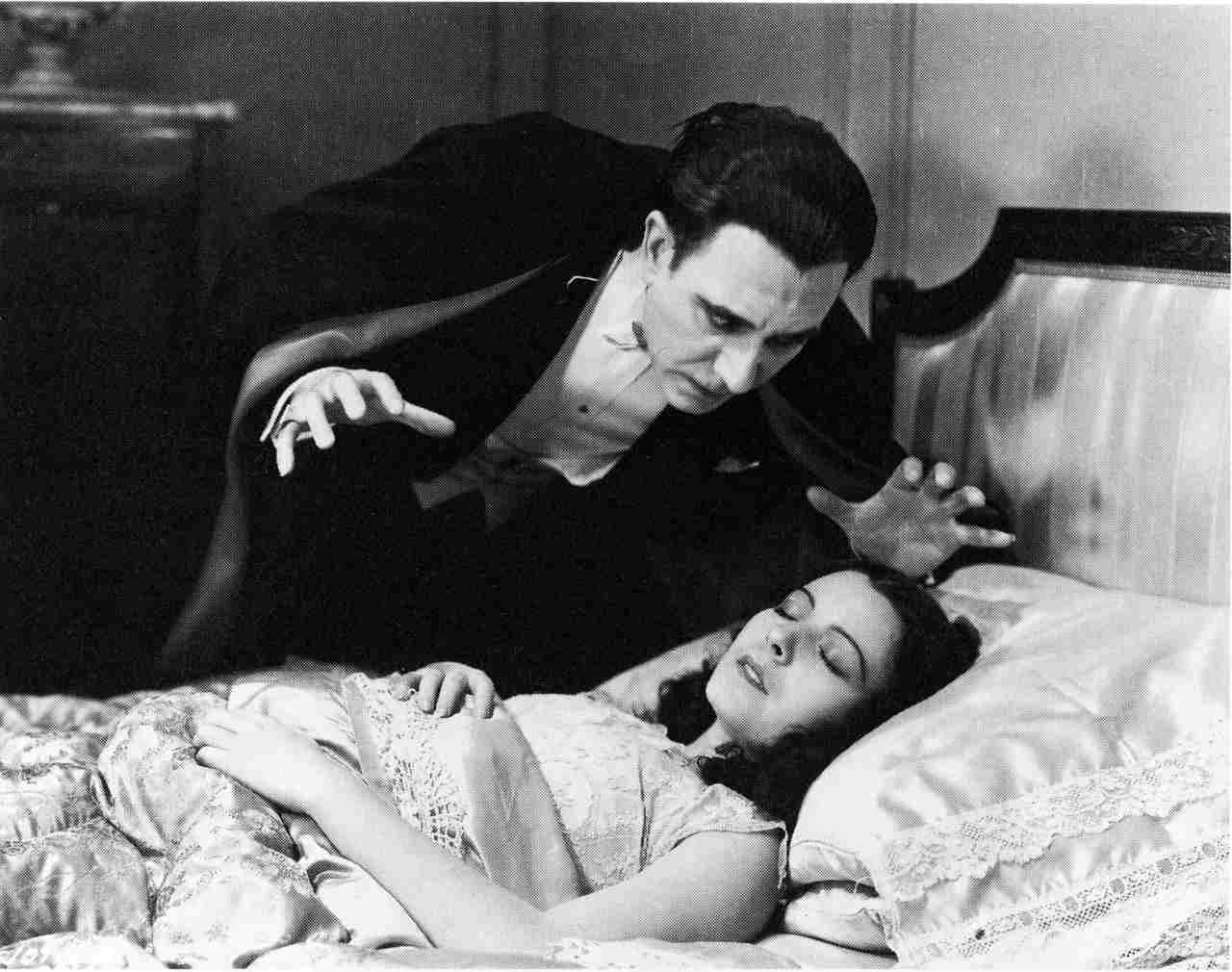
Dracula (1931; Spanish Version)

Dracula (1931, Universal)

Here’s another case where there’s a classic film that I liked and appreciate but was not as giddy about as some are. When I heard about this foreign-language version (an aspect of the Hollywood system that will probably never cease to fascinate me) I knew I had to see this and may as well get the legacy box.

The alternately scored Dracula
is also great, but this one was made simultaneously with its own original score and while some things are trade-offs (like no Lugosi) some large and some small aspects are so great, and nearly predictive of what I wanted to see in the original.

If anything this is the earliest proof that a remake or alternate version of a film is much like a revival of a stage play: it’s not a replacement, just a different vision and this is one I responded to greatly.

Best Horror Films of 2013

While my total for viewed films overall was up in 2013 the new horror that I saw was down. Due to that I decided that a top 10 would be more prudent and meaningful. That does not mean, however, that these are the only horror films I liked. I have created a Letterboxd list that ranks the horror I saw from 1-38. About half that list are films I liked and would recommend viewing.

But these are the best of that faction.

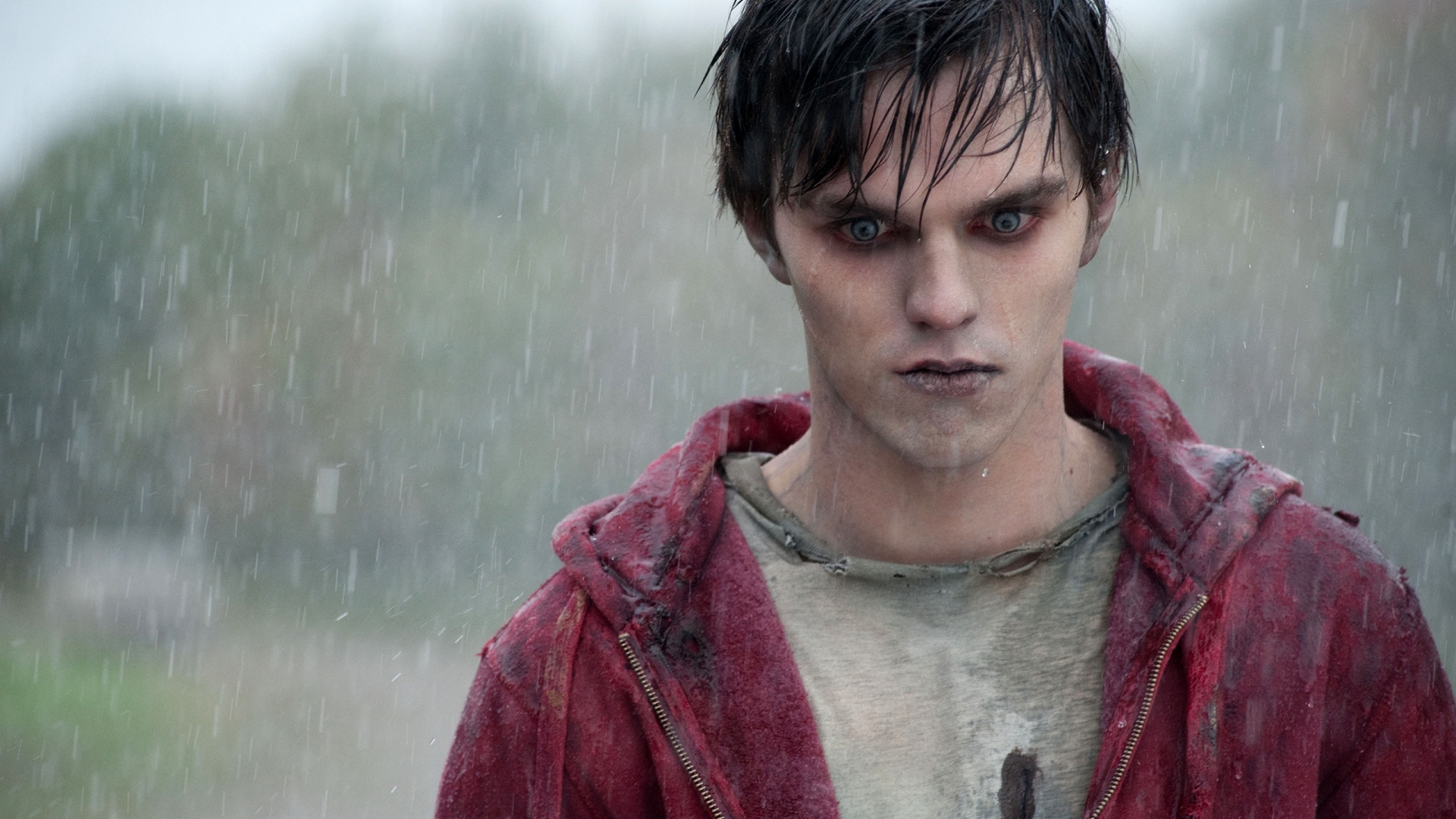
10. Warm Bodies

Warm Bodies (2013, Summit Entertainment)

Making a genre-specific list can be a tough thing, especially when you deal with horror. There are a few reasons for this: first, almost everyone and anyone has their own picks that they peg as horror that are debatable. For example, a few years ago I chose Take Shelter. I stand by that and get arguments against it. Similarly, though one of my favorite films of the year, I don’t see Stoker as a horror film, but I get it.

Which brings us to Warm Bodies. Yes, it’s comedic and romantic and there are zonbies. I can even get it if you don’t want to see zombies this way at all. However, I think it does what it does in a fun and creative way. It’s not perfect, of course, and the balancing act to an extent puts a ceiling on it but I did enjoy it quite a bit, aside from the makeup work.

9. Stitches

sttiches-creepy

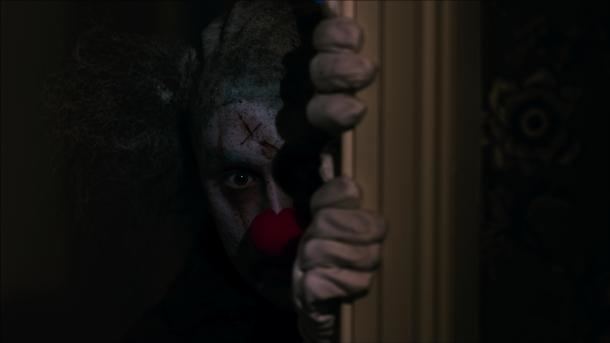
This is perhaps the darkest dark horse to crack my list for a few reasons. First, yes, when balancing horror and another genre things get tricky and this movie keeps the laughs and gore working hand-in-hand rather well. Moreover, it not only deals with a hard motif to sell me on, but it incorporates a folklore of the craft of clowning such that it creates a marvelous horror mythology out of it, and most definitely puts its own unique spin on the scary clown motif.

8. Maniac

Maniac (2012, IFC Midnight)

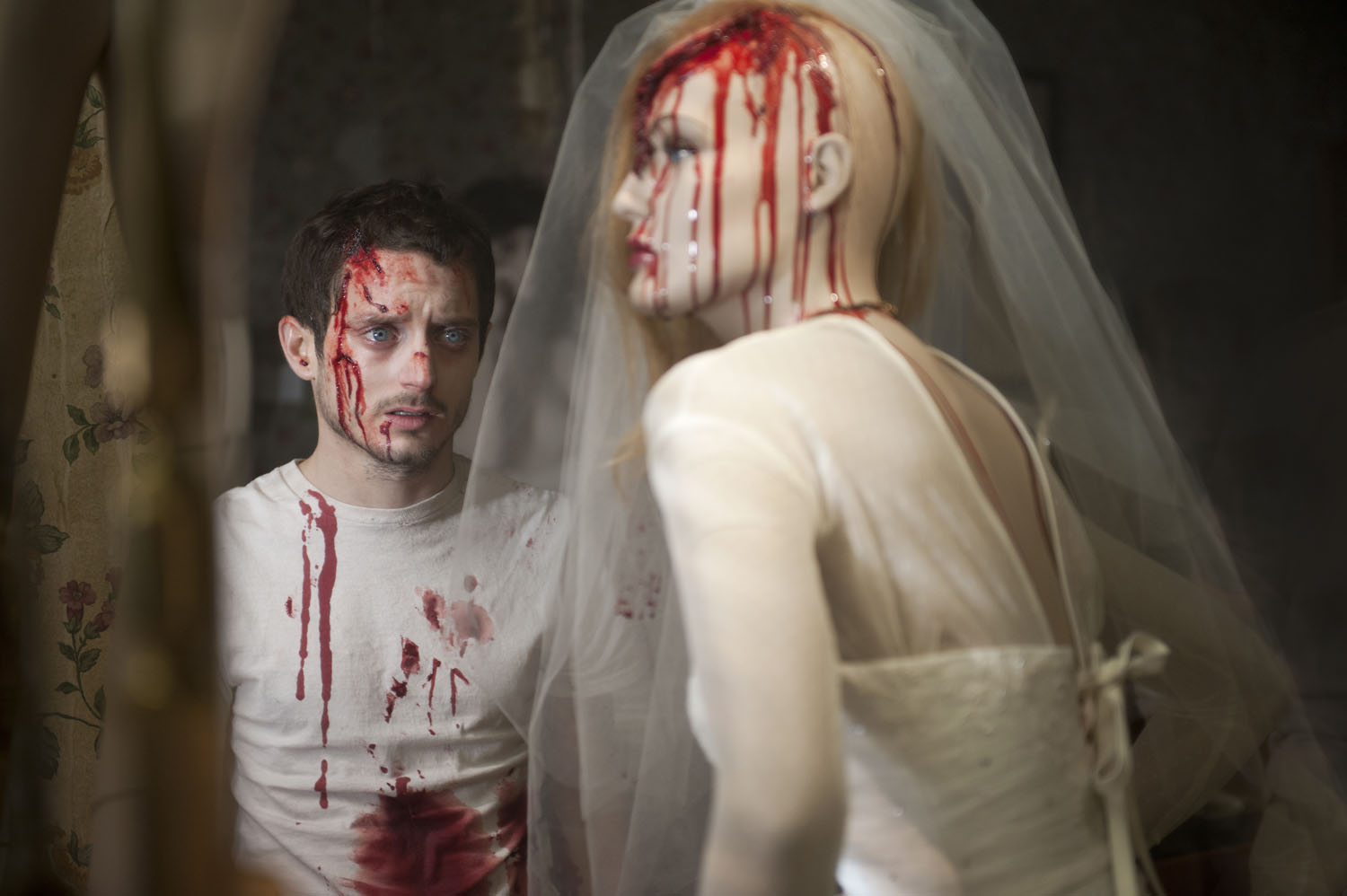
This is the latest-viewed in the year selection that I included. As noted before I didn’t get to finish viewing the original Maniac, and I don’t really mind that now. This one features a memorable score, a great use of POV with some great sleight-of-hand behind the camera and in the editing room. It’s also further testament to how a great performance can elevate a horror film and Elijah Wood is a testament to that here.

7. The Purge

The Purge (2013, Universal)

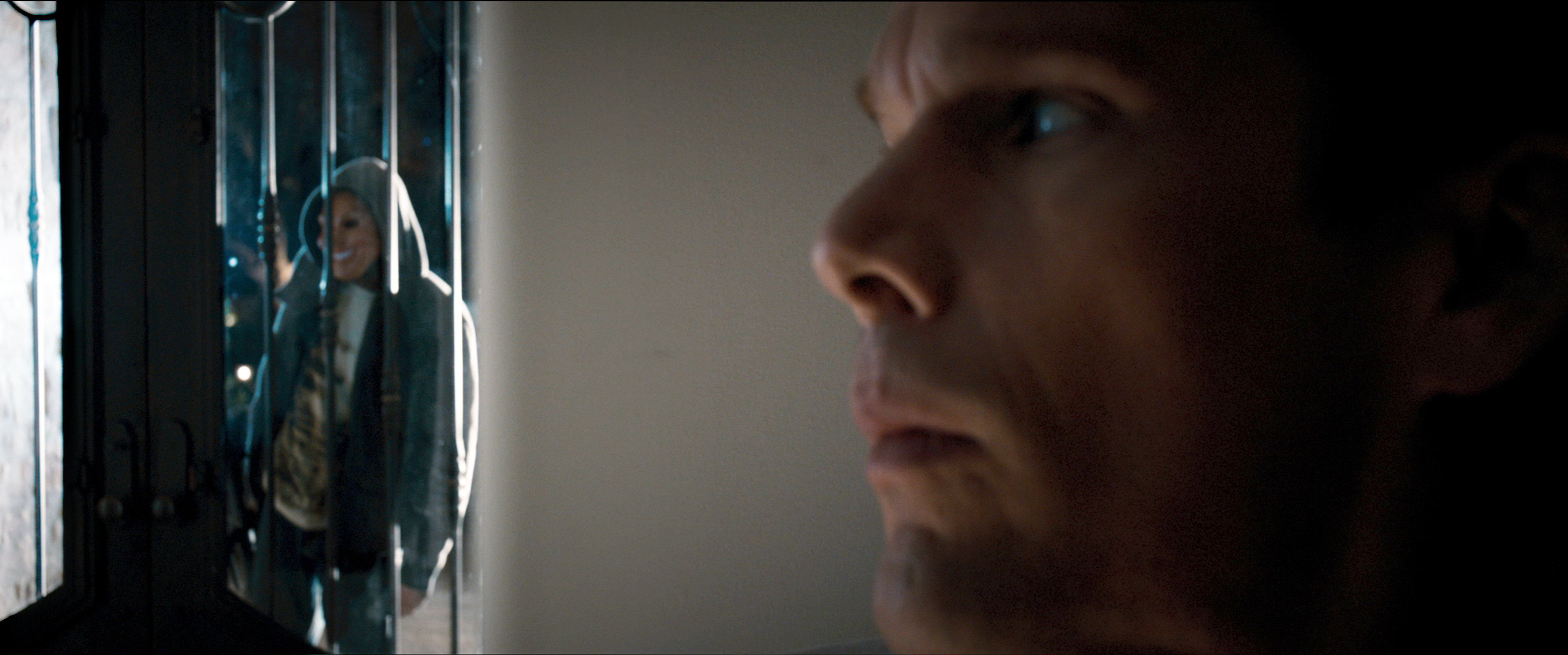
I do wish some things in The Purge, say the decision to have the antagonists in animal masks, hardly a unique one at that; had been handled differently. However, despite that pet peeve and and overly-short act one that was rather shaky. This definitely worked for me in the end. To the point of my post about it, it sets up as a film whose sequel may surpass it. I do think this is a good first step and that that film functions as a home invasion tale with an added twist.

6. Haunter

Haunter (2013, Dark Sky Films)

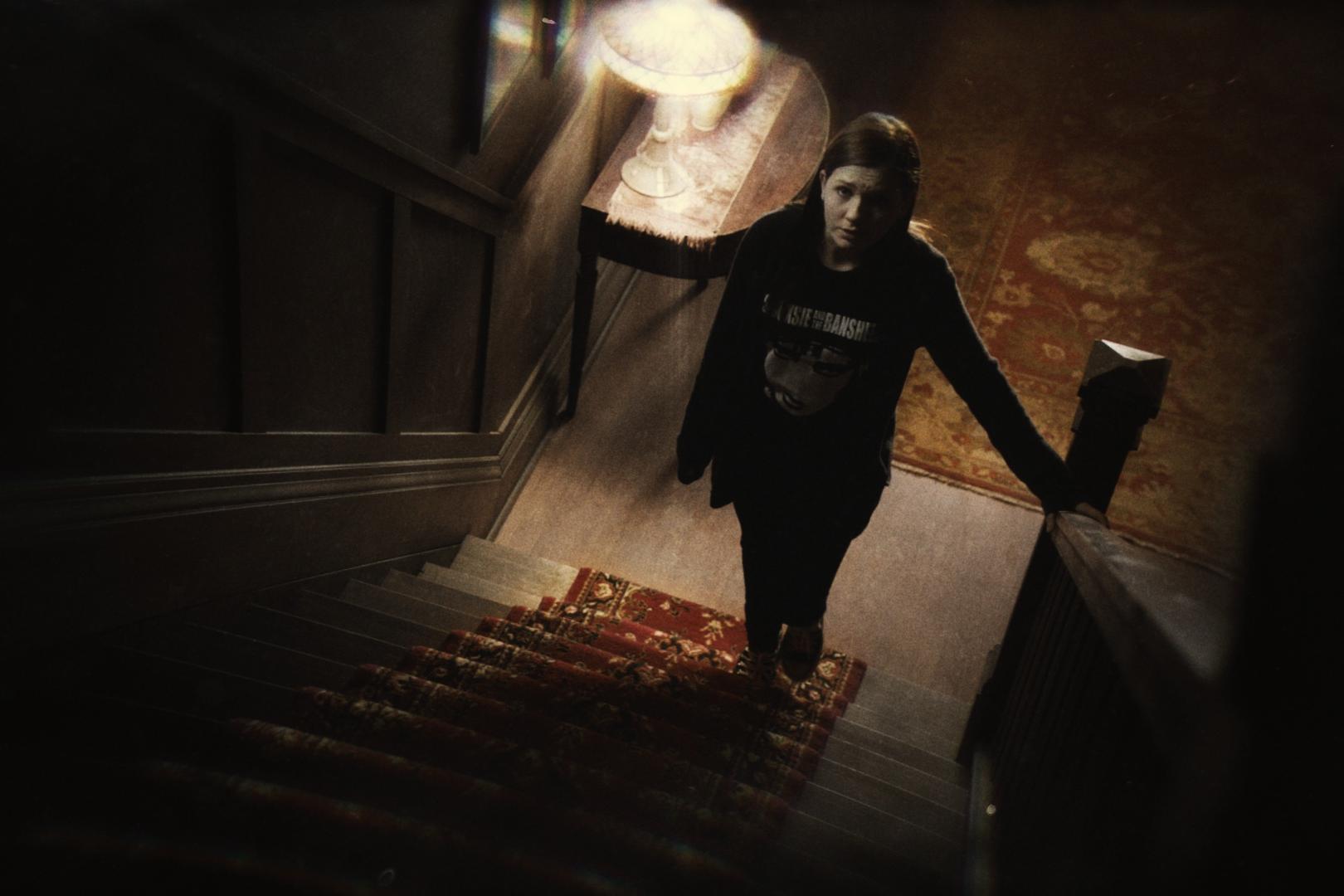
I wrote about this film specifically during 61 Days of Halloween and addressed the way it uniquely combines a few tropes that are old hat by now. It’s an engaging low-key horror tale that revels in slight variation, nuance of character takes its slow-burn to a near blaze by the end.

5. The Condemned

The Condemned (2012, Strand Releasing)

It’s a little surprising to even myself that this is the only horror film shot in a language other than English on this list. However, it does bear mentioning that if you limit yourself to American horror only, even with a healthy dose of indies, you’re doing yourself a disservice as you’ll find some really cool stuff globally. This one is not even coming from that far away as it was produced in Puerto Rico. Because it’s likely the least-seen of all of these here’s my review from April:

This can be a tough film to discuss without putting too fine a point on things and giving away several key elements, but like the film I will try to be subtle. There has been much talk in recent years, as it’s been more in vogue as of late than in years past, of the slow burn, particularly as it applies to the horror genre. A slow burning tale, as I’ve likely stated before, is not one that’s in and of itself problematic. Usually, the key to success for these films is either of two things: first, incremental and consistent, even if slight, escalation of stakes, and second, a sufficiently impressive and resonant pay-off to the wait.

The Condemned does not build quickly, even for a slow burn, but it excels tremendously in the pay-off department. What’s interesting is that it dabbles with many known tropes: haunting, children, secrets and the like, but with the way things play out it even toys with the very notion it even being a horror film, in a similar way to how last year’s The Hidden Face did, but ultimately remains one for all else it is.

There are subtleties throughout, things you are advised to recall though you may not think it crucial at the time. The Condemned is a wonderfully rendered tale that does sufficient visual exposition and elaboration on its turning points such that most, if not all, loose ends are tied up and the whole piece is elevated by, and not subjugated to, its trickery.

Its surely for horror fans, and I’d say art house fans too as it is an intelligent, well-acted and crafted film that does linger. It seems like the horror crop of 2013 may be a brainier bunch than ones in the past few years.

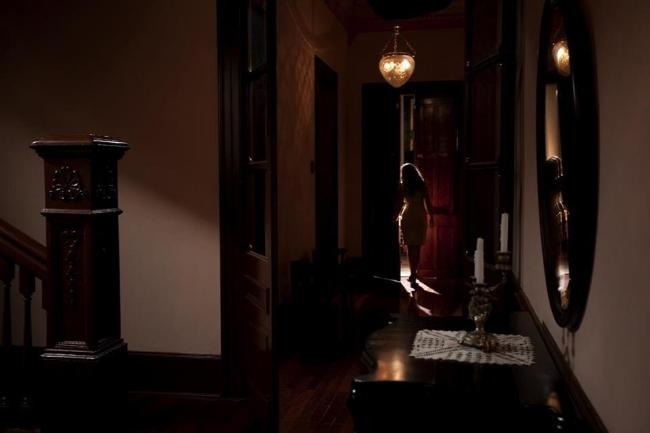
4. The Awakening

The Awakening (Universal Home Video, 2011)

This is another one that inspired me to write a piece. Not quite a review but it was the very strong performances in this well-crafted old school ghost story that re-emphasized in my mind the foundation of drama in all other genres, especially horror. Because the performances are so good, the characters so well-drawn and story so conducive to building them the scares (fairly fundamentally employed though they may be) really work.

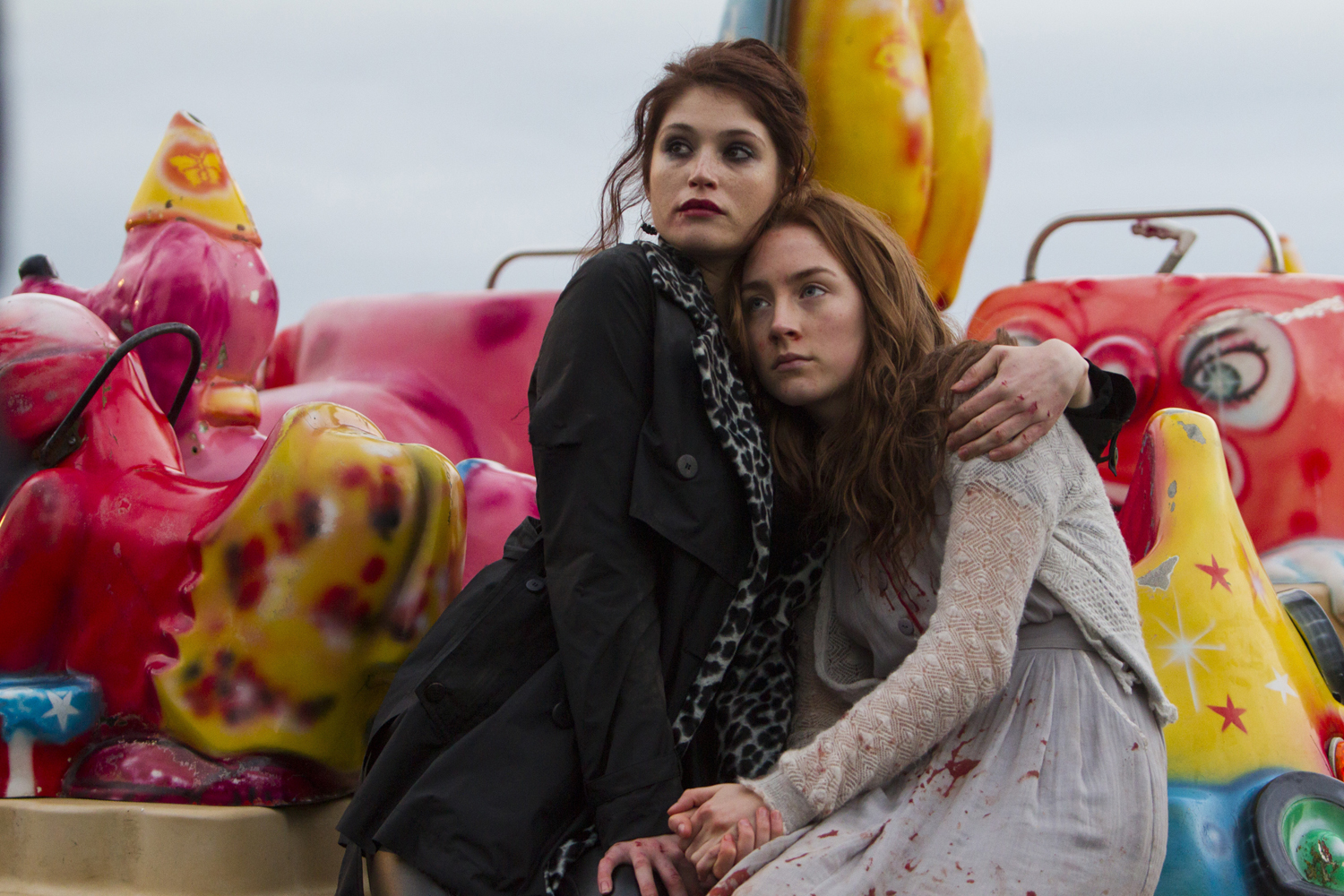
3. Byzantium

Byzantium (2013, IFC Films)

Yes, this is a vampire love story. This was a dismissed film on Peter Travers summer “skip list” based on vampires alone. But this is Neil Jordan, this is not run of the mill, and most definitely not twilight. And make no mistake this film unlike Warm Bodies definitely emphasizes the horror aspect. It also tells a tale in two time periods, and has the narrative intertwine, has great production design and cinematography and is well worth looking for if you want an escape from the ordinary.

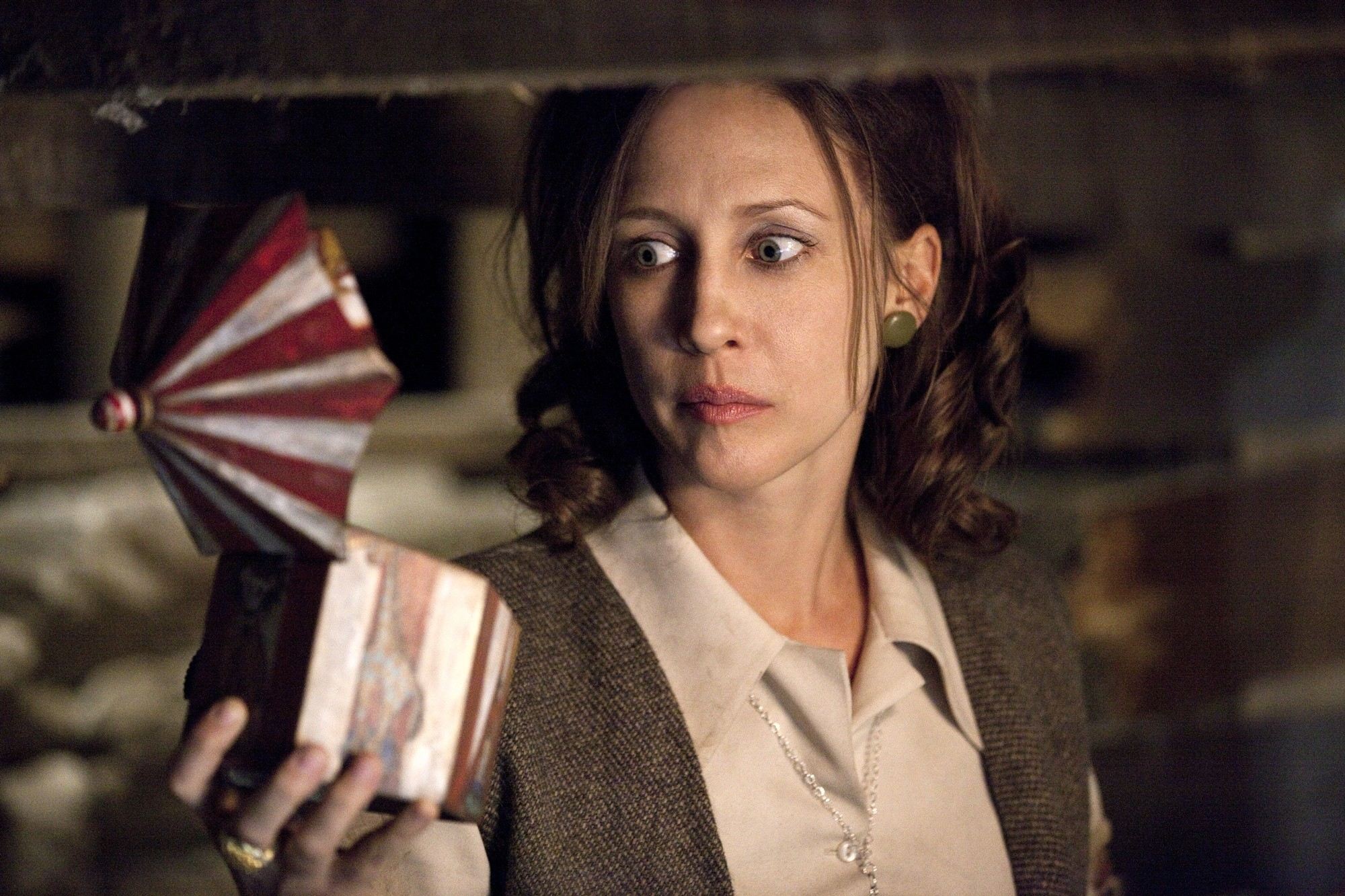
2. The Conjuring

The Conjuring (2013, New Line Cinema)

Welcome to the top of the list or as you could call in 2013 James Wan country. Even though I was a huge Insidious fan, and I saw trailers for The Conjuring coming, I didn’t realize ahead of time that he’d have two horror releases so close to one another. Much less did I realize that Wan would throw down the gauntlet before at least taking a hiatus from the genre. The fascinating thing, and I will expound on this below, is that when all is said and down there were really two somewhat different approaches to the genre taken. Many would’ve expected his two films to be two-sides of the same coin, but they’re really not. Not quite.

The Conjuring is old-school scary that gets huge near its finale for better or worse all the chips go to the middle of the table. And notably, publicity stunt or not, genre-necessity for a studio or not, its R-rating can only be intellectually argued based on how effectively made it is, and not based on any MPAA guideline it violates.

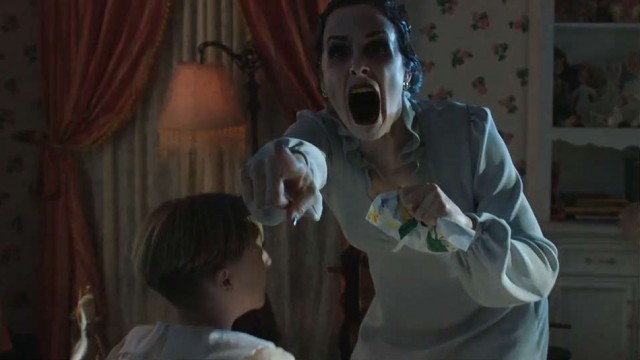
1. Insidious: Chapter 2

Insidious: Chapter 2 (2013, FilmDistrict)

Landing in the top ten, especially up at number one, is ostensibly about two things in most cases: doing something a little bit different and doing it very well. Yes, Insidious: Chapter 2 is a sequel. However, its status as such gives it even more leeway; heck, it’s almost expected to be a variation on the original. As a testament to Leigh Whannell, James Wan and Blumhouse, they did not play it safe. They took a chance and took this second installment where pretty much no one else expected, and I for one loved it.

Best Films of 2013: 10-1

The easy question to ask is: “why do a list at all when you already have an awards slate on your site?” It’s a good question and I finally may have formulated the best response to it yet. Basically, it’s a less comparative discussion on each film that you feel marked the year for you. In writing a list you discuss each film and a only every few numbers or so get bogged down in discussing placement.

I will try my best to avoid redundancy and will link and self-quote where I deem necessary but it was in re-watching something that I came upon that truth. Awards with their winners and fellow nominees and then snub-ees can be read as a slight, thought that is never the intent. A list as celebratory, if not more so because of the insularity of conversation. So let us begin to the first five.

Now 30 is a high number and I could’ve increased it. I saw the most eligible titles ever this year, but I wanted to further honor these films by having the percentile they represent be a smaller fraction than prior lists.

Let us conclude with 10 to 1…

10. It’s All So Quiet
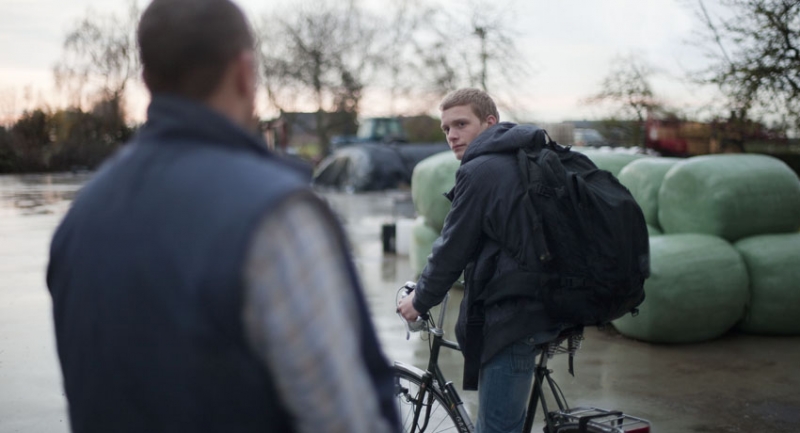
It's All So Quiet (Big World Films, 2013)

As you’ve noted both by my quoting and hyperlinking a vast majority of the films in the top 30 have been written about. However, this title was one one that garnered not one but two write-ups immediately. It did so, in part, because I did want to analyze it some, but split because that part was spoilery and I thought it best for those who haven’t seen it to read a spoiler-free review. Here’s that one:

It’s All So Quiet is a film that sets you up from its pace virtually from the start. The opening titles roll for two-and-a-half minutes on a shot of wheat, with farmland and sunlight behind it. From this you should be prepared for a fairly deliberately paced film. If you’re not you’ll surely get the hint from the next few scenes where the protagonist Helmer (Jeroen Willems) first moves his bedridden father and then sets him up upstairs with a new bed in the living room.

However, as deliberate as the pace is the subtext of the film is fairly clear throughout and thanks to the actors most of their thought processes communicate their sentiments where words do not.

Helmer’s deciding to move his father upstairs is just the first upheaval in this film. The next that will occur is that a new, young farmhand Henk (Martijn Lakemeier) comes to work and live there and throws things into further disarray.

The cinematography in this film is magnificent. The cast proves time and again that so little of film acting is about the spoken word but rather playing the frame and physicality; dialogue-free Willems and Lakemeier share one of the most poignant and moving scenes I’ve watched this year.

As the story progresses, despite its lack of blunt commentary on the fact you soon will see what the film is about and the tale of repressed desire and unrequited love woven so skillfully by Nanouk Leopold here is one of the best of its rare breed that I’ve seen.

9. Class Enemy

Class Enemy (2013, Triglav Film)

I’d love it if there was an Academy Award submitted film every year that I can champion vehemently until I’m blue in the face, however, I know how fortunate I’ve been to have one two years running. Here are two excerpts from my review:

Class Enemy, which is Slovenia’s official selection for Best Foreign Language film, tells a tale of a high school class that singles out its new German teacher (Played by Igor Samobor) as the party responsible for their classmate’s suicide (Sabina played by Dasa Cupevski). The film picks up right as their favorite teacher, whom Robert (Samobor) is replacing, is going out on maternity leave and follows the back-and-forth struggle between the three main factions (teacher, students and administration) throughout the school year consistently adding layers to the characters, and conflicts.

Class Enemy, when all is said and done, is basically everything you want out of a dramatic piece. It tackles difficult dramatic questions and does not shy away from exploration without concrete answers, but instead knows that better films usually take the journey well; exploring and changing their characters along the way, and more importantly, it understands that the best dramas aren’t about victors or where they audience sides, but how much we enjoy watching them engage in battle.

8. Frozen
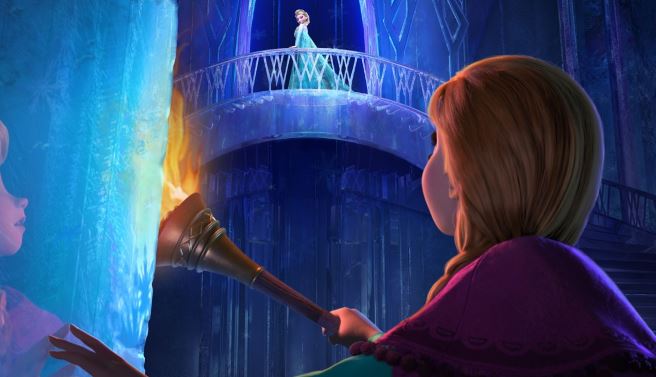
Frozen (2013, Disney)

From the moment Frozen begins where you could construe it as visual allusions either to Dumbo or Snow White I knew it was going to be something special. And, as I cited at the BAM Awards:

“Do You Want to Build a Snowman?” induces chills and nearly brought me to tears something less than five minutes into the film, which is a nearly impossible task, and part of what makes it so memorable.

The animation is incredibly dynamic and the tale have some truly great turns. Most of the songs do work at progressing the story and are incredibly catchy, but perhaps what works best is the New Age approach to the story where it’s really more about sisters than finding a savior-husband. Disney really hit on something here, especially when you add to that the Olaf factor. It’s great, great stuff.

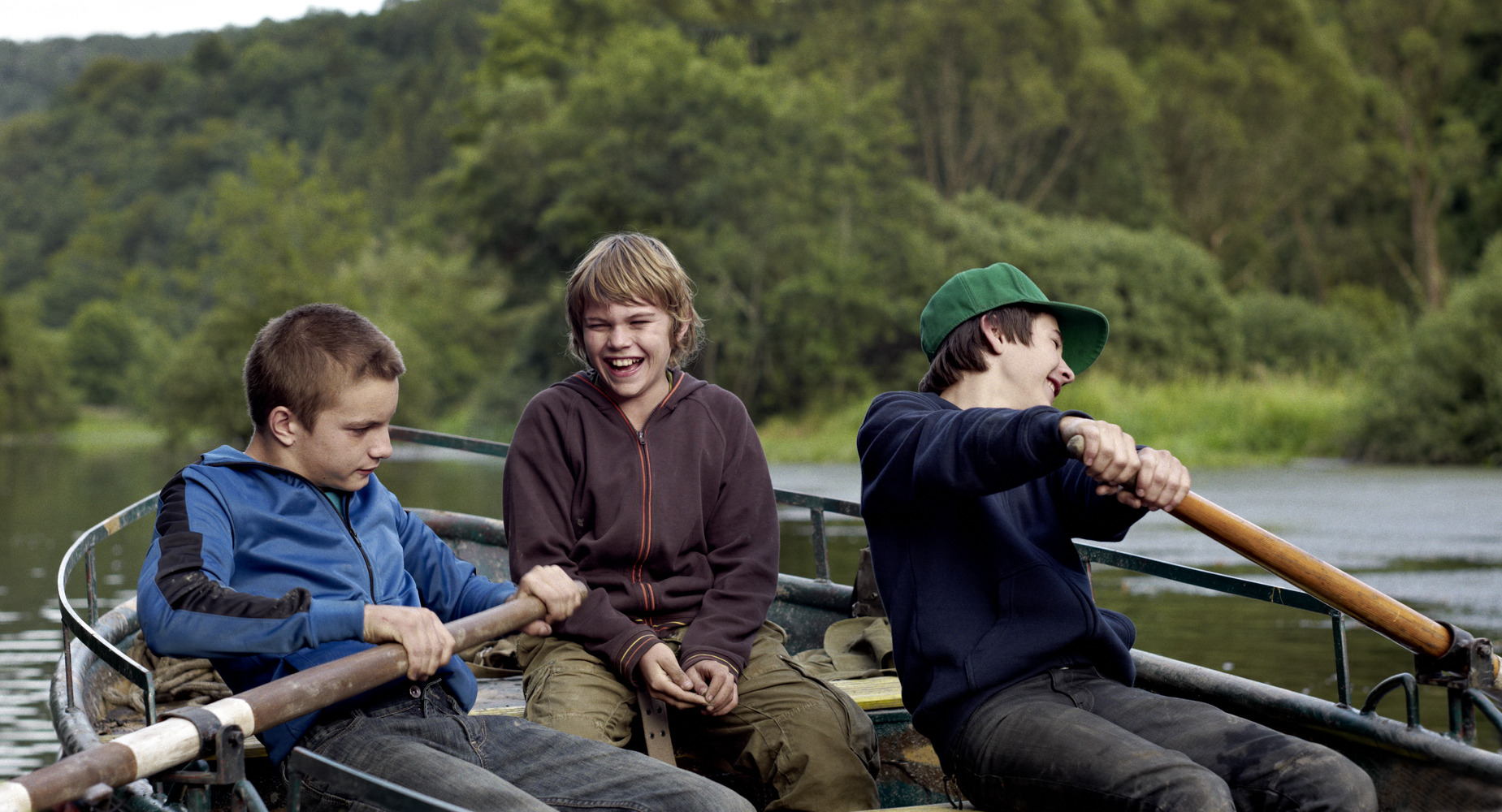
7. The Giants
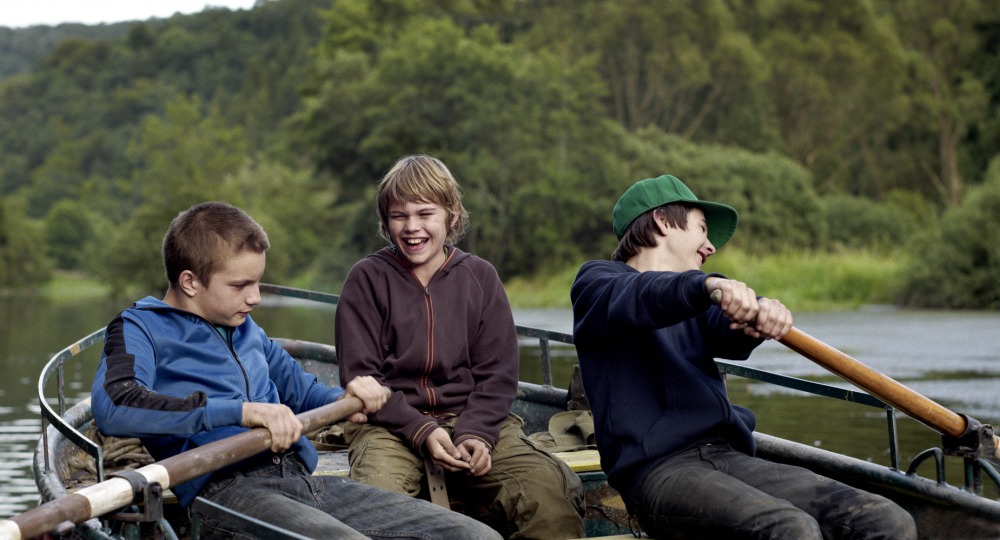
The Giants (Kino Lorber, 2011)

My review really says it all here, it’s one of my better ones this past year. This film I believe still streams on Netflix and is available on DVD.

If there’s a trope, or worse yet a cliché, you can name in a coming-of-age film it’s very likely that The Giants sets you up to expect it and then subverts it. That is not to say you should approach this film with a checklist, but there are many times wherein either salvation or damnation threatens these characters, but what you see instead is maturation and survival. Brothers, Zak and Seth, along with their friend Danny are isolated both by circumstance and by choice. The adult world is an invasive burden on their existence but one they are ultimately forced to cope with by themselves.

The film has opportunities to embrace conventions either of dystopian coming-of-age stories, like Kids, or more utopian ones where despite all the travails the characters go through there’s a classical Hollywood ending. This film takes the road less traveled as often as possible when faced with a plot point that can be seen as fairly common and that choices pays off over and over again.

With parents that are perpetually absent without true explanation, it’s a tale essentially of individuation rather than any of the other pitfalls of growing up. There’s definitely no love interest in the tale, and, without station too much, if there is even any true commentary on sexuality is left ambiguous.

The restraint and certainty that the film has in the handling of its plot, edit and musical selections is matched by the young cast. This especially applies to Zacherie Chasseriaud shows the poise and control of a veteran from first scene when he deals with his mother’s absence and nearly cries, but doesn’t, through to the end.

Bouli Lanners does not seem to be going for either extreme of the emotional spectrum with this tale, but rather and accurate portrayal of kids in circumstances out of the ordinary forced to grow up. They are neither idealized through nostalgia or auteristic proclivity nor are they “gritty” just for the sake of it. Elements that could be used for shock value in less-skilled hands here are what they are, meaning part of their existence and are there without commentary. The Giants is a highly effective, well-crafted tale deserving of a larger audience.

6. Time of My Life
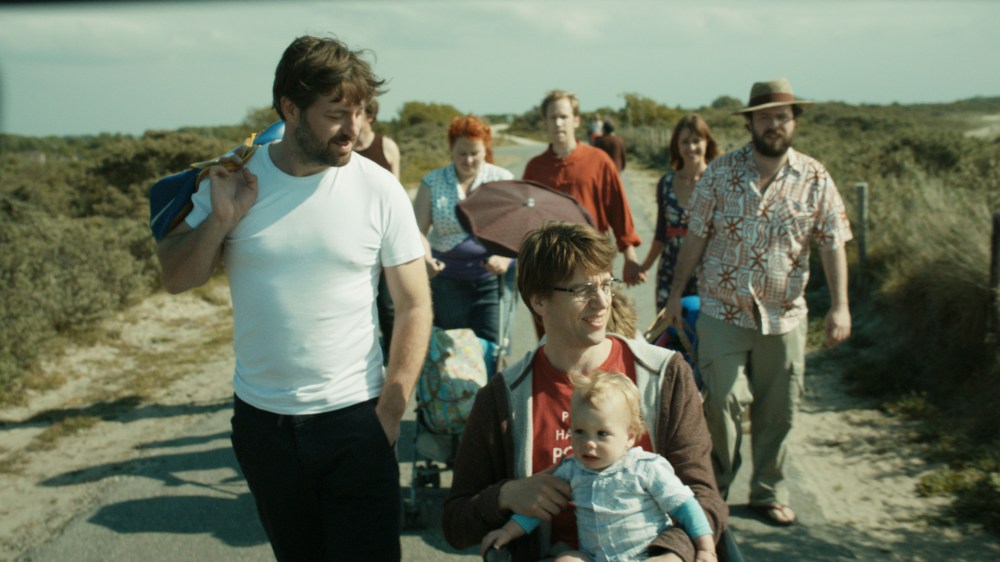
Time of My Life (2012, Strand Releasing)

This was definitely the tear-jerker of the year for me and seemingly a staple pre-requisite of being on this list. It was well-represented and discussed at the BAM Awards. My initial reaction can be found below:

This is the kind of film that faces and overcomes the danger of falling into an issue-film trap of being overly-involved in stump-speeching, soap-boxing and campaigning. When your film purports to highlight seminal case in the instituting of euthanasia laws in a country both that, and an eventual death, become inevitable.

However, what Time of My Life does so well is tell the personal narrative first and foremost and then fold in the issue film as the tale progresses. Yes, there are many issue films that will have circumstances dictate their cause, but what you also get here is a film whose emotional impact is withheld until later.

That is not to say this film doesn’t pack an emotional wallop, it most certainly does, and quite a big one. What it does do is postpone the big hit. The story travels through time and each of the early, fairly short sequences have their own tenor and know when they should end. What it builds is a more rounded, bittersweet emotion not overly-concerned in melancholy, not consciously pulling at heartstrings until the very end. When it does attempt to play them it does so very successfully.

Time of My Life features brilliant performances throughout, and some really smart, great writing; especially as it draws towards its conclusion and a crushingly beautiful emotional climax. If you know what you’re signing up for, it’s a tremendously moving and rewarding experience.

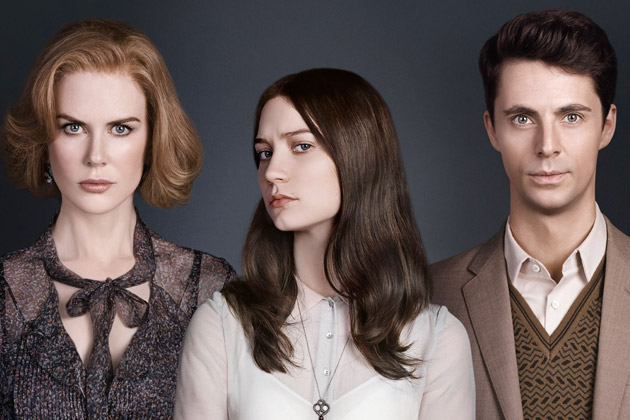
5. Stoker

Stoker (2013, Fox Searchlight)

This film came as a great surprise please check it out:

This is one of those films that grabs you from the first frame and scarcely ceases long enough to let go. It’s the kind of film that peels back layers of mystery and intrigue, slowly at first, but, then it escalates them until you find yourself in a delirious whirl of rapt tension and drama. All the while, as it slowly sets the foundation of the most basic facts, it’s setting up reveals of more precisely sinister revelations of motivation and past incidents.

The film is technically constructed to match this narrative drive employing montages, cross-cutting sequences, frames and L-cuts (cuts where audio lingers after a scene, or starts before an accompanying visual) to link what are at first seemingly disconnected events.

Stoker builds mystery regarding enough elements of its story, while keeping things simple, such that it easily achieves misdirection from one unanswered riddle to another. Thus, answers you had half-formed are forgotten briefly as you puzzle something else and when you’re confronted with confirmation of a fact it lands with the desired impact, whether you intuited the information or not.

Practically everything regarding Stoker is precise and stylized to the utmost for impact, yet scarcely ever feels forced when you consider all the pieces in the whole. It’s a mesmerizing portrait that is sure to rank among the best of the year.

4. Disconnect

DISCONNECT1-articleLarge

Disconnect got lost in the shuffle I believe, even in terms of indie releases, and in terms of this site. I didn’t write about it after I had seen it because it was a theatrical release I saw and I had gotten sidetracked. I barely had a chance to mention it during the BAMs though it did have some nominations and was close to a few more.

Disconnect rather clearly examines the influence of technology, and being connected on our daily lives. It tells three stories all of which dovetail into one another, but because the characters have issues connecting, so do the tales completely by design. This is very tense dramatic tale with a great climax, in a rarity it also employs effective use of slow motion. The cast which was honored with a nomination is great, and since they divide so much time among themselves that’s a good thing. This film tells a tragic tale, which while it does build-in suspense mechanisms towards the end avoids simple resolutions to it fundamental conflicts, and is well worth seeing.

3. Broken

Broken (2012, Film Movement)

I’ve been banging the drum for this film all year. See it. It’s already on DVD. Do yourself a favor.

It’s an intricately told and layered tale that with many narrative threads, characters crossing paths, that could get trite, but is instead invigorating and riveting.

There are frames within the film and excellent persistent use of cross-cutting that acutely accesses the proper emotional tenor that is sought, which finds the commonality in these characters so frequently at odds. In certain ways, it’s like an externalized version of We Need to Talk About Kevin, in terms of the way it’s cut together and how the actors have to truly use the edit to great affect.

It’s what I like to term a “collision course narrative,” which is a tale wherein there’s a suspenseful foreboding to the meeting of certain events that you feel, and it’s perhaps the best example of such I’ve seen. It’s also a film that starts strong and never really lets go.

Membership in the Film Club means I’m watching it a few months ahead of most people, therefore you have ample time to heed my advice: watch Broken, it is an absolutely exquisite piece of cinema.

2. Blue Jasmine

Blue Jasmine (2013, Sony Pictures Classics)

I liked Midnight in Paris and all, but I loved Blue Jasmine. It made Woody Allen the easy choice for Best Original Screenplay and a Lifetime Achievement Award.

For a filmmaker such as Woody Allen who on many occasions has been accused of using his films as therapy and being un-cinematic this film is a rebuttal. For myself, as a long-time devotee, it’s wondrous not only to see him work a story that again employs a wonderful editorial language that is quickly-learned and never off; but also such a non-judgmental character study. It’s a film of revelation rather than reparation. It has its humor, too, but is perhaps the most searing, honest drama he’s committed to the screen since Husbands and Wives. The casting, as well as the cast, is flawless; but it’s really Cate Blanchett who makes this film work. She’s as powerful, if not more so, in her character’s detached, pained moments as she is in the “big” ones, which is what makes her turn so immaculate. It’s a performance that towers not only due to the sparsity of great roles afforded women in the American cinema lately, but because of how titanic an effort it is on its own.

Engaging and enthralling from the first frame this film of a life shattered, whether by design or not, may be his most Bergmanesque, and is truly one of the year’s best.

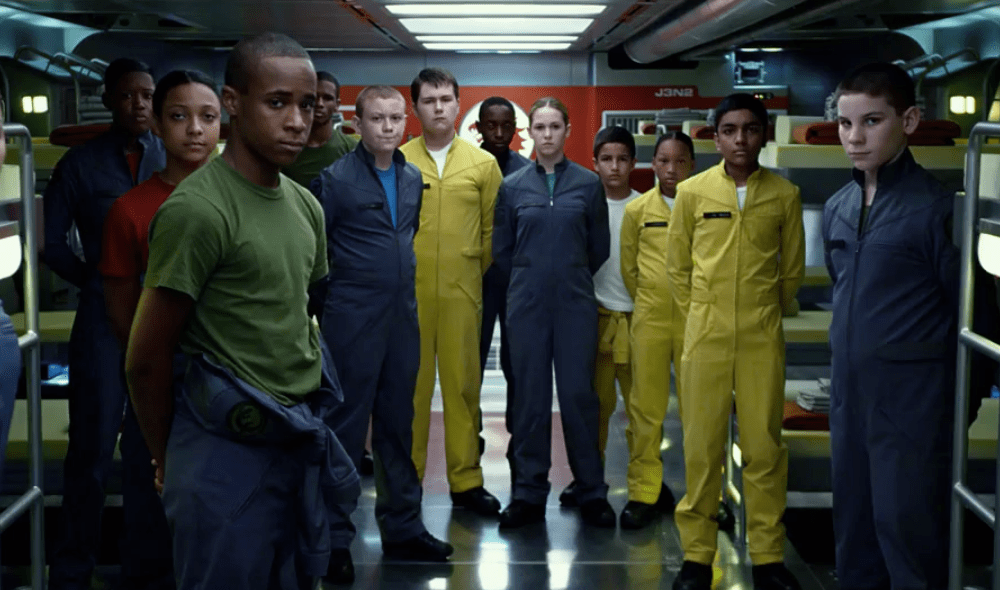
1. Ender’s Game

enders-game-10-970x548-c

In my writings on this film so far I have talked about the book a bit. I really only tried to mention in it in terms of giving my frame of reference, and discussing interpretations of character and vision. Make no mistake about it, I chose Ender’s Game as my favorite movie of the year because it’s my favorite movie of the year and not just because it’s based on a book I enjoyed. It was the cinematic elements put in place to tell a story I knew well that made it work. Below are some movie-only comments from it’s many BAM wins:

On the film as Best Picture:

So overwhelmed was I that even if I didn’t want to see it again, it was almost mandatory due to the fact that I had to see if it stood up. A second viewing brought very little degradation to my opinion of it- minimal in fact. Sure, the IMAX experience is better, but that was always a given. I ended up seeing it a third time, and was actually a bit disappointed it was out of local theaters before having a chance to see it yet again; so that really sealed it.

The bottom line is: the temptation always exists to place a spectacle atop a Best Of List. However, this is the rare spectacle with brains, a conscience where not only stratagems but ethics are debated (and well-debated on both sides of the arguments in question), it’s unafraid to get in a protagonist’s head-space in such a way that’s less than the high concept hook. The acting is great all around. The film pulls you into a world quickly and builds upon it as things progress; further and further entrenching you. It’s always a gamble, especially now, to bankroll something that aims at something a bit more than spaceships, action sequences and explosions; it’s a bit risky but the gamble paid of here big time.

On Gavin Hood, Best Director:

and this rendition of Ender’s Game immediately ends those worries by throwing me directly into the film. It’s funny that when I was trying to think of an angle for this write-up I naturally thought that this foreword may prove useful but I had no idea how accurately his connection would be conveyed and how well I believe it played out onscreen.

On Asa Butterfield, Best Performance by a Young Actor in a Leading Role:

I didn’t believe there was someone who could play Ender. I don’t think there was an actor in the landscape at the time that could’ve captured the aggressive nature (which was a bit of a revelation coming from Butterfield) and the empathy required to play him and do so equally well. In short, it was kind of like the role of David in A.I. had there not been a Haley Joel Osment Spielberg likely would’ve waited to make it, and if there had not been an Asa Butterfield Ender’s Game was better off waiting also.

On the Art Direction:

The world that took the most building, and was also the most well-built, is that of Ender’s Game. There’s the fairly mundane, though a bit futuristic start followed by the space station and later and alien planet and a few more intermediary locales in each which take a bit of a different approach each. There’s not just one world but a few worlds in need of creating in this film, and all come to life equally well.

On the Score:

The deciding factor was that during my first viewing of Ender’s Game I thought to myself three or four times “Wow, this score is amazing” and even before the awards announcement I had to download it from iTunes. All of these scores, however, do have a different quality to them and are still searchable on Spotify if you’re so inclined.
2013 Robert Downey, Jr. Entertainer of the Year Award

2013 Robert Downey, Jr. Entertainer of the Year

James Franco

In what ended up being a prescient post I was assigned James Franco in a Facebook Actor Game. Basically I was assigned him by a friend and asked to categorize movies he’d been in. Here were my observations, both general and on one of his films of this year. In general:

In my first time playing I was assigned James Franco, which is a pretty interesting choice, and not just because he’s already in the running for Entertainer of the Year this year. So I figured I’d share my thoughts in something slightly larger than a Facebook post here. Also, if you’re so inclined you can like The Movie Rat’s Facebook page here.

And on the specific film from this year, This is the End:

It’s too early to tell if this film really is a game-changer, however, what can be said is that it’s a fantastically executed concept and uproariously funny. Crass and immature, yes, but funny too.

As it turns out it was a bit of a game-changer for James Franco, as opposed to a comedy trend (as of yet), because I saw a few other titles with him since then that sealed the deal.

Oz the Great and Powerful is no great shakes, but it wasn’t in my estimation a poor or disconnected Franco but rather a fairly flat film that he made a little more interesting and a less-than-admirable character.

This is the End (2013, Sony Pictures)

As for more specifics about his participation in This is the End, if it was the last film I’d seen him in this past year, I’m likely picking someone else as a winner. However, the fact that in the middle of the performances of his I saw is a hilarious send-up of how he’s perceived (being perhaps overly-intellectual and perhaps pretentious) while shouting down Danny McBride’s masturbatory habits is the jewel in the crown, for lack of a more humorous term.

Following that I saw Homefront. In Homefront he plays a character named Gator in what is essentially one of the more ideal Jason Statham vehicles yet devised. And while I’d fall short of calling his antagonistic turn there multi-faceted it is a bit more dimensional than most characters of that ilk are given the leeway to be. Franco’s handling of the character and the way he operates surely make Gator stand out more than he likely wold have in the hands of most other actors.

Spring Breakers (2013, A24)

Lastly, at least based on what I saw, there was Spring Breakers, now you’ll note I didn’t particularly care for that film. However, make no mistake about it that there are things about it that I appreciated, and had it not been for Franco as Alien I may not have even have had the desire to complete it because after a certain point he was all that tethered me to the narrative.

That just takes into account what I could see. Many other things Franco was involved in hit Netflix later in the year, or didn’t even get there by year’s end, and they are things I do want to see, like: Interior. Leather Bar., Lovelace, As I Lay Dying, Palo Alto and Child of God.
And that’s just film work. With Franco going to adapt classic works of literature like The Sound and the Fury, I’m more than a little curious about his fiction. All that and he’ll be back perhaps a bit more inspired of all this for the continuation of the Apes prequels. One way in which this award can be viewed as in a career-path altering one, at least in terms of perception. My first selection, the namesake, was a comeback; next a multiple hat-wearer; next a breakout star; next an established star with a varied year; here it’s more an established name elevating his standing in my eyes based on an incredible run, may it keep going.
2013 Ingmar Bergman Lifetime Achievement Award

2013 Ingmar Bergman Lifetime Achievement Award

“Me sitting down for dinner with Ingmar Bergman felt like a house painter sitting down with Picasso.”

-Woody Allen, interview with Esquire Magazine 6/4/2013

Woody Allen

I saw a tweet over the summer, leading up to the release of Blue Jasmine, that asked something to the effect of: I wonder why now is the time that many publications have chosen to do a career retrospective on Woody Allen? Logically speaking, I can’t answer that. He hasn’t necessarily slowed down and like all of us he’s not getting any younger. My theory though is that it took the film-loving community by surprise that shortly after Midnight in Paris he returned with another widely acclaimed film so soon. Due to that fact it caused many to want to start looking back over his career.

I must say it hit me the same way. I caught Blue Jasmine a little later than many but I was quite blown away by it, and even with his recent triumph surprised by it. Woody Allen was one of the earliest writer/directors I gravitated to by name. He’s also one I came back around to, at least once, after I became obsessed by Bergman, seeing as how Allen is a fellow disciple.

It’s a virtual prerequisite that I’ve seen most of the works if not all of the works of the winning director. However, I know there are some of his I’ve not yet checked out (many recent) and I also have a volume of his short stories to check out. It’s a retrospective I’d be glad to take in.

Especially considering that one of the most overlooked aspects of Allen’s repertoire is his ease of going back and forth between comedy and drama, and even mixing them. In my family Allen’s name has long been synonymous with greatness, in writing especially, if not also directing; and I’ve certainly taken the ball and run with it in terms of tracking down his works.

While Allen has had his share of off-screen production-related drama lately he seems to have found a new home at Sony Pictures Classics and has adopted a late-career globetrotting aesthetic that is making returns to New York, even for a scene, a breath of fresh air as well. And, as always, these awards are a recognition of onscreen accomplishment, and Allen’s works have been with me a long time already and I hope to many more years of enjoying his films.