Silent Feature Sunday: The Gold Rush (1925)

When I first posted this series part of the idea was to get to watching more silent films. However, that has yet to pan out (yet?). And rather than skipping an opportunity to post one such that its easily accessible where it may not be expected simply because it’d be “Yet another Chaplin film” I posted, I decided to share it.

I keep the spiel simple here. Lost in the debating that film enthusiasts have about Chaplin’s place (read ranking) in film history is the fact that he wrote, directed and even scored many of his films. However, this is not meant to draw another comparison, but rather just something that needs to be noted. The appeal of The Gold Rush is fairly apparent. Enjoy!

The film can be seen at the following link The Gold Rush (1925).

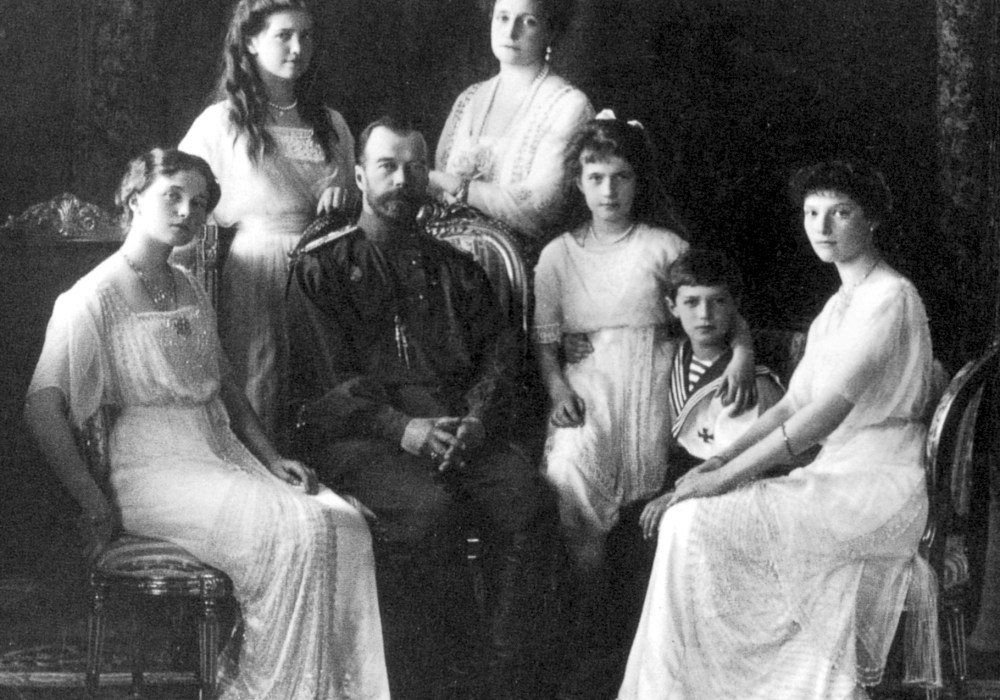
Short Film Saturday: Anastasia Dancing with Czarina and Her Sisters

This is another short I found thanks to Movies Silently. Ever since I learned the tale of the fall of Czarist Russia an the Bolshevik revolution it’s been a story that fascinated me on either side. In the early days of motion pictures documenting real-life was as valuable, if not a more valuable aspect of the new artform. Here’s an example that features many of the Romanov family dancing.

2014 BAM Award Considerations – June

I decided that with the plethora of BAM Awards-related post towards the end of 2013 and the start of this year it was best to wait to the end of this month before officially recommencing the process.

I will post these lists towards the end of the month to allow for minimal updates. By creating a new post monthly, and creating massive combo files offline, it should make the process easier for me and more user-friendly for you, the esteemed reader. Enjoy.

Eligible Titles

Patrick
Zapped
How to Train Your Dragon 2
Ping Pong Summer
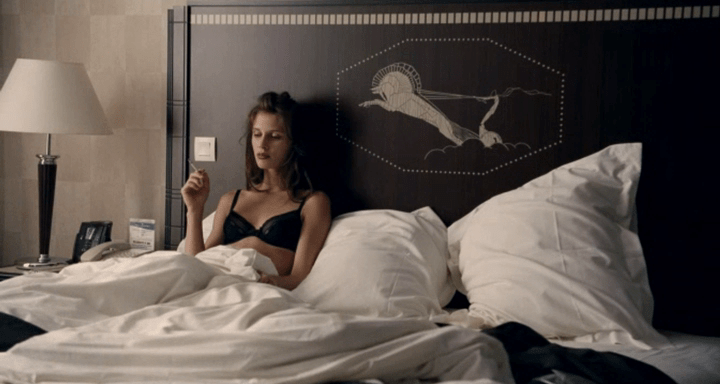
Young and Beautiful
22 Jump Street
The Fault in Our Stars
Grigris
Edge of Tomorrow
It’s Not Me, I Swear

Best Picture

22 Jump Street
The Fault in Our Stars
Edge of Tomorrow

Best Foreign Film

Grigris
It’s Not Me, I Swear

Best Documentary

Most Overlooked Film

As intimated in my Most Underrated announcement this year, I’ve decided to make a change here. Rather than get caught up in me vs. the world nonsense and what a film’s rating is on an aggregate site, the IMDb or anywhere else, I want to champion smaller, lesser-known films. In 2011 with the selection of Toast this move was really in the offing. The nominees from this past year echo that fact. So here, regardless of how well-received something is by those who’ve seen it, I’ll be championing indies and foreign films, and the occasional financial flop from a bigger entity.

Young and Beautiful
It’s Not Me, I Swear

Best Director

22 Jump Street
The Fault in Our Stars
Edge of Tomorrow
It’s Not Me, I Swear

Best Actress

Marine Vacth Young and Beautiful
Shailene Woodley The Fault in Our Stars
Emily Blunt Edge of Tomorrow

Best Actor

Jonah Hill 22 Jump Street
Channing Tatum 22 Jump Street
Ansel Elgort The Fault in Our Stars
Tom Cruise Edge of Tomorrow

Best Supporting Actress

Géraldine Pailhas Young & Beautiful
Susan Sarandon Ping Pong Summer
Laura Dern The Fault in Our Stars

Best Supporting Actor

Charles Dance Patrick

Best Performance by a Young Actress in a Leading Role

Best Performance by a Young Actor in a Leading Role

Marcello Conte Ping Pong Summer
Antoine L’Écuyer It’s Not Me, I Swear

Best Performance by a Young Actress in a Supporting Role

Emmi ShockleyPing Pong Summer
Catherine Faucher It’s Not Me, I Swear

Best Performance by a Young Actor in a Supporting Role

Myles Massey Ping Pong Summer
Fantin Ravat Young and Beautiful

Best Cast

Young and Beautiful
22 Jump Street
The Fault in Our Stars
Edge of Tomorrow
It’s Not Me, I Swear

Best Youth Ensemble


Ping Pong Summer
It’s Not Me, I Swear

Best Original Screenplay

Ping Pong Summer
Young and Beautiful
Edge of Tomorrow

Best Adapted Screenplay

How to Train Your Dragon 2
22 Jump Street
The Fault in Our Stars
It’s Not Me, I Swear

Best Score

Patrick
Ping Pong Summer
22 Jump Street
The Fault in Our Stars
Edge of Tomorrow

Best Editing

Ping Pong Summer
Young and Beautiful
The Fault in Our Stars
Edge of Tomorrow
It’s Not Me, I Swear

Best Sound Editing/Mixing

How to Train Your Dragon 2
Ping Pong Summer
22 Jump Street
Edge of Tomorrow

Best Cinematography

Patrick
Ping Pong Summer
Young and Beautiful
Edge of Tomorrow
It’s Not Me, I Swear

Best Art Direction

Patrick
Ping Pong Summer
Young and Beautiful
22 Jump Street
Grigris
Edge of Tomorrow
It’s Not Me, I Swear

Best Costume Design

Ping Pong Summer
Young and Beautiful
Edge of Tomorrow
It’s Not Me, I Swear

Best Makeup

Young and Beautiful
The Fault in Our Stars
Edge of Tomorrow

Best Visual Effects

Edge of Tomorrow

Best (Original) Song

Ping Pong Summer
Young and Beautiful
22 Jump Street
The Fault in Our Stars

Duh: Domhnall Gleeson

“Duh” is a series where I chronicle people who I was surprised are related despite it being fairly apparent.

The brainfarty moments with Domhnall Gleeson are twofold. The first was when I didn’t recognize him as the star of About Time after his stint in the Harry Potter series as Bill Weasley.

The second duh moment was when I didn’t realize he was Brendan Gleeson’s son. Gleeson the elder first came to my attention in A.I. He was, of course, Mad Eye Moody in the Harry Potter films and in various other notable roles since. Therefore, a new duh moment and a new bit of appreciation for them both.

Food on Film: Turkish Delight

This is a series about films that have tempted my palate and inspired me to expand my culinary horizons.

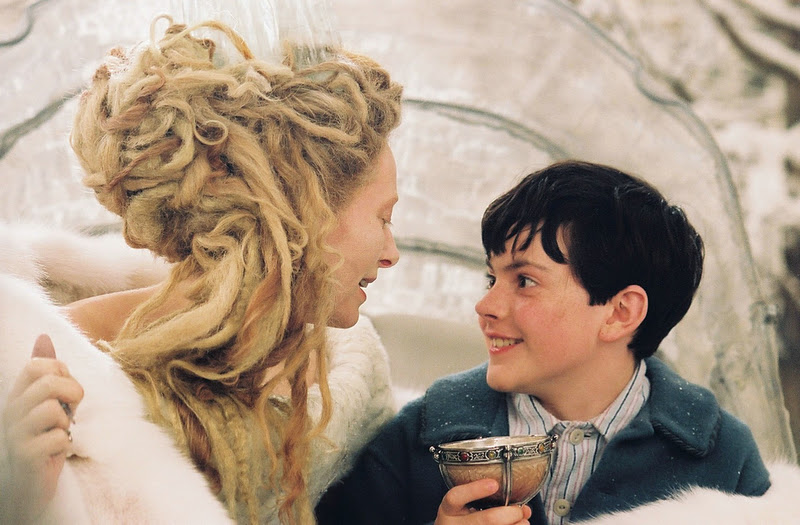
The inaugural post on this topic could not have started with any other film besides The Chronicles of Narnia: The Lion, the Witch and the Wardrobe. Now not only is it a pivotal scenes in the film, but it looked great – the candy and the scene.

It took me a bit of time to be able to follow-through on my curiosity as to what specifically the appeal of Turkish Delight is, but when I did I fell in love.

If you’re interested in finding it I’d look in ethnic food stores or stands. That’s where I’ve had my fortunate finds in the past. If you prefer a bit of surety, there is one North American manufacturer, Bayco Confectionery, that you can buy from online. They even have a very cool Narnia gift box.

I have a sweet tooth anyway, but I was glad to find it finally. On its own it’s become one of my favorite sweets, but connecting it to a film I like immensely adds to it.

Tarzan Thursday: Tarzan the Fearless (1933)

Introduction

In 2012 the character of Tarzan celebrated his 100th year in print. A serialized version of the story first appeared in 1912. A hardcover collection of Tarzan of the Apes first appeared in 1914. Being in the middle of the Tarzan centennial period it’s an opportune time to (re)visit many of the screen renditions of the character. Previous posts in this and other series can be found here.

Tarzan the Fearless (1933)

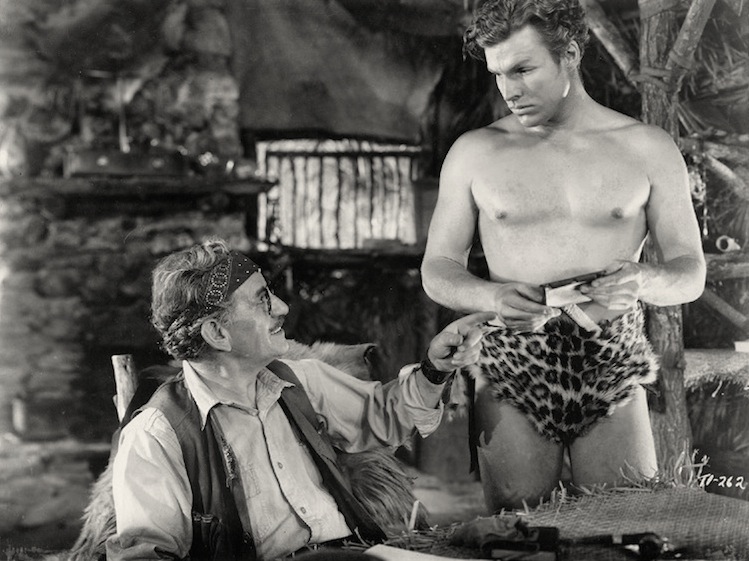
So, here we have another truncated bit of storytelling which renders this film quasi-cinematic at best. This film follows a somewhat different path to last week’s installment inasmuch as it was made at a far earlier date.

Here again the producer is Sol Lesser. This time the company releasing it is a Poverty Row outfit. However, the tale is not structured out of the whole 12-episode run of the serial but rather just the first four.

The IMDb offers additional insight on this structural quirk:

In addition to the 12-chapter serial, producer Sol Lesser edited the first four chapters into a 1933 feature film, with a trailer announcing future chapters at the theater weekly. However, some theaters did not show the trailer, causing confusion about the abrupt ending of the movie.

The one positive note is that I was viewing the 86 minute British release which does give a much fuller account of the narrative than the 61 minute US film. That at least gives some sense of what it could be. Sadly, the serial version is considered a lost film. This is sad not just because any film being lost is a bad thing but because Buster Crabbe is at his best over a long format and may have had a chance to more firmly assert himself as Tarzan given the full intended scope of the project.

This is another case of buyer beware and a good indicator as to why this film will typically be found in discount box sets.

Too much further commentary is almost unnecessary as it feels the most robbed of a chance to be notable as my notes on the title were scant since I felt like I had watched this film before as it had that similar disjointed and incomplete feeling as the others that were similarly fashioned.

2/10

The Arts on Film: Young & Beautiful (2013)

It’s no surprise that once again I find cause to write another one of these posts after having seen a new Ozon film. Though his love of 1960s French pop is as strong as it ever has been its really through the dissection of one artist’s particular work that we have underscored many themes, ideas and conclusions that are examined by this latest film.

Young & Beautiful
tells a cockeyed coming-of-age story wherein a girl, Isabelle (Marine Vacht), after losing her virginity decides after a random solicitation to become a prostitute. Much of the film is about eschewing easy answers and furthermore rebuffing the notion that there is a singular explanation for her actions. It is rather not a mystery such as a investigation of characters and their reactions to given situations.

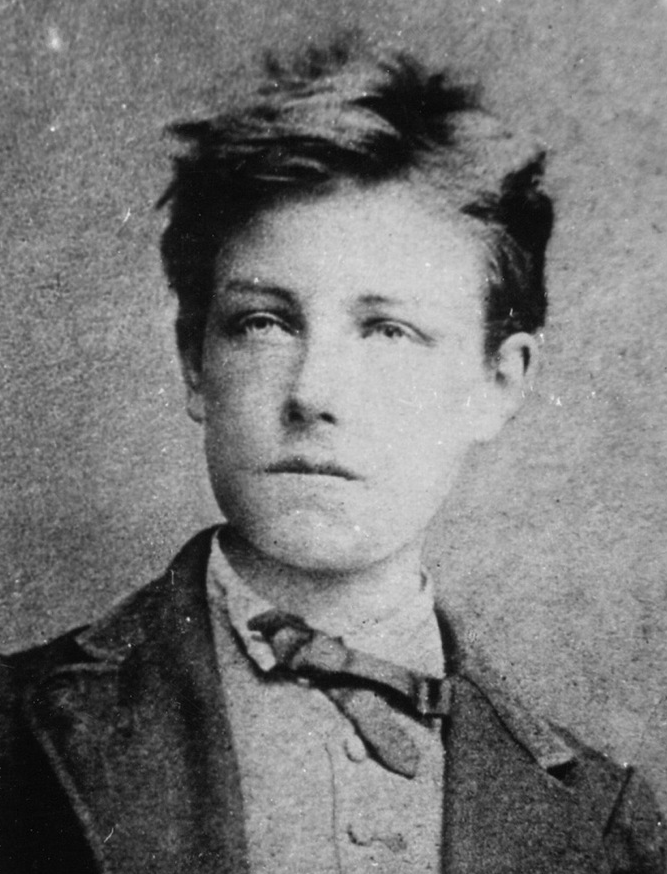
In many ways Isabelle’s tendentiousness to engage in such activity, her lack of compunction about it and the fact that she doesn’t really think about the consequences until things go very wrong are illuminated, or at least speculated upon, by dissection of the following poem by Arthur Rimbaud.

It’s not just the first line, but the explication by one student which surmises that there is no change only cycles that repeat really diagram a pattern of behavior that occurs in the film; not just by Isabelle necessarily but also by her family.

Ultimately, the film draws a similar schema to In the House in terms of familial claustrophobia, coexisting and commingling, but whereas it may be as intriguing intellectually, especially in the use of cited source material, it falls a bit short in the visceral arena.

Be that as it may, enjoy Rimbaud’s words free of the brilliant construction of Ozon’s scene and ruminate on them anew if you have seen the film.

Arthur Rimbaud

Novel

I.

No one’s serious at seventeen.
–On beautiful nights when beer and lemonade
And loud, blinding cafés are the last thing you need
–You stroll beneath green lindens on the promenade.
Lindens smell fine on fine June nights!
Sometimes the air is so sweet that you close your eyes;
The wind brings sounds–the town is near–
And carries scents of vineyards and beer. . .

II.

–Over there, framed by a branch
You can see a little patch of dark blue
Stung by a sinister star that fades
With faint quiverings, so small and white. . .
June nights! Seventeen!–Drink it in.
Sap is champagne, it goes to your head. . .
The mind wanders, you feel a kiss
On your lips, quivering like a living thing. . .

III.

The wild heart Crusoes through a thousand novels
–And when a young girl walks alluringly
Through a streetlamp’s pale light, beneath the ominous shadow
Of her father’s starched collar. . .
Because as she passes by, boot heels tapping,
She turns on a dime, eyes wide,
Finding you too sweet to resist. . .
–And cavatinas die on your lips.

IV.

You’re in love. Off the market till August.
You’re in love.–Your sonnets make Her laugh.
Your friends are gone, you’re bad news.
–Then, one night, your beloved, writes. . .!
That night. . .you return to the blinding cafés;
You order beer or lemonade. . .
–No one’s serious at seventeen
When lindens line the promenade.

-Arthur Rimbaud

Duh: Laura Dern

I have decide to call this (potential) series “Duh” because in it I will chronicle people who I was surprised are related despite it being fairly apparent. Now, in my defense, when I hear the disclaimer “no relation” I typically never had assumed as much. In some ways I chalk it up to common last names. In other ways I chalk it up to my being a little less into biographies in this point in life than I once was.

Regardless of the reason for these brainfarts I figure why not highlight them such that someone else may avoid a similar mistake.

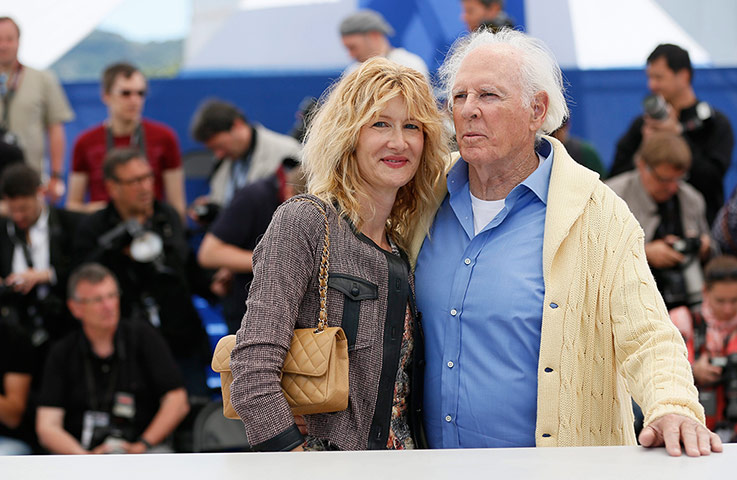
It was Oscar season when Bruce Dern was making the rounds for Nebraska that I discovered that Laura Dern is his daughter. And in confirming this I discovered that Diane Ladd is her mother.

This will definitely not be the last of these posts, but we’ll see how many of these “duh” moments come up.

The Billy Wilder Blogathon: Emil and the Detectives (1931) and (1935)

main

Wilder, Kästner, Emil and the Detectives

For the Billy Wilder Blogathon I wanted to cover a film, in this case films, that occurred early in Wilder’s career. The reason is because while it’s nearly impossible to know film without having stumbled upon Wilder’s work (even by accident) I can’t claim any level of expertise. Furthermore, in blogathon scenarios I find that the more popular and well-known titles, in this case things like Some Like it Hot, Double Indemnity or Judgment at Nuremberg would be snatched up right away.

I was fortunate, however, to stumble upon the fact that one of Wilder’s earliest cinematic endeavors was the first-ever film adaptation of Erich Kästner’s classic children’s novel Emil and the Detectives. This particular version of the film I was able to find on a region 2 DVD set complete with the 1935 British remake, which by extension and its eerie similarity to the German version present early works of his screenwriting prowess.

In many ways Emil and the Detectives offers quite an interesting case study in a few regards: first, it is a tale of such timelessness and universal qualities such that it has been filmed many times over and in many cultures, however, it also offers a glimpse into the zeitgeist of the borderland in time and politics that was the end of the Wiemar Republic and the rise of the Nazis in Germany.

Less than two years after the debut of this film Wilder joined one of the throngs of German Jews who left his homeland for a long and successful career in Hollywood. Conversely, Kästner, while exiled and banned from publishing for a time due to his pacifism would spend the war and reconstruction in Germany to better report on events. In a hallmark of Nazi hypocrisy it has been reported that Emil and the Detectives was spared from burning in 1933 as opposed to his other books even though it, too, caused a stir.

Emil and the Detectives (1931)
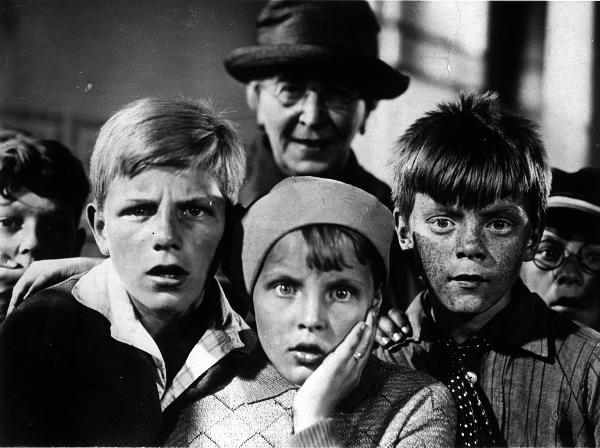
Emil und die Detektive (1931, Ufa)

My first exposure to this tale in anyway was the 1964 Walt Disney-produced version. Interestingly enough it ends up being rather a hybrid of the first two adaptations of the novel onto film. The actors are American but the story is German-set. As one would expect Disney is still Disney but much of the charm of the story still exists and it was one of my favorite film discoveries of 2012.

This tale is German and translated, but with a solid cast, very well-composed cinematography and an engaging storyline it works fairly well.

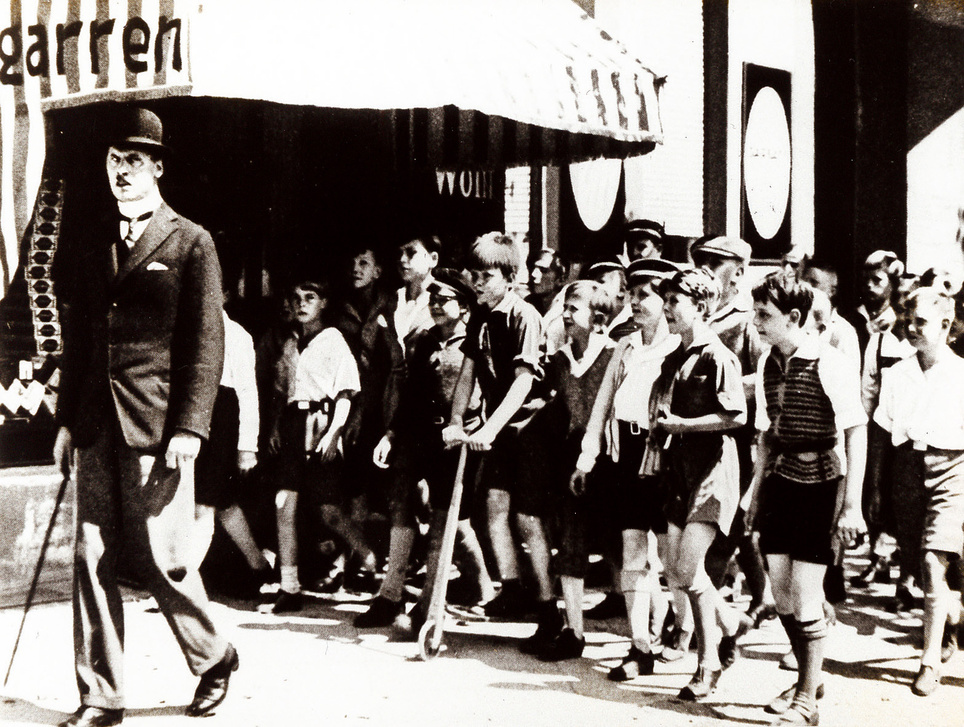
Clearly the standout the first time around was the visual-flair. The kids’ world with adults on the periphery is there, it’s adventurous and fun but a safe world. What Wilder and the team brought to the 1931 tale, that is likely also part of the fabric of the book, is that there is a naturalism to it, which when dealing with a crime and solving it means there is an inherent level of danger. With Disney some of the edge is taken off and its clubhouse-like. What is delightful to see the seeming opposites co-exist naturally.

What was written by the New York Herald seems well warranted and rings true to this day:

“The great simplicity in design and execution, the perfect naturalness and the move away from that particular sentimental hypocrisy and affectation, which often viewed as an inevitable prerequisite of cinematic oeuvre.”
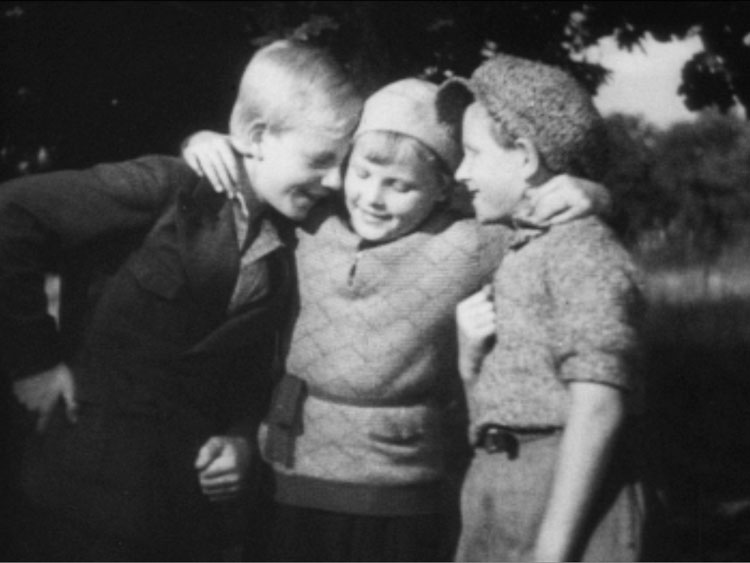
Emil and the Detectives (1931, Ufa)

While sticking fairly close to the source Wilder taps into and accentuates some of the universal truths of this tale and storytelling for young people that this narrative highlights. First, there is the introduction of the audience to “another world.” Though not a fantasy world in any sense, but rather just the big city we are still viewing somewhere fairly unknown to the protagonist and perhaps to us as well. The creation and depiction of the outsider is perfectly played.

Something that Michael Rosen underscored that I had never quite put my finger on is the following:

“I’ve always felt that children’s books that last the best are those which engender a sense of yearning in the child: you want to be there, you want to be them, you want to be as clever or as lucky as them. For me Emil and the Detectives has this in bucketloads.”

I would go so far as to extend that notion to any great children’s literature read at any age. For example, I first read Harry Potter in my senior year of High School, if I’m not mistaken, and as I made my way through that series I had that sense of yearning also.

Now something else Disney did was to add a more fantastical feel to the tale. Whereas what was shocking and controversial about the book, and handled so well by the original film versions, was the naturalness of the setting in which these children find themselves. It isn’t a fantasy or a far off world, but rather these kids, much like those that lived at that time, much like you or I in real city with a very real problem. Perhaps it is that singular notion that has kept the story alive even through a period where the Nazis tried to rewrite German culture and Europe and the world wasn’t as willing to dabble in anything Teutonic.
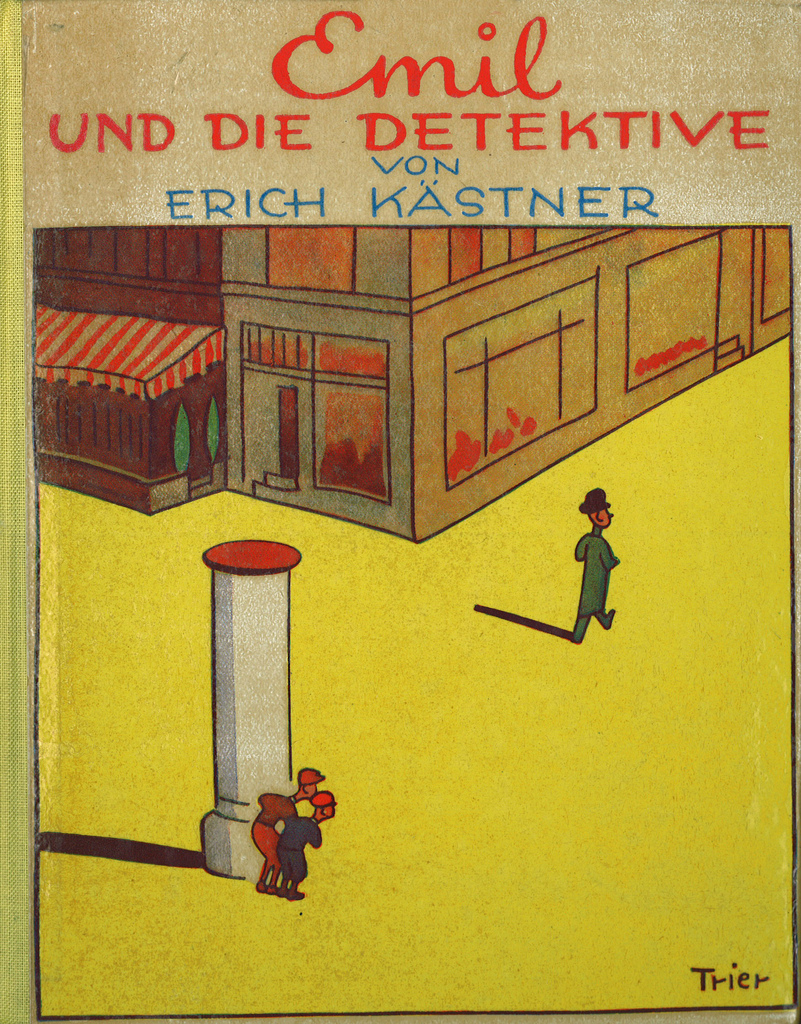
Emil and the Detectives (1929)

The trajectory of the project is one that will look familiar. It’s not that unlike a hot literary project today. It was published in 1929 was an almost instant hit. In 1930 a version hit the German stage, the adaptation by Kästner himself. The film rights were then picked up by Ufa. Although, a relative unknown at this point Wilder ended up working on versions of the film with Kästner and others. The success of People on Sunday had allowed him to become a professional screenwriter that the studio would tap for such an important project as this one.

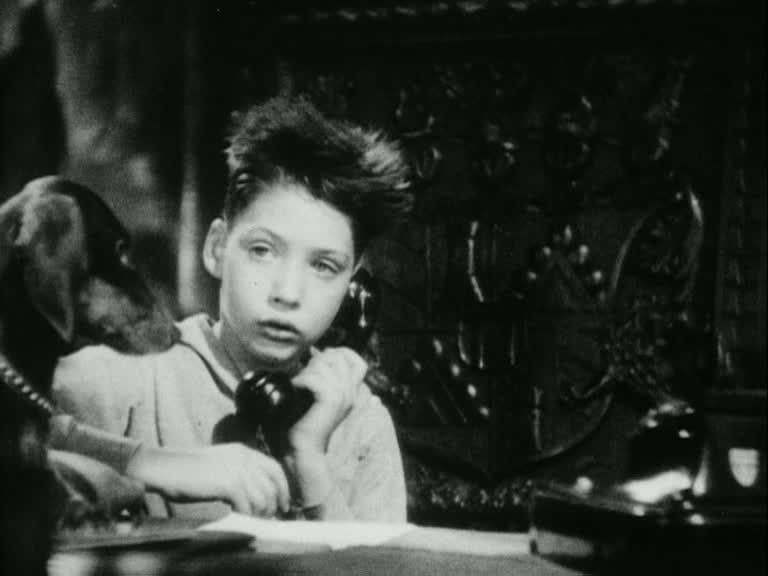
One thing that the 1931 Emil and the Detectives excels at is visual storytelling. It is one of the earliest and most important German sound films but it is not as stagebound as many early US talkies are. There are montages, moving shots around Berlin and a wondrous impressionistic dream sequence which is breathtaking. Suspense is built by watching, following or hiding and not dependent on dialogue exchanges for too much.

Film Quarterly in 1933 astutely stated that:

“It is remarkable that the cinema all but ignores the very considerable audience of children that supports it; and it is tragic that the few films specially made for children lead one to wish that they had been ignored.”

This a lead-in to praise for this film, and in many ways, that can still be true today what’s key is that that the filmic touches are left to the apt maneuvering of the crew behind the scenes and the kids for lack of a better term just have to be themselves and seem to be selected specifically to be able to “be” their part rather than “play” it.
Emil and the Detectives (1931, Ufa)

As the date on the Film Quarterly review indicates the original film version had quite a legacy. While sadly many of the young actors who took part in the film would end up dying on the front in World War II it did launch an acting career for three of its cast members Hans Richter, Martin Rickelt (then Baumann) and Inge Landgut.

Such was its continued success that it was showed on Christmas in 1937 as Wilder was in the US and Kästner was forbidden to write.

Emil and the Detectives (1935)
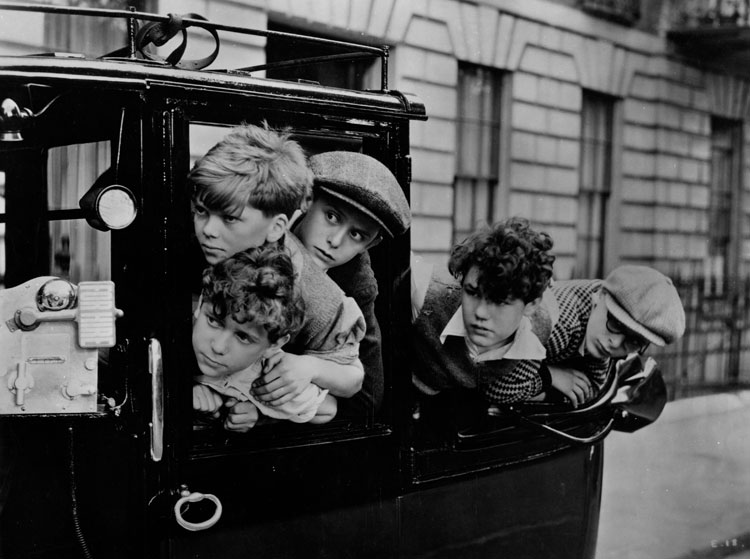
Emil and the Detectives (1935)

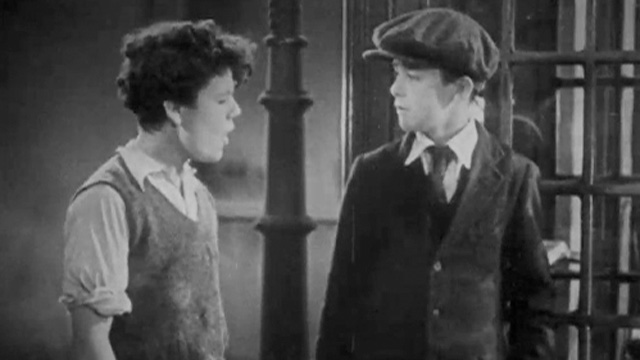
This film was recently rediscovered and restored. In the wonderful BFI booklet that accompanied the two-film release, where I sourced most of these quotes, is an essay called “Emil and the Detectives: A Faithful Remake” by Bryony Dixon that begins:

“Yet, despite being four years later, and with no hint in the publicity that this is essentially a remake of the German film, this is an exact replica with British cast and crew – and I do mean exact.”

Now there are differences and she goes on to cite them in detail in the last paragraph but what she states there is essentially true. And assertions that this film was cobbled together mainly from the German shooting script, or film, or stage play in English are likely correct.

However, the success of the film was similar in England. The original film played in the UK from April 1933 to January 1934; and a production of the play from Prague aired on BBC programme in 1934.

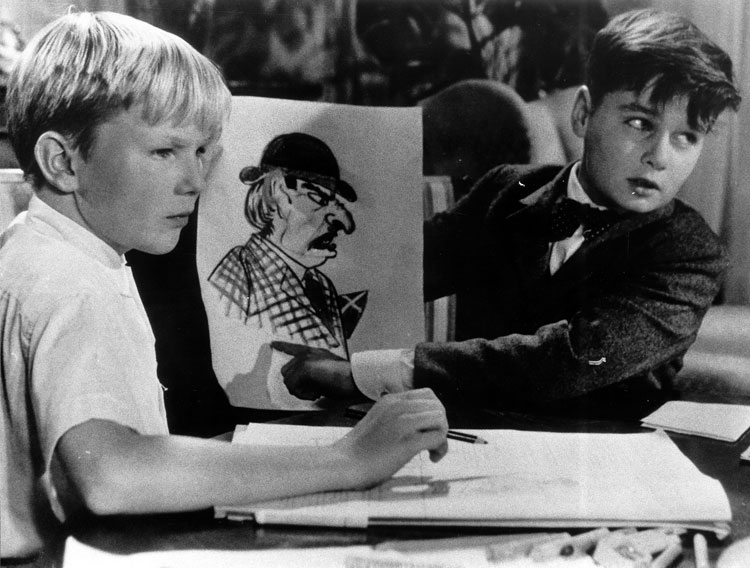
The oddity of the remake is that though it runs about 10 minutes shorter very little of that is put to good use. A lot of that is accomplished simply by tightening the dialogue scenes. Some expedited scenes work fine, but overall the suspense is lessened.
Emil and the Detectives (1935, BFI)

The change of venue from Berlin to London also does make a difference. Some of the vitality is robbed of it. It’s not just about the connotations each city brings with it, but the look and feel of it too. The Disney version which returns it there re-captured some of that.

However, it still works fairly well and even got fairly good notices. One that was included reads as follows:

“Although acted by juveniles for juveniles; the film is by no means limited in its appeal to young audiences; it should equally delight the elder members of the family.”

It does. What I was impressed by was how similar they were and that they both work well though the British one seemed to lack that suspense and grit, but it still quite enjoyable and it’s hard to find one remake so close to another – as Dixon rightly points out – that is not a foreign version shot simultaneously.

Closing Thoughts on Early Wilder
Emil and the Detectives (1931, Ufa)

When I was taking an introductory screenwriting course I remember our professor almost lamenting that we understandably were telling rather homey tales. The reason for this was that as writers having to only deal with the blank page there were no limitations. As writers the how things would happen and the cost of making them occur was really not our concern. One reason I’ve always recalled that is that is seems to be part of the path for many filmmakers. You seem to start with whatever rendition of a coming-of-age or first love tale strikes a chord with you.

One example would be in Bergman’s oeuvre: Very early on he had young romances like Port of Call or Summer Interlude or Summer with Monika and later on he’d revisit some of the themes in his early works with more sophistication as he did in Fanny and Alexander. Many will be more like Wilder than Kästner. They will tell a child’s tale when feeling there is something they can say with it, as opposed to having it be their raison d’être due to some philosophical slant.

Wilder has here a not dissimilar early career narrative to Bergman’s going from contributing to People on Sunday which was seen by many a slice-of-life of Berlin at the time. He then almost immediately moved on to sculpt another image of Berlin also real, but with flights of childish imagination that do not remove it from reality, but merely look at it in a different way.

Tales that tend to pass from generation to generation are usually either perfect dreams or perfect simulacrum. Emil and the Detectives, with Kästner’s blueprint, Wilder and the other filmmaker’s input may have blazed the trail for stories that balance the two giving an audience young and old an escape with a story that feels very real.
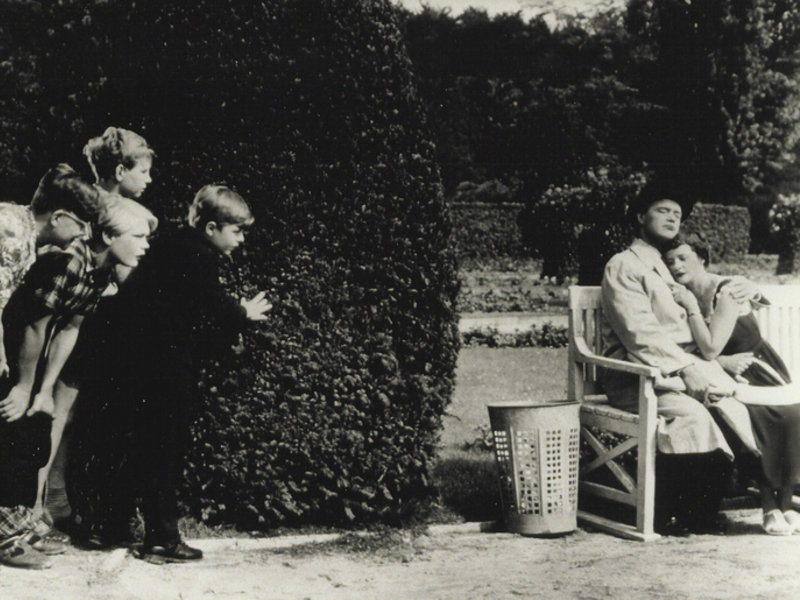
Emil and the Detectives (1931, Ufa)

It’s perhaps more interesting to see this film now as one can clearly see how earlier works influenced it and also how it intimated things to come in the careers of the makers, in the cinematic subgenre and the careers of those involved. Emil and the Detectives is a film that would’ve stood the test of time regardless but it gains additional significance as a beacon both of a bygone time and also for the career that Wilder had in store.