

A New Year’s Eve Party in a Post
“Is that crap almost over?”parents who are hiding out in the other room as their kids watch Batman v. Superman: Dawn of Justice ask themselves everyday, but also billions of people tonight wondering what time it is on New Year’s Eve.
For those in agreement about the latter notion, I figured I’d cobble some music video moments to make those final hours of 2016 a bit more tolerable. Some of these I featured on Music Video Monday posts, some are just good songs.
Let’s start by noting that Sarah Hyland can sing…
The kids in Stranger Things know how to pick music videos…
“I’m So Humble” from Popstar on The Voice
A Tribe Called Quest on SNL
George Michael sings “Somebody to Love”
David Bowie “Changes” live, which features the lyric The Breakfast Club quotes.
Madonna & Prince “Love Song”
Now some Robin Packalen in English…
And since I’m working toward some BAM Award nominations, here are some Best (Original) Song winners to add to the party…
2012 Ricky Koole “You Are the One” Kauwboy
2010 Never Say Never Justin Bieber (feat. Jaden Smith) The Karate Kid
2009 Quiero que Me Quieras Gael Garcia Bernal Rudo y Cursi
2008 A Capella rendition of Sweet Child O’Mine by Tom Davis, Kathryn Hahn, Lurie Poston and Elizabeth Yozamp in Step Brothers
2005 America (Fuck Yeah) Team America: World Police
2004 Vois Sur Ton Chemin The Cast (Soloist: Jean-Baptiste Maunier) Le Choristes
2003 Toi, mon amour mon ami Virginie Ledoyen and Ludivine Sagnier 8 Femmes

Short Film Saturday: Earth is a Miracle by GOOD
In this day and age there are any number of ways to record images and set them in motion. These time-lapsed, satellite composite images tell a story in and of themselves, but the text on screen puts them into even greater perspective.
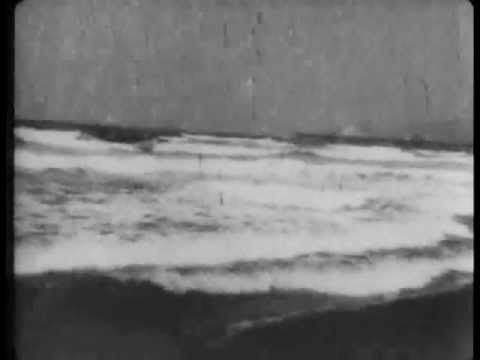
Film First Friday: Return of the Lifeboat (1897)
The first multi-shot scene in the history of film!
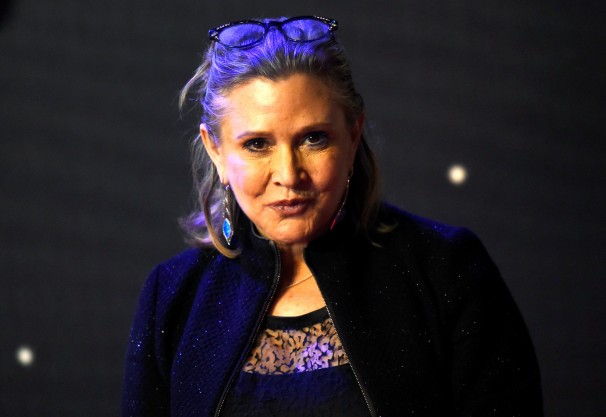
Carrie Fisher: Postcards from the Edge Written by an Unseen Hand
When I shared my post on George Michael on my personal Facebook, I wrote that:
Rather than write half-heartedly about a “bigger name.” I wrote wholeheartedly about one whose work I know well, and admit faults of mine due to where I was on my path. An honest assessment and appreciation is better than obsequiousness.
In that vein many of the films that were obscured from notice by the leviathan of Star Wars or the films she script doctored, I was just learning about, impacted me more and for longer than the great space opera.
Postcards from the Edge (1990)
I saw this on repeat quite a bit because it was a regular rotation film in the early-90s on premium film channels. It stung to see a mother daughter relationship like that but as a young drama enthusiast it was addicting.
The Unseen Hand: Fisher’s Work as Script Doctor
Coming to grips with the film business, and some of its realities, whether you like it or not, can alway be difficult for a young idealistic artist. Perhaps for no other reason than the nebulous nature of crediting screenwriting. Yes, giving notes can be like leading a horse to water, and even if a writer follows through (I know based on some note sessions of my own) how the notes are taken is at times entirely within their purview.
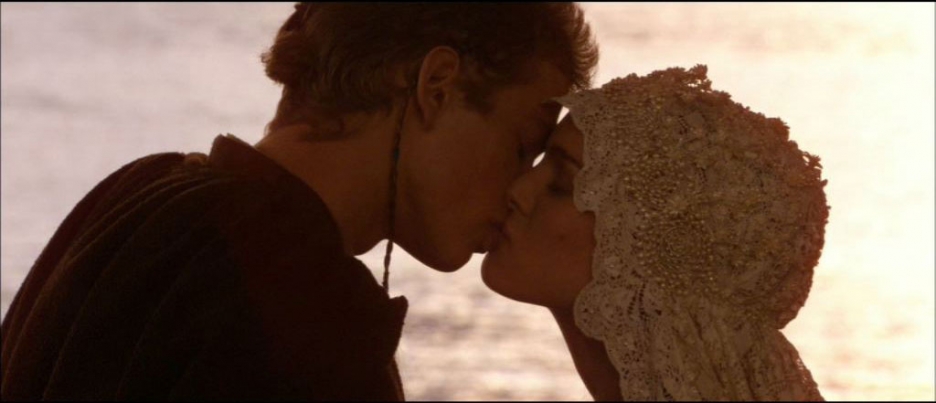
But we must at least stop and give these people who work tirelessly for no glory to make any film just a bit better than they may otherwise be. Check some of these films Carrie Fisher doctored, whether I liked them then or discovered them later, many of them I am quite fond of, some even in a guilty pleasure kind of way. It is noteworthy though. Especially one entry which my own BAMs awarded. Carrie one-upped Harrison Ford’s infamous assessment that “you can type this shit…” and actually helped craft a necessary and pivotal midpoint in the prequels shaping in some small part the life and career of her fictional mother in the Star Wars universe.
But there was far more than that film that she helped shape. Take a look:
So many sidebars can be had on any of those films, but like many in the original trilogy she had the double-edged sword of Star Wars in her career such that when she made other notable onscreen appearances they went overlooked, some of them I needed to be reminded of after she suffered her heart attack.
Other Works
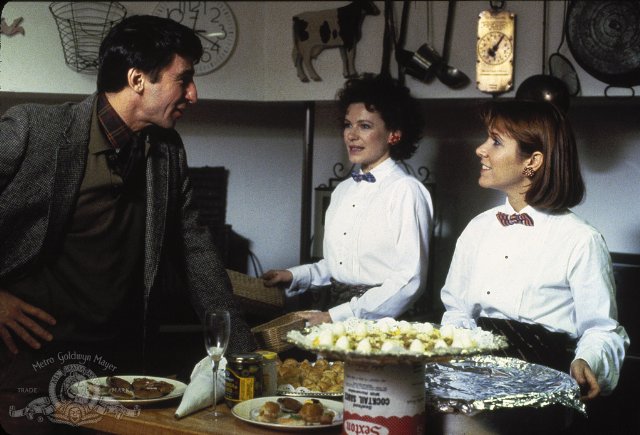
In chronology some of these were:
- Shampoo
- The Blues Brothers
- a 1980 surprise, uncredited appearance on SNL
- Thumbelina in an episode of Shelly Duvall’s Faerie Tale Theatre
- The Man with One Red Shoe
- Hannah and Her Sisters
- Loverboy
- The ‘burbs
- When Harry Met Sally…
- Soapdish (Which I was also obsessed with for a time thanks to HBO)
- Hook (In a cameo, also as script doctor, one of my latter Spielberg viewings)
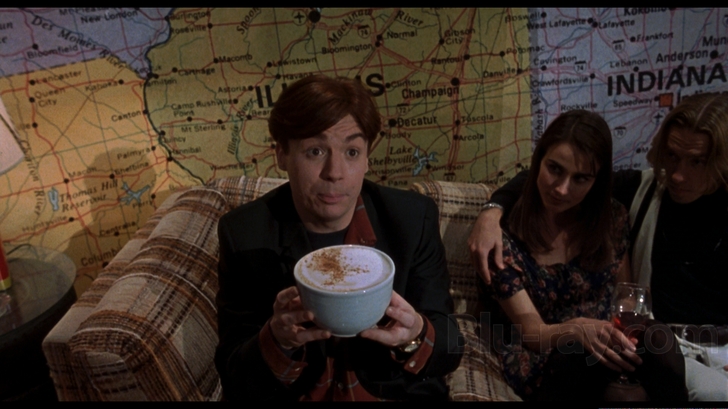
Though uncredited it’s hard to forget her scene in Austin Powers: International Man of Mystery (It also bears noting that Fisher was a script doctor on an early Myers film So, I Married an Axe Murderer).
She did quite a bit of voice work including voicing Roz Katz on an episode of Dr. Katz, Professional Therapist.

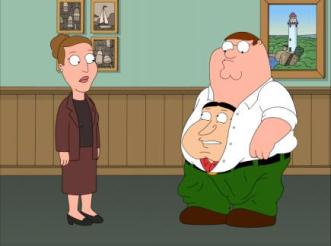
Over the course of more than a decade she voiced Angela on many episodes of Family Guy including two forthcoming ones.
She was then a nun in consecutive films Jay and Silent Bob Strike Back and Charlie’s Angels: Full Throttle.
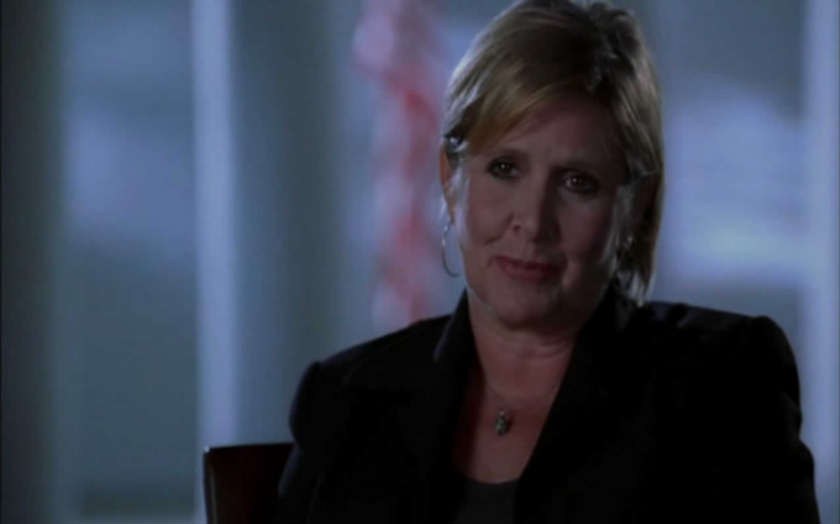
She had a guest role on the brilliant but canceled Jack and Bobby as the First Lady, and also was in the third installment of Wes Craven’s meta-horror Scream series.
She was a force on and behind the screen that many, myself included, never fully realized.
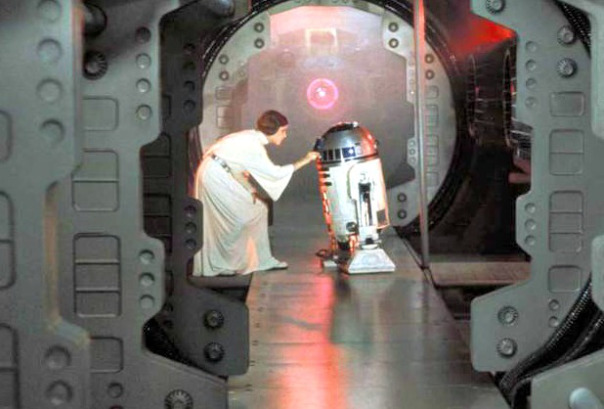
And, yes, she was Princess Leia in Star Wars episodes 4-7, and the forthcoming eighth installment, which is already in the can. And even I, a late-comer to the Star Wars series. Having never really started it for real until 1999. However, I also felt the influence of that character, naming a character in a screenplay of mine Leia and having her dress as a princess for Halloween.
Advocacy and Social Media
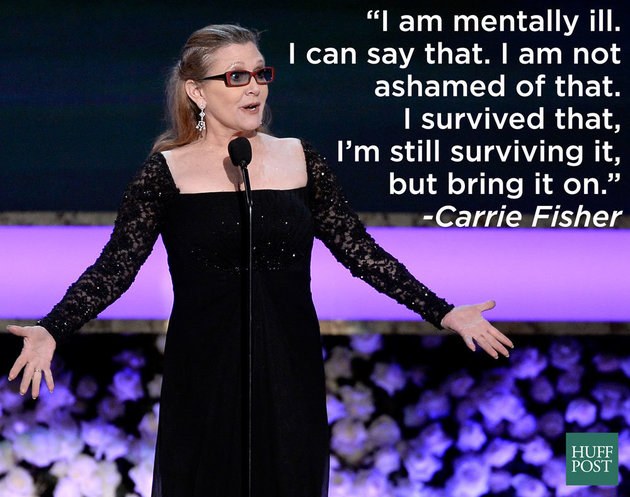
But in addition to that she was also on the forefront in being open and honest regarding her battles with mental illness, long before addressing it openly, and trying to remove stigma became commonplace.
In the age of social media, especially Twitter, brevity is the soul of wit indeed, and this is another arena she excelled in. In response to her appearance becoming a ridiculous talking point in Episode VII she said the following:
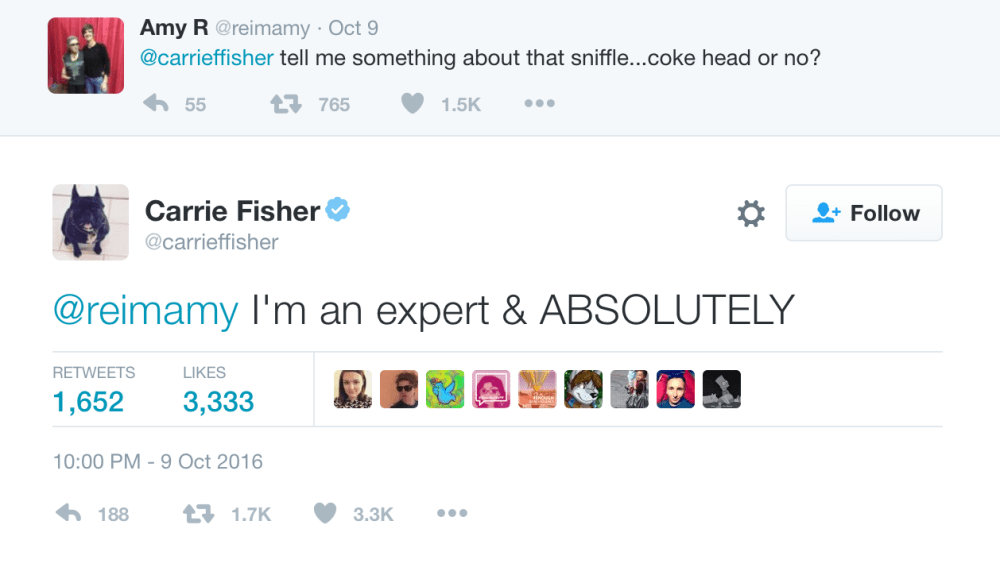
She also self-deprecatingly, but insightfully chimed in on one of the most peculiar running themes of the 2016 Presidential debates: Trump’s sniffling:
Conclusion
Last year she was nominated for a BAM Award as part of the cast of The Force Awakens. She was one of the final people considered for Best Supporting Actress. As she, and I hope this piece showed, she was always far more than that and she will be sorely missed.
Music Video Monday: George Michael
This one clearly, sadly, qualifies as an In Memoriam also. Though we all know that 2016 has featured some shattering losses, this is one I can write some about because George Michael did mean something to me growing up. While, yes, I enjoy Prince’s work (making this random post in early 2016), and Bowie’s there was not the connection on a personal level for me.
As is often the case, this connectivity hit home for me more later on than during my formative years. So far as the links I perceived at the time:
- Yes, I had a jean jacket.
- Yes, I did my own attempt at the wiggle-dance (far less convincing than my interpretive dance set to “Into the Groove” or my imitation of Axl Rose’s “snake” dance)
- Yes, I even thought the boots worked for him if for no one else.
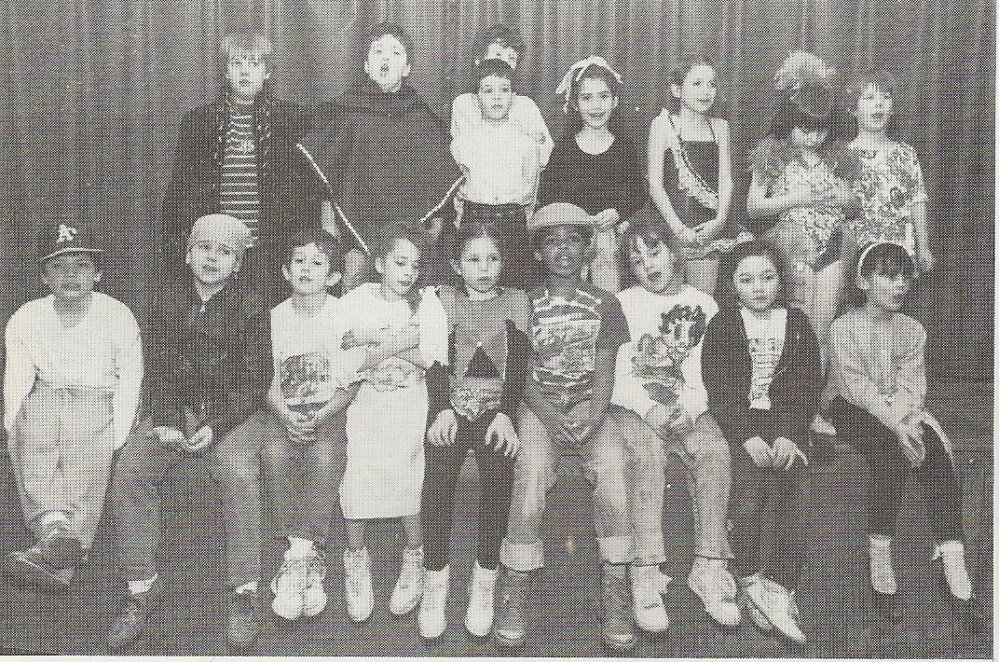
Yes, this is a play but is not that far off my look (2nd from Left, front row, bandana-clad).
As tends to be the case when one is young, impressionable, and wont to react in fear and revulsion at new things; I was repelled from Michael in part as he drifted from the ever-present limelight but also when he was coming to terms with his sexuality and dealing with depression, into my early-20s stuggling with my own identity. It’s not a wonder that as I spent my purgatorial time in denial I went to knock his persona from that pedestal down some even if I didn’t know why.
My longing for discretion and so-called normality allowed more puritanical and uninformed impulses to dominate my sentiment toward him. Moreover, it made me make a mistake I am loath to make: confusing artist and man. Not to mention that posthumous reporting has shown he was frequently charitable but didn’t brag about it.
However, once I began to more fully understand, and embrace both myself, and understand some issues pertaining to gay culture and him personally (namely how he did didn’t run and hide from the scandal that officially outed him, but instead lampooned it), my view of him altered.
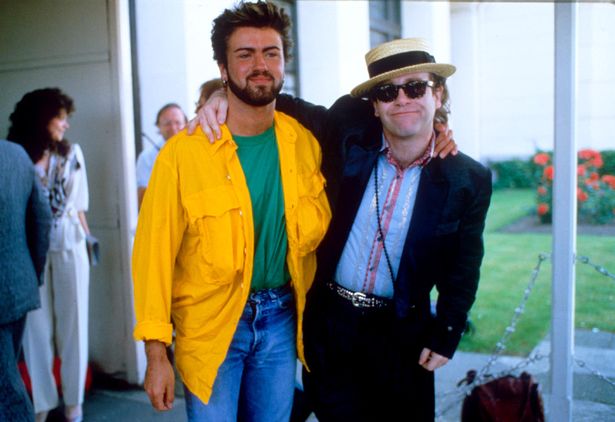
With time away from tabloid headlines I was left to wonder: “OK, with all this new awareness in societal (which followed my own), why aren’t more of us saying ‘damn, he’s good!’
Hence, it comes as no surprise that I got a great kick out of his prominence in Keanu.
So this film showed he had some legs as someone who could be believably revealed to tough guys in a goofy comedy. However, he and Wham! made their cultural impact along the way. Just take a look at the video for, and two parodies for “Wake Me Up (Before You Go-Go).”
Aside from that his videos were also statements: straightforward, restrained, and performance-driven for the most part, and iconic for it.
He was directly responsible for the impact of “Faith” as he directed it, a fact I just learned.
But these weren’t the only songs and videos of note. Here are some more…
Last, but not least, there’s the now-rare modern-era Christmas classic “Last Christmas.” The coincidence of his departing this world on Christmas Day is lost on no one.
If this isn’t enough to convince you he had a film legacy, consider the IMDb lists him on over 200 titles.
His art will live on, as will his impact, whether it was fully appreciated at the time doesn’t matter. What does is that he has made an impact, has been of influence, and continues to be.
Rest in peace, George.
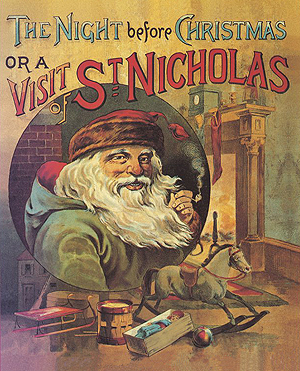
Short Film Saturday: Gary Busey Reads “‘Twas The Night Before Christmas”
It’s delightfully off-kilter until it’s just delightful. As opposed to his Amazon ad and other recent works its lacking in self-conscious quirkiness and just is. Enjoy, and Merry Christmas!
Kudos to the New York Daily News for making this one happen.
2016 BAM Award Shortlists
I won’t bother you with math or laments of 2016 (we all have those). Instead, I will just share with you the shortlists at current, and to emphasize how much closer these individuals and films are to a nomination (January 2nd) and being honored (January 9th), I’ve included some images of notable past honorees. Movies viewed between now and December 31st are eligible and may make surprise appearances among the nominees.
Eligible films can be found here.
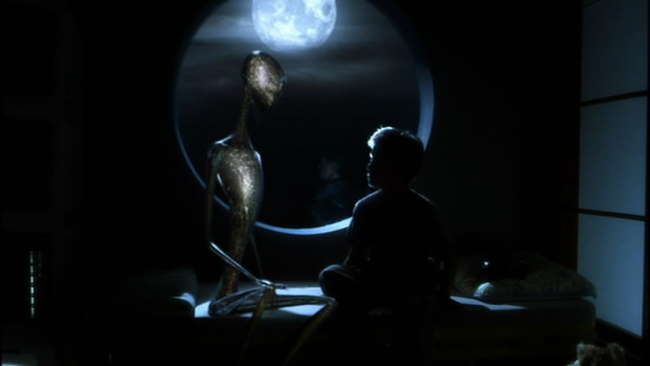
Artificial Intelligence: A.I. which swept through most of the 2001 Awards.
The Revenant
Zootopia
The Jungle Book
Antboy 3
The Witch
Popstar: Never Stop Never Stopping
O.J.: Made in America
Don’t Breathe
Pete’s Dragon
The Purge: Election Year
Der Bunker
Theeb
Aquarius
Finding Dory
Before the Flood
Kubo and the Two Strings
Rogue One: A Star Wars Story
Note: Ten (10) will be nominated in the above category and will compose my year’s top 10.
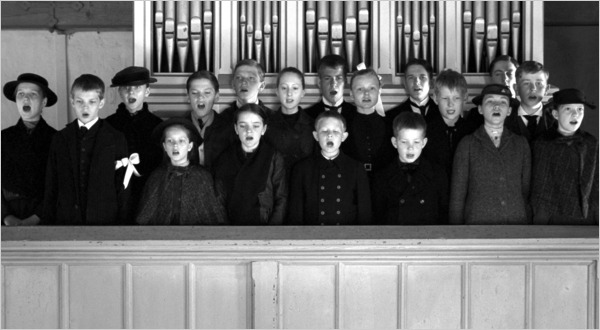
The White Ribbon which in 2010 smashed the nomination record (21).
Antboy 3
De Boskampi’s
Aquarius
Boy 7
Der Bunker
Killbillies
The Perfect Husband
Theeb
O Diabo Mora Aqui
Note: five (5) will be nominated in the above category.
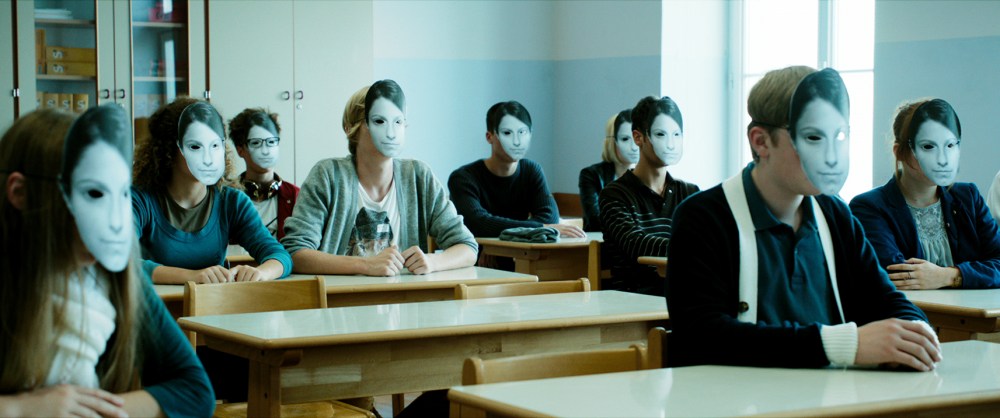
Class Enemy one of the reasons this award exists.
Antboy 3
De Boskampi’s
Der Bunker
O Diabo Mora Qui
The Young Messiah
Debra Paget, For Example
Glassland
London Town
Money Monster
The Mirror
The River Thief
Note: five (5) will be nominated in the above category.

The Short Game, a prior winner, and the first streaming service film (Netflix) to win an award.
Before the Flood
Believeland
Doc & Darryl
Fantastic Lies
Hit it Hard
O.J.: Made in America
Phi Slama Jama
Sherpa
This Magic Moment
Note: five (5) will be nominated in the above category.
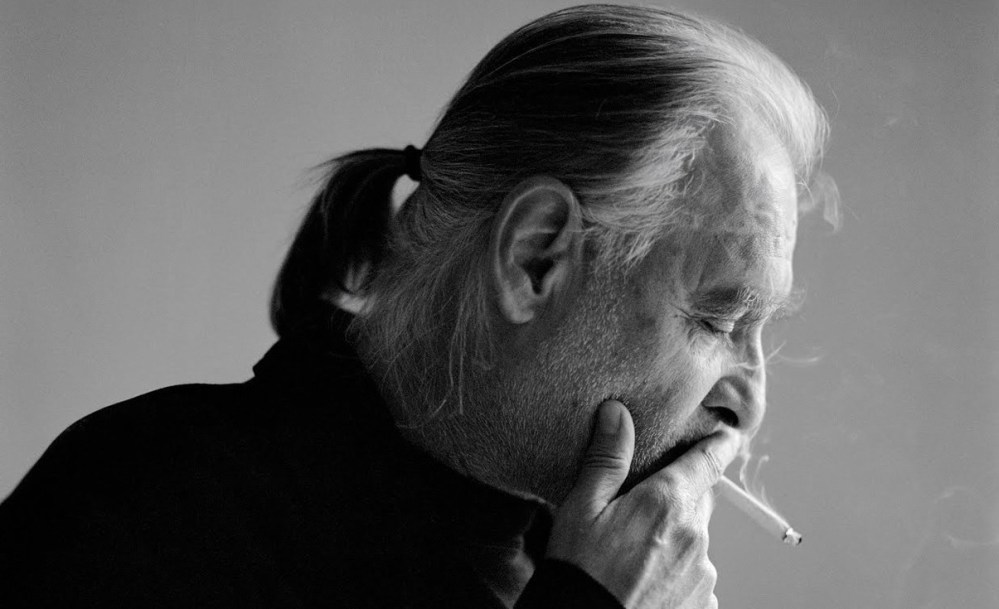
One of two directors (Bergman is the other) to win a BAM Award for their swan song.
Travis Knight Kubo and the Two Strings
Robert Eggers The Witch
Nikia Chryssos Der Bunker
Kleber Mendoça Filho Aquarius
Jon Favreau The Jungle Book
Jodie Foster Money Monster
Gareth Edwards Rogue One
Fede Alvarez Don’t Breathe
Ezra Edelman O.J.: Made in America
Anthony & Joe Russo Captain America: Civil War
Alejandro G. Iñárritu The Revenant

Jessica Lange remains the only Actress to win consecutive awards in the category (’99 and ’00), and has the longest gap between individual wins after a Supporting Actress win in 2014.
Vera Farmiga The Conjuring 2
Toni Collette Glassland
Sonia Braga Aquarius
Raleigh Cain The River Thief
Oona Von Maydell Der Bunker
Mila Kunis Bad Moms
Margot Robbie Suicide Squad
Kerry Washington Confirmation
Julia Roberts Money Monster
Jemma Dallender The Mirror
Jane Levy Don’t Breathe
Anya Taylor-Joy The Witch
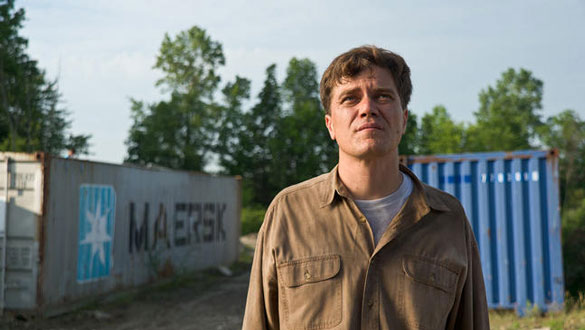
Michael Shannon in 2011 is the most recent American honoree, and one two native Kentuckians (Jeremy Sumpter is the other).
Andy Samberg Popstar
Dylan Minnette Don’t Breathe
Eddie Redmayne Fantastic Beasts and Where to Find Them
George Clooney Money Monster
Joel Courtney The Rive Thief
Johnny Depp Donald Trump’s The Art the Deal: The Movie
Joshua Dickinson The Mirror
Leonardo DiCaprio The Revenant
Paul Reubens Pee Wee’s Big Holiday
Pit Bukowski Der Bunker
Wendell Pierce Confirmation
Will Poulter Glassland
Zac Efron Mike and Dave Need Wedding Dates
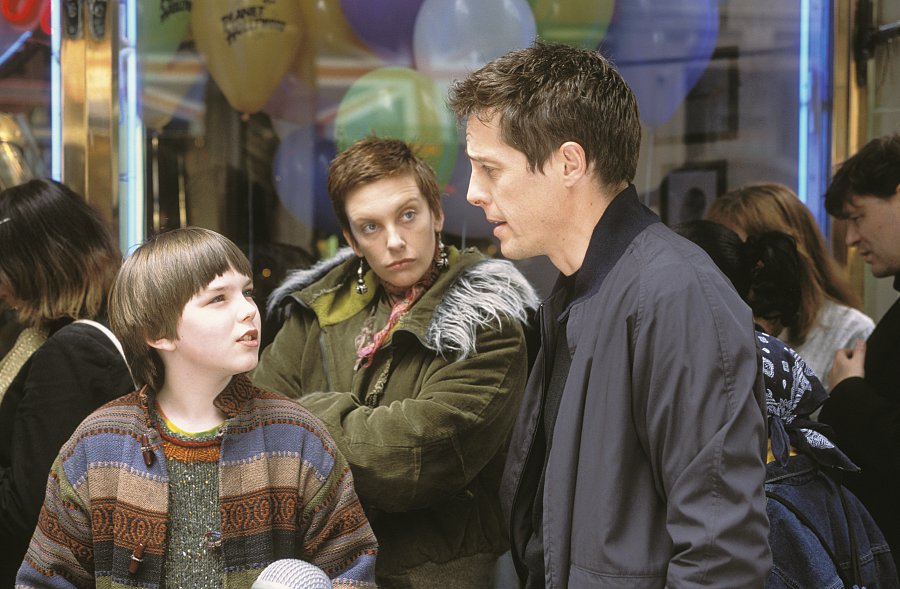
Toni Collette (1999 and 2002) remains the only two-time winner in this category to date.
Tiffany Haddish KeanuSofia Boutella Star Trek Beyond
Maria Bello Lights Out
Kathryn Hahn Bad Moms
Judi Dench Miss Peregrine’s Home for Peculiar Children
Frances O’Connor The Conjuring 2
Annalise Basso Ouija The Origin of Evil
Anna Kendrick Mike and Dave Need Wedding Dates
Aliso Sudol Fantastic Beasts and Where to Find Them
Christina Applegate Bad Moms
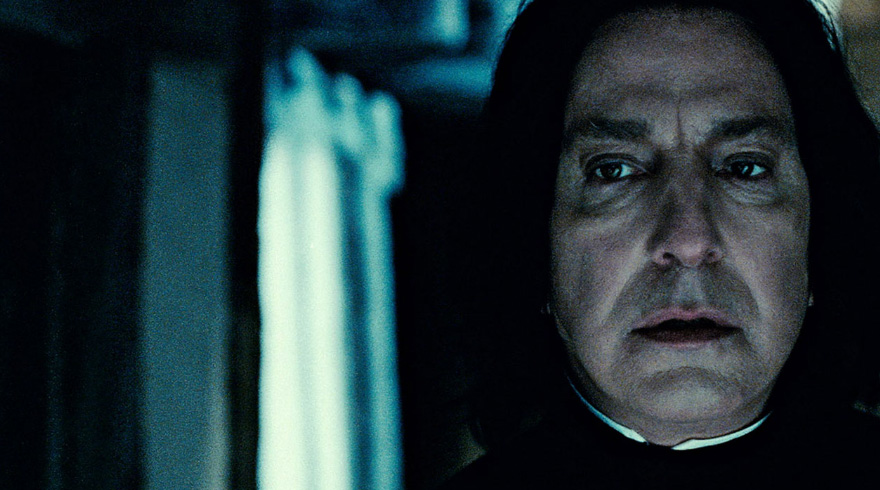
R.I.P. Alan Rickman Best Supporting Actor in 2011 for Harry Potter and the Deathly Hallows, Part 2.
Will Poulter The Revenant
Tom Hardy The Revenant
Will Arnett Popstar: Never Stop Never Stopping
Tom Holland Captain America: Civil War
Steven Lynch Don’t Breathe
Parron Oswalt Donald Trump’s The Art of the Deal: The Movie
Nate Fallows The Mirror
Keegan-Michael Key Keanu
Jack O’Connell Money Monster
Irandhir Santos Aquarius
Greg Kinnear Confirmation
Dwayne Johnson Central Intelligence
Daniel Fripan Der Bunker
Christian McKay The Young Messiah
Andy Devine Mike and Dave Need Wedding Dates
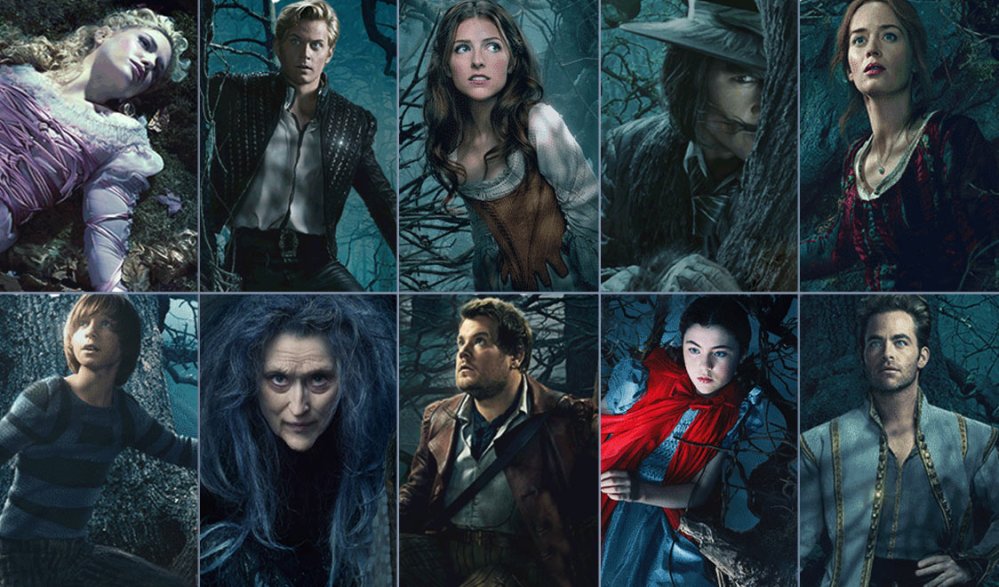
One thing I wanted to do to differentiate my awards from the start was to borrow categories from disparate award shows, Best Cast from the SAG Awards was an obvious starting point. (Pictured the cast of Into the Woods 2014)
Popstar: Never Stop Never Stopping
De Boskampi’s
Miss Peregrine’s Home for Peculiar Children
Bad Moms
Donald Trump’s The Art of the Deal
O Diabo Mora Aqui
Money Monster
Captain America: Civil War
Don’t Breathe
Mike & Dave Need Wedding Dates
The Revenant
The Witch
Rogue One: A Star Wars Story
Note: cast members meriting mention will be included by name when nominations are announced.
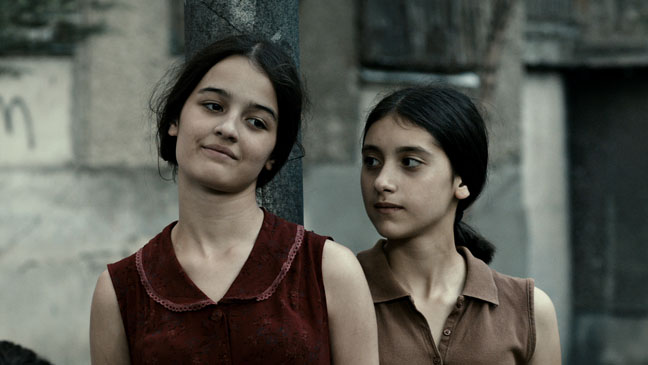
Young Actress in a Leading Role honorees have hailed from America, Canada, Georgia (Lika Babulani, prictured), Italy, and Australia.
Best Performance by a Young Actress in a Leading Role
Insufficient qualifiers for a shortlist. Nominees announced on January 2nd.
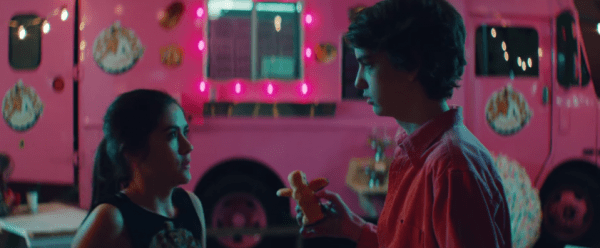
Kodi Smit-McPhee has earned four nominations and two wins in Youth categories. Fortunately for his colleagues, he’s aged out of these categories now.
Best Performance by a Young Actor in a Leading Role
Adam Greaves-Neal The Young Messiah
Art Parkinson Kubo and the Two Strings
Colin Critchley Legends of the Hidden Temple
Daniel Huttlestone London Town
Davis Cleveland Rufus
Gabriel Bateman Lights Out
Griffin Gluck Middle School: The Worst Years of My Life
Jacir Eid Al-Hwietat Theeb
Neel Sethi The Jungle Book
Oakes Fegley Pete’s Dragon
Oskar Dietz Antboy 3
Thor Braun Die Boskampi’s
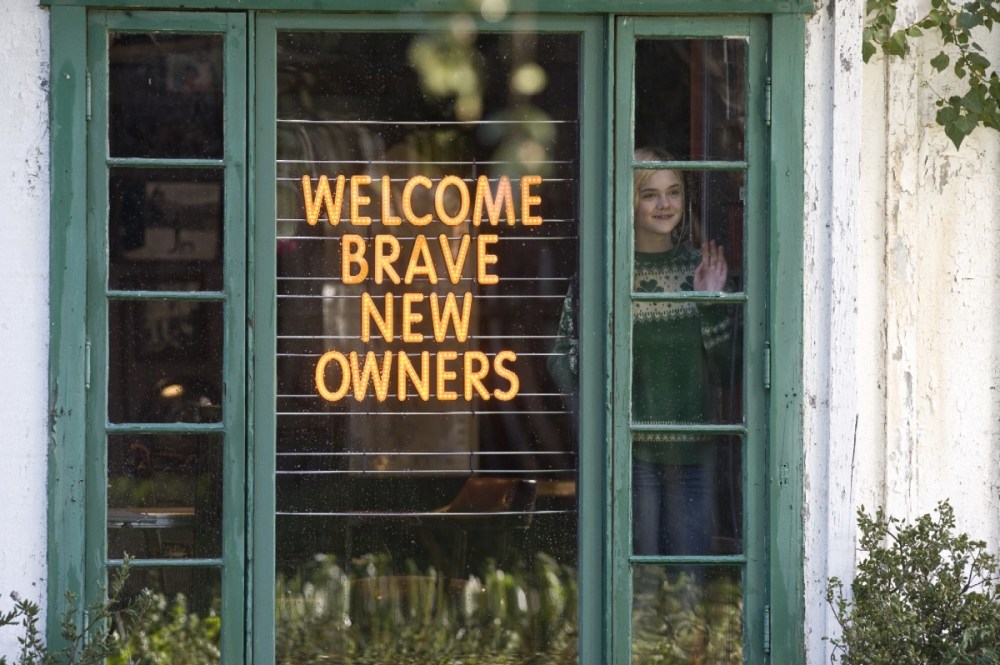
Elle Fanning helped kick off parity among youth an adult categories earning an award as both Best Actress (Super 8)
Best Performance by a Young Actress in a Supporting Role
Note: Insufficient qualifiers for a shortlist. Nominees announced on January 2nd.
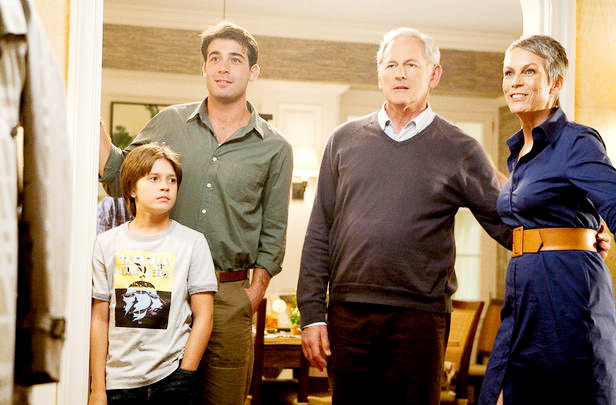
Billy Unger’s performance in You Again was pivotal in my working toward four categories for young actors.
Best Performance by a Young Actor in a Supporting Role
Thomas Barbusca Middle School: The Worst Years of My Life
Samuel Ting Graf Antboy 3
Rick Lens De Boskampi’s
Jace Norman Rufus
Isaiah Tootoosis The Revenant
Harvey Scrimshaw The Witch
Emjay Anthony Donald Trump’s The Art of the Deal: The Movie
Albert Tsai Donald Trump’s The Art of the Deal: The Movie
Jacob Tremblay Donald Trump’s The Art of the Deal: The Movie
Emjay Anthony Bad Moms
David Mazouz Incarnate

When seeking parity in awards this was the first natural growth for categories I found. The groups of young performers have hailed from many different nations (Denmark, Belgium [twice], Canada, United Kingdom, and the United states [pictured in Super 8]).
Antboy 3
De Boskampi’s
The Young Messiah
Adventures in Babysitting
Legends of the Hidden Temple
Middle School: The Worst Years of My Life
Ouija: The Origin of Evil
Bad Moms
The BFG
The Conjuring 2
Note: cast members meriting mention will be included by name when nominations are announced.
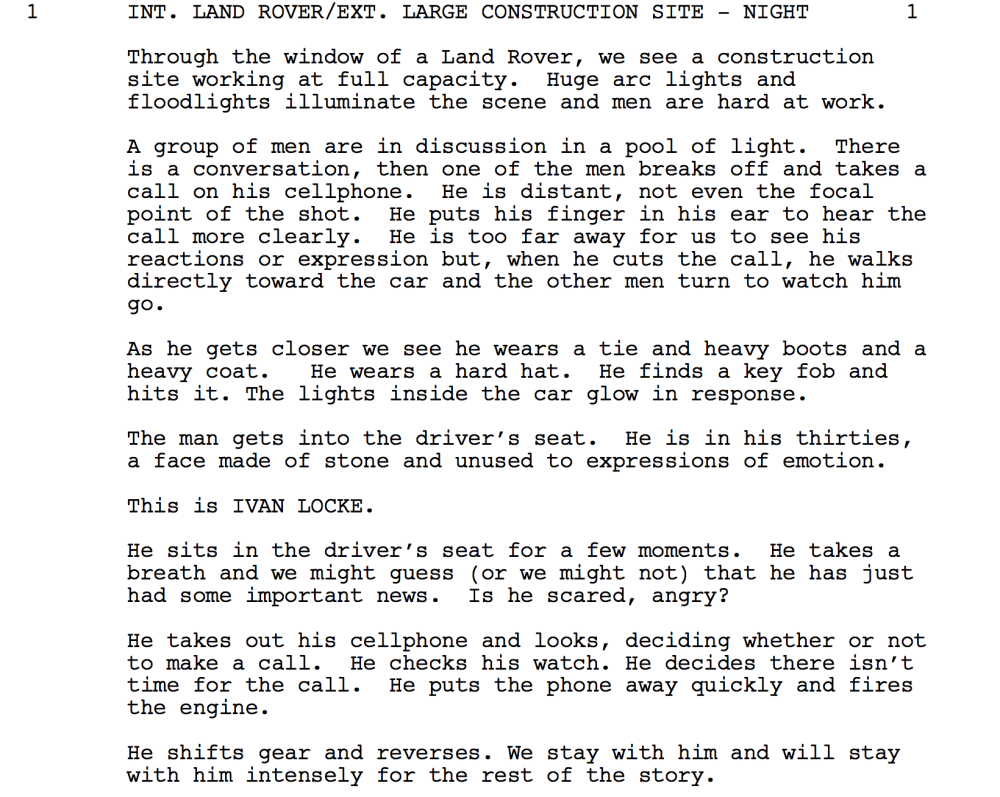
The first page of Locke by Stephen Knight winner of Best Original Screenplay in 2014.
Kleber Mendoça Filho Aquarius
Andy Samberg, Akiva Schaffer, and Jorma Taccone Popstar: Never Stop Never Stopping
Jamie Linden, Alan DiFiore, and Jim Kouf Money Monster
Fede Alvarez and Rodo Sayagues Don’t Breathe
J.K. Rowling Fantastic Beasts and Where to Find Them
James DeMonaco The Purge: Election Year
Robert Eggers The Witch
Nikia Chryssos Der Bunker
Andrew Stanton, Victoria Strouse and Bob Peterson, and Angus MacLane Finding Dory
Marc Haimes and Chris Butler, and Shannon Tindel Kubo and the Two Strings
Byron Howard & Rich Moore & Jared Bush & Jim Reardon & Josie Trinidad & Phil Johnston and Jennifer Lee, and Jared Bush Zootopia
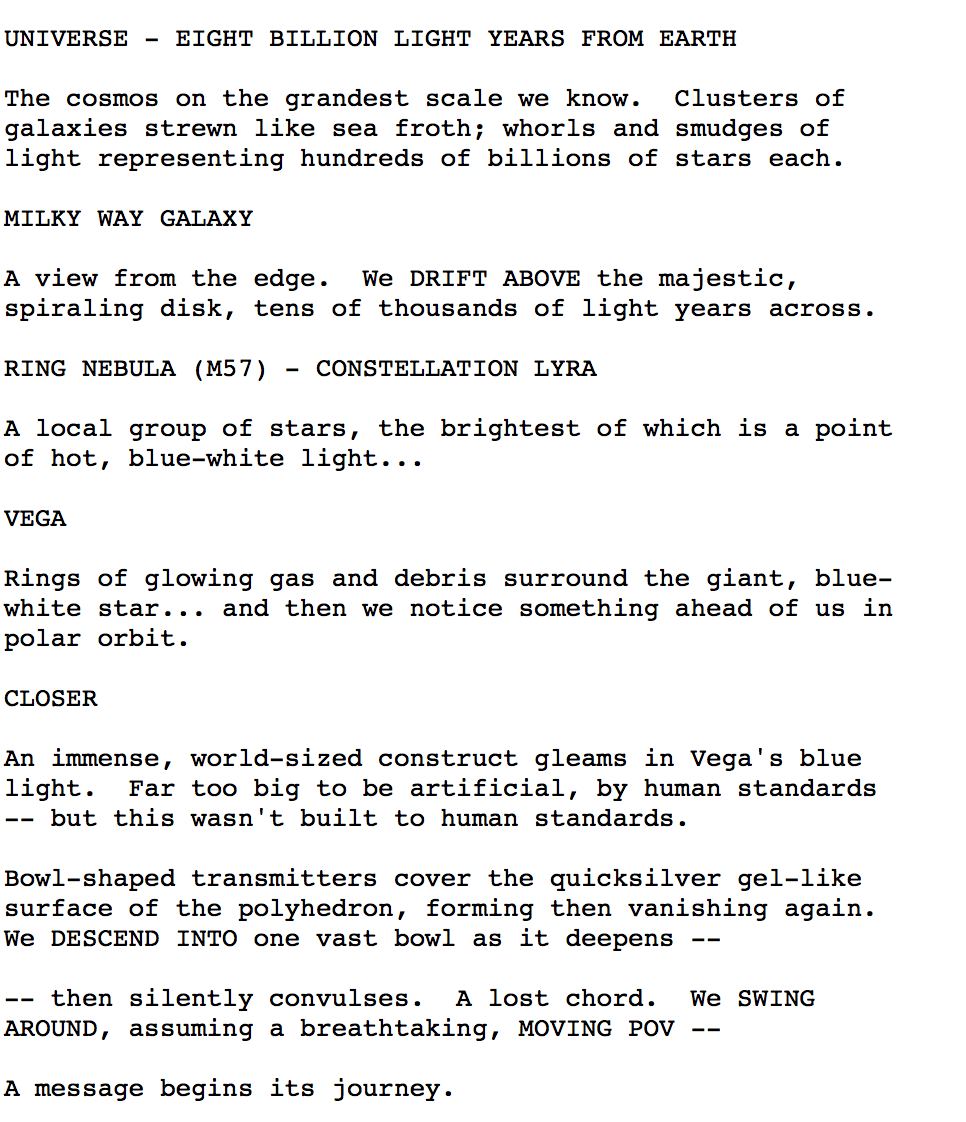
The opening of Contact (1997)
Stephen Borwn, Zach Hyatt, Alex J. Reid, David G. Stanley, Scott A. Sloane, and Johnny Umansky Legends of the Hidden Temple
Ransom Riggs and Jane Goldman Miss Peregrine’s Home for Peculiar Children
Christopher Markus, Stephen McFeely, Joe Simon and Jack Kirby, and Mark Millar Captain America: Civil War
David Lowery & Toby Halbrooks, Malcolm Marmorstein, Seton I. Miller, and S.S. Field Pete’s Dragon
Justin Marks and Rudyard Kipling The Jungle Book
Mark L. Smith & Alejandro G. Iñárritu and Michael Punke The Revenant
Chris Weitz and Tony Gilroy, John Knoll and Gary Whitta, George Lucas Rogue One: A Star Wars Story
Anders Ølholm and Kenneth Bøgh Andersen Antboy 3
Anne Rice, Betsy Giffen Nowrasteh, and Cyrus Nowrastweh The Young Messiah
Above is one of the easiest award decisions I ever had.
Nathan Whitehead The Purge: Election Year
Mogwai, Trent Reznor, Atticus Ross, Gabriel Satolalla Before the Flood
Michael Giacchino Rogue One: A Star Wars Story
Mark Korven The Witch
John Debney The Young Messiah
John Debney The Jungle Book
Jerry Lane Theeb
James Newton Howard Fantastic Beasts and Where to Find Them
Dominic Lewis Money Monster
Dario Marianelli Kubo and the Two Strings
Daniel Hart Pete’s Dragon
Andrew Lockington Incarnate
Note: The above scores are all available on Spotify. I have curated a playlist here.
It’s not necessary to have quick smash-cutting travel montages to be up for Best Editing, but it doesn’t hurt.
Best Editing
Nominees only, no public shortlist.
If possible I’ll try an find a clip for this year’s winner as it is the most effective way t demonstrate why a given film won.
Nominees only, no public shortlist.

Two films shot in black and white have won Best Cinematography. The first being Mother Night at the 1996 awards.
Wolfgang Thaler Theeb
Pedro Luque Don’t Breathe
Pedro Sotero and Fabricio Tadeu Aquarius
Joel Ransom The Young Messiah
Jarin Blascke The Witch
Greig Fraser Rogue One
Frank Passingham Kubo and the Two Strings
Emmanuel Lubezki The Revenant
Bill Pope The Jungle Book
Antonio Rossi Before the Flood
Andy Patch The River Thief

It doesn’t have to be a work of fantasy or science fiction to be considered in this category as Is Anybody There? shows.
Rogue One: A Star Wars Story
Miss Peregrine’s Home for Peculiar Children
The Revenant
Fantastic Beasts and Where to Find Them
Legends of the Hidden Temple
O Diabo Mora Aqui
The Jungle Book
Aquarius
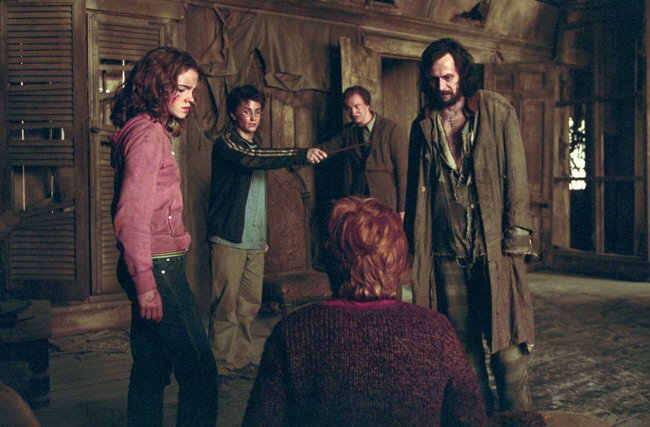
Mixing sensibilities and periods always gets my attention.
Rogue One: A Star Wars Story
Miss Peregrine’s Home for Peculiar Children
The Revenant
Fantastic Beasts and Where to Find Them
Star Trek Beyond
Antboy 3
Captain America: Civil War
Der Bunker
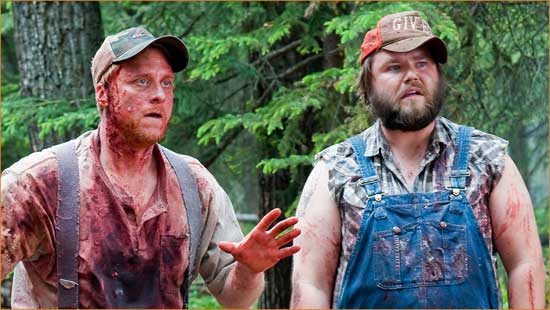
Tucker & Dale vs. Evil is one of many examples that prove horror films can win Best Makeup at the BAM Awards.
Rogue One: A Star Wars Story
The Revenant
Fantastic Beasts and Where to Find Them
Star Trek Beyond
X-Men Apocalypse
Donald Trump’s The Art of the Deal The Movie
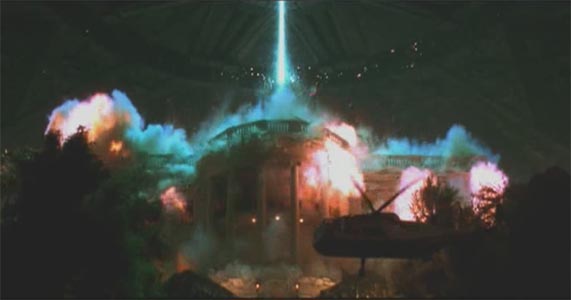
20 years after the White House blew up in Independence Day and won the first Visual Effects Award. 20 Years later, Donald Trump is snubbed in the same category as his winning the election was deemed more a mass hallucination. For more serious political commentary go here. #ShamelessSelfPromotion
Rogue One: A Star Wars Story
Miss Peregrine’s Home for Peculiar Children
Captain America: Civil War
Pete’s Dragon
The Jungle Book
Fantastic Beasts and Where to Find Them
Kubo and the Two Strings
Star Trek Beyond
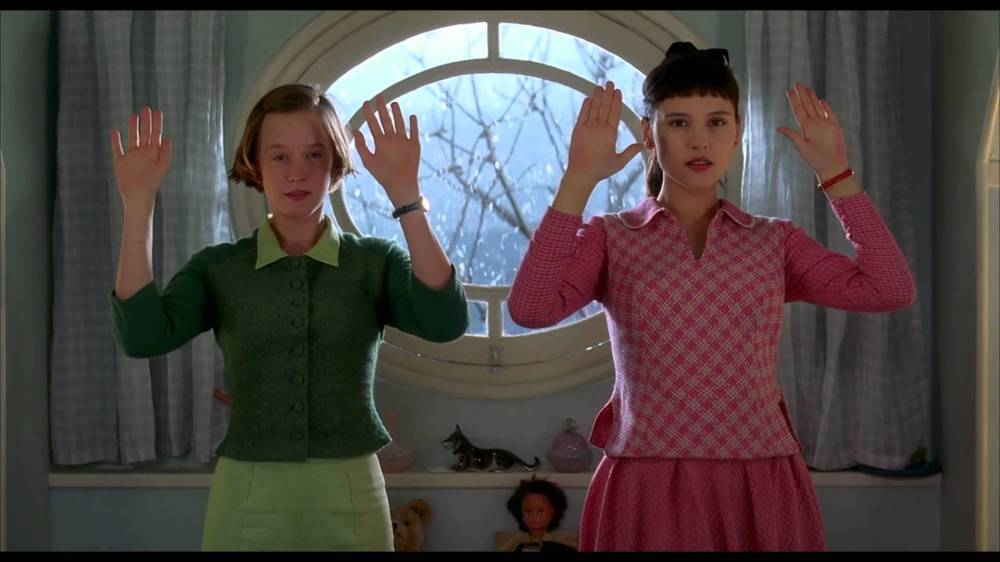
Ludivine Sagnier and Virginie Ledoyen in 8 Femmes won the first Best Song Award, establishing a precedent of the songs not necessarily needing to be “original.” 2016’s shortlist includes covers as well
“The Dragon Song” Pete’s Dragon
“I’m So Humble” Popstar
“Equal Rights” Popstar
“Turn Up the Beef” Popstar
“Finest (Bin Laden Song)” Popstar
“Mona Lisa” Popstar
“Hunter the Hunter is Gon’ Eat” Popstar
“Should I Move?” Popstar
“Two Banditos” Popstar
“Things in My Jeep” Popstar
“Ashley Wednesday” Popstar
“Donkey Roll” Popstar
“Ibitha” Popstar
“Incredible Thoughts” Popstars
“Karate Guy” Popstar
“Can’t Stop the Feeling” Trolls
“Hello” Trolls
“I Wan’na Be Like You” The Jungle Book
“Trust in Me” The Jungle Book
“While My Guitar Gently Weeps” Kubo and the Two Strings
“Mafia Twist” De Boskampi’s
“Bare Necessities” The Jungle Book

Chloë Grace Moretz in 2012 was the youngest recipient of the Entertainer of the Year Award (15).
Robert Downey, Jr. Entertainer of the Year Award
To be announced.

Meryl Streep was the first female honoree in this category in 2014.
Ingmar Bergman Lifetime Achievement Award
To be announced.
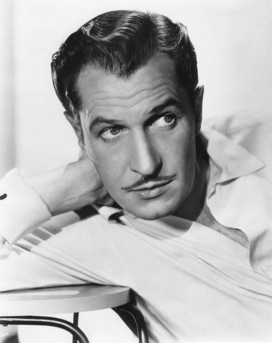
Vincent Price was the first to win the award that was designed to honor one whose notoriety and visibility has increased since their death.
To be announced.
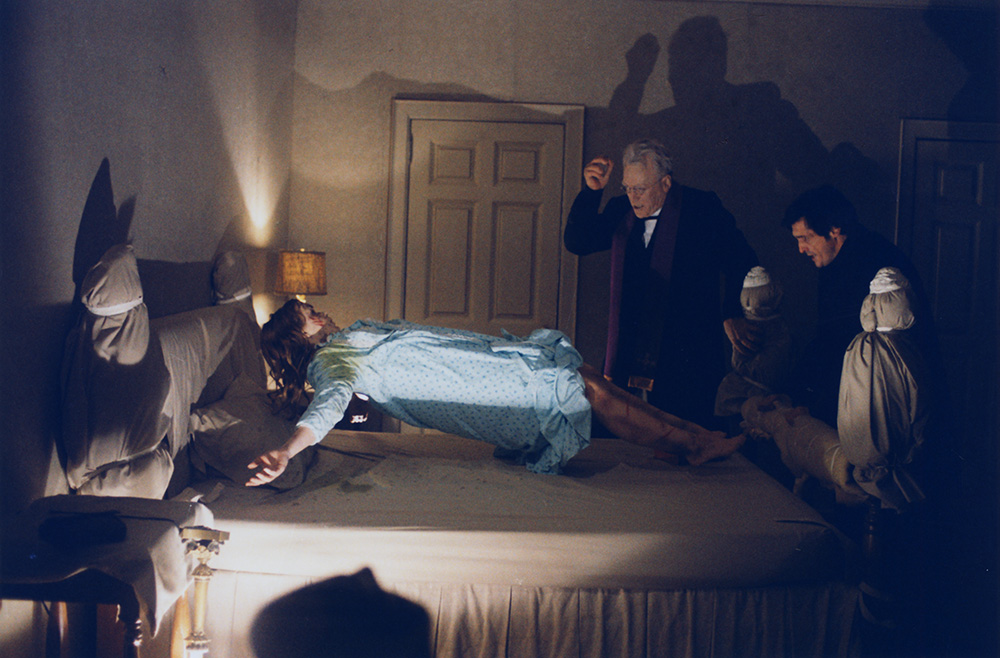
The Exorcist was one of the first two films to receive a Special Jury prize in recognition of its brilliantly successful re-release in 2000.
To be announced.
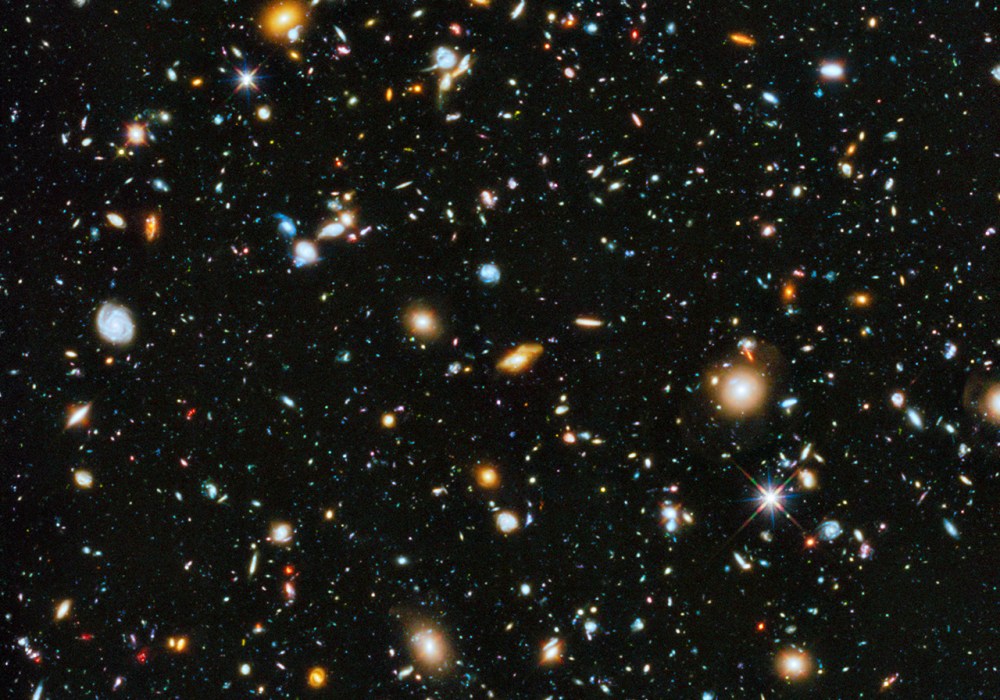
Short Film Saturday:The Oh, man from iReleaseEndorphins
The Theory of Size is one that film can uniquely explore. As incredible as the Hubble Telecscope’s images of the universe are, this film really puts the massiveness of existence and the tininess of the world into context better than anything I’ve seen.
If you need something a bit more humorous on Christmas Eve, check back later today. Enjoy!

Film First Friday: Panorama du Grand Canal pris d’un Bateau (1896)
The camera, thanks to a gondola, at long last moves.

