March to Disney: The Sword in the Stone

Introduction


Last year to coincide with a trip to Walt Disney World in March, I decided to have a month-long focus on Disney fare. Their vaults are vast and varied enough such that this is a theme that could recur annually. Below you will find links to the inaugural posts written for the theme.

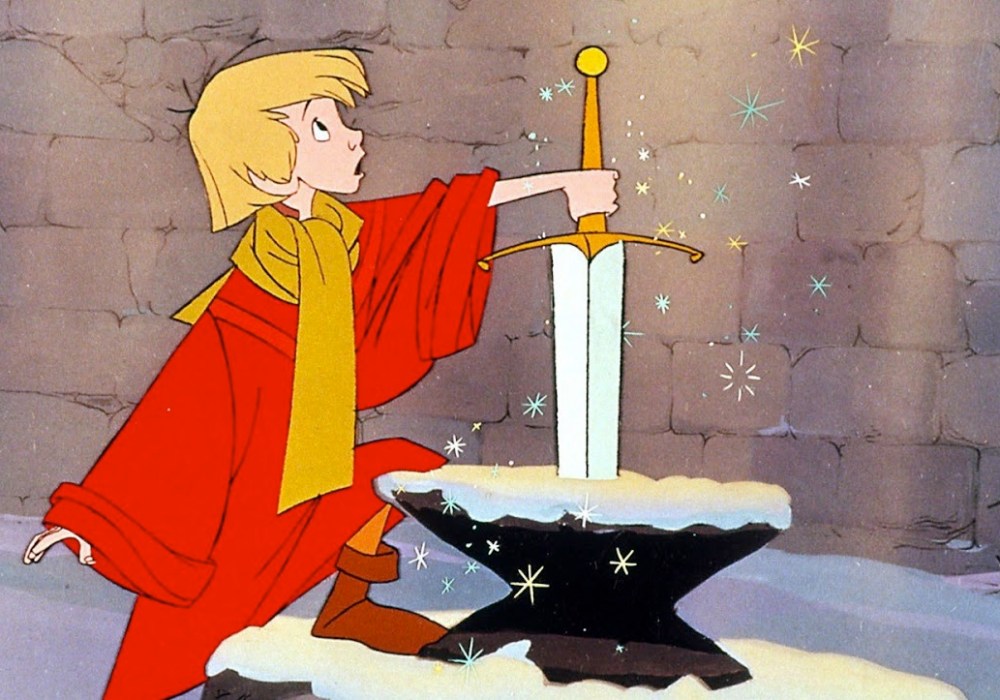
The Sword in the Stone (1963)
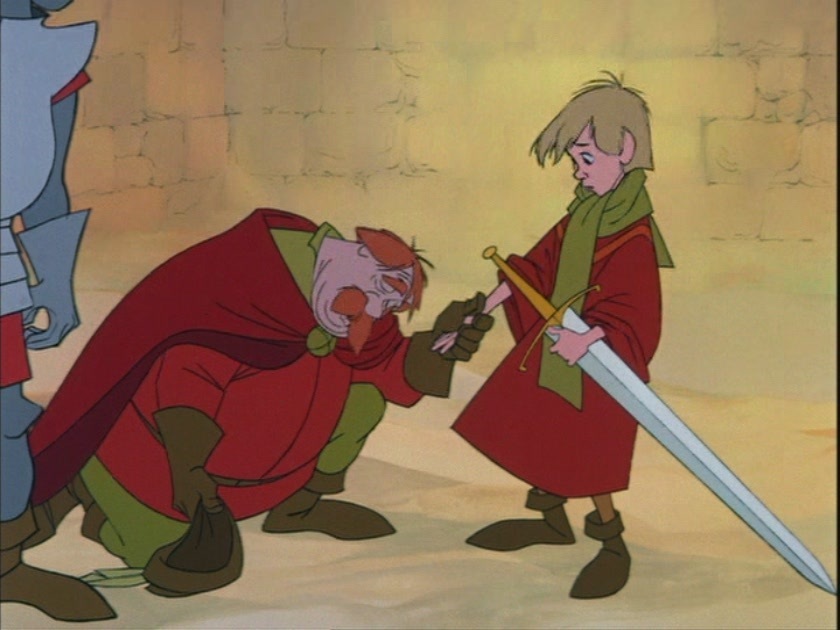
The Sword in the Stone (1963, Disney)

As I had mentioned when I wrote about The Jungle Book there are a few similarities between these two tales. There is the structural similarity of episodic plots weaved together by overarching ideas, but there is another similarity as well. While in The Jungle Book Mowgli wanders through different animal villages seeing where he wishes to live next, emulating their attributes; here Arthur, commonly referred to as Wart, is literally transfigured into animals by Merlin.

The Sword in the Stone continues Disney’s tradition of opening with a shot of a storybook. Here there is also a disembodied voice as narrator predating the mistrel tale model that would be used in Robin Hood later on.

This story is a different spin on a legend a more whimsical one, while The Jungle Book offers a more true-to-life rendition of fantastic narrative. This dichotomy is the appeal of both stories.

Now anyone who knows the story of The Sword in the Stone knows what this film will ultimately be about and what the endgame is. Thus, it’s interesting that here, after many years, you see a Disney film playing with its approach by playing up Merlin as a sort of absent-minded magician who travels the world and is a clairvoyant it plays loose with time, and even at certain points breaks the fourth wall.
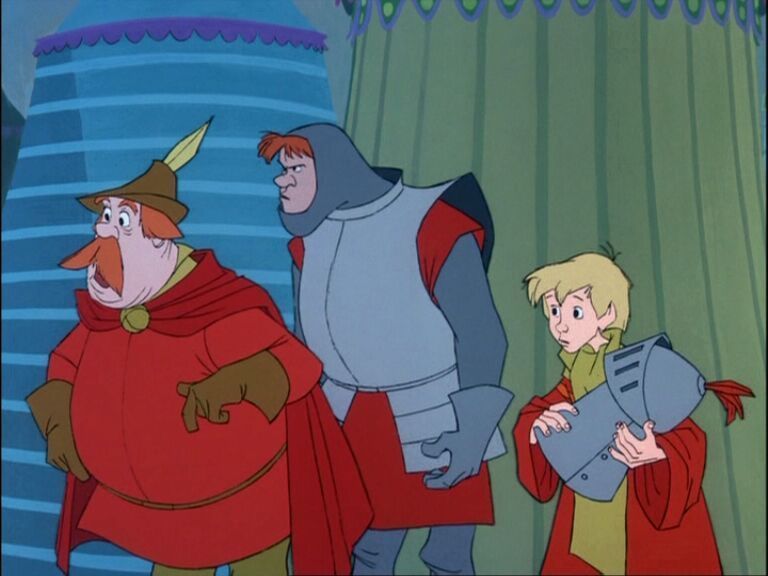
The Sword in the Stone (1963, Disney)

If you were unaware that Wolfgang Reitherman directed this film, and The Jungle Book, among others, it wouldn’t surprise you much to learn as a certain aesthetic started to come to the fore as a Disney signature in this era. Aside from the visuals there are familiar voices, many most recognizable in their Winnie the Pooh personae.

So while Wart spends his time in this film as a bird, a fish, a squirrel and is pursued throughout by a lurking wolf (contrast him to Shere Khan) there is the ultimate plot of Merlin seeking to educate the young man and that that is the ultimate currency. Arthur resists being brought up in a strict class society, but clearly Merlin and fate have different ideas in mind for him fighting both ignorance and class.

Yet through all this there is also the element of bildungsroman as the education received is not only factual but sentimental as well. Merlin’s sage advice that “Knowledge and wisdom is the real power” is illustrated by his climactic battle with Madam Mim, where in a battle of spells Merlin prevails by outwitting his foe.

Arthur’s education in Merlin’s tutelage also proves to be anything but pure didacticism as truly when he pulls the sword he is ready to assume the responsibility. He is through all we have seen worthy to be the chosen one.

Similar to The Jungle Book as well there is searing beauty to Wart’s moment of realization. For we see him achieve his destiny without realizing what it means, and then have to sit biting our nails as he is forced to prove himself anew, and almost doesn’t even get that chance.

As Arthur is clearly the protagonist this is his moment. He and Merlin have their ups and downs and butt heads about the course of his education and the film wisely has them reconcile as the crown weighs heavily on his head. Naturally, Camelot and all that came with it serve as the happily ever after and the end it befitting the dual tonalities played through the film, and it stands, in my mind as one of the most vastly underrated Disney animated features to date.

March to Disney: The Jungle Book – Beyond the Bare Necessities

Introduction

Last year to coincide with a trip to Walt Disney World in March, I decided to have a month-long focus on Disney fare. Their vaults are vast and varied enough such that this is a theme that could recur annually. Below you will find links to the inaugural posts written for the theme.

The Jungle Book: Beyond the Bare Necessities

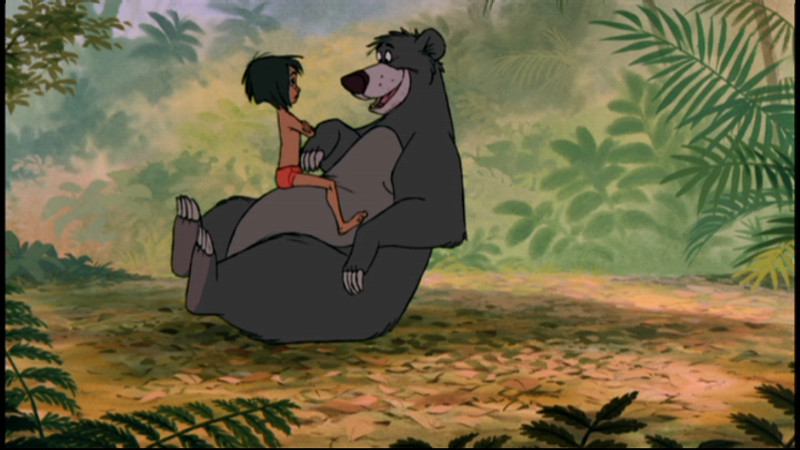
The Jungle Book (1967, Disney)

I won’t speak for others in this regard, but I know to me, even though I’ve seen this movie a number of times; I typically struggle to put my finger on other scenes in The Jungle Book beside “The Bare Necessities” without racking my brain. I found that this happened with some of the late-’60s and ’70s titles and this is not because I don’t find them up to snuff with other Disney animated fare. I think what it is, as I noted after having also re-watching The Sword in the Stone (which I will cover here shortly), is that there’s a more sketch-like approach to the storytelling.

Previously on film the Korda brothers with Sabu in the lead brought this tale to life. However, with Disney’s penchant for anthropomorphism it was clear this was a candidate for a new treatment for a new generation. This title is yet another, of many, that is cited as being Disney’s last. I’ve heard this so many times I don’t even know which one is true anymore.

The voice cast features many legends from the Disney stable who made their presence known in other Disney films, many in the Winnie the Pooh shorts/feature: Phil Harris, Sebastian Cabot, Bruce Reitherman and Sterling Holloway.

In some ways the standout nature of the music in this film is an example of the double-edged sword that is the incredible talent of the Sherman Brothers. I always hum the songs and then have to remind myself of the voice talent that was assembled for this film.

The Jungle Book (1967, Disney)

The talent in general all around is there for at this point Disney animated features were a well-oiled machine with Wolfgang Reitherman at the helm directing.

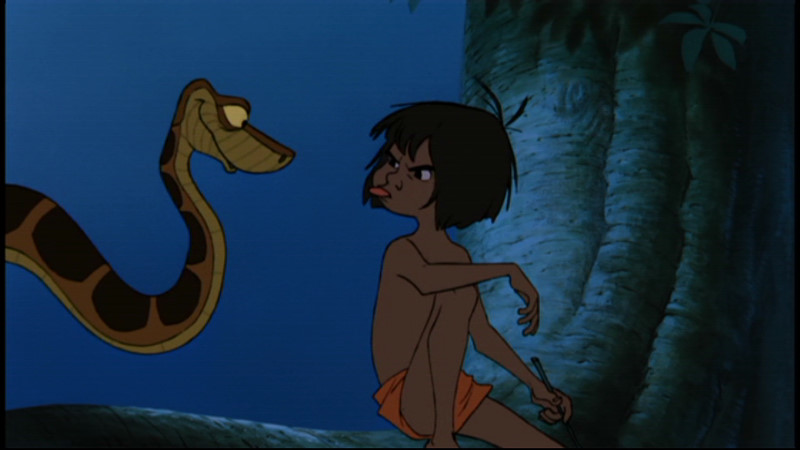
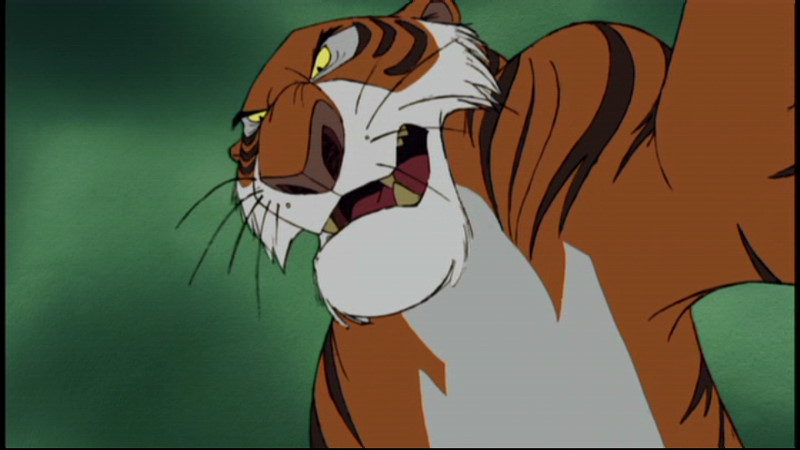
What struck me upon this viewing of the film was that there is a certain subtlety to the approach of this story. There is an ongoing antagonist, Shere Khan, in this tale, he’s not omnipresent, but much like the Gmork in The Neverending Story many years later; he’s always lurking about. He’s less present here than in the live action. However, the thrust of this tale being can Mowgli continue to survive in the jungle as we slowly try to convince him to go to the man village, it is still important as Mowgli must learn man-like ways to adapt and survive. As sparse as Khan’s appearances are, he still nearly takes out a deer and immediately draws a dangerous parallel to Bambi heightening his fear factor.

Another subtle touch is the way in which the passage of time is indicated from when Mowgli is a baby to the present day: “10 times the rains had come and gone,” indicative of years seeing as how the rains refer to monsoon season. Lastly, there’s an underlying indicator (at least to a younger viewer) of the coming-of-age struggle in this tale when Baloo responds to Bagheera’s assertion that he to to the man village: “The man village. That’s awful, they’ll make a man out of him.”

The tale is narrated by Bagheera, a panther, the one who puts Mowgli with wolves in the first place. In terms of segments there’s Bagheera’s finding him, his being raised by wolves, and then his time with Baloo being the third segment.

The Jungle Book (1967, Disney)

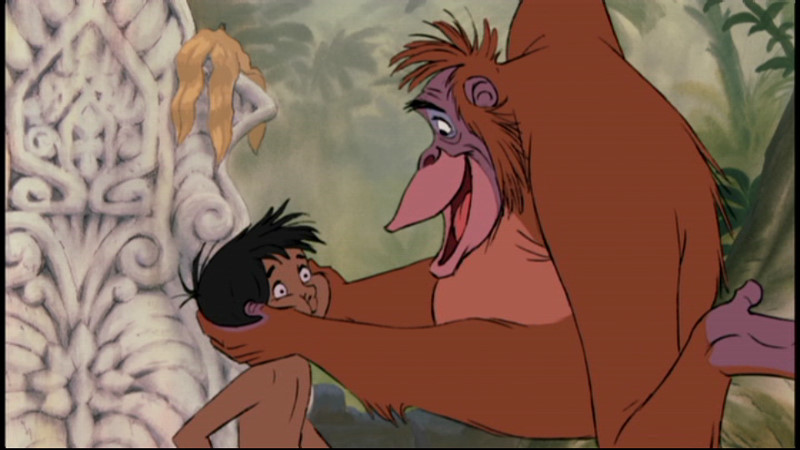
There are also in these segmented tales difficulty in recalling that there is an ulterior motive in long song sequences. For example, King Louis is after something in “I Wan’na Be Like You’ it just takes a bulk of that song for it to come to the fore.

Brisker storytelling is found when the elephants are introduced by their marching song. Another Pooh alumni is found here as Clint Howard voices the young elephant and he was the first voice of Roo.

An interesting aspect of this film, and one that likely captures the imagination of the young to this very day, is here you have a boy who gets to roam the jungle and live with and be like animals; he tries to become them. It’s a whimsical tale that falls short of the horror of children becoming animals in Pinocchio.

One of the better elements of the film is that Baloo’s sense of responsibility in getting Mowgli to the safety of his own kind comes just as Mowgli learns he wants to be with Baloo. It’s a perfect midpoint. Mowgli has his own understanding of his belonging, Baloo’s eyes have opened and he has another entirely.

The Jungle Book (1967, Disney)

Another thing that really does work, and lends itself to a feeling of “looseness” about the structure of this film is that characters are often introduced as silly or caricatures, but end up serving a vital purpose. Mowgli is missing which brings the elephants back to search for him. The vultures who seem like nothing more than the Disney writers and animators riffing on The Beatles, and maybe a reactionary attempt to create non-controversial comic relief birds (see Dumbo) also factor into the finale.

Furthermore, I was reminded that a musical moment in this film provides one of its better jolts as Khan jumps in at the end of a song and gets the ball rolling on the climactic events of the story.

Perhaps this one of the things my subconscious decides to block out, but there is one of the more effective near deaths in the Disney canon. That and the dialogue-free execution of Mowgli’s decision is some of the finest animation and direction that they did. Everything is apparent, but nothing is painfully obvious. It’s sensitively and beautifully rendered and it’s something I recalled as soon as the film started. As many times as I’ve seen it it still gives me chills. It’s wonderful.

So, yes, the structure is a bit episodic and the songs are infectiously memorable. However, that ought not obscure some of the truly gorgeous and wonderful things that occur in this movie.

Short Film Saturday – The Blue Umbrella

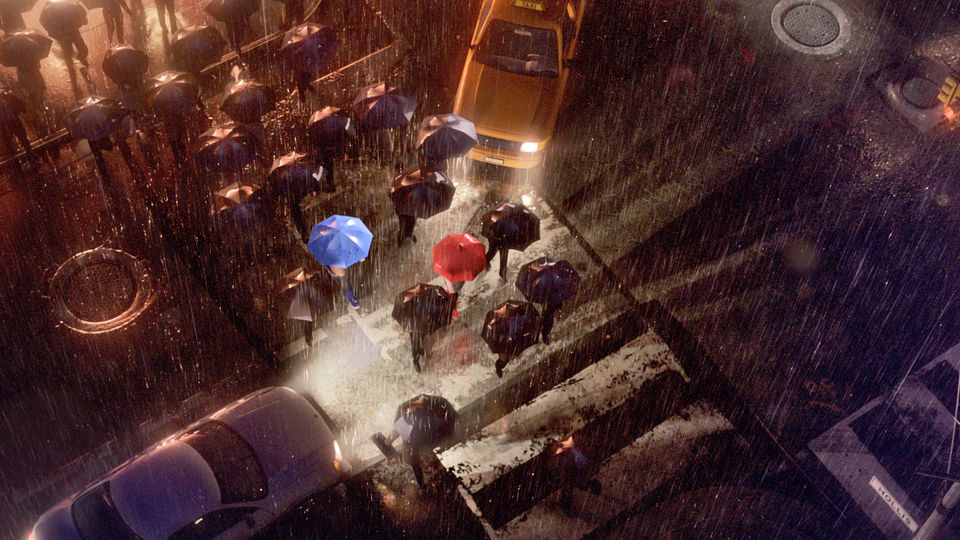
While I feel it’s a bit thematically similar to last year’s Paperman there’s no doubt that The Blue Umbrella is another very strong Disney/Pixar short. It’s especially impressive in its animation technique, which looks nearly photo-realistic at times, and is, of course, visually solid as there is no dialogue.

Enjoy the opening here. The entire film is available on the Monsters University DVD and/or Blu-ray.

March to Disney: The Advances of Peter Pan

Introduction

Last year to coincide with a trip to Walt Disney World in March, I decided to have a month-long focus on Disney fare. Their vaults are vast and varied enough such that this is a theme that could recur annually. Below you will find links to the inaugural posts written for the theme.

Peter Pan (1953)

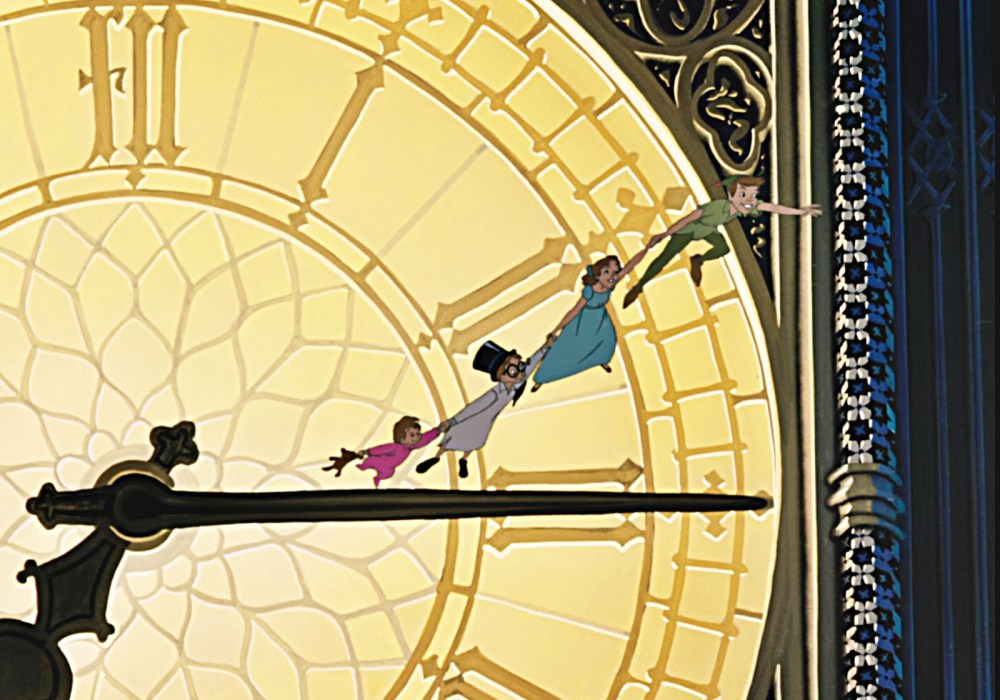
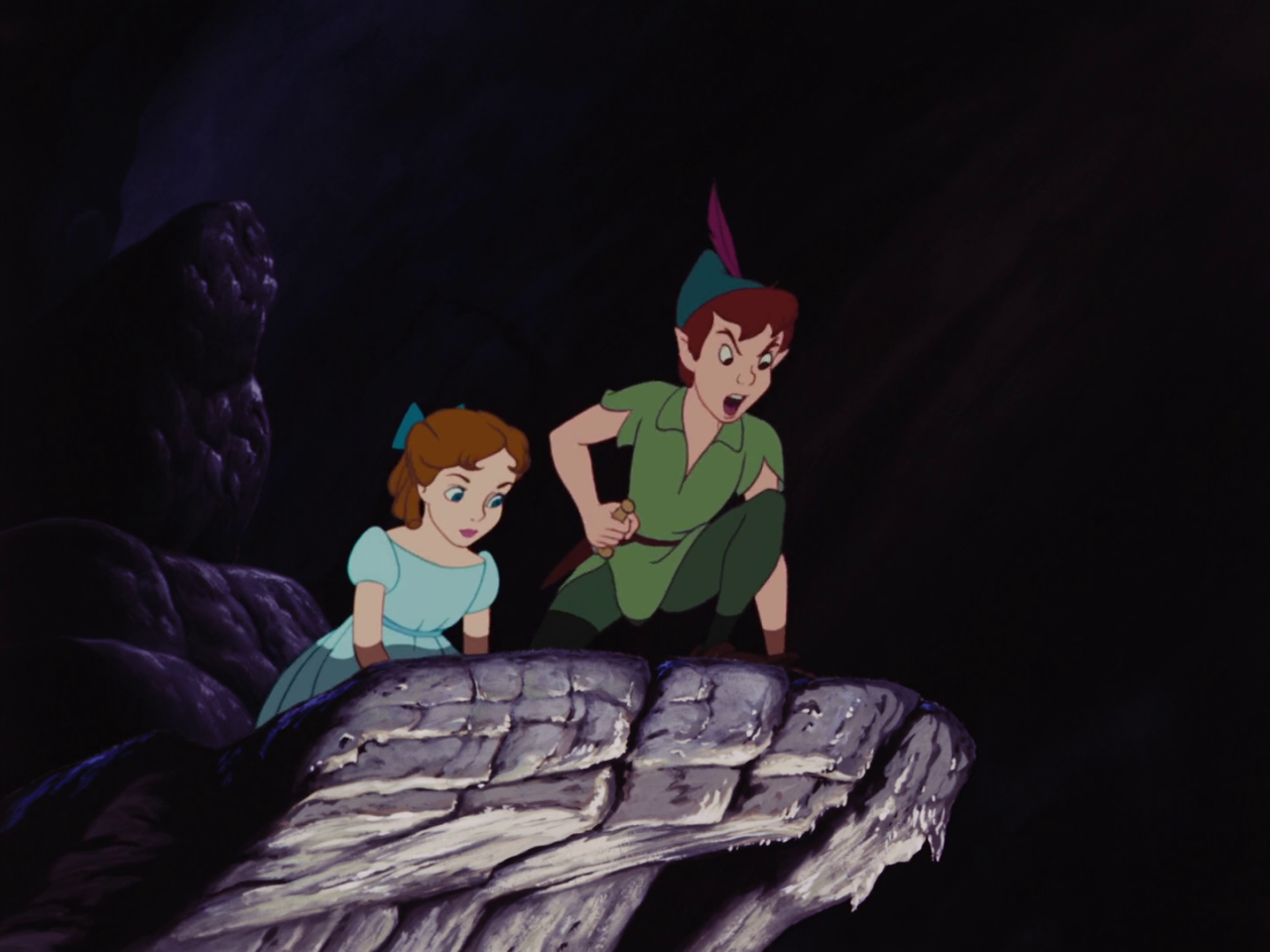
Peter Pan (1953, Disney)

Walt Disney’s production of Peter Pan is one that seems like its oft overlooked. That is why I a glad that it has recently come back up in the Disney rotation both with a Blu-ray release and also with a new Disney World attraction. Of course, the story is one that is universally known and beloved, but what can be lost with such a ubiquitous narrative is the distinguishing characteristics of each individual rendition.

Disney, from 1938 to its eventual 1953 release, dedicated himself to bringing this story to the silver screen anew in a version unlike anything anyone had yet seen. It’s ingenious but sometimes it takes a genius to think of something so ingenious: even in the 1950s the only way to bring forth a revolutionary interpretation of this story was to animate it.

With the conventions of stagecraft being stripped like actors flying on wires, an actor in a dog suit, a light as Tinkerbell and a girl playing Peter; the easiest way to changes these things, things that occurred on screen in the silent era, was to draw it.

The recycled documentary on the Blu-ray (it was on the DVD release as well) does well to highlight that the animators in this film had the brand new challenge of attempting to depict weightlessness of the human form. For to be able to fly, a person had to also be able to float.

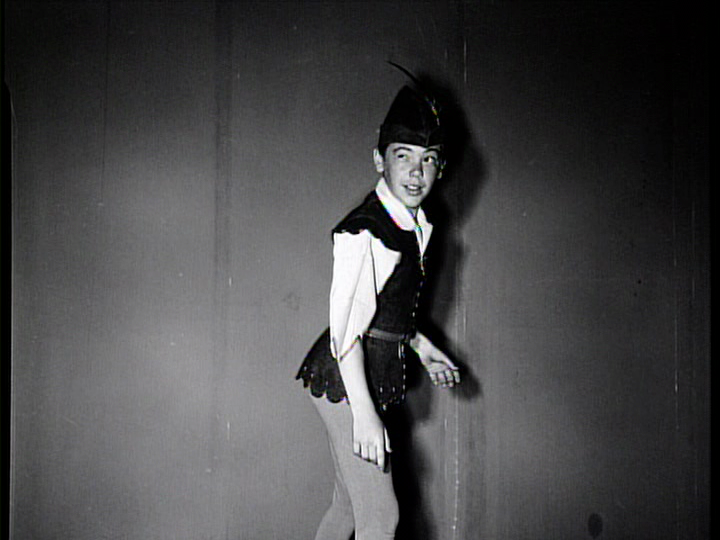
Disney to this point, and past it in its history, used live models regardless, but never had their role been as pivotal as it was here for the animators through them were given guidance, and a frame of reference without the constraint of cameras rolling and a production around them, as to how to create said effect.

Peter Pan (1953, Disney)

The actors ability to pantomime for the animators was just one thing that had to be taken into consideration. Casting in this day and age at Disney was a multi-faceted process. Typically, animators were usually dealing with specific characters so they too had to “cast” so to speak. Yet, there was also the voice aspect to consider. Here there were a few inspired choices made.

First, there was Hans Conreid, who was most notably a radio actor, in the tandem roles of Mr. Darling and Captain Hook. There is a duality to his voice and so much emotion that he can emit through it that makes it one of the more indelible performances in the Disney canon. It is also rightly noted that Bobby Driscoll, although Disney’s first contract player and roundabout the right age for the part, was still the proper choice. Sure, it was the easy choice but it was the correct one. It was his Disney swan song, and perhaps his most lasting turn.

Also interesting to note here, in hindsight, that some of the concept art was darker than what Walt eventually approved for use in the film. Especially considering that it seems that P.J. Hogan’s sensibility in his ’03 live action version is closer to those original concepts. While it would’ve been great to see those things drawn by the talented hands at Disney un-softened. I look at it more as a calculated decision by Walt rather than softening for softening’s sake.

There is still in this story the threat of death and of growing up being flaunted in the face of children. Hook’s menace is quite real and present, thanks in large part to Conreid. Therefore, the visuals needn’t be as harsh as initially designed to get the message home. The emotions desired will still be elicited. Also, at a young age kids don’t necessarily consider stylistic choices. The danger, the emotions in general, are generated by the characters how they act and interact rather than the atmosphere.

What Walt Disney’s Peter Pan is most definitely Disney’s version of the narrative but also one that is progressive in terms of altering, and depending on your opinion, correcting prior conventions of this particular narrative. Like many things in the canon there are the iconic moments, namely Tinkerbell who became part of the Walt Disney Pictures logo. And she should be, since the first cinematic image of the character was his creation. However, in that logo she blends with Cinderella’s castle and is removed from her original context. The context being this film, which in spite of its changes and quirks is one of the true Disney masterpieces. A labor of love unquestionably re-branded, but also indebted to its source, and one that should live in the consciousness of children and children-at-heart for generations to come.

March to Disney: Genius (1999)

Introduction

Last year to coincide with a trip to Walt Disney World in March, I decided to have a month-long focus on Disney fare. Their vaults are vast and varied enough such that this is a theme that could recur annually. Below you will find links to the inaugural posts written for the theme.

Genius (1999)

For this year’s March to Disney I most definitely wanted to cover a few Disney Channel Original Movies (DCOMs). I have at a few points in the past (most recently Teen Beach Movie). While they can be painful, as a lot of Disney Channel fodder can unfortunately be; on rare occasions they are quite good, not just among their own subset, but in general also. This particular title comes from the very earliest vintages of the DCOMs. In these days, late in the last millennium, these titles stood alone more and didn’t necessarily springboard performers into A-List Disney status, or weren’t always star vehicles. It sounds idealistic to state that “In this era the play was the thing,” but in many cases this is the truth.

Genius is a tale of a twelve-year-old wunderkind (Trevor Morgan) who is socially maladjusted, on his way to college and has his pick of the litter. He goes with an underdog choice in part because he gets to work with his idol. While the school fills his academic requirements the fact that he has to teach remedial classes for his scholarship underscores his misfit status, and leads to the alter ego plot that takes up a bulk of the tale. This is teased through most of the trailers. Now that plot line is old hat, and there are other tropes like a getting-to-know-you montage, mirror smooth-talk practice and more, abound that one has seen quite a few times before, but many of them are executed quite well and the mixture of them is what makes the film stand out.

It would be tiresome to list them all but there are most definitely moments where you will willingly have to suspend disbelief. However, if you do that there are rewards in store. And for some of the scientific and other fudging that’s done, the ice hockey elements are, for the most part, well-executed and not over-exaggerated.

Most of why this film does work has to do with the central performances, namely Trevor Morgan as Charlie Boyle. Morgan, in what was his first leading role, even at this young age, shows an innate ability to listen and react naturally such that his line readings don’t sound like readings at all but rather just talking. This influences everything from his timing to his physicality and makes all of it play more true. Playing his goal, his impetus for his dual personality, is Emmy Rossum who you may know from many films and most notably Showtime’s Shameless; she has her moments (especially her story about her mother’s figure skating which is better than 99.9% of what you usually get in these films). Playing his idol, in a rare onscreen appearance, is Charles Fleischer perhaps best known as being the voice of Roger Rabbit.

The prior mention of hockey, my favorite sport on the face of the earth, isn’t just a nod to the fact that they included it; it also plays a vital function in illustrating the progression of the protagonist. The film starts with his being a benchwarming cheerleader. In Charlie’s cooler persona he is allowed to play and shows sympathy to one who is in the same position he was once in. Lastly, a game of pick-up hockey is also used as the denouement when all’s well that ends well. This is not to mention the fact that there are the organized games played in a rink built above his lab that also play a vital role in the narrative. The sport here is most definitely a metaphor for acceptance and a narrative device, you rarely see something so deftly folded in to a DCOM.

There is bit of self-awareness to the silliness abound in the film, such as an actual ‘wah-wah’ chord in the score at a well-chosen moment. The effects work in these days were in shorter supply and more attentively done. A skeleton dancing in this looks better than most of what airs today, and reads as a nod to Harryhausen in its approach. While there are some aforementioned aspects that need to be overlooked there is a built-in symmetry that does aid this script. The jock/brain conflict drives a lot of this film and is given many chances to boil over. There are several great pieces of dialogue like Krickstein’s advice about experiments, smart barbs like “japesome wag,” use of phrases like “The Eureka Syndrome,” and the like. While the film does cram a lot of necessary plot elements into the third act it all works in the end and is one of the best, more under-appreciated DCOMs.

Introduction: March to Disney 2014

As profiled on one of my newer pages this is my annual tribute to Disney and its works in all shapes and sizes. On the aforementioned page you can see the titles I have profiled in the past. This year I am seeking to cover a few more and dip my toe back into the TV waters on a new installment of Cinematic Episodes. There will be shorts and some other surprises through the course of the month. Come back early and often and see what this year’s posts have to offer.

Mini-Review: Room 514

Room 514

Room 514 (2012, Film Movement)

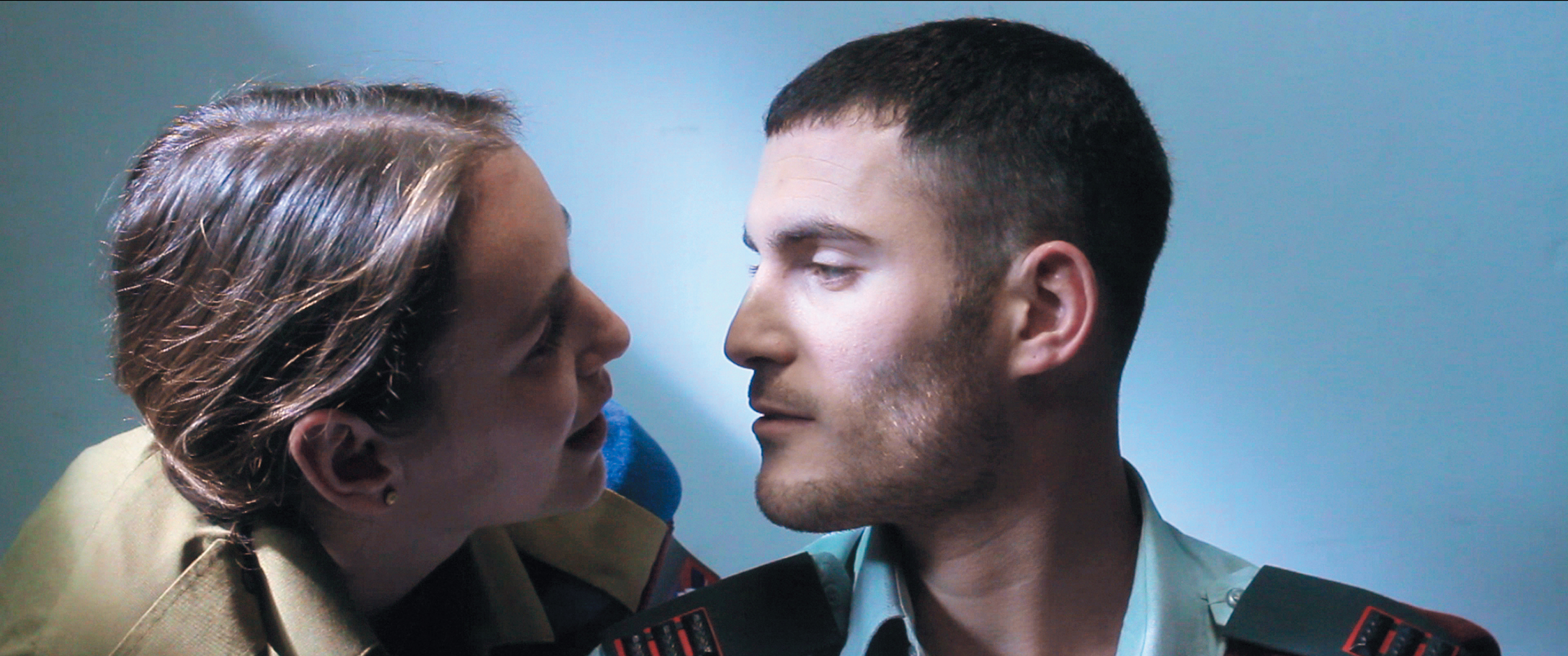
This film contains one of the slyest, most telling pieces of foreshadowing I’ve seen in some time. I won’t give it away, but as I reflected on this film it seemed to me to be a modern, Israeli-set version of A Few Good Men. The drama is more intimate and behind closed doors, but what the film is about is the people and how they react in a given set of circumstances rather than what the consequences for said action is. The comments both societal and militaristic have been made and the story is at an end. The outside world may never feel any ramifications or repercussions from what occurred, but those behind said closed doors do.

What director Sharon Bar-Ziv achieves is an intimate tale not only in terms of the number of participants but also in the frame. There are many times where there is scarcely background to be spoken of as two faces, within very close proximity to one another, dominate our view. Their is an intense focus on the characters studying one another and we in turn study them and not only how they react to one another but also what they are saying.

For a film of this nature to achieve maximum effectiveness it needs great acting and it gets that from its three main players: Asia Naifeld, Guy Kapulnik and Udi Persi. Neifeld plays Anna the Military Police interrogator at the center of virtually every scene and her performance is a veritable tour de force. Her choices as an actress are as clear as the convictions of her character and really help bring this film home. It’s a fascinating tale that is worth your time as it really and truly engages you.

Room 514 will be available on home video from Film Movement on 6/18.

9/10

86th Annual Academy Awards

As has become tradition I will drop here my off-the-cuff thoughts on the ceremonies and the winners as they proceed. Enjoy.

Red Carpet

I intended to cover more of the red carpet this year because I haven’t seen an awful lot of the nominated films, but I tuned in about 23 minutes later than I intended to.

As for the films, I typically get caught up in January and February, but have been focused on more new releases. As always, I have come to terms with the Oscars being more of a great show than about who wins for me, but I do still have some people I am rooting for.

With this year’s host not really being a controversial decision I anticipate I will discuss the “material” (such as it is) less.

I’m am extraordinarily bad at realizing people are related. Today’s example: Laura and Bruce Dern.

Amy Adams doing her hair as an homage to Vertigo is a decision I support.

Jennifer Lawrence is “winning” so far. Once Christian Dior was mentioned I realized it made sense. Amazing look.

Some good little segments in this pre-show like the Blue Jasmine costuming and My First Oscars.

Only 12 minute to the pointless thirty-minute pre-show that only delays the festivities!

The countdown clock is up. Everyone is pretty much there. You’re just being tortured at this point.

The good thing about the pre-show is that the nominees start to take over because it seems they just want to get things started.

I haven’t minded the selfie and pizza bits, but if the show is running even later than normal, then maybe, just a little.
A Fresh Prince cameraman is working the Oscars. One of the better tidbits we’ll learn.

The clock makes things go so much slower.

The Ceremony

It started. Nick Hoult is in the audience, the start is a good one.

New oldest nominees, which I was unaware of.

I like the stage and the fact that Captain Phillips and Philomena Lee are there.

That was the joke to end a monologue on. Amazing!

The Oscar clip is the main reason I don’t get Hanks being snubbed.

Jared Leto’s clip was the most convincing advertisement of Dallas Buyers Club yet.

The first political moment of the night didn’t take long, truthfully more important things are going on. Peace on earth all.

Random video segment of the night one: celebrates animation. It’s not like it’s under-appreciated.

“Happy” was the Despicable Me 2 song closest to earning a BAM nomination but missed the cut. It’s a tough category to crack.

Notable acknowledgement of the inclusion of hairstyling in the makeup category. It undeniably changed the process.

Three best picture nominees profiled at a time. Oh boy.

What is a “warm Kodak Theater welcome” exactly?

My take on the short films as a whole, and where to find them, can be seen here. I am glad Mr. Hublot got it, because Disney is a safe bet for the Feature category.

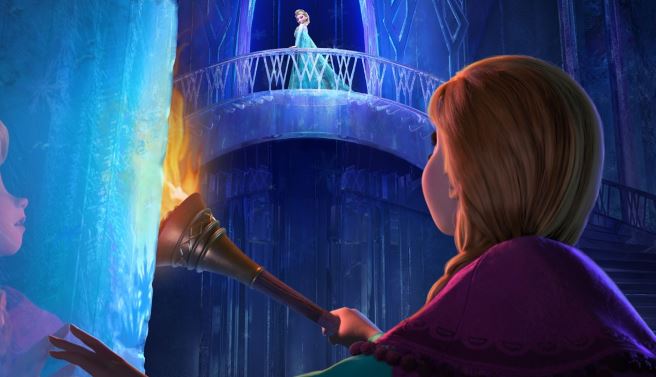
FROZEN! Called it.

Frozen (2013, Disney)

Picking Gravity for Visual Effects is so easy I did it.

Zac Efron, your intro is a musical chord from Hairspray please do more musicals.

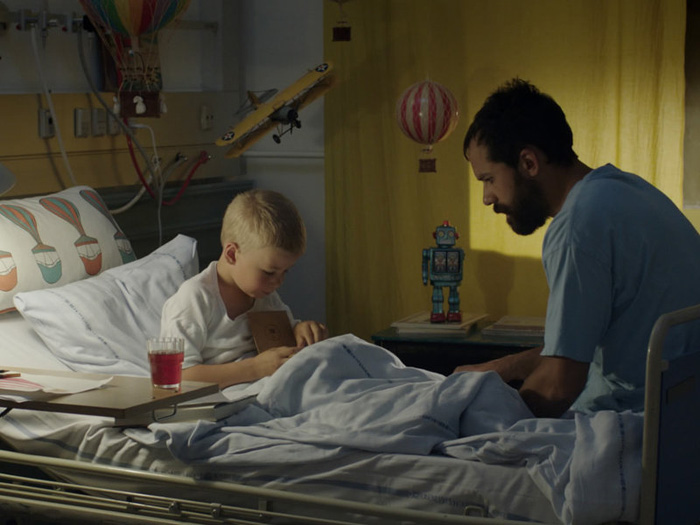
So far the most exciting moments of the night have been around the short films. So, so, so, so happy that Helium won. What a gorgeous film that made me cry in its 20 minute run time.

At least The Great Beauty winning supplants Life is Beautiful as Italy’s most recent win.

Not many comments recently because, as per usual, almost nothing is a surprise.

The obligatory joke about the President of the Academy always gets me.

Bill Murray’s impromptu tribute to Harold Ramis wins tonight.

Lubezki won long ago in my book.

“Cuaron wrote, directed and edited the movie, let’s play music on him” The Oscars.

Pink is guaranteed to bring the house down at any award show she sings at. Always a good idea.

The only thing that can get Gravity is … The Great Gatsby of all things, in art categories.

Missed the intro for the 2nd random video tribute. This third one is heroes. OK.

Lost momentum towards the end, but there was little else to report really. Love McConaughey’s speech it was great. Blanchett’s was also a statement of a different kind.

The ceremony was saved from being a complete and utter bore because Gravity didn’t win Best Picture after nabbing most everything else. However, maybe that was foretold by the fact that it didn’t have a writing nomination.

Glad, Cuaron got to speak his entire piece when his turn came again.

Not the most memorable broadcast, but maybe more exposure to the crop will make it stand out. Dallas Buyers Club rose big time in my estimation.

2014 BAM Award Considerations – February

I decided that with the plethora of BAM Awards-related post towards the end of 2013 and the start of this year it was best to wait to the end of this month before officially recommencing the process.

I will post these lists towards the end of the month to allow for minimal updates. By creating a new post monthly, and creating massive combo files offline, it should make the process easier for me and more user-friendly for you, the esteemed reader. Enjoy.

Eligible Titles

Labor Day
Pompeii
3 Days to Kill
2 Autumns, 3 Winters
That Awkward Moment
Monuments Men
RoboCop
The Lego Movie
In Secret
Tonya & Nancy
Lizzie Borden Took an Ax
The Wind Rises

Best Picture

The Lego Movie

Best Foreign Film

2 Autumns, 3 Winters
The Wind Rises

Best Documentary

Most Overlooked Film

As intimated in my Most Underrated announcement this year, I’ve decided to make a change here. Rather than get caught up in me vs. the world nonsense and what a film’s rating is on an aggregate site, the IMDb or anywhere else, I want to champion smaller, lesser-known films. In 2011 with the selection of Toast this move was really in the offing. The nominees from this past year echo that fact. So here, regardless of how well-received something is by those who’ve seen it, I’ll be championing indies and foreign films, and the occasional financial flop from a bigger entity.

Labor Day

Best Director

The Lego Movie
The Wind Rises

Best Actress

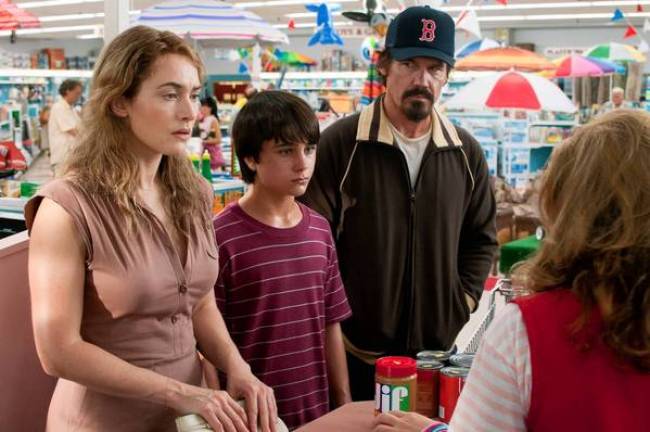
Kate Winslet Labor Day
Maud Wyler 2 Autumns, 3 Winters
Elizabeth Olsen In Secret
Christina Ricci Lizzie Borden Took an Ax

Best Actor

Josh Brolin Labor Day
George Clooney Monuments Men
Vincent Macaigne 2 Autumns, 3 Winters
Oscar Isaac In Secret

Best Supporting Actress

Cate Blanchett Monuments Men
Jessica Lange In Secret

Best Supporting Actor

Bastien Bouillon 2 Autumns, 3 Winters
Michael Keaton RoboCop

Best Performance by a Young Actress in a Leading Role

Hailee Steinfeld 3 Days to Kill

Best Performance by a Young Actor in a Leading Role

Gattlin Griffith Labor Day

Best Performance by a Young Actress in a Supporting Role

Elena Kampouris Labor Day

Best Performance by a Young Actor in a Supporting Role

Dylan Schombing Pompeii
Jadon Sand The Lego Movie
John Paul Ruttan RoboCop
Micah Fowler Labor Day
Zacherie Chasserieaud 2 Autumns, 3 Winters

Best Cast

2 Autumns, 3 Winters
Labor Day
Monuments Men
The Lego Movie
In Secret

Best Youth Ensemble

Labor Day

Best Original Screenplay

The Lego Movie

Best Adapted Screenplay

Labor Day
Monuments Men
RoboCop

Best Score

Labor Day
Pompeii
Monuments Men
The Lego Movie
The Wind Rises

Best Editing

Labor Day
Monuments Men
The Lego Movie

Best Sound Editing/Mixing

Pompeii
RoboCop
The Lego Movie
The Wind Rises

Best Cinematography

Labor Day
Monuments Men
In Secret

Best Art Direction

Labor Day
Monuments Men
Lizzie Borden Took an Ax

Best Costume Design

Labor Day
Pompeii
Monuments Men
Lizzie Borden Took an Ax
In Secret

Best Makeup

Labor Day
Pompeii
3 Days to Kill
Lizzie Borden Took an Ax
In Secret

Best Visual Effects

RoboCop

Best (Original) Song

“Everything is Awesome” The Lego Movie
“Untitled Self Portrait” The Lego Movie