31 Days of Oscar: The Invisible Woman (1940)

Introduction

Whatever I do manage to see this year during 31 Days of Oscar will be covered in a wrap-up post. In the meantime, those films that previously got buried in conglomerated posts will get their own due here. In the wrap-up I will continue the tradition of attempting to see 31 new-to-me Films and accounting for 100+ nominations.

The Invisible Woman (1940)

If you think that dumb movies that are all about effects are a new thing you should check this out. While not even new I must say the effects work in this film are great, however, the film is comedic in tone and isn’t that funny and truly suffers from the cast trying a bit too hard to sell it. Virginia Bruce does fine when she’s visible but when she’s invisible she’s as obnoxious as her character’s antics. It’s premise is thin and it’s a lame effort, sadly.

Oscar Nominations/Wins: 1/0
Score: 3/10

31 Days of Oscar: Key Largo (1948)

Introduction

Whatever I do manage to see this year during 31 Days of Oscar will be covered in a wrap-up post. In the meantime, those films that previously got buried in conglomerated posts will get their own due here. In the wrap-up I will continue the tradition of attempting to see 31 new-to-me Films and accounting for 100+ nominations.

Key Largo (1948)

I’ll admit I allowed myself to get too swept up in the MacGuffin but that didn’t hurt the film at all. The only things that really got in its way was that I ended up knowing what Bogart’s endgame would be and the occasional heavy-handed (read dated) attempt of inserting a message into the film about Native Americans while still reinforcing certain stereotypes. In the big picture it’s minor stuff. It’s a great situation that lends itself to tension-building and surprising reversals of fortune and plot.

Oscar Nominations/Wins: 1/1

Score:
8/10

31 Days of Oscar Blogathon – Actors – Non-Competitive, Non-Lifetime Wins

If you followed this link I know what you’re likely thinking: How many actors have been awarded Oscars that both not in a competitive category (meaning there were no nominations announced), and also not honored in a Lifetime fashion. It’s true there aren’t too many, but they are worth noting.

Some notes: Honorary Awards were once testing grounds for concepts before they were categories like Color Cinematography, Best Foreign Language Film, Best Visual Effects, Best Sound Editing, etc.

For each honoree I’ve included the Academy’s official blurb where available, and

For your edification here are the Honorary Oscars that are for an actors’ body of work over the course of their career:

2015

Maureen O’Hara on 2/22.

2014

Angela Lansbury and Steve Martin.

2013

Hal Needham

Is this the closest the Academy will get to acknowledging stunt performers?

2012

James Earl Jones

2011

Eli Wallach

AMPAS Governors Awards: Given ‘For a lifetime’s worth of indelible screen characters’.

2010

Lauren Bacall

In recognition of her central place in the Golden Age of motion pictures.

2003

Peter O’Toole

Whose remarkable talents have provided cinema history with some of its most memorable characters. (Oscar statuette)

2002

Sidney Poitier

For his extraordinary performances and unique presence on the screen and for representing the industry with dignity, style and intelligence. (Oscar statuette)

Robert Redford

Actor, director, producer, creator of Sundance, inspiration to independent and innovative filmmakers everywhere. (Oscar statuette)
Spartacus (1960, Universal)

1996

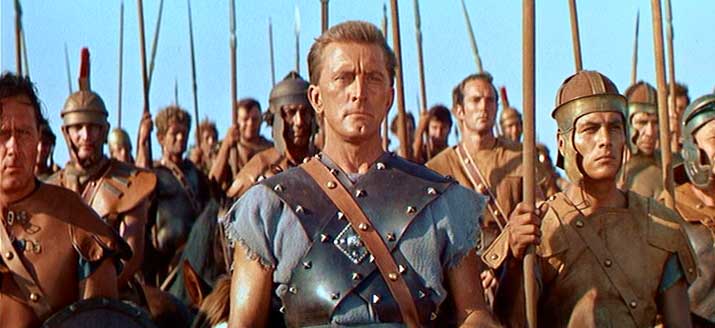
Kirk Douglas

For 50 years as a creative and moral force in the motion picture community.

1994

Deborah Kerr

An artist of impeccable grace and beauty, a dedicated actress whose motion picture career has always stood for perfection, discipline and elegance.

[Immortalized since my childhood in Brazilian singer/songwriter Rita Lee’s “Flagra.” Lyrics and audio can be found here, translations can be done on engines. ]

1991

Sophia Loren

For a career rich with memorable performances that has added permanent luster to our art form.

Myrna Loy

In recognition of her extraordinary qualities both on screen and off, with appreciation for a lifetime’s worth of indelible performances. (Oscar statuette) – Myrna Loy was not present at the awards ceremony. She gave her acceptance speech live via satellite from her Manhattan apartment.

1987

Ralph Bellamy

For his unique artistry and his distinguished service to the profession of acting.
Cool Hand Luke (1967, Warner Bros./Seven Arts)

1986

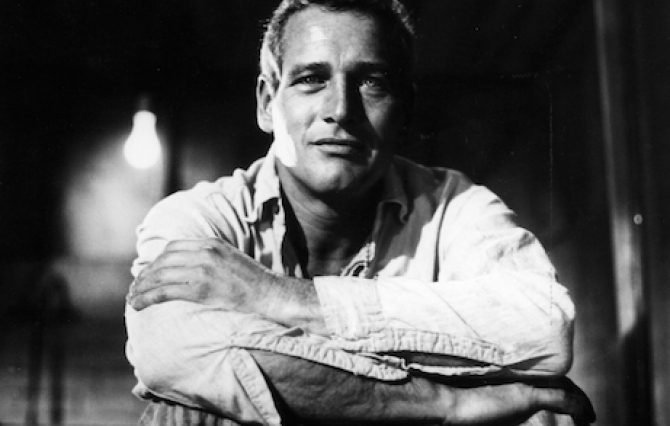
Paul Newman

In recognition of his many and memorable and compelling screen performances and for his personal integrity and dedication to his craft.

Paul Newman was not present at the awards ceremony. He gave his acceptance speech via satellite from Chicago.

1985

James Stewart

For his fifty years of memorable performances,, for his high ideals both on and off the screen, with respect and affection of his colleagues.

1983

Mickey Rooney

In recognition of his 50 years of versatility in a variety of memorable film performances.

1982

Barbara Stanwyck

For superlative creativity and unique contribution to the art of screen acting.

1981

Henry Fonda

The consummate actor, in recognition of his brilliant accomplishments and enduring contribution to the art of motion pictures.

1979

Laurence Olivier

For the full body of his work, for the unique achievements of his entire career and his lifetime of contribution to the art of film.
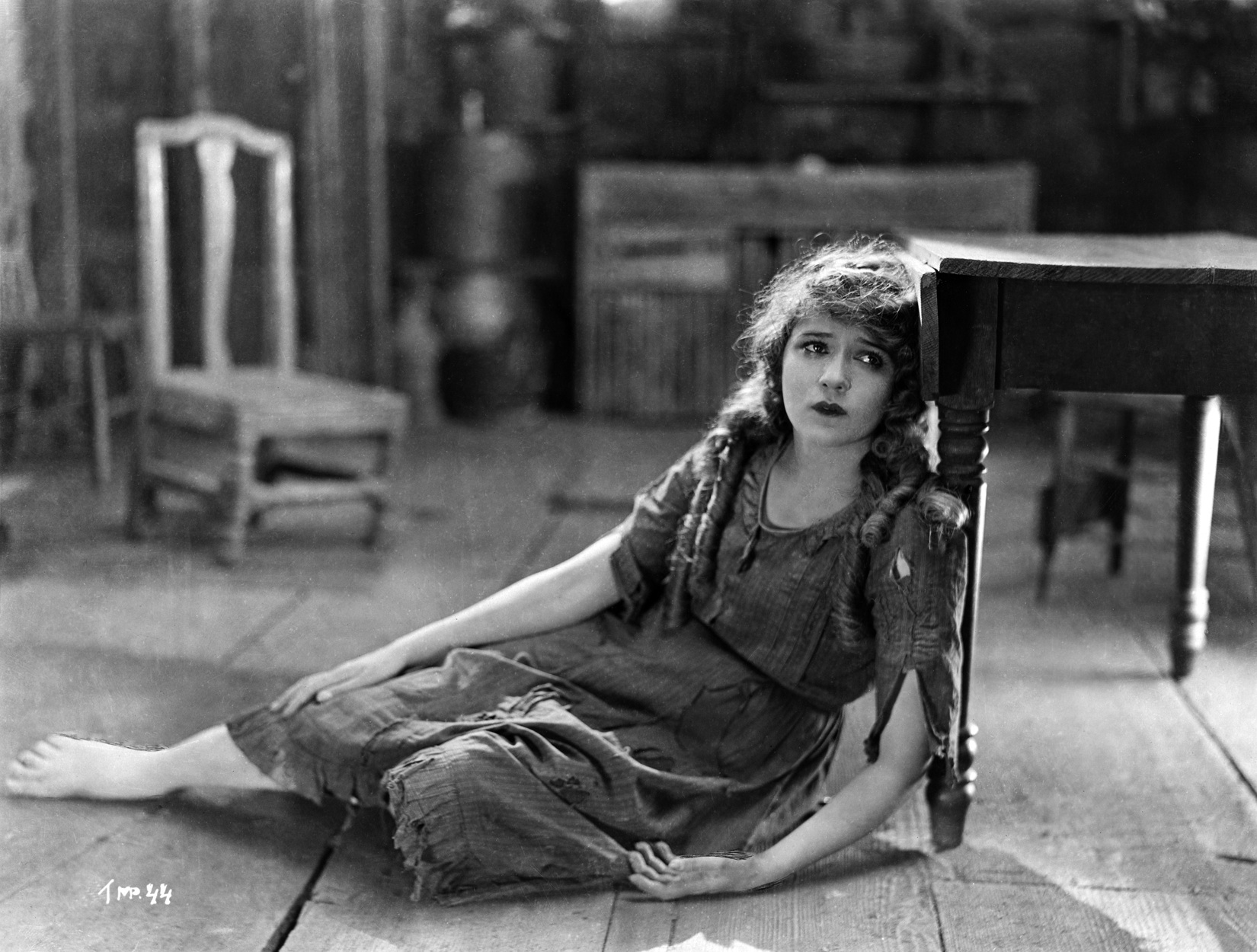
Tess of Storm County (1921, AMPAS)

1976

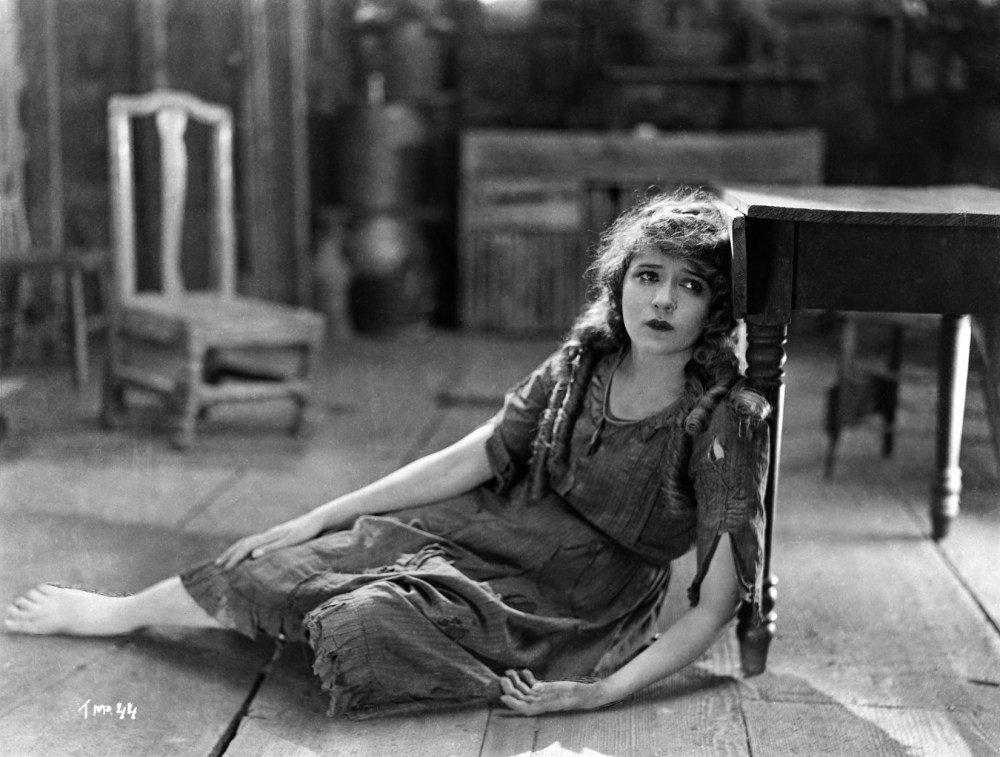
Mary Pickford

In recognition of her unique contributions to the film industry and the development of film as an artistic medium.

Mary Pickford was not present at the awards ceremony. The presentation was made at her Pickfair estate and taped for inclusion in the broadcast.

1974

Groucho Marx

In recognition of his brilliant creativity and for the unequaled achievements of the Marx Brothers in the art of motion picture comedy.

1973


Edward G. Robinson

Who achieved greatness as a player, a patron of the arts, and a dedicated citizen … in sum, a Renaissance man. From his friends in the industry he loves.

Posthumously. Robinson died 2 months before the ceremony, after the award was voted on. His widow Jane Robinson accepted the award on his behalf.

1972

Charles Chaplin

For the incalculable effect he has had in making motion pictures the art form of this century.

1971

Lillian Gish

For superlative artistry and versatility in the creation of motion pictures.

Orson Welles

For superlative artistry and versatility in the creation of motion pictures.

Orson Welles was not present at the awards ceremony. His acceptance speech was pre-recorded.

1970

Cary Grant

For his unique mastery of the art of screen acting with the respect and affection of his colleagues.

1966

Bob Hope

For unique and distinguished service to our industry and the Academy (gold medal).

[The fourth time Hope was honored is the only one in which it seems to be for the whole of his career.
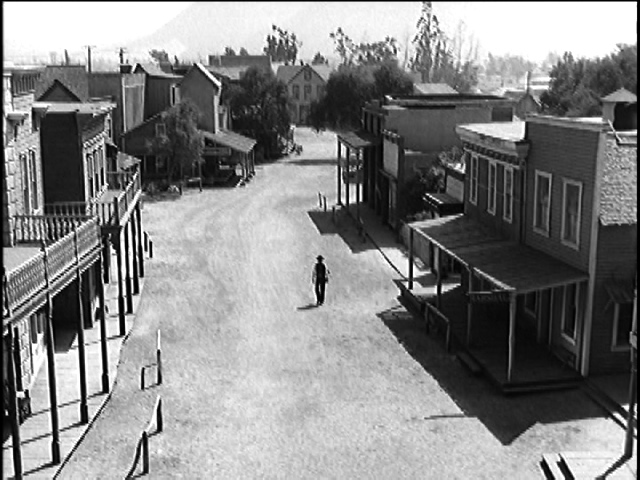
High Noon (1952, United Artists)

1961

Gary Cooper

For his many memorable screen performances and the international recognition he, as an individual, has gained for the motion picture industry.

Gary Cooper could not attend the awards ceremony. James Stewart accepted the award on his behalf.

Stan Laurel

For his creative pioneering in the field of cinema comedy. Stan Laurel was not present at the awards ceremony. Presenter Danny Kaye accepted the award on his behalf.

[Just Stan? Fair or unfair? Unfair.]

1960

Buster Keaton

For his unique talents which brought immortal comedies to the screen.

1959

Maurice Chevalier

For his contributions to the world of entertainment for more than half a century.

1957

Eddie Cantor

For distinguished service to the film industry.
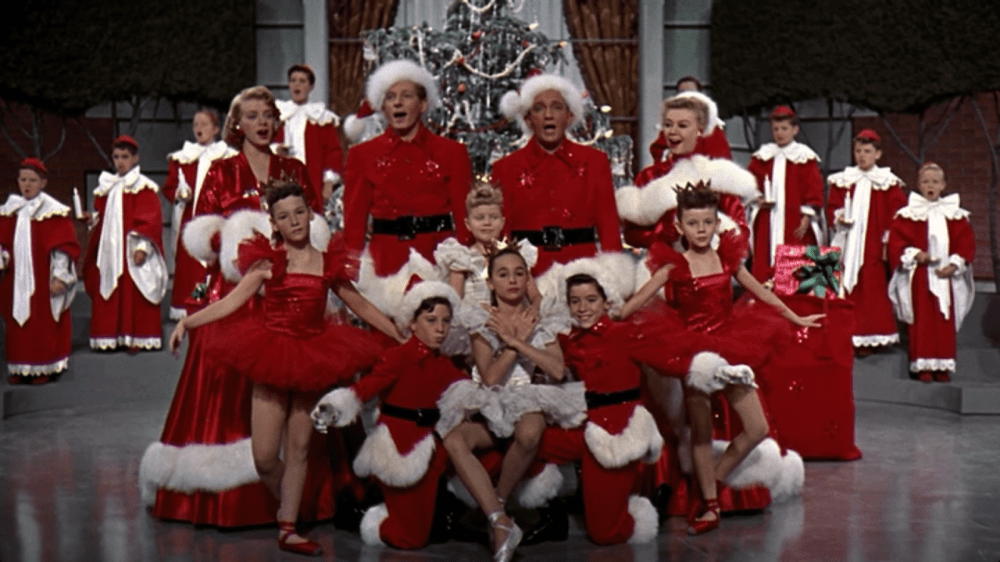
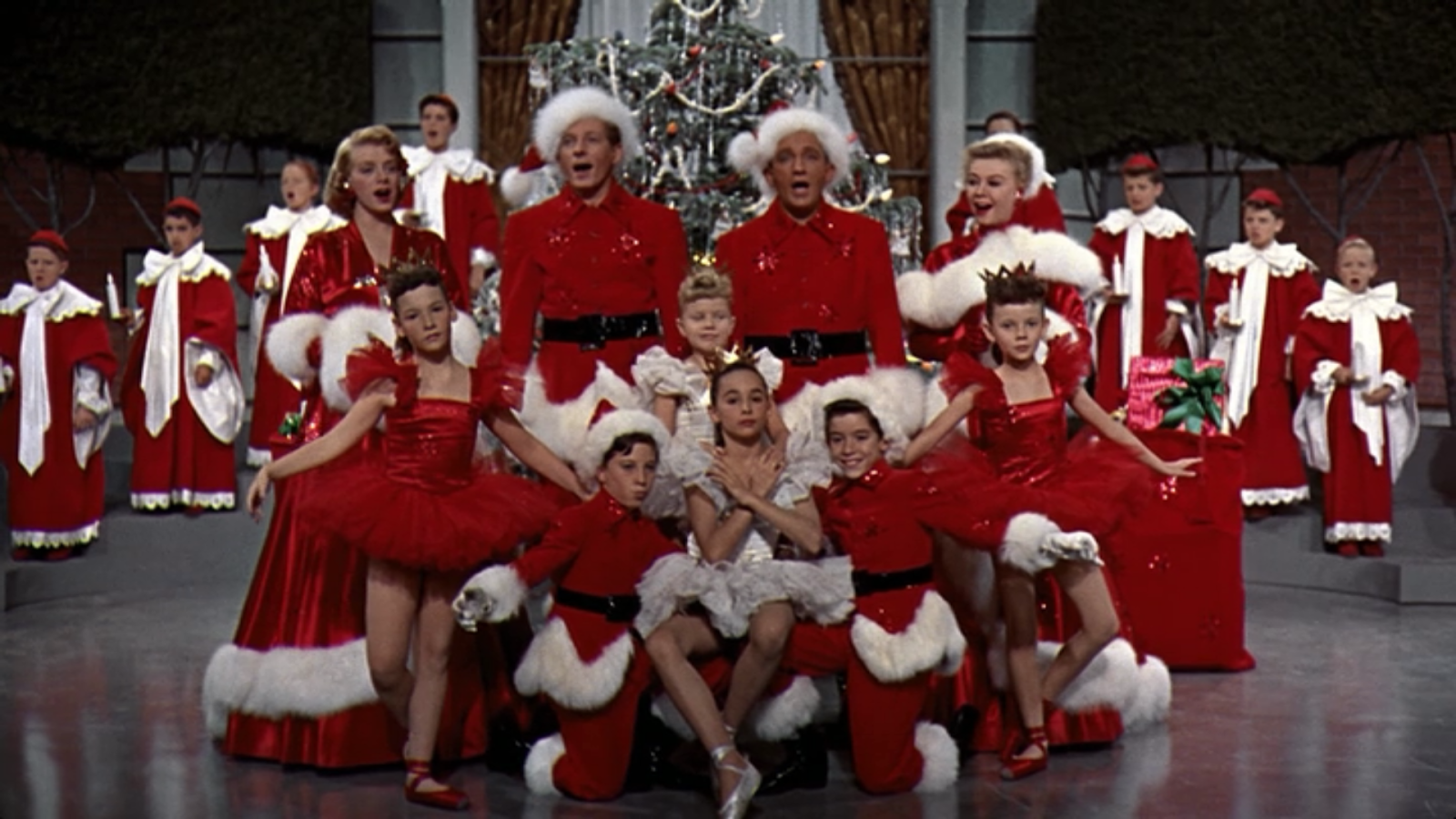
White Christmas (1954, 20th Century Fox)

1955

Danny Kaye

For his unique talents, his service to the Academy, the motion picture industry, and the American people.

Greta Garbo

For her unforgettable screen performances. Greta Garbo was not present at the ceremony. Nancy Kelly accepted the award on her behalf.

1953

Bob Hope

For his contribution to the laughter of the world, his service to the motion picture industry, and his devotion to the American premise.

[Number three. Since it cites the Motion Picture industry I do not cite it as an award for other services.]


Harold Lloyd

For his contribution to the laughter of the world, his service to the motion picture industry, and his devotion to the American premise.

1952

Gene Kelly

In appreciation of his versatility as an actor, singer, director and dancer, and specifically for his brilliant achievements in the art of choreography on film.

1950

Jean Hersholt

For distinguished service to the motion picture industry.

Fred Astaire

For his unique artistry and his contributions to the technique of musical pictures.

Actors Awarded for Other Endeavors
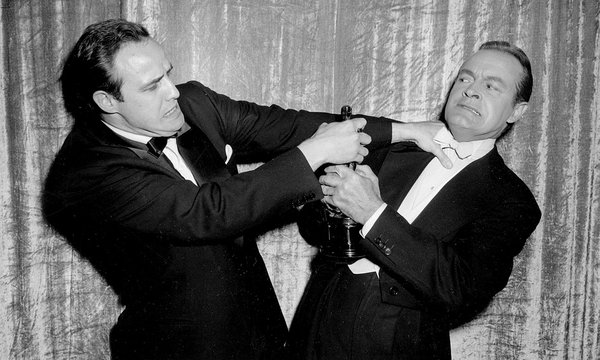
Bob Hope and Marlon Brando (A.M.P.A.S.)

There have been many cases where Honorary Awards have been specifically given to actors for work not onscreen. Here are those instances with the Academy’s blurb for each. When necessary I have expounded on them:

1945

Bob Hope

For his many services to the Academy (Life Membership in the AMPAS).

[Did hosting apply to this too?]

1943

Charles Boyer

For his progressive cultural achievement in establishing the French Research Foundation in Los Angeles as a source of reference (certificate).

1941

Bob Hope

In recognition of his unselfish services to the motion picture industry (special silver plaque).

1940

Hearts of Humanity (1932)

Jean Hersholt (president), Ralph Morgan (chairman of the executive committee), Ralph Block (first vice-president), Conrad Nagel (Motion Picture Relief Fund)

Acknowledging the outstanding services to the industry during the past year of the Motion Picture Relief Fund and its progressive leadership
(plaque).

Douglas Fairbanks

Recognizing the unique and outstanding contribution of Douglas Fairbanks, first president of the Academy, to the international development of the motion picture (Commemorative Award).

1938

Edgar Bergen

For his outstanding comedy creation, Charlie McCarthy (wooden statuette).

[Ventriloquism is performance, but since this award is for the creation of a character I consider it “another” contribution.]

1932
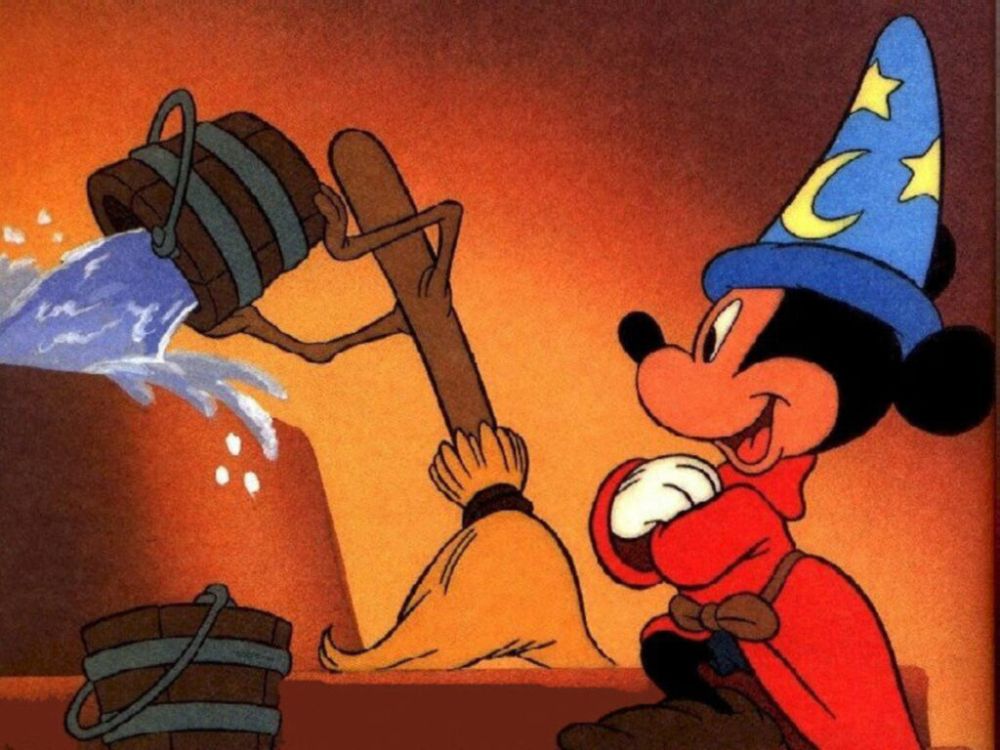
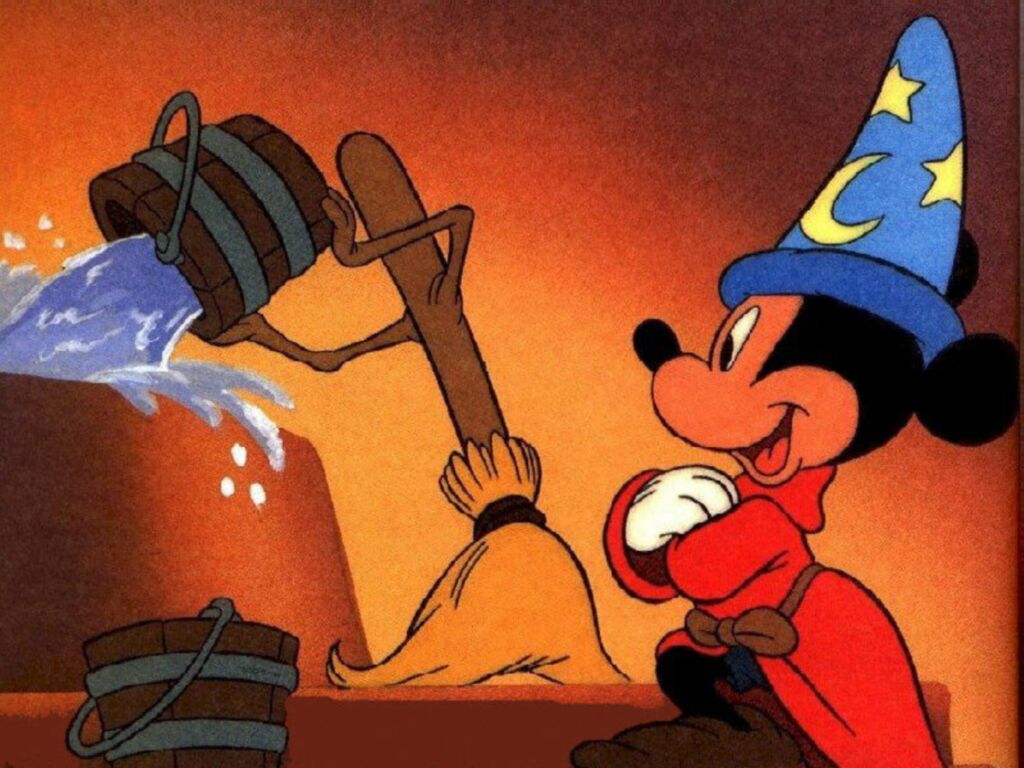
Fantasia (1940, Disney)

Walt Disney

For the creation of Mickey Mouse.

[Walt Disney received quite a few custom-created Oscars. This one I consider as an actor for another endeavor because he did start of drawing and voicing Mickey aside for conceptualizing him. Disney’s renown is justly more for producing and his creative/business acumen, but it did all start with a mouse which he was the driving force behind].

Actors Awarded For Singular Performances in Non-Competitive Ways
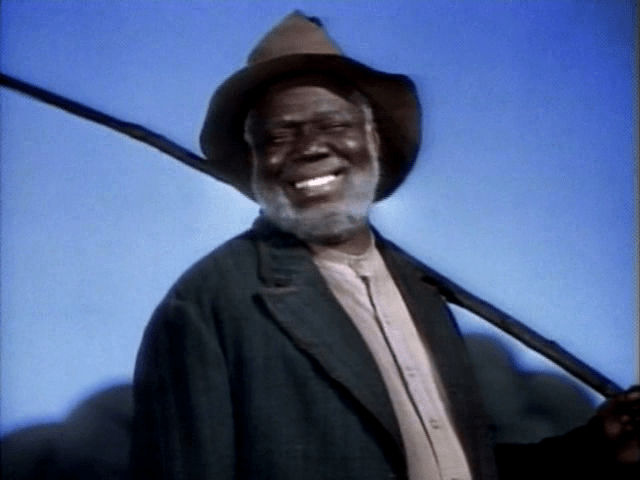
Song of the South (1946, Disney)

OK, now that we got the standards and the oddities out of the way we can discuss briefly the two single-performance Honorary Oscars ever. They are rare and each have their own unique circumstances.

1948

Song of the South: James Baskett

For his able and heart-warming characterization of Uncle Remus, friend and story teller to the children of the world, in Walt Disney’s Song of the South.

[Here I go talking about Song of the South again, I knew this was going to overlap here when I planned it.

Essentially this is the Academy taking up the idea after Disney’s urging. Baskett sadly died a most untimely death of heart failure shortly after his being awarded the Oscar.

1929
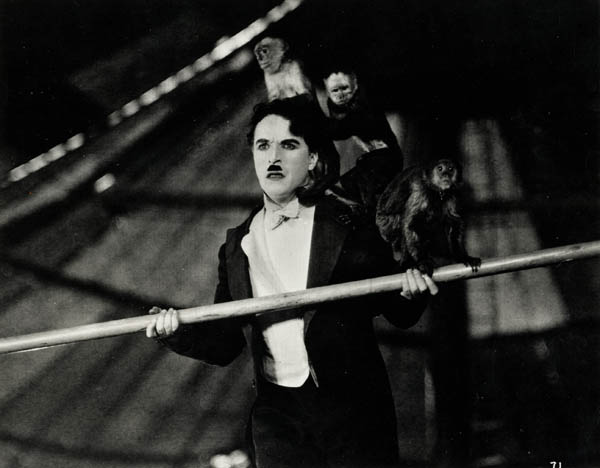
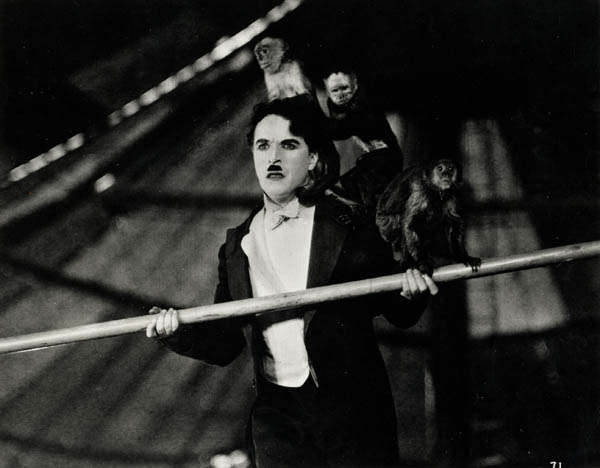
The Circus (1928, United Artists)

Charles Chaplin, The Circus

For versatility and genius in acting, writing, directing and producing The Circus.

Though nominated for best actor, the academy decided to remove Chaplin’s name from the competitive classes and instead award him a Special Award.

As I will look at in the defunct categories post when snubs come around thing were a lot different in the early days before the Academy gained prestige and standard operating procedures. Even though the blurb for Chaplin’s honorary award reads very complimentary between the lines it does seem to read like: “You were going to embarrass everyone, Charles, here’s an award now let’s all give some other folks a chance.” Whether personal, actual or business politics came into play I’m sure will never be confirmed, but it’s really one of the most head-scratcing decisions ever on the surface. We’re going to un-nominate you and give you an Oscar then re-award Best Actor of 1929. Weird to say the least. Not only were the Oscars new but the industry was in flux. Silent versus Talkies may have played into it as well.

Chaplin, of course, would go on to win another Honorary Award after long leaving the US, and again when Limelight made its way across the Atlantic after 20 years.

Conclusion

Anyone with further information on the Chaplin oddity, please do add some. Thank you. Next week I will discuss the short-lived and otherwise defunct Oscar Categories in the Snubs theme. I hope this was an enjoyable one even with the long lead-in citing conventional Honorary Winners.

2015 BAM Award Considerations – January

I know that awards season on this blog just ended, and it still continues in the outside world; however, assembling those nominees is a year-long process. So the cycle begins anew with posts at the end of the month and master lists offline in preparation for the big dates of the award’s calendar year. Enjoy the scant January offerings. Most of the month was dedicated to Oscar catch-up, shorts and older titles, which you can see on my Letterboxd.

Eligible Titles

The Wedding Ringer
American Sniper
Taken 3
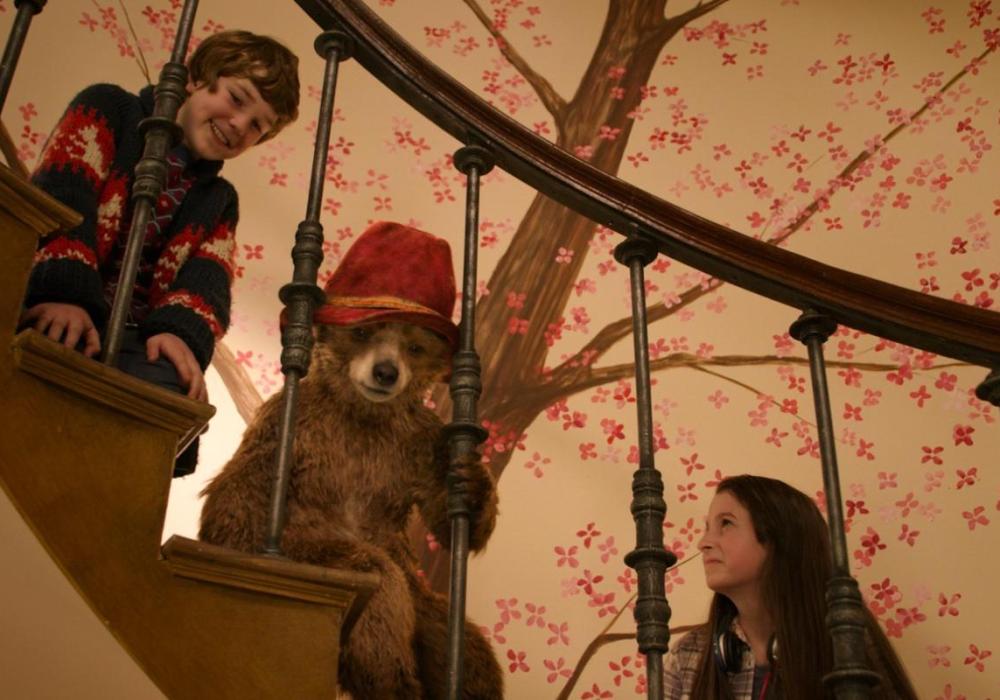
Paddington
Black or White

Best Picture

Paddington

Best Foreign Film

Best Documentary

Most Overlooked Picture

As intimated in my Most Underrated announcement this year, I’ve decided to make a change here. Rather than get caught up in me vs. the world nonsense and what a film’s rating is on an aggregate site, the IMDb or anywhere else, I want to champion smaller, lesser-known films. In 2011 with the selection of Toast this move was really in the offing. The nominees from this past year echo that fact. So here, regardless of how well-received something is by those who’ve seen it, I’ll be championing indies and foreign films, and the occasional financial flop from a bigger entity.

Paddington

Best Director

Paddington

Best Actress

Sienna Miller American Sniper
Octavia Spencer Black or White

Best Actor

Bradley Cooper American Sniper
Kevin Hart The Wedding Ringer

Best Supporting Actress

Nicole Kidman Paddington
Paula Newsome Black or White

Best Supporting Actor

Peter Capaldi Paddington
Anothony Mackie Black or White
Josh Gad The Wedding Ringer

Best Performance by a Young Actress in a Leading Role

Madeleine Harris Paddington

Best Performance by a Young Actor in a Leading Role

Samuel Joslin Paddington

Best Performance by a Young Actress in a Supporting Role

Jillian Estelle Black or White

Best Performance by a Young Actor in a Supporting Role

Jude Wright Paddington

Best Cast

Paddington

Best Youth Ensemble

Paddington

Best Original Screenplay


Best Adapted Screenplay

Paddington

Best Score

Paddington

Best Editing

Paddington

Best Sound Editing/Mixing

Paddington

American Sniper

Best Cinematography

Paddington

Best Art Direction

Paddington

Best Costume Design

Paddington

Best Makeup

Paddington

Best Visual Effects

Paddington

Best (Original) Song

Paddington

Mini-Review: Shadow Dancer

Introduction

This is a post that is a repurposing of an old-school Mini-Review Round-Up post. As stated here I am essentially done with running multi-film review posts. Each film deserves its own review. Therefore I will repost, and at times add to, old reviews periodically. Enjoy!

Shadow Dancer

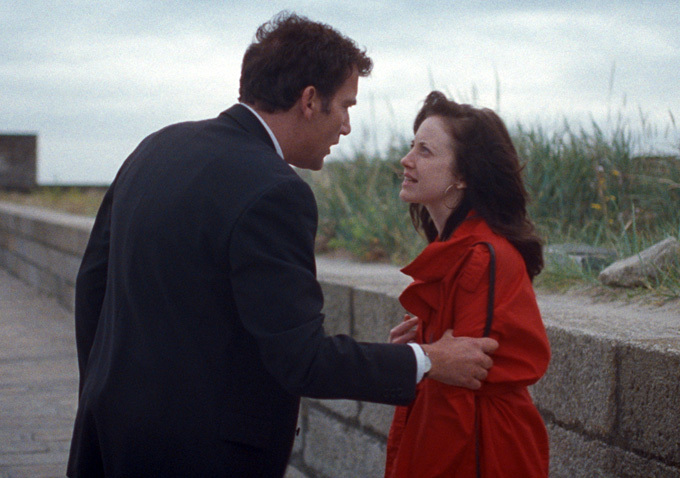
This is the kind of film you want to talk about gingerly because there are a few gut-punches in it that bookend the film. Those are great and best left preserved. However, all that you need to know about it going in can be found on the synopsis on the IMDb/box: a woman is arrested in a failed IRA terrorist attack and asked to spy on her family.

While the film is very enjoyable, dramatic and intriguing the intervening majority that sits between the two bookends isn’t quite as tight as it could be. This is a quibble-level complaint though because of how strong it sets things up and closes them out, I just wish the middle met it. However, smart, character-driver thrillers are too hard to find so it doesn’t hurt the film that much. This is very good film that deserves your viewership. The performances by Riseborough and Owen especially make it work.

8/10

Mini-Review: Beyond the Walls

Introduction

This is a post that is a repurposing of an old-school Mini-Review Round-Up post. As stated here I am essentially done with running multi-film review posts. Each film deserves its own review. Therefore I will repost, and at times add to, old reviews periodically. Enjoy!

Beyond the Walls

While the performances by the films two leads (Guillaume Gouix & Matila Malliarakis) are quite good, especially the latter, what passes in this film is ultimately an ineffectual drama. What you have here is a tale where one man discovering his sexual identity falls for another. As fate would have it, when they’ve barely established anything, they are torn apart. The link remains longer than logical, which is fine but there is minimal consequence to it. There is then a bittersweet passage toward the end that is well-rendered but really does not feel earned in the slightest.

5/10

Mini-Review: Venus and Serena

Introduction

This is a post that is a repurposing of an old-school Mini-Review Round-Up post. As stated here I am essentially done with running multi-film review posts. Each film deserves its own review. Therefore I will repost, and at times add to, old reviews periodically. Enjoy!

Venus and Serena

Whenever you’re dealing with a documentary about current athletes there is always a undercurrent of concern about the PR spin or publicity angle of the piece. However, Venus and Serena does manage to a bit more even-handed than anticipated in three notable instances once about an early coaching stint and two times about Serena’s more noteworthy on court outbursts. What is also fortunate is that the film was allowed to be a more human tale as for the most part it chronicled the 2011 season where they both dealt with their share of injuries so the film goes back and forth between the rehab process and personal information and their path to that point.

While the film does lack a bit in narrative thrust, it is a good portrait of their lives and career to that point.

6/10

Mini-Review: Museum Hours

Introduction

This is a post that is a repurposing of an old-school Mini-Review Round-Up post. As stated here I am essentially done with running multi-film review posts. Each film deserves its own review. Therefore I will repost, and at times add to, old reviews periodically. Enjoy!

Museum Hours

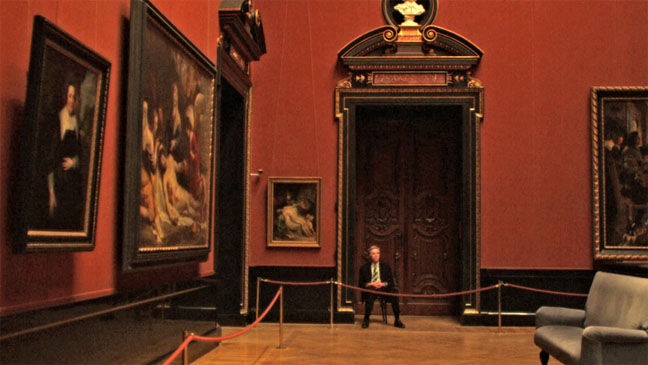
This is a film that is most effective in how it examines its two characters in passing glances, much like museum exhibits themselves. That may sound as if it’s sophistry but I think if you were to apply that thesis to the whole of the way the film is constructed, the tales that are being told, you’ll see it holds.

The film is ostensibly about a woman (Mary Margaret O’Hara) who heads to Vienna at her cousin’s side while she is sick. With much time to herself to wander a strange city she spends much time at the art museum and befriends one of the guards there (Bobby Sommer). After he helps her, they become friendly. In the film you see: snatches of their conversations where they talk about their lives, shots of paintings and other exhibits and there’s one extended scene of a tour guide (Ela Piplits) espousing her theories on the works of Bruegel. Her dialogue is key to reading the film, in my estimation.

This is not to say that the film is a difficult one to follow. It’s quite a straightforward one. However, it’s connecting these disparate threads through that notion that give it a greater significance and unity. Leaving those pieces apart it can seem a fine, albeit disjointed effort. When one considers that we look at art and try to interpret the artists, that we speak to others and try to interpret them and that we tell our tales and try to interpret ourselves; but can only so in small strokes, in passing glances, within the short amount of time that “museum hours” encompass, then the whole of this work comes together much more strongly. It’s not a film about Bobby, who is Austrian, or Anne, who is Canadian, or Pieter Bruegel who was a Dutch master, but rather about all of us and our journey to understand and be understood, to empathize and to have empathy shown toward us.

10/10

Mini-Review: Three Worlds

Introduction

This is a post that is a repurposing of an old-school Mini-Review Round-Up post. As stated here I am essentially done with running multi-film review posts. Each film deserves its own review. Therefore I will repost, and at times add to, old reviews periodically. Enjoy!

Three Worlds

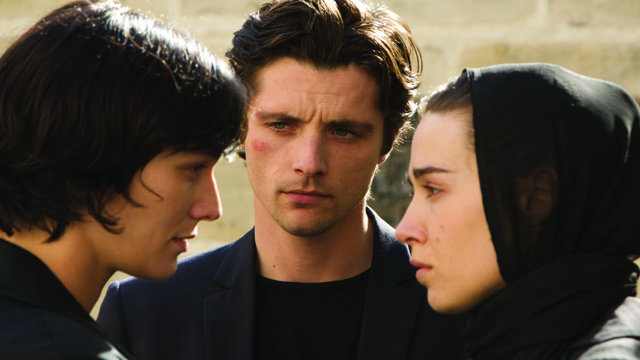
What you get in Three Worlds is a very compelling situation (a witness to a hit-and-run unwittingly becomes a liaison between the victim’s wife and the culprit) handled in a fairly unconventional way. What this film could turn into is one of histrionics that quickly spirals into things hard to believe or identify with. What instead it chooses to do is be a morality play. As it examines how the incident affects three characters, the push-and-pull, the ebb and flow of each turn of events puts the characters in places they did not expect to be. It’s not as if each decision in the film does not lead to a domino effect, it’s the path that the dominoes take that makes it most enjoyable to watch.

No character in this film is simplistic or one-dimensional, neither entirely altruistic or calculated. This allows for, and requires, much greatness from each of the principal actors and they do bring that. Raphaël Personnaz make me think of what a young Jean-Pierre Leaud would have brought to this film in a different time. Clotilde Hesme’s performance as a woman whose desire to help people, and her inclination to see the good in them, gets the best of her is pitch perfect. Arta Dobroshi, who has perhaps the most demanding tasks assigned her plays conflicting emotions and philosophies such that you always understand her and sympathize with her position.

Three Worlds reveals its characters throughout while still telling a very compelling tale and is worth looking out for.

9/10