
2023 BAM Honorees
The Awards are complete.
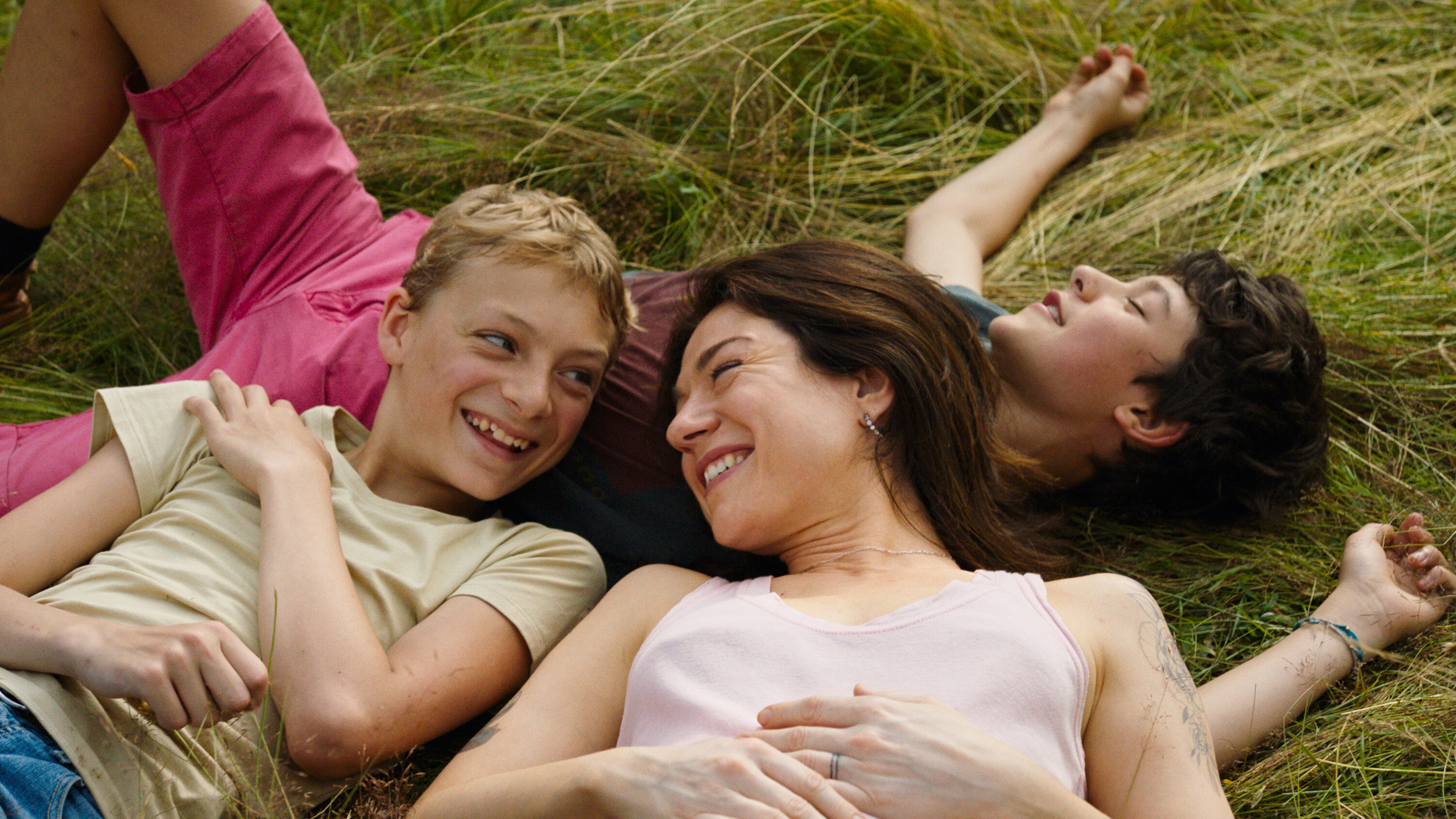
Anatomy of a Fall
Barbie
Close
Godzilla Minus One
The Holdovers
Huesera
Killers of the Flower Moon
Oppenheimer
Softie
When Evil Lurks
While Close was eligible for the Oscars last year, thanks to a qualifying Oscar run it didn’t receive wider theatrical and digital release in the US until early 2024. The same is true for it and Softie. I didn’t penalize either of these films for having viewed them so early in the year, it can be easy to do that at times. Most of the nominees you recognize are in the running, there ate two that came out on Shudder through the course of the year. Horror aficionados would be remiss not to subscribe to it. All these films are great and different in disparate ways I will discuss further in my top ten post. Ultimately, this decision came down to two films Close and Anatomy of a Fall and the difficult thing was to choose between two very different kinds of films. In the end it’s this kind of choice that makes the term honoree more fitting than winner. Because Close is a more defined, emotionally wrenching, visceral film; Anatomy of a Fall is a more intellectually stimulating, gray, nebulous film. Close is has a short running time that is emotionally draining and mostly without dialogue in its latter half; Anatomy of a Fall has a lengthy running time with verbose sections, that feels brisk at times, despite the stakes and tension. The decision came down to the film that made me feel most deeply for the longest amount of time and that was Close. Hence, I wrote so much about it following its release.

Anatomy of a Fall
Close
Gozilla Minus One
Softie
When Evil Lurks
Better than last year in terms of options but still not enough new ones viewed to justify full nominating (10 films) this category but since six of the Best Picture Nominees are films that feature foreign languages heavily, I figured nominating five was worthwhile. While it’s lacking in drama to have the Best Picture and Best Foreign Film selection be the same film, it was nice to have seen a number of films that ended up nominated for Best Picture and thus allowing for this category to return. One footnote, as opposed to the Oscars and other award shows I had no way to qualify films based on percentage of non-English content, nor the desire to, therefore, I counted Anatomy of a Fall.
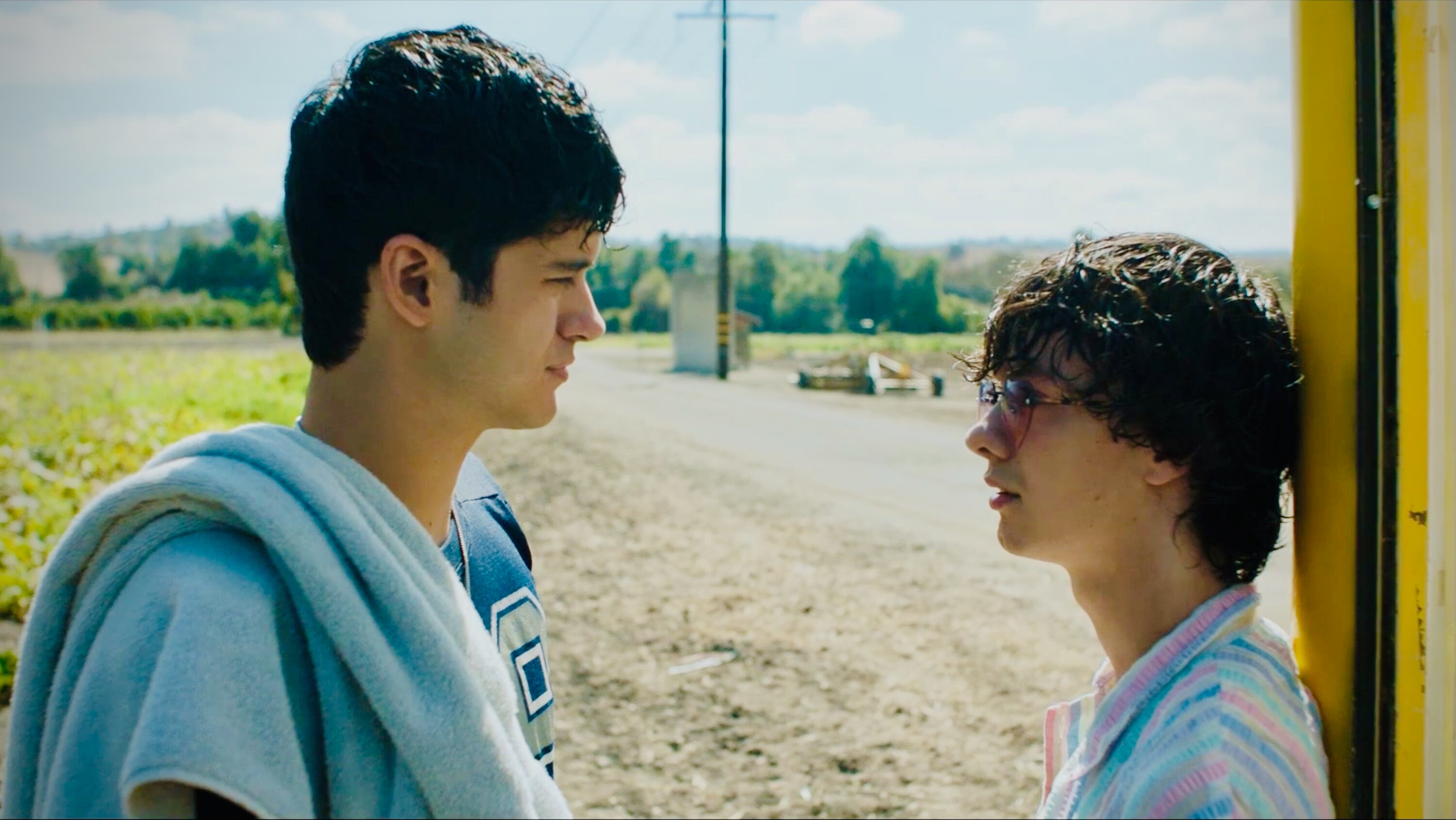
Aristotle and Dante Discover the Secrets of the Universe
Next Goal Wins
Silent Night
What Happens Later
You Hurt My Feelings
Due to the dueling strikes over the Summer and into the Autumn multiplexes had more smaller films filling their screen than they normally do. This naturally changed the complexion of my overlooked pictures nominees. This year none of my selections were ones I watched streaming but ones I saw as movies were intended to be seen. The only higher profile one is Next Goal Wins because it’s enjoyable enough light fare that suffered financially and critically more than it should have because Taika Waititi is currently persona non grata. While Nicole Holofcener films always tend to find a lot of screens, they deserve more of an audience, You Hurt My Feelings epitomizes that. What Happens Later was the first announced title to be hitting multiplexes come fall, yes, it was a comeback for Meg Ryan and her directorial debut but in a different landscape wouldn’t have gotten such an announcement and still deserves more viewership. Silent Night, is yes, a Christmas themed action movie but the title also alludes to something the trailers don’t let you in on; there is scarcely any dialogue in this film and it’s all the better for it. Lastly, my honoree, is Aristotle and Dante Discover the Secrets of the Universe, a gay coming-of-age tale which also includes elements of cultural identity. Despite being an adaptation of a YA novel it came and went cinematically pretty quickly and should be more widely known.
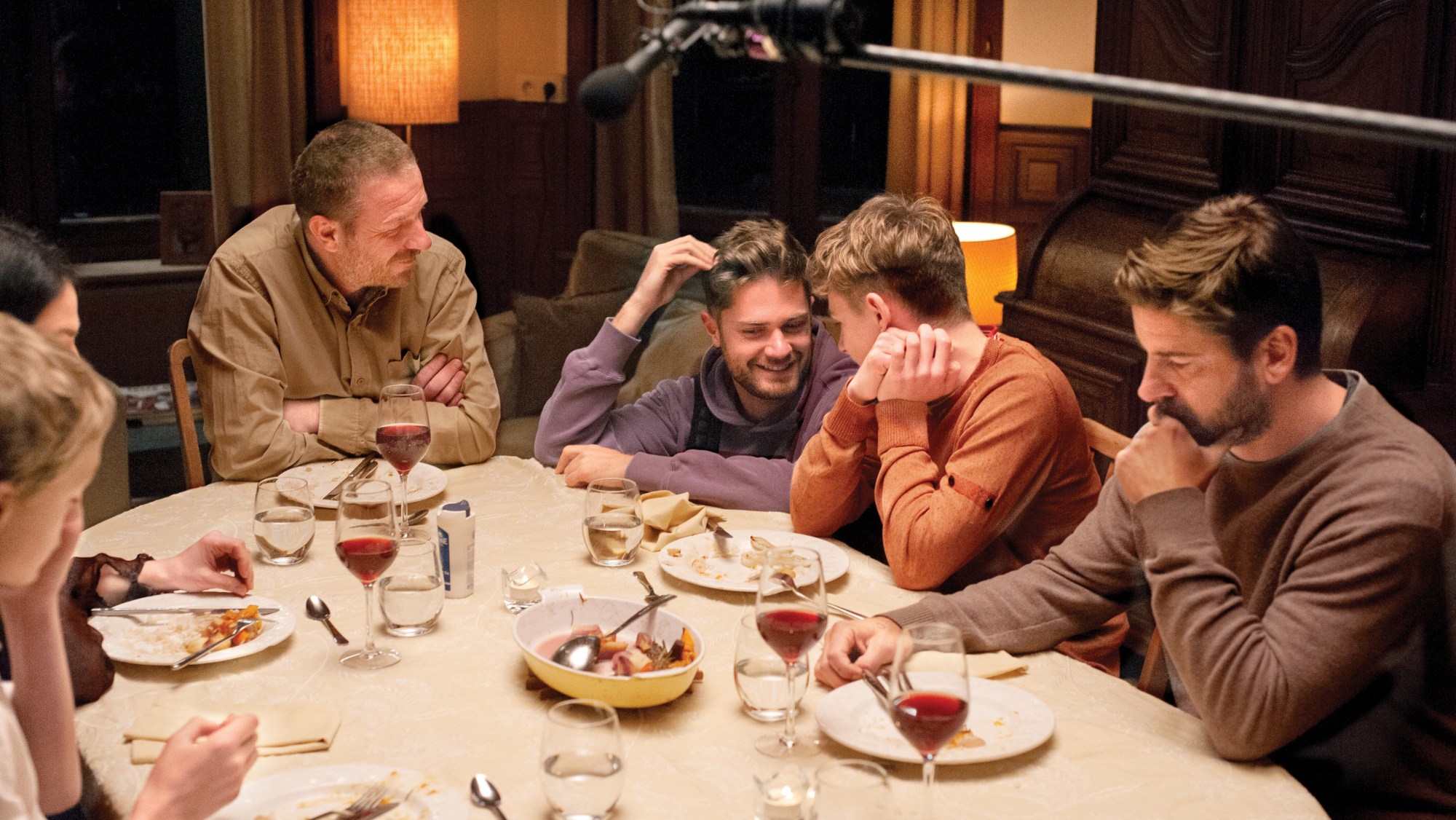
Lukas Dhont Close
Greta Gerwig Barbie
Martin Scorsese Killers of the Flower Moon
Justine Triet Anatomy of a Fall
Takashi Yamazaki Godzilla Minus One
Again in terms of direction the aims are varied as are the experience levels but the results are all fantastic. In the end Dhont communicates not only the idyll of this young relationship but the aftermath of tragedy mostly through imagery, coaxing wondrous performances, and with deepest empathy which is what earns him the honor.
Margot Robbie Barbie
Jane Fonda Moving On
Meg Ryan What Happens Later
Lily Gladstone Killers of the Flower Moon
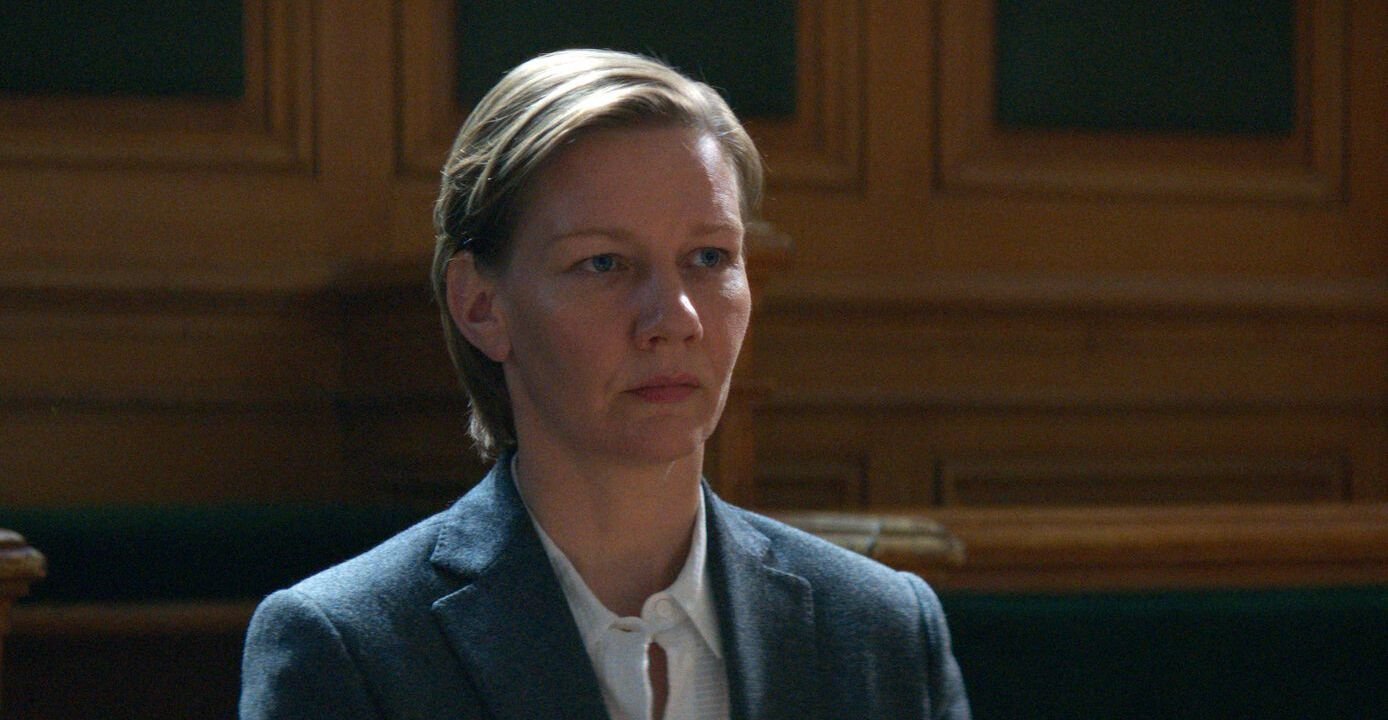
Sandra Hüller Anatomy of a Fall
This was the last decision made, any of these performances could have won in other years and they had the misfortune of going up against each other. Margot Robbie does wondrous things in Barbie a film and role that I’d grown to being cautiously optimistic about by its release but did not expect the commitment, depth, heart, and comedy she brought to it. Jane Fonda’s turn in Moving On occurred early in the year but I don’t believe in disqualifying things that come in the first two quarters of the year as is virtually the case at the Oscars. She’s as great as ever in this film. Meg Ryan’s comeback to the romcom genre and debut as a director were memorable, and in fact there’s more drama, character and pathos in What Happens Later as compared to most romcoms. Lily Gladstone is stellar in Killers of the Flower Moon, playing an intelligent, bold character displaying the prowess she hinted at during her two guest appearances on Reservation Dogs. Even the same fascinating setup and fantastic dialogue with a lesser performer would not have allowed Anatomy of a Fall to work anywhere near as well as it did, which is ultimately why Sandra Hüller earns the honor.
Dave Bautista A Knock at the Cabin
Leonardo DiCaprio Killers of the Flower Moon
Paul Giamatti The Holdovers
Barry Keoghan Saltburn
Cillian Murphy Oppenheimer
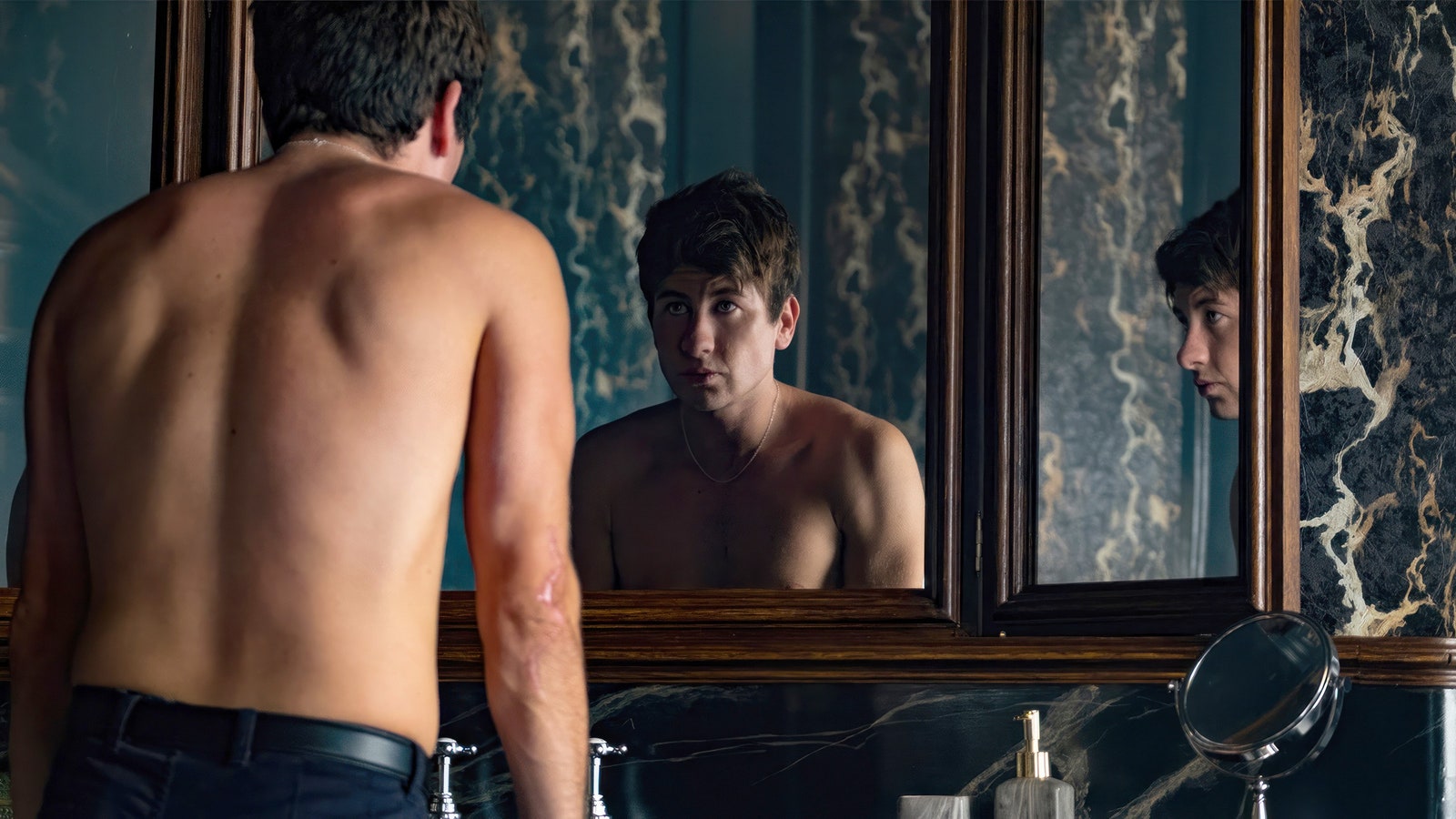
In a A Knock at the Cabin Dave Bautista exhibited not only a whole other side of himself as a performer, not only a range I didn’t think he was capable of, but set the bar for the category early in the year. Killers of the Flower Moon is an exceptional work all around not only on the technical end, but due to all its performances, Leonardo DiCaprio goes from a neophyte seeking his piece of the American dream to hardened, greedy and ruthless; not that he’s ever wholly innocent but his arc is still long and well portrayed. Paul Giamatti tends to deliver outstading performances, he especially does so when working with Alexander Payne. In The Holdovers he’s funny but also gives a heartfelt, evocative performance. Cillian Murphy not only plays the titular character in Oppenheimer but he’s also a fulcrum interacting with practically everyone in a cast of thousands, he’s also the focal point in a film that often centers more on his reactions to things than the sights themselves. While too much about Saltburn has been about how scandalized people were by it, or by the general discomfort and immaturity too many people exhibit when discussing male sexuality. Or heaven forbid, should male genitals be exposed at any point. Make no mistake Barry Keoghan earned both his nomination and this honor due to his work, his focus, commitment and connection to his character illustrated in both subtle and overt. Its no small feat to play a character in a film who comes across as the least detestable and to grant him a persona that’s affable yet icy. A character hiding something and when found out you may not understand all the motivations but they will fit a pattern. Yet still his character has dimension and operates in a world he understands and he knows what he must do to survive within it. This is an award not for a graveyard scene or a dance but one for a performance so refined it made such strange set-pieces seem like the most logical conclusions to sequences in this film.
Emily Blunt Oppenheimer
America Ferrera Barbie
Da’vine Joy Randolph The Holdovers
Lily Tomlin Moving On
Michaela Watkins You Hurt My Feelings
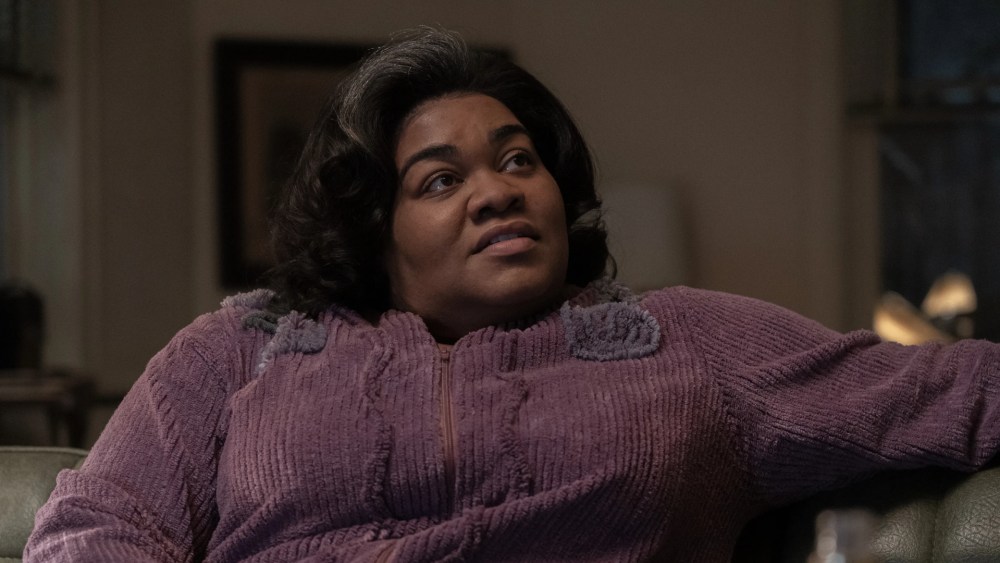
A word about the women in this category: first, to reduce America Ferrera’s Oscar nomination to being about “the monologue” is to reduce both her talents and the difficulty of delivering onscreen monologues and is patently asinine. I was pleasantly surprised by her nomination having selected her amongst the best of the year myself. Emily Blunt is spectacular and proving to be one of the most consistent performers going. Lily Tomlin and Jane Fonda a legendary tandem as further evidenced in Moving On. Interviews revealed Michaela Watkins talked her way into being Julia Louis-Dreyfus’ sister in this film rather than her friend and it was absolutely the right move. Lastly, the honoree, Da’vine Joy Randolph created a character and wrought emotion out of herself and me as a viewer so quickly it was breathtaking to behold.
Robert De Niro Killers of the Flower Moon
Robert Downey, Jr. Oppenheimer
Ryan Gosling Barbie
Matthew Lillard Five Nights at Freddy’s
Jimmy Tatro Theater Camp
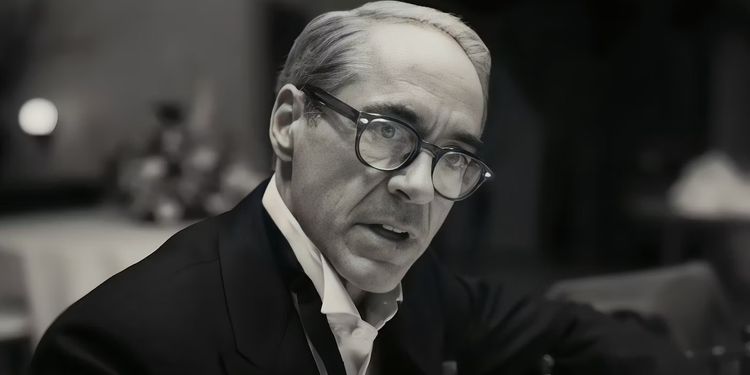
Based on the films I saw this year, I went a little off the beaten path for two of my nominees. Matthew Lillard and Jimmy Tatro, in very different ways, stole their respective films. Lillard’s presence demanded attention and was unquestionably one of the highlights of the film, and Tatro is very funny while finding his place in a theater world and honoring his mother that requires more layers to his character than were expected going in. Three of the nominees are identical to virtually every award show all season because on occasion consensus is correct. De Niro hasn’t been this good in decades. Ryan Gosling adds dead-pan humor, a frustrated search for identity and humanity to Ken. But what Robert Downey, Jr. does is to play a complex character, an antagonist in a more simplistic film, who hardly faces his nemesis. He’s magnetic without grand gestures and wholly his character reminding us that while much of his comeback has been based on persona-style parts he definitely can deftly slide into another person’s skin.
Best Performance by a Young Actress in a Leading Role
Kristen Cui Knock at the Cabin
Nell Fisher Evil Dead Rise
McKenna Grace Crater
Calah Lane Wonka
Violet McGraw M3gan
Madeleine Yula Voyles The Creator
There are disparate types of leading roles here. Violet McGraw a lot of the time played scenes across from Megan, Kristen Cui had to be the trusting soul who believed what she was being told and put her fathers in a bind, McKenna Grace was playing a smart character in dire straits, Calah Lane was played a girl who’d been abandoned, had become jaded early in life and learned to see the magic in things again, while Madeleine Yula Voyles achieved the near impossible playing someone who was seemingly not human but slowly revealed a vast range of emotions. For such a young performer her feat is truly extraordinary.
Best Performance by a Young Actor in a Leading Role
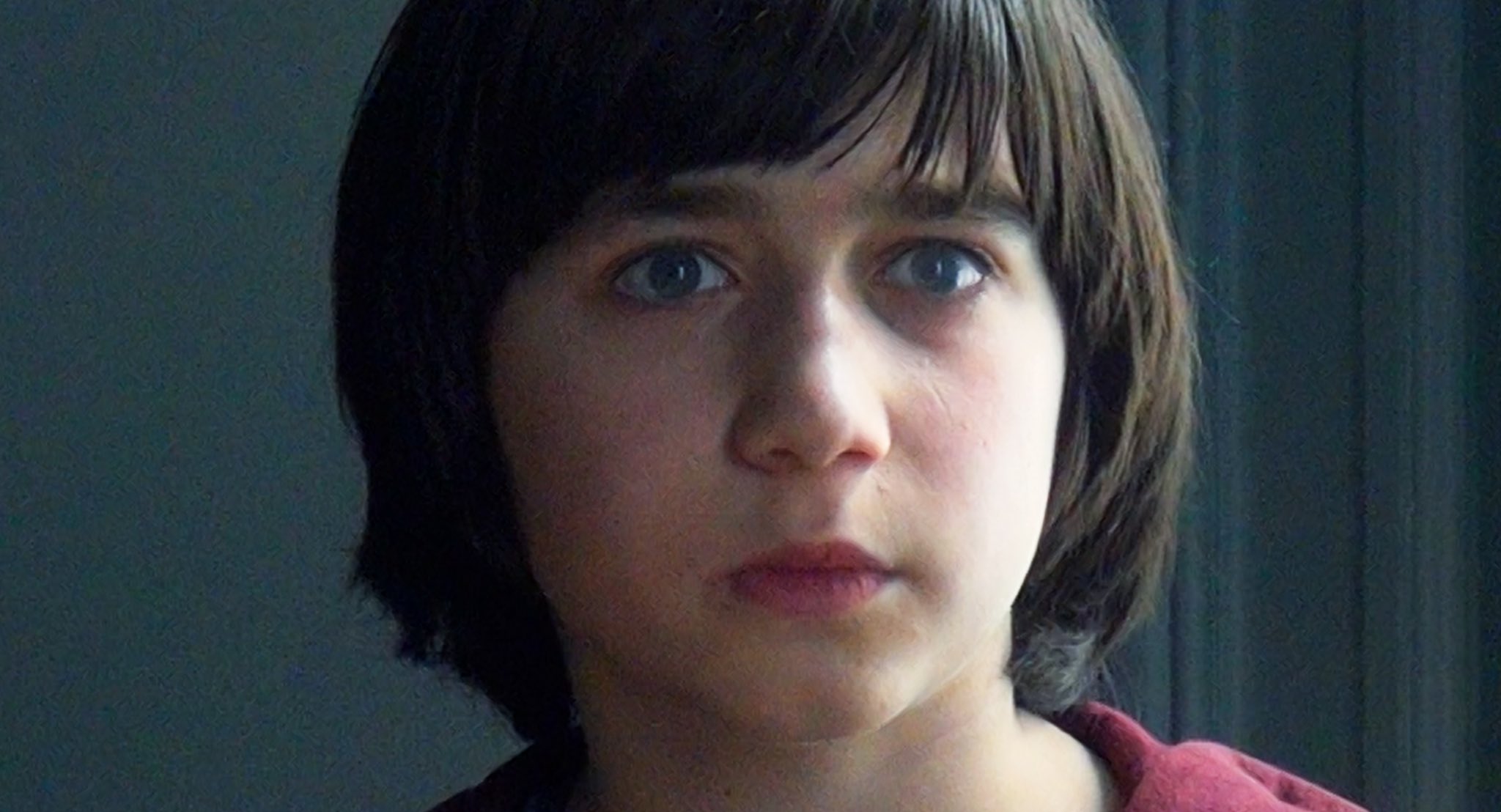
Billy Barratt Crater
Eden Dambrine Close
Milo Machado Graner Anatomy of a Fall
Woody Norman Cobweb
Manny Magnus World’s Best
Aliocha Reinert Softie
Aliocha Reinert was rightfully nominated for a César as Best Actor last year for this role, Softie’s release on MUBI last year made it eligible for the BAMs now. Eden Dambrine was the broken heart and tortured soul of Close. Billy Barratt the hero fighting against all odds in Crater. Woody Norman also had a mostly silent turn in the low-key horror film Cobweb that was quite impressive. Manny Magnus showed himself to be a triple-threat in World’s Best. Milo Machado Graner was nominated in other award shows worldwide for Anatomy of a Fall this year in catch-all young performer categories, my dilemma was whether to consider him a lead or supporting actor. Swann Arlaud, Antoine Reinartz, and Samuel Theis are adult actors who feature prominently, and Milo is the only young performer. In the end I decided he was a lead in part because of the overall running time of the film and all he’s asked to do: he plays blind, is a pianist, has tense one on one scenes with his mother, delivers a monologue, carries a climactic visual sequence on his own, plays a tense conversation with his father in the car, another one with the court advocate outside. It’s quite the impressive turn especially when you consider he has to be on par with such virtuosity surrounding him.
Best Performance by a Young Actress in a Supporting Role
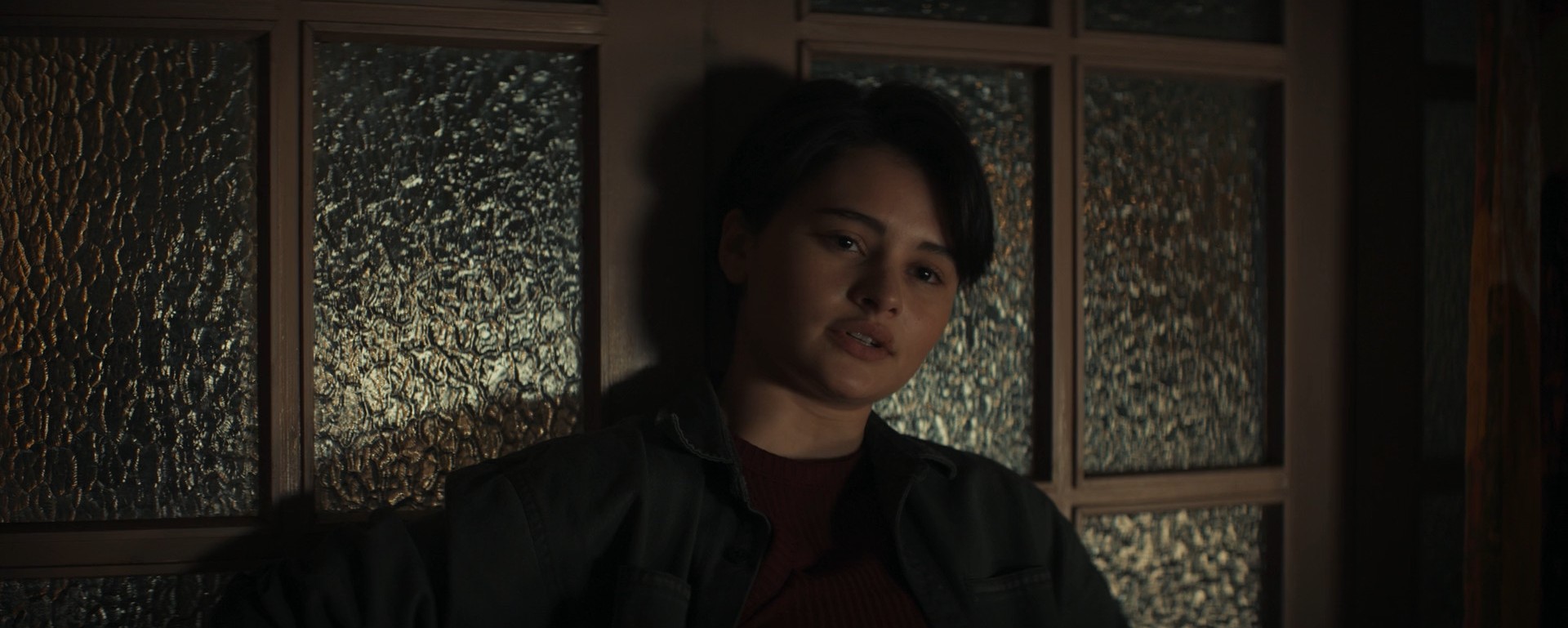
Farrah Mackenzie Leave the World Behind
Brooklynn Prince Cocaine Bear
Piper Rubio Five Nights at Freddy’s
Gabrielle Echols Evil Dead Rise
Ariana Greenblatt Barbie
Briella Guiza There’s Something Wrong with the Children
While there is a decidedly horror slant to these nominees, but it wasn’t genre that decided the nominees or honorees. Brooklynn Prince plays comedy and fright equally well in a tandem in Cocaine Bear. Farrah Mackenzie brings a myopic innocence and curiosity to an apocalypse in Leave the World Behind. Ariana Greenblatt brings necessary teen cynicism and recaptured wonder in Barbie, while Briella Guiza gives one of the scariest performances of the year. What garners Gabrielle Echols the honor is the sustained tension her performance helps create, while working within an ensemble and also being the first witness to the horrors unfolding in Evil Dead Rise.
Best Performance by a Young Actor in a Supporting Role
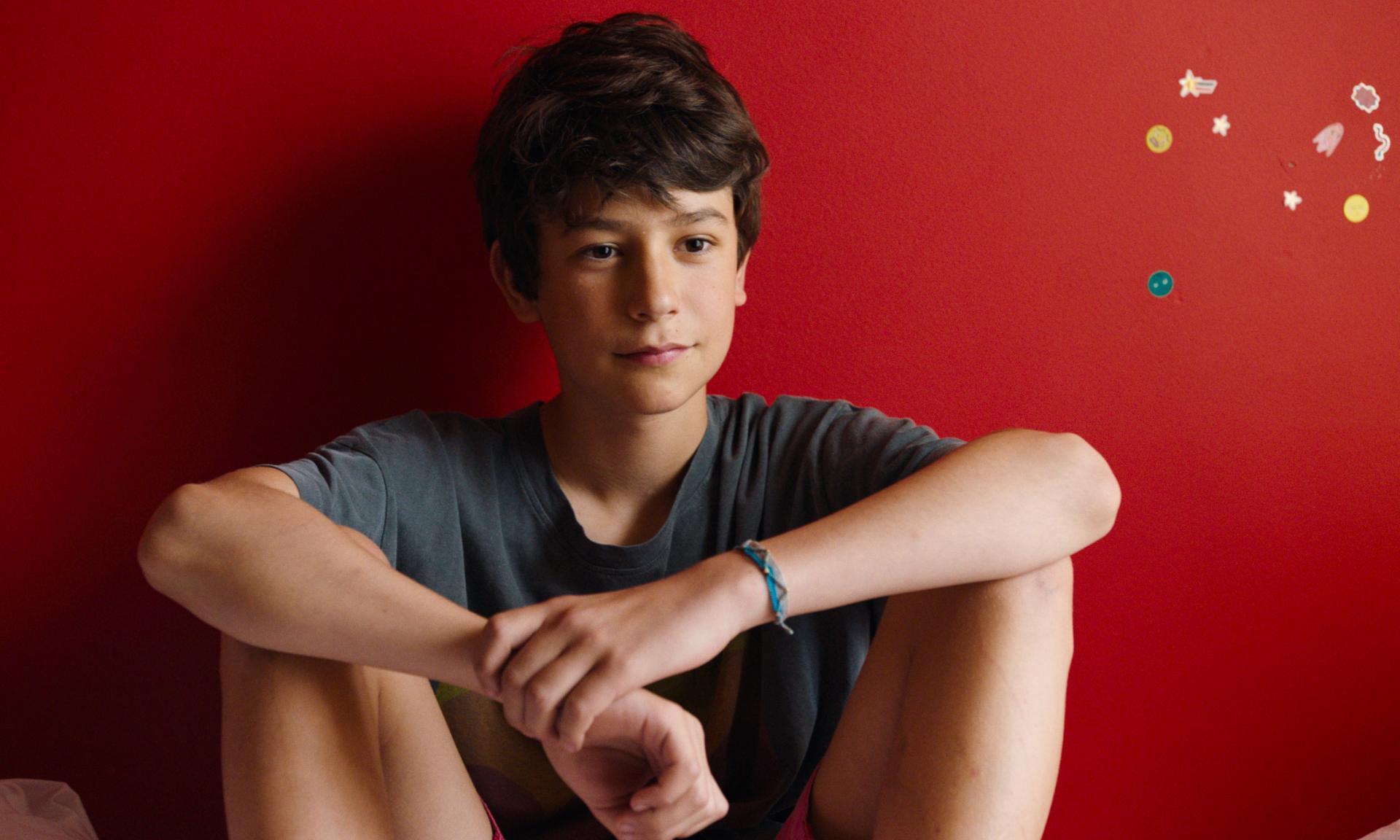
Benjamin Evan Ainsworth All Fun and Games
Morgan Davies Evil Dead Rise
Gustav De Waele Close
Jude Hill A Haunting in Venice
Woody Norman The Last Voyage of the Demeter
Emilio Vodanovich When Evil Lurks
Again there was in this category some debate over who fit where, with Ainsworth and Davies potentially being considered leads. In the end they landed here for the opposite reasons as some elevated to leads. And there were some tough cuts like Ethann Isidore in Indiana Jones and the Dial of Destiny. All the nominated made tremendous impact on their respective films in a small amount of time. Discussing some of the performances in depth could give too much about the film away in all cases. Therefore, suffice it to say that de Waele’s presence looms large in Close whether he’s on screen or not.
Bailee Bonick, Kyndra Sanchez, Donovan Colan, Vivienne Sachs, Alan Kim, Alexander Bello, Luke Islam, Jack Sobolewski, Dean Scott Vazquez, Quinn Titcomb, Madisen Marie Llora Theater Camp
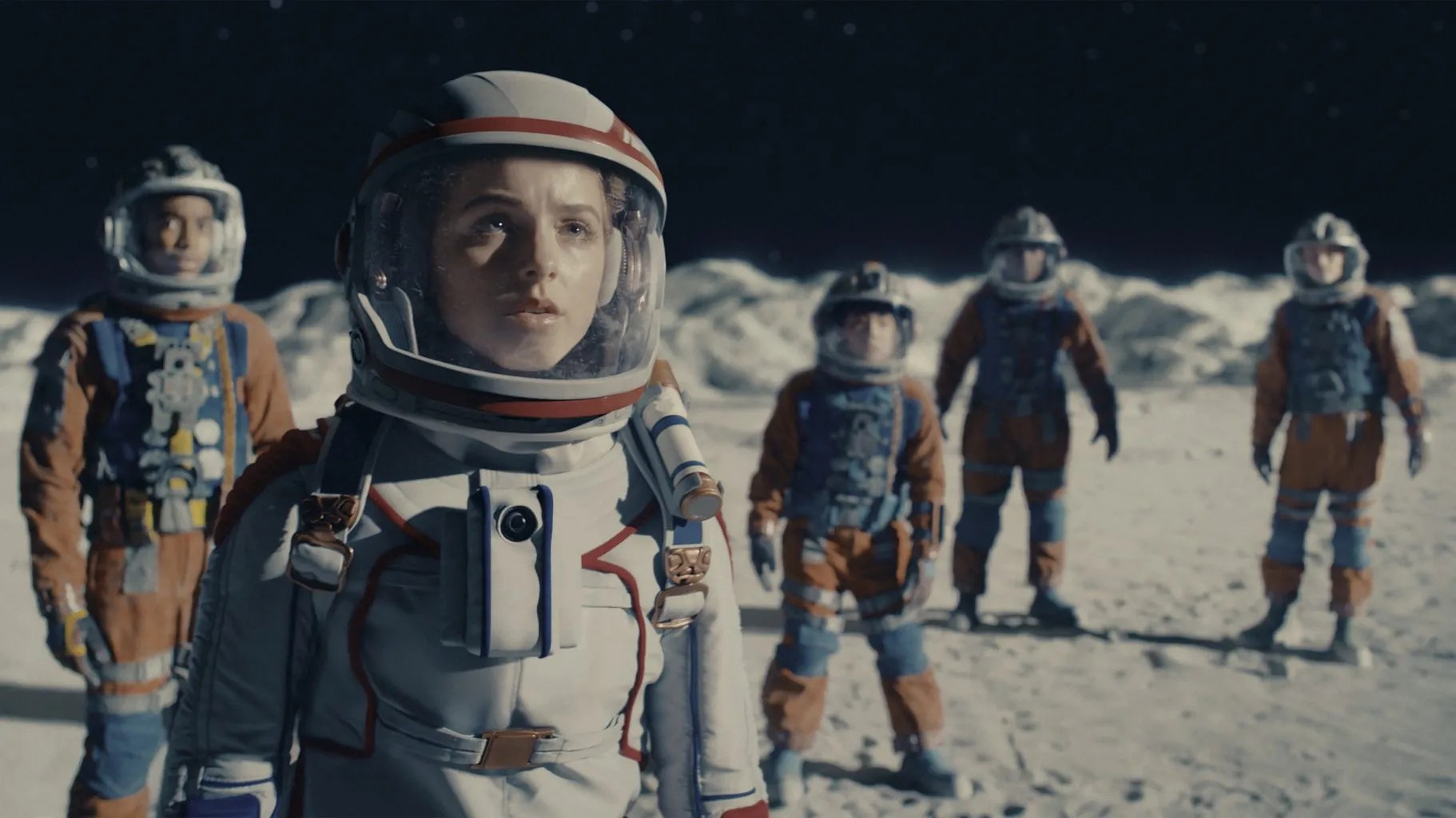
Isaiah Russell-Bailey, McKenna Grace, Barratt, Orson Hong, Thomas Boyce, Hero Hunter, Carson Minniear, Brady Noon Crater
Gabrielle Echols, Nell Fisher, Morgan Davies, Tai Wano Evil Dead Rise
Winslow Fegley, Deric McCabe, Clara Stack, Ayden Elijah, Imogen Cohen, Anthony Joo, Cihang Ma, Madilyn Kellam, Camila Rodriguez, Liyou Abere The Naughty Nine
When I first introduced parity in the acting categories between adult and young performers I thought it would be a stretch to fill them. However, as more time goes on it’s been harder to trim the category down more often than not, this year was no exception. These ensembles excelled while bearing a lot of the responsibility in making these films work. Evil Dead Rise took the franchise away from its “cabin in the woods” origin, to an apartment building in a city with a family, so a lot rested on the shoulders of the young performers, Where the Tracks End.
had its young actors both in school and at home facing a threat to the very schooling and by extension, their futures. The Theater Camp ensembles requires is actors to make a big impact in a smaller amount of screentime for each individual as the film is mostly about the adults running the camp but they deliver some of the films most memorable moments. The ensemble in The Naughty Nine carries the whole Christmas-themed film piecing together a heist team and executing a plan while also dealing with their own issues that landed them on the naughty list in the first place, playing comedy, drama, and action with equal aplomb. Crater makes the premise of throwing young people into a crisis to a high-concept place by marooning them on the moon. Not only is a lot required of the actors here as in the other nominated films but there are many moments of true tension, poignancy, capably rendered throughout the course of the film. One unfortunate note that epitomizes one of the new problems of the streaming age, Disney pulled this film off Disney+ shortly after its debut. That Disney gave this 45 days to exist on streaming is asinine and insulting to all the great work in this film.
Not Awarded.
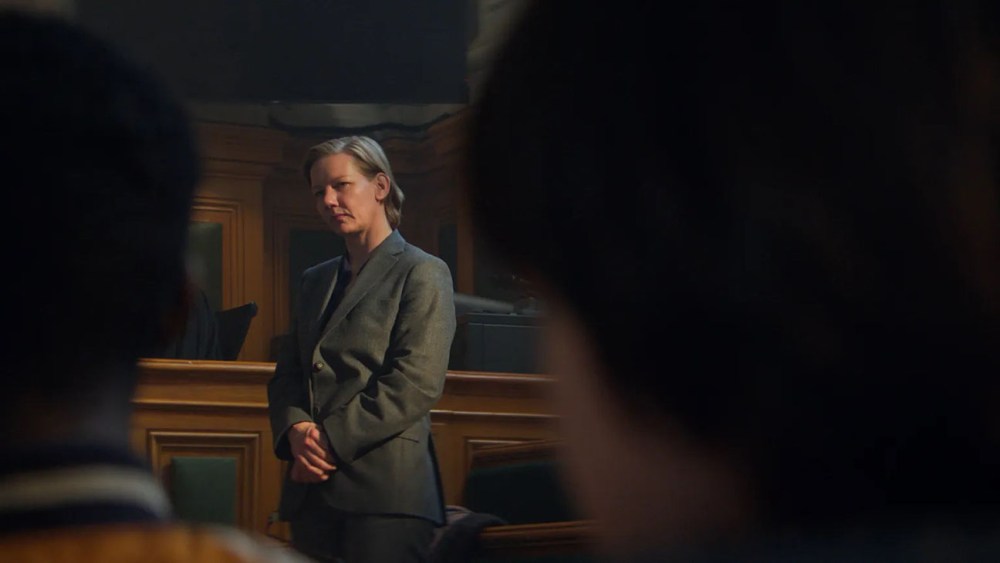
Samuel Theis, Gaëlle Macé Softie
Lukas Dhont, Angelo Tijssens Close
Emerald Fennell Saltburn
Demián Rugna When Evil Lurks
Justine Triet, Arthur Harari Anatomy of a Fall
There were some difficult cuts made in this category such as You Hurt My Feelings and The Holdovers. Theis and Macé’s work in Softie is greatly nuanced leading to two different types of explosive scenes that are quite memorable. Dhont’s structural apparatus in Close is impeccable. Fennell’s build in Saltburn seems incongruous but comes together beautifully. When Evil Lurks is one of the most finely rendered horror tales in years. The beauty of Anatomy of a Fall is not only frames implemented in construction, but the deep deconstruction of events and characters that occurs following its inciting incident. Its a film that realizes questions can be endless and answers are rarely if ever singular and for that it’s the honoree.
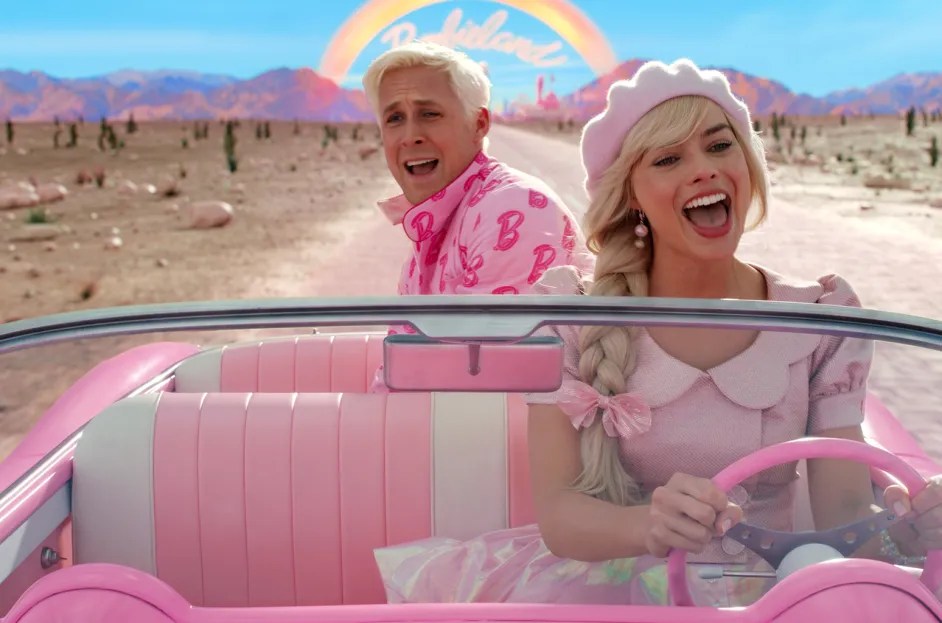
M. Night Shyamalan, Steve Desmond, Paul Tremblay Knock at the Cabin
Kirk Lynn, Meg Ryan, Steven Dietz What Happens Later
Christopher Nolan, Kai Bird, Martin Sherwin Oppenheimer
Eric Roth, Martin Scorsese, David Grann Killers of the Flower Moon
Greta Gerwig, Noah Baumbach Barbie
Adaptations are never hard to find on screen, but this year saw some more disparate sources and treatments. One honorable mention that nearly snuck in was Cocaine Bear, a perfectly insane rendition of a ridiculously true story. Knock at the Cabin is bestselling albeit divisive novel, Shyamalan’s adaptation does well to make some decisions without overplaying them leaving the core of the horror and drama unchanged. What Happens Later retains much of its stageplay magical realism and subsumed absurdity while definitively being an effective piece of filmwork. Adapting nonfiction to fictionalized cinema is no small feat, what Oppenheimer does impressively is to work through givens dramatically while slowly revealing the circumstances of the changes that face the public standing of protagonist’s public standing. Killers of the Flower Moon also takes nonfiction source material and gives it more personal scope but the story still has wide-reaching impact. While in the past I’ve disagreed with and altered what a certain screenplay was categorized as, original or adapted, I don’t agree Barbie was miscategorized or slighted as Judd Apatow does. Nor does it detract from what Greta Gerwig and Noah Baumbach did. They didn’t invent all the characters but they did reinvent many to perfection. Thus, they receive the award.
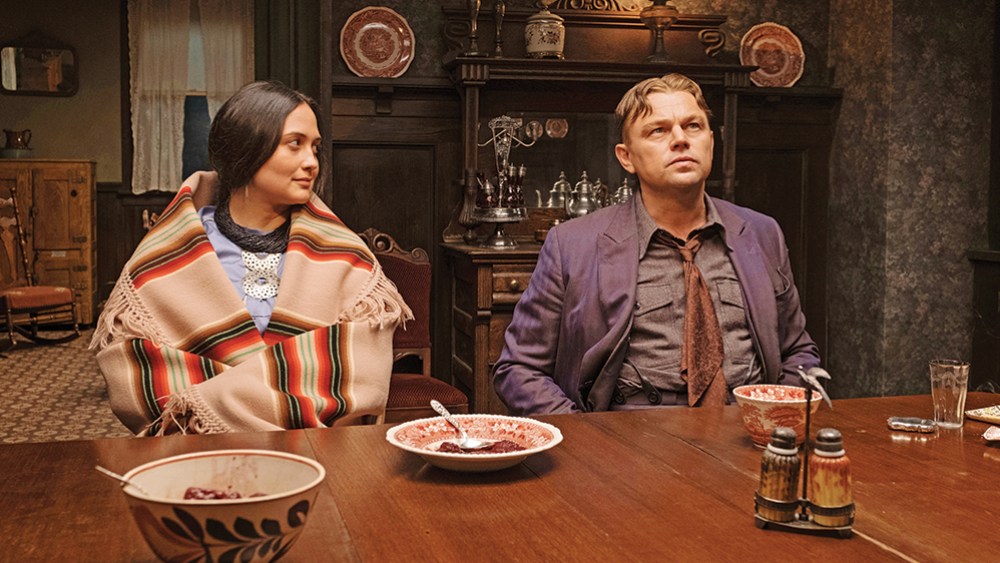
Ludwig Göransson Oppenheimer
Mark Mothersbaugh Cocaine Bear
Daniel Pemberton Spider-Man: Across the Spider-Verse
Robbie Robertson Killers of the Flower Moon
John Williams Indiana Jones and the Dial of Destiny
Mark Mothersbaugh, formerly of Devo, has been writing music scores for decades now. In many respects he’s a pioneer of going from popular music to film music. He was someone who was always close-but-no-cigar in terms of a nomination for me. This year a nomination was undeniable. Daniel Pemberton is proving to be quite an underrated musician. His multi-genre score for Spider-Man smoothly moves the films through locations and universes. The legend of John Williams is such that he can write a score at 91-years-old and absolutely is among the year’s best is ridiculously. Ludwig Göransson had the unenviable task of underscoring and amping the tension of a massively long film about the development of the nuclear bomb and the responsibility of using it. Robbie Robertson’s score in Killers of the Flower Moon blends both tribal rhythms and an older-vintage country music, while also achieving the same effect as Göransson’s work. You can listen to Robertson’s work.
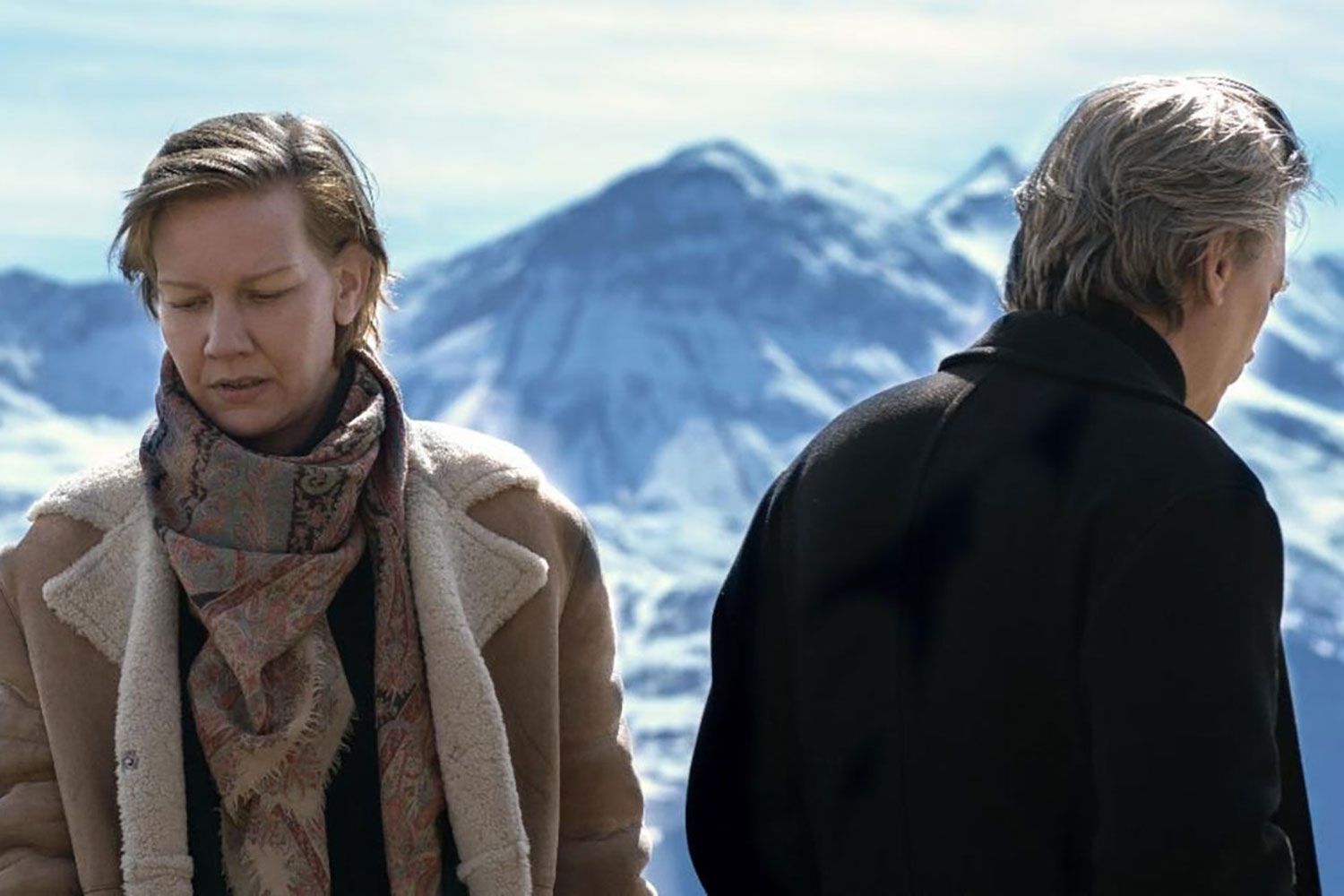
Kristoffer Borgli Dream Scenario
Alain Dessauvage Close
Jack Price It Lives Inside
Laurent Sénéchal Anatomy of a Fall
Thelma Schoonmaker Killers of the Flower Moon
Running time is one divide amongst the best editing nominees this year. It Lives Inside, Close, and Dream Scenario are all ~90-minute films that thrive on visual juxtaposition and in some cases story frames. Anatomy of a Fall is an hour longer than they are, and Killers of the Flower Moon is an hour longer than Anatomy of a Fall. All sculpt time—to borrow Tarkovsky’s phrase—brilliantly. The film that most successfully manipulates time, incorporates the best cuts, and most surprising structural elements is Laurent Senéchal’s work in Anatomy of Fall.
Erik Aadahl, Malte Bieler The Creator
Emma Bortignon Talk to Me
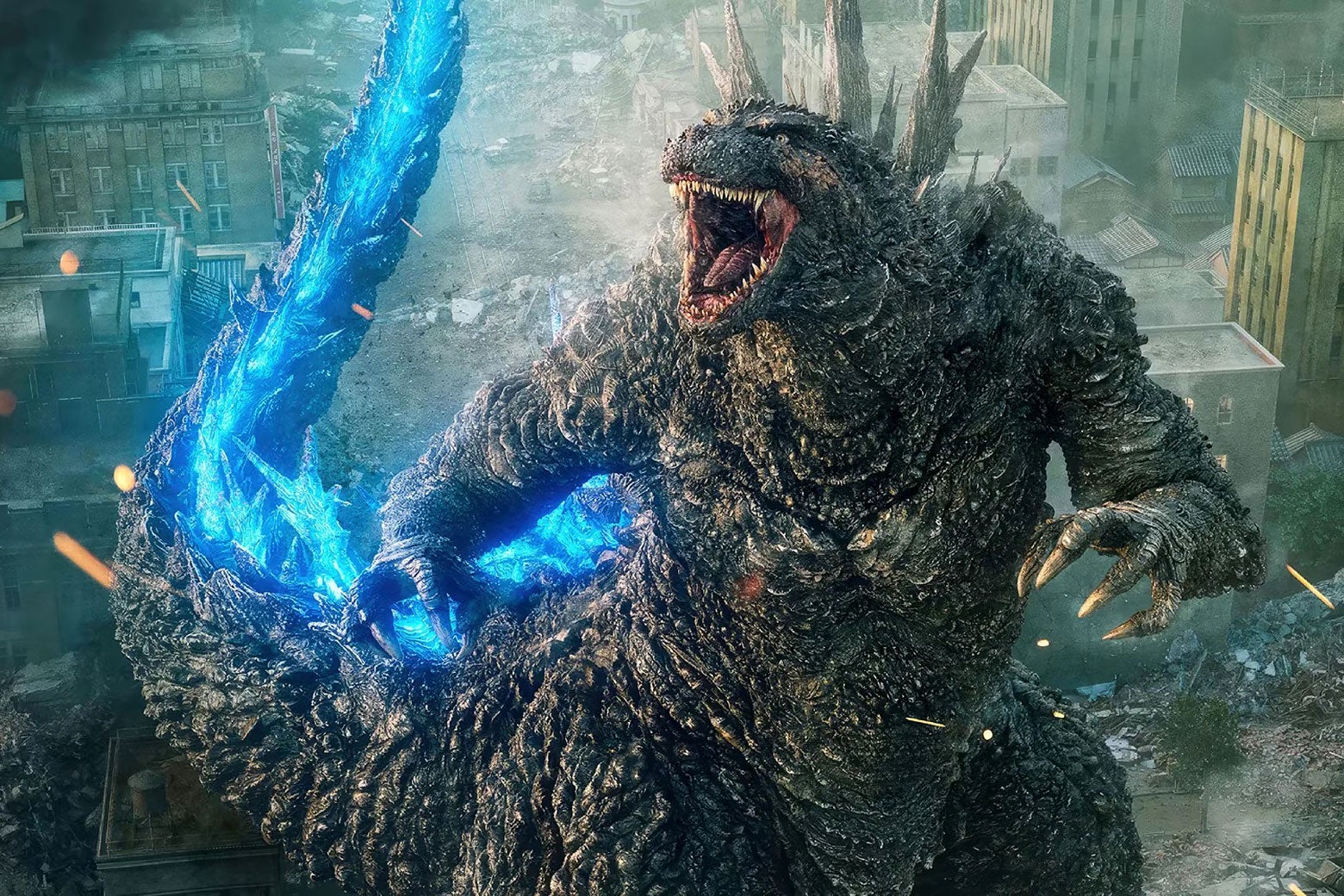
Natsuko Inoue, Yoshihito Yokoi Godzilla Minus One
Wei Hi, Nick Interlandi, Mark P. Stoeckinger, Roland N. Thai Silent Night
Richard King, Randy Torres Oppenheimer
The standard disclaimer applies to this one, I combine editing and mixing because I never have been nor never will be astute enough to award categories in these separate disciplines, therefore, I chose the films with the best artistic implementation of overall sound-work. The Oscars have recently combined this category as well but that’s an entertainment of the ceremony-based decision. I share two nominees with them for the record. In all these titles, levels, fades, cuts, layering, and the effect the sound had on the end product factored into the overall effectiveness of the film. Yes, it is also an aspect of filmmaking that will occasionally jump out to me mid-viewing and no film’s sound had most impact this year than Godzilla Minus One bringing the terror of war and a giant monster home.
Steve Annis Inside
Sharon Meir Silent Night
Hoyte van Hoytema Oppenheimer
Rodrigo Prieto Killers of the Flower Moon
Robert Richardson The Equalizer 3
Linus Sandgren Saltburn
It shouldn’t always be the acting categories that I give exemptions too. Plenty of films dare to be kinetic. Not many of them seek opulence and beauty in imagery any longer, these do even as a means of juxtaposition or discordant with the narrative.
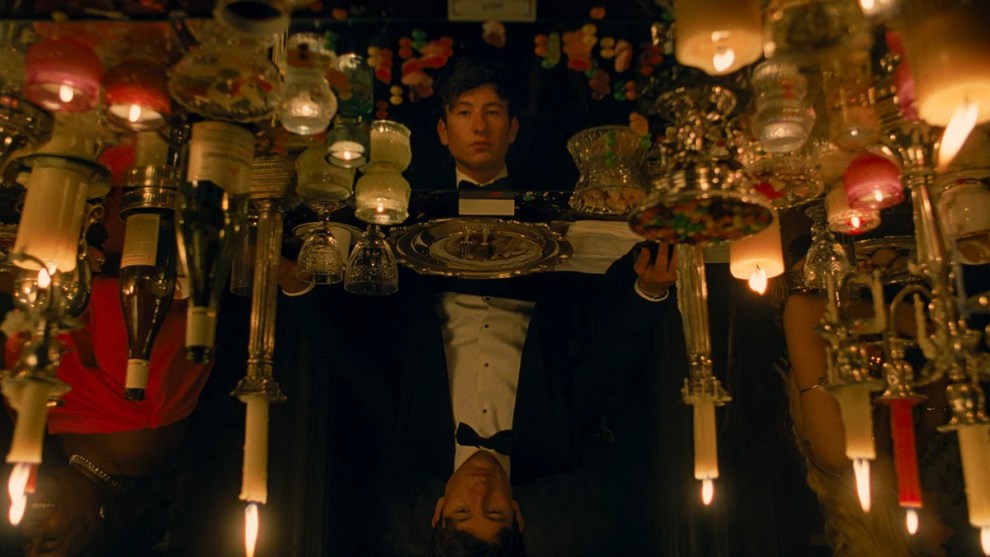
Even with the expanded category it was difficult to narrow down. Close was a standout film in this regard as well and almost snuck in but it was hard enough to make this six films. With Inside when you’re dealing with a film that’s almost exclusively one character all the time and their interiority, the visuals have to be captivating otherwise the question of “Why isn’t this a stage-play?” becomes too hard to avoid and answer with conviction. Inside not only does that through its visuals but with authority creating a daunting and oppressive milieu despite the vast space it plays in. Oppenheimer shoots in multiple aspects, black & white, and color, filming both vast vistas as well as tight meeting rooms. So far as The Equalizer 3 is concerned, shooting a small Italian hillside town can seem like a cheat but it takes a talented cinematographer to make the vistas seem like paintings and why I ask myself “Who shot this movie?” as it’s playing it’s a good sign, even more telling when it’s a familiar name like Robert Richardson. Another acclaimed cinematographer, Rodrigo Prieto lends his brilliance to Killers of the Flower Moon painting wondrous visual canvases with mostly earth-tones. Sharon Meir creates a over-the-top and sumptuous world that balances with a realer one. However, within a consistently 4:3 frame, Linus Sandgren composes opulent, perfect frames, exploding with color that belie the dirty little secrets throughout Saltburn.
Toby Britton, Gavin Fitch, Nic Pallace Wonka
Andrew Max Cahn, Dan Clegg, Clara Gomez del Moral Barbie
Andreas Olshausen, Chris Shriver, Régis Marduel, Et al. John Wick: Chapter 4
Nominees to be Determined. Godzilla Minus One
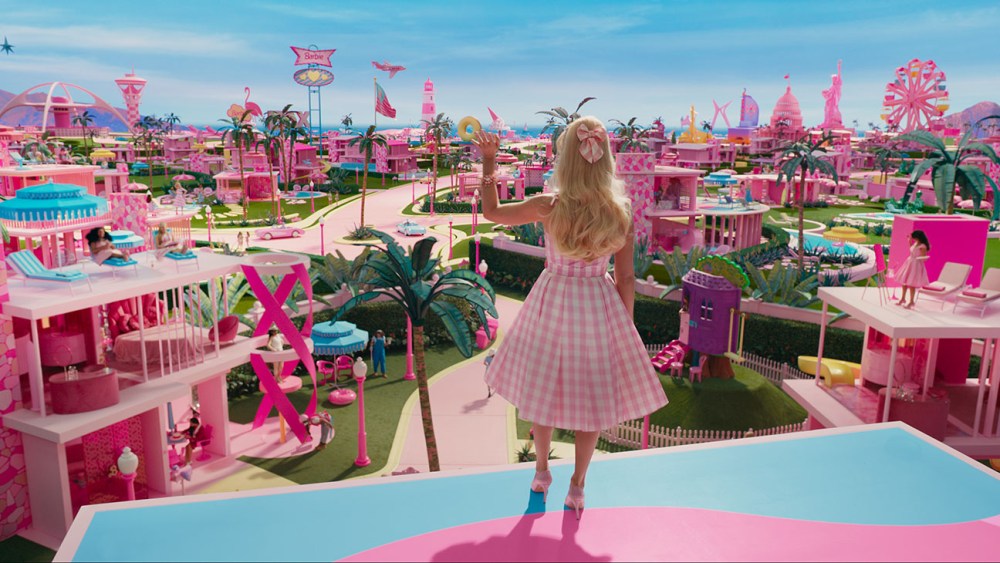
This one is always difficult because it’s like comparing kumquats and papayas—both unique, both vastly different, as these nominees and the considerations before them are from each other. In this category and the one that follows I always lean toward those that encompass multiple worlds, realities, milieus, and/or eras such that there are disparate signatures and styles visible throughout. While Barbie’s everyday world that she leaves behind is a hyperreality she leaves behind, weird Barbie’s house is an altered take on that, Ken’s Mojo Dojo Casa House is yet another, then there are imagined, spacious, and to an extent corporate offices, parts of which exist on an almost metaphysical plane, and some normal households. Add to that the practical, whimsical transitory landscapes and this film offers many different kinds of spaces that blend exceedingly well.
Jacqueline Durran Barbie
Lindy Hemming Wonka
Joanna Johnston Indiana Jones and the Dial of Destiny
Jeffrey Kurland Haunted Mansion
Jacquelin West Killers of the Flower Moon
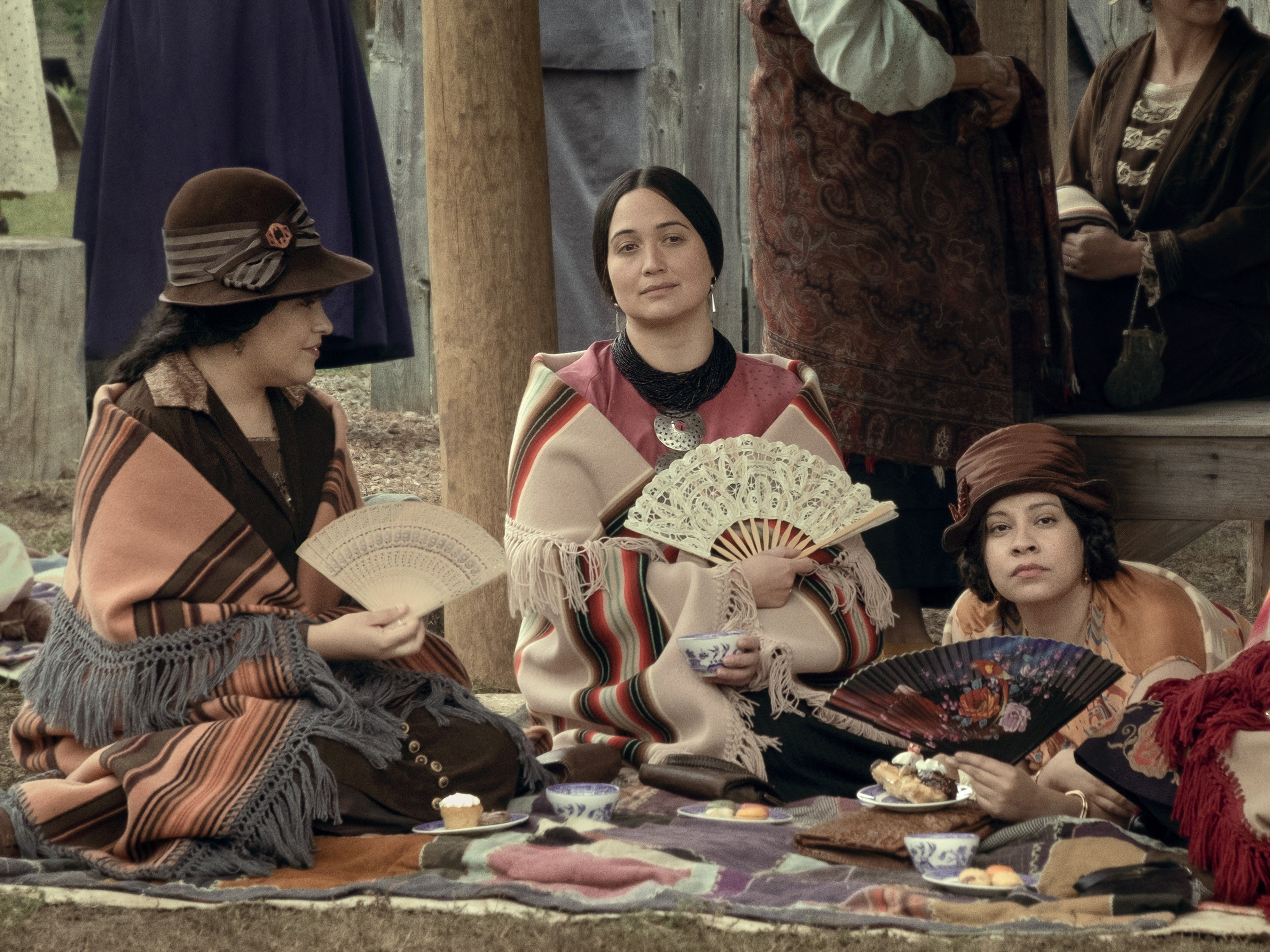
As above I erred on the side of selecting films that represented disparate realities in many ways of interpreting that word as opposed to ones that only found themselves in one period or milieu. However, the selections in this category are not a strict mathematical equation. It also takes into account the evocative nature of the vestments and how they aid to layer emotion to the story. In Barbie a fantastical reality is created as well as our world. In The Haunted Mansion a fanciful past and stylized ghosts are brought to life in our world. Wonka manages to create classes in a wholly other world. In Killers of the Flower Moon a bygone period is brought alive as well as disparate cultures and classes. Indiana Jones and the Dial of Destiny not only has Indy in his standard attire but also includes New York in the 1960s, World War II vintage military fatigues and other disparate periods not normally found in the same film. The final two films mentioned were the ones that jumped out at me most during my initial viewings. It was Killers of the Flower Moon whose costume design best complements the color palette and overall aesthetic while creating the world of the film.
Sally Alcott, Robb Crafer, David Darby, Carmel Jackson, Alex Lawton, John Nolan Wonka
Ozzy Alvarez, Malinalli Contreras Saw X
Rita Balla, Svetlana Gutic, Dominic Hailstone, Daniel Losco Infinity Pool
Colin Penman, Indiana Allemang, Tori Binns, Jenna Howel, Shaun Hunter, Steve Newburn Dream Scenario
Leonardo Signoretti, Aldo Signoretti, Arianna Palmucci, Federico Martellacci, Shaun Smith, Brian Wade, Schott Wheeler Ferrari
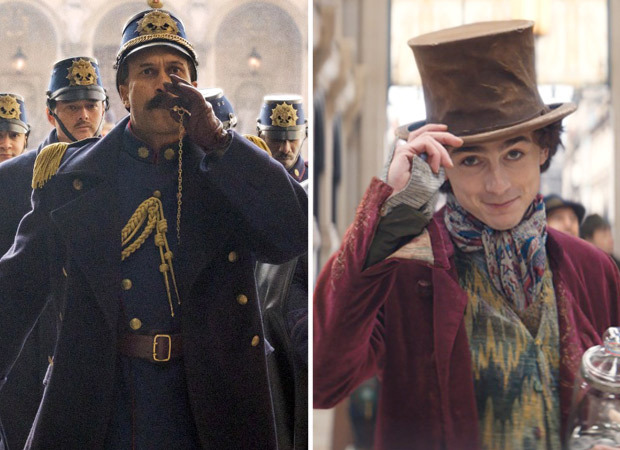
To match the academy’s shift in naming convention, I’ve added hair to the makeup category which does alter the computation of this category a bit. However, as the nominees bear out I am a bit partial to practical make-up, especially practical makeup effects. The horror slant to this category is not as heavy as its been in years past, but it is there in Infinity Pool and Saw X. Dream Scenario and Ferrari represent nominations based mostly on the impressive transformation of the lead actors, Nicolas Cage and Adam Driver respectively. Wonka lands in the nominations in all likelihood due to the fact that I decided to expand the category, while the Chief of Police (Keegan-Michael Key) does have a physical transformation throughout, in layers of latex, it’s the ancillary work to that on the lead ensemble that makes this nomination-worthy and not merely one impressive long-form trick. It takes the honor due to the more subtly stylized work that surrounds the centerpiece.
Cocaine Bear
Blue Beetle
Oppenheimer
Godzilla Minus One
Last Voyage of the Demeter
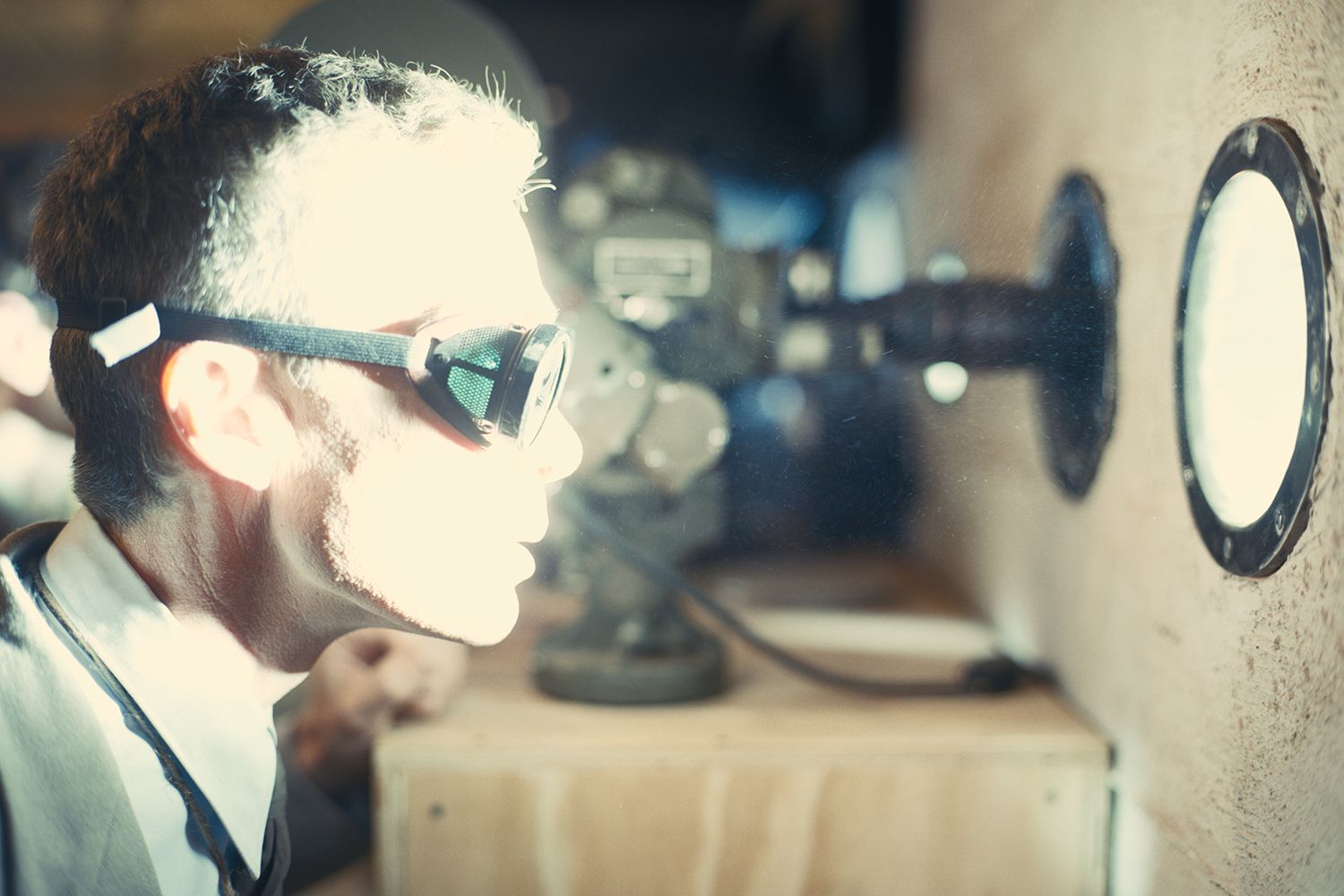
The nominees here distinguished themselves in disparate ways. For Cocaine Bear it was about creature work, and not just that but how prominent a bear is to the proceeding and how seamlessly it blends. Blue Beetle excels due to its insistence, as opposed to other superhero films, on practical effects wherever possible making the CG ones that much stronger. Godzilla Minus One features a creature that blends into its environment and was produced on a tight budget, meaning practicality was a necessity not a choice and it excels because of it. The Last Voyage of the Demeter is selected for combining CG and makeup work, and using lighting to achieve desired effects. Lastly, the fact that for some reason Oppenheimer wasn’t even shortlisted for an Academy Award in this category (meaning not deemed in the top 20) is mind-boggling to me as it was to many. I don’t want to go too far afield speculation why, but many films with more subtle, nearly invisible effects have nominated recently. Why a film with such restrained approach yet spectacular results is ignored is beyond me, but I chose it as well. And in my estimation it was he year’s best.
Teenage Mutant Ninja Turtles
Blue Beetle
World’s Best
Guardians of the Galaxy Vol. 3
Saltburn
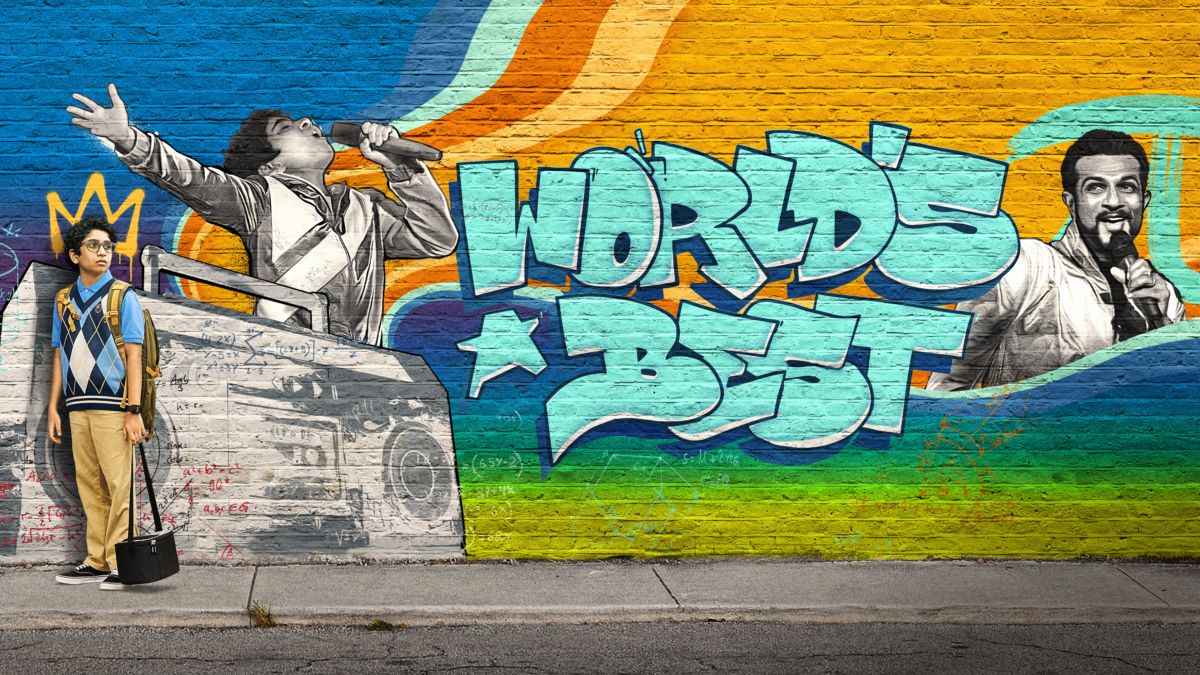
Yes, there is skill when it comes to assembling a score. But when that soundtrack includes both needle-drops and original works its takes the cake and that’s what World’s Best does with some great old-school hip hop standards and originals that are fresh and vibrant while also hearkening back to the genre’s roots. You can listen to the soundtrack here.

“World’s Best” Utkarsh Ambudkar & Manny Magnus World’s Best
“I’m Just Ken” Ryan Gosling Barbie
“Wahzhazhe (A Song for My People)” Killers of the Flower Moon
“A Hatful of Dreams” Timothée Chalamet & Cast Wonka
“Peaches” Jack Black Super Mario Brothers
In many ways the decision about what songs to nominate win this category was easier. I’ve nominated cover songs hence the brackets around original, meaning it’s not required but I chose not to select any this year. Stylistically they are all quite different from one another and I love them all for what they are, therefore, it all comes down to how functional and pivotal they are within their respective films. Keeping that in mind an original song that captures the emotional tenor of a film and people comes out head and shoulders above the rest. You can view the honored song here.



 The Movie Rat