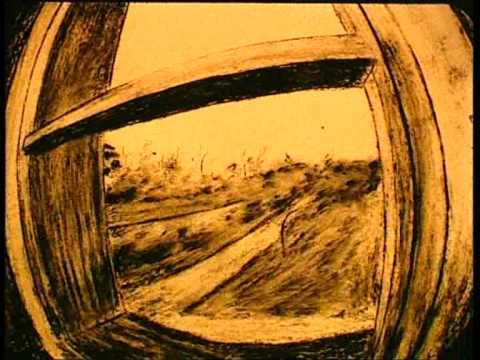
Short Film Saturday: Demoni

I am not the audiophile my brother is so my lamentations of the lack of creativity in the music video is usually unfounded and based on a very ignorant familiarity with solely mainstream offerings. It’s usually on the independent scene in both film and music where the mavericks can be found. When they merge you get great things like Theodore Ushev’s short/video Demoni which highlights the eponymous single by Bulgarian folk band Kottarashky & The Rain Dogs.

Catholicism and Alienation in Fellini’s 8 1/2

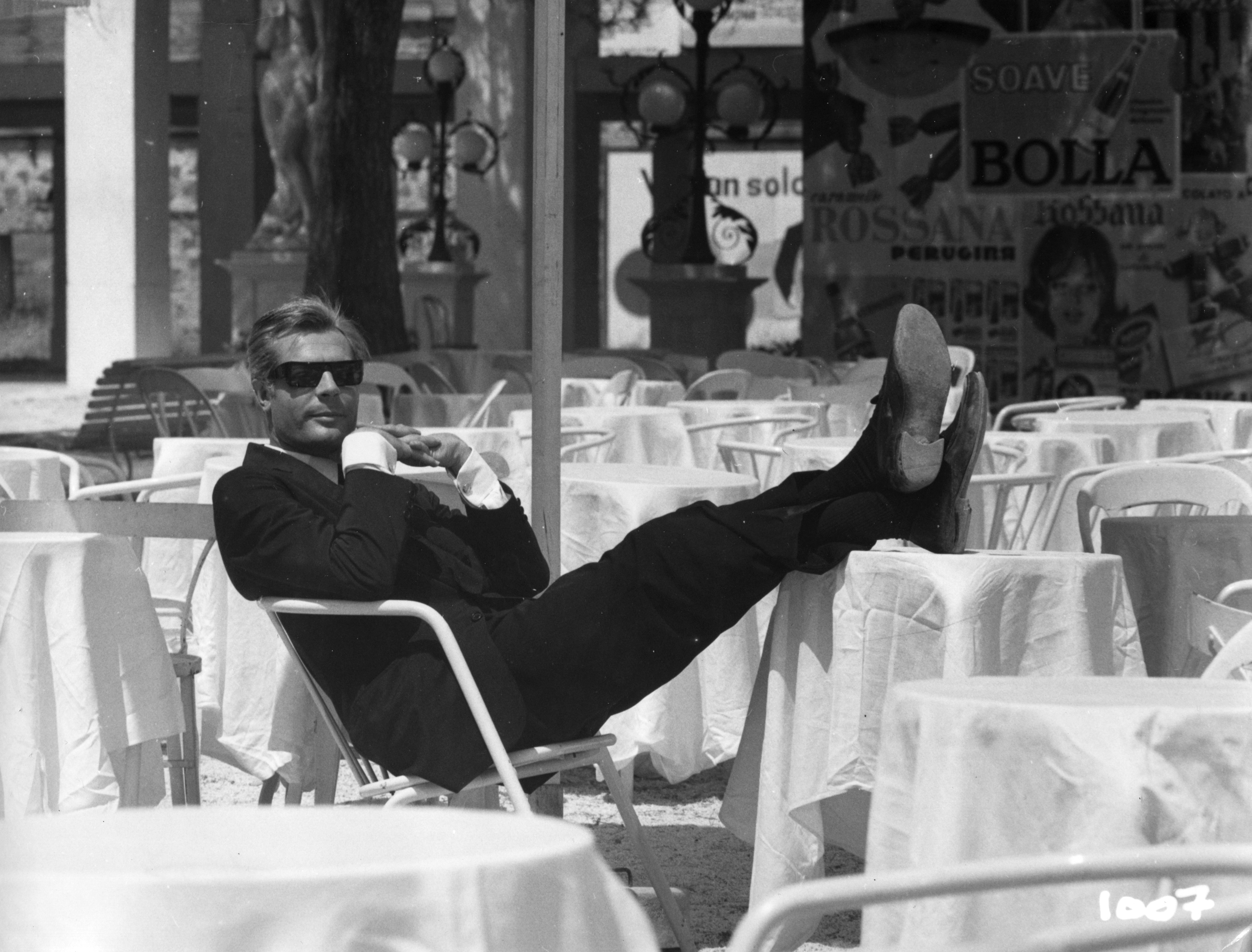
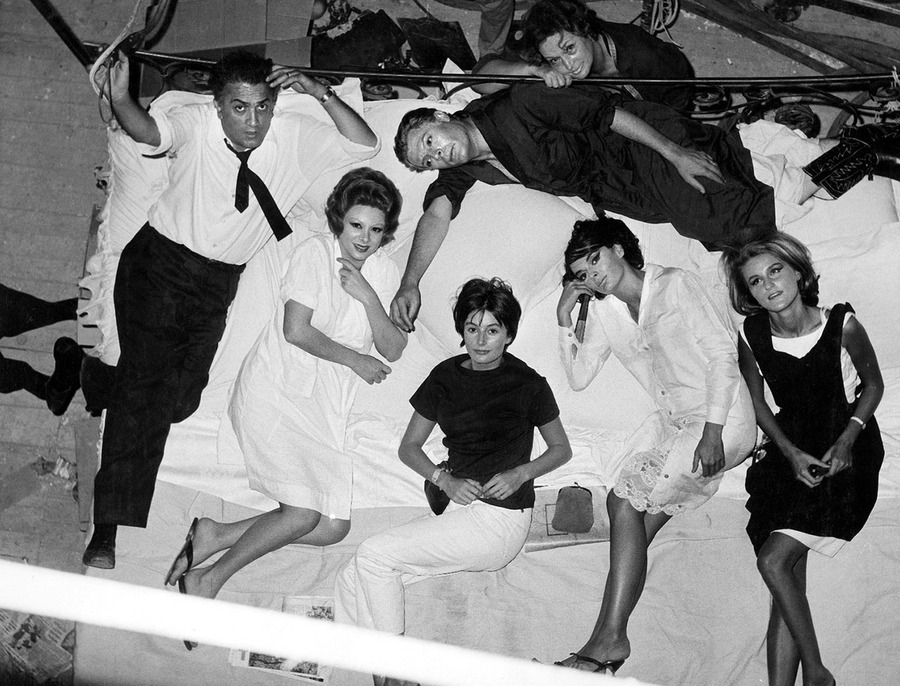
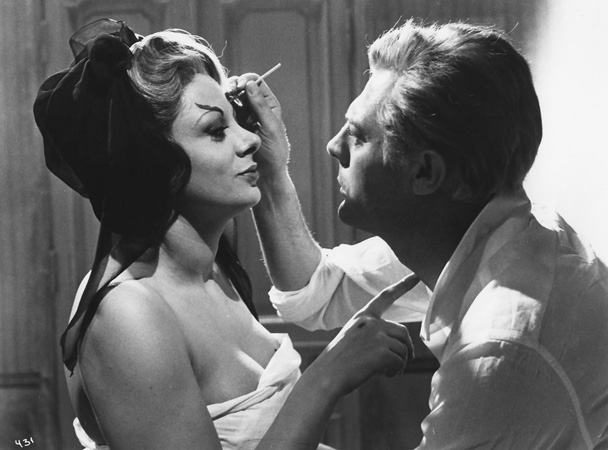
In 8 ½ Federico Fellini uses the Catholic Church as a means to depict Guido’s isolation from society and by the end of the film we see how the church has completely outcast him and also how he has completely abandoned the Church. For it always works both ways. As we go on a fantastical journey through his memories and daydreams we see that the church is always present as an ideal he cannot accept. It comes to be the symbol for all that Guido is rejecting in his half-hearted attempt to make a film. Yet it is the Church’s rigidness and hypocrisy that has driven Guido to this point as Fellini shows.

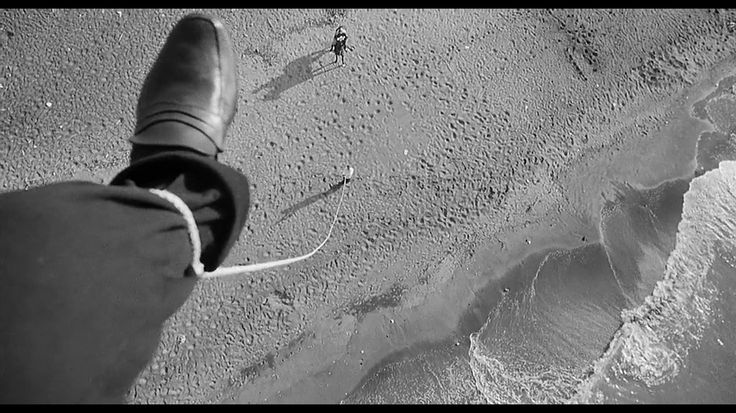
The film starts off with a very famous sequence where Guido is stuck in traffic. The very fact that he is stuck will reverberate through the film, his relationships with the women don’t change and he avoids telling people about the film he has no intentions of making. The car starts to overheat and it’s the first time Fellini uses smoke or steam to symbolize Guido’s clouded vision and confusion as life is going on about him – lovers caress each other and old people stare at him he is lifted from the car, he literally dies, exalting himself to the heavens. After he makes it through the clouds we see him float above a beach, a man is holding a rope that is tied to his foot then an evil looking rendition of St. Peter says “Down, definitely down.” Guido then falls and wakes from his dream. The dream speaks volumes, however, Guido feels damned and confused about his life and one of the doctors at the spa caps off this sequence emotionally by saying “What are you working on another movie without hope?”

The first introduction to the clergy we get in this film is in the spa. Guido is walking around aimlessly and we are introduced to I think one of the most interesting symbols this film has to offer and they are the nuns carrying umbrellas. Now one would think with the wimple that wouldn’t be necessary. I think Fellini is trying to just show that they’re human and they to fear what God can bring upon them, in this scene there’s also a smiling priest on a bench. My favorite is when Guido goes to meet with actresses on a set there are some clergymen who walk in the opposite direction highlighting the separation of film and religion which will come up later on.

8 1/2 (1963, Criterion)

In this film Guido examines his whole life and goes back to his childhood in one scene he meets with his parents in a mausoleum. From them, as would any child, he seeks answers and solace yet finds none. His parents feel they have not been honored as states the 4th commandment. Yet so mundane and disconnected are these apparitions that they cannot see Guido is in a crisis or that he needs help. They cannot communicate with him on any real level. His mother for the second time complains of the tears he made her shed and his father oddly remarks of how low the ceiling of his tomb is. An odd insistence of vanity from someone who is supposed to be in heaven, so estranged is Guido from his parents that they are but ghosts in this film, especially, his mother who we will see is strictly religious and Guido has found through his life that he cannot agree with the monoliths the Catholic Church has constructed.

At the dinner scenes we get questions posed to Guido by who I like to call the Annoying American Intellectual. These questions very closely mirror the cause of his isolation. He asks two questions of which religion are the focus the first being: “Is Italy a fundamentally Catholic country?” and a girl gives the immediate stock response “Yes,” then the man she’s with says “Shut up, and eat your ice cream,” it’s a funny and great illustration of the religious ambiguity that pulses throughout this film. Guido doesn’t answer and the question remains hanging in the air. He then later asks in his staggered Italian “Could you create something meaningful and important on demand, for example, on commission from the Pope?” The idea of creating on demand in the context of this story is ludicrous because Guido can’t even make a film about his own life much less one someone tells him to. His answer, however, is more telling “I’ll think about it,” He says and that’s what he does through the whole film is think about his life. While talking to the Cardinal he drifts off and thinks about were his rift with the Church began. But before that at the dinner the entertainer asked if they could read his mind and they saw but three words: Ana Nisi Masa.

We go back to Guido’s childhood; he is at an age where he still runs away from baths. The women of the house all chase him down and throw him into the vat of wine with the other children. Later, when the lights are out, and a girl, likely his cousin, gets up and tells him to be alert because “Tonight is the night when the eyes on the painting move. And where the eyes go that’s where the treasure is.” And they start their incantation ‘Asa Nisi Masa,’ this scene is important not only because of the way it reflects on ‘The Harem Scene’ but because of the only intangible thing Guido ever believes in, “if I say these words the picture will move its eyes and we’ll be rich” it seems to say. Maybe this set up lead to his disillusion with the Church but Fellini does most definitely illustrate a turning point there as well.

8 1/2 (1963, Criterion)

In the interview with the Cardinal Fellini lays out in black and white what Guido thinks about religion. Guido says he wanted to examine the traditional Catholic Italian upbringing because he felt it had created many ‘complexes’ in the people. The Cardinal states simply “I don’t believe that film is the right medium to explore such issues. You mix spiritual love and sex too easily.” The Cardinal never directly answers Guido’s concern about the Church and never asks him why he might feel that way. His interest is a mass one because he has achieved stature he is beyond the people. The only statement he makes close to addressing Guido’s film in this meeting, he will make one in the second, is that “Film has the power to educate and to corrupt.” Guido believes the same about the Church and it is reinforced when he sees a woman walking down the hill that looks just like Saraghina.

We again flashback this time Guido is a grade schooler and at recess all his friends yell out to him “Saraghina!” There is a moment of indecision outside the school a statue of the pope is framed in the foreground overshadowing Guido, he then runs towards his friends and Saraghina. Leaving the statue shows Guido turning on religion’s inflexibility and conservatism. When the boys arrive at the beach they give Saraghina their money and watch her Rumba. The party ends when the priests show up, everyone gets away but Guido. Here Fellini has his fun with the clergy speeding up the film while they chase Guido making it seem like an absurd version of the Keystone Kops. When he is punished Guido hears the same things he’s been hearing all his life and that’s why we hear them in duplicate and triplicate “How shameful,” “It’s a mortal sin” and so on. Then at confession he is further pushed by being asked “Didn’t you know Saraghina’s the devil?” which is all part of the wonderful psychology of Early-20th Century Catholicism telling kids the Devil himself walks among us. And that’s pretty much ends Guido’s connection to the Catholic Church. So much so that he went back to see Saraghina right away he saw nothing Satanic there only beauty. The logic works: The Church put a dunce cap on me and a “Shame” sign on my back; the prostitute danced for me, it’s obvious.

We then find Guido talking to his producer and the producer says: “If you want to make a film about the Catholic conscience in Italy you have to do it on a higher intellectual and philosophical level…these are just detached memories.” This statement not only puts down Guido as an artist but says that his struggle within the Church and against the Church to find an identity doesn’t matter and that the public would only be able to accept the film if it were more of an allegory and less personal. It’s a blow saying his search for meaning through film and relationships has not mattered.

8 1/2 (1963, Criterion)

Guido is called out of his sauna for another discussion with the Cardinal. On the way out Guido faces a parade of people who want help with one thing or another that they want to ask the Cardinal. Again, irony creeps in as everyone thinks Guido can help them but he doesn’t know what he’s doing. When he arrives the Cardinal has a towel hung in front of him putting him in silhouette and creating a bizarre confessional. He then gives Guido some advice which is in essence condemning him saying “There is no salvation outside the Church. Outside the church there is no salvation. Everything outside the City of God belongs to the City of the Devil.” Guido who has abandoned the Church has now been convicted.

“He can’t communicate,” says one of the women on the way up to the space tower. And therein lies his sentence. Guido has removed himself from the Church and in essence has been excommunicated. They are visiting a structure to something that will never be reached, the space tower, a cinematic Tower of Babel. Guido’s alienation at this point is so extreme it’s obvious he’ll find some way to get out of making this movie.

This film ends in a circus-like parade which upon first seeing it seemed very facile. Looking at it from this point-of-view, however, I think it works. This is not an evil 16th-Century Excommunication I’m talking about but one that happens every being that the person doesn’t care to go back and the Church isn’t crying. In this light the ending is rather happy Guido having quit the film has stripped himself of the falsehoods in his life and is just going with the flow as is shown by the parade.

Liv Ullmann Between Stage and Screen

This piece is a throwback. It was published it previously, but owing to the fact that the observations of the engagement are always relevant and fit into Thankful for World Cinema theme. Although the event was one night only the information and resources are still valid.

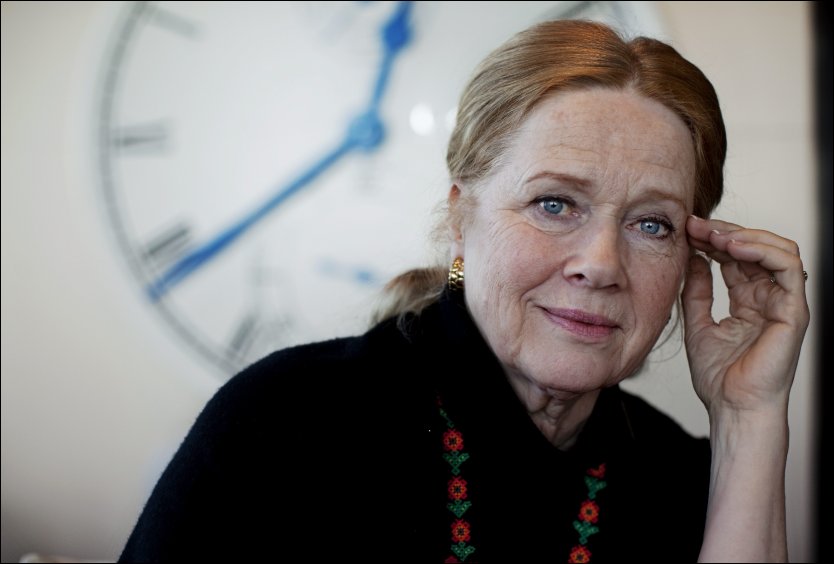
On December 7th, 2009 the Brooklyn Academy of Music had a very special speaking engagement at their Harvey Theater location. Liv Ullmann, star of many of Ingmar Bergman‘s most enduring and legendary works was the guest of honor of this very special speaking engagement. The event was held on the very stage where Ullmann directed a sold-out and for the most part critically acclaimed revival of A Streetcar Named Desire starring Cate Blanchett.

A majority of the evening was focused on this new adaptation there were some very valuable general insights to be gleaned on art, film, theatre and acting that were not show-specific.

She was introduced by a representative of the Royal Norwegian Consulate General who said, to paraphrase, that she has “striking emotional range and Norwegian identity with an international appeal that transcends borders.” This was quite an astute and concise encapsulation of her brilliance and of her appeal.

Autumn Sonata

Ullmann’s brilliance and appeal made themselves ever more apparent both as a person and as an artist when she graced the stage. She did have a great deal to say about acting and directing in the 90 minutes total in which she was on stage.

The first fascinating comment she made was how she wanted, in her US theatrical debut as a director, to put a new spin on Blanche DuBois because in Elia Kazan’s classic film the incarnation of Blanche played by Vivien Leigh is a shattered woman at the end of the film and how there is a deeper psychology to the character and a more profound and ambiguous ending to be explored.

Liv discussed Cate Blanchett and on a few occasions expressed admiration of her skill and then talked a little bit about her directing approach specifically and said two things that were quite interesting one was “I would never tell Cate what her face should look like that’s her creation” and similarly she’d never say “That keep that, that’s perfect!” whether it be an inflection on a line or a look. It’s gone and the only way to have it possibly come back it to just not mention it and let it go as she puts it “It will come back when great actors open up and trust each other.”

Persona (1966)

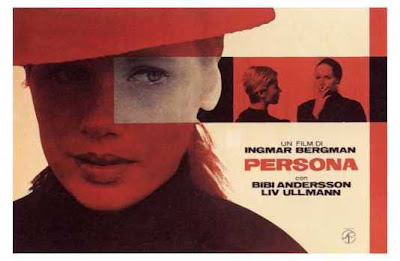
Moderator James Lopate made a great connection between some of the scenes that Stella and Blanche share and Bergman in which the two woman scene was often the most powerful. Liv talked about the connection that women could share and how she and Bibi Andersson were best friends before Persona and that connection could certainly help their scene-work.

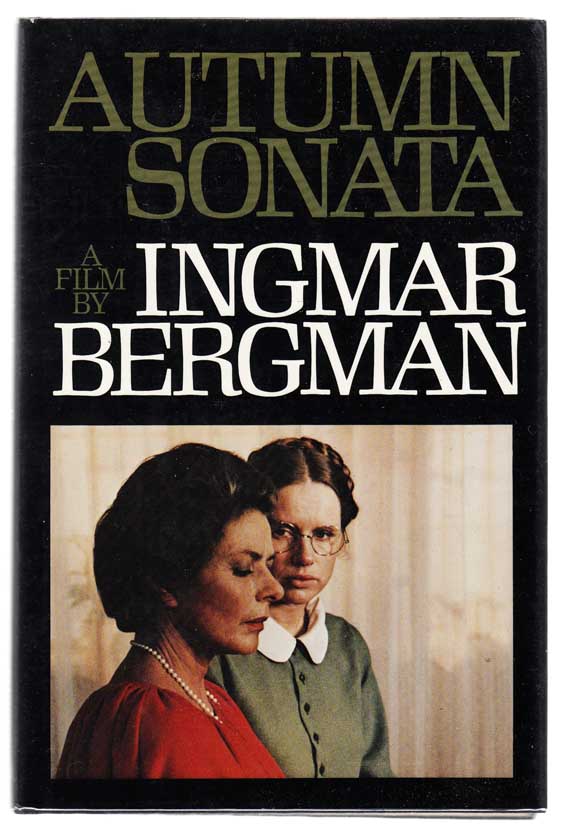
When it came to working with Bergman she told a well-documented but funny story about working with Ingmar Bergman and Ingrid Bergman on the set of Autumn Sonata. It was one of the climactic arguments in the film and the camera had been facing Liv all day and her character had been spilling her guts blaming her mother for her problems, on which Liv humorously commented saying “Get over it, you know?” but then the camera was going to turn around and face Ingrid and she didn’t want to say what was scripted, which is not how Ingmar worked. It lead to quite a ruckus, Ingmar and Ingrid took the argument outside the soundstage and came back and Ingrid read the scripted line but her eyes still showed the fury she felt. Having seen this film a few times you can see the anger in her eyes and it probably helped the line reading.

She commented that there is often tension or anger between actors and directors but she doesn’t necessarily look at it as a bad thing. In fact, Bergman himself gave Liv advice on dealing with a bad director which she relayed so it’s obvious she didn’t see him as bad just as a perfectionist, which most knew.

Cries and Whispers (1972)

Ms. Ullmann then got back to being asked about the show and had some other great insights into directing due to her perspective being an actress. Contrary to a lot of theatre works where there is a premium on movement and using the stage she at times of great significance to the story prefers to, if not keep her actors still, confine their movement. “Let them create. Keep them in one place,” she continues “Keep her in one place so everyone can see what’s happening right there in her face.” This is perfectly consistent with her previous comment of not directing facial expression.

Similarly, she told Blanchett and the aspiring actors at the event that when on stage and a line prompts one player to turn upstage in response she advises her actors to not turn too quickly but instead “Give your close-up to the audience for two to three seconds then turn.” The close-up is hereby turned into a theatrical term where an actor is facing the audience instead of their scene partner and it is a brilliant parallel which I hadn’t heard before and it most certainly holds true it is the closest thing the theatre offers because the actor is revealing their character in a way only the audience is witness to.

She is a natural performer who on the stage of the show she is directing on more than one occasion walked around and demonstrated things of which she spoke. The last great tidbit about directing she gave was about storytelling and not in the narrative sense. She told of how certain bits of blocking the show, or prop decisions were made almost unconsciously after a story was told or a conversation was had. She mentioned that José Quintero, one of her favorite directors to work with, was very fond of telling stories as a rule and inevitably that is how he affected the work and it sort of inspired how she goes about giving backstory to actors, especially when it is meant as a note. She never fills in the blanks but merely says, as she did to Blanchett, “Something happened yesterday.” This allows them to have a thought process, to create something of their own but will also inform their action with the correct emotion because at the point this note is given the scene is already understood.

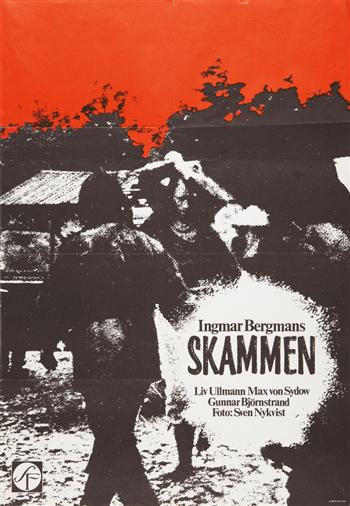
Shame (1968)

Miss Ullmann’s wisdom seems endless. Available at BAM was a book of her interviews. She has however authored her own books on acting and life called Choices and Changing respectively and two more suitable titles can hardly be thought of for such a craft for they are the essence of it.

When discussing the character of Blanche DuBois Ms. Ullmann made the point that “Loneliness doesn’t function for Blanche,” meaning she can’t deal with it. “For me loneliness functions.” I think that is likely true of most artists for to create, and to make a true creation a certain degree of loneliness needs to exist. As her new vision of A Streetcar Named Desire closed on December 20th (2009) one can only hope and wonder what she turns her creative energies to next whether back to stage or screen, in front of camera or behind it, either way it should prove to be very exciting.

Mini-Review: The Giants

Introduction

This is a post that is a repurposing of an old-school Mini-Review Round-Up post. As stated here I am essentially done with running multi-film review posts. Each film deserves its own review. Therefore I will repost, and at times add to, old reviews periodically. Enjoy!

The Giants

If there’s a trope, or worse yet a cliché, you can name in a coming-of-age film it’s very likely that The Giants sets you up to expect it and then subverts it. That is not to say you should approach this film with a checklist, but there are many times wherein either salvation or damnation threatens these characters, but what you see instead is maturation and survival. Brothers, Zak and Seth, along with their friend Danny are isolated both by circumstance and by choice. The adult world is an invasive burden on their existence but one they are ultimately forced to cope with by themselves.

The film has opportunities to embrace conventions either of dystopian coming-of-age stories, like Kids, or more utopian ones where despite all the travails the characters go through there’s a classical Hollywood ending. This film takes the road less traveled as often as possible when faced with a plot point that can be seen as fairly common and that choices pays off over and over again.

With parents that are perpetually absent without true explanation, it’s a tale essentially of individuation rather than any of the other pitfalls of growing up. There’s definitely no love interest in the tale, and, without station too much, if there is even any true commentary on sexuality is left ambiguous.

The restraint and certainty that the film has in the handling of its plot, edit and musical selections is matched by the young cast. This especially applies to Zacherie Chasseriaud shows the poise and control of a veteran from first scene when he deals with his mother’s absence and nearly cries, but doesn’t, through to the end.

Bouli Lanners does not seem to be going for either extreme of the emotional spectrum with this tale, but rather and accurate portrayal of kids in circumstances out of the ordinary forced to grow up. They are neither idealized through nostalgia or auteristic proclivity nor are they “gritty” just for the sake of it. Elements that could be used for shock value in less-skilled hands here are what they are, meaning part of their existence and are there without commentary. The Giants is a highly effective, well-crafted tale deserving of a larger audience.

10/10

Limbo: When Casting Clouds a Point

One of the films featured at Philly QFest (when I went) was called Limbo. The tale of a 5th Grade homosexual boy who falls into a delusional world after suffering an accident. Having missed this film upon its initial screening it became a DVD must. However, this film in the end suffers from more than just aesthetic/technical issues.

Those issues are rather abundant: The dialogue is rather repetitive – repeating that “it is limbo” and “everyone has their own” several times seeming to want to make up running time because they didn’t have enough, the video cinematography is uninspired to say the least, the sound is not good – in fact it’s quite bad, the revelation of the significance of the blind man is no surprise. In the end a bulk of the movie is (to not give it away too greatly) like an entire season of Dallas, at some point the lawyer, who is in Limbo with him, takes over and becomes the center of the film and the development of Isao and his driving the story stops completely, the cuts out of the limbo state to his friend’s reaction and the “real world” is jarring more than anything else and only seems to interrupt things.

As if those things weren’t bad enough it is also becomes confusing as a selection for a gay film festival in a couple of ways. The first way in which it manages this is through an exchange between Isao and the nurse towards the end, made even more awkward because she is a Virgin Mother figure, in which she says vaguely “You should give girls a chance.” The film’s message in the end is not one of conversion but at this moment that is dubious and the fact that this film depicts a Mary figure seemingly encouraging a gay boy to be straight is actually the most disturbing rendition onscreen, and that includes Sinead O’Connor’s turn in The Butcher Boy because that was Francie Brady’s vision and he was off-kilter to say the least.

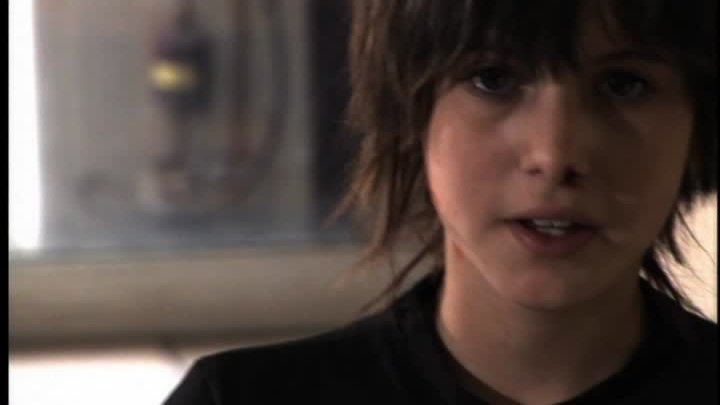
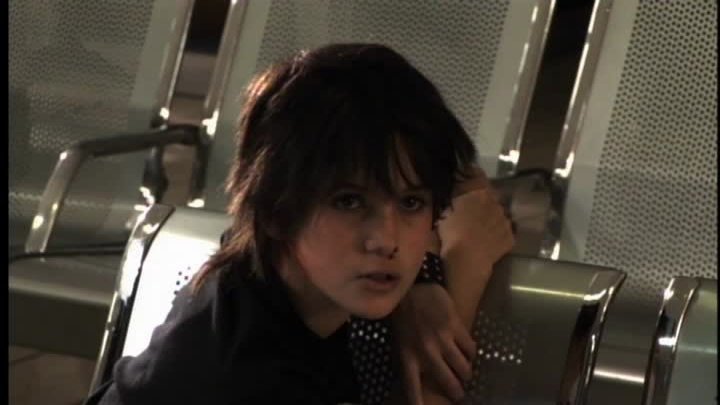
Limbo (2008, Gussi Artecinema)

The intent of this line is softened, but only slightly, a few minutes later. Isao is alive and well with his friend, who tried to kiss him earlier, and tells her “I don’t want to be your boyfriend, but I like you,” and then they kiss. This would be fine if it hadn’t gotten into slow motion, and gone on for so long. There’s no reason for it and it becomes disturbing after a while.

The gaffes committed by the film don’t end there. In the end credits you’ll notice that Isao was played by Fatima Diaz. This fact is not cited on the festival page or on the Amazon listing and not even on the DVD blurb. This is a casting ruse that is completely and utterly unnecessary. The character was not written or played such that a young male actor could not have pulled it off, this is not like Felicity Huffman in Transamerica where the unconventional casting choice worked to a great advantage of the film. It wasn’t made a necessity or even preferable. In the end this little bit of simulacrum not only creates a lesbian kiss where there was supposed to be a friendly one but also makes the homophobia that Isao faced seem almost justified because there isn’t even a boy playing this role. Making it seem like it’s unacceptable for a male actor to play this part. Mind you I don’t blame Diaz in any way, though not spectacular she was only noticeably a girl when she screamed, which at time I thought was an odd ADR choice not a casting one; a casting choice more appropriate for The Crying Game than this story.

Now perhaps director Horacio Rivera was trying to make a statement both in casting and in the lesbian kiss, but what he failed to take into consideration was that that message needs to be trumpeted and said message, if intended, is more likely to backfire when the whole film just fails to work. The bottom line is that it’s a choice too open to the audience’s interpretation and undercuts the message of the film entirely.

Mini-Review: La Sirga

Introduction

This is a post that is a repurposing of an old-school Mini-Review Round-Up post. As stated here I am essentially done with running multi-film review posts. Each film deserves its own review. Therefore I will repost, and at times add to, old reviews periodically. Enjoy!

La Sirga

This is a film where much happens beneath the surface. It’s a narrative wherein we also have few, if any, assurances of what occurred prior to the film beginning and what occurs after it is completed. In fact, what can be considered the climactic moment of the film isn’t visible, but rather takes place behind a closed door. There isn’t too much said, but what is said bears thinking about and reading between the lines; as nothing jumps out and screams “Hey, this is important!”

That’s not to say the film isn’t engaging, or that conflict is absent. It’s just that it’s not as engaging as it might be and the conflict is highly internalized. The cinematography of the film is quite spectacular especially in terms of framing. It features some of the most exacting frames I’ve seen since Found Memories. It’s definitely a film worth viewing and considering.

7/10

Review: The Snowtown Murders

The Snowtown Murders

Note: Potential spoiler below. The ending is discussed but not in detail.

Next to nothing in this film works, that’s just the sad fact. I will discuss them with as much brevity as humanly possible and brevity would’ve helped this film. Typically when I’m discussing pace it refers to certain scenes and shots being truncated and rendered more quickly to allow the totality of the film to flow better in this film the first issue you have is that there are scenes of little to no narrative necessity or consequence that not only are allowed to occur but at times repeat themselves (see the bull sessions about stomping out pedophiles).

Characters are very poorly introduced and the population of the tale is too large. Some of the struggles of this film can be attributed to attempting to remain true to the real-life story upon which its based but not excused. A huge cadre combined with indirectly acquired information and at times implied incidents is not an easy road map to success. The protagonist in the tale is a bit too passive such that it would’ve almost been better told from a different perspective especially since it became clear who the perpetrator would be though the film took a while to formally announce it. The score designed to be grating ends up being just annoying. The film also seems to show where it ought not and have restraint where it ought not. This tact adds importance to the MacGuffin and exacerbates the delusional vigilante angle that’s really just a cover for psychosis. Granted that’s important to convey but once demonstrated that needn’t be reinforced.

The film despite all its massive flaws still keeps on a decent trajectory in terms of narrative build but then meanders irrevocably when it should be building towards some sort of concrete conclusion but instead decides it’s shown us enough horrors such that enough is enough, and rather than finding an artistic way to convey the deserved downfall of these people they’ll just give us the information in cards. This is information I could’ve acquired in a web search but I’d have preferred to have seen it now that my time’s already been wasted. Finish the job! Give me the epilogue visually. It’s not quite the slap in the face that the end of The Devil Inside is but considering the start this one had the totality may have been worse.

Furthermore, as if that wasn’t bad enough, I really needed convincing in this film and I didn’t get anything to sway me. I thought of This is England while watching this film which has perhaps an even more vile ‘charismatic antagonist’ but both in writing and performance is far more believable as someone who would be followed perhaps even against one’s will. It seems that things occur and are shown here just because they actually happened and no thought was given to narrative propriety and almost seems deliberately sensationalistic at times and never interesting.

2/10

2014 BAM Award Considerations – October

I decided that with the plethora of BAM Awards-related post towards the end of 2013 and the start of this year it was best to wait to the end of this month before officially recommencing the process.

I will post these lists towards the end of the month to allow for minimal updates. By creating a new post monthly, and creating massive combo files offline, it should make the process easier for me and more user-friendly for you, the esteemed reader. Enjoy.

Eligible Titles

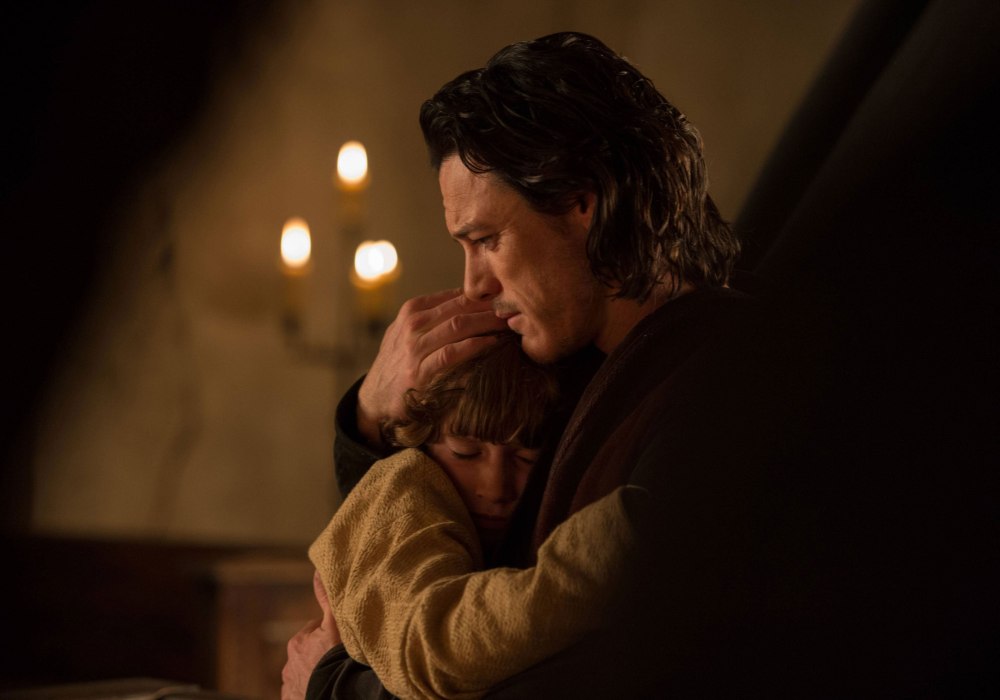
Dracula Untold
Hellaware
Summer of Blood
Mercy
Alexander and the Terrible, No Good, Very Bad Day
Annabelle
Ouija
St. Vincent
The Day the Series Stopped
In the Heart
Abuse of Weakness
Moebius
1,000 Times Good Night
Fury
For a Woman
Cannibal
Finn
The Judge
Gone Girl

Best Picture

St. Vincent
Fury
Finn
The Judge
Gone Girl

Best Foreign Film

1,000 Times Good Night
Finn

Best Documentary

The Day the Series Stopped

Most Overlooked Film

As intimated in my Most Underrated announcement this year, I’ve decided to make a change here. Rather than get caught up in me vs. the world nonsense and what a film’s rating is on an aggregate site, the IMDb or anywhere else, I want to champion smaller, lesser-known films. In 2011 with the selection of Toast this move was really in the offing. The nominees from this past year echo that fact. So here, regardless of how well-received something is by those who’ve seen it, I’ll be championing indies and foreign films, and the occasional financial flop from a bigger entity.

Dracula Untold
Alexander and the Terrible, No Good, Very Bad Day
1,000 Times Good Night
Finn

Best Director
St. Vincent
Fury
Finn
The Judge
Gone Girl

Best Actress

Kim van Kooten In the Heart
Isabelle Huppert Abuse of Weakness
Juliette Binoche 1,000 Times Good Night
Mélanie Thierry For a Woman
Olimpia Melinte Cannibal
Rosamund Pike Gone Girl

Best Actor

Luke Evans Dracula Untold
Bill Murray St. Vincent
Koen de Graeve In the Heart
Jae-hyun Jo Moebius
Nikolaj Coster-Waldau 1,000 Times Good Night
Robert Downey, Jr. The Judge
Ben Affleck Gone Girl

Best Supporting Actress

Melissa McCarthy St. Vincent
Eun-woo Lee Moebius
Vera Farmiga The Judge

Best Supporting Actor

Youg-ju Seo Moebius
Logan Lerman Fury
Jan Decleir Finn
Robert Duvall The Judge

Best Performance by a Young Actress in a Leading Role

Lauren Canny 1,000 Times Good Night

Best Performance by a Young Actor in a Leading Role

Chandler Riggs Mercy
Ed Oxenbould Alexander and the Terrible, No Good, Very Bad Day
Jaeden Lieberher St. Vincent
Mels van der Hoeven Finn

Best Performance by a Young Actress in a Supporting Role

Emma Tremblay The Judge
Adrianna Cramer Curtis 1,000 Times Good Night
Kerris Dorsey Alexander and the Terrible, No Good, Very Bad Day

Best Performance by a Young Actor in a Supporting Role

Dario Barosso St. Vincent
Art Parkinson Dracula Untold
Joel Courtney Mercy

Best Cast

St. Vincent
Moebius
1,000 Times Good Night
Fury
Finn
The Judge
Gone Girl
Dracula Untold
Alexander and the Terrible, No Good, Very Bad Day

Best Youth Ensemble

1,000 Times Good Night
Finn
Mercy
Alexander and the Terrible, No Good, Very Bad Day

Best Original Screenplay

St. Vincent
Moebius
1,000 Times Good Night
Fury
Finn
The Judge

Best Adapted Screenplay

Gone Girl
Dracula Untold
Alexander and the Terrible, No Good, Very Bad Day

Best Score

Fury
Finn
Gone Girl
Dracula Untold

Best Editing

St. Vincent
Moebius
Fury
Finn
The Judge

Best Sound Editing/Mixing

Fury
Finn
The Judge
Gone Girl
Dracula Untold

Best Cinematography

St. Vincent
Moebius
1,000 Times Good Night
Fury
Finn
The Judge
Gone Girl

Best Art Direction

St. Vincent
Moebius
Cannibal
Finn
Gone Girl

Best Costume Design

St. Vincent
Moebius
Fury
Cannibal
Finn
Dracula Untold

Best Makeup

St. Vincent
In the Heart
Moebius
1,000 Times Good Night
Fury
The Judge
Gone Girl

Best Visual Effects

Dracula Untold

Best (Original) Song

St. Vincent
In the Heart
1,000 Times Good Night
Finn
The Judge