Short Film Saturday: Samesies

Any film, feature or short, can be boiled down to a ‘what if’ question. This one humorously explores the notion of pinpointing the exact moment in time wherein the seeds of homophobia were first planted.

Viewer discretion is advised as it does contain adult language.

The Magic Flute: My History with Opera on Film

My History With Opera

I cannot claim that I have a foundation in opera. Nor can I claim, as I can with ballet, that I have a very active appreciation of it.

What my history with this artform is, in all likelihood, not unlike that of most people. Pieces that were featured in Looney Tunes shorts either in part, or as the basis for entire stories I know well. In fact, two of my more memorable Looney Tunes viewing experiences were shorts of this type, Rabbit of Seville being one of the funnier ones, and Long-Haired Hair being one that as a kid made me a bit uncomfortable because I did start to feel bad for the pompous Mr. Jones (I got over that eventually).

My first true introduction to opera appropriately enough was through a film. In French class we watched Franceso Rosi’s Carmen (1984) as one of our screenings to get more acclimated with hearing the language; this time through Bizet. I absolutely loved it. I later found what I thought was the same film and didn’t like that interpretation of the story at all (that version being Saura’s 1983 version).

Opera (1987, Blue Undrground)

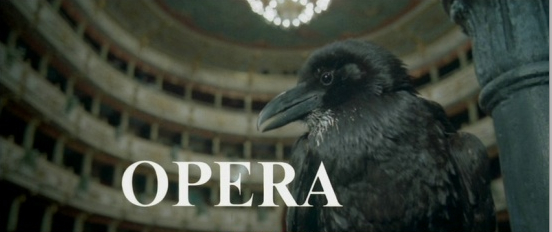
There was a long hiatus after that where I really didn’t take another jump back in. As I discovered the works of Dario Argento, Opera quickly became one of my favorite works in his oeuvre. In that film I did learn both a bit about Argento outside film and also about the operatic version of Macbeth; and how it has similar tales of misfortune associated with it.

Later on I would, again going through the works of a particular director, this time Ingmar Bergman; come to know The Magic Flute. Yes, heathen that I am, I first experienced Mozart’s tale with all-Swedish libretto. I enjoyed that version a lot and then viewed it in German, as it was written, at a Fathom Events screening at a local movie theater.

Since then, while I may not have gained too much narrative or other insights into operas in general, I have listened to a lot more of them through a few means. Namely borrowing CDs from the library and on Spotify (I’ve used both these means to become more versed in classical music as well).

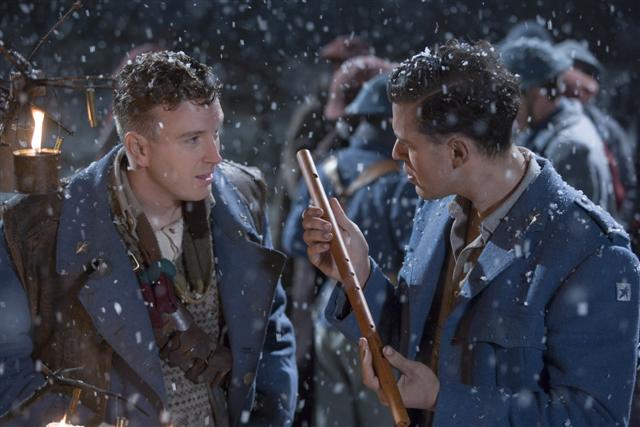
The Magic Flute (2006, or 2013 as the case may be)

The Magic Flute (2006, Revolver)

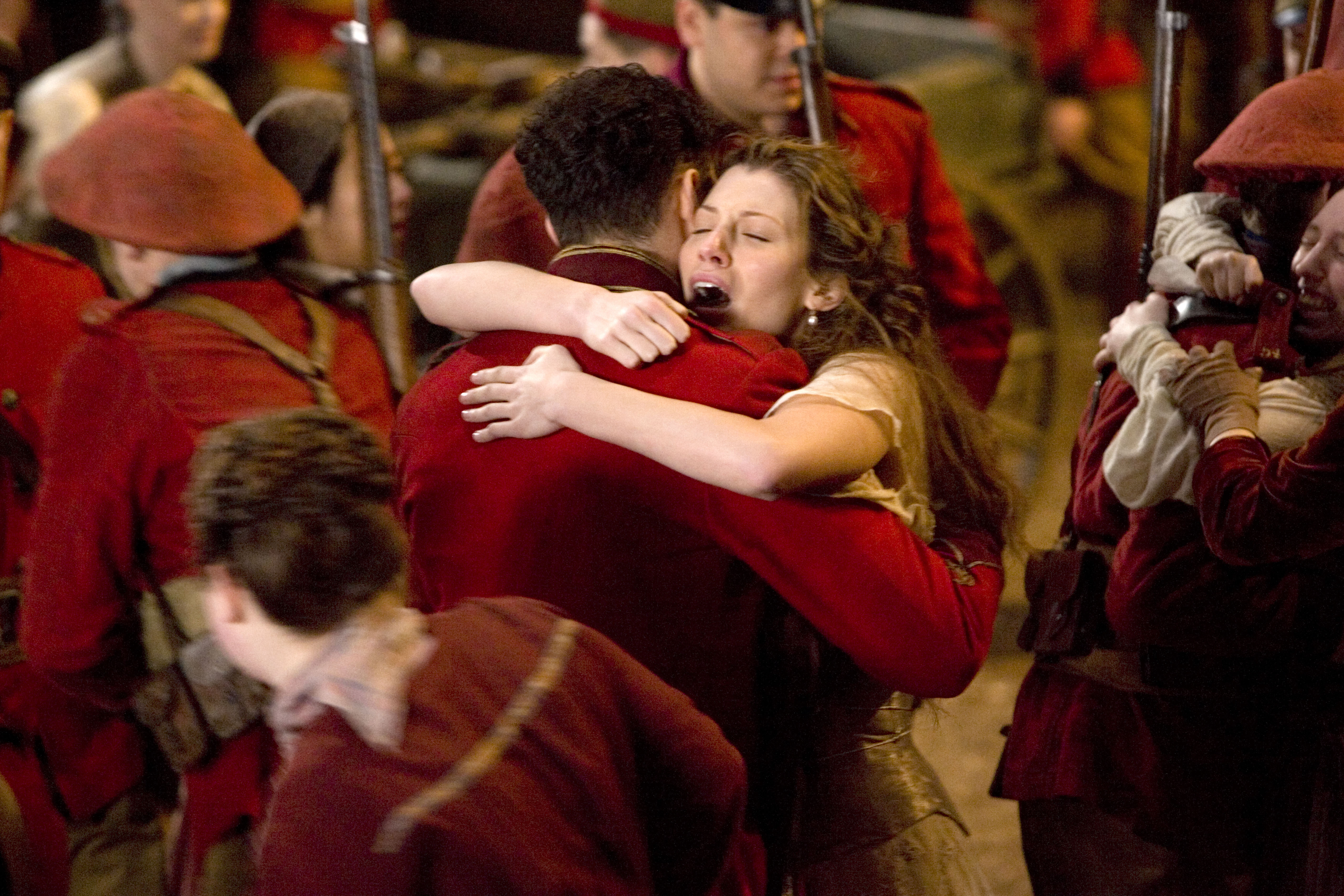
That brings me to the present and my latest brush with the artform in Kenneth Branagh’s only-recently-distributed English rendition of The Magic Flute. What Branagh does with this film is not that unlike what many have done with Shakespeare: the text is the same albeit translated and the setting is updated. This tale taking place during World War I.

Branagh’s doing this makes perfect sense when you consider that most are familiar with him through his Shakespearean adaptations. However, this film is perhaps the best assimilation of his sensibilities: there’s the classical dramatic sensibility he’s familiar with in Shakespeare and parlayed well in Thor, but also a zany, irreverent humor that he possesses as he’s shown as an actor in the Harry Potter series that fit this film as well.

Being an opera on film it will invariably have its stagier moments, but it has infinitely more cinematic ones. The camera, and at times even the characters in motion, accompany the movements of the music. This is especially true in the “Queen of the Night Aria” which is as mind-blowing cinematically as it is musically in this version.

In short, after all prior re-introductions to opera on film are taken into consideration the Looney Tunes are a wonderful warm up, but Kenneth Branagh’s The Magic Flute is the perfect introduction to opera for the uninitiated.

Iron Man 3’s Variation on Opening Title Sequences

When film began any things that were deemed worth crediting came at the front, or at latest on a title card. The end of the film was reserved for a card saying “The End” and re-affirming who owned the film. As the film industry became more formal and unionized more crediting became necessary, thus the creation of closing credits at some point in time and the changes to the opening credits. Since both those as well as studio logo and/or fanfare count toward running time there have been tweaks to the the way title sequences are handled to economize in that regard. Here are a few instances and trends I’ve noticed lately.

Hanna (Focus Features, 2011)

Probably one of the best tone-setting openings of the year was that to Iron Man 3. I say this in part because it is slightly out of the ordinary:

Tony Stark (Robert Downey, Jr.) starts recounting the story. He will ultimately tell how his blowing off Alrdich Killian (Guy Pearce), and his one night stand with May Hansen (Rebecca Hall), came back to haunt him. However, like a few film’s storyteller’s he has a false start. So he starts over. After that false start is when the Marvel logo comes up and Eiffel 65’s “Blue (Da Ba Dee)” starts playing. It’s an inspired musical choice. I never liked that song, but few things say 1999 like it, so it works very well. Following that, the prologue on the eve of Y2K in Bern, Switzerland plays out.

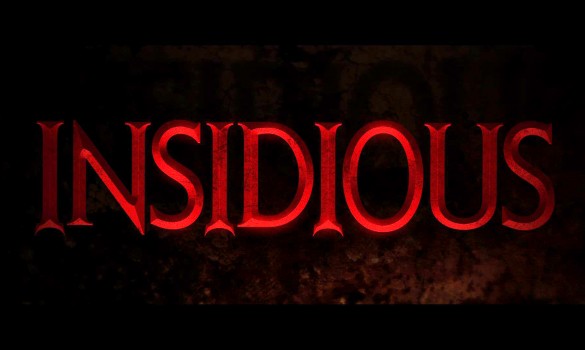
Insidious (2011, FilmDistrict)

I’m not sure when the plan for the opening title sequence (OTS) came to fruition for this film, but this is part of the reason why screenwriters are instructed never to indicate where the opening credits go. Firstly, because it’s not the screenwriter’s job, but also because even if you did decide in preproduction where it belonged, and what it should entail, it could close you off from a better idea should one present itself.

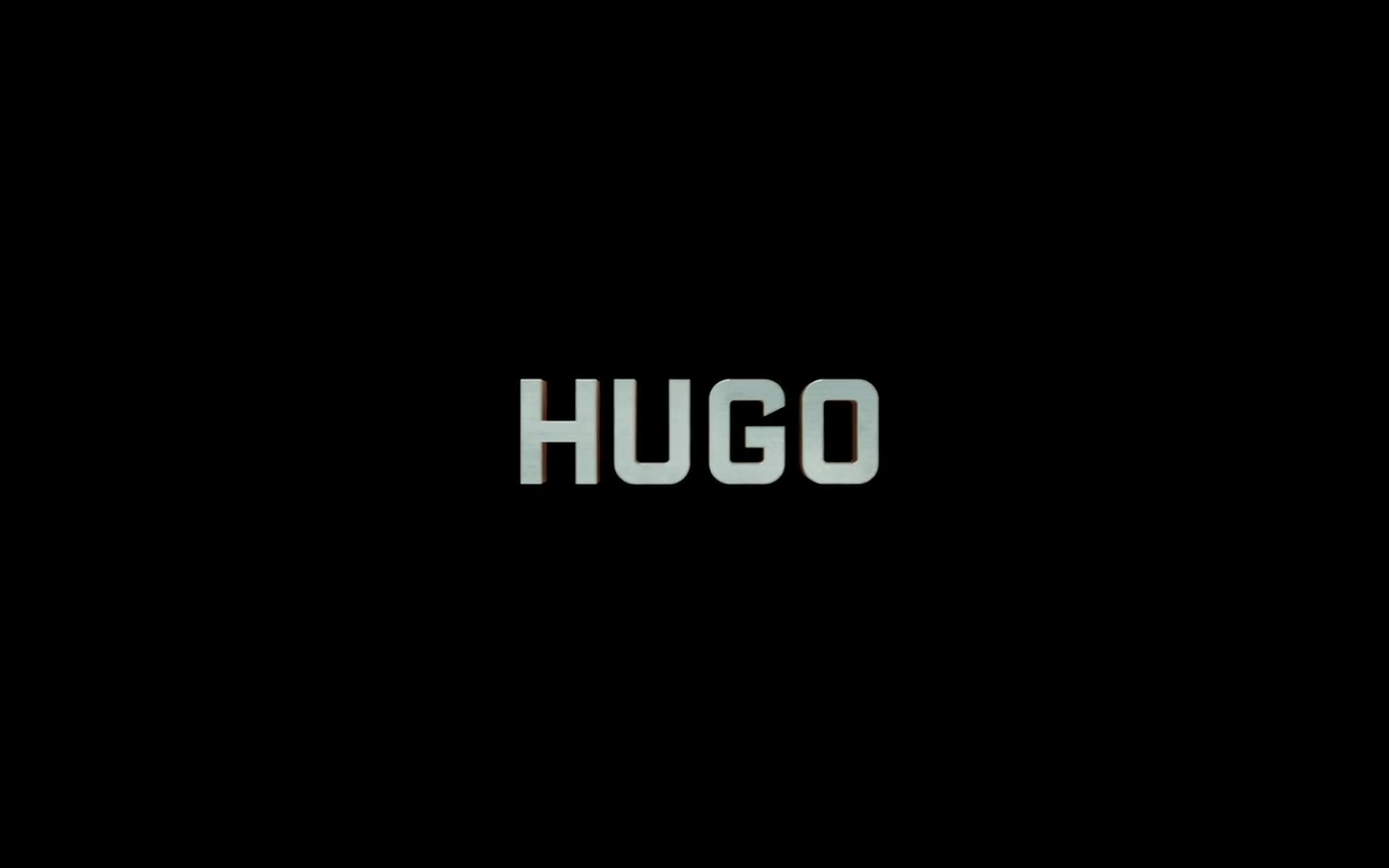
Perhaps the most inventive thing about the open of the film is that it creates a payoff in the now-obligatory Marvel stinger that most people now know to wait for. This opening also stood out to me though because in 2011 a trend in OTSs developed of quickly flashing the title after an introduction. The title was usually very large, but that was all and the story proceeded unabated from there. Insidious is an example, as is Hanna. Hugo notably brings its music to a climactic crescendo as if a short film had come to a close, but instead the title of the film merely pops up and on we go to the rest of the film.

Hugo (2011, Paramount)

Whether a protracted OTS at the start, a truncated one after a prologue, or no OTS is requisite depends on the film and it is interesting to follow the tendencies as it is a part of setting the tone of the story and changes in approaches don’t seem to come along very often.

Franchise Focus: The Fast and the Furious

Rather than have just a one off piece on an aspect of a franchise, I thought this would be a good way to kick off a new series. As you may have seen during 61 Days of Halloween, I tend to like to take on long series no matter what so here’s a post that can run anytime on any franchise and discuss any aspect of it.

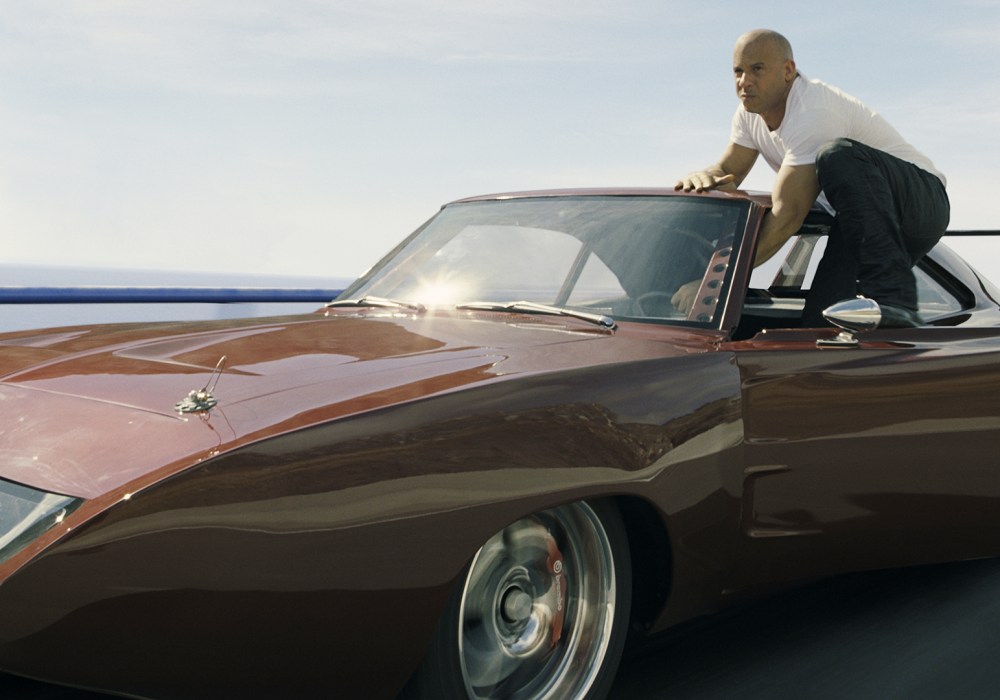
Usually when you say the first film in a series you’ve seen is part 5 that’s a strange thing to say. However, when I tell you that the series I’m referring to is The Fast and the Furious franchise, suddenly that doesn’t seem that odd. It’d be difficult to prove but I doubt there’s a precedent set for a series where part 5 is the most critically acclaimed and where part 6 is poised to be the highest grosser.

The ups and downs on Metacritic and Rotten Tomatoes are similar: Metacritic: 58, 53, 46, 45, 67 and 61; and Rotten Tomatoes follows suit with slightly different numbers 53, 36, 35, 27, 78, 71.

With those facts in mind I wanted to backtrack and watch the series that I hadn’t seen up to part 5 before taking in the new one. It seemed many people did, only I haven’t been bingeing. I’ve been taking my time, however, getting the discounted double features wasn’t as easy as I thought because I looked at the titles of the first four: The Fast and the Furious, 2 Fast 2 Furious, The Fast and the Furious: Tokyo Drift and Fast and Furious and was confused. Since I’ve gotten in the bad habit of disregarding the word “The” in titles I couldn’t tell, and had forgotten, that part four had one of lazier more non-descript titles in recent memory.

A lot of the reason that the series has been so successful late in the game, and bigger than ever, is the producers have been willing to change it up from what I can tell already. The ante is upped, the players change, the stunts get bigger the location has changed and so on. What it lacks in over-acing philosophy and narrative through-lines it makes up for with its chameleon-like nature and progressively growing. It’d be nice if the titles matched that shift more though.

Essentially, this is a branding commentary, since the discussion is on a franchise and branding is an aspect of it, like it or not. These titles dilute the brand. The film stands apart as I’ve said, but aside from Tokyo Drift, which was a compelling reason to start the journey, they don’t stand out. This series has split the difference between straight numbering, like Iron Man, and subtitling. If a subtitle is good enough it will be remembered no matter how cumbersome. Just look at the Star Wars series.

I don’t think I’ll come out disagreeing with the overall perception of any of these films as represented by composite scores and box office, but as this series invariably continues and tries to innovate and better itself, hopefully it adds more character to the title it splashes across the poster.

Why The Purge Matters

Finances

Box office actuals won’t likely be out until tomorrow, but the estimates are that The Purge not only won the box office for the weekend clearly, but it also sets a record for an opening by an R-rated horror film in the US. On top of that, it’s take in excess of $36 million dollars more than makes back its reported 3 million production budget.

I’ve frequently commented on budgets inasmuch as I don’t care what they are so long as the film is good. As a viewer that’s true. If a film cost a couple of thousand dollars and works (like Absentia) good for it. If a movie costs a lot of money and works for me bully for it as well (See Artificial Intelligence). Budget really only comes into play on a film, for a viewer, when a film is trying to tell a story beyond its means and fails. If a film understands its constraints and tells its story well within them you can’t knock if for being made on the cheap.

As a filmmaker, budgets do matter. When a film made with a very small investment compared to many, especially so-called tentpoles, can be a hit regardless of what its magic number is and return on that investment that’s a great thing. Most people with sense recognize that fiscal responsibility is needed. Steven Spielberg has directed a number of blockbusters but even he knows that more isn’t always more. So there’s a sense that profit, more than throwing money at a supposed sure thing; or rather something that can’t miss because too much has been invested already, doesn’t always make sense.

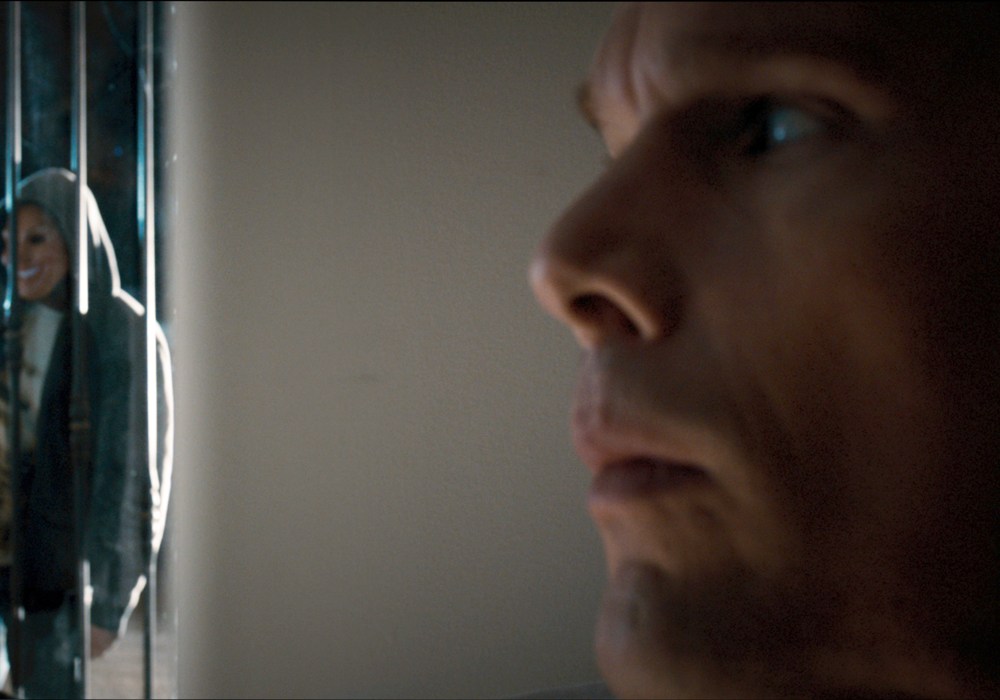
The Purge (2013, Universal)

Story

But the success of The Purge is exciting because its strength is its idea. Now, I am one of those who enjoyed the film a great deal. There was a certain more that I wanted, and not in the best way, but the film does work and sets the stage. The concept is about a night of legalized crime. The introduction to the concept is through a microcosmic approach where one family who usually does not get involved, just hides out, becomes ground zero for the neighborhood’s hunt. It essentially plays a home invasion plot.

However, with a jumping-off point of legalized crime and the potential franchise (I am sure it will be one now) drawing its strength from a concept rather than a star or an iconic character there are any number of areas or stories in the genre it can explore. It can either start the next installment with this family or go off on a tangent, it can show the chaos that lead to this all or any number of permutations on Purge Night. Like many of the most successful franchises it tethers itself to a once-a-year happening, but in this case they created a holiday.

I think a common talking point was we wanted more about what precipitated the institution of the purge. That is introduced just enough such that the story can work and the details are left as potential fodder for later. In this film its a given and that’s fine. It still works very well and more importantly people talked about it. Whether you went in cynical or willingly suspended disbelief it got people talking, just on the concept.

On my Twitter feed I saw a hashtag develop of #LegitPurgeQuestions. Yes, many of them were funny but it’s still people talking, engaging, being interested in the idea, and when all is said and done, wanting more.

When I recently rescreened Sinister I noted how many bullets I jotted down for a post I’m planning later in the year. There are many talking points in it. Blumhouse is not only making successful horror films but ones that get people talking and whether you enjoy them or not, I for the most part have liked them a lot, they’re keeping a genre that’s always in peril of stagnation, to one extent or another, fresh.

I say that can be nothing but a good thing.

Short Film Saturday: Barney Oldfield’s Race for a Life (1913)

This week’s short film piggy-backs off last week’s train theme. When I read this fascinating blog post about how the silent film got so closely identified with a woman being tied to train tracks, and why that might not be so accurate, there was a link to one short that’s a famous example of it.

It’s a fairly humorous and straight forward tale. Though D.W. Griffith is most noted for making cross-cutting a staple of film technique, he was by no means the only one implementing early in the development of cinema and here Mack Sennett really does the technique justice and makes the short very compelling. Another interesting thing you’ll note is that this short film is bereft of score. I am fine with that. Very few silents have their proper score attached to them to this day – some never had a specified score and that was left to the discretion of the live accompanist. Chaplin’s work, as he was also a composer, is an exception; furthermore, the restoration of the original Metropolis score is a large part of what made that reconstruction so very brilliant. Anyway, this is quick, fairly humorous short full of silent tropes.

Enjoy!

To view the film follow this link.

Film Thought: Walking Out of a Movie

Previously I had written about the conundrum of when to turn off a film. However, if there is one mark of delineation I drew there it’s that Netflix has somewhat changed my approach to that whole question. With Netflix, or any other service that gives you movies at the touch of a button, the tendency is to just push play with less consideration than in the past, unless you’re paying just for that film. With films that are included with a subscription we tend to treat them like they’re free, or at the very least we’re more inclined to click just to try and get the most out of our subscription.

However, the way I approach movies at the auditorium is a bit different. Whereas home viewing can be far more impulsive there is still a shrine-like, quasi-religious reverence granted to a movie being screened as it was intended. This is why I have no tolerance for disruptive, completely unnecessary, loud talking; cell phone use and other breaches of etiquette. While I’m at it it’d also be great if the glow stick brigade at my local theater, which is part of a large chain of multiplexes, would stop traipsing through the theater at the beginning and end of a film, when focus is more critical.

Due to the elevated status that I give seeing a movie in an auditorium (Though I see a much larger number at home than ever before), I am far more hesitant to abandon a screening that I’ve gone to see in person. There are a few reasons this is so: firstly, there is the time invested. Whether or not I’m close to the theater I still like to show up early, there are a significant number of trailers playing before the film so the time invested is more than the running time. Secondly, the financial investment is invariably greater. I’ve mentioned it on a few occasions, and the numbers are easy to figure out, if you’re viewing a film on demand you are renting it so it’ll play on your TV. They don’t verify how many people you have sitting in front of that TV so the savings are obvious especially if you snack at your home theater and at the multiplex. Lastly, it just seems like a much bigger move to get up and walk out. Yes, there is the complication of if you’re with a group of people, but hitting a stop button and walking out of an auditorium are two massively different things.

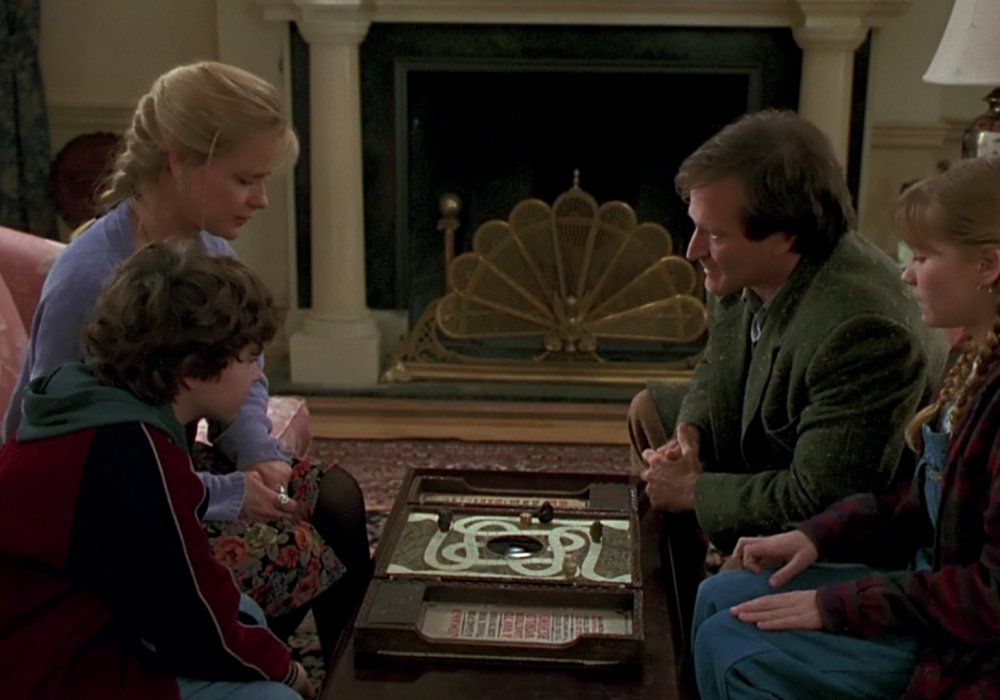
The last time I felt the twinge to want to leave a film was when I saw Creature. However, it was ultimately too much train wreck to ignore so that leaves Jumanji as the only film I voluntarily walked out of because I just couldn’t take it anymore. I could count Big Fish also, but the decision was aided by a fire alarm that allowed me to realize “Hey, I don’t care if I finish watching this movie now. Thanks!”

So there’s my take. How about you? What have you walked out on and do you find it’s easier to shut off a film at home than to walk out?

The Hits and Misses in The Globalization of Casting

Even before the advent of sound, when Hollywood became a dream factory and was beginning to make films known the whole world over, it has not been uncommon for those in film from the world over to emigrate when they’ve reached a certain status and want to continue to hone their craft at a significantly increased salary.

Just a quick look for evidence shows you as much. “Garbo Talks!” blared the one sheets when Great Garbo, the austere Swedish star made her debut in sound. So the world coming to Hollywood is not new. Hollywood going abroad and making attempts to represent other cultures more accurately hasn’t been going on quite nearly as long.

Such practices as white washing, and basic stereotyping, thrived for years in large part due to prevailing social mores. The last bastion of political incorrectness in cinema, for better or worse, was in the 1980s. Since then films have become more PC, but also have come closer to incorporating the globalizing mindset that hit other industries first.

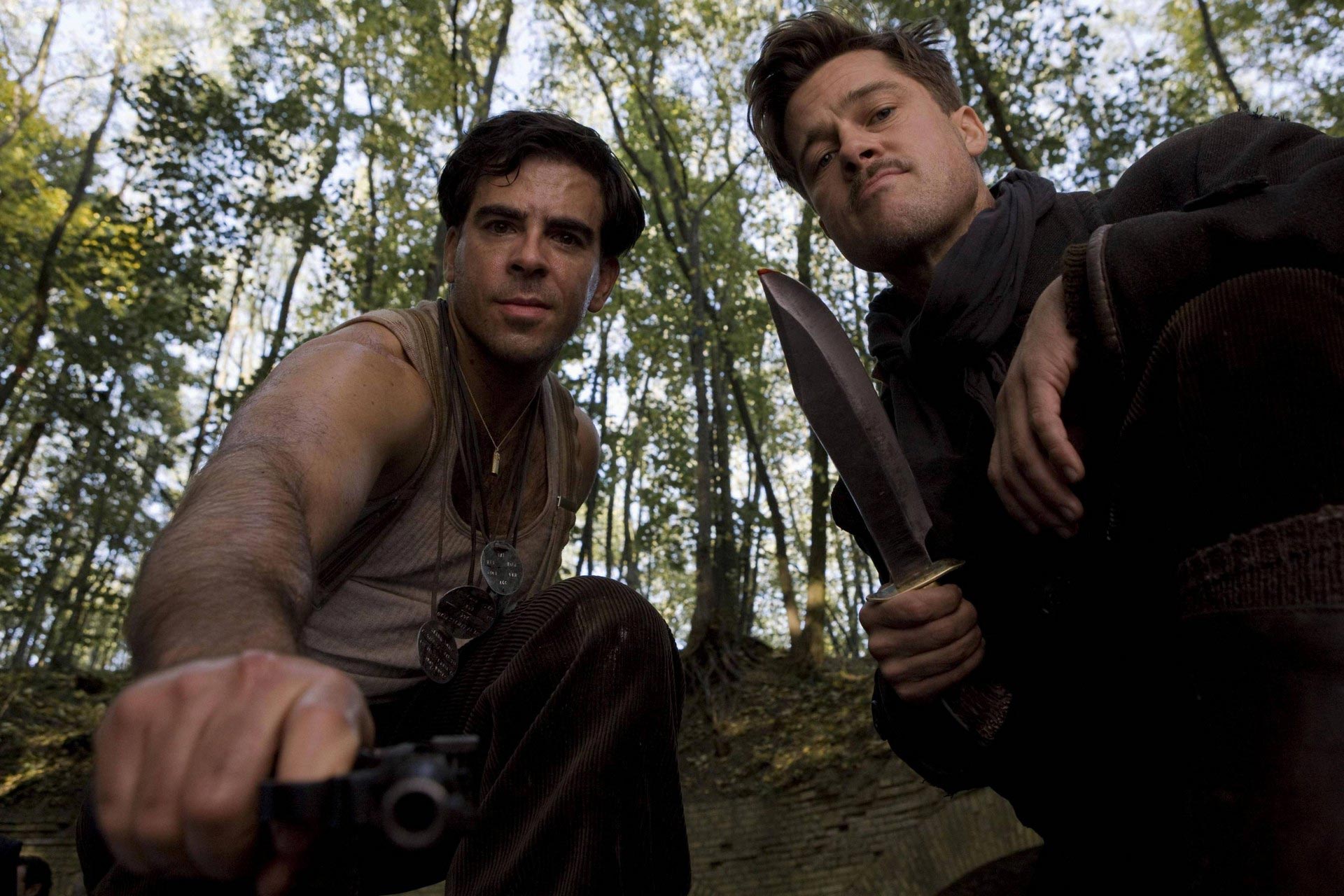
The foreign-born stars are still present, except now many simply keep their names rather than Americanizing them. Foreign world premieres are more prevalent as well as Hollywood films opening overseas before they open in the US. Whereas the British accent was once the standard Hollywoood code for “these people speak foreign,” that is not as heavily relied upon anymore. Thanks in large part to Quentin Tarantino’s Inglourious Basterds foreign dialogue and subtitles are now more common in mainstream American cinema.
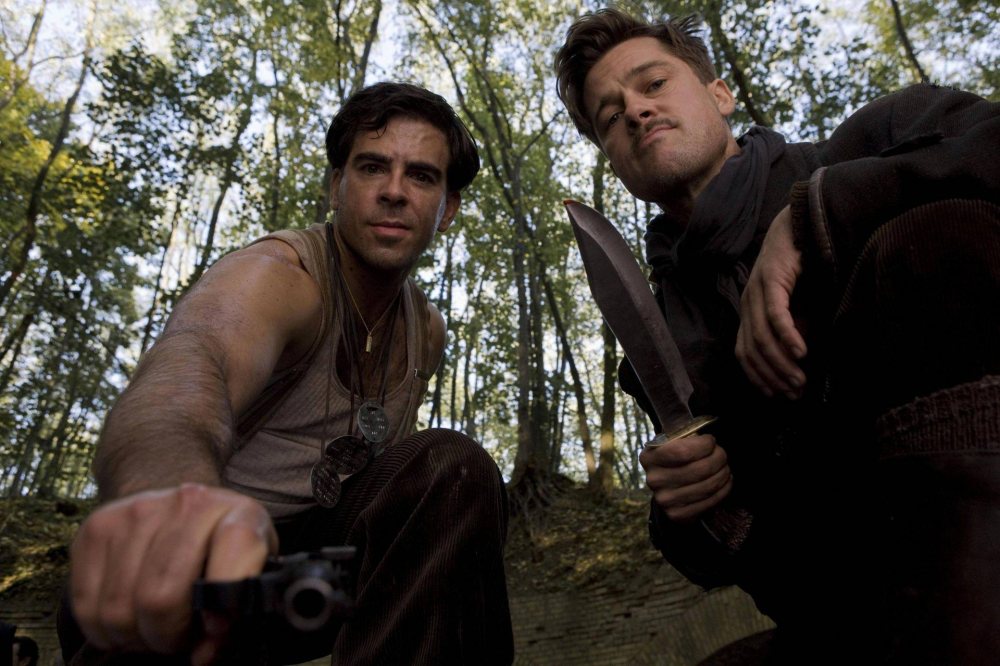
Inglourious Basterds (2009, The Weinstein Company)

While there are two sides to everything, most of those things are just fine. I’d dare say recent global box office returns more than justify the overseas first strategy; even when it becomes irksome. For some it’s not a matter of jingoism but simply what makes sense. For example, Tintin opening in many markets all over the world before the US makes perfect sense. The only reason I knew who Tintin was growing up was because I’m a first generation American. But when things like Iron Man 3 go abroad first, as opposed to a universal release date, it can get under our skin, but I for one will live.

The one place in which the shift to a globalized game of cinema seems to have skipped a step is in casting. This was something that was recently brought to my attention by a Facebook post written by a friend of mine, which gave me a different frame of reference other than my own.

Films have gone from a place where caucasians born in the US can and do play any and every ethnicity or race to a place that’s more mired and perhaps a specific casting stop was needed. The hard thing about arguing for literal casting choices is that casting, as well as writing, is a creative enterprise and it’s impossible to enforce policies or try to set quotas with regards to it. However, it is something that can and should be discussed.
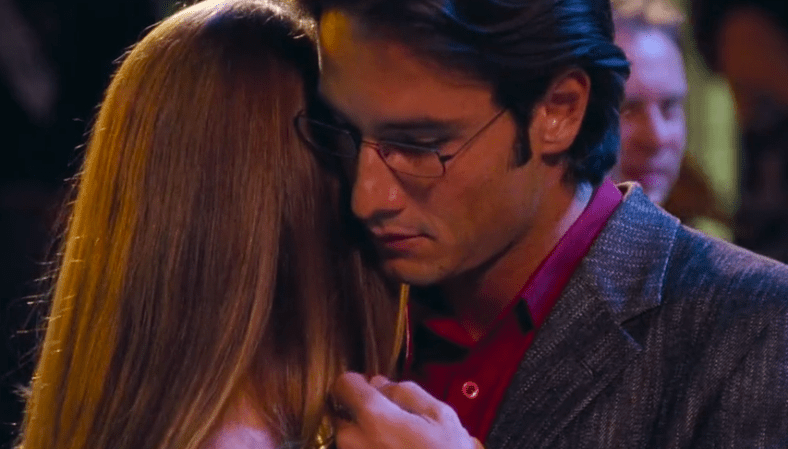
Love Actually (2003, Universal)

Here’s my frame of reference being a dual citizen of the United States and Brazil: In the past decade or so I have been very pleased to see a few more Brazilian actors break through onto the world scene.

The first one I noticed was Rodrigo Santoro. Now, I never watched Lost, so I give him a pass for being part of an annoying couple, but in film terms I thought it was a rather progressive step that he was in Love Actually and he wasn’t cast because the character was written as the “dreamy Brazilian” guy, but he was just supposed to be an unrequited love.

Another encouraging step I found was Alice Braga’s involvement in Predators. Now characters written as Brazilian have been cast by actors of different Hispanic ethnicities before, but this was the first time I saw a Brazilian actress playing a character specifically designated as being Hispanic.
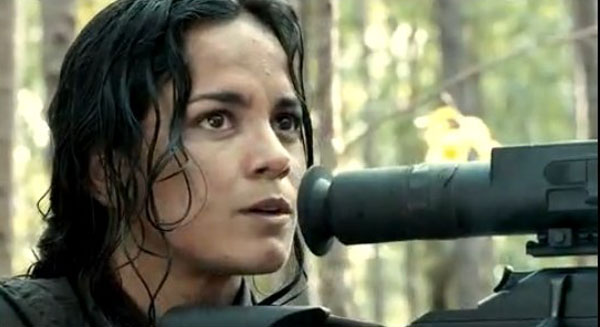
Predators (2010, 20th Century Fox)

Of course, this where characters as speaking English the whole time anyway. The next threshold to cross would be to see if someone like Wagner Moura will break through into lead roles or significant supporting characters written for any and all comers.

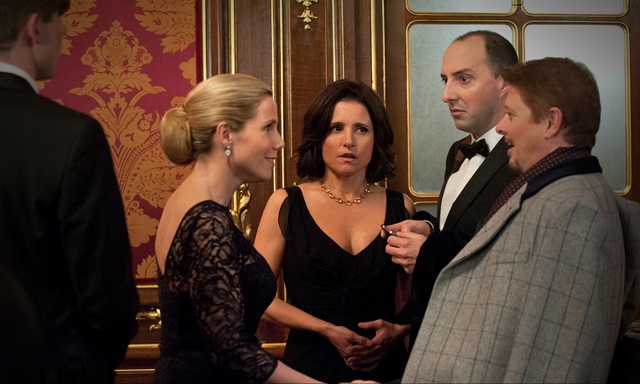
Here’s where the issue becomes complicated, and here’s where my friend’s Facebook post comes in, you’re casting people for an American project who are supposed to be from another country and speaking another language. His specific example is of a recent episode of Veep wherein it takes place in Finland and instead of finding actors who speak Finnish (They exist! There are Karusmaki films to prove it!) instead a Canadian and British actor are hired and taught their lines and likely pass for American audiences but it just seems like a waste of resources especially for guest spots. I like Dave Foley a lot but that choice seems like the kind where, even as much as I like an actor, the oddity of the decision would’ve taken me out of the moment as a viewer. Maybe someone saw the Feelyat skit one too many times.

If you’re directing a film and you’re convinced an actor can nail the lead role, even if they have to learn a language to do it, like Alicia Vikander did for A Royal Affair, that’s one thing, but to take a fairly small role and teach someone a language when you can easily find someone who won’t have that hurdle standing in their way just seems silly.
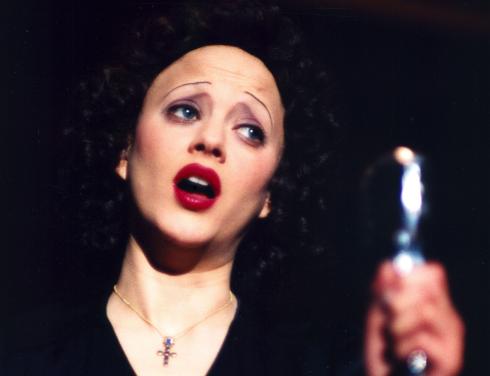
La Vie en Rose (2007, Picturehouse)

There are plenty of actors who work in many languages and accents. However, many are clearly stronger in one over the other. Gerard Depardieu and Marion Cotillard in French films are a inordinately better than they are in English-language ones. So wouldn’t it stand to reason that a Finn, who is also a trained actor, would be more capable of performing a role than English-speaking actors who were taught a language for a part; a language mind you that is siphoned off from the Germanic tongues of the other Scandanavian countries and is more akin to Hungarian?

Of course, if the film good you get a pass, but it’s risky. For example, in a vaccuum would I have preferred a Brazilian play Eduardo in The Social Network? Yes. However, I never heard someone nail a Brazilian accent like Andrew Garfield did, and he was absolutely robbed of an Academy Award nomination.

So in closing, yes, it’s a creative field and any decision can be justified, especially if the end product is well received. However, sometimes things that make more sense work. Keep it simple. And if you want to question what happens when the shoe is on the other foot? I have a perfect example: The Brazilian film Four Days in September is about a US Ambassador held hostage during the military dictatorship in Brazil. Did the producers of said film get some no-name Brazilian actor who could speak English and looked “American”? No, they got Alan Arkin because he’s American and he’s money in the bank. That’s a casting choice you won’t second guess. Case closed.

Alternate History: A Hitchcock-Clouzot Switch

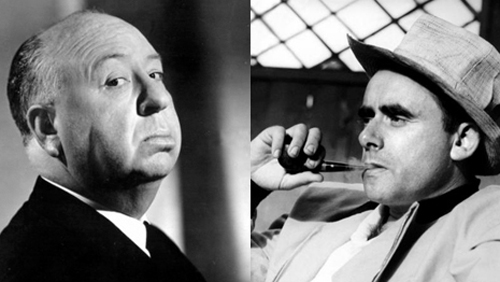
Alfred Hitchcock and Henri-Georges Clouzot had two lengendary square-offs for film adaptation rights for novels by the writing team of Boileau & Narcejac.

The first of which was for Les Diaboliques. Htichcock wanted it, but did not get it. How Hitchcock having done that film in 1955 would have changed his career it’s hard to tell, save for the fact that it likely would’ve accelerated his evolution and perhaps there would not have even been a film version of Psycho. For if Hitchcock had unleashed Diabolique on an unsuspecting American public, then maybe Psycho wouldn’t have seemed as shocking. Though there are some clear differences.

The second such square-off was for the rights to the book D’entre les morts. That one Hitchcock won. It later became known to US audiences as Vertigo.

I venture in this post to just do a bit of dream-casting in the what if scenarios of Alfred Hitchcock directing Diabolique in the US in 1955 and Henri-Georges Clouzot directing D’entre les morts in France in 1958.

Hitchcok’s Diabolique

441-2

So who would be this dream cast? Although the last vestiges of the studio system were still hanging about in 1950s, Hitchcock was at that point virtually his own boss so if he had a film he could do it how he saw fit and studio affiliations of actors and the like wouldn’t matter as much. Since this is a hypothetical situation, and one that involves Hitchcock, it’s essentially carte blanche.

There are a few possibilities that came to mind for Diabolique in the US in the 1950s. Hitchcock always did have stars involved but for the most part they were the best fit for the role also. For the role of Michel Delasalle, let’s call him Michael in the US version, the seemingly-jilted husband; a few possibilities came to mind.

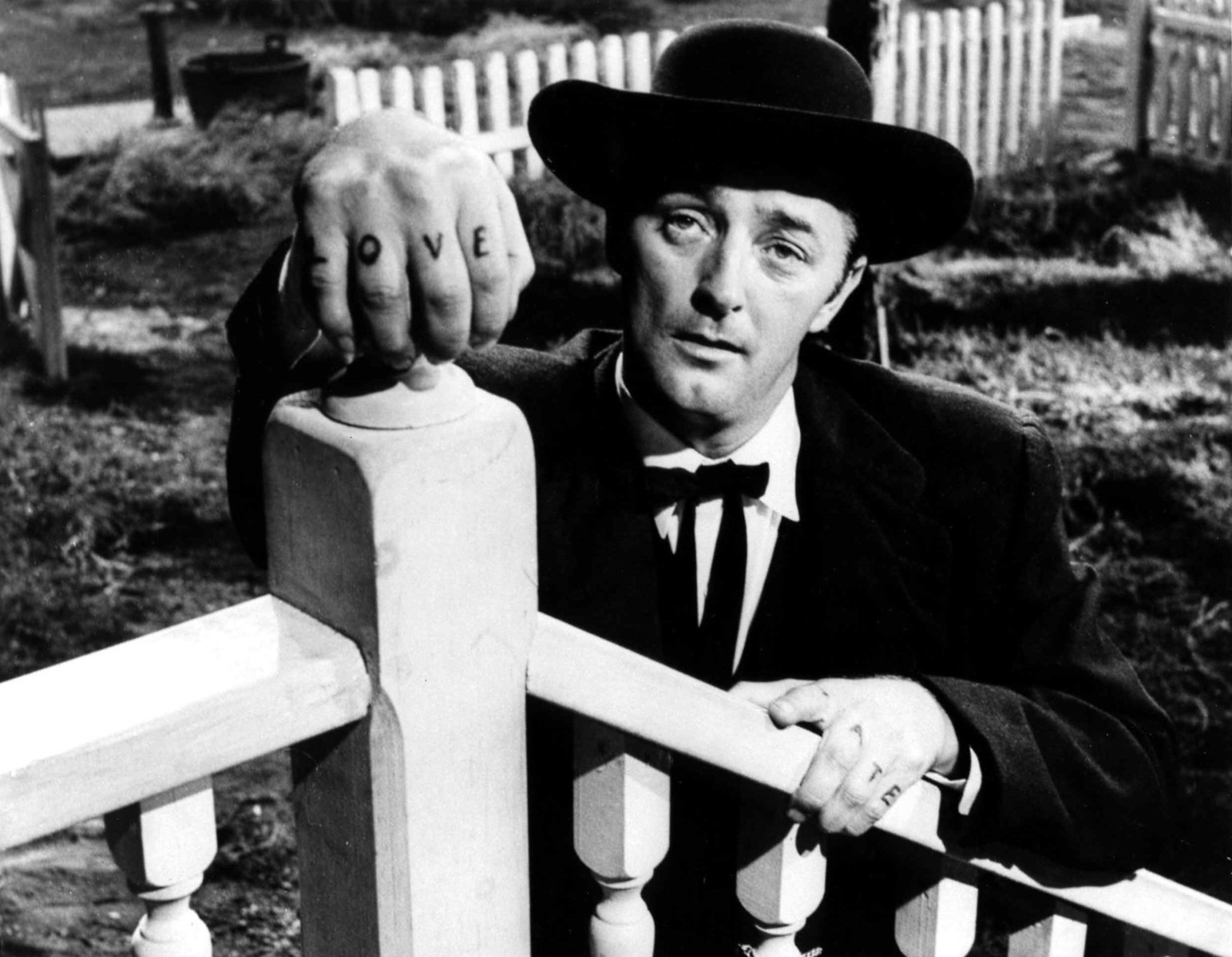
Hitchcock did a lot of work with Cary Grant in the 1950s so his name would naturally come up. Though Grant could easily play this two-sided role he was perhaps too classically good-looking. Perhaps someone with a little more of a rugged and mysterious quality; I also considered Fred MacMurray. MacMurray’s career was a fascinating one. He was a film noir staple and later became a linchpin to many family-oriented projects; first, the sitcom My Three Sons and then many Disney films. However, as good as that selection seems, the potential of Robert Mitchum was just too enticing. Just imagine that in some alternate universe Robert Mitchum made Diabolique and Night of the Hunter in the same year. The mind boggles.

For the role of Christina, Michael’s wife who is always racked with more doubt than her cohort, only one name really ever came to mind: Audrey Hepburn. Not only is Hepburn perfectly suited for this part, but it would have been fascinating to have seen her in a Hitchock film and playing a school teacher a few years prior to The Children’s Hour.

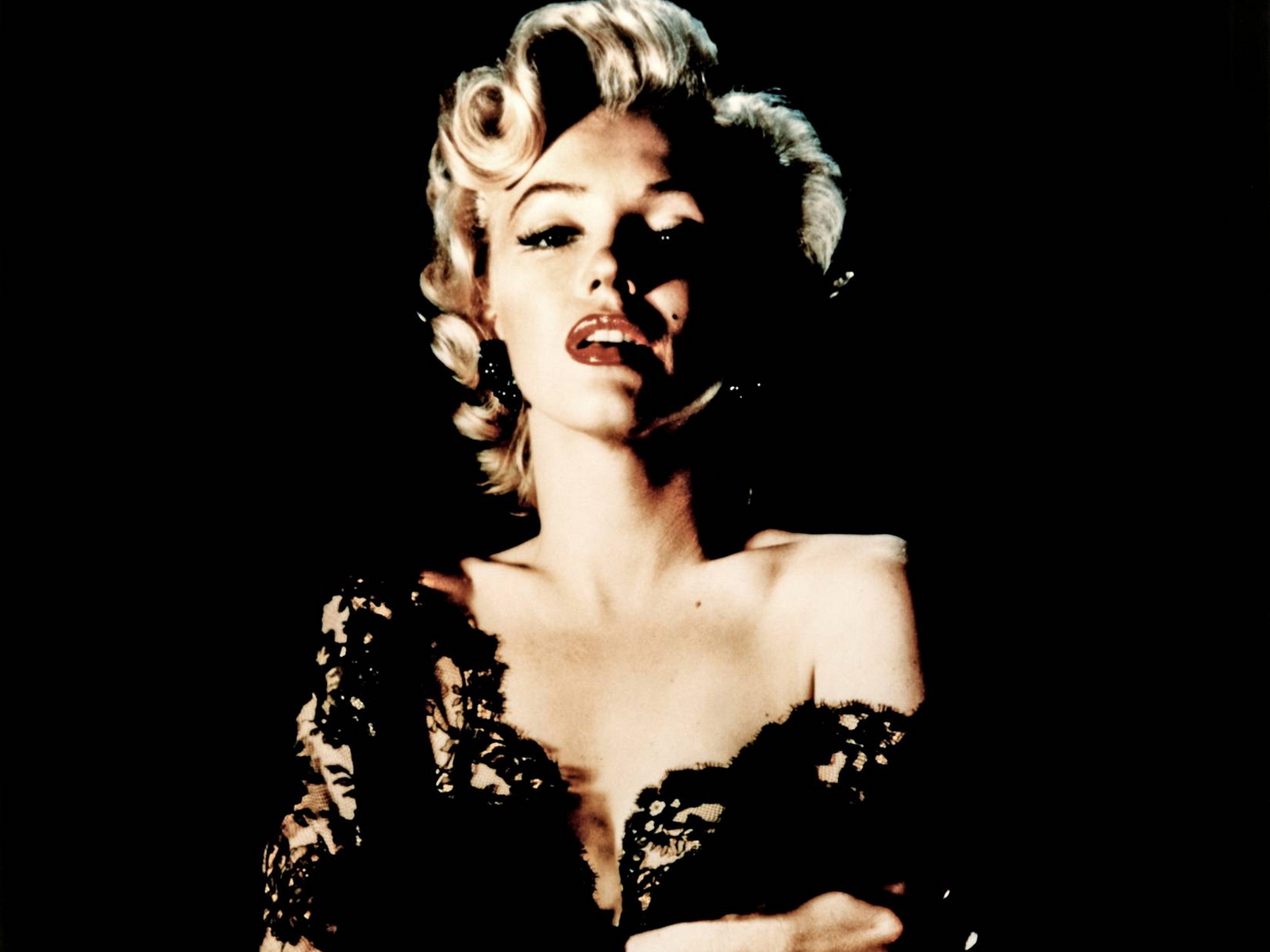
Marilyn Monroe

The role of Nicole was one I tussled with a bit. Hitch’s only only 1950s blond that was in the vicinity of this character to me was Anne Baxter. However, there is that bombshell quality to the character which is why Simone Signoret is in Les Diaboliques and Sharon Stone was tapped for the American remake. So there was one more dream pairing with Hitch that just had to be made: Marilyn Monroe.

Marilyn is likely where my warning about studio affiliation comes most into play, but I think whether Fox got involved or loaned her, if Hitch had this cast in his sights, and this property, some arrangement would’ve been made and it would’ve been a colossus.

Clouzot’s D’entre les morts

D'entre Les Morts

My frame of reference for an American Diabolique is much greater than mine is for a French Vertigo, which in all likelihood would’ve just retained the title that Boileau-Narcejac gave it in the first place D’entre les morts. However, two names immediately came to mind for the two key roles in the film and I never looked back from there.

For the role that became ‘Scottie’ (James Stewart) in the American version I thought only of Maurice Chavalier. Granted Chevalier was 10 years older than Stewart at the time but there is an analogous quality between the two that I think would’ve made Chevalier quite the amazing fit. His interpretation I’m sure would’ve been very powerful.

The blond goddess, the now seeming reincarnation of his lost love, in the late 1950s in France could be played by no other than Brigitte Bardot in my mind. Though I suspect Clouzot would’ve likely gone back to Simone Signoret for this part too as he did for Nicole in the Diabolique that did occur.

Conclusion

Night of the Hunter (1955, All Rights Reserved)

I’m not sure if I’ll find another instance in film history that coud’ve changed things so greatly that would allow me to speculate like this anew, but it was sure great fun this time around.

Who would you see in these films if things had gone differently?

2013 BAM Award Considerations – June

Last year I had one massive running list and it became very cumbersome to add to, and to read I’m sure. By creating a new post monthly, and creating massive combo files offline, it should make the process easier for me and more user-friendly for you, the esteemed reader. Enjoy.

Eligible Titles

Deadfall
Brooklyn Castle
The Ghastly Love of Johnny X
Room 514
Upstream Color
The Giants
The Magic Flute
Kai Po Che!
This is The End
Imaginaerum
Man of Steel
Fast & Furious 6
World War Z
Upside Down
Hanson Re Made in America: The Making of Anthem
23:59
Monsters University
Into the White
The Heat

Best Picture

Deadfall
Room 514
The Giants
The Magic Flute
This is the End

Best Foreign Film

Room 514
The Giants
Kai Po Che!
23:59
Into the White

Best Documentary

Last year this was an omitted category, due mostly to the fact that too few total candidates existed to make the slate feel legitimate. I will hope to be able to rectify that this year.

Brooklyn Castle
Hanson Re Made in America: The Making of Anthem

Most Overlooked Film

As intimated in my Most Underrated announcement this year, I’ve decided to make a change here. Rather than get caught up in me vs. the world nonsense and what a film’s rating is on an aggregate site, the IMDb or anywhere else, I want to champion smaller, lesser-known films. In 2011 with the selection of Toast this move was really in the offing. The nominees from this past year echo that fact. So here, regardless of how well-received something is by those who’ve seen it, I’ll be championing indies and foreign films, and the occasional financial flop from a bigger entity.

Deadfall
Room 514
Brooklyn Castle
The Magic Flute
The Giants
Imaginaerum
Into the White

Best Director

Deadfall
Room 514
The Giants
The Magic Flute
The Heat

Best Actress

Olivia Wilde Deadfall
Asia Naifeld Room 514
De Anna Joy Brooks The Ghastly Love of Johnny X
Amy Carson The Magic Flute
Amitra Puri Kai Po Che!
Amy Adams Man of Steel
Sandra Bullock The Heat
Melissa McCarthy The Heat

Best Actor

Charlie Hunnam Deadfall
Udi Persi Room 514
Joseph Kaiser The Magic Flute
Zacherie Chasseriaud The Giants
Jay Baruchel This is the End
Sushant Singh Rajput Kai Po Che!
Henry Cavill Man of Steel
Florian Lukas Into the White

Best Supporting Actress

Sissy Spacek Deadfall
Kate Maberly The Ghastly Love of Johnny X
Lyubov Petrova The Magic Flute
Emma Watson This is the End
Joanna Noyes Imaginaerum
Diane Lane Man of Steel
Daniella Kertesz World War Z

Best Supporting Actor

Kris Kistofferson Deadfall
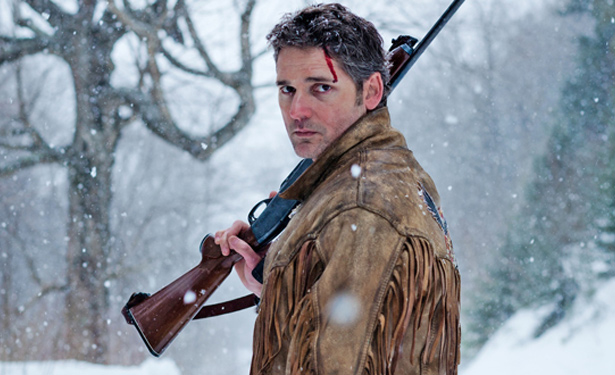
Eric Bana Deadfall
Treat Williams Deadfall
Guy Kapulnik Room 514
Creed Bratton The Ghastly Love of Johnny X
Rene Pape The Magic Flute
Benjamin Jay Davis The Magic Flute
Didier Toupy The Giants
James Franco This is the End
Danny Mcbride This is the End
Michael Cera This is the End
Craig Robinson This is the End
Asif Basra Kai Po Che!
Amit Sadh Kai Po Che!
Francis X. McCarthy This is the End
Russell Crowe Man of Steel
Kevin Costner Man of Steel
Timothy Spall Upside Down
Tommy Kuan 23:59
David Kross Into the White
Rupert Grint Into the White

Best Performance by a Young Actress in a Leading Role

Best Performance by a Young Actor in a Leading Role

Zacherie Chasseriaud The Giants

Best Performance by a Young Actress in a Supporting Role

Teale Hansen Deadfall
Keyanna Fielding Imaginaerum
Sterling Jerins World War Z
Abigail Hargrove World War Z

Best Performance by a Young Actor in a Supporting Role

William Dutton The Magic Flute
Luke Lampard The Magic Flute
Jamie Manton The Magic Flute
Martin Nissen The Giants
Paul Bartel The Giants
Digvijay Deshmukh Kai Po Che!
Quinn Lord Imaginaerum
Dylan Sprayberry Man of Steel
Cooper Timberline Man of Steel
Fabrizio Zacharee Guido World War Z
Elliot Larson Upside Down

Best Cast

Deadfall
Room 514
The Magic Flute
The Giants
This is the End
Kai Po Che!
Imaginaerum
Man of Steel
Into the White
The Heat

Best Youth Ensemble

The Magic Flute
The Giants
Imaginaerum
Man of Steel
World War Z
Upside Down
23:59

Best Original Screenplay

Deadfall
Room 514
Upstream Color
The Giants
Imaginaerum
Upside Down
Into the White
The Heat

Best Adapted Screenplay

The Magic Flute
This is the End
Kai Po Che!

Best Score

The Ghastly Love of Johnny X
The Giants
Upstream Color
Kai Po Che!
Imaginaerum
Man of Steel
Fast & Furious 6
World War Z

Best Editing

Deadfall
Room 514
The Magic Flute
Upstream Color
The Giants
This is the End
Kai Po Che!
Imaginaerum
Man of Steel
Fast & Furious 6
Into the White
The Heat

Best Sound Editing/Mixing

Deadfall
The Magic Flute
Upstream Color
Imaginaerum
Man of Steel
Fast & Furious 6

Best Cinematography

Deadfall
The Ghastly Love of Johnny X
Upstream Color
The Magic Flute
The Giants
Kai Po Che!
Iamginaerum
Man of Steel
Upside Down
Into the White

Best Art Direction

Deadfall
The Ghastly Love of Johnny X
The Giants
The Magic Flute
Imaginaerum
Man of Steel
Upside Down
Into the White

Best Costume Design

The Magic Flute
The Giants
Imaginaerum
Man of Steel

Best Makeup

The Ghastly Love of Johnny X
The Magic Flute
Upstream Color
The Giants
Into the White

Best Visual Effects

The Ghastly Love of Johnny X
The Magic Flute
Upstream Color
This is the End
Imaginaerum
Man of Steel
Fast & Furious 6
Upside Down

Best (Original) Song

The Ghastly Love of Johnny X
The Magic Flute
The Giants
This is the End
Kai Po Che!
Imaginaerum