31 Days of Oscar Blogathon: The Snubs – Defunct Categories

Introduction
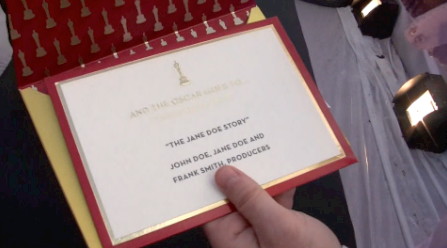
Oscar Envelope

Film is an ever-changing artform, so it stands to reason that the awards that Hollywood created to help celebrate the industry should evolve. It’s more apparent when you realize that the Oscars began when the industry was in flux as sound was in its infancy.

Film has twice adapted itself in competition with other media arts. Synchronized sound came on the heels of the popularity of radio and a shift in aspect ratio, away from 1:33 to widescreen formats was introduced to distance itself from television. The same competition with television helped push films away from black and white film and towards color. With just these technical changes its natural that some award categories would fall in an out of favor over time, some aren’t so obvious. Some, surprisingly, should have never left. I will discuss the categories that are no longer around.

Best Picture, Production and Best Picture, Unique and Artistic Production (1929)
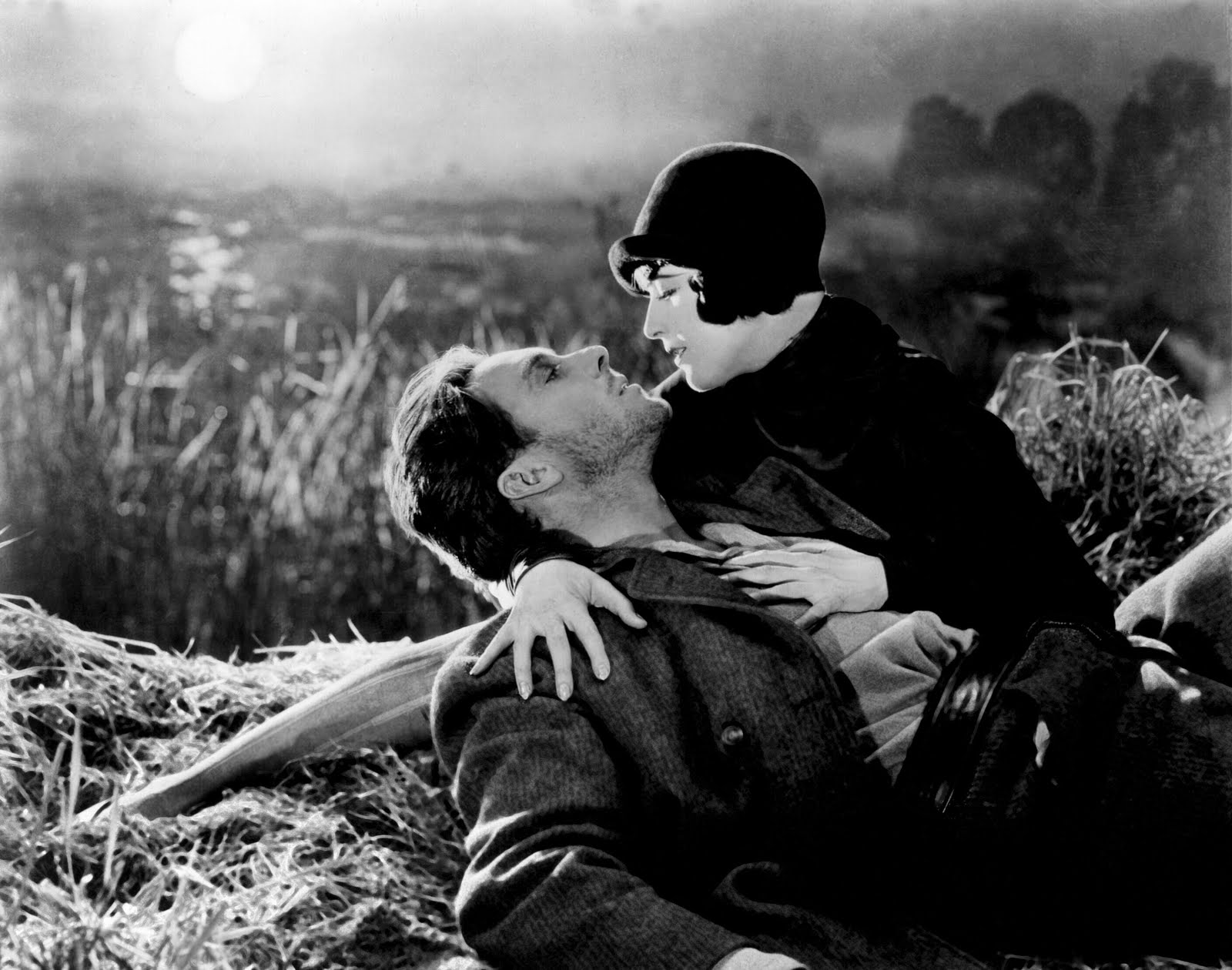
Sunrise (1927, 20th Century Fox)

The Academy Awards began with two different iterations of Best Picture. In 1929 the winners of these two respective categories were Wings (Production) and Sunrise (Unique and Artistic). My interpretation of these trophies is that one is more akin to a PGA (Producers Guild of America) award. Whereas, the logistics, accomplishments and merits of the production are highly impressive and well-executed even if the picture mat not be the best overall. Unique and artistic would then be a more narrative-award with special emphasis on creativity. This is a distinction that could’ve proved highly useful in later years. Imagine if it had been around in 1998 (the first year that jumps to mind) give Production to Titanic and Unique and Artistic to As Good as It Gets or L.A. Confidential or Good Will Hunting. Or earlier maybe How Green Was My Valley could get Production and Citizen Kane can get Unique and Artistic and everyone can leave the former alone already, and stop hating it for something that’s no fault of its own.

Ultimately, I understand how the two awards would forever cause confusion and why they needed merging, but it is interesting to consider.

Best Director, Comedy Picture and Dramatic Picture (1929)
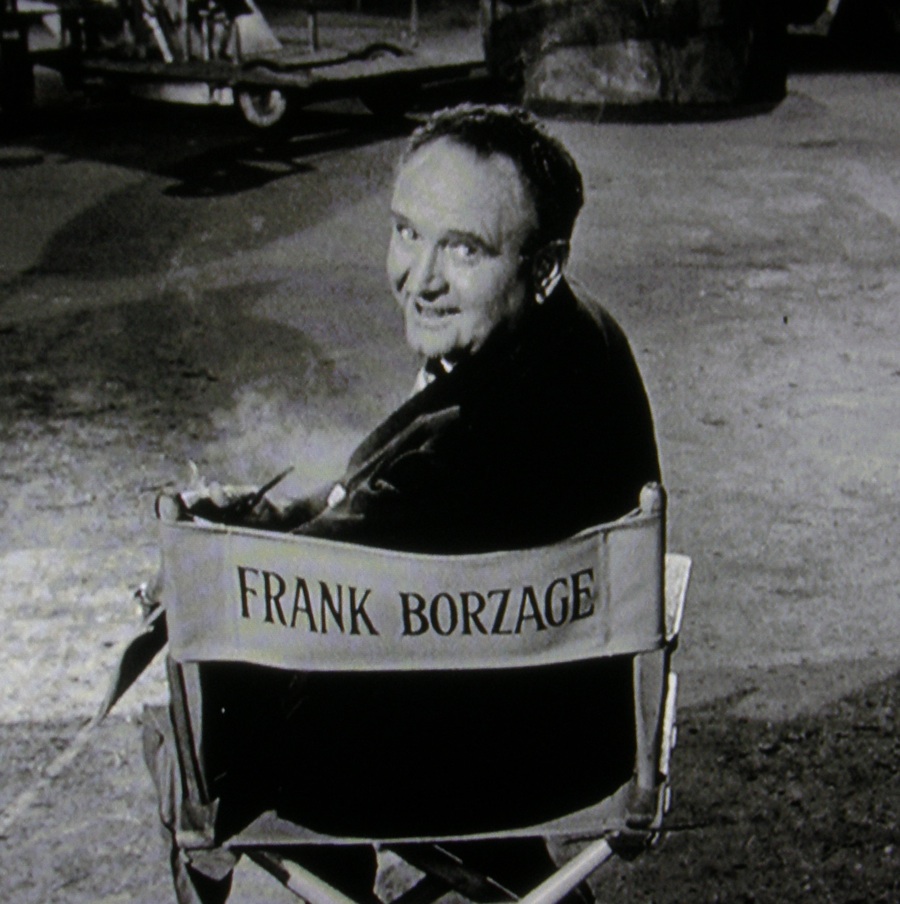
Frank Borzage

The Golden Globes still have Comedy/Musical and Dramatic categories for Films and Actors, but not directors. The directing job is highly different in both aspects. Are comedies far too overlooked when it comes to award shows? Yes. Does each year really merit having both categories? Probably not, and surely enough it was not a category the following year.

Best Title Writing (1929)
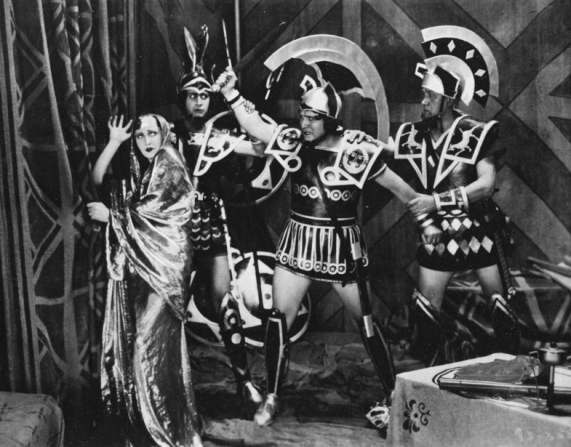
The Private Life of Helen of Troy (1927, First National Pictures)

To be quite honest considering that the industry was already in flux awkwardly transitioning from silent to talkie I’m a little surprised this was a category at the first awards. Granted some were trying to dismiss synchronized sound as a fad, but it was clear it was coming. Some categories held on longer, but silent films in the end virtually vanished quite quicker than black-and-white fare or 4:3 aspect ratio films.

Yes, titles were crucial in the silent era, and silents did win Oscars, but it’s slightly unusual that this was actually a category for one year.

Best Cinematography, Color and Best Cinematography, Black and White 1936-1939 (Special Achievement) 1940-1966
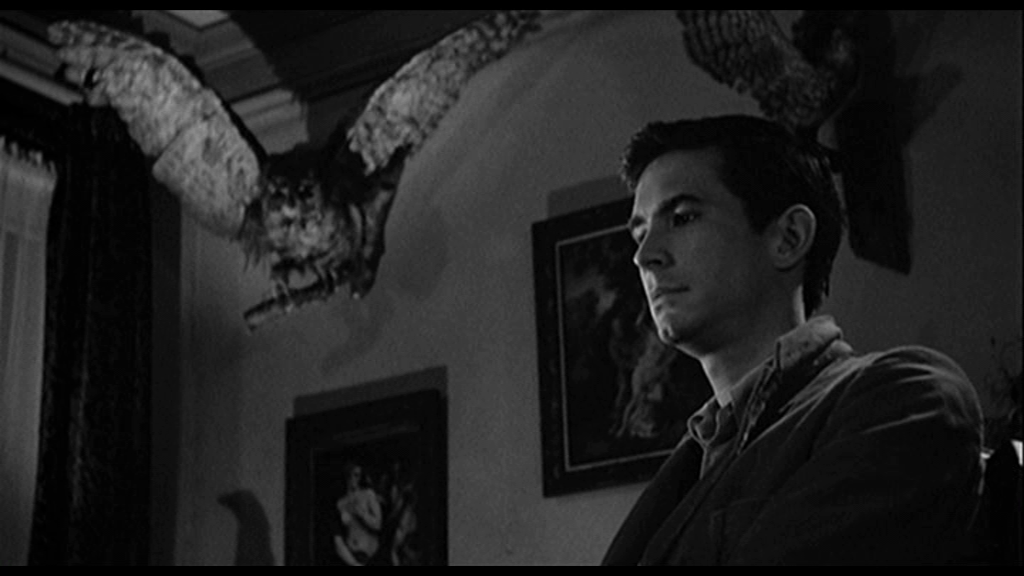
Psycho (1960, Universal)

This split became a mainstay of the Academy for 27 editions of the Awards. This is quite a long time and indicates that despite the business-related impetus for color cinematography the necessity of occasionally going into more ethereal monochrome remained and undeniable siren’s call for filmmakers for many years to come.

As wide as the gap between color productions and black-and-white ones have become they are not extinct as recent films like Ida, The Artist and The White Ribbon indicate. Yet, color cinematography in unquestionably ubiquitous enough such that the split no longer makes sense. It most definitely did at one time: color and black-and-white are two different ways of seeing the world. The reason for splitting the two was due to that and the fact that they were fairly equally split. With little equality superlative black-and-white films do have to compete against chromatic ones be it fair or unfair; it’s just a reality.

Best Effects, Engineering Effects (1929)
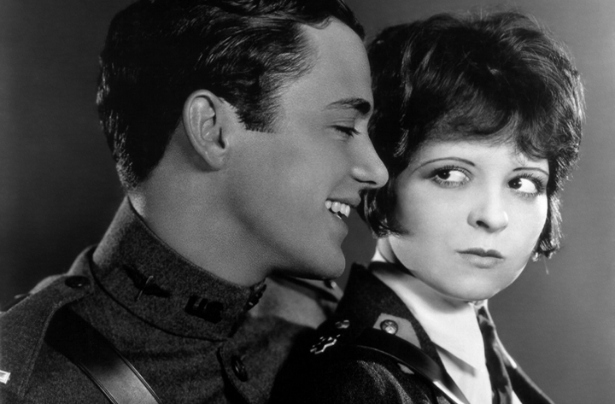
Wings (1927, Paramount)

The awards for Special Effects were ones that had many names an iterations before becoming a mainstay. A category for “Special Effects, Engineering Effects” existed at the first ceremonies. They returned in 1938 with and Honorary Award. From 1939 to 1962 Visual and Sound Effects shared an award titled Special Effects. In 1963 Special Visual Effects took over. From ’72-’77 it was awarded under Special Achievement Award. The current Special Visual Effects title debuted in 1995.

However, going back to the original trophy it puts me in a mind that perhaps the Academy does need to encourage and reward different kinds of effects work. Maybe split it between practical and computerized. It actually would encourage creativity and be fair. For example many of the most impressive feats in Inception (like the spinning hallway) were done practically. This could highlight those creative moments but still reward highly-creative, ever-evolving computerized effects work.

Best Writing, Achievement 1930
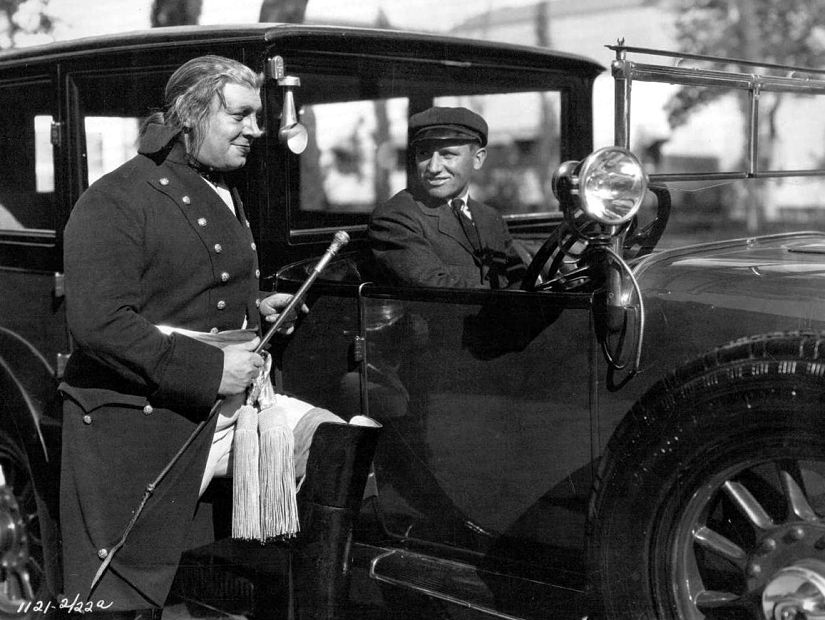
The Patriot (1928, Paramount)

This was the category introduced for the 2nd Annual ceremonies and for that year only. It was an attempt to transition away from three categories (Original, Adaptation and Title Writing) to just one. The only other award I ever saw merge all screenplays into one category was my own for a while. However, adaptation and original screenplays are games with similar rules but different approaches and need different skills. They should be separately awarded and this change is one that was needed.

The Juvenile Award (Awarded intermittently from 1935-1961)

The Window (1949, RKO)

This is an award I’ve already written about at length here. In that post I chronicled those young people who were honored by the Academy. I also followed-up on that by listing who since 1961 would have earned the honor, or could have, if it was still something awarded. Since my personal BAM Awards have started offering parity (meaning the same categories for mature and young performers) I have become convinced the Academy could fill a roster of five nominees a year for a category with this same concept. The term juvenile may be dated, and have poor connotations now, but the idea is one worth revisiting.

Best Short Subject, Cartoons (1932-1957) Short Subject, Comedy (1932-1937), Short Subject Novelty (1932-1937), Short Subject Color (1937-38) Short Subject One-Reel (1937-1957) and Short Subject Two-Reel (1937-1957)

The Dot and the Line (1965, MGM)

You can almost always look to the Academy for some kind of indication as to what the state of the art at least in terms of trends. One thing that would be apparent to someone looking solely at the Oscars with no other film knowledge would be that short films used to be a much more integral part of Hollywood films than they are now. For six years Live Action films were split into Comedies and Novelties, which featured, as the name implies varied subjects and approaches. Starting in 1937 animated films (then referred to as Cartoons by the Academy) were split off and Live Action films were bifurcated by length either one-reel (about 10 minutes or less) or two-reel (about 20 minutes or less). In 1958 Live Action was introduced as the only short subject category for live action, Cartoons still the term used, and the category changed to Best Short Subject, Animated Films in 1972. It is notable that serials never had a category somehow. Maybe because Poverty Row and “lesser” majors specialized in them.

Best Assistant Director (1933-1937)
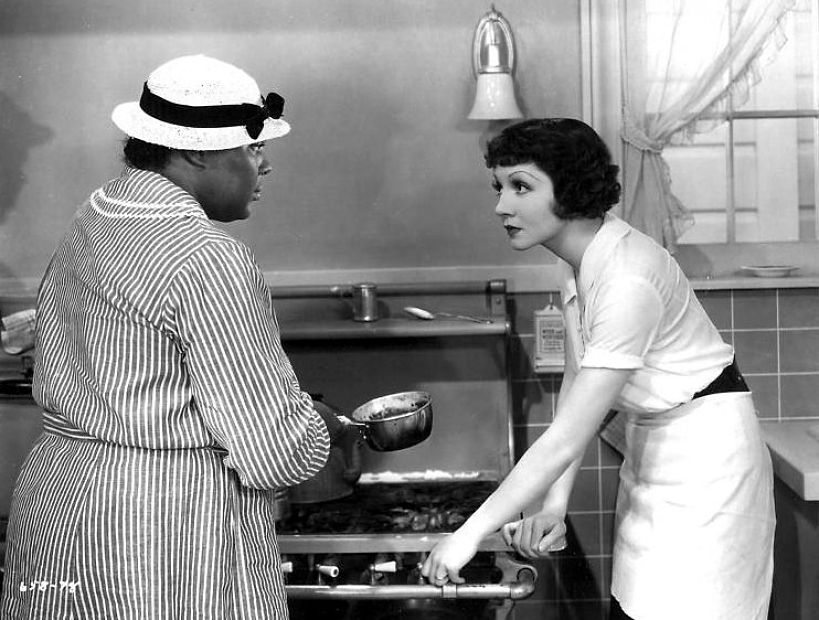
Imitation of Life (1934, Universal)

Assistant Directors back at the beginning of the film industry had a far different role than they do as the industry and art evolved. There used to be far more directing for assistant directors. First ADs now are far more administrative and keep the production running, most of their direction geared at background performers. Therefore, its interesting that the Academy once underscored the greater level of responsibility this job had with an award.

Best Dance Direction (1936-1938)
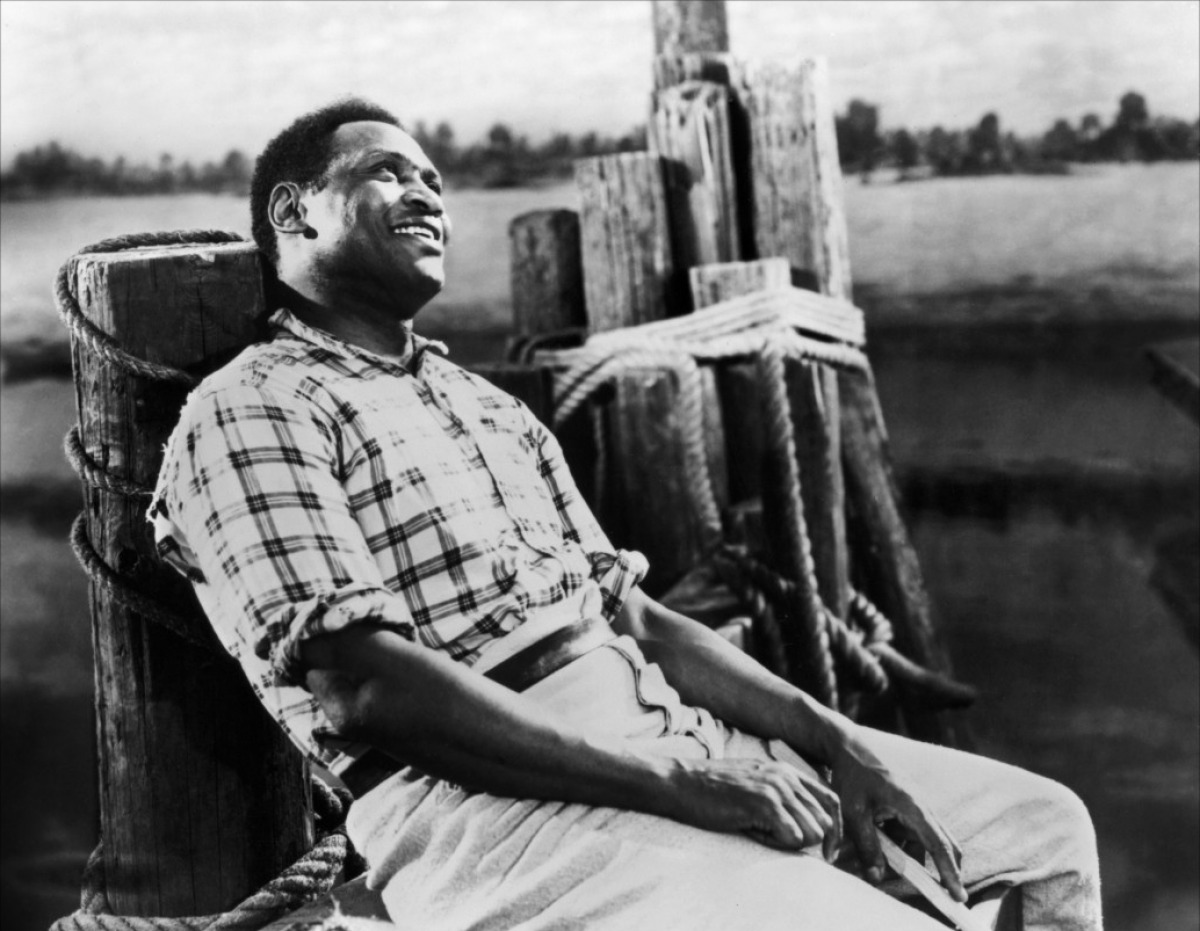
Show Boat (1936, Universal)

There are a few instances of the Oscars highlighting the elevated place that the film musical once held. This category specifically aimed at choreography on film is one.

Best Art Direction-Interior Decoration Black-And-White and Color 1940-1966
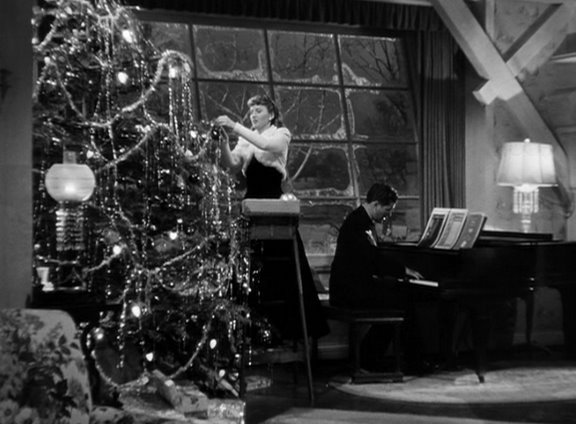
Christmas in Connecticut (1945, Warner Bros.)

This is the second of three categories that for year offered two prizes owing to the unique challenges and distinct differences in working in black-and-white and color. In simplest terms in color there are temperature, palette and tone considerations but in monochrome there is a transliteration of actual colors to gray tones for desired effect that must be considered and calculated by all department heads.

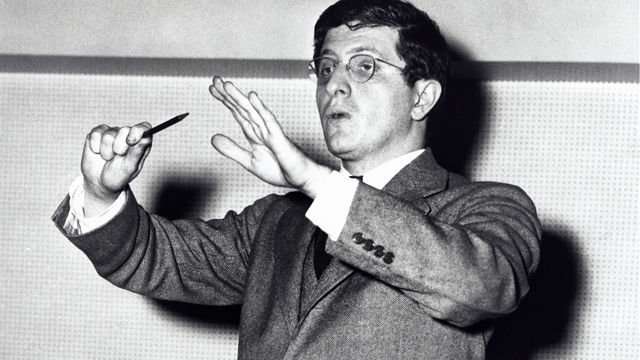
Best Music, Scoring of a Drama or Comedy (1946-1957) Best Music, Scoring of a Dramatic Picture (1942-1945) and Best Music, Scoring of a Musical Picture (1942-1957)
 

bernard-herrmann5

Here’s one more testament to the potency the musical once hand in the cinematic landscape of Hollywood’s output. In 1958 the distinction in scoring ended. For 16 ceremonies musicals were a category apart. They were so prevalent, significant, and thought to be so different that it had its own category for scoring.

The issue with genre-splitting is: where does it end? Comedy was excluded for three years, and then added. If musicals had stayed at their zenith would further scoring splits have occurred? Unlikely, but it may have been clamored for. Clearly, the loss of a category did not shut the door on the musical winning Best Score, The Sound of Music jumps immediately to mind, but it’s fascinating that it was a class apart for years.

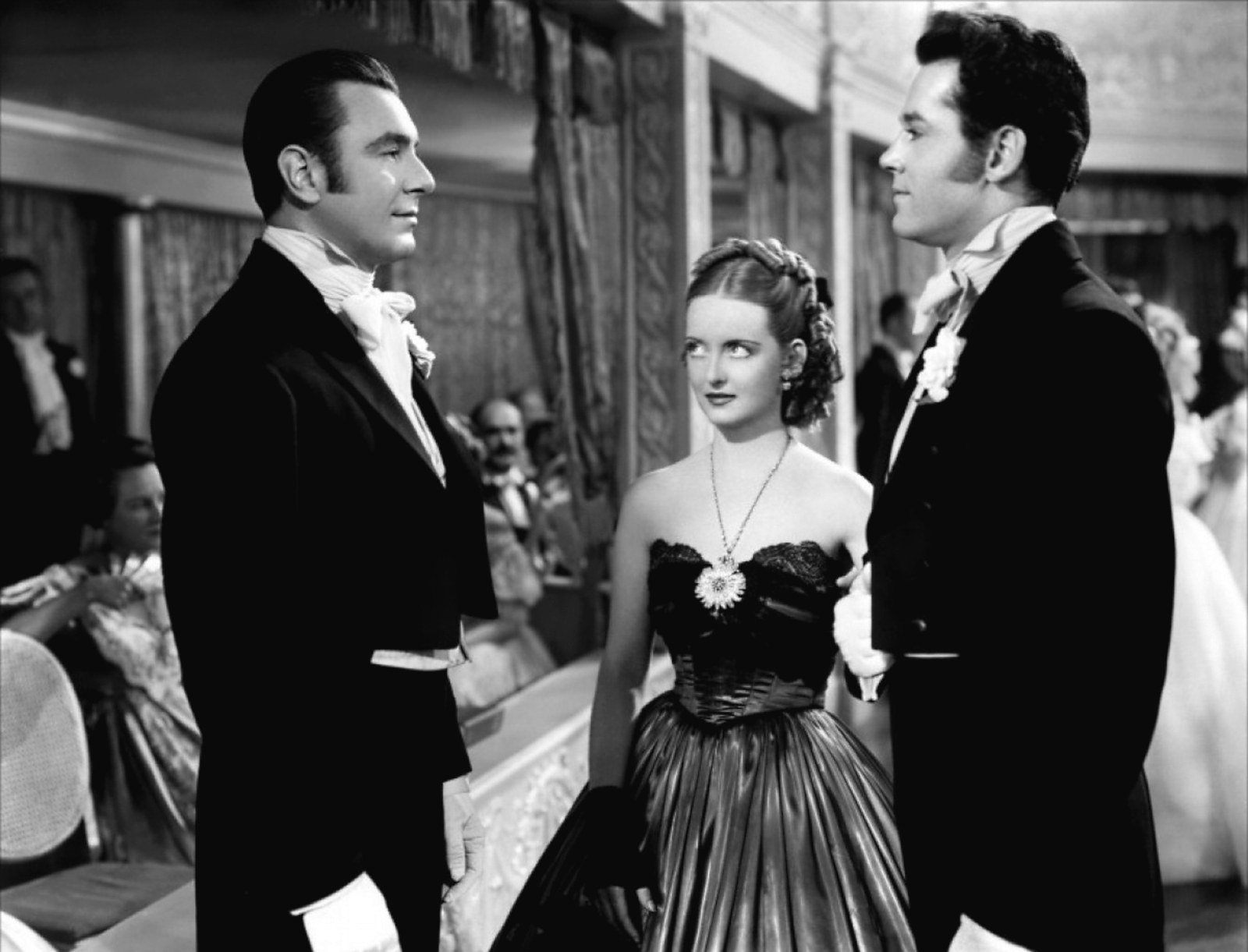
Costume Design Black and White and Costume Design Color (1948-1966)
Jezebel (1938, Warner Bros.)

If there’s one thing that you can laud the Academy for it’s that there was uniformity in when categories stopped being subdivided by color and black-and-white. In all cases when there was such a division, either from the inception of a category like costume design, or later in the game like with cinematography, that split ceased after the 1966 Awards.

Similar to Cinematography and Art Direction costuming for both media is a different game. Black-and-white requires a more abstract understanding of colors and textures and how they’ll read when exposed. Thus, its a bit more intuitive, at times counterintuitive, and far less literal than working in color. Again the time had surely come for the category to merge due to ubiquity but the task is by no means an easy one in monochrome.

Conclusion


Oscars (AMPAS)

In most of the these cases it is just interesting and important to note how far the artform and industry have come. It’s important in aesthetic appreciation to note some things that used to be taken for granted and to acknowledge different trends and forms of the past. However, in some of these cases these categories could still be highly useful and be brought back today.

Mini-Review: In the Heart

Here is the synopsis for this film as listed on the IMDb:

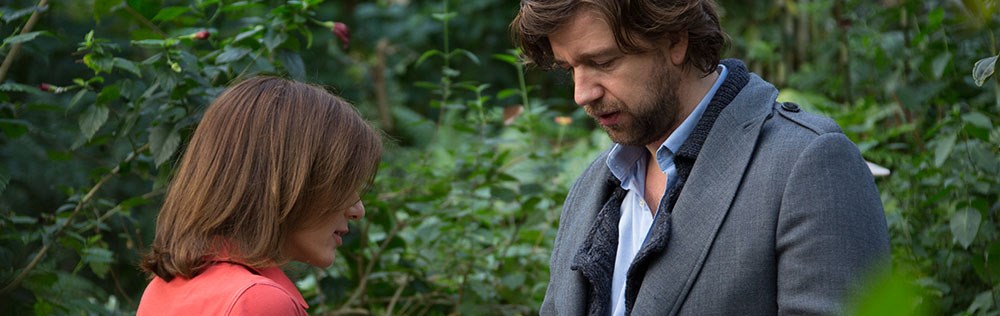
Masha (37) is in an overwhelming relationship with Luuk, father of two and separated. Nothing seems to stand in their way until Luuk turns incurably ill, leaving Masha without status.

What is interesting about this film is the way it plays with the traditional meet-cute formula in act one with a couple that’s a bit more mature. Luuk is divorced with children and Masha has never been in a relationship. The typical romcom plot exhausts most of its plot points in this entertaining, funny and charming first act and then the aforementioned life-changing event alters the path and the genre of the film. This is the film’s strongest and most unique point.

The sequence when Luuk is diagnosed and the immediate fallout thereof is the next strongest section of the film and is ultimately what buoys it over the finish line.

However, the film does lose some of its momentum as it pulls into its inevitable conclusion the button on the story is strong and well-earned, but it does lose a lot of what if could’ve been in getting there.

Much of what slows it down is that the tension amongst makeshift family members ends up being as frustrating for us as it is for Luuk. Which does help us identify with him but it seems that, even as emotional as they are that the ex-wife/girlfriend tension is ill-timed, repetitive and unfortunate.

Kim van Kooten is highly effective in this film and her charms are equally evident in both distinct portions of the narrative. Though his character here follows a similar trajectory as his in Time of My Life Koen De Graeve is wonderful here playing a different kind of man in a similar process.

In the Heart was released in Netherlands in January. Should it hit other markets it is worth looking into if you are intrigued. While I lamented what it could have been it is still an enjoyable experience with memorable performances.

6/10

Short Film Saturday: A-D-Something Something

The Following Heart series will be back with part three next weekend. I previously featured Zachary Maxwell on Short Film Saturday for both his guerilla doc on school lunches and his farewell letter to Santa.

Here he discusses ADHD. As the title indicates many do not even know it stands for Attention Deficit Hyperactivity Disorder much less any actual information about how its diagnosed, and that it’s not a “trend” or a medicate-it-and-forget-it condition.

Taking a personal approach at learning about it, and what makes ADHD different than “that’s just how kids are” make it resonate more and illustrates there is a concrete foundation for those treating and managing the condition.

A-D-Something-Something from Maxwell Project on Vimeo.

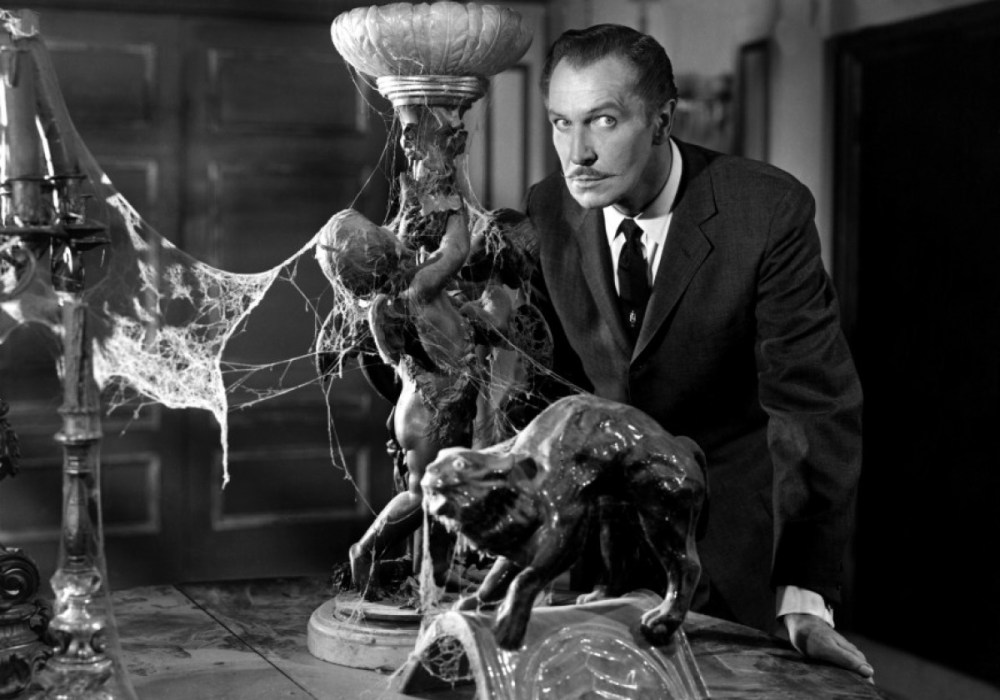
Free Movie Friday: House on Haunted Hill (1959)

I wanted to start this series back in January. Basically, there are a lot of good movies out there that you can watch free and clear. Meaning you don’t have to pay for them and by streaming it free you’re not stealing it because they are in the public domain. Also, in some cases, these films are not all as ancient as copyright laws usually call for.

There are quite a few horror films in this boat, which is where I’ll start. This was a film I first saw in a horror/sci-fi class and was likely my introduction to Vincent Price. It may be a good a one as any.

http://www.youtube.com/watch?v=lWtw7rZCsHA

Review: The Strange Color of Your Body’s Tears

Typically when I have failed to write about something prior to the BAM Awards, then that film is nominated a half-dozen times, then wins three times; I consider myself done writing about it for a time. However, The Strange Color of your Body’s Tears is one of the films that deserves some extra consideration. It should rouse some giallo fans out of the funk and stupor of scouring old titles whose hats are now as old.

If you saw Amer, and walked away disappointed as I did, this is a wholly different experience from directors Hélène Cattet and Bruno Forzani. This is a fully realized vision. Now one thing I will caution viewers on was that this was not an insight I came to immediately.

This is a film I didn’t re-watch yet but has lived off-and-on in my mind since I saw it. The initial ambivalence about it overall are fading away. Yes, I was floored by the sound mix, edit, the visuals and oneiric flow, but I think now that I’ve chewed on it enough that it’s the giallo elevation I wished Amer was, and whether or not I get it intellectually is almost secondary to its overall gut-punch impact. It’s a film you should allow to ravish you. I cannot guarantee that it will be as rewarding for the uninitiated as it is for someone who knows Giallo, well but if you stick with it and start to reconstruct the jigsaw you may well find you like it as well.

…deep, penetrating backgrounds and precision [camera] movements in The Strange Color of Your Body’s Tears.

Quite frankly the only word to adequately describe the images carved out in this film is astonishing. There’s a lushness that far exceed the prowess of gialli that inspired it and brand themselves on the eyes and minds of those who see it. Sure, it’s excessive but it is so with definite intentions and planning and is all the more breathtaking because of it.

The Strange Color of Your Body’s Tears, which does cut frequently but with purpose. It is almost nearly living in someone’s psyche and attempting to replicate that with it also moving through time, creating frames and meaning visually it is clearly the most outstanding work of the year.

The Strange Color of Your Body’s Tears assaults the senses throughout its duration and the ears are not exempt. Many of the jolts, much of the impact is through the mixing of effects, dialogue and score and helps contribute to its dreamy flow greatly.

It is available on digital and disc not and is recommended for fans of this unusual subgenre and the unusual.

31 Days of Oscar: The Invisible Woman (1940)

Introduction

Whatever I do manage to see this year during 31 Days of Oscar will be covered in a wrap-up post. In the meantime, those films that previously got buried in conglomerated posts will get their own due here. In the wrap-up I will continue the tradition of attempting to see 31 new-to-me Films and accounting for 100+ nominations.

The Invisible Woman (1940)

If you think that dumb movies that are all about effects are a new thing you should check this out. While not even new I must say the effects work in this film are great, however, the film is comedic in tone and isn’t that funny and truly suffers from the cast trying a bit too hard to sell it. Virginia Bruce does fine when she’s visible but when she’s invisible she’s as obnoxious as her character’s antics. It’s premise is thin and it’s a lame effort, sadly.

Oscar Nominations/Wins: 1/0
Score: 3/10

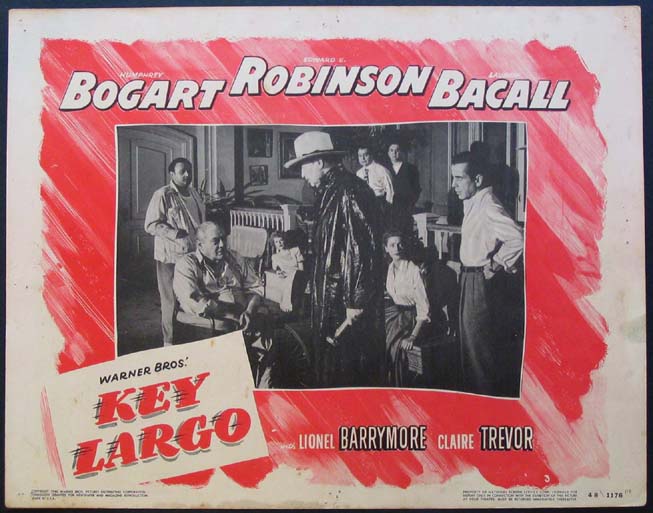
31 Days of Oscar: Key Largo (1948)

Introduction

Whatever I do manage to see this year during 31 Days of Oscar will be covered in a wrap-up post. In the meantime, those films that previously got buried in conglomerated posts will get their own due here. In the wrap-up I will continue the tradition of attempting to see 31 new-to-me Films and accounting for 100+ nominations.

Key Largo (1948)

I’ll admit I allowed myself to get too swept up in the MacGuffin but that didn’t hurt the film at all. The only things that really got in its way was that I ended up knowing what Bogart’s endgame would be and the occasional heavy-handed (read dated) attempt of inserting a message into the film about Native Americans while still reinforcing certain stereotypes. In the big picture it’s minor stuff. It’s a great situation that lends itself to tension-building and surprising reversals of fortune and plot.

Oscar Nominations/Wins: 1/1

Score:
8/10

31 Days of Oscar Blogathon – Actors – Non-Competitive, Non-Lifetime Wins

If you followed this link I know what you’re likely thinking: How many actors have been awarded Oscars that both not in a competitive category (meaning there were no nominations announced), and also not honored in a Lifetime fashion. It’s true there aren’t too many, but they are worth noting.

Some notes: Honorary Awards were once testing grounds for concepts before they were categories like Color Cinematography, Best Foreign Language Film, Best Visual Effects, Best Sound Editing, etc.

For each honoree I’ve included the Academy’s official blurb where available, and

For your edification here are the Honorary Oscars that are for an actors’ body of work over the course of their career:

2015

Maureen O’Hara on 2/22.

2014

Angela Lansbury and Steve Martin.

2013

Hal Needham

Is this the closest the Academy will get to acknowledging stunt performers?

2012

James Earl Jones

2011

Eli Wallach

AMPAS Governors Awards: Given ‘For a lifetime’s worth of indelible screen characters’.

2010

Lauren Bacall

In recognition of her central place in the Golden Age of motion pictures.

2003

Peter O’Toole

Whose remarkable talents have provided cinema history with some of its most memorable characters. (Oscar statuette)

2002

Sidney Poitier

For his extraordinary performances and unique presence on the screen and for representing the industry with dignity, style and intelligence. (Oscar statuette)

Robert Redford

Actor, director, producer, creator of Sundance, inspiration to independent and innovative filmmakers everywhere. (Oscar statuette)

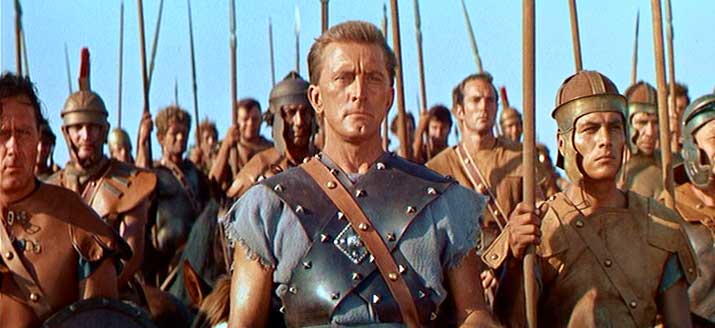
Spartacus (1960, Universal)

1996

Kirk Douglas

For 50 years as a creative and moral force in the motion picture community.

1994

Deborah Kerr

An artist of impeccable grace and beauty, a dedicated actress whose motion picture career has always stood for perfection, discipline and elegance.

[Immortalized since my childhood in Brazilian singer/songwriter Rita Lee’s “Flagra.” Lyrics and audio can be found here, translations can be done on engines. ]

1991

Sophia Loren

For a career rich with memorable performances that has added permanent luster to our art form.

Myrna Loy

In recognition of her extraordinary qualities both on screen and off, with appreciation for a lifetime’s worth of indelible performances. (Oscar statuette) – Myrna Loy was not present at the awards ceremony. She gave her acceptance speech live via satellite from her Manhattan apartment.

1987

Ralph Bellamy

For his unique artistry and his distinguished service to the profession of acting.

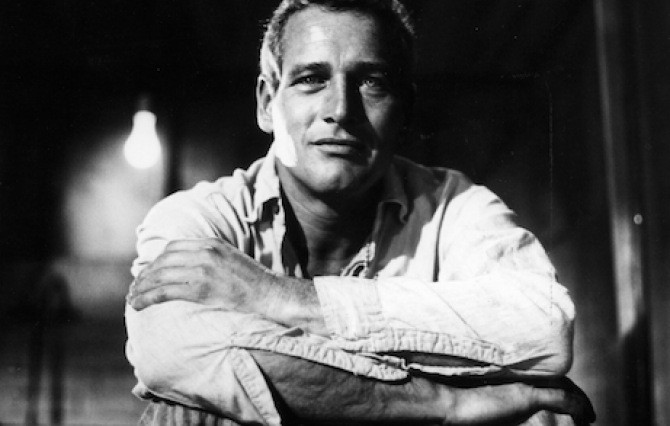
Cool Hand Luke (1967, Warner Bros./Seven Arts)

1986

Paul Newman

In recognition of his many and memorable and compelling screen performances and for his personal integrity and dedication to his craft.

Paul Newman was not present at the awards ceremony. He gave his acceptance speech via satellite from Chicago.

1985

James Stewart

For his fifty years of memorable performances,, for his high ideals both on and off the screen, with respect and affection of his colleagues.

1983

Mickey Rooney

In recognition of his 50 years of versatility in a variety of memorable film performances.

1982

Barbara Stanwyck

For superlative creativity and unique contribution to the art of screen acting.

1981

Henry Fonda

The consummate actor, in recognition of his brilliant accomplishments and enduring contribution to the art of motion pictures.

1979

Laurence Olivier

For the full body of his work, for the unique achievements of his entire career and his lifetime of contribution to the art of film.

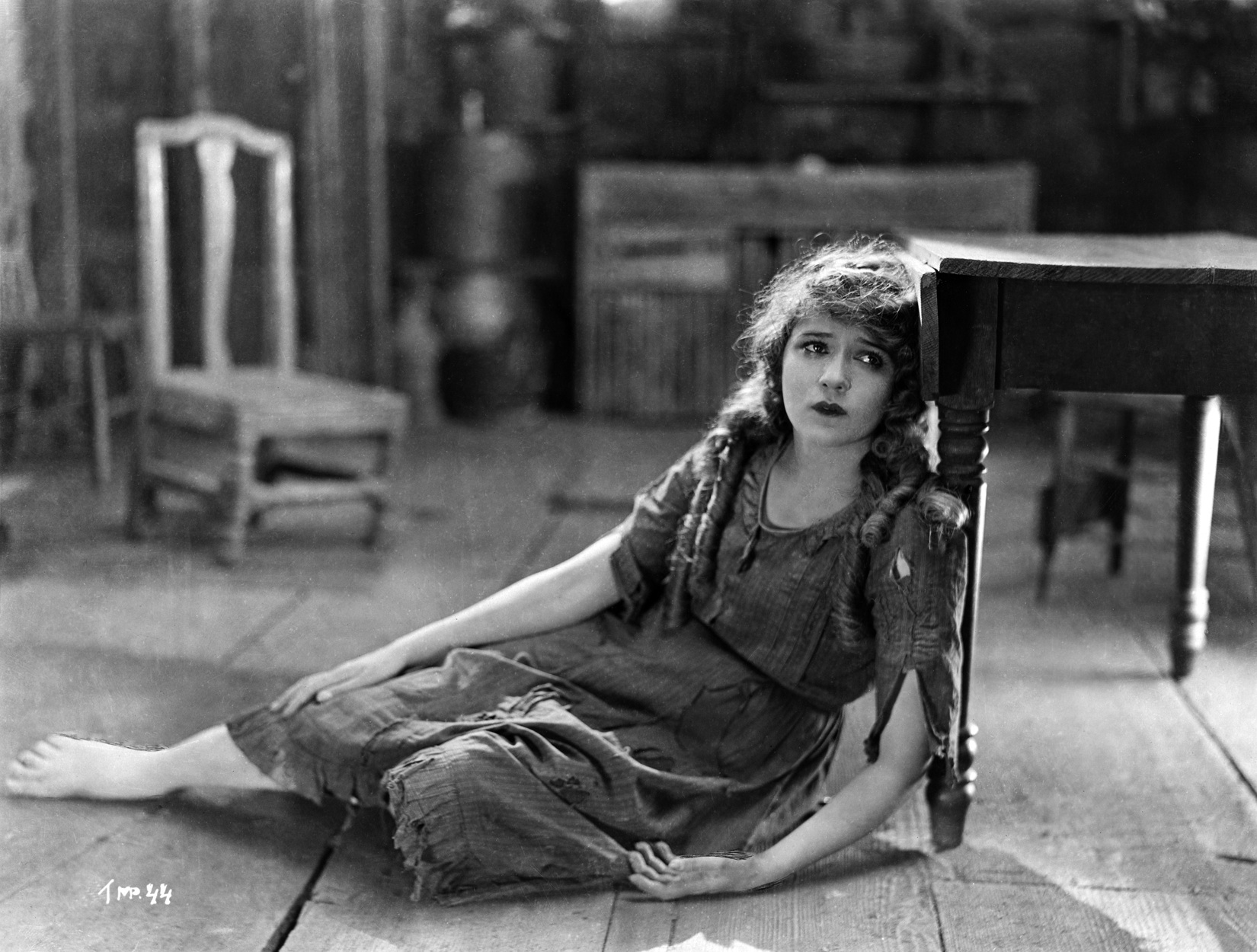
Tess of Storm County (1921, AMPAS)

1976

Mary Pickford

In recognition of her unique contributions to the film industry and the development of film as an artistic medium.

Mary Pickford was not present at the awards ceremony. The presentation was made at her Pickfair estate and taped for inclusion in the broadcast.

1974

Groucho Marx

In recognition of his brilliant creativity and for the unequaled achievements of the Marx Brothers in the art of motion picture comedy.

1973


Edward G. Robinson

Who achieved greatness as a player, a patron of the arts, and a dedicated citizen … in sum, a Renaissance man. From his friends in the industry he loves.

Posthumously. Robinson died 2 months before the ceremony, after the award was voted on. His widow Jane Robinson accepted the award on his behalf.

1972

Charles Chaplin

For the incalculable effect he has had in making motion pictures the art form of this century.

1971

Lillian Gish

For superlative artistry and versatility in the creation of motion pictures.

Orson Welles

For superlative artistry and versatility in the creation of motion pictures.

Orson Welles was not present at the awards ceremony. His acceptance speech was pre-recorded.

1970

Cary Grant

For his unique mastery of the art of screen acting with the respect and affection of his colleagues.

1966

Bob Hope

For unique and distinguished service to our industry and the Academy (gold medal).

[The fourth time Hope was honored is the only one in which it seems to be for the whole of his career.

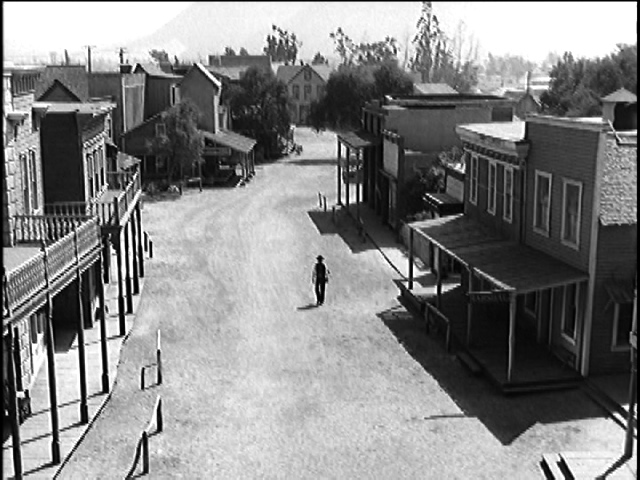
High Noon (1952, United Artists)

1961

Gary Cooper

For his many memorable screen performances and the international recognition he, as an individual, has gained for the motion picture industry.

Gary Cooper could not attend the awards ceremony. James Stewart accepted the award on his behalf.

Stan Laurel

For his creative pioneering in the field of cinema comedy. Stan Laurel was not present at the awards ceremony. Presenter Danny Kaye accepted the award on his behalf.

[Just Stan? Fair or unfair? Unfair.]

1960

Buster Keaton

For his unique talents which brought immortal comedies to the screen.

1959

Maurice Chevalier

For his contributions to the world of entertainment for more than half a century.

1957

Eddie Cantor

For distinguished service to the film industry.

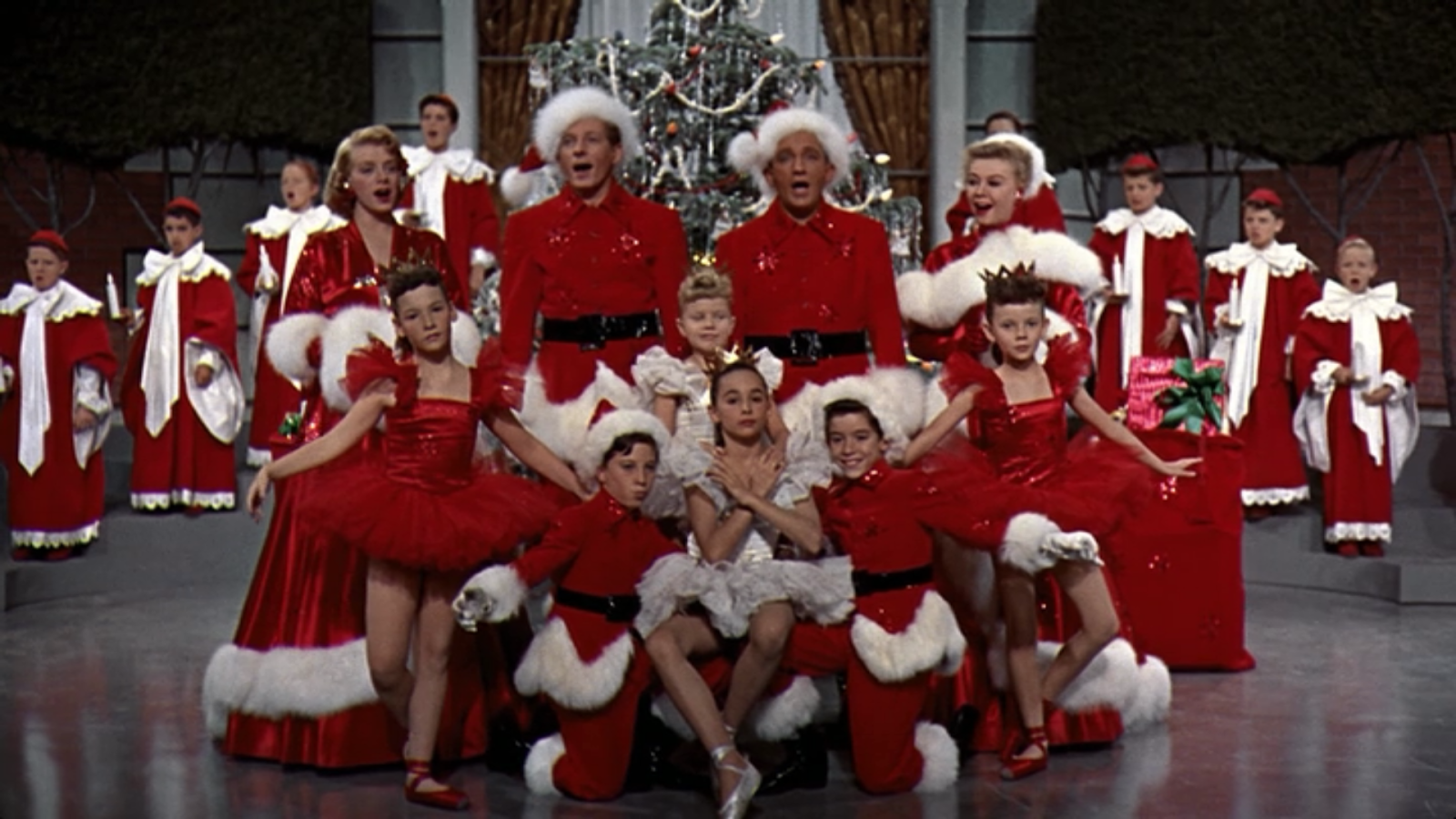
White Christmas (1954, 20th Century Fox)

1955

Danny Kaye

For his unique talents, his service to the Academy, the motion picture industry, and the American people.

Greta Garbo

For her unforgettable screen performances. Greta Garbo was not present at the ceremony. Nancy Kelly accepted the award on her behalf.

1953

Bob Hope

For his contribution to the laughter of the world, his service to the motion picture industry, and his devotion to the American premise.

[Number three. Since it cites the Motion Picture industry I do not cite it as an award for other services.]


Harold Lloyd

For his contribution to the laughter of the world, his service to the motion picture industry, and his devotion to the American premise.

1952

Gene Kelly

In appreciation of his versatility as an actor, singer, director and dancer, and specifically for his brilliant achievements in the art of choreography on film.

1950

Jean Hersholt

For distinguished service to the motion picture industry.

Fred Astaire

For his unique artistry and his contributions to the technique of musical pictures.

Actors Awarded for Other Endeavors

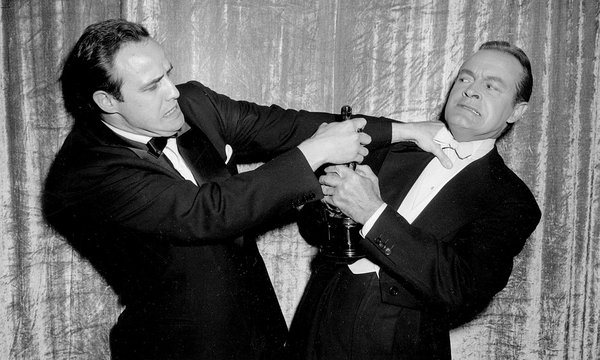
Bob Hope and Marlon Brando (A.M.P.A.S.)

There have been many cases where Honorary Awards have been specifically given to actors for work not onscreen. Here are those instances with the Academy’s blurb for each. When necessary I have expounded on them:

1945

Bob Hope

For his many services to the Academy (Life Membership in the AMPAS).

[Did hosting apply to this too?]

1943

Charles Boyer

For his progressive cultural achievement in establishing the French Research Foundation in Los Angeles as a source of reference (certificate).

1941

Bob Hope

In recognition of his unselfish services to the motion picture industry (special silver plaque).

1940

Hearts of Humanity (1932)

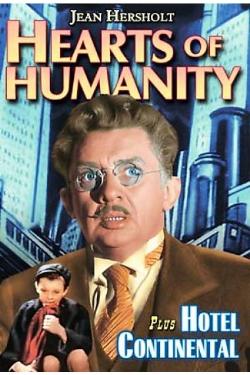
Jean Hersholt (president), Ralph Morgan (chairman of the executive committee), Ralph Block (first vice-president), Conrad Nagel (Motion Picture Relief Fund)

Acknowledging the outstanding services to the industry during the past year of the Motion Picture Relief Fund and its progressive leadership
(plaque).

Douglas Fairbanks

Recognizing the unique and outstanding contribution of Douglas Fairbanks, first president of the Academy, to the international development of the motion picture (Commemorative Award).

1938

Edgar Bergen

For his outstanding comedy creation, Charlie McCarthy (wooden statuette).

[Ventriloquism is performance, but since this award is for the creation of a character I consider it “another” contribution.]

1932

Fantasia (1940, Disney)

Walt Disney

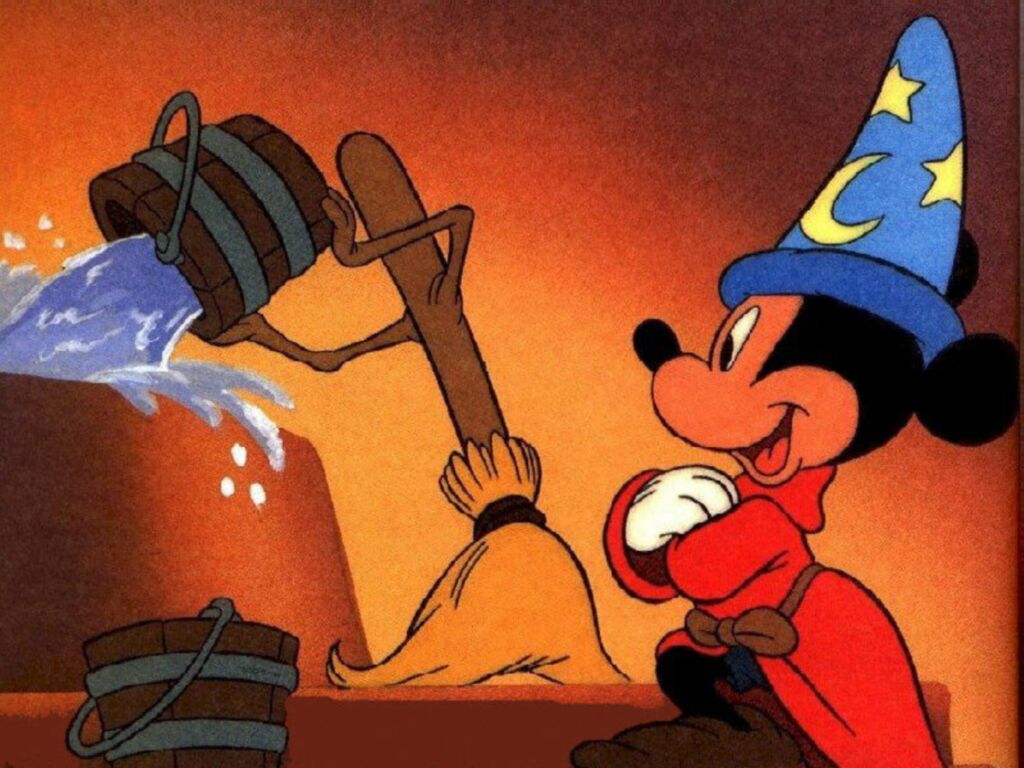
For the creation of Mickey Mouse.

[Walt Disney received quite a few custom-created Oscars. This one I consider as an actor for another endeavor because he did start of drawing and voicing Mickey aside for conceptualizing him. Disney’s renown is justly more for producing and his creative/business acumen, but it did all start with a mouse which he was the driving force behind].

Actors Awarded For Singular Performances in Non-Competitive Ways

Song of the South (1946, Disney)

OK, now that we got the standards and the oddities out of the way we can discuss briefly the two single-performance Honorary Oscars ever. They are rare and each have their own unique circumstances.

1948

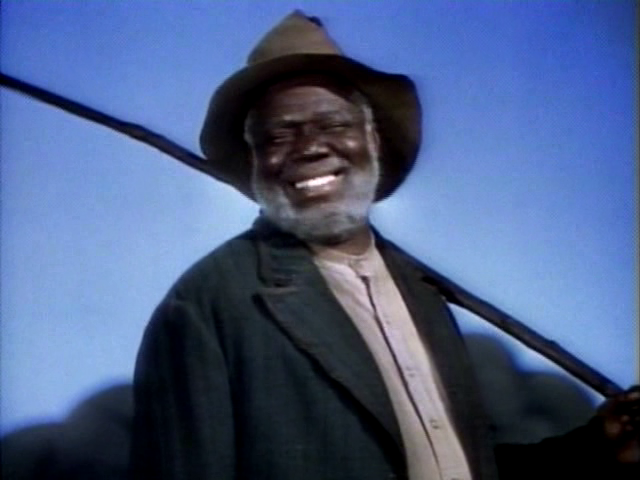
Song of the South: James Baskett

For his able and heart-warming characterization of Uncle Remus, friend and story teller to the children of the world, in Walt Disney’s Song of the South.

[Here I go talking about Song of the South again, I knew this was going to overlap here when I planned it.

Essentially this is the Academy taking up the idea after Disney’s urging. Baskett sadly died a most untimely death of heart failure shortly after his being awarded the Oscar.

1929

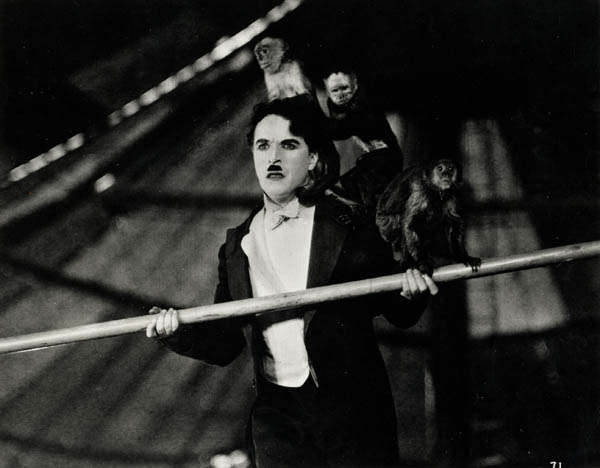
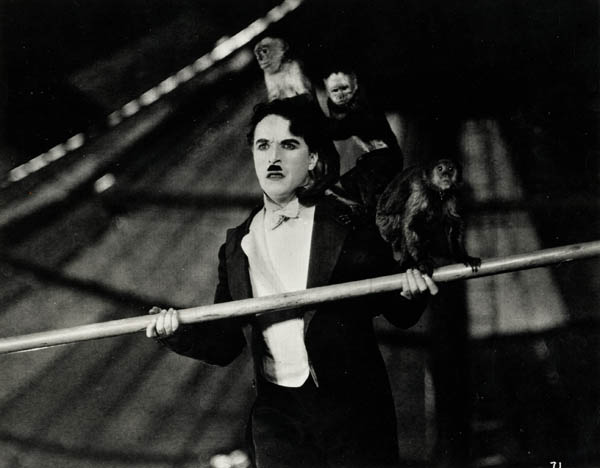
The Circus (1928, United Artists)

Charles Chaplin, The Circus

For versatility and genius in acting, writing, directing and producing The Circus.

Though nominated for best actor, the academy decided to remove Chaplin’s name from the competitive classes and instead award him a Special Award.

As I will look at in the defunct categories post when snubs come around thing were a lot different in the early days before the Academy gained prestige and standard operating procedures. Even though the blurb for Chaplin’s honorary award reads very complimentary between the lines it does seem to read like: “You were going to embarrass everyone, Charles, here’s an award now let’s all give some other folks a chance.” Whether personal, actual or business politics came into play I’m sure will never be confirmed, but it’s really one of the most head-scratcing decisions ever on the surface. We’re going to un-nominate you and give you an Oscar then re-award Best Actor of 1929. Weird to say the least. Not only were the Oscars new but the industry was in flux. Silent versus Talkies may have played into it as well.

Chaplin, of course, would go on to win another Honorary Award after long leaving the US, and again when Limelight made its way across the Atlantic after 20 years.

Conclusion

Anyone with further information on the Chaplin oddity, please do add some. Thank you. Next week I will discuss the short-lived and otherwise defunct Oscar Categories in the Snubs theme. I hope this was an enjoyable one even with the long lead-in citing conventional Honorary Winners.

2015 BAM Award Considerations – January

I know that awards season on this blog just ended, and it still continues in the outside world; however, assembling those nominees is a year-long process. So the cycle begins anew with posts at the end of the month and master lists offline in preparation for the big dates of the award’s calendar year. Enjoy the scant January offerings. Most of the month was dedicated to Oscar catch-up, shorts and older titles, which you can see on my Letterboxd.

Eligible Titles

The Wedding Ringer
American Sniper
Taken 3
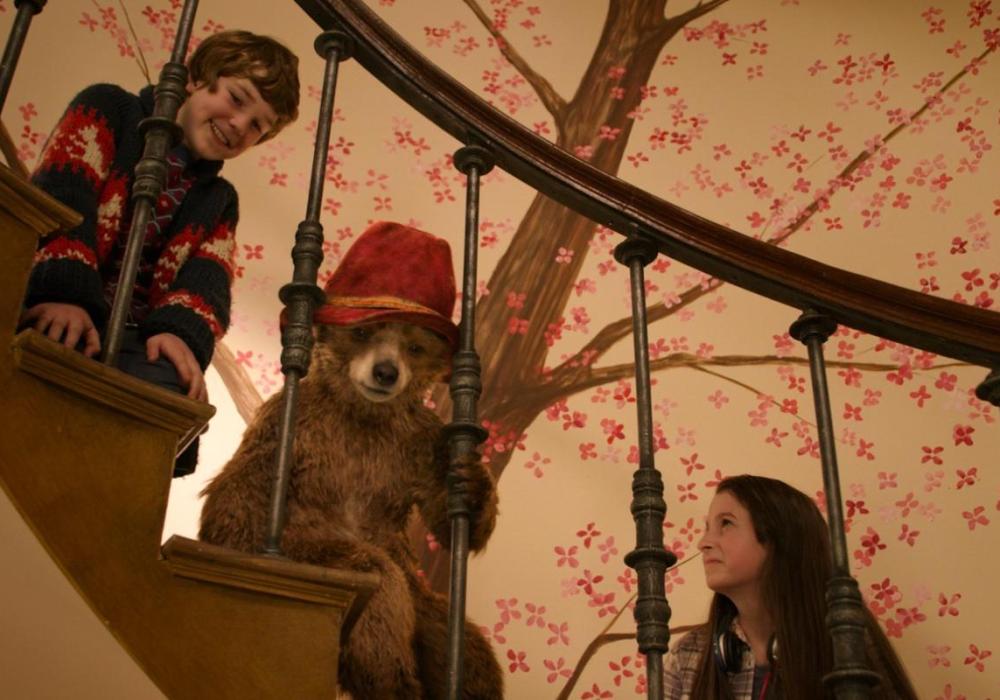
Paddington
Black or White

Best Picture

Paddington

Best Foreign Film

Best Documentary

Most Overlooked Picture

As intimated in my Most Underrated announcement this year, I’ve decided to make a change here. Rather than get caught up in me vs. the world nonsense and what a film’s rating is on an aggregate site, the IMDb or anywhere else, I want to champion smaller, lesser-known films. In 2011 with the selection of Toast this move was really in the offing. The nominees from this past year echo that fact. So here, regardless of how well-received something is by those who’ve seen it, I’ll be championing indies and foreign films, and the occasional financial flop from a bigger entity.

Paddington

Best Director

Paddington

Best Actress

Sienna Miller American Sniper
Octavia Spencer Black or White

Best Actor

Bradley Cooper American Sniper
Kevin Hart The Wedding Ringer

Best Supporting Actress

Nicole Kidman Paddington
Paula Newsome Black or White

Best Supporting Actor

Peter Capaldi Paddington
Anothony Mackie Black or White
Josh Gad The Wedding Ringer

Best Performance by a Young Actress in a Leading Role

Madeleine Harris Paddington

Best Performance by a Young Actor in a Leading Role

Samuel Joslin Paddington

Best Performance by a Young Actress in a Supporting Role

Jillian Estelle Black or White

Best Performance by a Young Actor in a Supporting Role

Jude Wright Paddington

Best Cast

Paddington

Best Youth Ensemble

Paddington

Best Original Screenplay


Best Adapted Screenplay

Paddington

Best Score

Paddington

Best Editing

Paddington

Best Sound Editing/Mixing

Paddington

American Sniper

Best Cinematography

Paddington

Best Art Direction

Paddington

Best Costume Design

Paddington

Best Makeup

Paddington

Best Visual Effects

Paddington

Best (Original) Song

Paddington