Franchise Focus: The Fast and the Furious

Rather than have just a one off piece on an aspect of a franchise, I thought this would be a good way to kick off a new series. As you may have seen during 61 Days of Halloween, I tend to like to take on long series no matter what so here’s a post that can run anytime on any franchise and discuss any aspect of it.

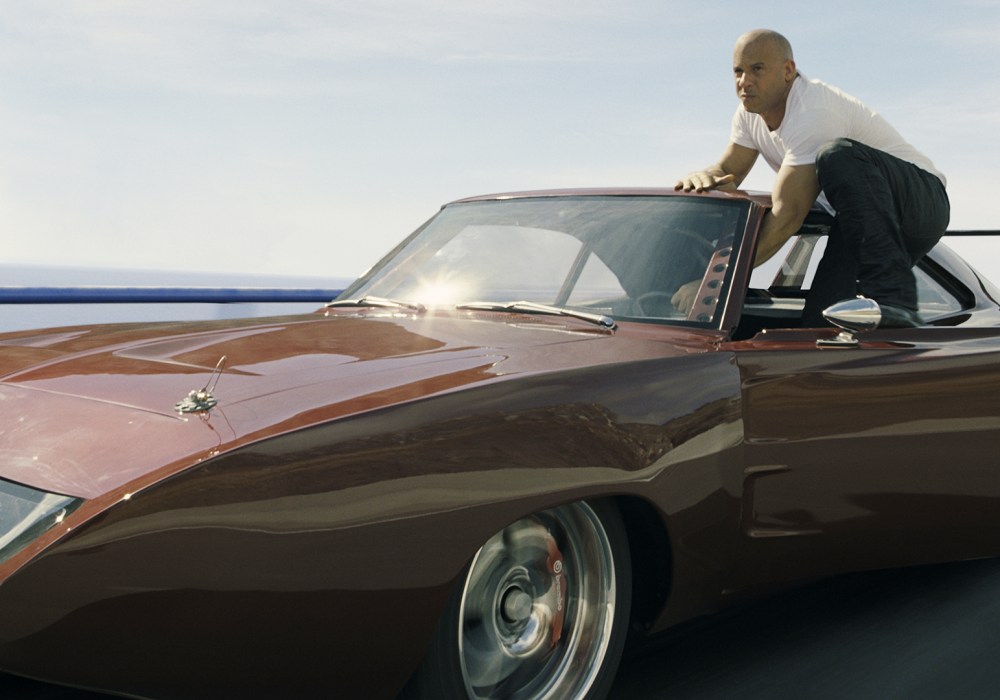
Usually when you say the first film in a series you’ve seen is part 5 that’s a strange thing to say. However, when I tell you that the series I’m referring to is The Fast and the Furious franchise, suddenly that doesn’t seem that odd. It’d be difficult to prove but I doubt there’s a precedent set for a series where part 5 is the most critically acclaimed and where part 6 is poised to be the highest grosser.

The ups and downs on Metacritic and Rotten Tomatoes are similar: Metacritic: 58, 53, 46, 45, 67 and 61; and Rotten Tomatoes follows suit with slightly different numbers 53, 36, 35, 27, 78, 71.

With those facts in mind I wanted to backtrack and watch the series that I hadn’t seen up to part 5 before taking in the new one. It seemed many people did, only I haven’t been bingeing. I’ve been taking my time, however, getting the discounted double features wasn’t as easy as I thought because I looked at the titles of the first four: The Fast and the Furious, 2 Fast 2 Furious, The Fast and the Furious: Tokyo Drift and Fast and Furious and was confused. Since I’ve gotten in the bad habit of disregarding the word “The” in titles I couldn’t tell, and had forgotten, that part four had one of lazier more non-descript titles in recent memory.

A lot of the reason that the series has been so successful late in the game, and bigger than ever, is the producers have been willing to change it up from what I can tell already. The ante is upped, the players change, the stunts get bigger the location has changed and so on. What it lacks in over-acing philosophy and narrative through-lines it makes up for with its chameleon-like nature and progressively growing. It’d be nice if the titles matched that shift more though.

Essentially, this is a branding commentary, since the discussion is on a franchise and branding is an aspect of it, like it or not. These titles dilute the brand. The film stands apart as I’ve said, but aside from Tokyo Drift, which was a compelling reason to start the journey, they don’t stand out. This series has split the difference between straight numbering, like Iron Man, and subtitling. If a subtitle is good enough it will be remembered no matter how cumbersome. Just look at the Star Wars series.

I don’t think I’ll come out disagreeing with the overall perception of any of these films as represented by composite scores and box office, but as this series invariably continues and tries to innovate and better itself, hopefully it adds more character to the title it splashes across the poster.

Why The Purge Matters

Finances

Box office actuals won’t likely be out until tomorrow, but the estimates are that The Purge not only won the box office for the weekend clearly, but it also sets a record for an opening by an R-rated horror film in the US. On top of that, it’s take in excess of $36 million dollars more than makes back its reported 3 million production budget.

I’ve frequently commented on budgets inasmuch as I don’t care what they are so long as the film is good. As a viewer that’s true. If a film cost a couple of thousand dollars and works (like Absentia) good for it. If a movie costs a lot of money and works for me bully for it as well (See Artificial Intelligence). Budget really only comes into play on a film, for a viewer, when a film is trying to tell a story beyond its means and fails. If a film understands its constraints and tells its story well within them you can’t knock if for being made on the cheap.

As a filmmaker, budgets do matter. When a film made with a very small investment compared to many, especially so-called tentpoles, can be a hit regardless of what its magic number is and return on that investment that’s a great thing. Most people with sense recognize that fiscal responsibility is needed. Steven Spielberg has directed a number of blockbusters but even he knows that more isn’t always more. So there’s a sense that profit, more than throwing money at a supposed sure thing; or rather something that can’t miss because too much has been invested already, doesn’t always make sense.

The Purge (2013, Universal)

Story

But the success of The Purge is exciting because its strength is its idea. Now, I am one of those who enjoyed the film a great deal. There was a certain more that I wanted, and not in the best way, but the film does work and sets the stage. The concept is about a night of legalized crime. The introduction to the concept is through a microcosmic approach where one family who usually does not get involved, just hides out, becomes ground zero for the neighborhood’s hunt. It essentially plays a home invasion plot.

However, with a jumping-off point of legalized crime and the potential franchise (I am sure it will be one now) drawing its strength from a concept rather than a star or an iconic character there are any number of areas or stories in the genre it can explore. It can either start the next installment with this family or go off on a tangent, it can show the chaos that lead to this all or any number of permutations on Purge Night. Like many of the most successful franchises it tethers itself to a once-a-year happening, but in this case they created a holiday.

I think a common talking point was we wanted more about what precipitated the institution of the purge. That is introduced just enough such that the story can work and the details are left as potential fodder for later. In this film its a given and that’s fine. It still works very well and more importantly people talked about it. Whether you went in cynical or willingly suspended disbelief it got people talking, just on the concept.

On my Twitter feed I saw a hashtag develop of #LegitPurgeQuestions. Yes, many of them were funny but it’s still people talking, engaging, being interested in the idea, and when all is said and done, wanting more.

When I recently rescreened Sinister I noted how many bullets I jotted down for a post I’m planning later in the year. There are many talking points in it. Blumhouse is not only making successful horror films but ones that get people talking and whether you enjoy them or not, I for the most part have liked them a lot, they’re keeping a genre that’s always in peril of stagnation, to one extent or another, fresh.

I say that can be nothing but a good thing.

The Hits and Misses in The Globalization of Casting

Even before the advent of sound, when Hollywood became a dream factory and was beginning to make films known the whole world over, it has not been uncommon for those in film from the world over to emigrate when they’ve reached a certain status and want to continue to hone their craft at a significantly increased salary.

Just a quick look for evidence shows you as much. “Garbo Talks!” blared the one sheets when Great Garbo, the austere Swedish star made her debut in sound. So the world coming to Hollywood is not new. Hollywood going abroad and making attempts to represent other cultures more accurately hasn’t been going on quite nearly as long.

Such practices as white washing, and basic stereotyping, thrived for years in large part due to prevailing social mores. The last bastion of political incorrectness in cinema, for better or worse, was in the 1980s. Since then films have become more PC, but also have come closer to incorporating the globalizing mindset that hit other industries first.

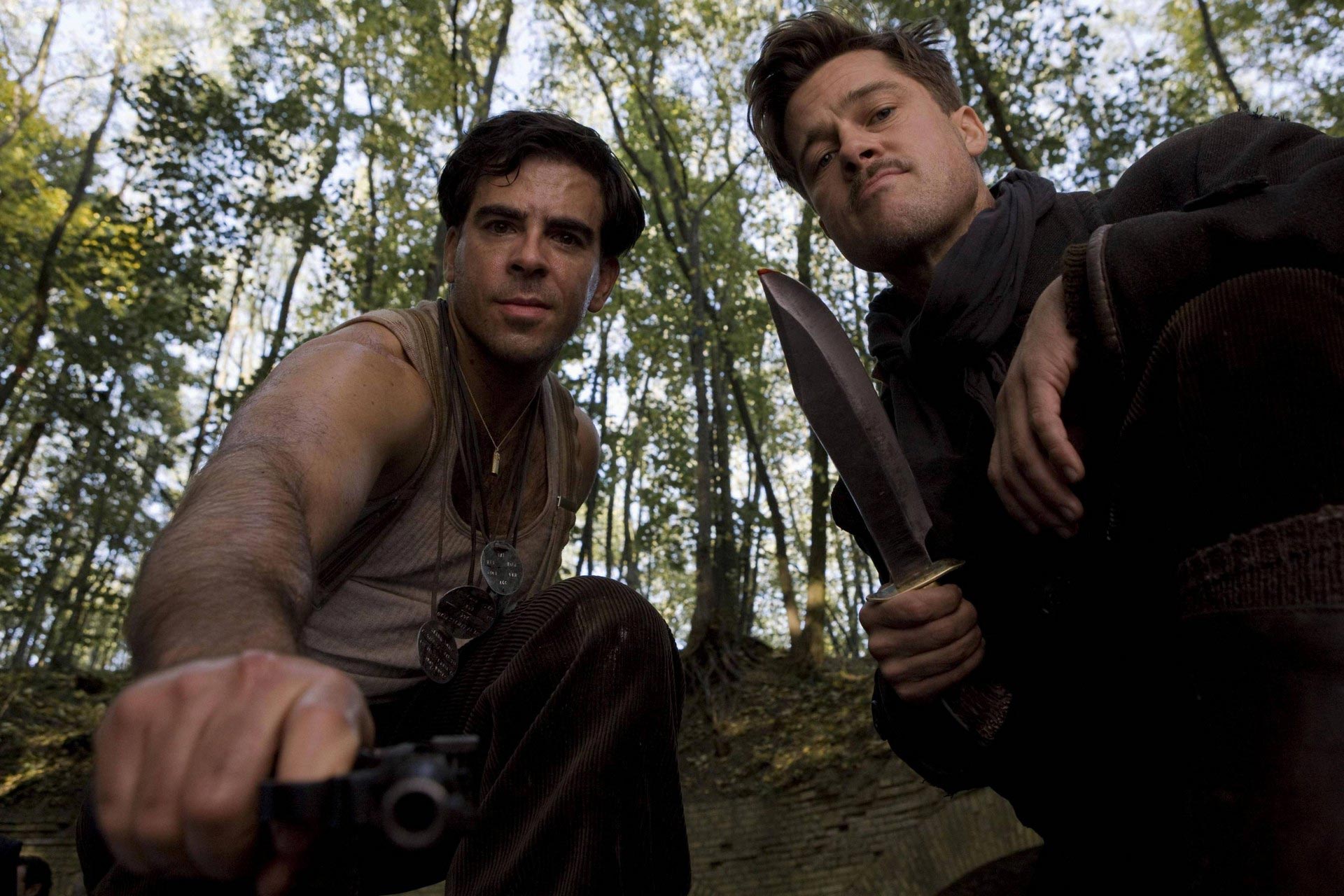
The foreign-born stars are still present, except now many simply keep their names rather than Americanizing them. Foreign world premieres are more prevalent as well as Hollywood films opening overseas before they open in the US. Whereas the British accent was once the standard Hollywoood code for “these people speak foreign,” that is not as heavily relied upon anymore. Thanks in large part to Quentin Tarantino’s Inglourious Basterds foreign dialogue and subtitles are now more common in mainstream American cinema.

Inglourious Basterds (2009, The Weinstein Company)

While there are two sides to everything, most of those things are just fine. I’d dare say recent global box office returns more than justify the overseas first strategy; even when it becomes irksome. For some it’s not a matter of jingoism but simply what makes sense. For example, Tintin opening in many markets all over the world before the US makes perfect sense. The only reason I knew who Tintin was growing up was because I’m a first generation American. But when things like Iron Man 3 go abroad first, as opposed to a universal release date, it can get under our skin, but I for one will live.

The one place in which the shift to a globalized game of cinema seems to have skipped a step is in casting. This was something that was recently brought to my attention by a Facebook post written by a friend of mine, which gave me a different frame of reference other than my own.

Films have gone from a place where caucasians born in the US can and do play any and every ethnicity or race to a place that’s more mired and perhaps a specific casting stop was needed. The hard thing about arguing for literal casting choices is that casting, as well as writing, is a creative enterprise and it’s impossible to enforce policies or try to set quotas with regards to it. However, it is something that can and should be discussed.

Love Actually (2003, Universal)

Here’s my frame of reference being a dual citizen of the United States and Brazil: In the past decade or so I have been very pleased to see a few more Brazilian actors break through onto the world scene.

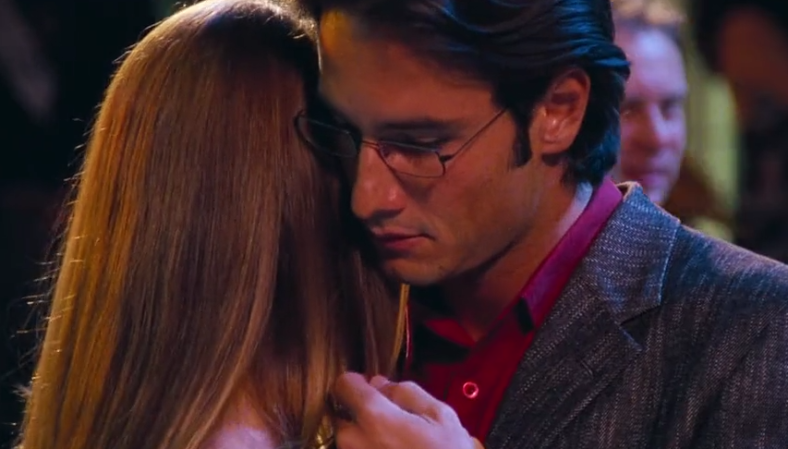
The first one I noticed was Rodrigo Santoro. Now, I never watched Lost, so I give him a pass for being part of an annoying couple, but in film terms I thought it was a rather progressive step that he was in Love Actually and he wasn’t cast because the character was written as the “dreamy Brazilian” guy, but he was just supposed to be an unrequited love.

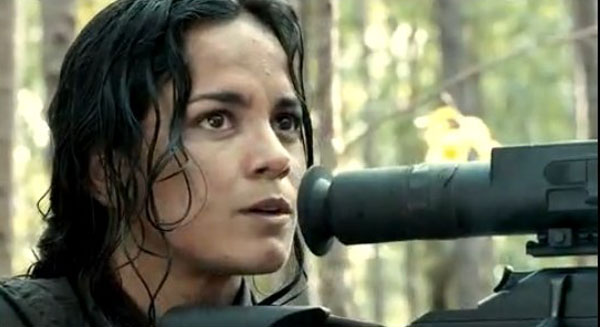
Another encouraging step I found was Alice Braga’s involvement in Predators. Now characters written as Brazilian have been cast by actors of different Hispanic ethnicities before, but this was the first time I saw a Brazilian actress playing a character specifically designated as being Hispanic.

Predators (2010, 20th Century Fox)

Of course, this where characters as speaking English the whole time anyway. The next threshold to cross would be to see if someone like Wagner Moura will break through into lead roles or significant supporting characters written for any and all comers.

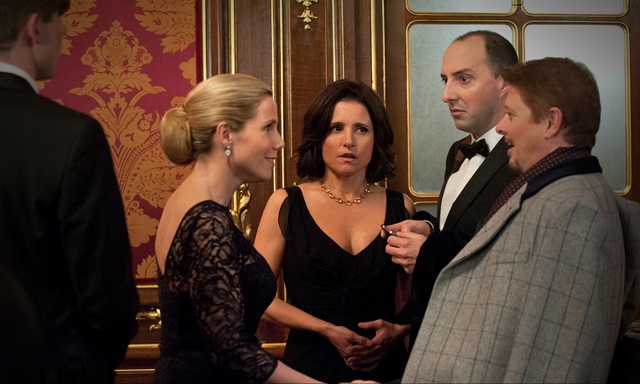
Here’s where the issue becomes complicated, and here’s where my friend’s Facebook post comes in, you’re casting people for an American project who are supposed to be from another country and speaking another language. His specific example is of a recent episode of Veep wherein it takes place in Finland and instead of finding actors who speak Finnish (They exist! There are Karusmaki films to prove it!) instead a Canadian and British actor are hired and taught their lines and likely pass for American audiences but it just seems like a waste of resources especially for guest spots. I like Dave Foley a lot but that choice seems like the kind where, even as much as I like an actor, the oddity of the decision would’ve taken me out of the moment as a viewer. Maybe someone saw the Feelyat skit one too many times.

If you’re directing a film and you’re convinced an actor can nail the lead role, even if they have to learn a language to do it, like Alicia Vikander did for A Royal Affair, that’s one thing, but to take a fairly small role and teach someone a language when you can easily find someone who won’t have that hurdle standing in their way just seems silly.

La Vie en Rose (2007, Picturehouse)

There are plenty of actors who work in many languages and accents. However, many are clearly stronger in one over the other. Gerard Depardieu and Marion Cotillard in French films are a inordinately better than they are in English-language ones. So wouldn’t it stand to reason that a Finn, who is also a trained actor, would be more capable of performing a role than English-speaking actors who were taught a language for a part; a language mind you that is siphoned off from the Germanic tongues of the other Scandanavian countries and is more akin to Hungarian?

Of course, if the film good you get a pass, but it’s risky. For example, in a vaccuum would I have preferred a Brazilian play Eduardo in The Social Network? Yes. However, I never heard someone nail a Brazilian accent like Andrew Garfield did, and he was absolutely robbed of an Academy Award nomination.

So in closing, yes, it’s a creative field and any decision can be justified, especially if the end product is well received. However, sometimes things that make more sense work. Keep it simple. And if you want to question what happens when the shoe is on the other foot? I have a perfect example: The Brazilian film Four Days in September is about a US Ambassador held hostage during the military dictatorship in Brazil. Did the producers of said film get some no-name Brazilian actor who could speak English and looked “American”? No, they got Alan Arkin because he’s American and he’s money in the bank. That’s a casting choice you won’t second guess. Case closed.

Shyamalan Week: BAM Best Picture Profile – The Sixth Sense

Introduction

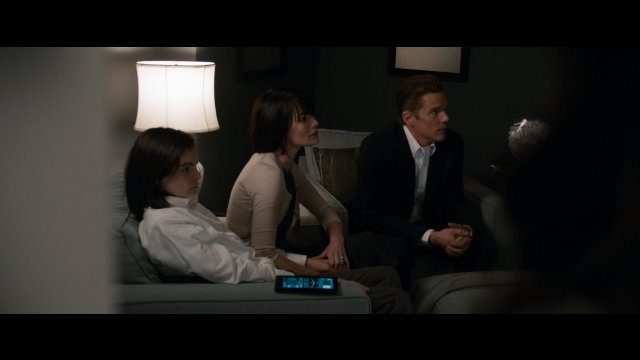
The Sixth Sense (1999, Touchstone Pictures)

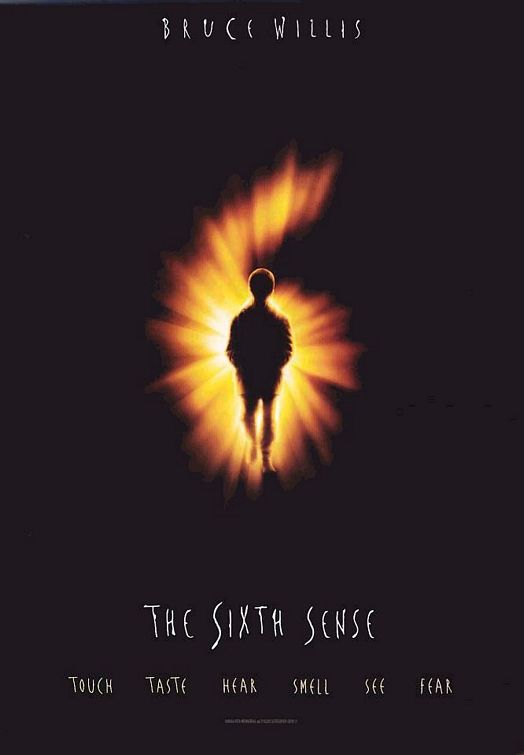
Here’s another one where I’ve decided on a different tact as opposed to the pre-existing text I’d written. I don’t recall what the assignment was but I originally wrote a comparison between The Sixth Sense and American Beauty as they were best picture nominees. I’ve decided to edit that such that I only discuss The Sixth Sense and why it won the BAM Award for Best Picture of 1999. As I recently stated in the site’s first official piece on Django Unchained all the Best Picture winners should have write-ups and to that end, those that do not yet will get their due in December. However, since I decided to focus on the work of M. Night Shyamalan this week, I may as well post it now.

Overly-Cautious Warning: If you’ve never seen this film stop what you’re doing right now and go see it. I do spoil it eventually in this analysis.

The Sixth Sense (1999)

The Sixth Sense (1999, Touchstone Pictures)

When I first saw the trailer to The Sixth Sense I knew I wanted to see it. I thought it was going to be one of “My Movies,” meaning no one but me would like it. There was a sneak preview a week before the nationwide release. My family and I got our tickets early via Moviefone. Thank goodness we did because there were many people walking up to the box office wanting to see it and being turned away because it was sold out. That was a good sign.

The film spent five weeks at #1 at the box office. I then started to hear the Oscar buzz stirring. After the Golden Globes and SAG Awards it didn’t seem likely it would do much at the Oscars. It didn’t. That doesn’t make it right, though. However, that’s why I had started the BAM Awards in the first place.

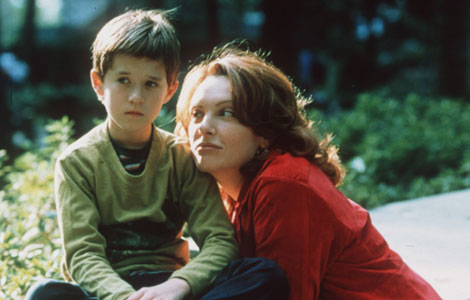
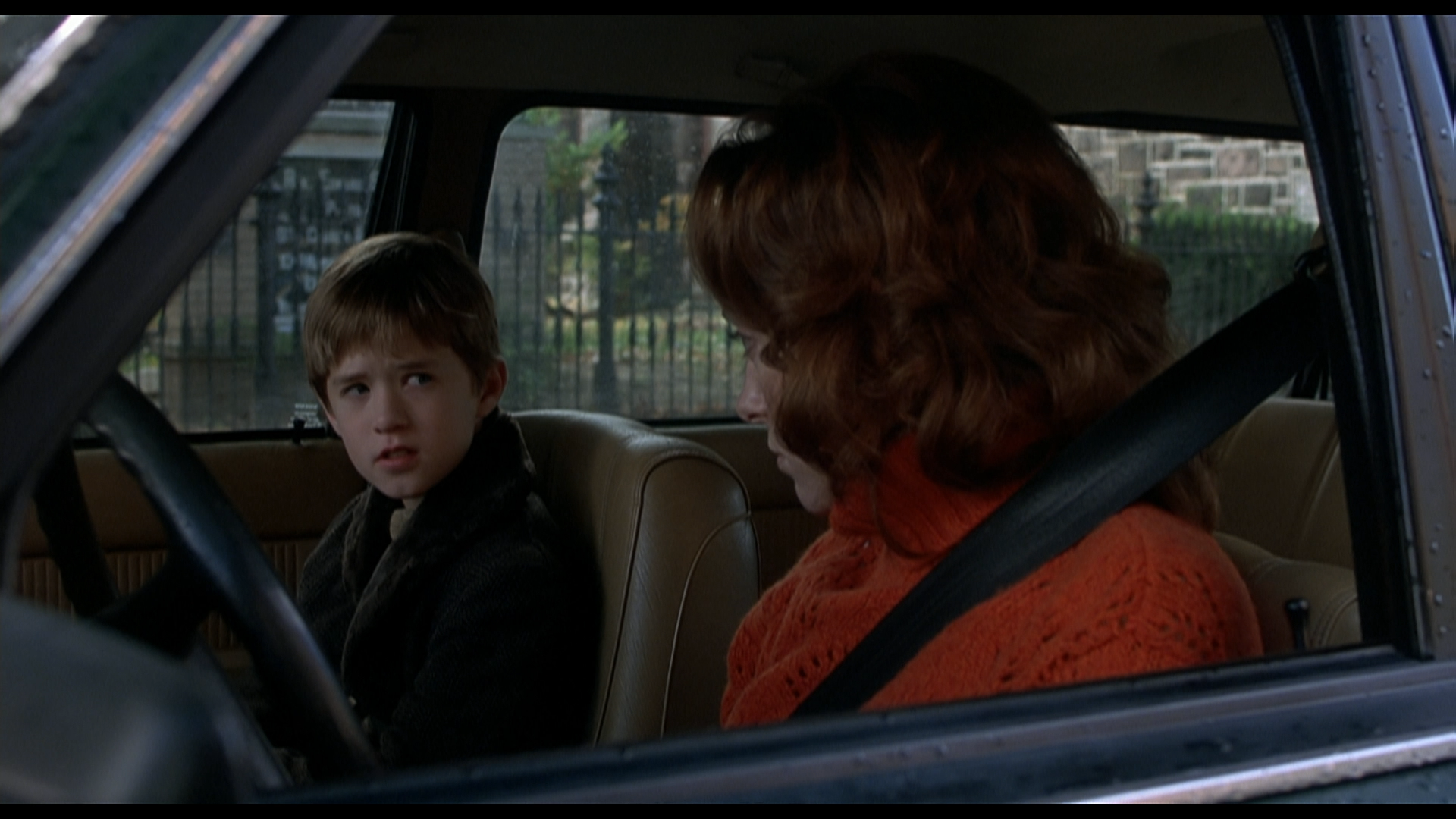
The Sixth Sense starts slowly but builds upon detail, one thing that give it a boost is amazing ensemble acting. The role of Cole’s mother is played by Toni Collette, an Australian actress. She had her Philly accent down so well I believed it was authentic at the time. She’s a very caring, playful mother but there’s also anger, fear and worry in her performance.

The Sixth Sense (1999, Touchstone Pictures)

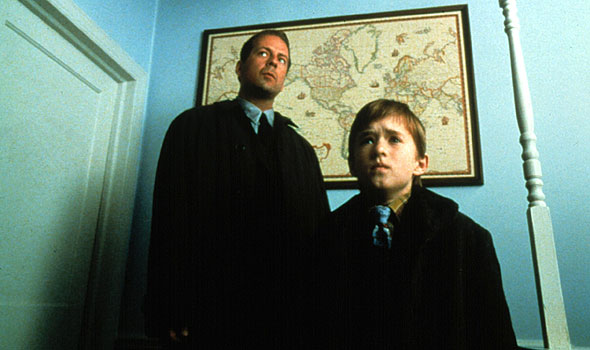
If you want character development this film is definitely for you, it’s not a concept-only piece. It has a strong and fairly high concept, but there is a lot of character to it. You are thrown into the life of Malcolm Crow (Bruce Willis) immediately. There is a confrontation in the first few minutes. This confrontation ends up being pivotal in the rest of the story. Then a year later he meets a boy named Cole Sear (Haley Joel Osment). From that moment forward there is rarely a moment when one of them isn’t on screen.

Films of a supernatural nature like this one often have underlying messages and present real questions. These movies, like horror fiction, are generally frowned upon. This may be another reason it didn’t win at the Oscars. If that’s so, it’s not justified.

In my estimation, Haley Joel Osment is not a supporting actor in this movie, he is the lead. Just like Joseph Cross wasn’t a supporting actor in Shyamalan’s previous film Wide Awake. Bruce Willis like Rosie O’Donnell prior sold the film. While Crow starts and ends the movie, a vast majority of it is dealing with Cole and his issues. You can argue Crow is a lead based on perspective, but if you’re talking screen time and, more importantly, who faces and ultimately overcomes their obstacles it’s Cole.

The Sixth Sense (1999, Touchstone Pictures)

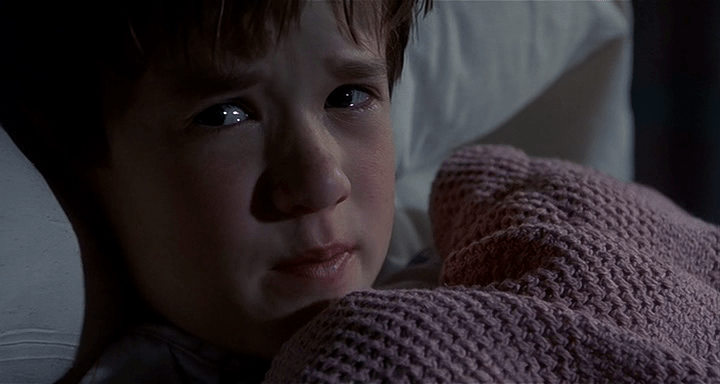
Osment’s performance is incredible. The best acting is when you believe it’s happening and he sold it to you and you bought it because it’s real. He’s genuinely afraid. He’s shy and awkward when necessary and his suffering reaches off screen and wrenches your guts. In one scene when the thermostat drops and his breath vaporizes, I felt cold. Osment’s performance would not have been so amazing if not for the brilliant script. The script is nearly Hitchcockian in both its detail and the way Shyamalan is seemingly tossing elements up and plucking them down at exactly the right moment. The ways Shyamalan got everyone to believe Bruce Willis was alive then allowing hindsight to show he definitely wasn’t is both amazing writing and directing.

The Sixth Sense (1999, Touchstone Pictures)

The Sixth Sense has subplots, even aside from the obvious ones which are the tales of the spirits that Cole sees. One example is the characterization of a secondary player: Tommy Tommasimo, played by Trevor Morgan, isn’t just a bully. His performance is typical of a bully when it has to be, but in his character’s cough syrup commercial it’s commercial acting and satirical. It also gives the audience good comic relief. Tommy in the end of his narrative is comedic and dejected. He becomes and inside joke between Cole and Malcolm. Another storytelling interlude goes as follows: In a classroom scene where the school grounds were the sight of hangings. His teacher denies the fact. Then Cole starts to yell calling him by his boyhood nickname. It’s very intense and serves as momentary comic relief as well. We empathize with Cole for it, and who wouldn’t want to know their teacher was called ‘Stuttering Stanley’? We see the hanged bodies later and perceptive viewers are awed, those who miss the connection will be frightened regardless. It works on two levels.

That’s what most of the brilliance of the script and the film is: connection. Cole’s mother is cleaning and she notices some spots shining in the pictures. All we see her do is questioningly look at it. Later, when Cole tells her his secret she believes him deep down. The proof is given after. That too is a subplot. It’s a movie of such intricacies but it works because of its intimacy. There aren’t too many characters in it. The movie deals realistically with the supernatural. There is a psychologist involved with the boy. Cole at one point is in the hospital and the doctor questions his mother about the bruises on his body. This is a societal critique, but a subdued one and a welcome one. Both her and the therapist are in the room and disgusted by these accusations. They don’t see each other. We don’t know that though.

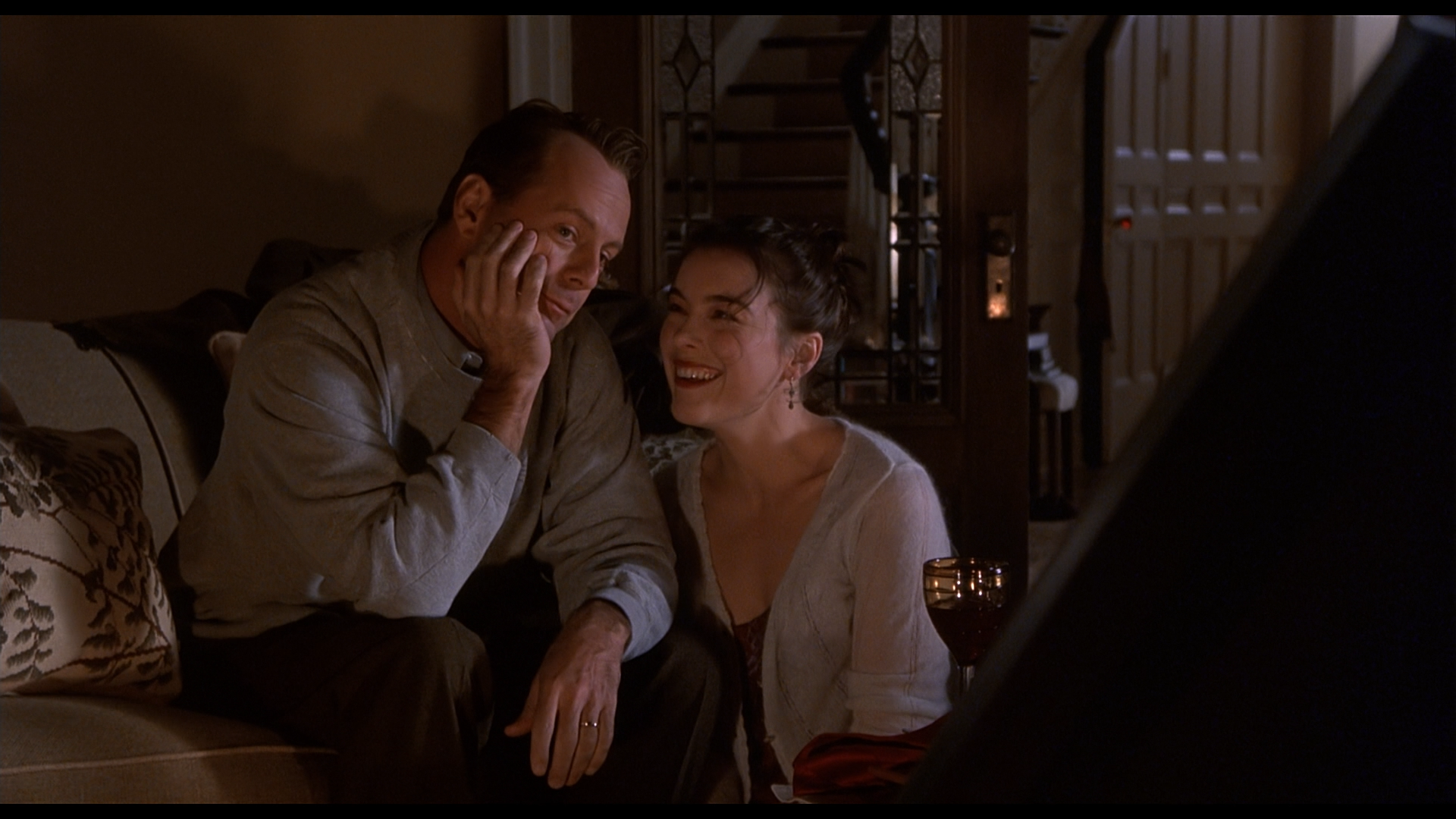
The crumbling marriage of Malcolm Crow is also a pivotal part of the puzzle. This also works brilliantly as an illusion. The best illusions are the ones we believe to be true. He and his wife never speak to each other anymore. She is with another man and Malcolm never quite chases him down. What’s crucial is when Malcolm comes to the restaurant late. She signs the check says “Happy anniversary” and leaves. This is so key because we think she is talking to him. She wasn’t and what’s best is the way all the pieces fit together and nothing is really out of place.

The Sixth Sense (1999, Touchstone Pictures)

The film also expertly foreshadows after re-viewing The Sixth Sense you see how it was set up all the way through the movie and you wonder how everyone took the bait, but we did. The ending was a shock. Nothing in The Sixth Sense seems forced or out of place. It all comes together in the end and it moves me. Cole asks, “Grandma says the answer is ‘everyday.’ What’s the question, Mama?” His mom is on the brink of tears and puts her hand on her chest, “Do I make her proud?” This is something we can all identify with. I got teary-eyed just thinking about it. I went to see it again with my cousins in Brazil. They all loved it. It’s truly a universal movie and now fourteen years on this films has not waned in my eyes, not in the slightest. It’s tremendous.

The Awards

The Sixth Sense was nominated for 10 BAM Awards, and won seven.

The wins were in the following categories:

Best Picture

Best Director

Best ActorHaley Joel Osment

Best Performance by a Child Actor – Haley Joel Osment

Best Supporting Actress – Toni Collette

Best Score – James Newton Howard

Best Cast

The Other Nominations were for:

Best Original Screenplay – M. Night Shyamalan

Best Cinematography – Tak Fujimoto

Best Supporting Actor – Bruce Willis

Shyamalan Week: Things Worth Discussing

What I had wanted to do with this series of posts initially was dust off some old posts that had not yet seen their moment on this blog. That’s easy enough to do when your topic is immutable and not really on a current event. A fictitious conversation among myself, Hitchcock and Truffaut that I created after having read their series of interviews or my interpretation on the role Catholicism plays in Fellini’s 8 1/2 aren’t going to become less relevant in a few years time. A post I wrote, however, calling out a question M. Night Shyamalan was asked when doing press in Mexico for The Last Airbender kind of does.

If you want you can look for it, but my point in a nutshell is the phrasing of the question was leading, trying to get headlines and it received a much better response than it deserved. I wrote it mostly because the reporter seemed to be getting a pass and nothing said on that end was questioned. While perspective may have strengthened or weakened some of my points, it’s all past now.

The one line of the piece that really stuck out, in part because I had just read something similar, was a thought I didn’t think had occurred to me:

The bottom line is: We love movies. We write about them, we watch them and make them. If there weren’t M. Nights around making things at least worth discussing what would the there be? Nothing. So regardless of your opinion of his films as a whole, especially the more recent ones, let us not trash the man in all he does…

After Earth (2013, Sony)

I then finish speaking very specifically about the reporter incident so this is the only part of the conversation pertinent today. However, it is a significant one. The point I allude to is beyond a good/bad subjective interpretation. The fact of the matter is very rarely these days will you go to the multiplex and be shown something that causes any kind of discussion, much less debate. I kind of skirted around this when discussing post-movie conversations. However, what I didn’t address is that few of the movies we see even give you reason to talk at any length about them.

I also don’t think this is entirely the fault of the news cycle in film, which usually has little tolerance for the movie out this weekend but glorifies the teaser of the full trailer that’s going to drop next Tuesday. More often than not Shyamalan, whether you be a devotee, someone longing for him to do something amazing again or a skeptic; has left you with something to talk about. Even if he did break from his twisting ways there’s still a bit of “Wait, what?” to most of his films. Which is saying something because far too often we not only know too much going into a film but we also don’t get the unexpected nearly enough.

You can get milquetoast anywhere. You can get it in at least one major release 52 weeks a year. Whether it hits or misses, I’d much prefer a brash attempt to do something. Many people didn’t bother to see Cloud Atlas. It wasn’t in my Top 25 but one thing I could not get over was how much I loved the audacity of that movie. It was a hard sell but it seemed to be exactly what people always seem to say they want: something different. However, then different comes knocking and where are they all?

With so much cinema being use-once-and-destroy anyone who can consistently refuse to be ignored is worth taking note of. I haven’t seen much in the After Earth trailers and teasers that make it look as if it’s unlike anything I’ve seen. However, the fact that there were no advance screenings until the night before the soft open Thursday night shows, and as of this evening Rotten Tomatoes had no registered opinions on either side give me some hope that there’s something they’re sitting on that’s pretty good fodder at the very least, that stands out, even if it doesn’t quite hit as well as it wants to.

Shyamalan Week: The Spiritual Trilogy

Introduction

With After Earth being released this week it struck me that the timing was good to revisit not only some of M. Night Shyamalan‘s films but also some old pieces I wrote about him or his works that have not yet made their way over to this site.

This particular piece is brand new, however, and the thought occurred to me after having revisited Wide Awake/em>.

Wide Awake and The Spiritual Trilogy

Wide Awake (1998, Miramax)

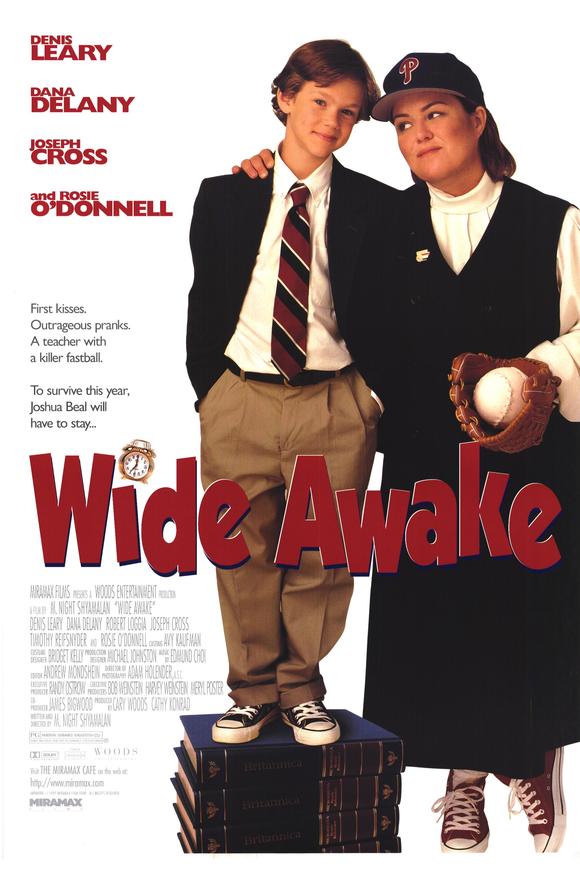
Wide Awake was released in in 1998, and was a film I was looking forward to seeing at the time. This was based on both the trailer and the fact that I was a fan of Rosie O’Donnell’s at the time (Granted her involvement was slightly oversold, but that’s marketing). Indie films, even ones distributed by Miramax, were not as easy for me to get a hold of so it had to wait until its home video release, but I recall being very taken with the film then. I had not revisited it many times since but still had fond memories of it.

Wide Awake garnered 7 BAM Award nominations, which are my personal year-end picks. Mind you that M. Night Shyamalan would not be a director I knew anything about, or someone most people knew, until The Sixth Sense took off; it was just a reaction to what I saw, no hype, nothing.

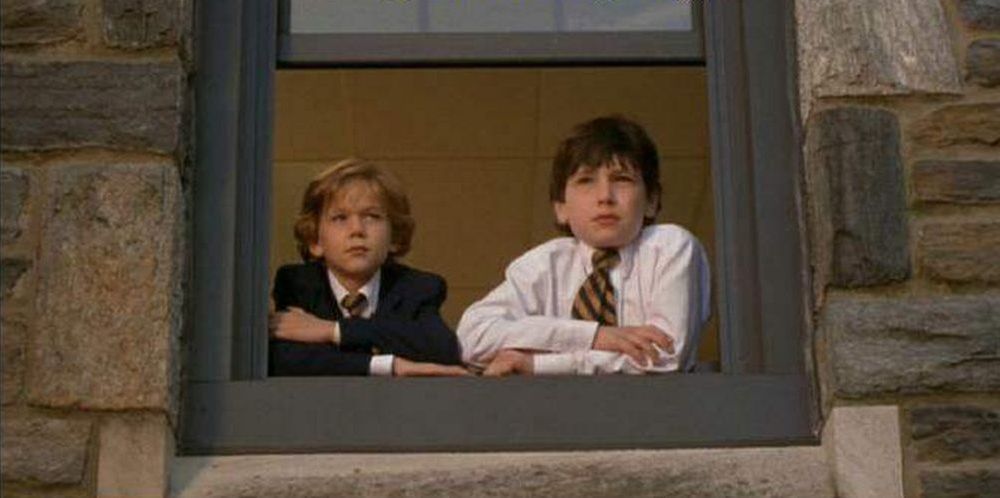
Wide Awake is about a grade school boy (Joseph Cross) not only coping with the loss of his grandfather but dealing with very big questions because of it. He is concerned for the fate of this grandfather’s immortal soul, questions his own religion, the existence of God and more things that are not usually the purview of one so young.

The Sixth Sense (1999, Touchstone Pictures)

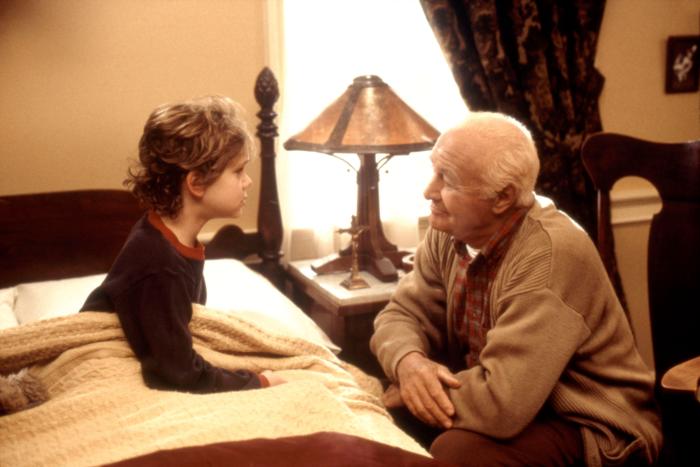
With The Sixth Sense Shyamalan takes a turn towards the supernatural but many of the same answers are being searched for by the young protagonist. Cole Sear, played by Haley Joel Osment, the protagonist of The Sixth Sense has this unique ability to see the dead, he doesn’t know what they want, why they come to him, why they won’t leave him be and what it all means. All he knows for sure is that he’s terrified and trying to understand what the meaning of death is and by inference the meaning of life.

Moving Forward

Praying with Anger (1992, Cinevista)

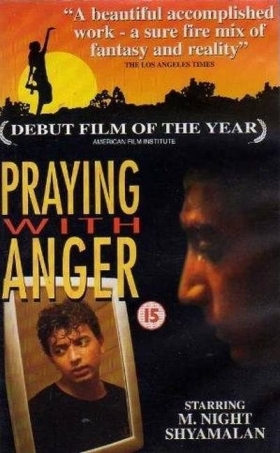
For many who seek to trace the career of Shyamalan they erroneously trace it back just to The Sixth Sense. However, even my analysis will only go so far. I can assert through an educated guess that The Sixth Sense closes out a thematic trilogy, a period of work Shyamalan had not unlike a painter. His first feature Praying with Anger was filmed in India while he was still an undergraduate.

According to the synopsis it tells the tale of an “Alienated, Americanized teenager of East Indian heritage sent back to India where he discovers not only his roots but a lot about himself.” Praying with Anger has never been readily available on video in the US, or at least it hasn’t been for some time, though it does seem it had one week in one theater in 1992. Myself and many others have been unable to see it, and that is probably by design, it seems rather clear that there was a spiritual, soul-searching phase that kicked off Shyamalan’s career.

The next phase wherein he discussed wanting to make what amounted to feature-length Twilight Zone episodes, would spin-off from The Sixth Sense, but the that film stands a bit apart from the others. Interestingly, while it caps the first theme it also acts as a transitional film to the titles that come. If one is to look at the next three films (Unbreakable, Signs and The Village) there are certainly more commonalities in those three films when removing The Sixth Sense from that grouping.

The Sixth Sense (1999, Touchstone Pictures)

This phase notion is one I never really considered, but what I do know is that it can get you pegged. It turns out that the similarities that The Sixth Sense did bear with the next three set some people up. However, I recently mentioned that one of the pitfalls of auteur criticism is just that. You expect things too readily and I never even thought of grouping his first three films. Steven Spielberg tried to dodge pidgeonholes people tried to keep him in for as long as he could. He attempted to avoid films too similar to one another back-to-back until later on in his career with two straight dramas (The Color Purple and Empire of the Sun) or his dark futures (A.I. and Minority Report). Yet, even he had associations dog him. Aliens, for example.

I’m not comparing the two filmmakers, but rather finding one point of comparison: both broke through with a massive hit at a young age that put them under the microscope. Both Shyamalan and Spielberg have had their missteps and their big early hits, and both have had to contend with people attempting to define them. One of the things that Spielberg benefitted from is that he was at the vanguard of director-as-star. With Shyamalan it was an accepted notion that he was lumped into due to his being the creative force behind a worldwide box office smash.

Conclusion

Wide Awake (1998, Miramax)

Essentially, what I am seeking in this series of writings is to merely examine the works more closely. I am not writing a persuasive essay. His films don’t work for some and that’s fine, but I am also not coming from an over-rationalizing fanboy’s perspective either. I later on connected Wide Awake and The Sixth Sense. All I knew about The Sixth Sense as it was looming was that it looked good and I wanted to see it. After I had I recognized that name in the credits, and checked the IMDb. So in some ways I was a lot like other people discovering who he was and what his voice at the time was. I just already had a track record with his work is all.

Essentially, if you’re going to look at the trajectory of his career his first three films, the actual first three films and I believe have to be looked at as one unit. Call it a cinematic coming-of-age if you will. In the next three he’s exploring a particular milieu and genre. From that point on he’s been branching out and we will get to those in due course.

Children in Films Blogathon: A Revisionist Look at the Juvenile Award

When I learned of the Child Actor Blogathon at Comet Over Hollywood, I had two ideas for it almost right away: the Jackie Searl spotlight and this one. Not too long ago I argued for why the Juvenile Award should be re-instated. In this post I will follow up on that notion to augment my case. It’s one thing to quickly cite who won while it was around and state it never should have left, it’s quite another to show you who would have had they never gotten rid of it. Now I have decided to illustrate that in three ways, including some omissions found when it was instated (it’ll make more sense when we get there, trust me). First, I will list the young actors who since the end of the award (after 1961) were nominated for an Academy Award.

These actors obviously, had there still been a Juvenile Award, would have won that. While on occasion they were awarded the prize, more often than not they didn’t have a realistic chance. Regardless, their nomination was deemed prize enough it would seem, but I disagree and as you will see there have been plenty of instances where the Juvenile award could have been handed out either in addition to or in place of the nomination.

Based on Academy Award nominations from 1961-Present:

Little Miss Sunshine (2006, Fox Searchlight)

2012 Quvenzhané Wallis Beasts of the Southern Wild
2010 Hailee Steinfeld True Grit
2007 Saoirse Ronan Atonement
2006 Abigail Breslin Little Miss Sunshine
2002 Keisha Castle-Hughes Whale Rider
1999 Haley Joel Osment The Sixth Sense
1993 Anna Paquin The Piano
1979 Justin Henry Kramer vs. Kramer
1977 Quinn Cummings The Goodbye Girl
1976 Jodie Foster Taxi Driver
1973 Tatum O’ Neal Paper Moon
1968 Jack Wild Oliver!
1962 Patty Duke The Miracle Worker
Mary Badham To Kill a Mockingbird

Personal Selections

Super 8 (2011, Paramount)

In 1996, when I was 15 and the young actors of the day where my contemporaries, I started making my own award lists. Being young myself at the time I wanted to recognize young actors where most awards excluded them more often than not. These selections reflect those that were my among my BAM award selections that were eligible and the Academy bypassed. Prior to 1996, I thought of significant performances that were worthy of noting and would’ve had a strong case for the Juvenile Award had it been around.

2012 Rick Lens Kauwboy

This one is highly unlikely as Kauwboy wasn’t shortlisted for the Best Foreign Language Film prize. However, the fact that it was the official selection for The Netherlands did make it eligible.

My young actress choice last year, Sophie Nélisse, was a year off from the Oscar calendar but also a strong possibility for Monsieur Lazhar.

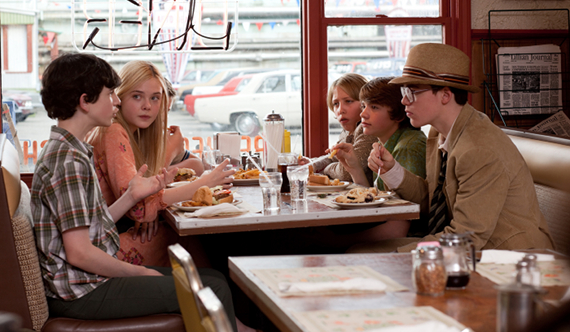
2011 Joel Courtney, Elle Fanning, Ryan Lee, Riley Giffiths Zach Mills, Gabe Basso Super 8

It figures that both the best young ensemble, and perhaps individual performance, of the past 25 years got overlooked. So they are all honored here.

2009 Bill Milner Is Anybody There?

2008 Bill Milner and Will Poulter Son of Rambow

A slight wrinkle here from my original selection. Since the Academy set precedent of awarding tandems, why not do so here as well?

2005 Dakota Fanning War of the Worlds

2004 Freddie Highmore Finding Neverland

My 2004 winner was one where I was awarding a film from 2003, due to my stand on release dates, which is different than the Academy’s. Having said that I then had to factor in both my nominees and who the Academy would be more likely to pick and decided if they chose anyone it would have been Highmore.

2003 Jeremy Sumpter Peter Pan

2001 Haley Joel Osment Artificial Intelligence: A.I.

2000 Haley Joel Osment Pay It Forward

1998 Vinicius de Oliveira Central Station

1997 Joseph Ashton The Education of Little Tree

Here’s another interesting case: my winner was in a TV film which the Academy would never honor. Then two more nominees were either shifted due to my interpretation of release date rules and one erroneously in my revisionist phase. That leaves two eligible: Dominic Zamprogna in The Boy’s Club and Joseph Ashton in The Education of Little Tree. Some people besides me actually saw the latter so I’d put that one up as a winner.

1996 Michelle Trachtenberg Harriet the Spy
Lucas Black Sling Blade

Michelle was my actual winner in 1996. Sling Blade in my awards was shifted to 1997 due to its release date. It being an Oscar nominated film make it a more likely retrospective candidate.

My Girl (1991, Columbia Pictures)

This section marks personal selections prior to my picking extemporaneous year-end awards.

1994 Elijah Wood The War

I recall watching E! and hearing there was some buzz being stirred by the cast/studio for Elijah. I knew it would never happen, but it was deserved buzz.

1992 Maxime Collin Leolo

I have since expunged them but for a time I did backtrack BAM Award to back before they started. Some of these picks reflect those findings.

1991 Anna Chlumsky My Girl

1990 Macaulay Culkin Home Alone

Say what you will, but you know if the award was around that this would have happened.

1988 Pelle Hvengaard Pelle the Conqueror

1987 Christian Bale Empire of the Sun

1986 River Phoenix Stand by Me

1983 Bertil Guve Fanny and Alexander

1982 Drew Barrymore and Henry Thomas E.T.: The Extra-Terrestrial

1979 Ricky Schroeder The Champ
David Bennent The Tin Drum

1972 Nell Potts The Effect of Gamma Rays on Man-in-the-Moon Marigolds

Who Should Have Gotten One But Didn’t
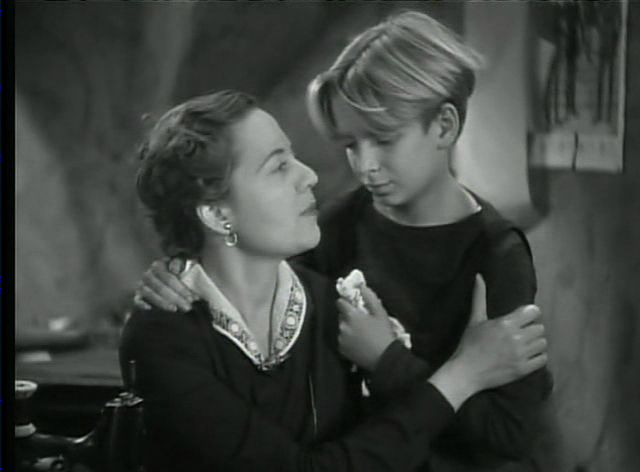
No Greater Glory (1934, Columbia Pictures)

I honestly almost scrapped this section. However, looking back through young nominees I noticed the discrepancy that some young nominees did not get a Juvenile Award while there was one. So I figured while I was at it I’d list a few notable performances that didn’t get recognized. Those that “didn’t need one” since they were nominated as in their respective categories against adult competition have denoted those with an asterisk.

1956 Patty McCormack The Bad Seed*
1953 Brandon deWilde Shane*
1952 Georges Poujouly Forbidden Games
1941 Roddy McDowall How Green Was My Valley
1936 Freddie Bartholomew Little Lord Fauntleroy
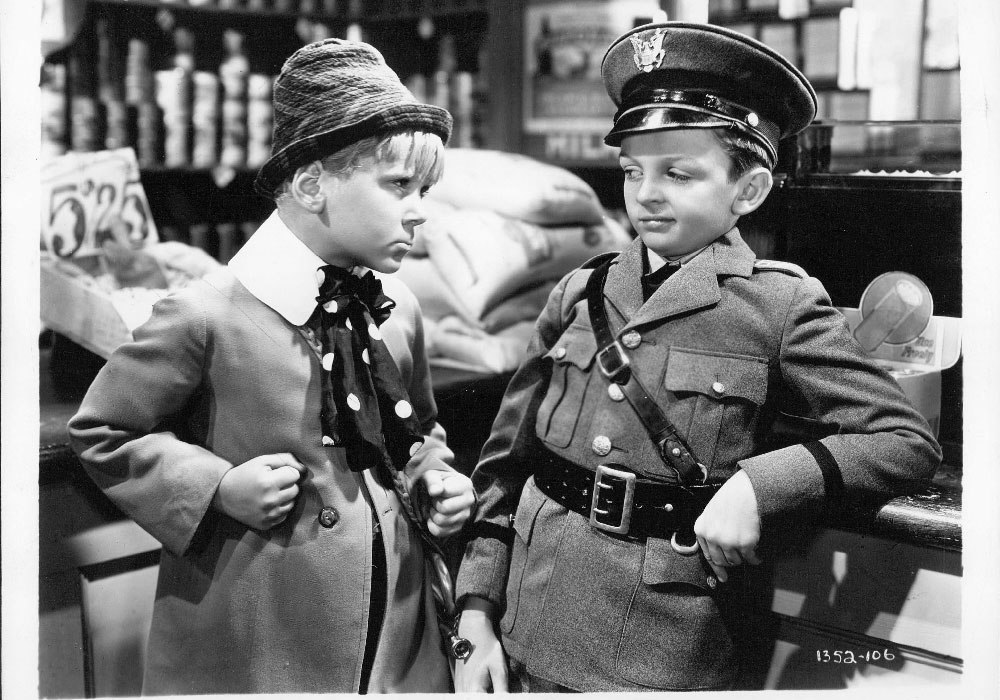
1934 George Breakston No Greater Glory
1931 Jackie Cooper Skippy*
Children in Film Blogathon: Jackie Searl

When by chance I found that Comet Over Hollywood was doing this blogathon there were a number of options I could have selected. Quite frankly, I was a little late in noticing that it existed so some good options that I also would have liked to have covered were taken. However, I don’t regret it because whenever possible I like to go a bit outside the norm. And choosing to discuss Jackie Searl (or Searle as he was occasionally credited) does that. The first thing that sets the selection apart is that he was rarely a leading player, more often he played in support.

However, this year, somewhat in the spirit of my Neutron Star Award, I’ve had chance to find not only more range in his performances but also a rare early lead. While Jackie had a long career as a character actor after a hiatus that allowed him to transition in the age range, he was frequently cast to his type. Yes, films type actors young and old alike.

Realizing his range did hearken me back to something I heard Jack Lemmon say back on Inside the Actor’s Studio. He was recalling a conversation wherein he complained to his agent about the kinds of roles he was getting and being offered. “But I can do Shakespeare,” he protested. His agent responded simply and calmly “Yes, Jack, but other people are better at it.” That’s not to say actors shouldn’t take risks and directors haven’t done great things when casting against type, but typing happens for a reason and it’s usually because said actor is inordinately good at a particular task. With Searl, in his younger days, he was not only usually a heavy, a villain, but he had an innate ability to come off as smug and detestable, which is quite a higher calling than simply playing a villain.

Gentle Julia (1936, Fox)

What reminded me of the the Lemmon story was when I saw him in earlier roles in Poverty Row titles. One in particular, which may go down as one of my favorite new discoveries of the year is Hearts of Humanity. Here he plays the affected child, suddenly orphaned, new to the States, who is the honorable one, who sets the example for his wayward, newly-adopted brother and sacrifices himself for him. The only thing off about him at all is his Irish accent, but that wasn’t uncommon back then. Not that Searl wasn’t adept at an accent. In fact, before I decided to do this focus on him I thought his playing American was putting on an accent not when he was playing British, which he did often.

So in that film, and in other titles like One Year Later and High Gear, all of a sudden there was this complete other side to him. Granted the writing, such that it was, made him obviously perceived as a likable character, but he pulls it off with ease. Many mature, trained actors have issues not only shaking their persona but their perception. Searl was the pre-eminant, go-to jerk of the young actor set around this time (the early-to-mid-1930s). But playing the good kid was his “Shakespeare;” he was good at it but he was so much better at engendering an audience’s antipathy that he got those roles more often then not when the studio films came his way.

Little Lord Fauntleroy (1936, Selznick)

Peck’s Bad Boy is another film wherein you see him in his more usual mold, whereas Jackie Cooper, being the lead is a more rounded character and has justifications for his actions; he’s merely antagonistic. In fact, in one of his first appearances, The Sins of the Children, his type was set as his sole purpose in playing the younger version of one of the main characters was to be bratty. Slightly different from those two, but still on the unlikable end of the spectrum, was his turn as the doltish false claimant to the title in Little Lord Fauntleroy.

No Greater Glory (1934, MGM)

Of the films of his I’ve seen thus far he had one role of significant size that had an arc, and change of heart. In No Greater Glory he starts off in the vein you most often saw him: officious, haughty and bothersome. As events transpire, however, he softens. The maturation of the characters, as well as the message conveyed are among the things that make that particular film so powerful. That same year saw the release of A Wicked Woman, which implemented well his ability to cry and allowed him to play the victim. As he grew, parts that allowed him to show both sides of his ability came more frequently. In Little Tough Guy he does end up being a slimy type, but if you didn’t know who he was you’d buy the nice, rich kid act he pulls through the first few scenes, but slowly and surely he shows his character’s true colors. It may not be his most impressive turn, but there’s a confident ease to all he does that stands as a harbinger of the long-lasting ability to do character work that he found later on.

The generation of young actors that graced the silver screen when sound was in its infancy was perhaps one of the deepest in movie history. If you follow the trajectory of a lot young performers, many of whom were usually relegated to supporting roles, you could really see just how gifted a lot of these actors are – the fact that a talent like Searl’s was usually utilized as a supplement is testament to that, but it does not make his work any less effective or memorable.

Celia: A Cautionary Tale of Video Titles

I enjoy attending MonsterMania Con because it allows me a periodical dousing in horror. Recently I’ve taken to finally viewing some of the selections that I acquired while there this last go-round.

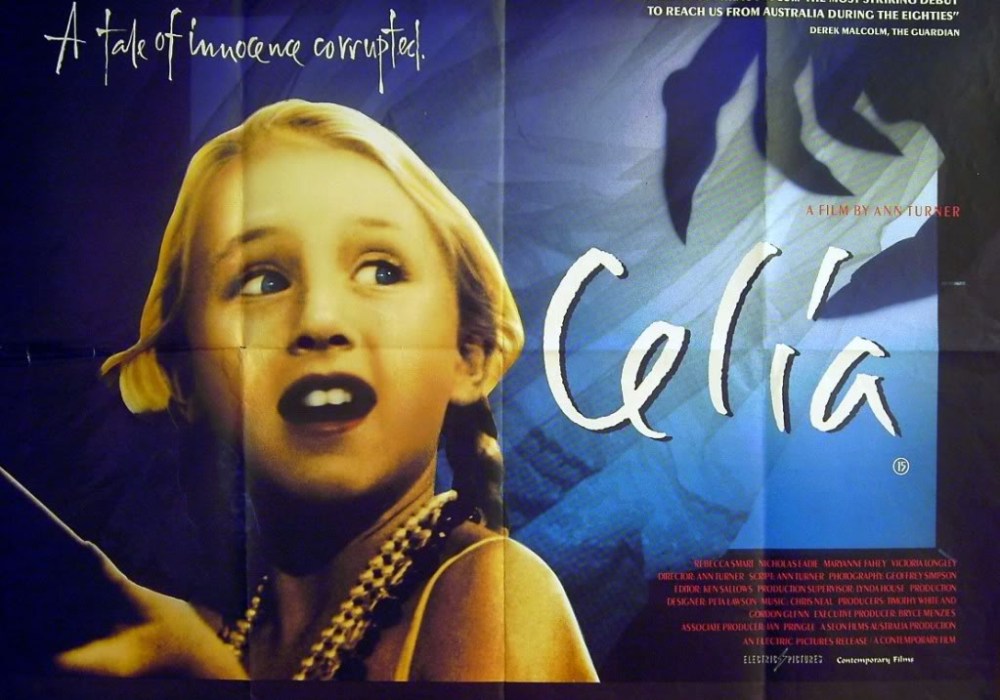
My most recent selection brought to mind, yet again, an issue that seems to be popping up more and more. One film I picked up was bombastically proclaiming itself as Celia: Child of Terror, and the cover image featured a girl (Rebecca Smart) with shotgun in tow.

Now the image of her holding the shotgun does occur in the film, and there is build in the film throughout. However, the title Child of Terror evokes something entirely different than what the pull quotes suggest. Child of Terror evokes something exploitative and potentially hokey, meanwhile, the pull quotes wherein Janet Maslin of the New York Times makes an allusion to Blue Velvet and where Tom Hutchison of The Mail compares it favorably to The 400 Blows and The Fallen Idol portend something more serious-minded. So these things do not necessarily mesh. However, it was the quotes and the synopsis that sold me on the film.

Celia: Child of Terror (1989, Scorpion Releasing)

As the film started, I was reminded of some of the factoids I absorbed about it months ago when deciding whether or not I should buy it. I saw the title Celia come up, without subtitle and something I kind of knew, but didn’t fully acknowledge until that moment, crystallized: Child of Terror was an add-on by the video distributor, a video box title as it were. Sure enough, the IMDb confirms that.

I was ready and open for anything and found that the subplots, the rise up to a boil at certain sections of the film, like the rabbit muster in Australia in the late 1950s and the ostracism of Communists and Communist sympathizers, make the film a more artful and dramatic piece than the box advertised. I rather enjoyed the film and I can separate something that’s in the control of the marketing department and/or distributor and the filmmakers. I can guarantee you that this subtitle has coerced others to buy or rent it and had them come away disappointed because they felt duped.

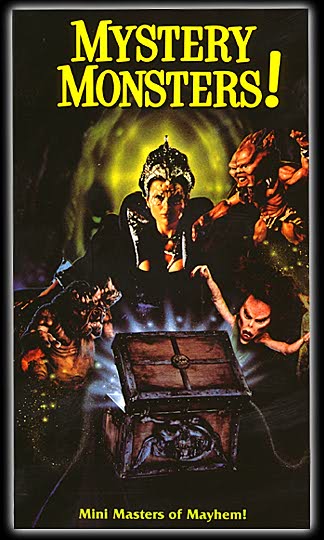
The other place I noticed something similar recently is that Full Moon Pictures has had a tendency lately to rename films of theirs that are about a decade old and re-release them through Redbox. On Redbox’s site the film shows a new release date so you assume it’s a new film rather than a re-issue. The only reason I caught on the first time around was through researching the cast. Eventually through an actor’s filmography I was able to discover what the film was called the first time it was released.

Mystery Monsters (1997, Full Moon)

The Full Moon film was called Goobers on re-issue and I liked it enough to include it here. I’m not quite sure yet if Celia will end up on the 2013 version of that list, but I do know that while Full Moon and Scorpion Releasing may be boosting their sales and rentals through this slightly misleading branding, but they’re playing with fire with this strategy.

Consumer advocacy shouldn’t really play into criticism. The film is the film and a review of said film is one’s explanation of what they think of the film and why. However, I am, at the end of the day, also a consumer so I think it appropriate to make this statement of caveat emptor separate from a review. This is just another case wherein one should be very careful. I knew full well that Goobers would likely be quite silly, I just didn’t know it was an old film. I learned and pass that knowledge on so that others may avoid that. I also knew that Celia would likely be artsier than the title implied and that too turned out to be the case. I was fine with both films, but not with the marketing strategies employed, and thought that others should be aware of said practices so you can make more informed viewing decisions.

Django Unchained: Mandingo Fighting and Phrenology

Introduction

The first full-length post on Django Unchained, my choice as Best Picture of 2012 was my first guest post and first translated post. However, owing to the accolades I gave it, and the wait, it was time to post my own thoughts on the film. This is the last of four posts. The first can be found here, the second part can be found here and the third here.

Mandingo Fighting and Phrenology

Here’s another section where some may have missed the forest for the trees. When we go to Candieland, perhaps the most deliciously hilarious and ironic name for a plantation to American audiences for its allusion to a board game where almost everything is wonderful, and, well, candy; we are introduced, directly and indirectly to two concepts: the first is Mandingo fighting.

Now, here’s a piece that covers the niggling question of “Is Mandingo fighting even a thing?” To be completely honest, I hadn’t read any piece on it until now, because to an extent it didn’t matter, and I’ll explain why shortly.

Next, there’s John Candie’s (Leonardo DiCaprio) “scientific” assertions of why blacks are inherently subservient. The speech, his illustration of the ridges on the inside of the skull and the smashing of said skull are ultimately what won Leonardo DiCaprio his second BAM Award for Best Supporting actor; it’s a moment as captivating as it is chilling.

Django Unchained (AP/The Weinstein Co.)

Now, getting back to the matter of truth, I will draw a parallel to Argo. Right after Argo won its anticipated Best Picture some select Canadians decided to go into a tizzy about the historical inaccuracies of the film. Apparently, they needed to be reintroduced to what movies are and the fact that just because they purport to be based on historical events does not mean they are under any sort of oath to be factual.

Coming back to Django, it does not purport to be based on historical events. Quite to the contrary it is consciously telling an alternate history. So, how come when we as the film nerds hear of gripes about a historical thriller we rationally say “Well, it’s not a documentary and doesn’t have to report the facts” yet, invention in a work of fiction can bother us? I ask this question hypothetically just to point it out. I don’t think too many people were upset by either of these elements in the film, but why should a film that’s not beholden to as many facts as one “based on a true story” not invent things?

Mandingo fighting as an element in the film is not only an ode to blaxploitation film of the 1970s, but it’s also an allegorical representation of how the slave states were in essence cannibalizing the African populous and profiting off their bloodshed. As King Schultz would say it was “another flesh for cash trade.” If nothing else in the film, things that actually happened like slaves being branded and whipped, people being lynched or the Klan burning crosses and terrorizing the ignorant, then this would; and it did me.

Django Unchained (2012, The Weinstein Co.)

As for the Candie theory on black subservience, considering that the pseudoscience of phrenology purported that the characteristics of the skull indicated ones faculties or mental traits, this is not that outlandish to put into a racist character’s mouth. What’s outlandish in this day and age is anyone giving any credence to phrenology. However, even if phrenology charts never went so far as to say indicate “African subservience” there was a generally unfounded and accepted belief that these were inferior, in fact, inhuman beings and these were the most dramatic rendition that Tarantino found to illustrate those points, and he drove them home so hard it should shame anyone.

Whether there is any basis in fact for these constructs is virtually irrelevant. For as Hitchcock said “…in my fantasies, plausibility is not allowed to rear its ugly head.” Any of Hitchcock’s edicts needed to be ciphered a bit. I think he meant he didn’t lose sleep if something seemed plausible, I think he did worry about if it made the story better and if it made sense, and I think these touches by Tarantino definitely do.