Bernardo Villela is like a mallrat except at the movies. He is a writer, director, editor and film enthusiast who seeks to continue to explore and learn about cinema, chronicle the journey and share his findings.
This is a newly-siphoned off post from the original Young Actors post. This category came into being in the 2011 BAM Awards as part of the start of the diversification of the Youth Categories. This division of the category was necessary because while there were female winners, most of the time that was not the case and even nominations were hard to come by. This year’s nominees not only validated this decision, while hard to find as many titles the quality was high, the Supporting categories, which was a gamble, also provided great candidates.
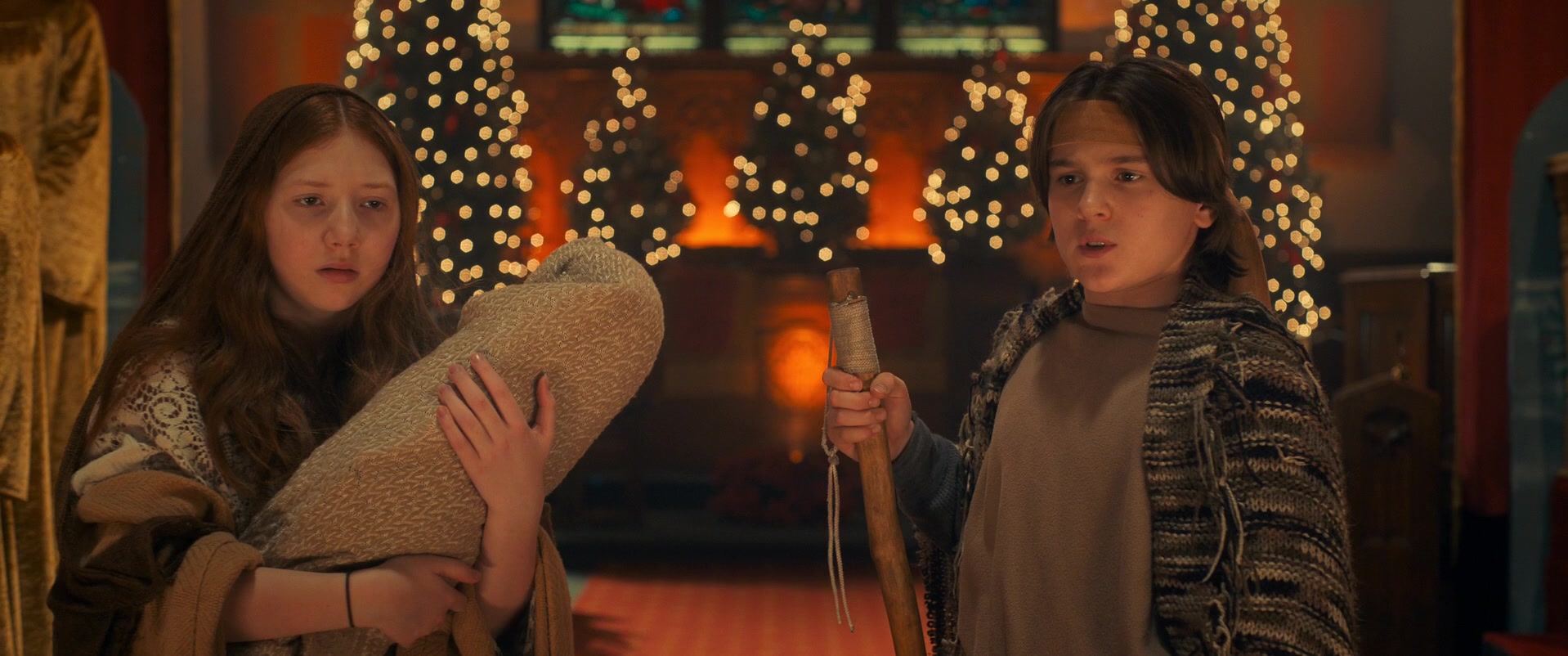
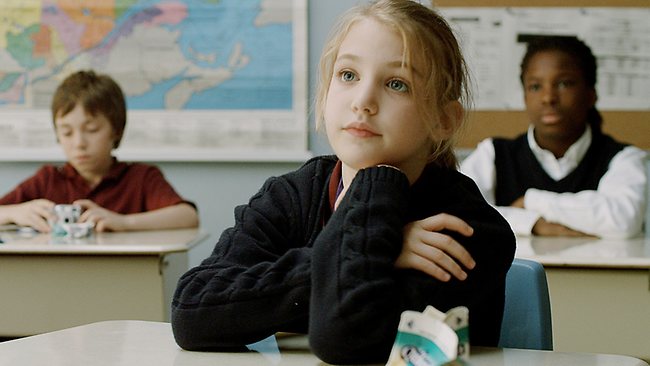
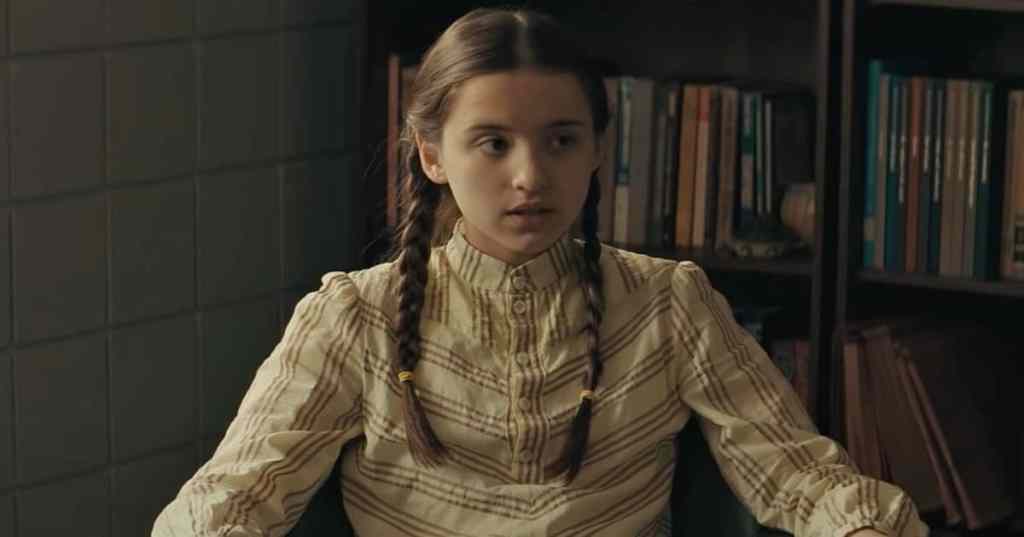
2024 Beatrice Schneider The Best Christmas Pageant Ever
This is a newly-siphoned off post from the original Young Actors post. This category came into being in the 2011 BAM Awards. After adding an Ensemble Award the next logical step was to end the unisex nature of the Youth Lead Categories. The final step was complete this year with the inclusion of Supporting categories for young actors. The Lead Youth Acting winners from 1996-2010 can be found in a separate post.
This is a newly-siphoned off post from the original Young Actors post. This category came into being in the 2010 BAM Awards to recognize Ensemble work, but only among young actors within a cast, which differentiates it from Best Cast. The inception of this category was the first step toward parity between youth-specific and open categories.
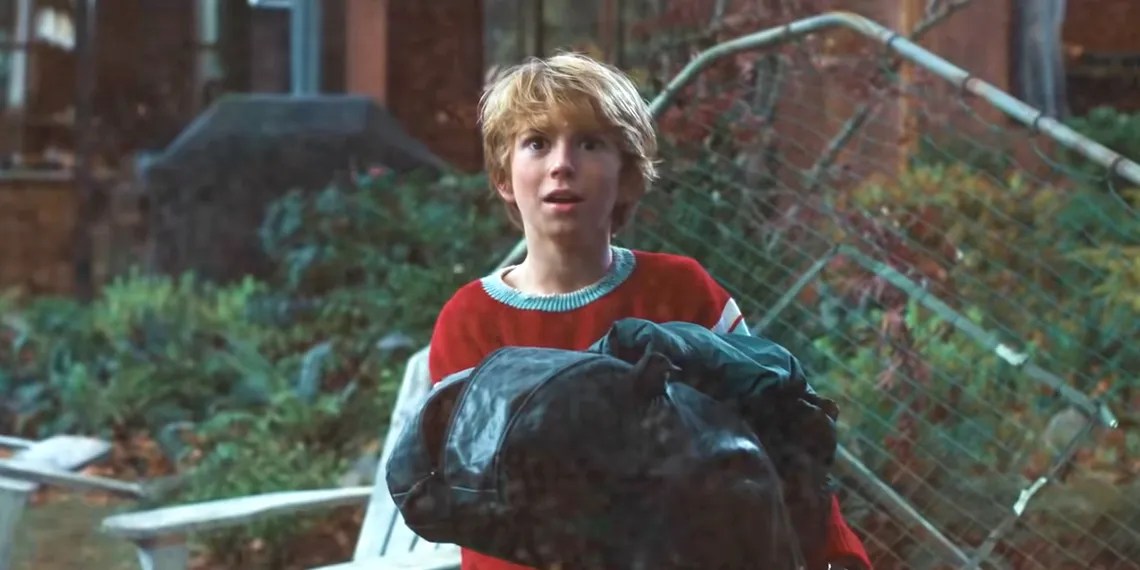
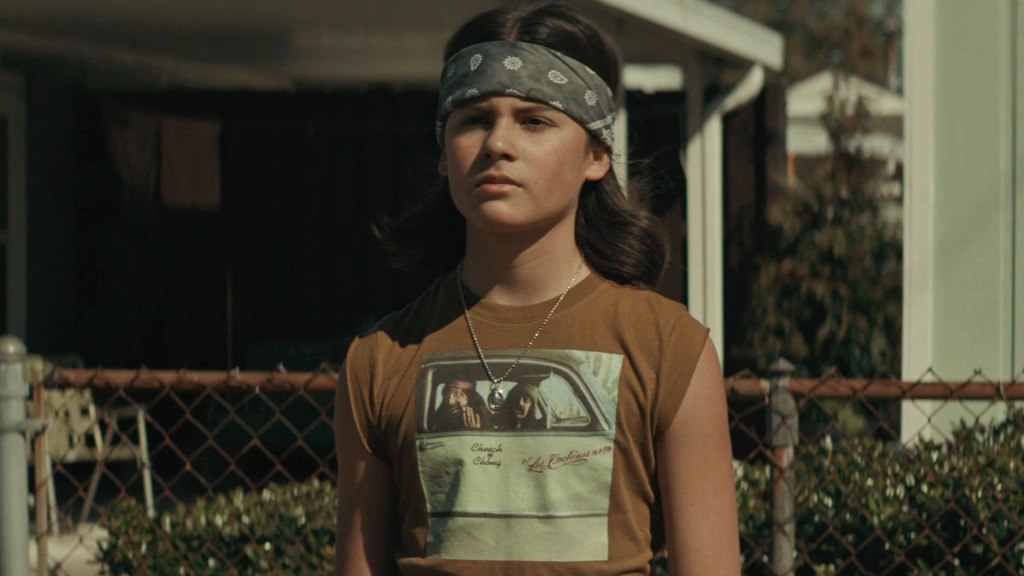
2024Kynlee Heiman, Sebastian Billingsley-Rodriguez, Wyatt Dewar, Matthew Lamb, Owen Mathison, Ewan Matthis-Wood, Essek Moore, Laurelei Olivia Mote, Mason D Nelligan, and Isla Verot The Best Christmas Pageant Ever
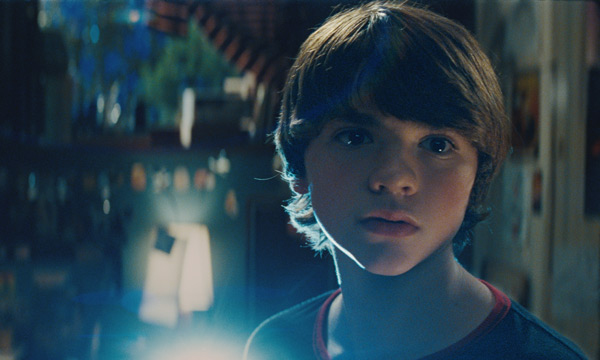
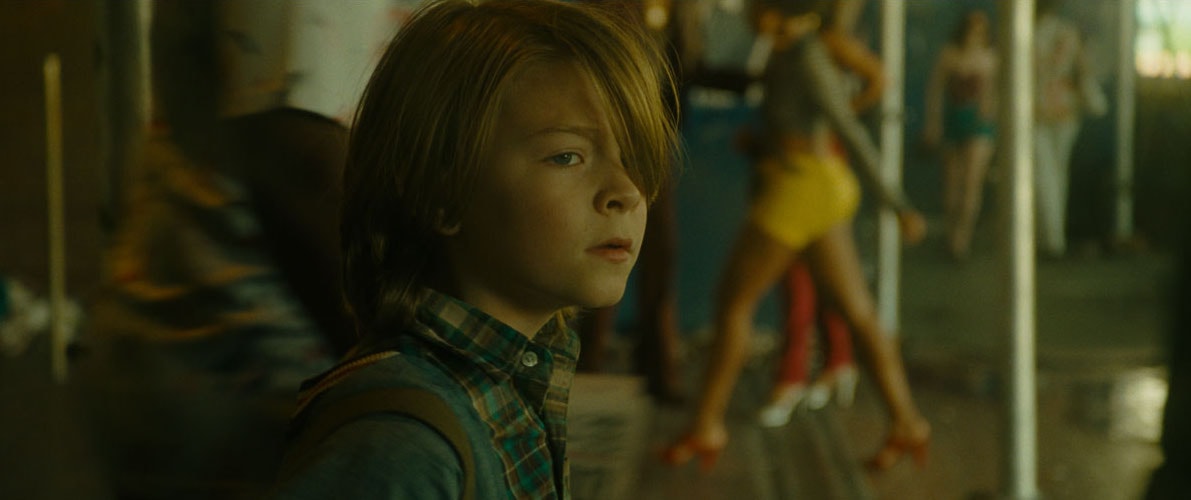
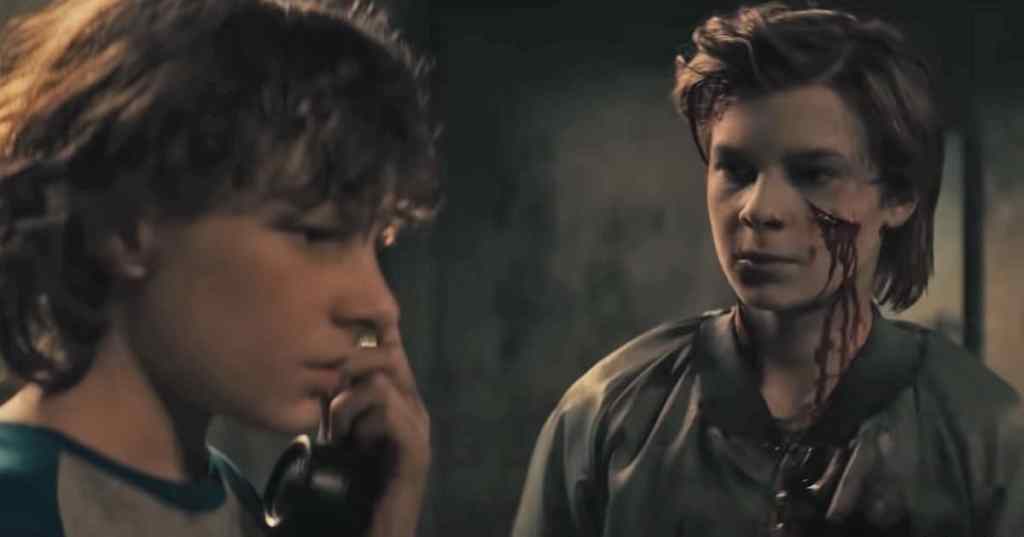
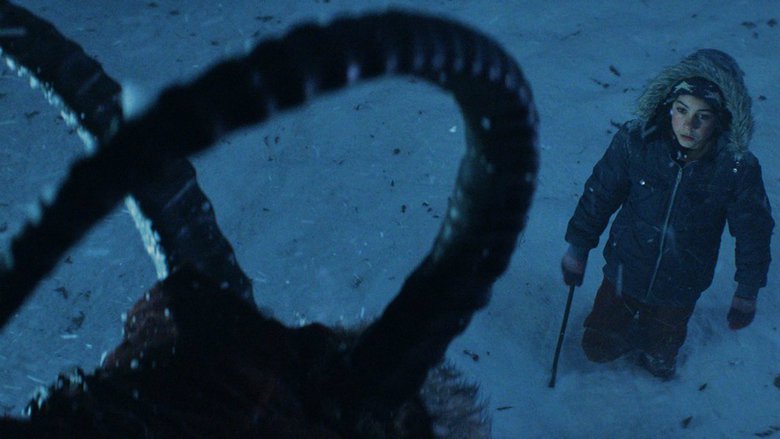
2022 Mason Thames, Madeline McGraw, Miguel Cazarez Mora, Rebecca Clarke, J. Gaven Wilde, Spencer Fitzgerald, Jordan Isaiah White, Brady Ryan, Tristan Pravong, Jacob Moran, Brandy Hepner, Banks Repeta The Black Phone
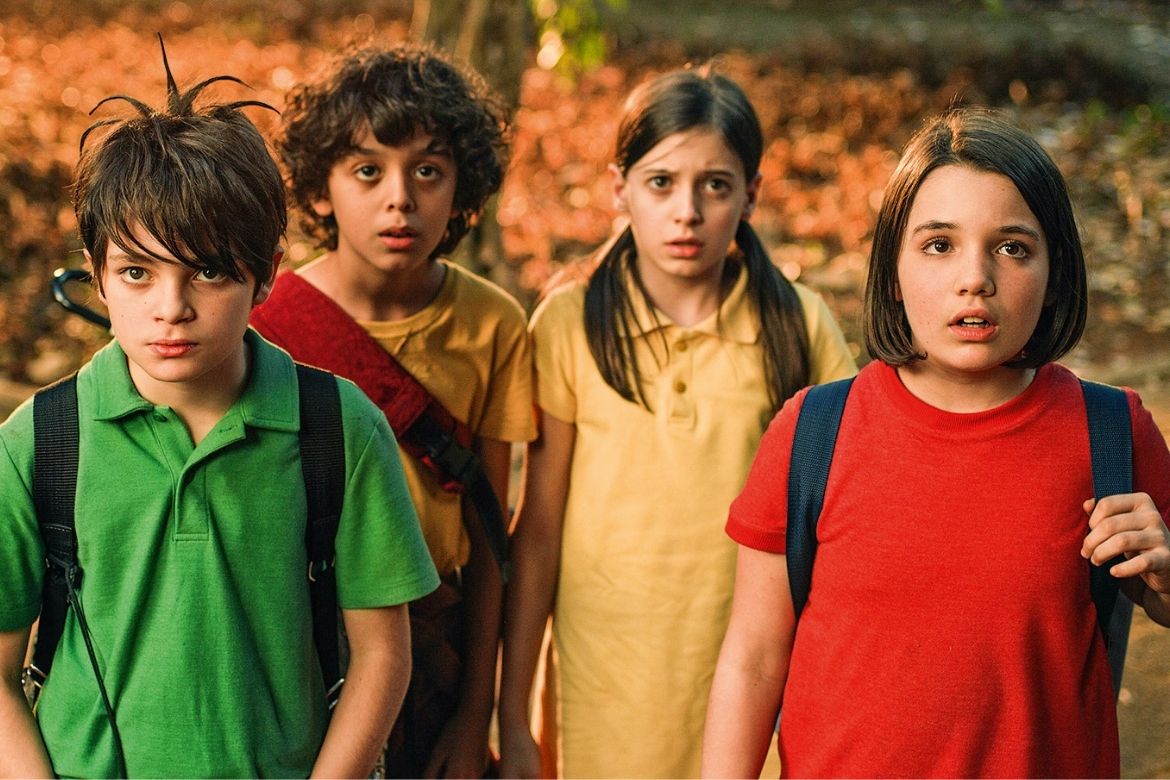
2021 Kevin Vechiatto, Gabriel Moreira, Laura Roseo, and Giulia Benite Turma da Mônica Laços
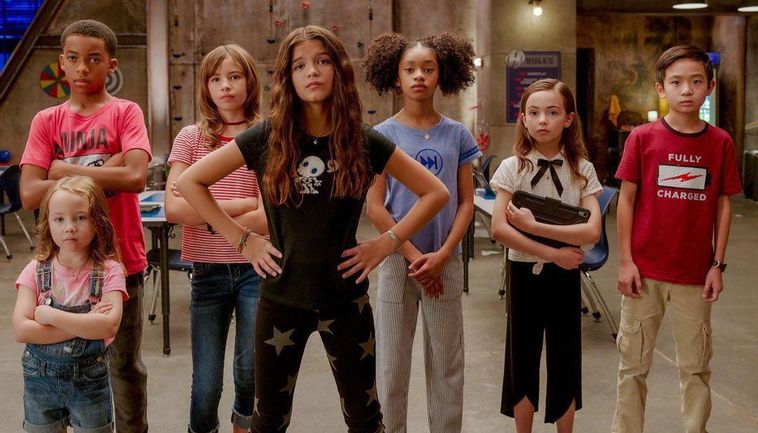
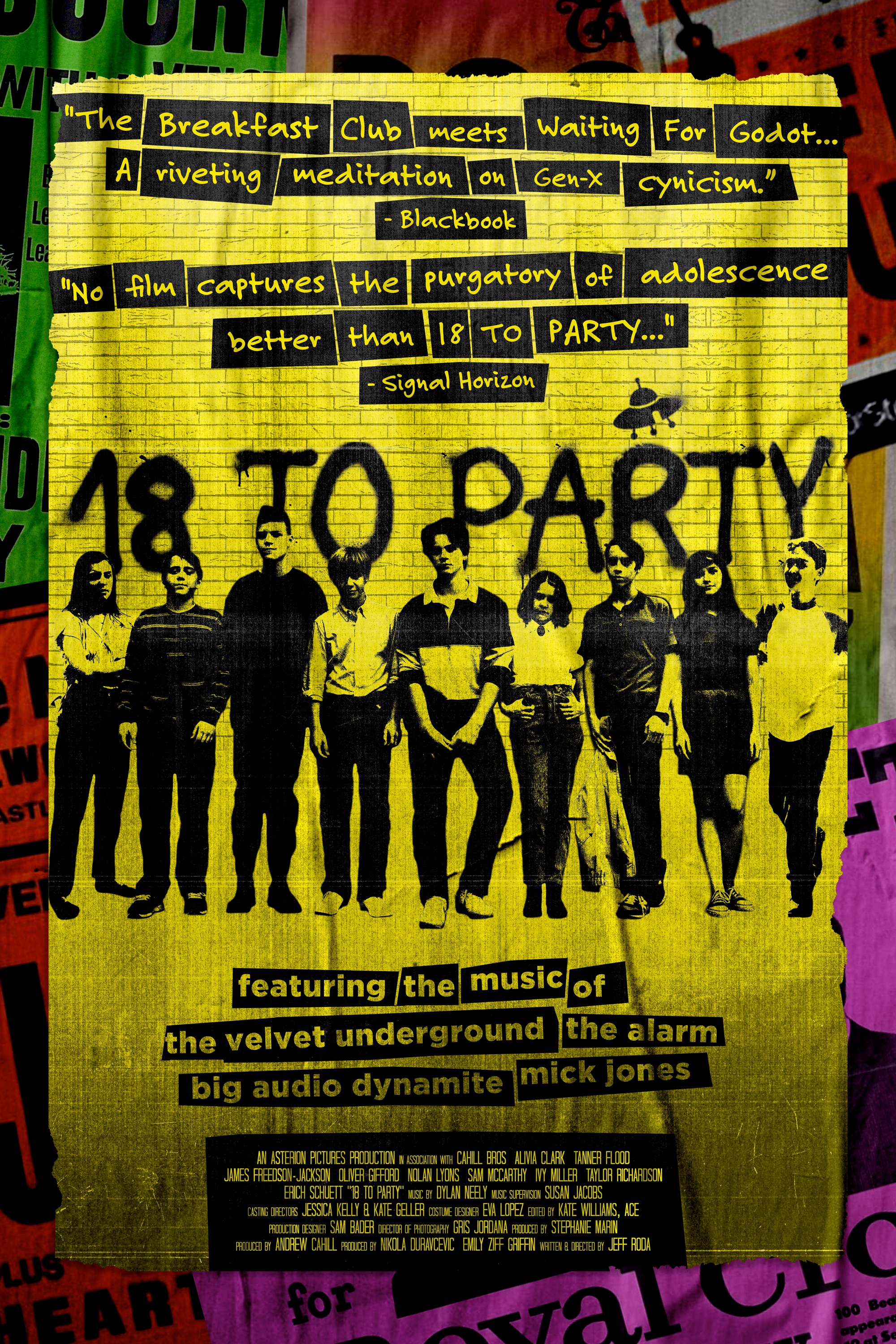
2020 Alivia Clark, Ashling Doyle, Tanner Flood, James Freedson-Jackson, Oliver Gifford, Nolan Lyons, Sam McCathy, Ivy Mille, Taylor Richardson, and Eric Schuett 18 to Party
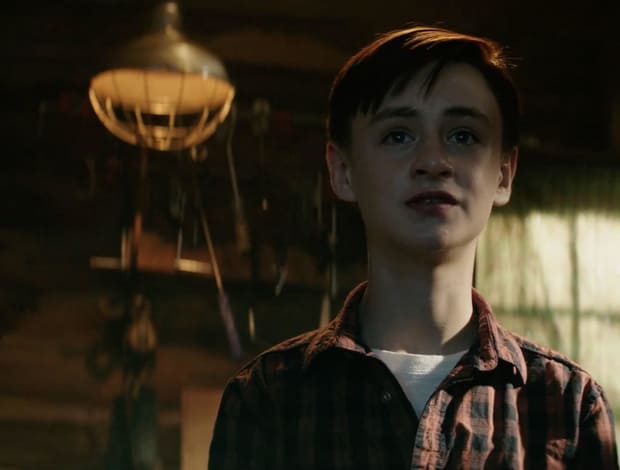
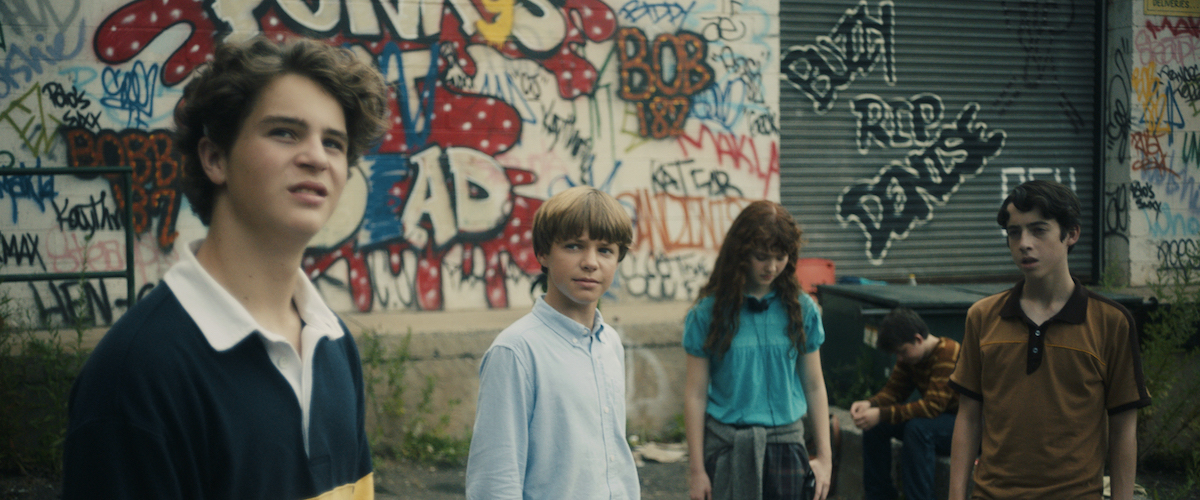
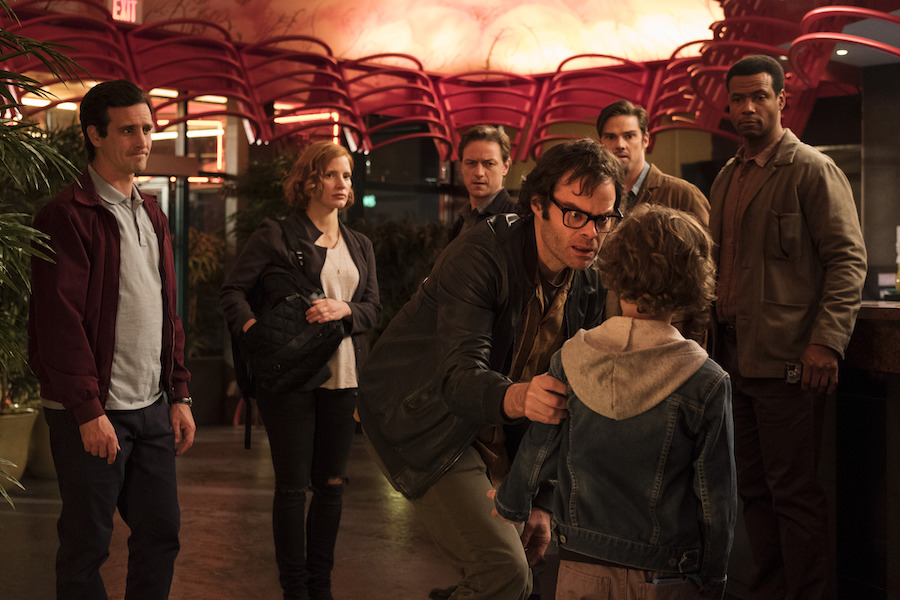
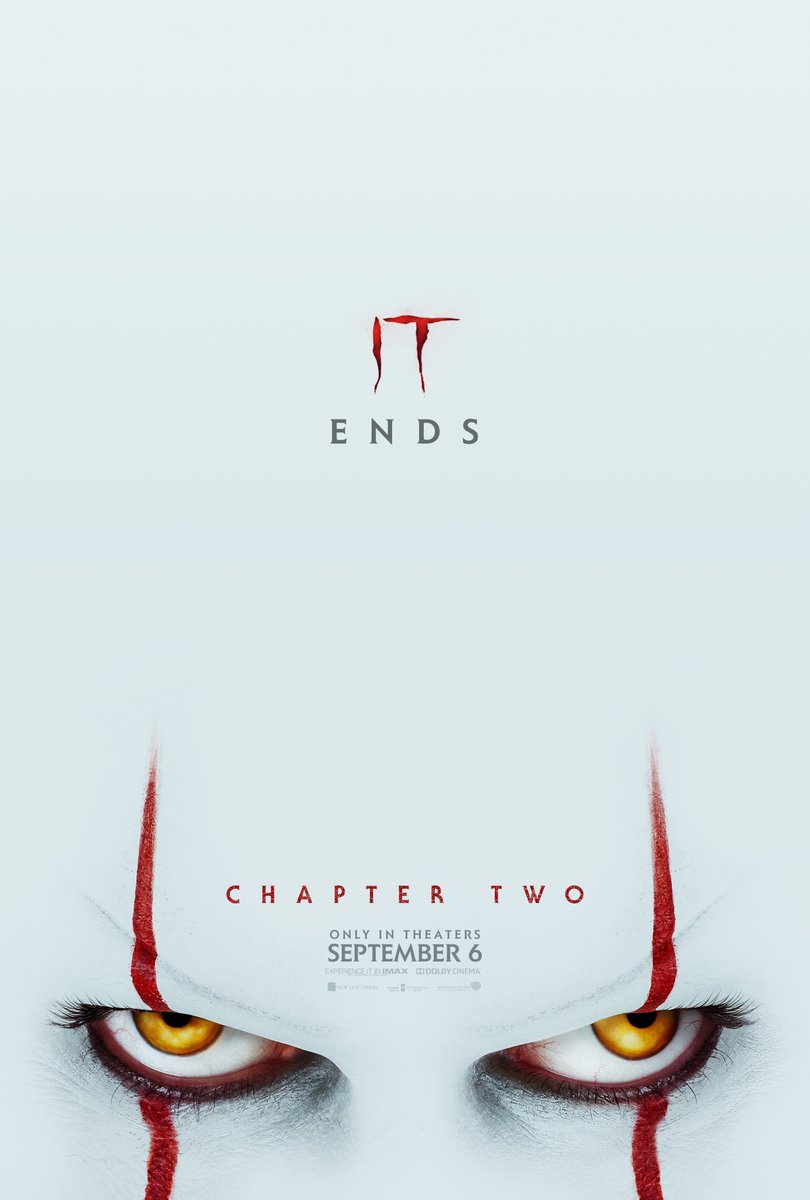
2019 Jack Dylan Grazer, Jaeden Martell, Finn Wolfhard, Wyatt Oleff, Chosen Jacobs, Jeremy Ray Taylor, Luke Roesseler, Jackson Robert Scott, Sladen Peltier, Sophia Lillis, Ryan Kiera Armstrong, It: Chapter 2
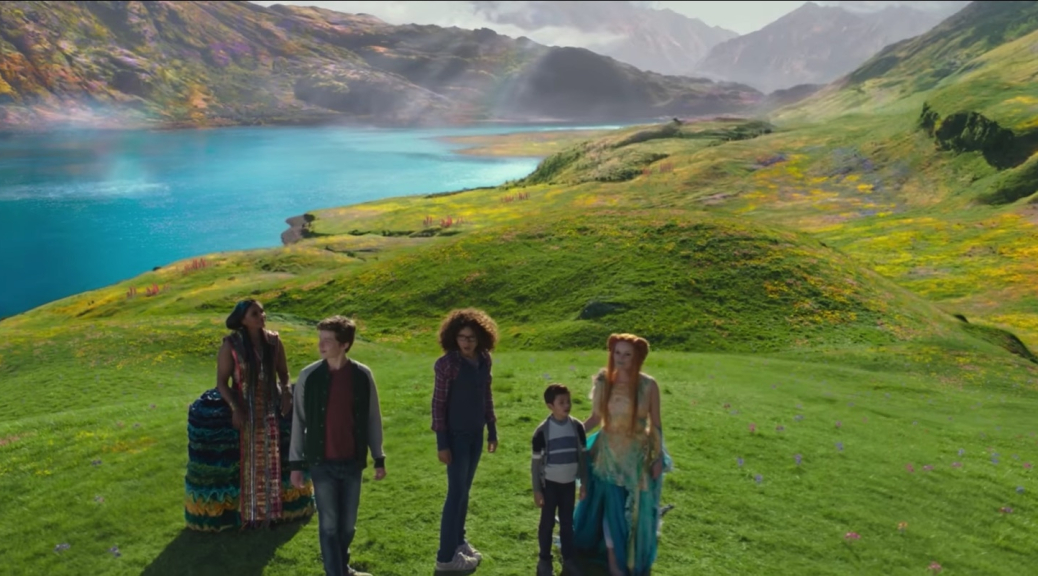
2018 Storm Reid, Levi Miller, Deric McCabe, and Rowan Blanchard A Wrinkle in Time
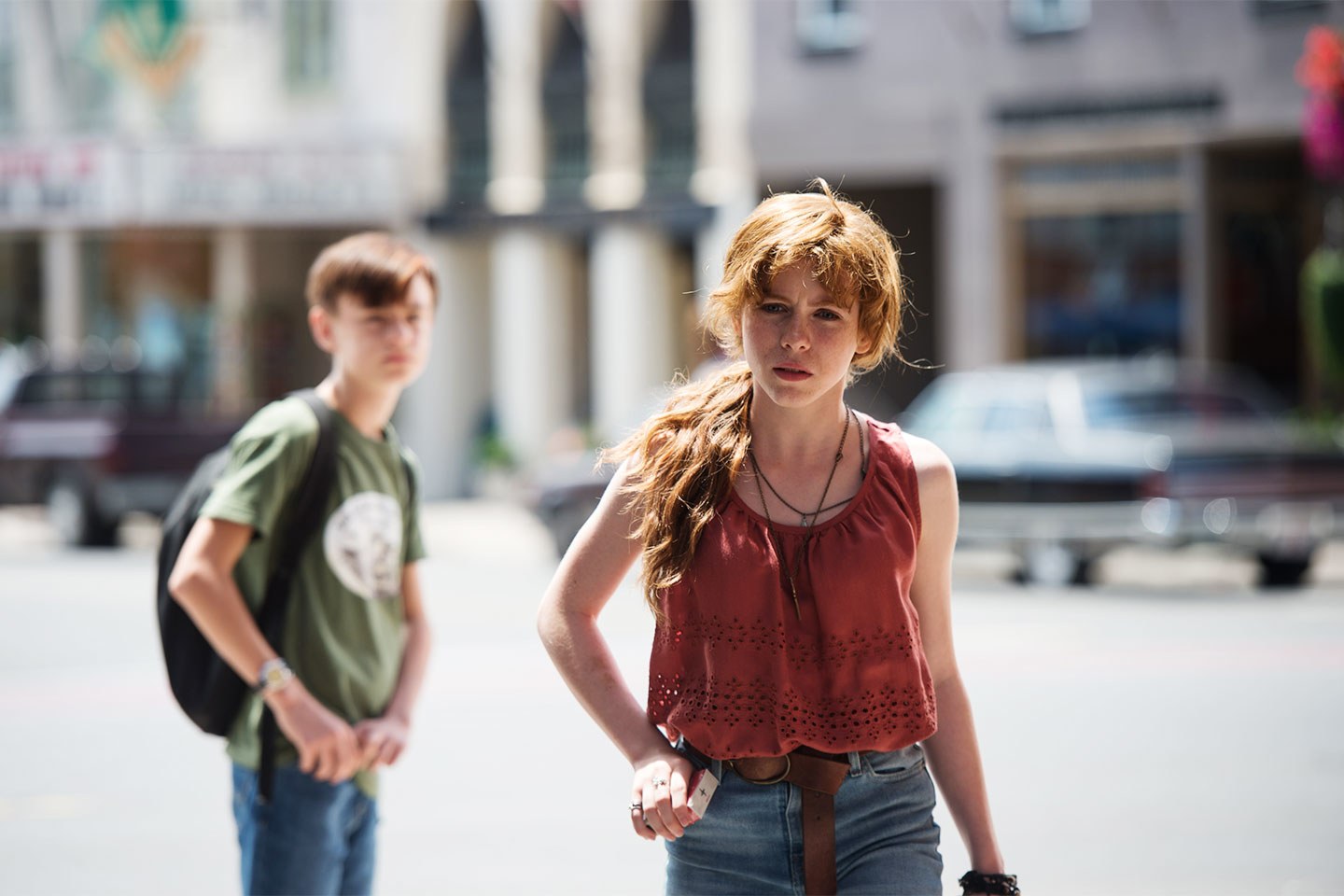
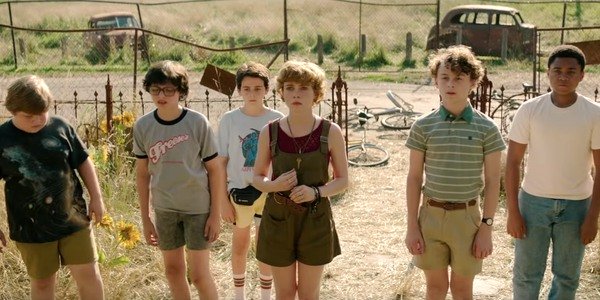
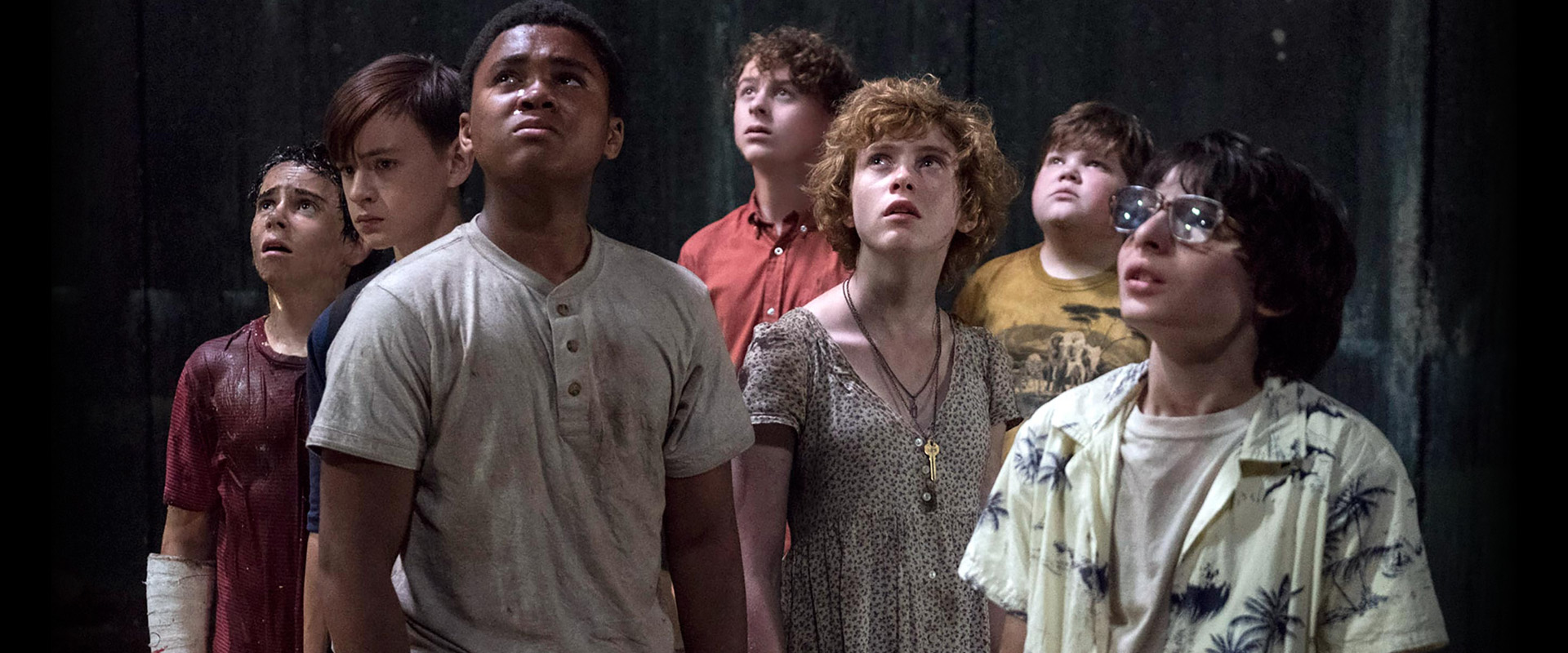
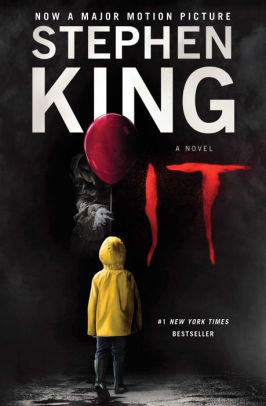
2017 Jaeden Lieberher, Jack Dylan Grazer, Wyatt Oleff, Chosen Jacobs, Jeremy Ray Taylor, Sophia Lillis, Finn Wolfhard, Jackson Robert Scott and Nicholas Hamilton It
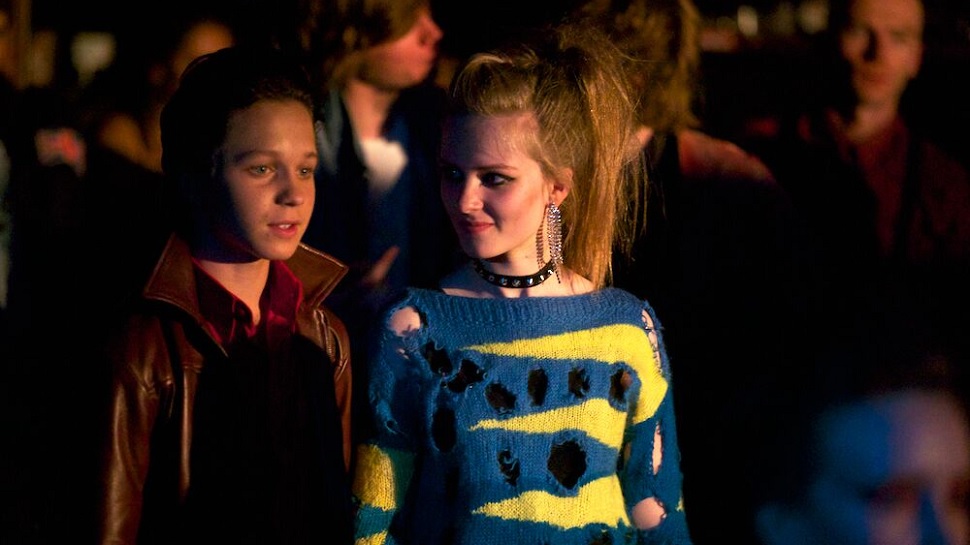
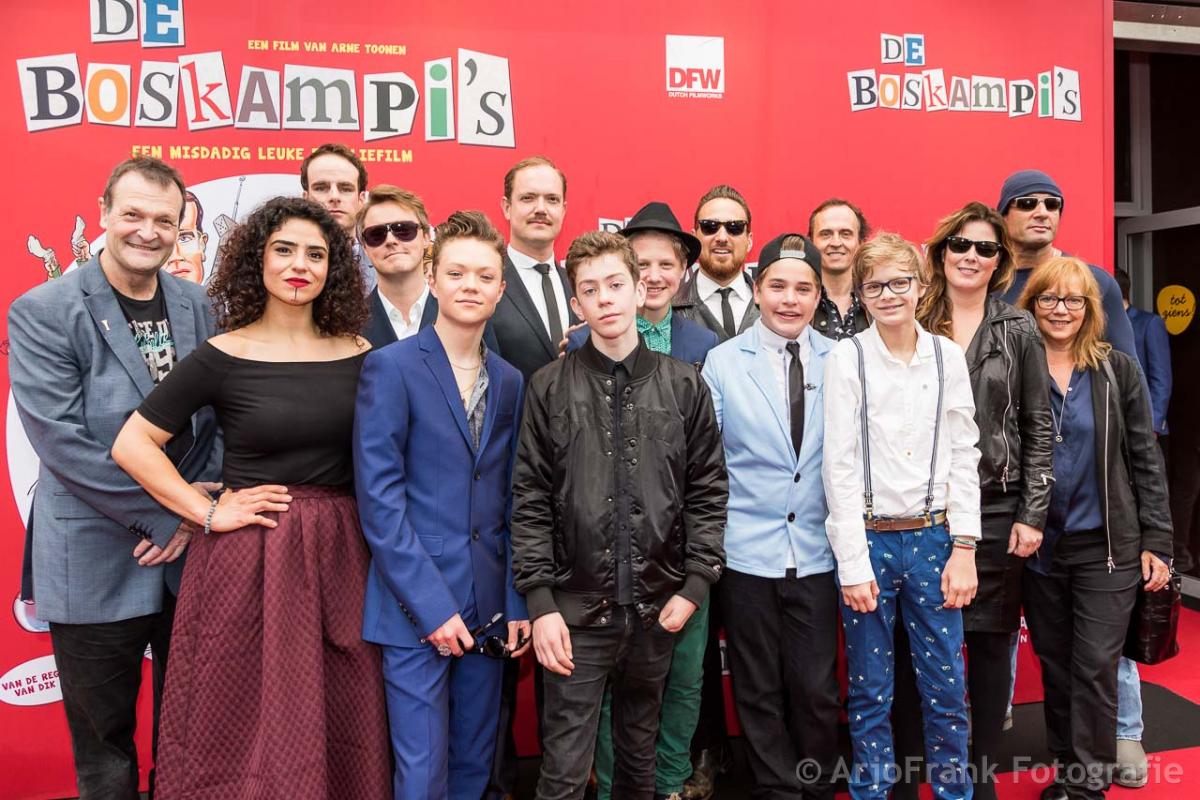
2016 Thor Braun, Rick Lens, Thijn Brobbel, Luciano Hiwat, Dylan Pijper, Joes Brauers, Maas Bronkhuyzen, and Dennis Reinsma De Boskampi’s
2015 Oscar Dietz, Samuel Ting Graf, Astris Juncher-Benzon, Amalie Kruse Jensen, Marcus Jess Petersson, Johannes Jeffries Sørensen and Hectores Brøgger Andersen Antboy 2: Revenge of the Red Fury
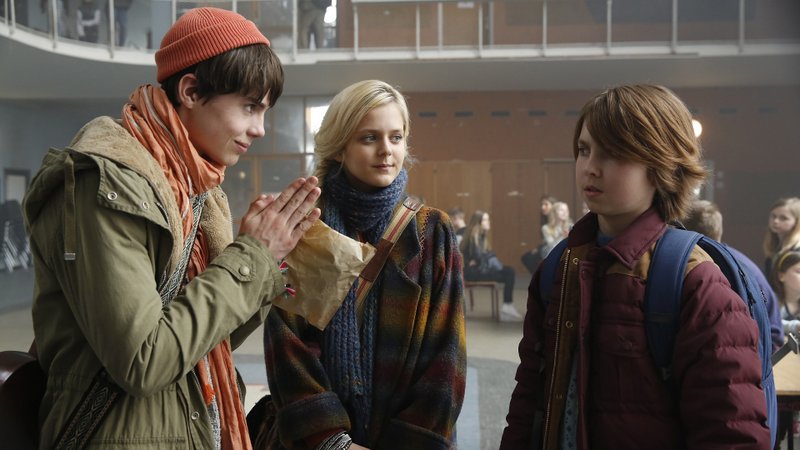
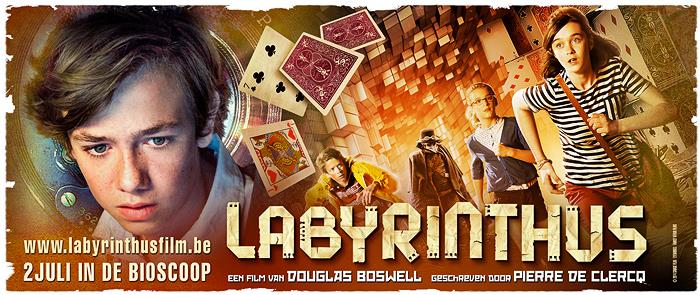
2014Spencer Bogaert, Felix Maesschalck, Emma Verlinden, Nell Cattrysse and Pommelien Tijs Labyrinthus
2013 Siam Yu, Colton Stewart, Gage Munroe, Michael Friend, Aidan Gouveia, Mackenzie Munro, Alex Cardillo, Dyson Fyke, Spencer Howes, Andy Reid, Richard Nguyen, Eric Hanson, and Alex Wall in I Declare War
2012Ben Van den Heuvel, Nathan Naenen, Noor Ben Taouet, Jelle Florizoone, Nina Marie Kortekaas, Mathias Vergels North Sea Texas
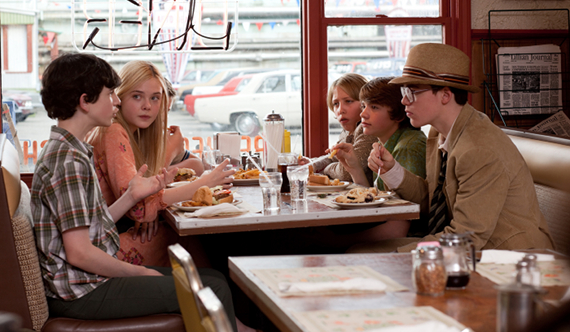
2011 Joel Courtney, Elle Fanning, Ryan Lee, Zach Mills, Gabriel Basso and Riley Griffiths Super 8
2010 Oscar Steer, Asa Butterfield, Lil Woods, Eros Vlahos and Rosie-Taylor Ritson in Nanny McPhee Returns
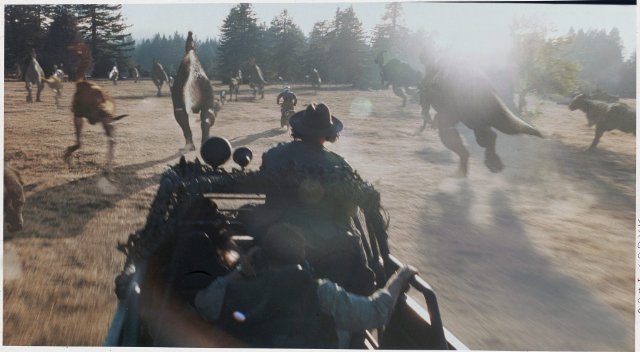
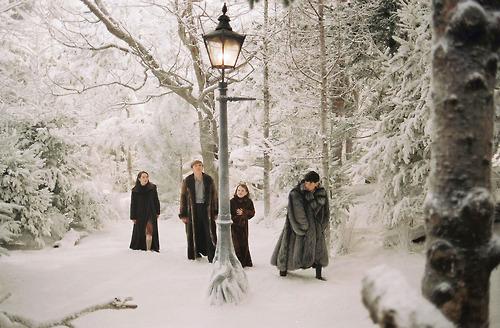
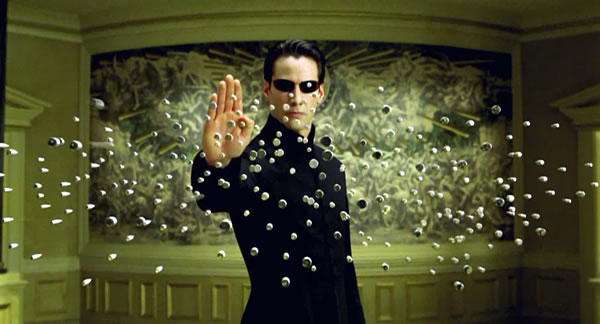
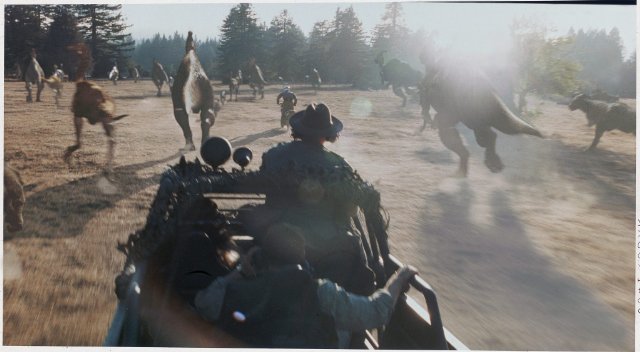
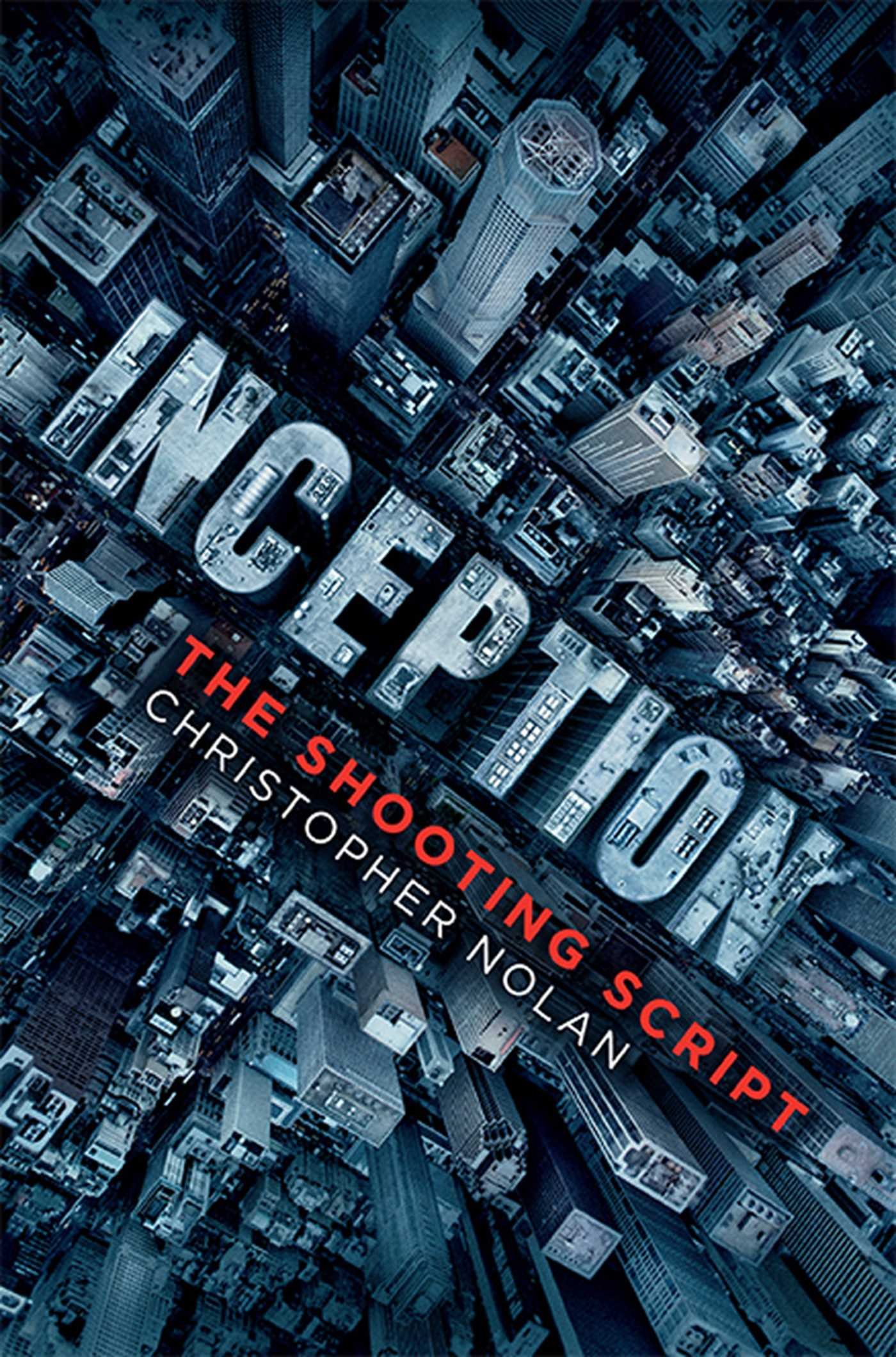
So here is the eye candy award. As always there are a few things to note: first, among my favorite winners are the back-to-back tandem of Jurassic Park: The Lost World and Small Soldiers simply because I like to award combined efforts whenever possible. Combined efforts meaning many techniques were used to create the effects of a film like robotics, prosthetic, models in tandem with CGI. Had I known how some effects were achieved for Inception it may have swayed my 2010 vote, having said that I was glad it won the Oscar. Second, one curious thing to note is that you have at times here streaks like 20th Century Fox is on a run as a studio and the Narnia series is 3-for-3 as they always up the ante in combining their work with real elements.
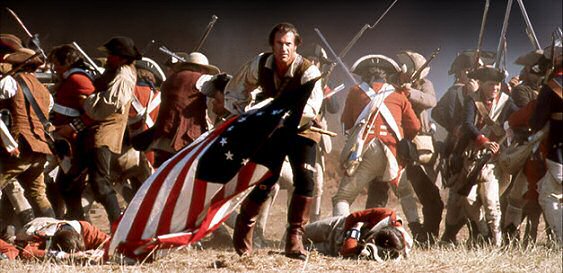
Lastly, I must’ve learned something about how certain shots in The Patriot were achieved in 2000 that influenced my vote but I honestly cannot recall what but as I have stated before I am not revisiting these awards merely posting them for posterity. I, of course, could never have predicted my fatigue of disaster films in 1996 or how much more unsavory that White House shot in Independence Day would grow over the years.
Nevertheless, I hope you enjoy the winners as much as I have.
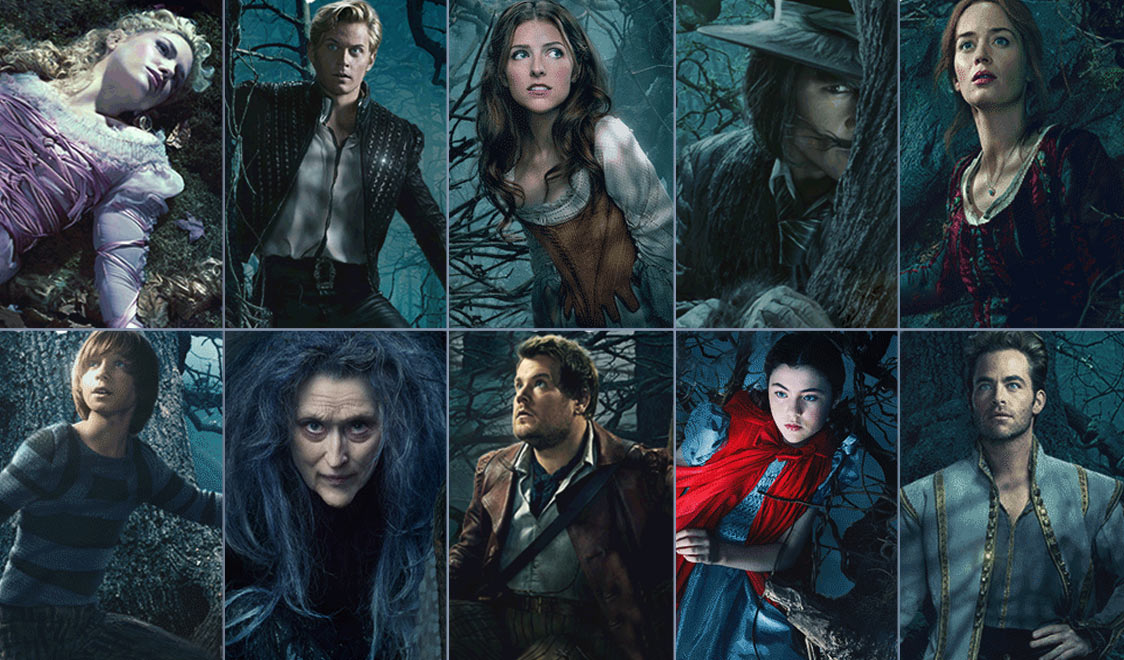
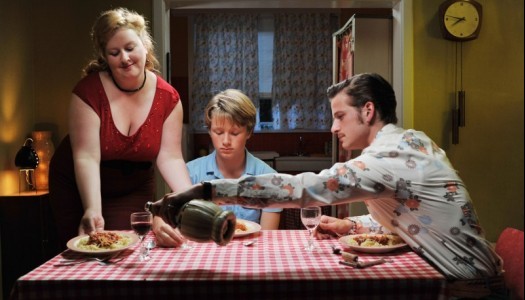
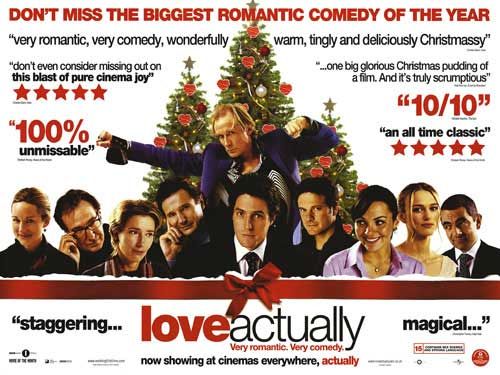
A few notes worth mentioning when it comes to the Best Cast category: First, I did borrow this concept from the SAG Awards. I just love the idea of honoring an entire cast from top to bottom and just wish they’d list and/or invite more people. There have been years when, if I was patient enough, I listed many of the players in the cast. Needless to say if one cast member wins they all do whether listed or not.
Second, there is one statistical oddity I noticed while assembling this list is that only four of the winners of Best Cast also were awarded my Best Picture prize. This kind of illustrates my point that acting is very important in a film but a film is so collaborative that its success does not necessarily hinge on its players’ ability.
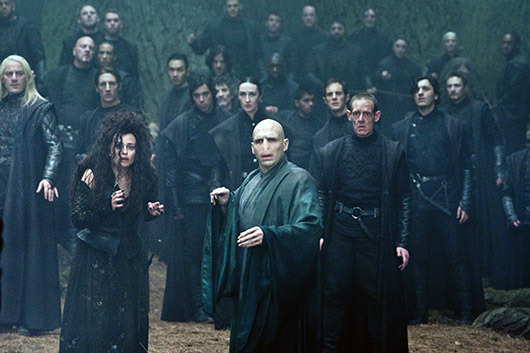
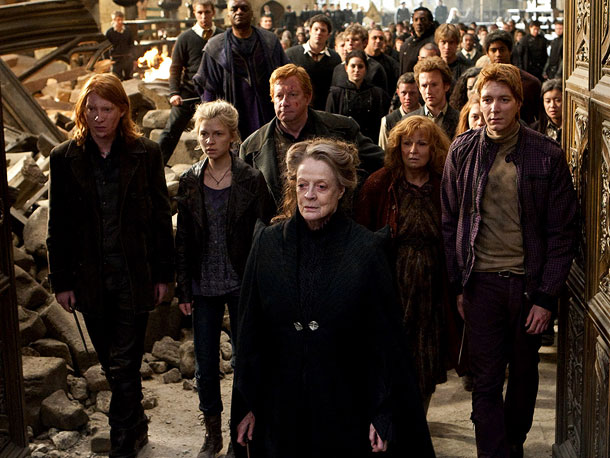
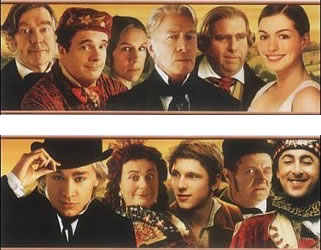
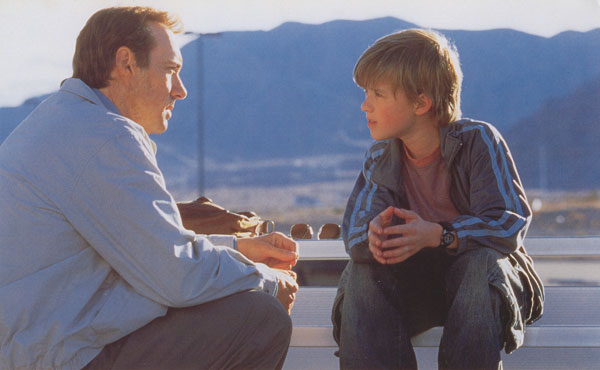
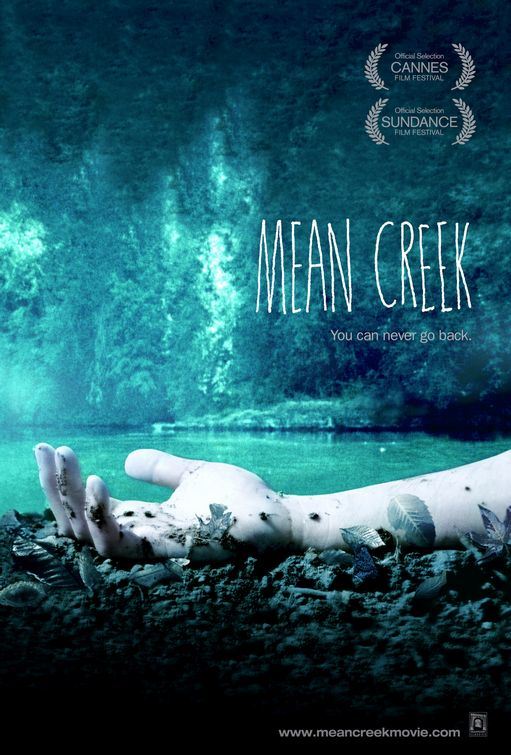
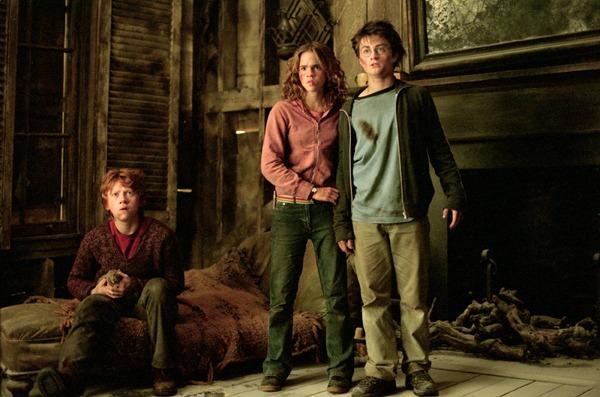
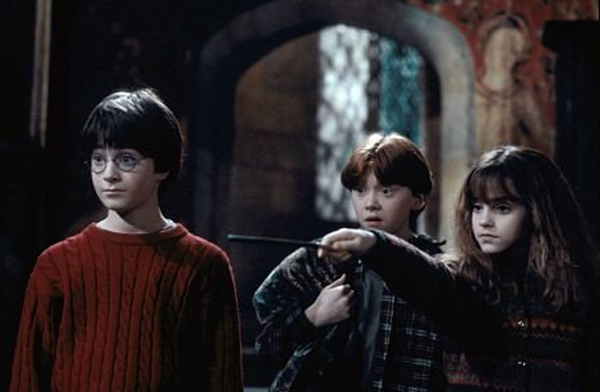
Also interesting to note is that the Harry Potter series has two wins here whereas it has not captured Best Picture in a rather Susan Lucci-like fashion. Lastly, when looking closely enough you’ll note some actors played parts, whether lead, supporting or tertiary, in multiple Best Casts. One such case would be Trevor Morgan, who only really had one major scene in The Sixth Sense wherein he bullies Haley Joel Osment but then plays a much more significant part in Mean Creek. I have not yet verified it but then there’s also the odd case of Hugh Mitchell, who was Colin Creevey in Harry Potter and the Chamber of Secrets and Boy Nicholas Nickleby in Nicholas Nickleby and thus, is to my knowledge, the only actor to ever get nominated twice in the same year for the Best Cast category.
Were I to dig deep enough I’m sure there’d be other interesting stats to find like Alan Rickman’s three wins but alas here are the winners…
In many ways this category exists now because of Waiting for ‘Superman’. As I intimate in the review linked below, I have come full circle with regards to documentary films. I can embrace them as a separate but equal entity to narrative film. I will strive to qualify this category annually but while I can appreciate documentaries fully now I acknowledge my proclivity for fiction whereas when I’m given a choice between which two to watch at a given time I will invariably choose the narrative. Having said that the category is, of course, valid and proved it can threaten to be the best of the year.
This one may have been a bit lacking in the drama department because Superman did make my Top 10 and no other doc crashed the Top 15, however it is truly an amazing experience but none of these others should be missed either. They are all on Netflix (the nominees being: Prodigal Sons, Killing Kasztner, Waiting for ‘Superman‘, Best Worst Movie, The Art of the Steal)
I’ll try and make my commentary on these films brief but there are several noteworthy selections that deserve some preface.
Firstly, I slam the Razzies on an annual basis because they never pick anything low budget. Birdemic became infamous due to its cheesy nature, it was “snubbed” conversely Alice in Wonderland was reviled by many critics but due to the fact that it was nominated for a handful of technical Oscars it was left out. Now I do have some widely seen films down below but my mandate is not to find and slam the worst of the worst. I try and seek out that which I will like and comment on what I find to be the worst. Mind you I do not choose some of the more popular titles for shock effect either. I literally fell asleep during the Pirates film “honored” below and liked others in the series.
As I said in my Overrated category there are people who participated in, and in some cases made, the films below that I really like and it pains me to have to include them on this list. However, I find it hilarious that Charlie Sheen is in one of them. He’d call that winning even if I don’t.
Anyway, just a few more caveats, yes, here, like in other categories, Made for TV Movies are not expressly forbidden so a few will be of that nature and a few will be direct-to-video I believe. I knock them because I didn’t like them, though, not because of the distribution path. Straight-to-video and Made for TV have earned nominees in positive categories also.
In 2002 I skipped the Award, I believe I brought it back the next year and in reconstructing ’03 (lost records) I added a “winner.”
My 2006 film was one I saw at a film festival that doesn’t have a one-sheet up anywhere. I have included a YouTube clip of the opening.
2012 Award Discontinued. This post will remain for archival. Please check 2012 winners post, which is linked here for the reasoning.
From 1996–2009 I had been satisfied with having but one category in which to honor the talented youths on film. This was one of the only places to honor them alongside their counterparts who are of age. In 2011, and perhaps more so in 2012, the nominating process became more difficult than ever as the talent pool seemed to be, if not the deepest ever, then one of them. Suddenly, I realized that I would have been eliminating people based on the size of their role and not on the quality of their performance. People like Janina Fautz in The White Ribbon and Billy Unger in You Again would be shutout of the nominating process. One of the benefits of creating your own awards is the ability to improvise.
Looking at the films and performances I’d seen I was able to create two new categories: I was able to make unisex categories for lead and supporting performances and one for ensemble work by youths, which seemed equally overdue. The goal in the 2011 awards was parity, meaning male and female lead and supporting categories and ensemble. This was achieved.
These categories have always been of great importance to me, not just because I was 15 when I started picking these awards but because youth performers are and have been greatly overlooked and under-appreciated and deserve some recognition. Especially when you consider that the Academy used to have a Juvenile Award and stopped awarding it.
UPDATE 2012:To venture even further away from negative connotations, I have decided to rename this post to remove the ‘child actor’ moniker, which to some can be seen as a slight. It’s a symbolic and semantical gesture, but no less significant for that. The group of categories and individual category names will be adjusted as necessary in the 2012 awards. Previous year will retain the same verbiage, but this post and future winners will not.
UPDATE 2013:To give each of the Youth Categories their due and for browsing convenience this post will act as a jump station to the new posts created for each of five youth categories, plus an additional post for the 1996-2009 winners.
So here you have the dreamer category; those who want to bring an entirely new conception to the big screen. It is not inherent that the winner must present the most unique concept unleashed on the cinematic landscape but just the fact that something not pre-sold is being done is enough and when that film is great it’s even better. Here are the winners for Best Original Screenplay:
As I have stated in a series of articles not yet transcribed to this blog, a good adaptation is not necessarily a literal one but a vital and cinematically compelling and vibrant one. In these winners I feel there is communicated more story than is written on the screenplay’s page, hints at other avenues and imbues within its narrative a spirit of a story that was not originally written for the screen but was made so through much thought, love and skill.
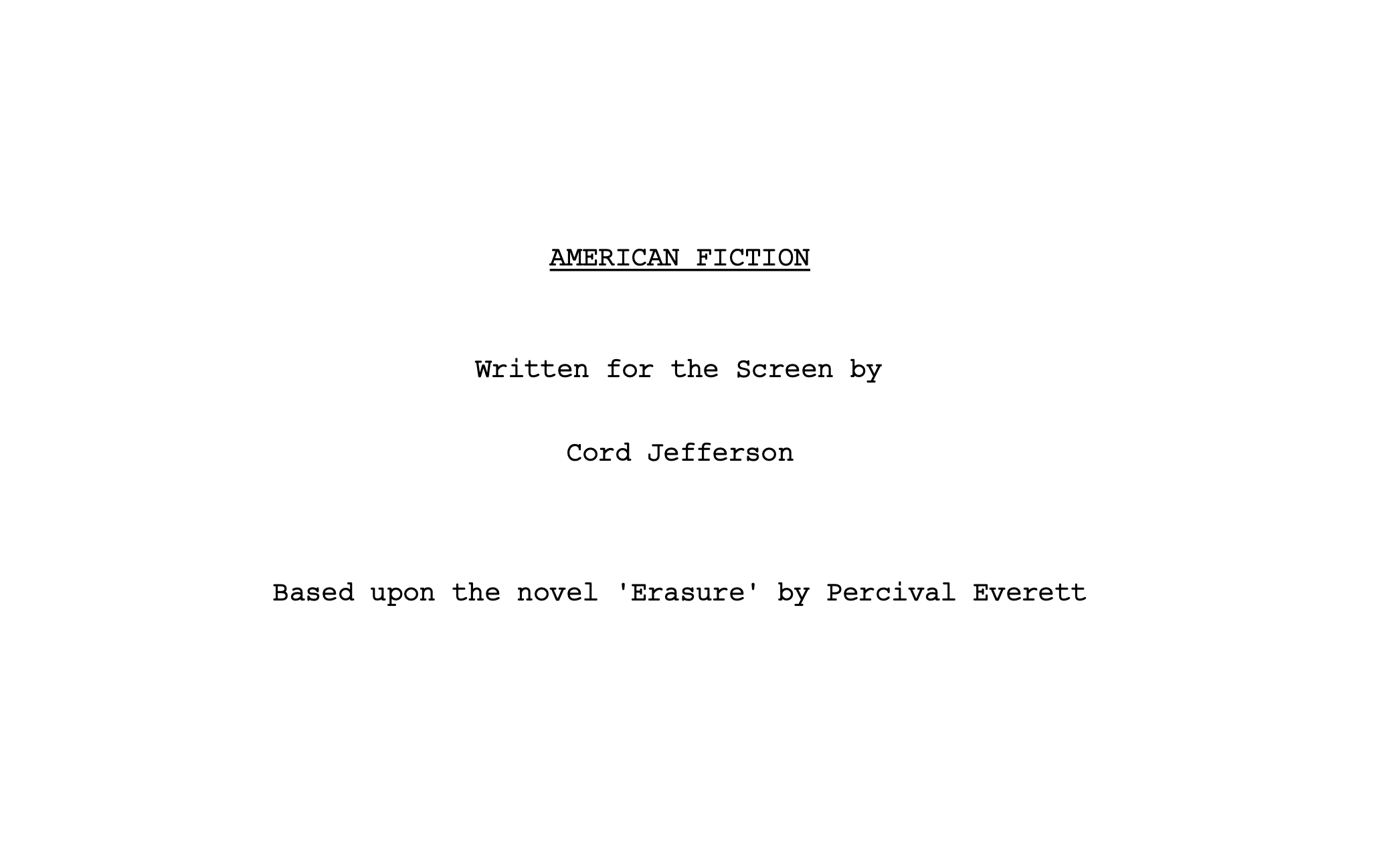
2024 Cord Jefferson, Percival Everett American Fiction



































































 The Movie Rat