Bernardo Villela is like a mallrat except at the movies. He is a writer, director, editor and film enthusiast who seeks to continue to explore and learn about cinema, chronicle the journey and share his findings.
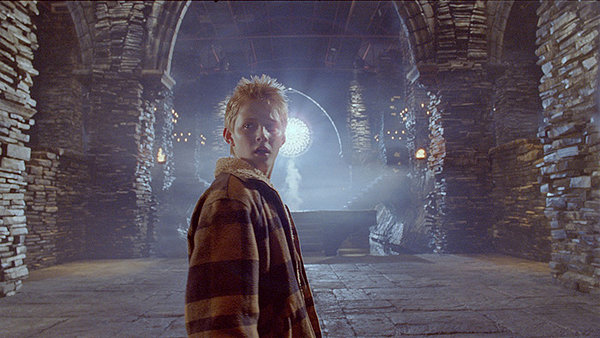
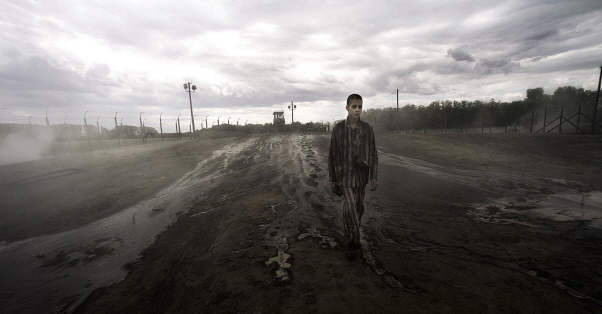
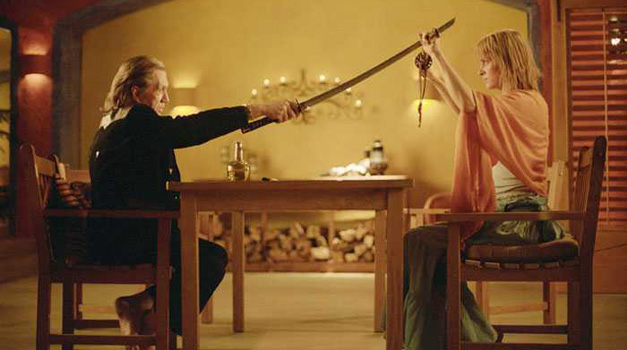
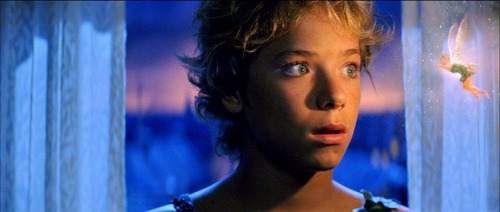
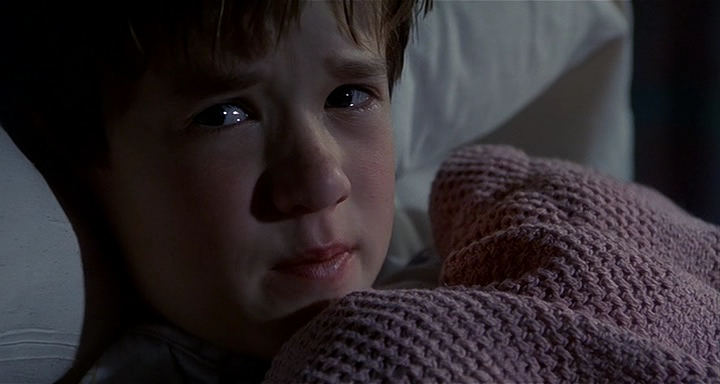
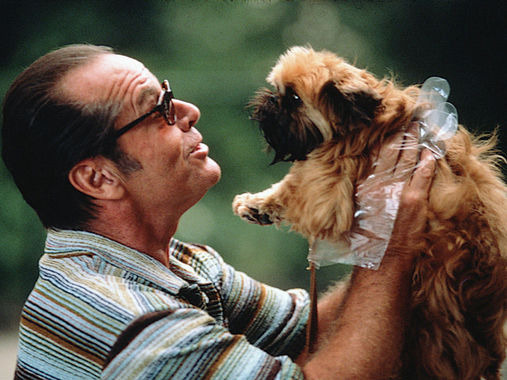
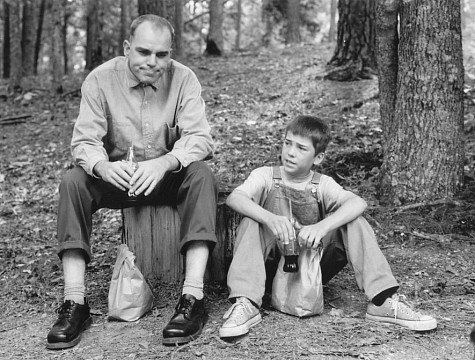
Here in this category there are a few things that may not be noticed if looking at it on a year-by-year basis. Namely not only are there two two-time winners (Osment and Robbins) but also four cross-over winners (Meaning they won both Lead and Supporting prizes).
Without much further ado The Best Supporting Actor Winners:
Another year has come and gone so it’s time to announce the 2012 BAM Award winners. These awards are based solely on my opinion and what I was able to watch during the past year.
To see what qualified you can check any of these three posts for film, actor and behind-the-scenes categories.
I recently announced shortlists, and barring a few last minute entries, these nominations will come from those films.
If you want more insight into the history and development of the awards I have re-posted most of my old lists starting with 1996
The winners will be pictured and BOLD.
I will be live-blogging these winners from the bottom of the list up.
It may seem hard to believe, but I compartmentalize such that nomination totals surprise me, at times winners have surprised me to because I thought I’d do one thing, but then as I thought and wrote it was clear my thoughts were different than intially assumed. However, I was not surprised that the highest nomination totals weren’t terribly high and that the win totals have been fairly split throughout. Again, compartmentalizing.
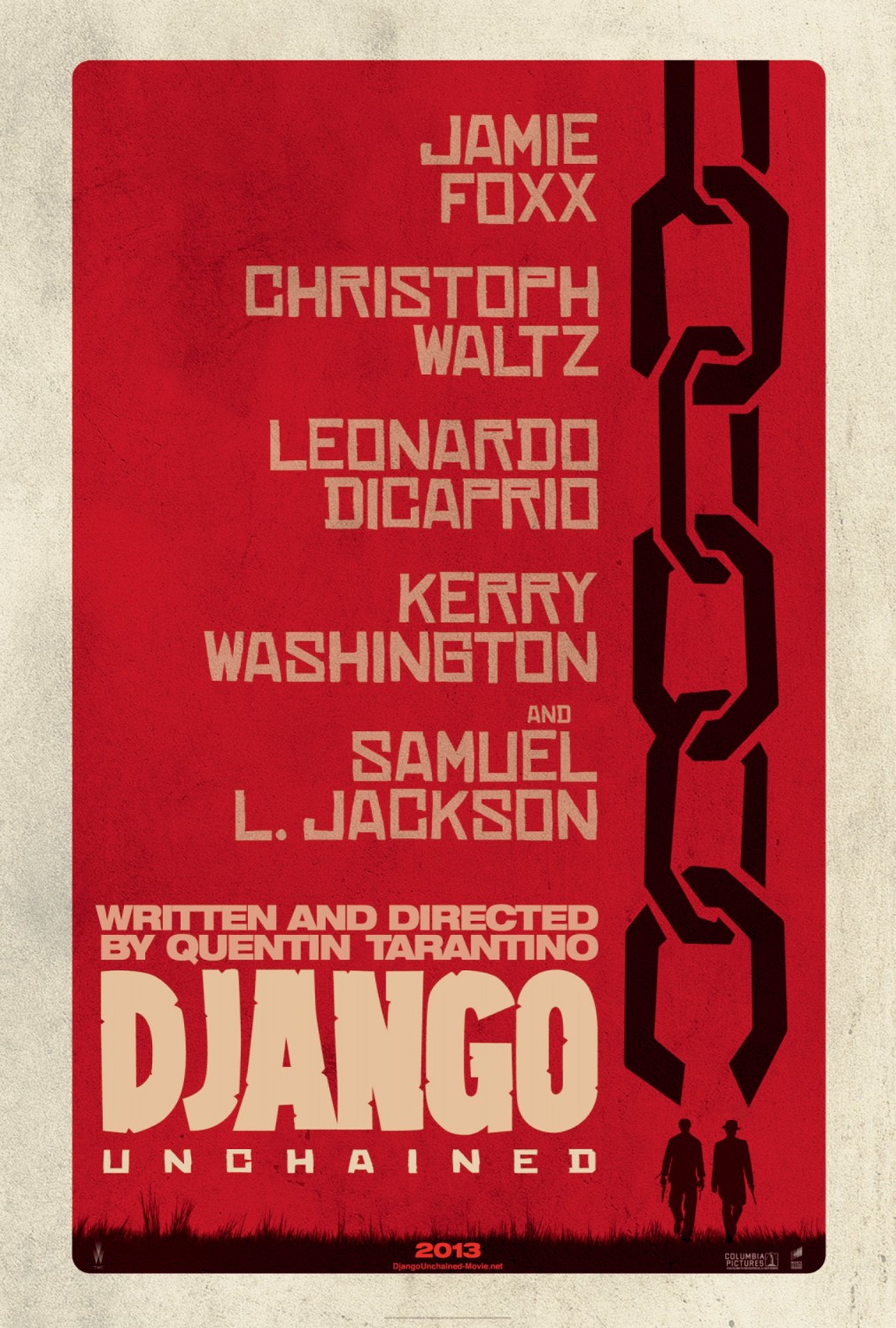
So what was the most fun I had at the movies this year? The most gobsmacked by its construction? The most delighted intellectually? Oh, yeah, it made me laugh too. The answers to all these questions are Django Unchained What it does is that it takes what Tarantino did in Inglorious Basterds brings it to the US, shines a harsh light on our uncomfortable subject, then flagellates it, makes us laugh about it, think about, condemn it and root for good to triumph (as we know it will), and what’s best makes the point of making it an antebellum tale. It was hair-splitting that kept Django from getting other awards throughout the day, but this one was in the bag from when I was done watching it.
The Best Picture field has quite a few foreign films in it too, but here was another year where a foreign film set the standard early, held it for a long time and got nicked at the end of the year. I suggest you look into all these films to see which interest you as they are very different, and my winner is not likely to have the greatest mass appeal. The winner is The Turin Horse
Last year, started a real shift in how I treat this award. Basically, it stopped being about the IMDb and what critics and others said about the film and more about what smaller film, deserving of a wider audience do I think needs championing – thus next year this category may have a slightly different name.
This kind of ties into why I skipped on Worst Picture and Most Overrated. I could still tell you some for the past year, but I spent many of the wee hours nominating last week and all day today posting these winners, I want it to be all about positive things. Aside from philopsophical topics that’s what it boils down to.
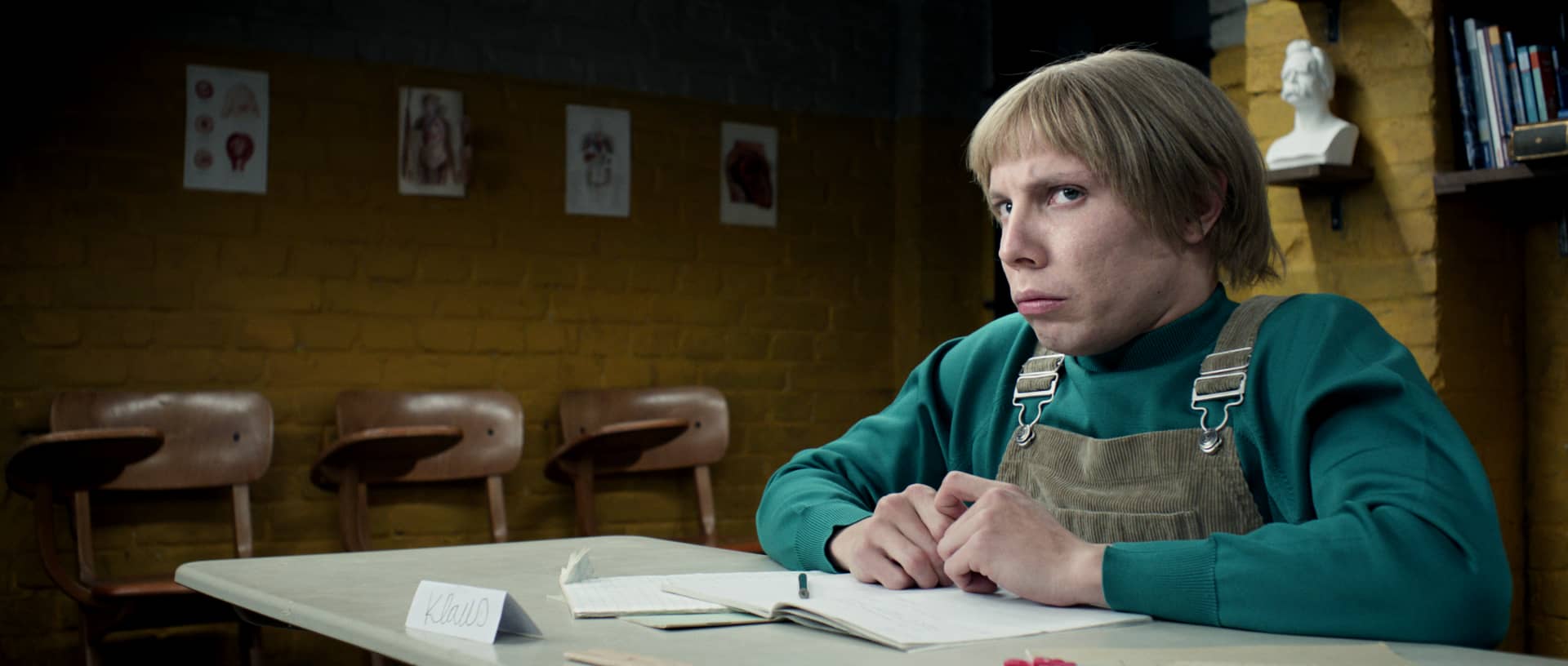
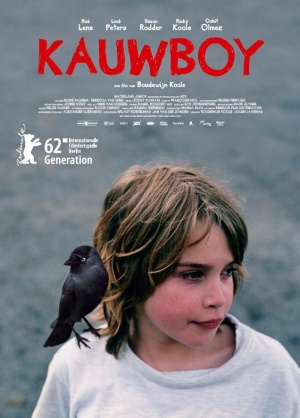
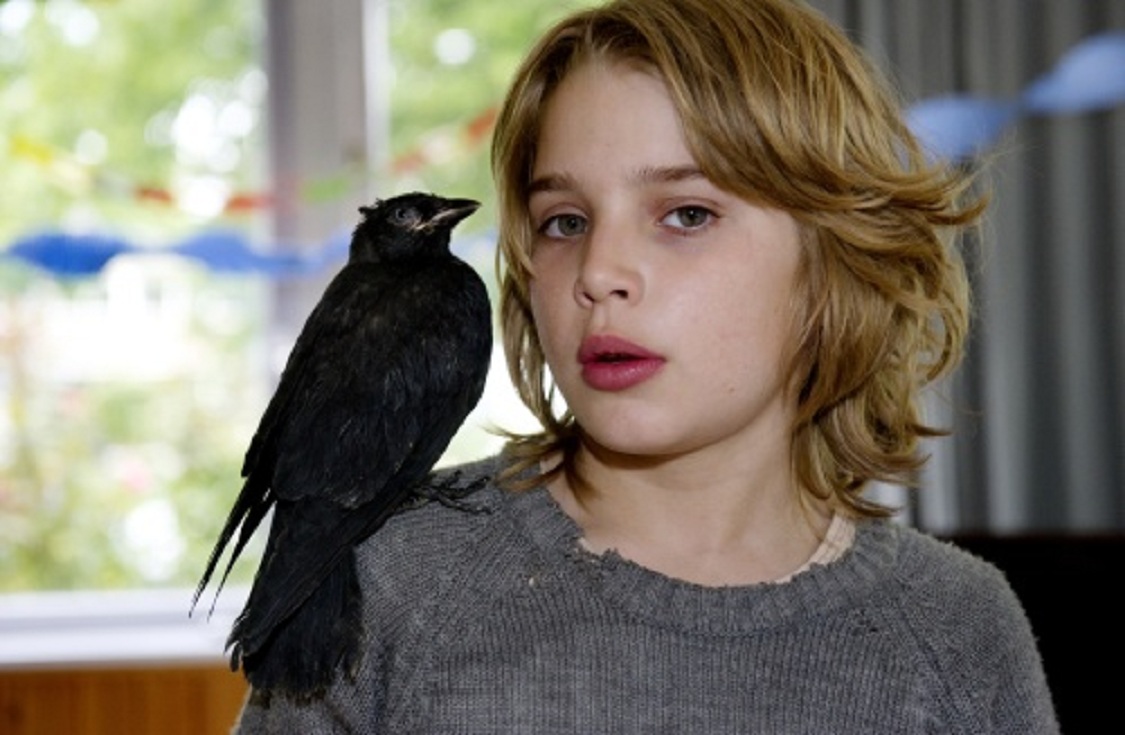
So what film here deserves championing the most? Kauwboy. I am lucky and grateful to have seen it, but while it may have had festival and Academy screenings here to the best of my knowledge it does not have US distribution and is in my top 10 of the year.
All the men in this category had singular visions and are very deserving. However, only one can get this honor. In the past I delayed the creation of a lifetime achievement award because the director was still quite vital. I won’t exclude someone for getting that honor now that it exists, however. When there’s a director-picture split there should be a justification. Here there will be a quasi-split (you’ll see what I mean) and I think Béla Tarr earned it for having a more precise, exacting vision that’s greater not only than the sum of his ouevre but also of his aesthetic.
Bavo Defurne North Sea Texas
Christopher Nolan The Dark Knight Rises
Quentin Tarantino Django Unchained Béla Tarr The Turin Horse
Joe Wright Anna Karenina
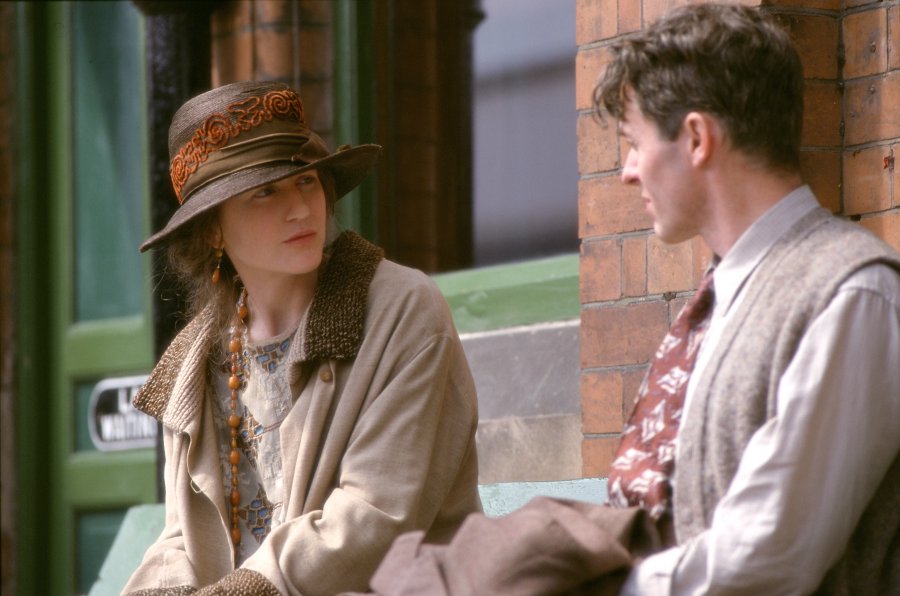
They might not all be in films that bring the biggest fanfare with them but these ladies all did spectacular jobs in varied ways. Ultimately, what this boiled down to was two ladies who did two very different things: one didn’t have as many cuts to work with and had to convey many emotions quickly and clearly, another due to the mind’s eye approach of the narrative had to quickly and visually communicate. However, the task assigned to Keira Knightley not only felt bigger to me but she steered the journey so magnificently; it’s literally breathtaking.
Erika Bók The Turin Horse Keira Knightley Anna Karenina
Magaly Solier Amador
Tilda Swinton We Need to Talk About Kevin
Noomi Rapace The Monitor
As likely as Daniel Day-Lewis is to continue to win Best Actor trophies this was by no means a blowout. Denis Lavant plays a plethora of characters, McConaughey is better than ever in Killer Joe; in The Perks of Being a Wallflower Logan Lerman reminds us all what he’s capable of and then Dane Dehaan broke through big time in Chronicle. However, there’s impersonating a figure, doing an impression of them and then theres inhabiting them, which seems to be what Daniel Day-Lewis does. It’s astonishing.
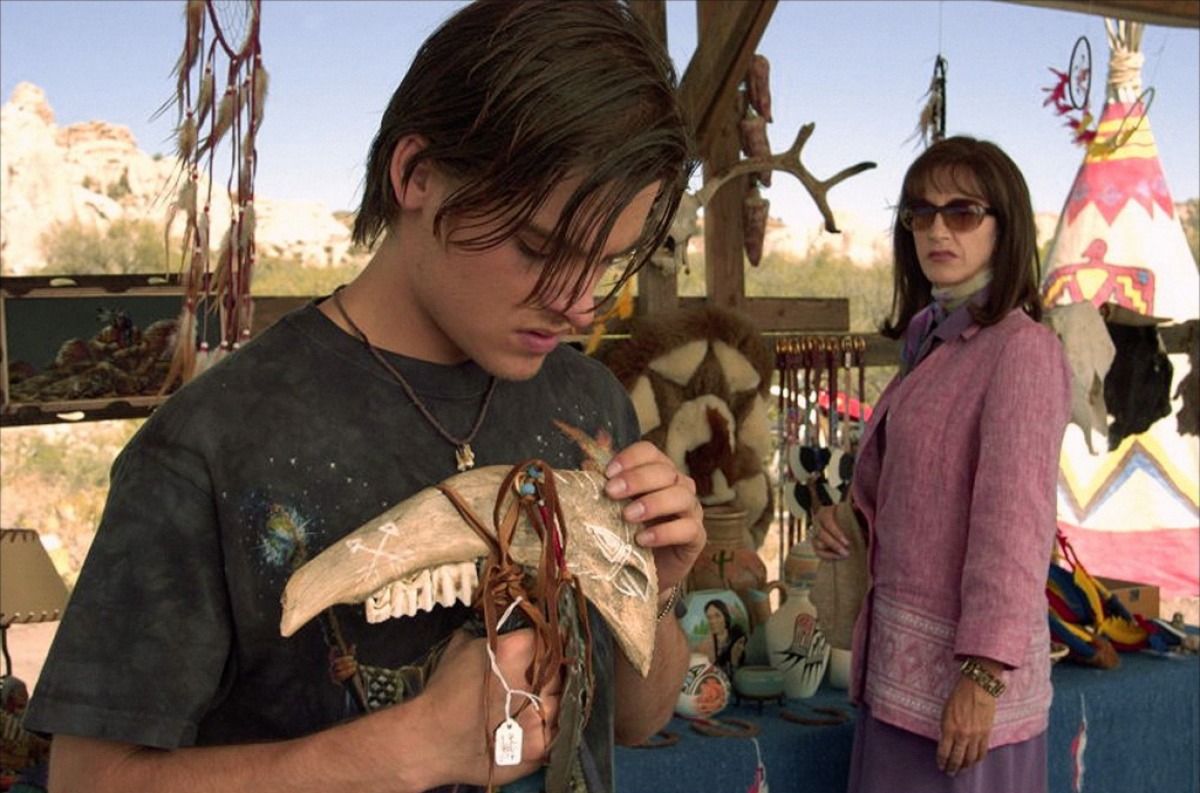
Dane DeHaan Chronicle
Logan Lerman The Perks of Being a Wallflower Daniel Day-Lewis Lincoln
Denis Lavant Holy Motors
Matthew McConaughey Killer Joe
Hugh Jackman Les Misérables
Samantha Barks Les Misérables
Sally Field Lincoln
Gina Gershon Killer Joe
Anna Gunn Sassy Pants Anne Hathaway Les Misérables
First thing that needs mentioning is that Sassy Pants is on netflix now, so stream it. It’s hilarious. Also, if you’re in for a weird time go for Killer Joe. Samantha Barks is unforgettable singing my favorite Les Mis song, however, here is one place where I will not be any different from any other award show between now and the Oscars, the winner is Anne Hathaway who more than deserves it. What an astoundingly great performance.
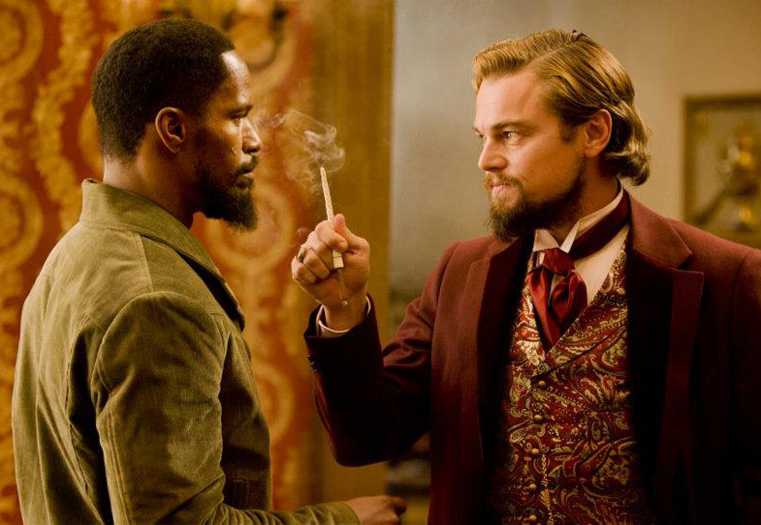
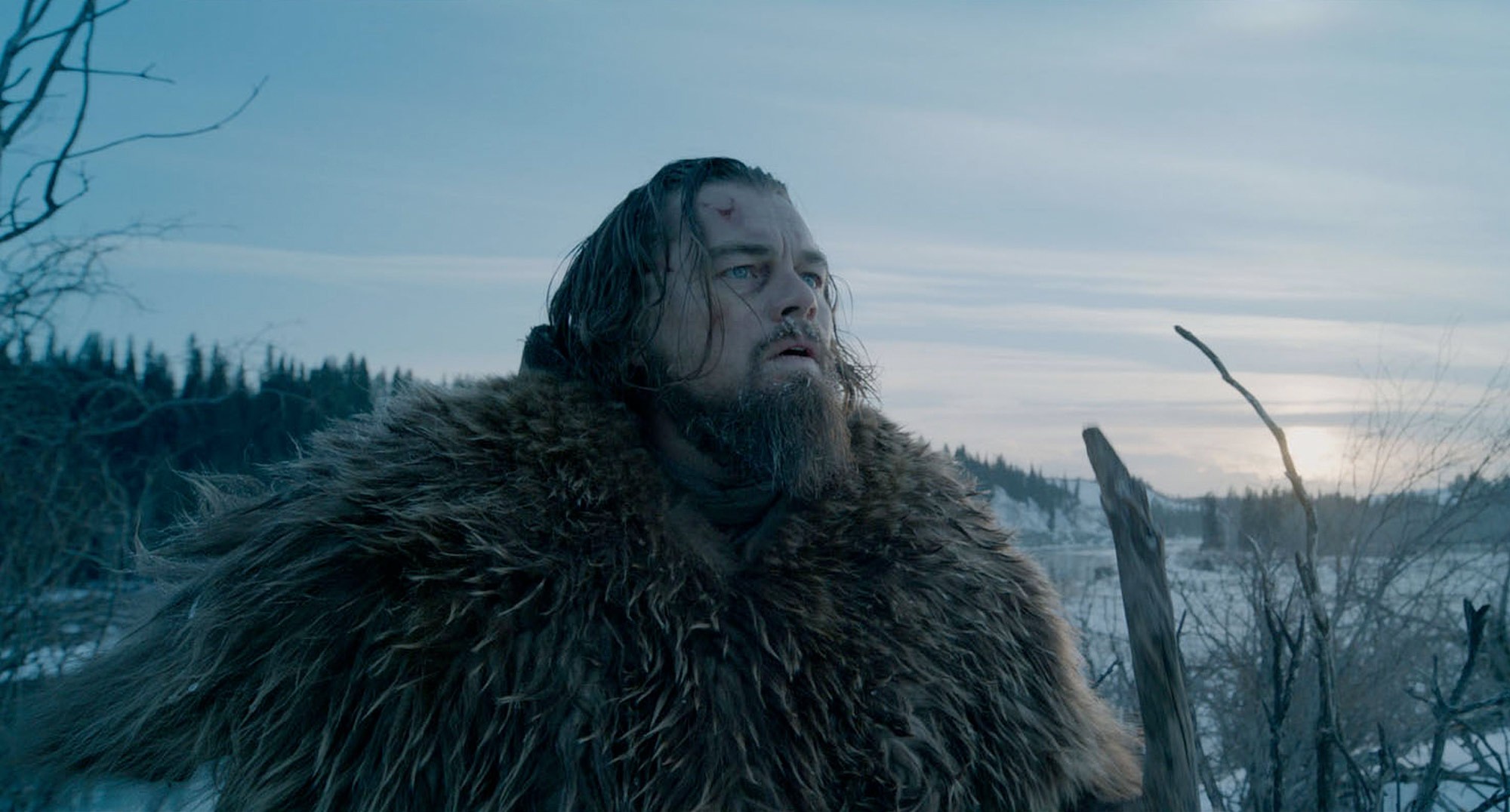
I love to see Leonardo DiCaprio really hooked into a part, when he’s a live wire he’s something special and he’s that here. Him in this form is about all that can sway me away from picking Sam Jackson in this category.
Mikkel Boe Foesgaard A Royal Affair Leonardo DiCaprio Django Unchained
Samuel L. Jackson Django Unchained
Matthew McConaughey Bernie
Eddie Redmayne Les Misérables
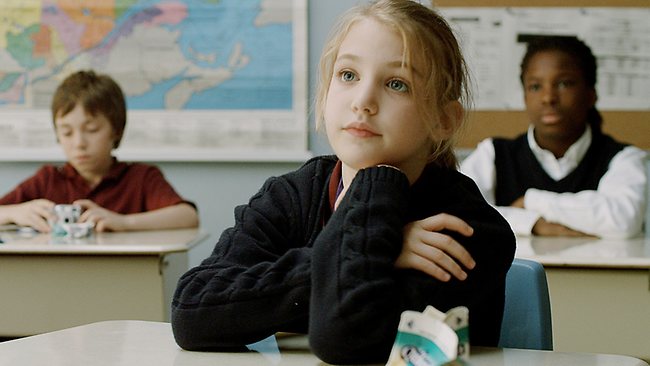
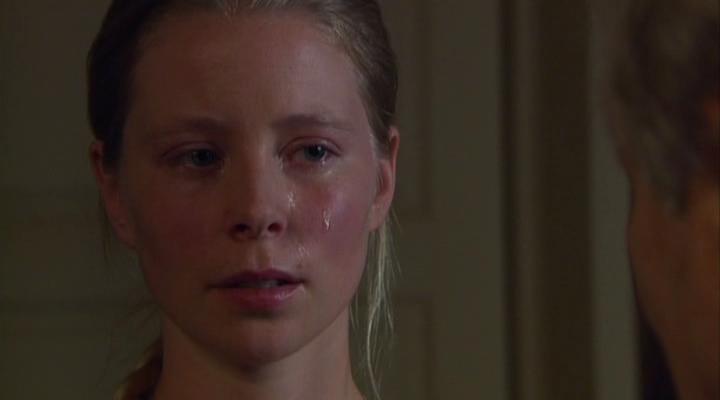
All these performaces are very strong as well, especially Ryan Simpkins’, however, if there’s one invocation I cannot disregard it’s that of Anna Chlumsky. That is who Sophie Nélisse reminded me of in a lot of ways and that’s why she takes it, aside from the obvious fact that she’s the conscious of a very tough movie for a young actor to be that intrinsic in.
Ryan Simpkins Jeremy Fink and the Meaning of Life Sophie Nélisse Monsieur Lazhar
Yle Vianello Corpo Celeste
Natasha Calls The Possession
Ane Viola Semb Magic Silver
Rachel Mwanza War Witch
Best Performance by a Young Actor in a Leading Role
This is another spectacular class, where quite literally any of them could’ve taken it. Quite honestly, it’s one of the decisions I most lamented having to make because I saw early on it was going to be a very strong category. Each of these actors is perfect for the role they’re assigned, however, the one who not only maximes the role and helps make his movie click above all others is Rick Lens.
Best Performance by a Young Actress in a Supporting Role
Another reason that existed to create these Supporting categories for young actors is that there are times when a young actor is given a very tough assignment in complex film, such is this case of this winner Jeanne Disson in Holy Motors. She only has one scene but there’s a lot of subtext she’s playing and she has to get emotional in it at one point; emotional but restrained. It’s a truly great turn by her.
Isabelle Allen Les Misérables
Marie-Ève Beauregard Monsieur Lazhar Jeanne Disson Holy Motors
Ashley Gerasimovich We Need to Talk About Kevin
Bailee Madison Parental Guidance
Best Performance by a Young Actor in a Supporting Role
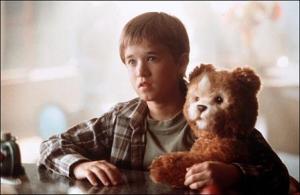
This year really redeemed my decision to create equal categories for young performers. There were enough really good lead and supporting performances such that all but one of these categories expanded to six nominees. Drew Barrymore’s performance in E.T. has often been cited as a standard not just for Young Actors, but also for actors round about her age. This year I was reminded of that standard on a number of occasions.
Here’s a category where truly any one of the picks would have been a very valid choice, which just reinforces my belief that the nominating process is the most important, but citations aside, and upon further reflection, the most impressed I was this year was with Te Aho Aho Eketone-Whitu. In a film like Boy you expect the lead to be strong and have a lot of dramatic turns and situations foisted upon him, you do not expect that from the younger brother character and for him to rise to the challenge in a manner stoically belying his years.
Te Aho Aho Eketone-Whitu Boy
Sebastian Banes In the Family
Kyle Breitkopf Parental Guidance
Peter DaCunha The Barrens
Pierce Gagnon Looper
Daniel Huttlestone Les Misérables
Best Youth Ensemble
In years past there have been splits between Youth Ensemble and Best Cast. The best way to explain that is to use the sports analogy of comparing a whole team (cast) to a unit of the team (Defense), a team may be the best overall but not the strongest in a given unit.
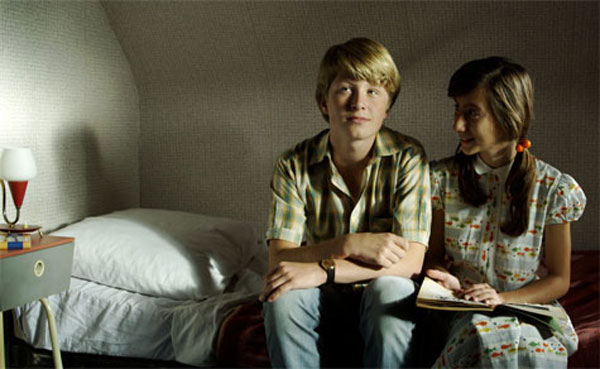
Where with Best Cast I assessed that the adult players are vital due to the fact that they play key figures, the younger performers carry the film and there are more doing so that it would seem if you were to just read the synopsis. Both main characters Pim and Gino are represented at two ages, the younger age being a short, but vital tone-setter; but then there are also the girls in their lives who are necessary foils in a film of this nature. They too are very good and written better than you usually see.
Again the decision for North Sea Texas to win here is based on depth and prominence. Monsieur Lazhar has very strong stand-out performances by the kids, as is evidenced in the individual nominations, however, they split time and don’t shoulder as much as the cast of North Sea Texas does.
Ane Viola Semb, Johan Tinus Lindgren, etc. Magic Silver
Émilien Néron, Brigitte Poupart, Jules Philip, Seddik Benslimane, Marie-Ève Beauregard, Sophie Sanscartier, Vincent Millard, Louis-David Leblanc, Gabriel Verdier, Marianne Soucy-Lord Monsieur Lazhar Ben Van den Heuvel, Nathan Naenen, Noor Ben Taouet, Jelle Florizoone, Nina Marie Kortekaas, Mathias Vergels North Sea Texas
Bailee Madison, Joshua Rush, Kyle Breitkopf, Cade Jones, Mavrick Moreno, Madison Lintz, Justin Kennedy, Jade Nicolette Parental Guidance
Nick Romeo Reimann, Fabian Halbig, Leonie Tepie, Manuel Steitz, Javidan Imani, Robin Walter, David Hürten Vorstadtkrokodile 3: Freunde Fur Immer
Jean Texier, Louis Dussol, Harold Werner, Nathan Parent, Clément Godefroy, Théophile Baquet, Ilona Bachelier, Thomas Goldberg, Grégory Gatignol War of the Buttons
This was a year blessed with incredibly deep casts. What needed taking into account was how deep did the casts run and how strong was each individual performer in said role. Though a tale of coming of age and sexual awakening, North Sea texas does have a rounded cast with key adult players that needed to be on point to fill in the the world that was being created, and they to a person, more so than any other film, did that.
Fellag, Sophie Nelisse, Emilien Neron, Marie-Eve Bearegard, Vincent Millard, Seddik Bensilmane, Louis David Leblanc, Dranielle Proux Brigitte Poupart, Jules Philip Monsieur Lazhar Ben Van den Heuvel, Eva van der Gucht, Thomas Coumans, Katelijn Damen, Nathan Naenen, Noor Ben Taouet, Jelle Florizoone, Nina Marie Kortekaas, Mathias Vergels, Luk Wyns North Sea Texas
Keira Knightley, Aaron Johnson-Taylor, Jude Law, Kelly MacDonald, Olivia Williams, Emily Watson, Matthew Macfayden, Oskar McNamara, Alicia Vikander, Eros Vlahos Anna Karenina
Daniel Day-Lewis, Sally Field, David Straithairn, Tommy Lee Jones, Joseph Cross, Joseph Gordon-Levitt, Gulliver McGrath, James Spader, Hal Holbrook, John Hawkes, Jackie Earle Haley, Bruce McGill, Tim Blake Nelson, Lucas Haas, Dane DeHaan Lincoln
Hugh Jackman, Russell Crowe, Anne Hathaway, Amanda Seyfried, Samantha Barks, Sach Baron Cohen, Helena Bonham Carter Eddie Redmayne, Elizabeth Allen, Daniel Huttlestone Les
Misérables
There are a number of ways to look at Best Original Screenplay. One can parse out the originality and go one way, look at the visual treatment and go another or one can take a very textual approach. One of these films is very quiet in terms of dialogue, two are quite eloquent, but one is intimate, another bombastic. Both the eloquent films treat flashbacks very well, one takes more time in them and is more creative chronologically; while another hums along mostly in the present of the tale. Of all awards this one is splitting hairs more than most others – because both top two also have statements to make. However, when you consider one’s Bergmanesque approach and its dramatic rendering of a perhaps dry deposition setting it has to go to Patrick Wang for In the Family.
Joss Whedon and Drew Goddard The Cabin in the Woods
Quentin Tarantino Django Unchained
Leos Carax Holy Motors Patrick Wang In the Family
Laszlo Krasznahorki, Bela Tarr The Turin Horse
I often have a little struggle in parsing original from adapted. I believe I vary from most awards in that if characters aren’t original, though the script be not made from source material, then I consider that an adaptation. We all have notions about James bond, Batman and the like. To work with them, no matter how out of the canon you take it, you still start with characters that are established.
I only had real knowledge about one of these sources, ultimately, it comes down to how well a vision is translated on screen, how concise, visual and exact is the script’s treatment of the subject matter. Though all these scripts are deserving the most surehanded approach came from Bavo Defurne’s handling of North Sea Texas.
Tom Stoppard (Leo Tolstoy) Anna Karenina Bavo Defurne (Andre Sollie) North Sea Texas
Stephe Chbosky (Stephen Chbosky) The Perks of Being a Wallflower
William Nicholson (Claude-Michel Schoenberg, Alain Boubil, Victor Hugo, Herbert Kretzmer, Jean-Marc Natel, James Fenton) Les Misérables
Neal Purvis, Robert Wade, John Logan (Ian Fleming) Skyfall
The difficulty in deciding this category was balancing the disparate intentions of each score. Each of these films are in different genres, thus, their scores had different tasks at hand and clearly all of them exceled. What it came down to is trying to quantify which score most exceled for what the intentions of the film were, regardless of musicality. When one thinks of The Turin Horse two sounds come immediately to mind: the wind and the score.
Adriano Cominotto North Sea Texas
Mike Shinoda and Joseph Trapanese The Raid: Redemption
Helge Slikker Kauwboy
Christopher Young Sinister Mihály Víg The Turin Horse
What this category ended up being about in large part was non-linear communication of the narrative. No film did better with that than We Need to Talk About Kevin, which qualified for this year because I didn’t have a realistic chance to see it in 2011, per the Titus Conundrum.
Joe Bini We Need to Talk About Kevin
John Guerdebeke Keyhole
Mary Joe Markey The Perks of Being a Wallflower
Melanie Oliver Anna Karenina
Els Voorspoels North Sea Texas
There are two films here that truly hinge on their sound design, one is indicated by the title and the other is The Woman in Black. Sinister also used its sound to great effect, but ultimately The Woman in Black was the most consistent, and well thought out design of them all.
Chronicle
Django Unchained
Neighboring Sounds
Sinister The Woman in Black
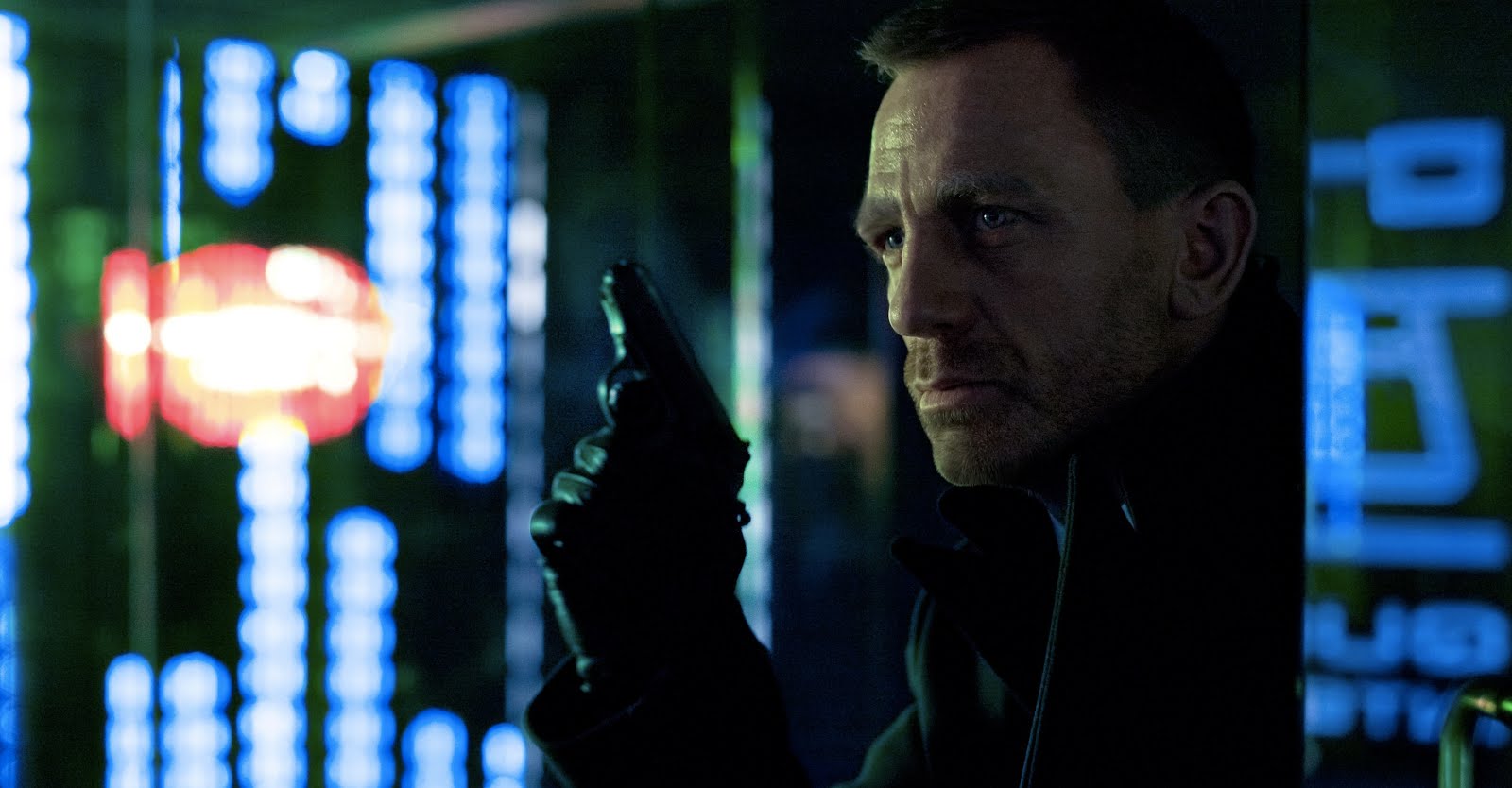
Similar to my thoughts on black and white photography fully exploiting the latitude that gives you in something like The White Ribbon here Deakins exploits color wherever and whenever possible. There’s fire, ice and water, neon in the sky, chinese lanterns and much more; it’s a visual smorgasbord you can make yourself a glutton on.
Roger Deakins Skyfall
Benjamin Kasulke Keyhole
Fred Kelemen The Turin Horse
Seamus McGarvey Anna Karenina
Anton Mertens North Sea Texas
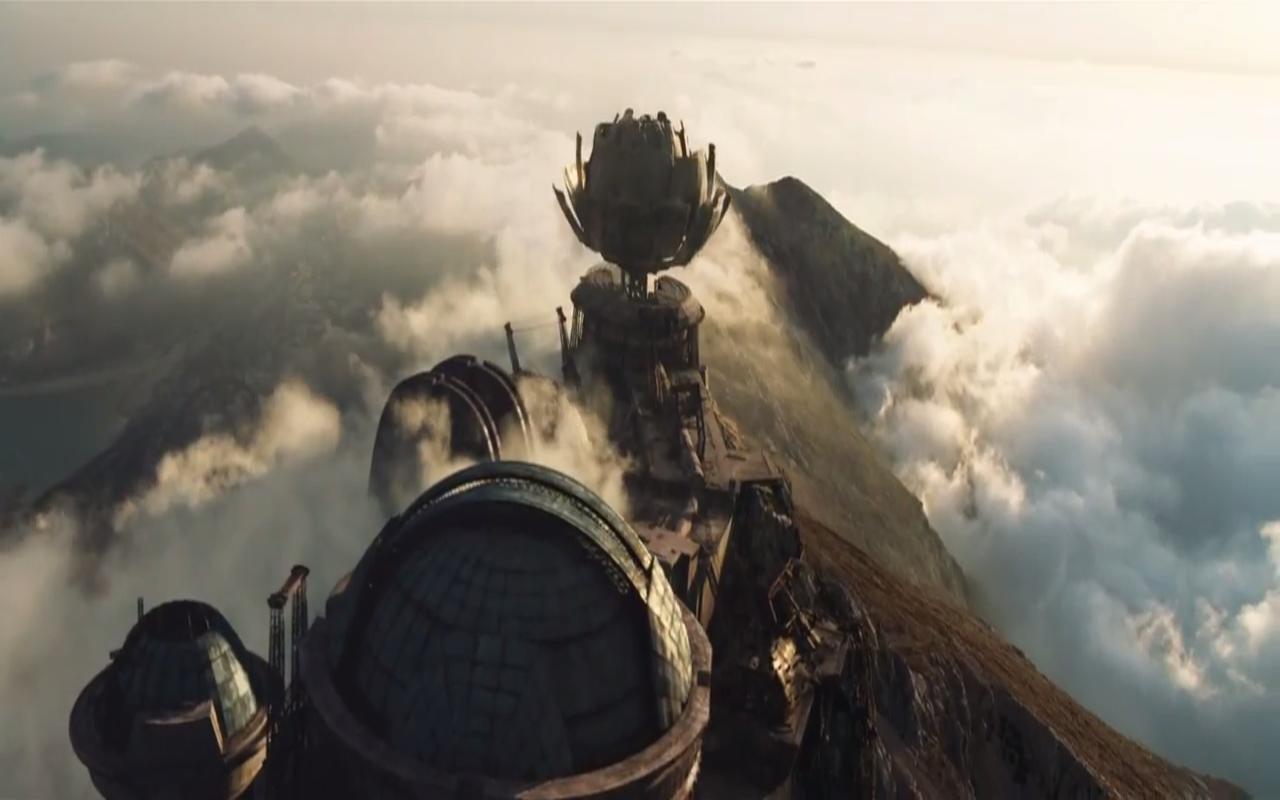
I had a pretty tough time with this one, and usually I would go for the creature-work heavy film but Cloud Atlas has many different landscapes it needed to create, and does so very effectively.
I had to do my due diligence and re-listen to these songs before deciding on a winner and it may just be the most varied best field ever. There were some awesome covers this year that would normally be eligible, but to not open pandora’s box and have another nomination sweep like The Chorus did in 2005 I eliminated songs that were not, to my knowledge, original; otherwise, Les Misérables would sweep and have an unfair advantange.
After a great and informative Twitter chat with Larry Richman, at some point between last year’s awards and now, I came to a new way of thinking about these nominees. All the nominees occur within the body of the film, meaning there are no end credit songs and all have some intrinsic value to the film. However, when factoring the quality of the song (where two were nearly neck-and-neck) plus how important the song is within the narrative construct of the film. The winner is clearly…
“You Are the One” Ricky Koole Kauwboy
“The Big Machine” Mark Duplass Safety Not Guaranteed
“Giving It All” Troye Sivan Spud
“Skyfall” Adele Skyfall
“The Thunder Buddy Song” Mark Wahlberg and Seth Macfarlane Ted
This award is one I will present annually to the actor, writer, director or any combination thereof who has in my estimation the best year. The only real criteria is that they have multiple credits. The credits can be two responsibilities on the same film or more than one film. The idea came to me based on Robert Downey, Jr.’s incredible 2008. He was the first winner and the name stuck.
I think I did start to list potential candidates for this but then thought it’d take some of the drama out of it. Also, if you have to think too much about a body-of-work award like this one, it’s nearly invalidated.
So first there are honorable mentions…
I admit to being woefully ignorant about the oeuvre Joss Whedon before this year. I was not one of the legion following his TV series’. However, with the anticipation building towards The Avengers I saw Dr. Horrible and previously fell in love with The Cabin in the Woods.
Late in the year when this topic was bandied about Matthew McConaughey’s name was getting a lot of traction for roles in Magic Mike, Killer Joe, The Paperboy and Bernie. Also, Mud did well on the festival circuit and is an anticipated 2013 film for me. McConaughey’s year was astoundingly good.
So why not those two? Whedon lacked the spontaneity of some of my past choices. I know of him but not his work and was looking forward to the releases based on premise/buzz. McConaughey’s accolades though mostly genuine almost seem like mea culpas. For whatever reason, he’s got a bad rap. I’ve always liked his work. He hasn’t always been put in the best situations casting-wise (I like Contact but that comes to mind) but if anyone sees Frailty they’d be willing to give him a permanent seal of approval. I’d argue he’s always been underrated and never phoned anything in unlike some who reach tongue-in-cheek cult status, and this year he found dynamite parts and knocked them out of the park. Always felt he could, but was a closeted fan.
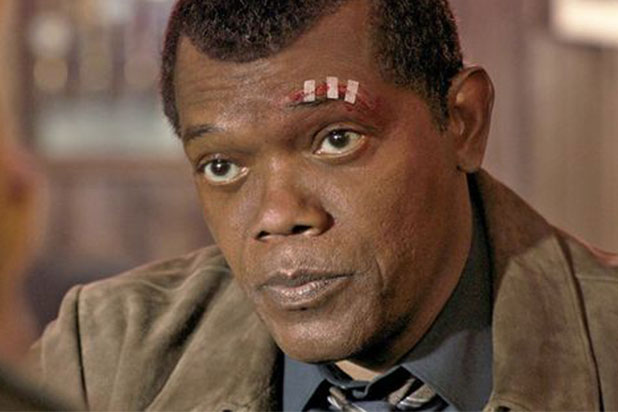
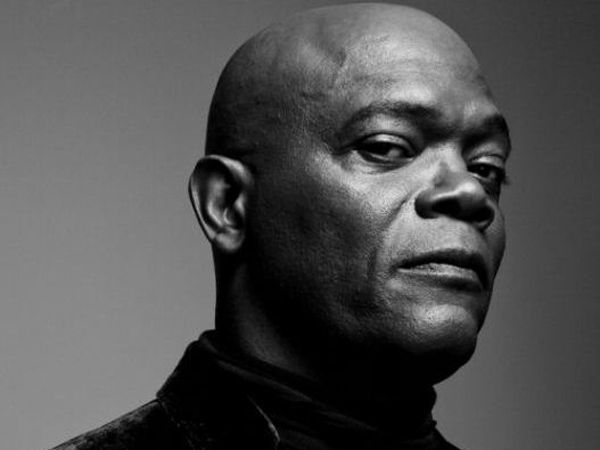
However, owing to the fact that last year’s winner had four roles of note and set sort of a precedent and also appeared in films I saw at different stages of the year, those things are some of, but not the only reasons, I choose Samuel L. Jackson.
Jackson, of course, is part of the phenomenon that is The Avengers. To an extent Jackson’s work as Nick Fury is akin to Alan Rickman’s in the Harry Potter series. Jackson has been establishing Fury as the Marvel Universe built itself up on film. The culmination of the effort is the first Avengers film.
However, before and after that film in the year there were two indies that when combined with Django Unchained make him the clear choice.
Now, Meeting Evil and The Samaritan may not be the most universally embraceable films but I enjoyed both and he seemed to also. Sam Jackson has been quoted as saying that he sometimes bases decisions on roles by deciphering if he would’ve wanted to see these films when he was a kid. I think all his choices for 2012 pass that test with ease.
Last, but unquestionablty not least, is his performance in Django Unchained. What he does there is nothing short of astounding especially when you consider his screen time. He plays older than he is, adopts new physicality, puts a slightly different spin on his usual tough-guy persona, and then, with impeccable timing and brilliant results, sends up the sidekick subservience that far too many African-American actors of the the past had to settle for.
However, when hearkening to the past in a different way, Jackson also took part in two films that could be classified as neo-noir and played both sides of the equation (protagonist and antagonist).
Smauel L. Jackson is the kind of actor who upon being involved in a project elevates it and has the potential to do something extraordinarily special. He did so in 2012 four times over. If that’s not entertainer of the year, I don’t know what is.
It’s quite obvious what the significance of cinematography is to anyone. It’s the visual signature of the film and the Director of Photography is second in command to a director and is a major contributor to the film’s overall aesthetic. Listed below you will see those who I feel not only created the best and prettiest images but also those who encapsulated their film the best and expressed it in visual terms. There are some repeat winners and some in foreign films but all treated each project uniquely and expressed their tale universally.
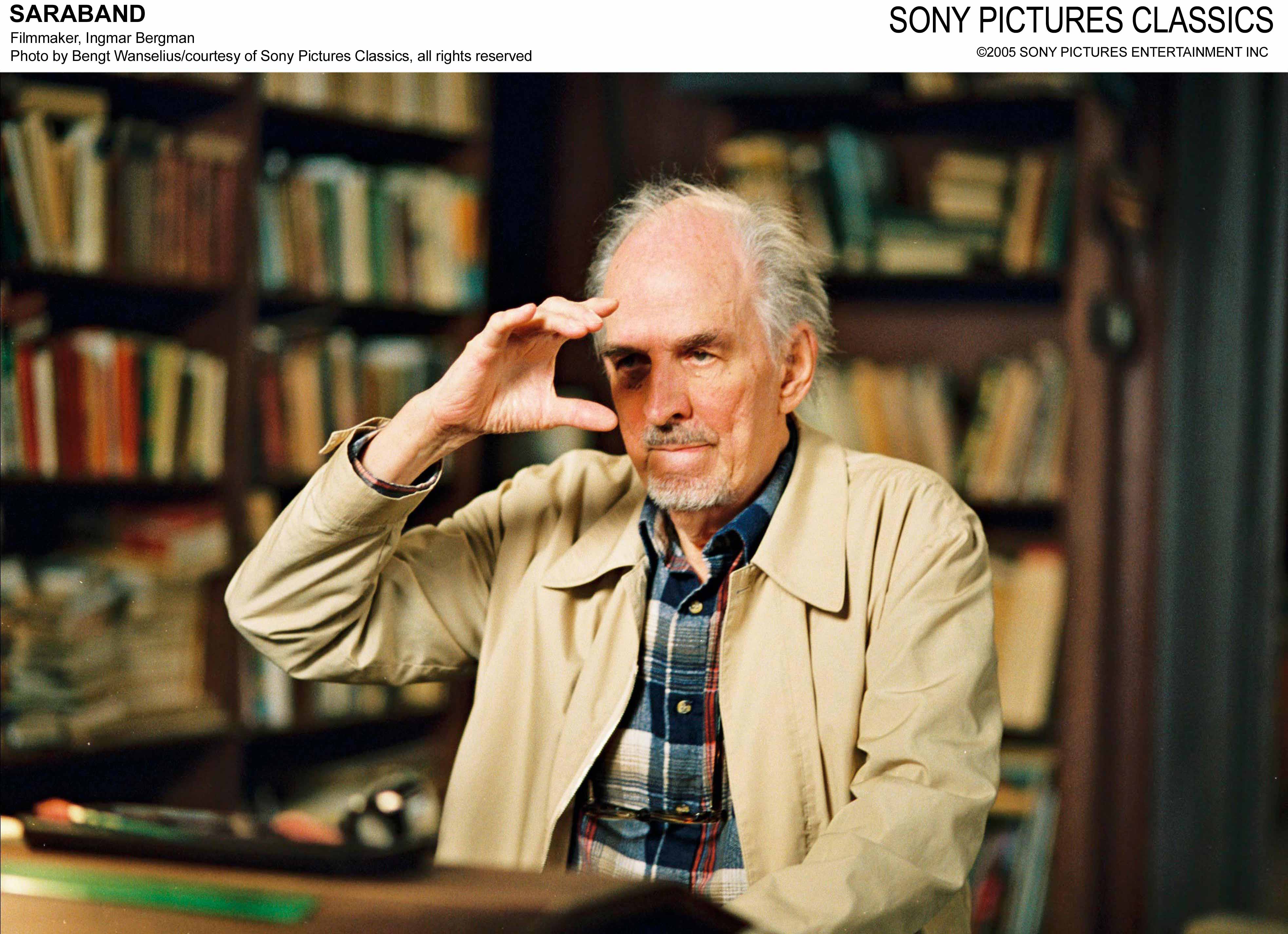
In my 2005 BAM Awards wrap-up, I wrote how I was considering creating a Lifetime Achievement Award and giving it to Ingmar Bergman. The idea was to award him upon completion of his swan song that proved unnecessary when I saw Saraband and it was one of my favorite films of that year and he won Best Director.
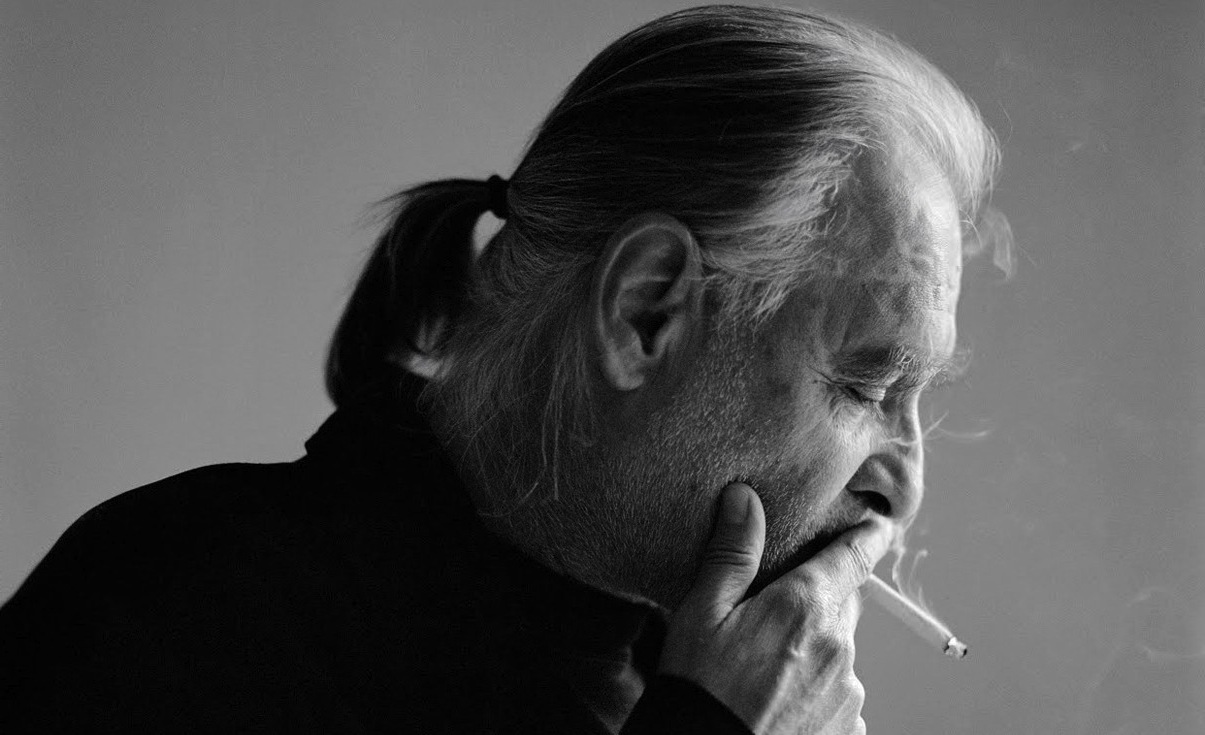
It seems this prize has now come full circle as another great director has made what he claims (and right now I believe him) is his last film and it is a great one. This year’s recipient is Bela Tarr.
Tarr is a director I’ve come to know well. However, when I first learned of him and what many consider to be his masterpiece (Satantango) I knew nothing save for the plot of the movie, that it was very long and I had to see it. I went in fairly cold and there was a sort of kinship there. I connected and I got it. That connection extended through much of Hungarian cinema, but it started with Tarr and it started instinctually.
I’ve since come to learn about him, read writings on his work – perhaps what is most fascinating about him is he went from stark cinéma vérité to an aesthetic all his own of long takes, moving cameras, black-and-white minimalist existentialism that is unique in all the world.
I’ve tackled Satantango a number of times, I agree it’s a film that could be viewed annually but I haven’t in a few years and its time to change that. I’ve, of course, seen as many of his films as possible.
It’s one I want to watch all over again. For one thing that is certain is that he proves that auteurism is indeed a live and well. He’s a rare breed, and is also giving back to the cinema fostering artists and striving for aesthetic excellence first and foremost.
The one thing that in my experience I’ve found Tarr has in common with Bergman is this brilliant final bow, his being The Turin Horse.
Tarr’s cinema is one that has evolved and is as exacting as Bergman’s, though not as prolific.
A great filmography is one where many films stand out and apart; Tarr has that:
Hotel Magnezit
Family Nest
The Outsider
Prefab People
Macbeth
Almanac of Fall
Damnation
Satantango
Journey on the Plain
Werckmeister Harmonies
The Man From London
The Turin Horse
I’ve come to know Hungarian cinema in part because of Bela Tarr and admire it. I admire this man, his work and his vision. This admiration grows leaps and bounds when you add the fact that he’s trying to help ensure the future of the artform in his home country, and around the world.
A great filmmaker’s films will last forever, even greater is the man whose trying to ensure cinema itself lasts forever.
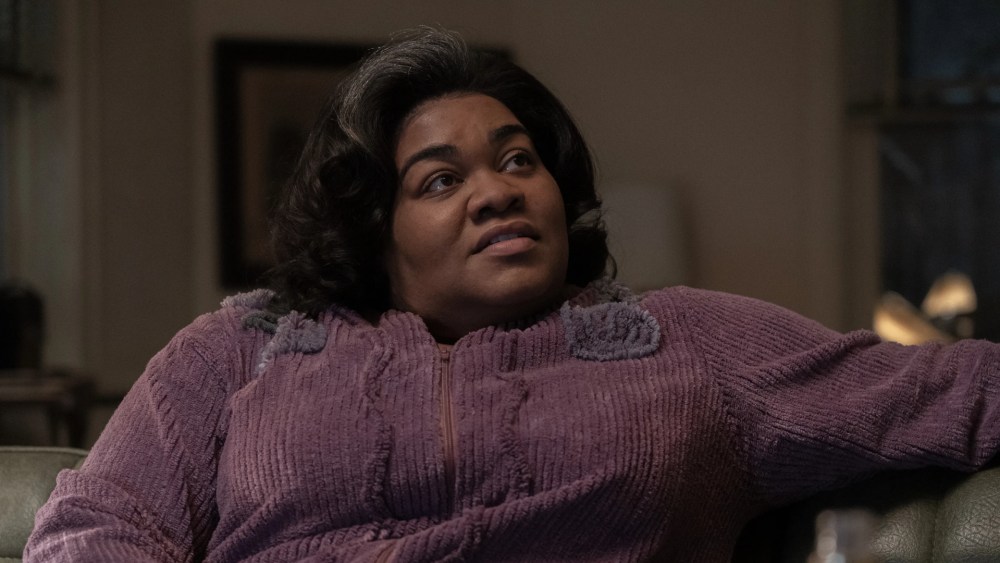
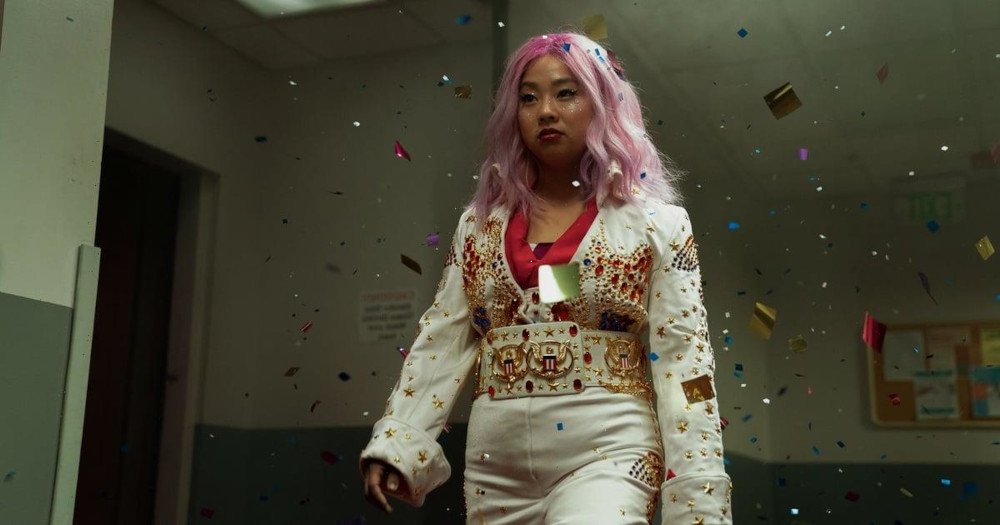
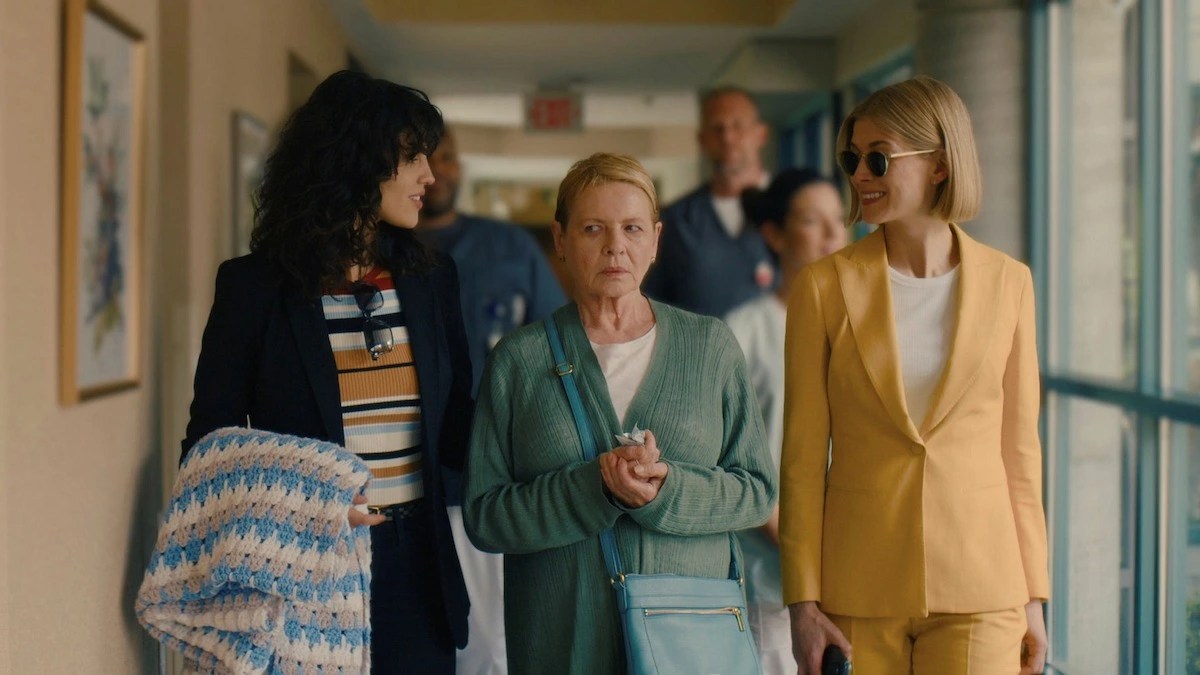
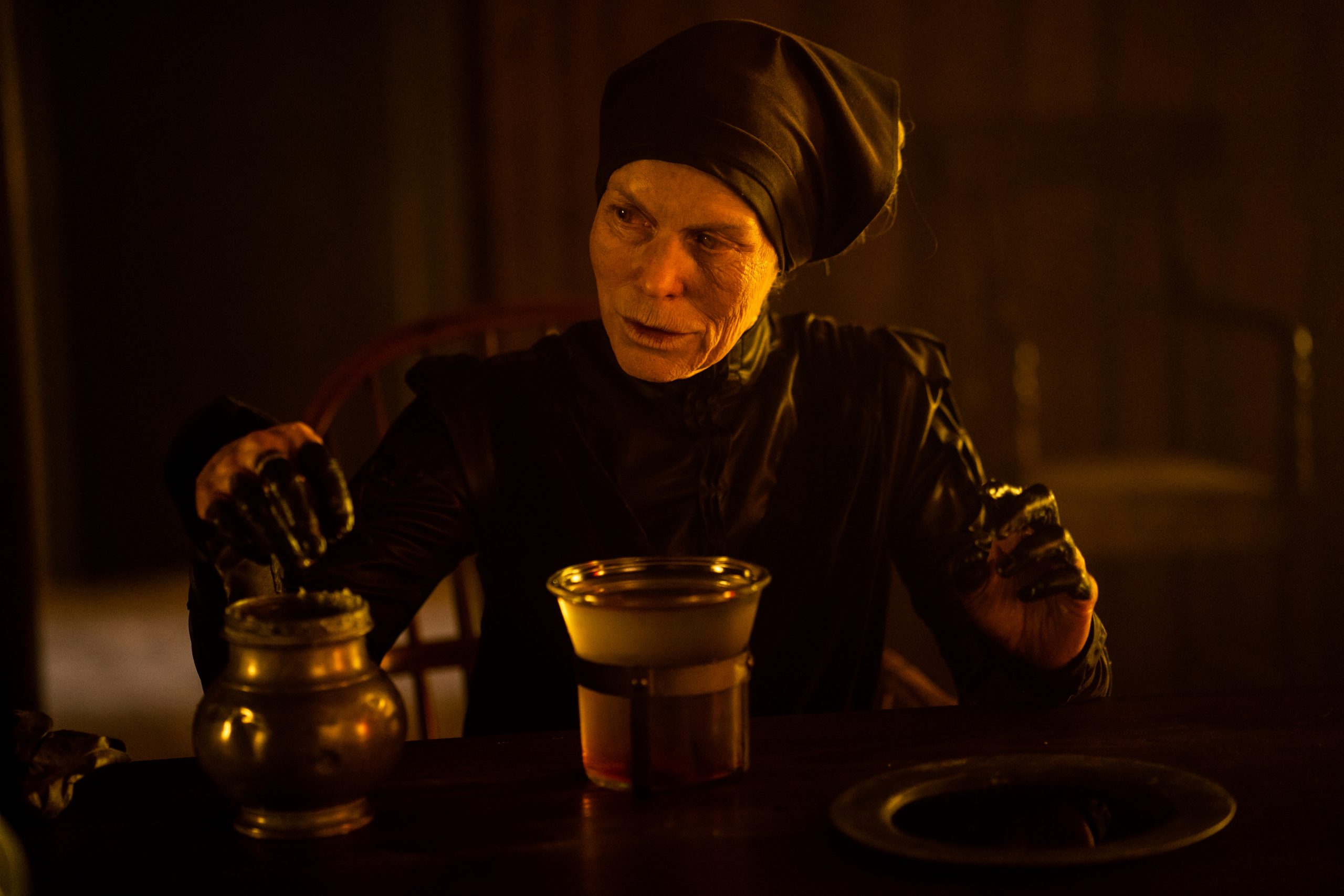
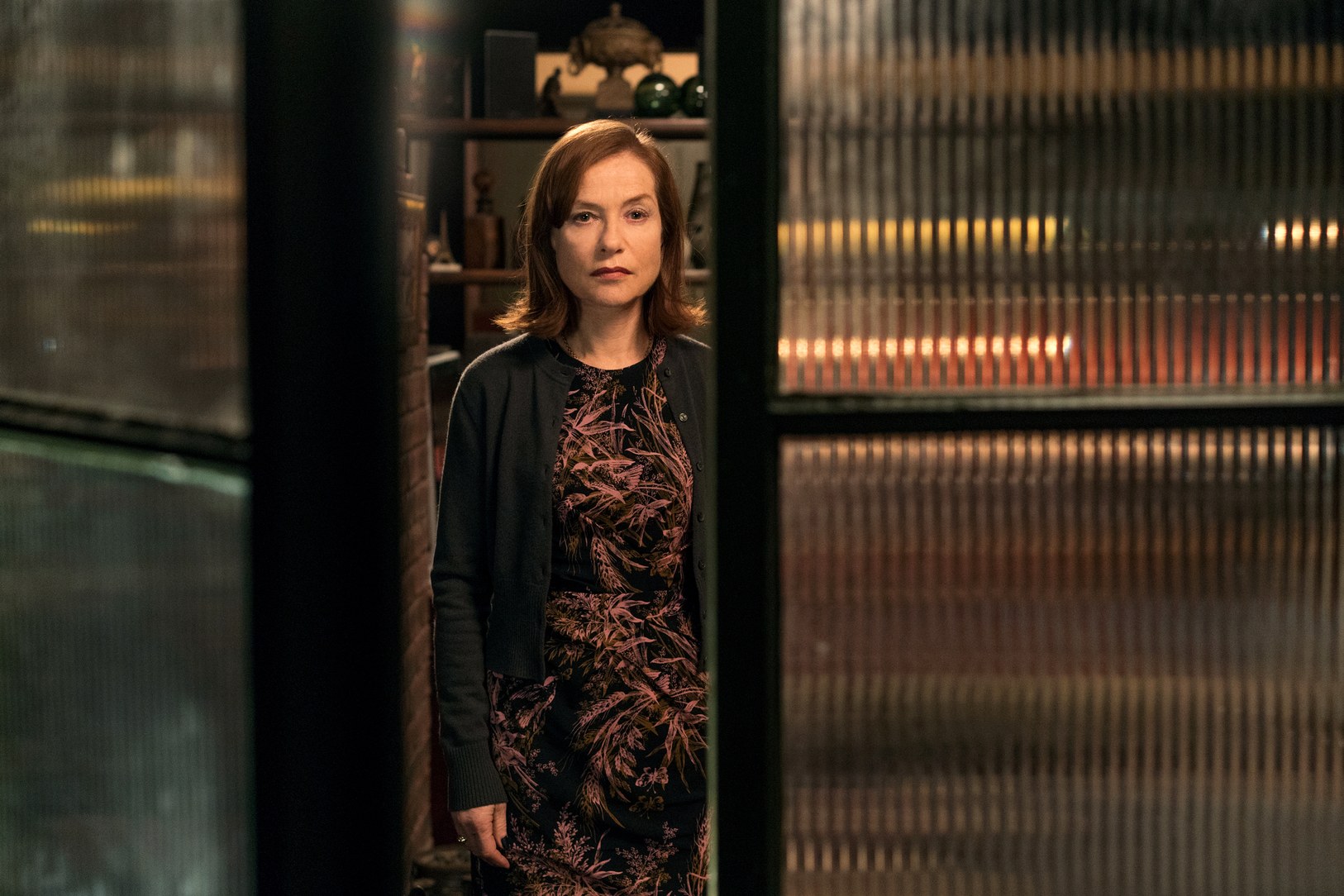
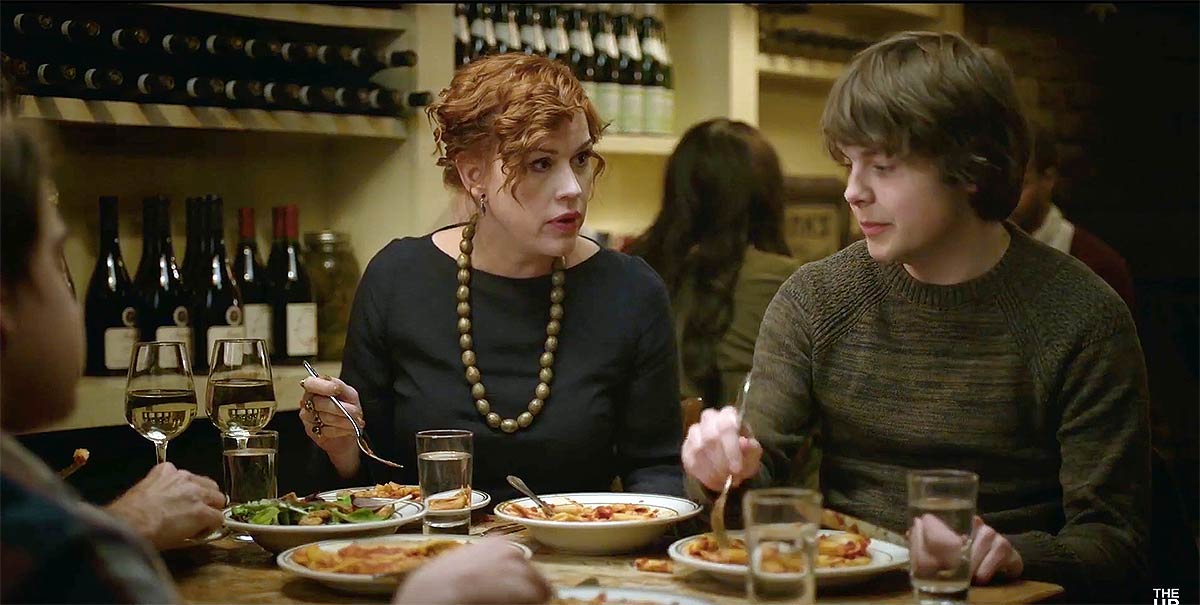
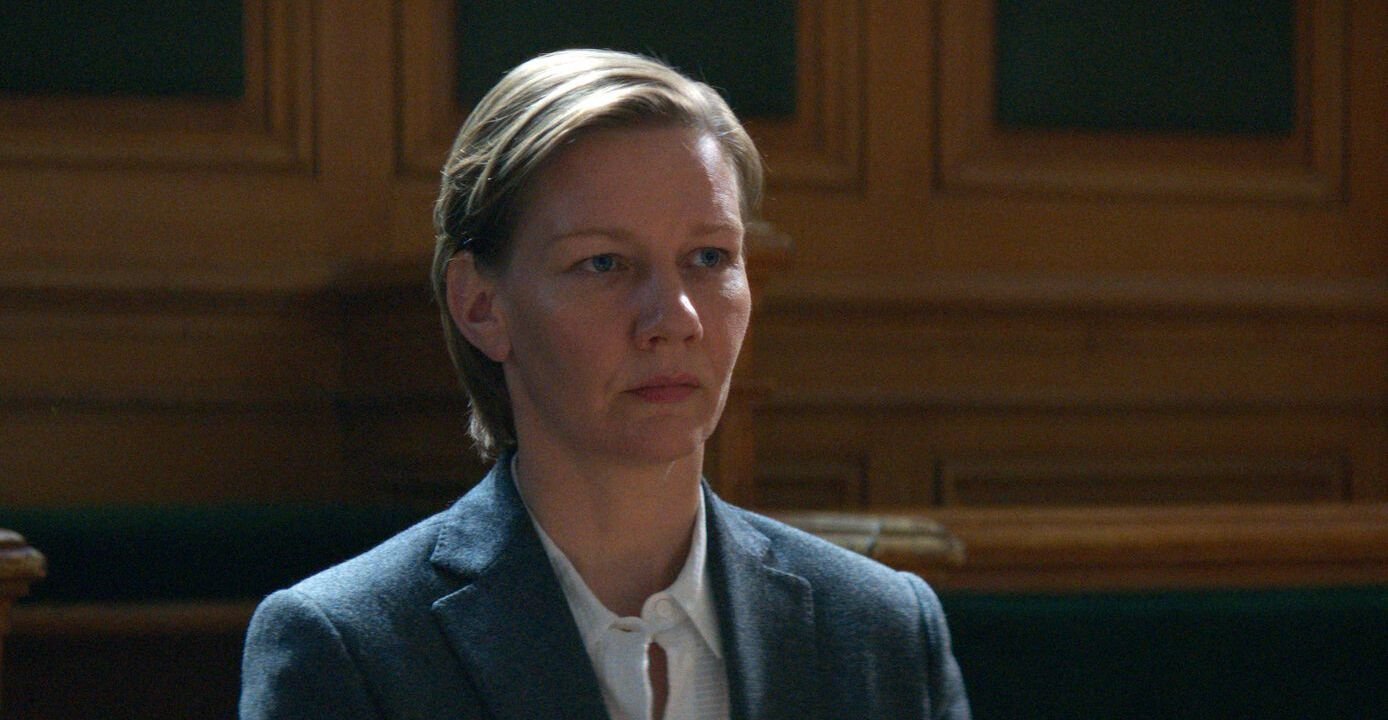
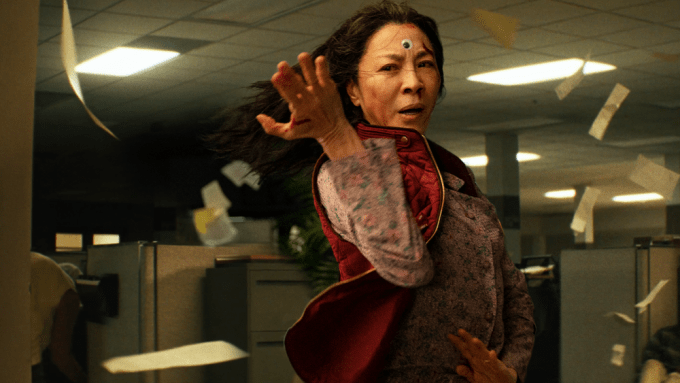
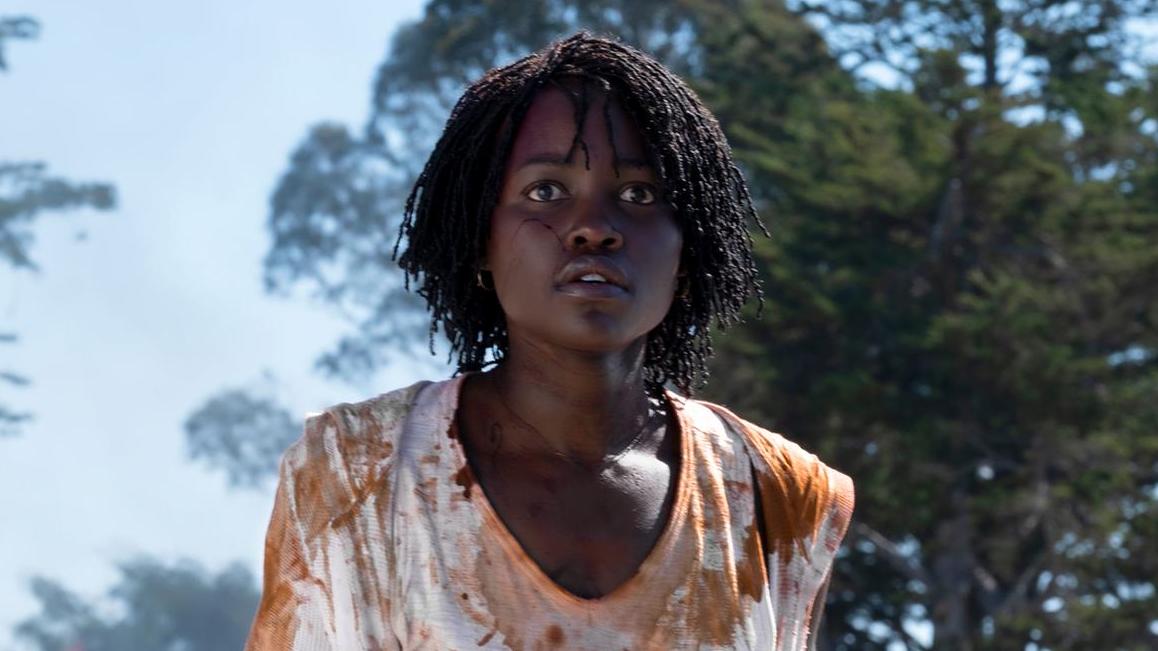
What’s humorous, or better stated odd, is that when you finally start to amass these categories segregated from the totality of the yearly nominations you come across patterns that you wouldn’t have noticed. It’s a good thing I never noticed and it creates the smallest niggling doubt for years to come. The odd stat could very humorously and accurately be called “American Woman, Stay Away From Me.” Not only is there a high frequency of performers who speak English as a second language there are also English speakers from other nations: The United Kingdom, Australia and Canada. The only American-born winners to date have been: Melanie Griffith (’96), Michelle Pfeiffer (’97), Julianne Moore (’03), Anjelica Huston (’11), Anne Hathaway (’12), Laurie Metcalf (2017), Molly Ringwald (2018), Dianne Wiest (2021), Stephanie Hsu (2022) and Da’Vine Joy Randolph (2023). Regardless of the statistical shenanigans there are some great performances listed below that you should watch if you haven’t. Below you will find ladies who really know how to steal scenes.
Once again I am sticking to the “Live Era,” here (meaning I made my choices at year’s end). This is the third such article I’ve posted chronicling my choices in my personal awards (here are links to Best Actress and Best Picture).
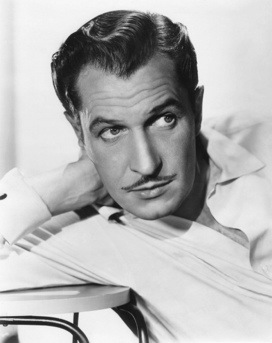
OK, so what is the Neutron Star Award? As I watched older selections through the year, I was frequently compelled to pick a film based on the fact that Vincent Price was in it. When I was younger I was very actor-oriented, more so than with directors. The fact that an actor had that kind of draw, and was one who is sadly no longer with us, made me think there had to be some kind of way I could honor them.
So I thought literally about stars, and being a nerd I confirmed that a neutron star fits the definition of a star that has gone out but glows more brightly after its passing.
Which brings me back to Price. If you look at my older films list this year you’ll find Vincent Price all over it. He was not only a talent, and not only elevated works he took part in, but in a way elevated the entire horror genre; in large part because of the horror icons he arguably was the longest-lasting and most identified with it. Christopher Lee, for example, has for years been synonymous with other kinds of films, but once Price got his foothold it was nearly his sole dominion.
I fight Netflix indecisiveness so anyone that great that makes me say “Oh, he’s in it? Good enough for me.” Is certainly worthy of some honor.
I truly like this idea and I hope it acts as another incentive to discover and get to know other actors’ filmographies in the future.
The Best Actress category has been subjected to some revisionist history in the past due in part to both teenage and post-teenage angst. Rather than re-assess everything all over again, especially in 1996 where I made several changes in the past, I will leave well enough alone. Any award whether awarded by an individual or an organization is rather like a time capsule and re-examination is futile. One always has a chance to make a Best of Decade or Performance in Genre or Subgenre list down the road and then there is the Test of Time, which is the ultimate. In the end when assessing my feelings and making decisions I never take into consideration “What will I think of this film/performer in five or ten years?” and just have to go with my gut.
One more minor note: in listing my nominees annually I have frequently listed Best Actress closer to Best Picture than Best Actor to try as a very minor political statement regarding sexism.
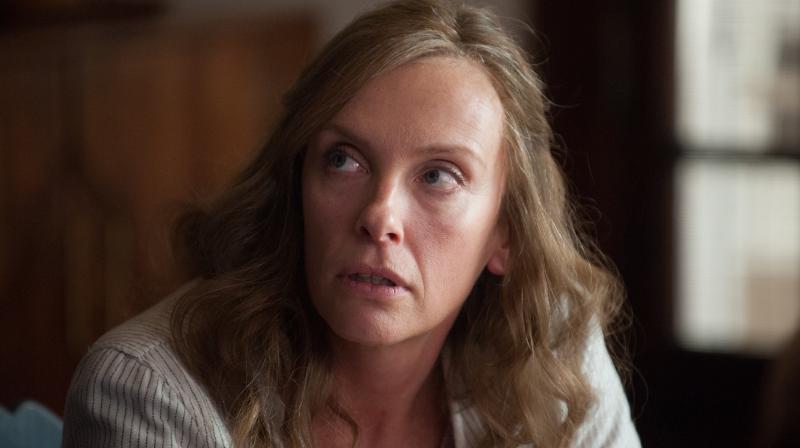
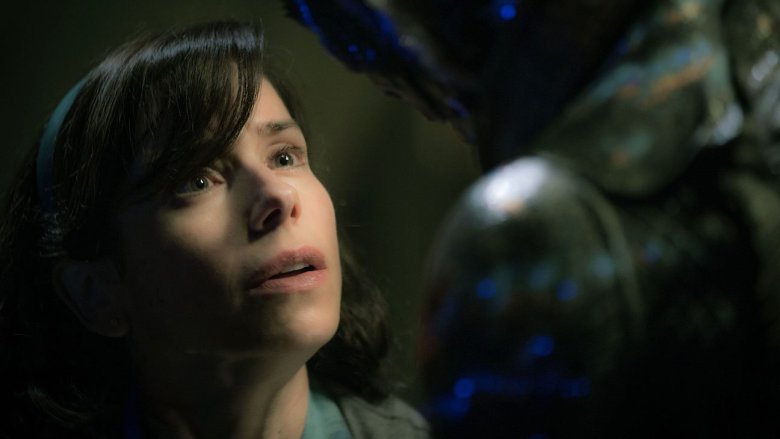
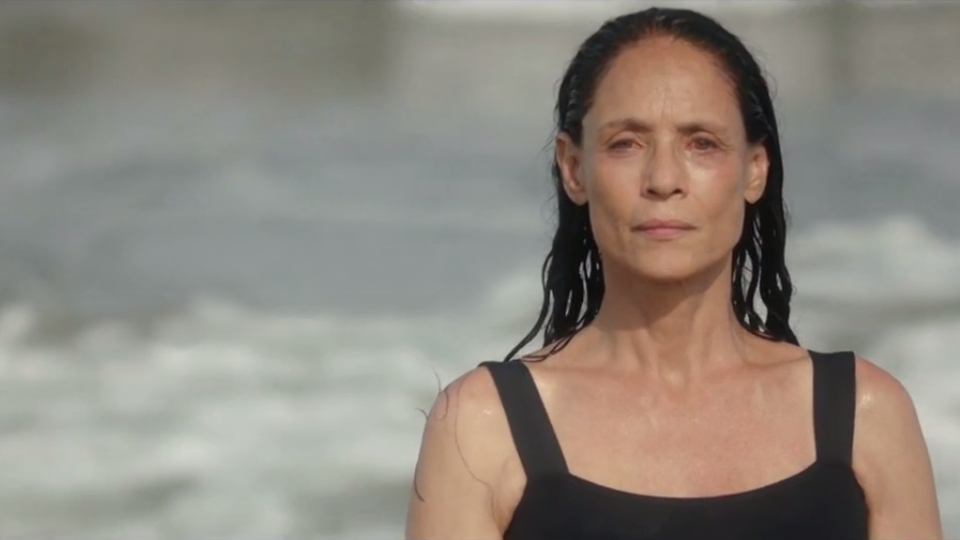
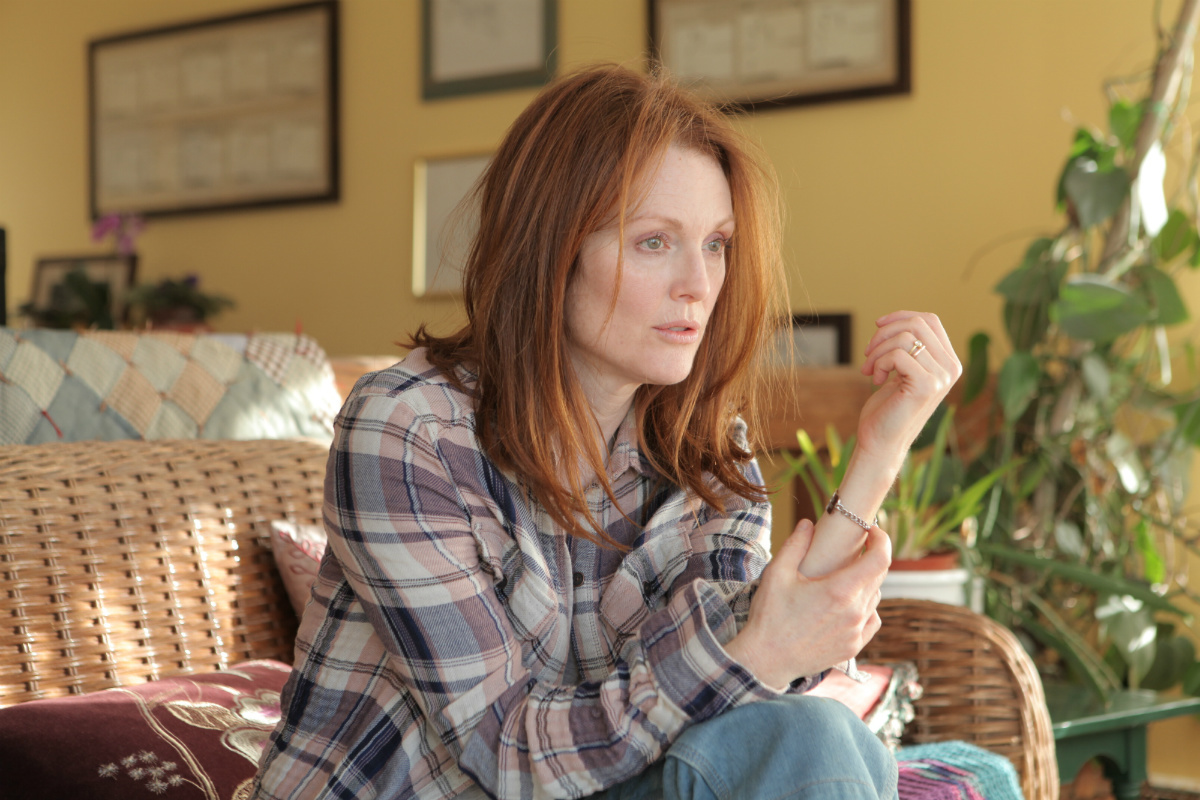
Without any further ado, the Best Actress winners:
So both here and in Best Cast there was some revisionism over the years, however, rather than try and readjust things I’ll just let things stand where they are at current.
The Best Director category is an interesting one because it is usually, in the mind of many, inextricably tied to the Best Picture winner. There is a certain logic to that, however, they are two rather different awards when you boil it down. In Best Picture you pick the story and the production. In Best Director you are picking a visionary and the architect of a production. There are times when the direction of a film will outshine its narrative or overall impact or a story that is wonderful but handled with a rather invisible hand that allows splits to occur.