Bernardo Villela is like a mallrat except at the movies. He is a writer, director, editor and film enthusiast who seeks to continue to explore and learn about cinema, chronicle the journey and share his findings.
This is one of the final two categories and it’s left to be last because it’s one of my two least favorite. The BAM Awards were created as a reaction and this and the Worst Picture have always been included. I wish one year I’d have to caveat both but I have yet to. The fact of the matter is my awards were born in a reactionary fashion and as much as I like to heap praise and nominations on those I like these two categories are a necessary counterbalance. Furthermore, there will be performers of all disciplines that I like in this category and the next, it’s just unfortunate. This is sort of like my equivalent to Gordon Ramsay saying “What a shame” when he eats a dish because he wants it to be good and it misses.
With the overrated moniker keep in mind this does not necessarily mean I dislike the films listed but just that they are rated too highly by fans, critics and the like. This year I may have a more scientific means of selecting nominees. If you want to know my opinion of a film just ask, it may not be negative just not as overwhelmingly positive as many. This is where you’ll see bigger names on my worst list there will be some more obscure titles but more on that when I get there.
The most overrated films have been…
2012 This award has been discontinued. Please follow the link for an explanation as to why. This post will remain up for archival purposes.
Below you will find not only the few winners of my lifetime achievement award but the writeups I did for each, when they were awarded. You will find some redundancy in them as in each I give you a bit behind the genesis of said award. In the first year of this award there was no accompanying text so I have added a slight amount now.
This award is named after Bergman because when I was set to establish an award of its type his last film blew me away and was nominated for many awards. The idea then is that it’s not a parting shot but rather recognition of someone still very much at the top after many, many years.
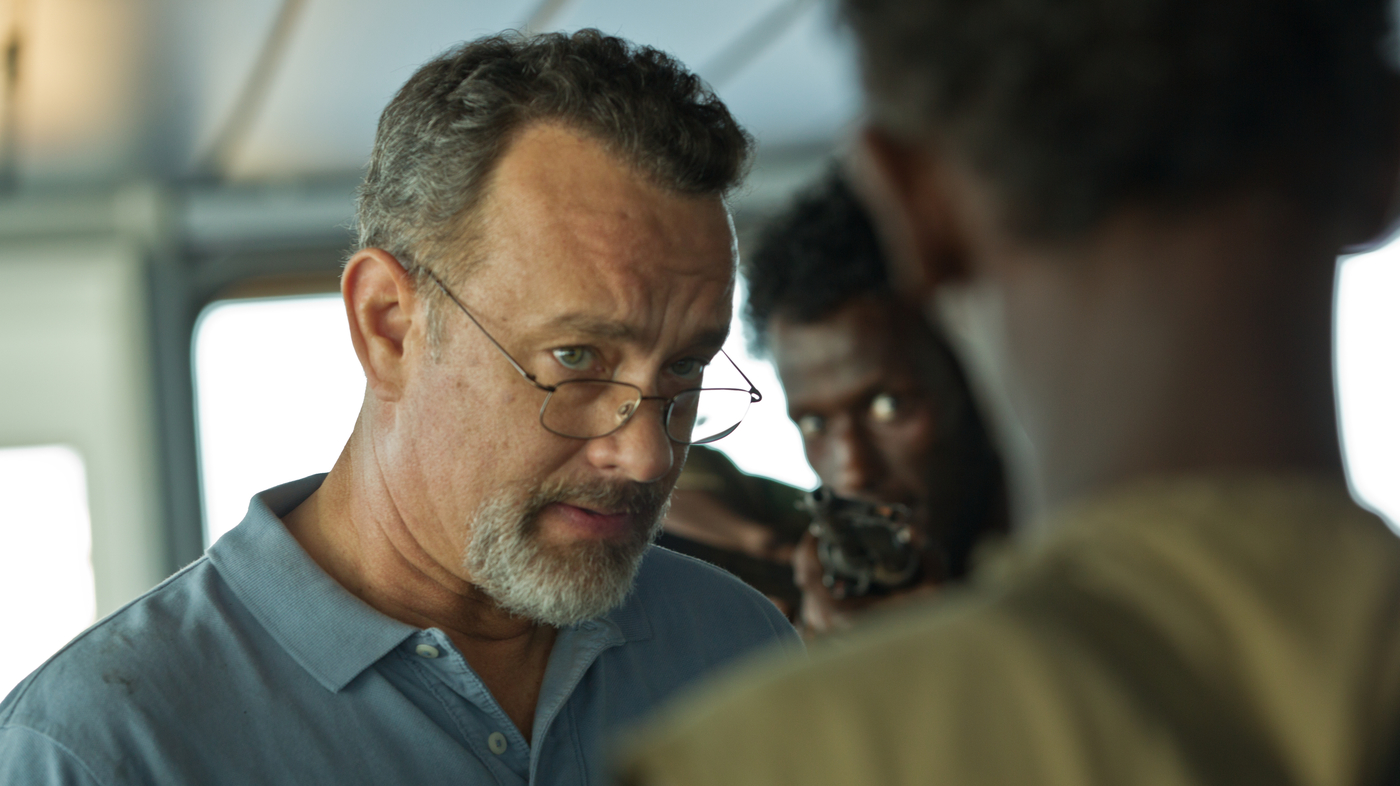
2020 Robert De Niro, Christopher Walken, Tom Hanks, Goldie Hawn, and Kurt Russell
Rather than overthinking this one I chose a handful of actors I’ve loved for a long time.
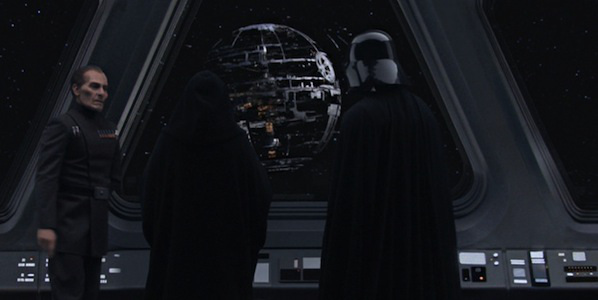
George Lucas’s credentials need hardly be listed here. He was the architect of the Star Wars franchise and one the architects of the Indiana Jones franchise. And, of course, there are his tech innovations with THX, Industrial Light & Magic and Skywalker Sound. Normally, I want my honoree of this award to have a credit in the year of his/her honoring. Lucas does and his contribution is unconventional: of course, he’s credited with “Based on characters created by” but he also helped shape the ending which I loved.
Picking Švankmajer for this award was the first decision I made for these awards. I have featured his work on the site several times, including his cracking one of my film discoveries lists and a feature in one of my earliest posts, when I backed a crowdfunding campaign for his final film, in Bermanesque fashion, it did not disappoint and earned several nominations.
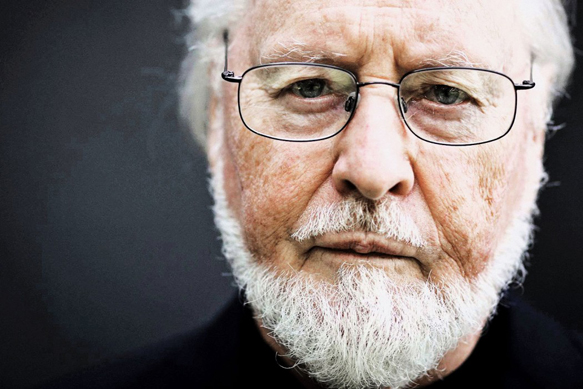
When I posted my BAM Award honorees, it was another long day and I claimed I’d post special awards the following day. The delay in posting any and all of these honorary awards has been due in large part to wrapping a long first draft of a piece of fiction and the fact that a record keeping mistake almost led me to pick the same Lifetime Achievement recipient as last year. Not that John Williams hasn’t done enough for multiple lifetimes, but let’s spread the wealth.
As such I will instead post at least one honoree a day to balance this blog with my other works.
As I deliberated picking people who aren’t exceptionally old as other awards do, I wasn’t inspired by many of my options until I looked at the history of my own awards and how in recent years I had seen the reemergence of some of my favorites into the nominated list. So, that seemed like the perfect reason to celebrate all of their works as I also like to select people who are still making an impact.
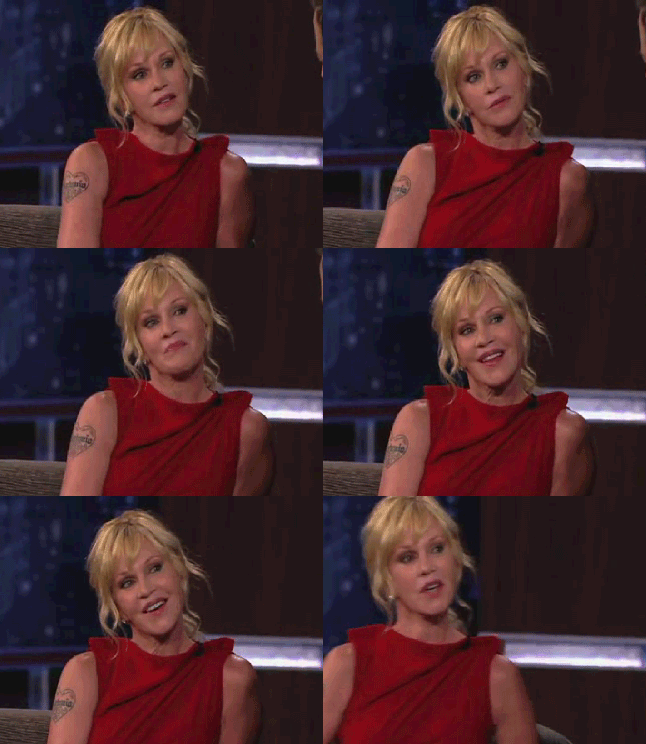
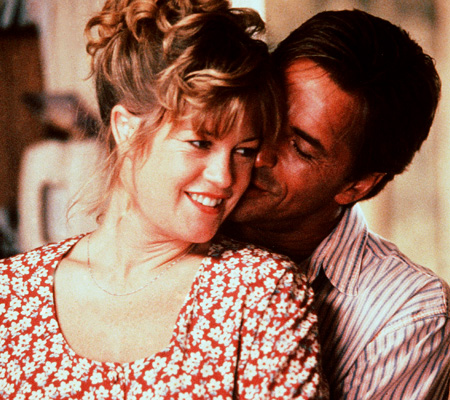
Best Supporting Actress winner in 1996 (Mulholland Falls) Best Supporting Actress nominee 1997 (Lolita) Best Actress nominee in 1999 (Shadow of Doubt) Best Actress winner in 2001 (Cecil B. Demented) Best Cast nominee in 2001 (Cecil B. Demented) Best Cast Nominee in 2017 (The Disaster Artist).
Even before the era wherein the BAM Awards were a part of my life Melanie Griffith had already made an impression on me, and in retrospect I went on to view many of her films.
Prior to her most well-known work (Working Girl) she had already made a splash with two films that would end up standing the test of time (Body Double and Something Wild).
While the string of films she was in following Working Girl had varying degrees of success commercially, critically, I enjoy most and like her work in them even more (Pacific Heights, Bonfire of the Vanities, Paradise, Shining Through, Born Yesterday, Milk Money, Nobody’s Fool, Buffalo Girls, Celebrity, Another Day in Paradise, Crazy in Alabama and RKO 281 among those not yet mentioned).
Smaller independent works intervened between her last BAM nomination and The Disaster Artist, but I’d not happened to come across them or gone out of my way to see them, though I should have. The Disaster Artist was a tremendous jolt, a reminder that I’ve not tracked down enough of her works as she was one of the first actors or directors I made a point of seeing.
“Do you even want to be an actor?” her character, an acting instructor, says to Greg Sestero (Dave Franco) in The Disaster Artist. He responds in the affirmative. “Well, you hide it well,” she retorts, and in a film about the making of a cult film, and in many ways the cruelty of Hollywood and entertainment in general; Melanie’s part, and Sharon Stone, as an objectifying talent agent, seems a very conscious and shrewd commentary: these are talented, professional women deserving of respect and recognition.
The delay in posting any and all of these honorary awards has been due in large part to wrapping a long first draft of a piece of fiction and the fact that a record keeping mistake almost led me to pick the same Lifetime Achievement recipient as last year. Not that John Williams hasn’t done enough for multiple lifetimes but let’s spread the wealth.
As such I will post at least one honoree a day to balance this blog with my other works.
As I deliberated picking people who aren’t exceptionally old as other awards do, I wasn’t inspired by many of my options until I looked at the history of my own awards and how in recent years I had seen the reemergence of some of my favorites into the nominated list. So, that seemed like the perfect reason to celebrate all of their works as I also like to select people who are still making an impact.
Best Actress nominee in 1997 (A Thousand Acres) Best Actress nominee in 1998 (Hush) Best Actress winner in 1999 (Cousin Bette) Best Actress winner in 2000 (Titus) Best Cast nominee in 2000 (Titus) Best Supporting Actress winner in 2014 (In Secret)
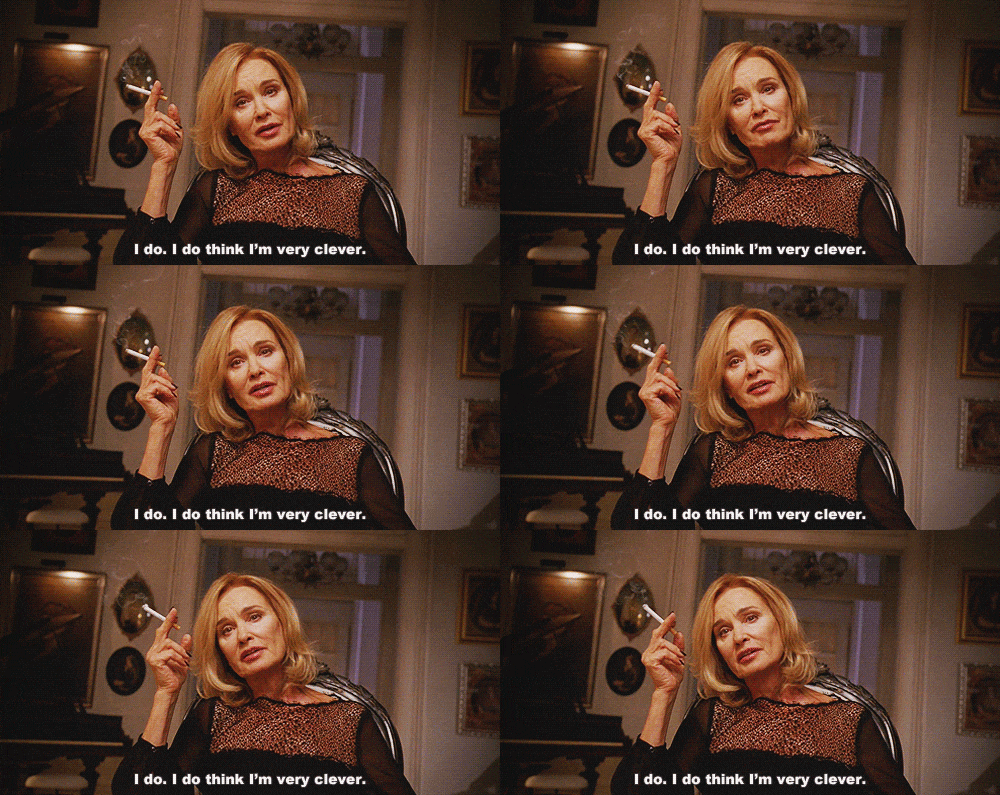
In the early days of these awards when I was prone to revisionism and trying to create credible nominees from 1981. I was compelled to go back and watch as many things as I could by my favorite directors and actors. Jessica Lange was among these actresses.
Even scrapping those provisional, untrue awards she made more than enough of a mark. Her nominations as Best Actress in four consecutive years was a feat I didn’t notice until I started composing this piece (I like to compose these award without being conscious of things like how many nominations a film is racking up or if so-and-so made it in the year before).
I believe I first knew of Jessica Lange when in a high school cinema class we screened the 1976 King Kong. That allowed me then to seek out and watch many of her films in approximate chronological order. Eventually she became an actress I made a point of going out to the movies to see.
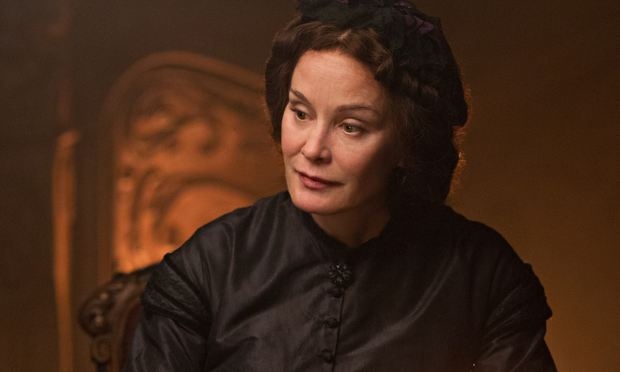
Like many other admirers, I was thrilled when American Horror Story acted as a renaissance for her career. When In Secret was released I rushed out to see it, and I thought for a Zola novel I did not know much about it portrayed a story of that vintage in as modern a way as possible without reinventing it, and Lange stole the entire film, and she was not only nominated again but won her third BAM Award.
In 2015 it was time for her to move on from AHS, but recently she made another tour-de-force appearance on a television series Feud: Bette and Joan, which bears mentioning here as she played Joan Crawford and was dealing with the struggle of being a woman of a certain age in Hollywood, and contrary to her trajectory playing an actress whose talents were never fully appreciated. That role showed that she by no means is done, as I prefer these honorees to be.
If there was one thing that 2016 showed the world, it’s that there should not be a limitation on appreciation. While my lifetime awards want to try to award those “not on their deathbed” it’s become even clearer to all that there are not guarantees and being too premature awarding in a category like this is not the end of the world.
In that spirit I picked two this year, and may find a way to squeeze in three for 2017. Here they are:
50 Academy Award Nominations.
5 Oscars.
Nearly all of Spielberg’s credits.
The basis upon which the scoring of Star Wars and Harry Potter scores are built by others.
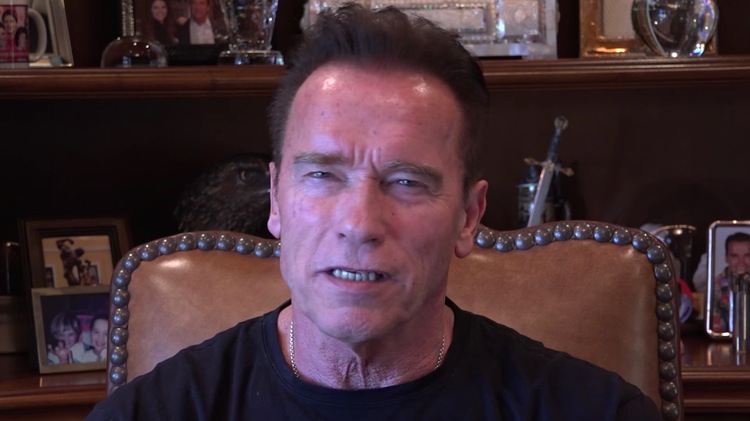
Movie stardom is a rare commodity now it seems, and Schwarzenegger definitely has always had that kind of magnetism.
However, after serving two terms as the governor of California, in 2011, as Arnold Schwarzenegger started to appear on the big screen again, I realized something: I’d missed him on-screen. 2016 was an off-year in as much as most of what he’s worked on lately will be out in 2017 and beyond, which is part of the tradition I like to follow (to have things forthcoming of note like (Triplets, The Legend of Conan, Journey to China: Mystery of the Iron Mask, Aftermath, Why We’re Killing Gunther and more) but he still managed to make people take notice:
But while that brought entertainment value to his now-too-rare, sane conservatism this is not a political trophy. Since 2011 he has returned to the Terminator franchise (in which he was far superior to the narrative of the most recent film), delivered perhaps his best performance in Maggie, not only cemented his action legacy but muscled his way into Liam Neeson’s action niche, and, of course, we all know what he was to action in the ’80s.
I like these awards to come around almost by osmosis. I considered another way for Bergman-connected people: like Liv Ullmann, unfortunately I did not see her most recent film (as director).
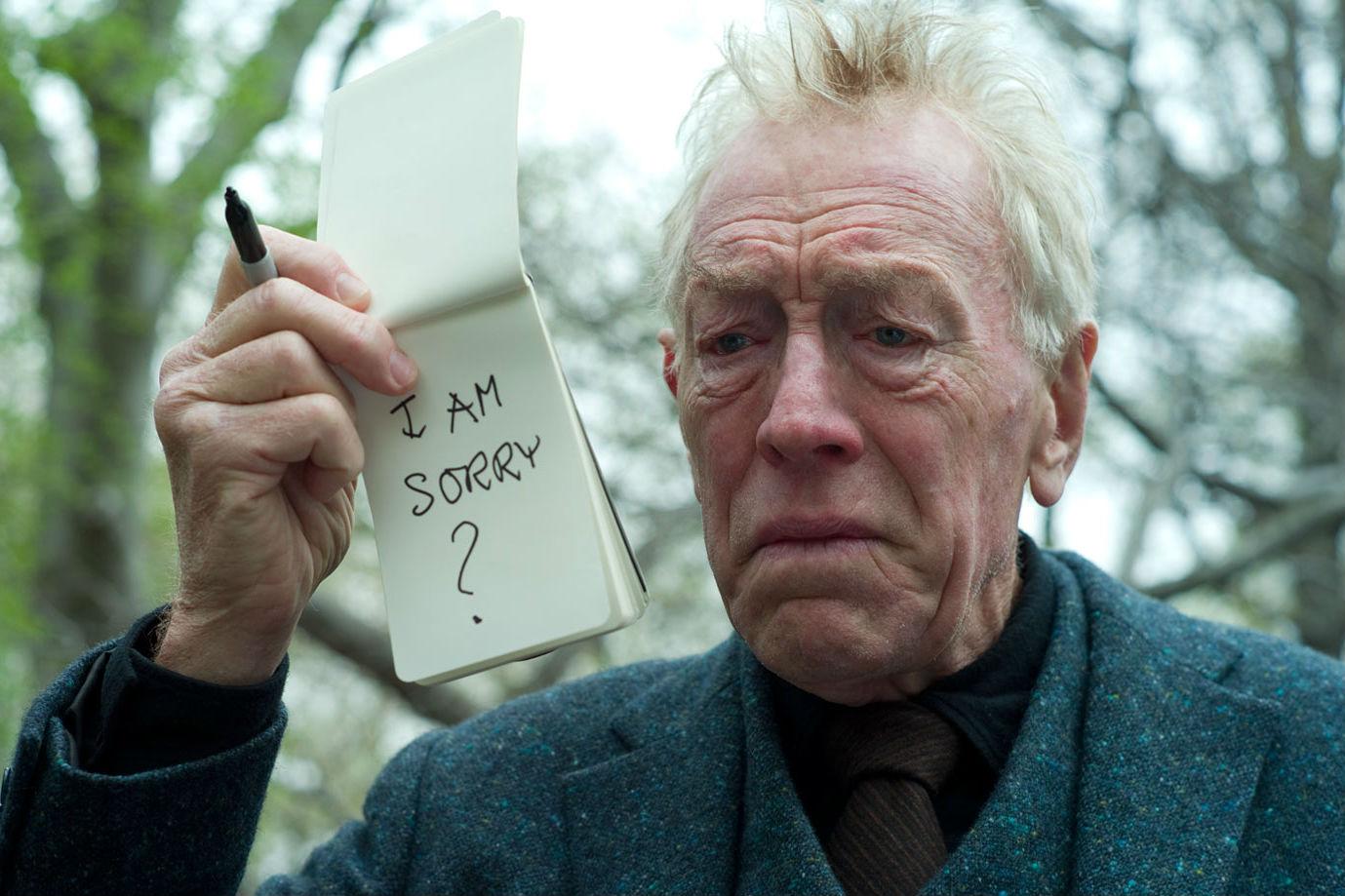
It seemed like a stretch to pick Max von Sydow, as someone active this year only in the very beginning of the new Star Wars, but as I thought about it it started making more and more sense. He’s been considered before and was part of a BAM-nominated cast this year.
In the future, he will be the human embodiment of Bran’s raven on Game of Thrones.
He has connections with other liftetime winners: He co-Starred with Werner Herzog in What Dreams May Come, was in Woody Allen’s Hannah and Her Sisters, 14 feature films with Ingmar Bergman himself and Best Intentions based on Bergman’s novel, Sleepless with Dario Argento, and Minority Report with Steven Spielberg.
In a year with another sub-par Bond, it made me long for old Bond films and von Sydow was Blofeld in Never Say Never Again.
Considering that Robin Williams passed well before his time, and the seemingly-immortal Christopher Lee did as well, it’s not too late but about time to honor Max von Sydow. He clearly has well-earned longevity of his career on his side with credits in the ‘50s, ‘60s, ‘70s, ‘80s, ‘90s, ‘00s, ‘10s; in other words consecutive decades. He’s 86 years old, and debuted at 22 in Miss Julie (1951).
He was Oscar nominated in 1989 and 2012 (most recently for Extremely loud and Incredibly Close), Golden Globes in 1967 and 1974, Emmy in 1990.
Yet more impressive are his list of credits I’ve not even mentioned yet.
He went from something like Winter Light to playing Christ in The Greatest Story Ever Told to being Father Merrin in The Exorcist.
His credits are multi-lingual.
Even the blind spots I have with him are well-regarded:
Tudors
Dune
Dreamscape
Ice Pirates
Three Days of the Condor
Steppenwolf
New Land
Emigrants
His voice has even featured in games like Skyrim and Ghostbusters.
When I discovered he was going to be on Game of Thrones my reaction was simply “Wow. Wow. Wow. Wow,” which was frequently how I reacted to his performances.
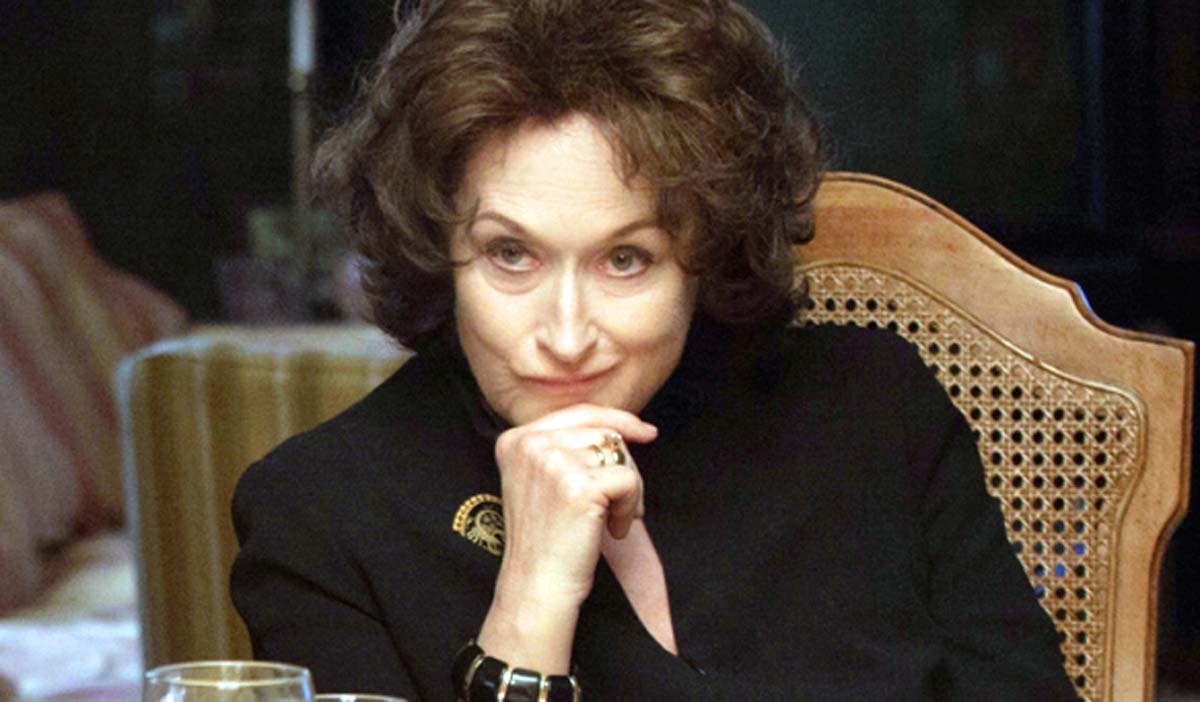
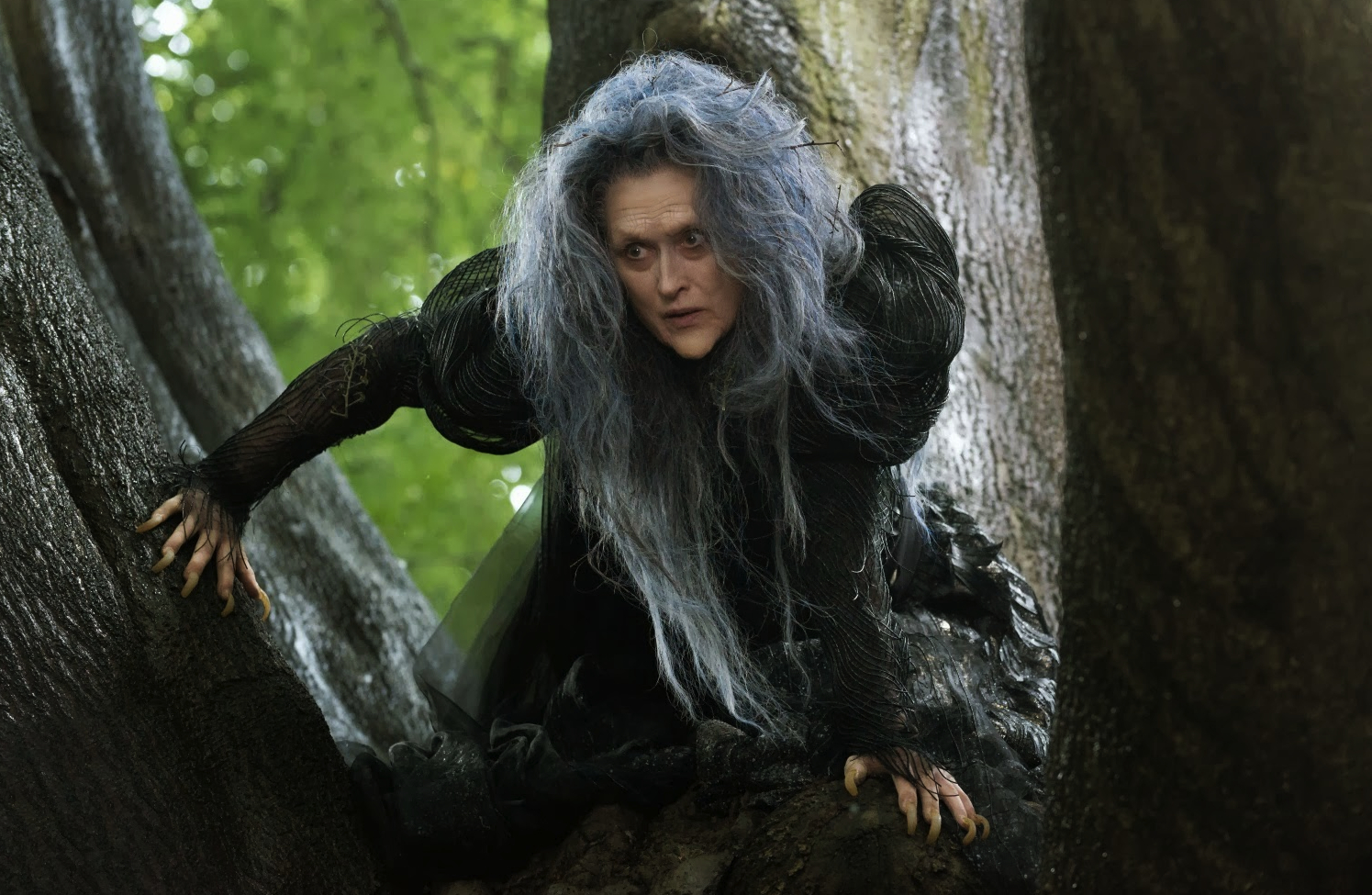
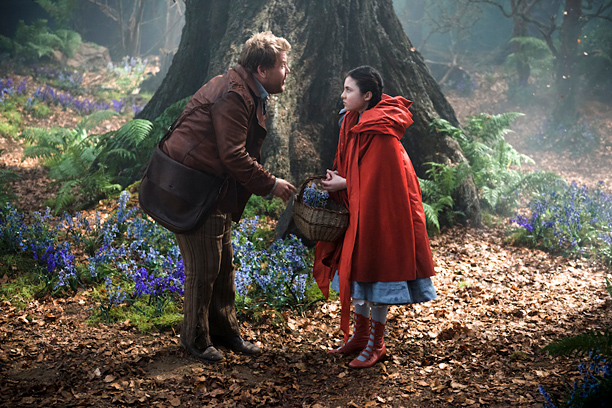
In what is usually something I like to consider a norm, Meryl had quite a year in this one where I decided the time had come to honor her so. Back in January the nationwide release of August: Osage County hit theaters and I went to see that and her performance there nearly earned her a second BAM Award nomination this very year. Then, of course, there is her BAM Award nominated turn in Into the Woods. These three roles broke a long string in her filmography which for one reason or another did not compel me to watch them.
However, what Meryl Streep having a year such as this does remind you of is the many years and many roles prior that stood out for so long.
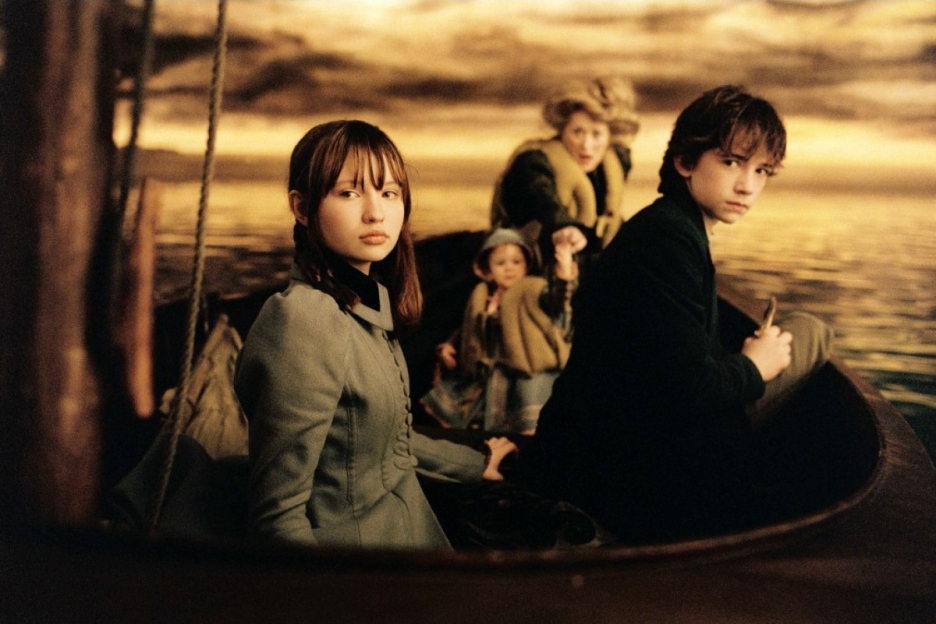
Manhattan, Kramer vs. Kramer, Sophie’s Choice, Silkwood, Falling in Love, Heartburn, A Cry in the Dark, Postcards from the Edge, Defending Your Life, Bridges of Madison County, Before and After, Marvin’s Room, …First Do No Harm, Dancing at Lughansa, Music of the Heart, Artificial Intelligence: A.I. (Yes, she is in that, too! Look it up!), Adaptation., The Hours, The Manchurian Candidate, Lemony Snicket’s A Series of Unfortunate Events and many more.
One thing I’ve had occasion to discuss both this year and in the past is my interludes of revisionism. That impulse is not one I feel any longer, however, this is the one chance at anything like it. Clearly one musn’t sit about feeling the need to award Meryl Streep, but it is the very award culture that at times obscures the nearly unparalleled accomplishments some have made. So take a moment and reminisce on these titles, on the scenes, and wonderful little moments therein, and that should bring on more sincere gratitude. This award, as it is meant to be, is not a salvo. I’m quite sure we’ll see much more of her and for that we should all be thankful.
I saw a tweet over the summer, leading up to the release of Blue Jasmine, that asked something to the effect of: I wonder why now is the time that many publications have chosen to do a career retrospective on Woody Allen? Logically speaking, I can’t answer that. He hasn’t necessarily slowed down and like all of us he’s not getting any younger. My theory though is that it took the film-loving community by surprise that shortly after Midnight in Paris he returned with another widely acclaimed film so soon. Due to that fact it caused many to want to start looking back over his career.
I must say it hit me the same way. I caught Blue Jasmine a little later than many but I was quite blown away by it, and even with his recent triumph surprised by it. Woody Allen was one of the earliest writer/directors I gravitated to by name. He’s also one I came back around to, at least once, after I became obsessed by Bergman, seeing as how Allen is a fellow disciple.
It’s a virtual prerequisite that I’ve seen most of the works if not all of the works of the winning director. However, I know there are some of his I’ve not yet checked out (many recent) and I also have a volume of his short stories to check out. It’s a retrospective I’d be glad to take in.
Especially considering that one of the most overlooked aspects of Allen’s repertoire is his ease of going back and forth between comedy and drama, and even mixing them. In my family Allen’s name has long been synonymous with greatness, in writing especially, if not also directing; and I’ve certainly taken the ball and run with it in terms of tracking down his works.
While Allen has had his share of off-screen production-related drama lately he seems to have found a new home at Sony Pictures Classics and has adopted a late-career globetrotting aesthetic that is making returns to New York, even for a scene, a breath of fresh air as well. And, as always, these awards are a recognition of onscreen accomplishment, and Allen’s works have been with me a long time already and I hope to many more years of enjoying his films.
In my 2005 BAM Awards wrap-up, I wrote how I was considering creating a Lifetime Achievement Award and giving it to Ingmar Bergman. The idea was to award him upon completion of his swan song that proved unnecessary when I saw Saraband and it was one of my favorite films of that year and he won Best Director.
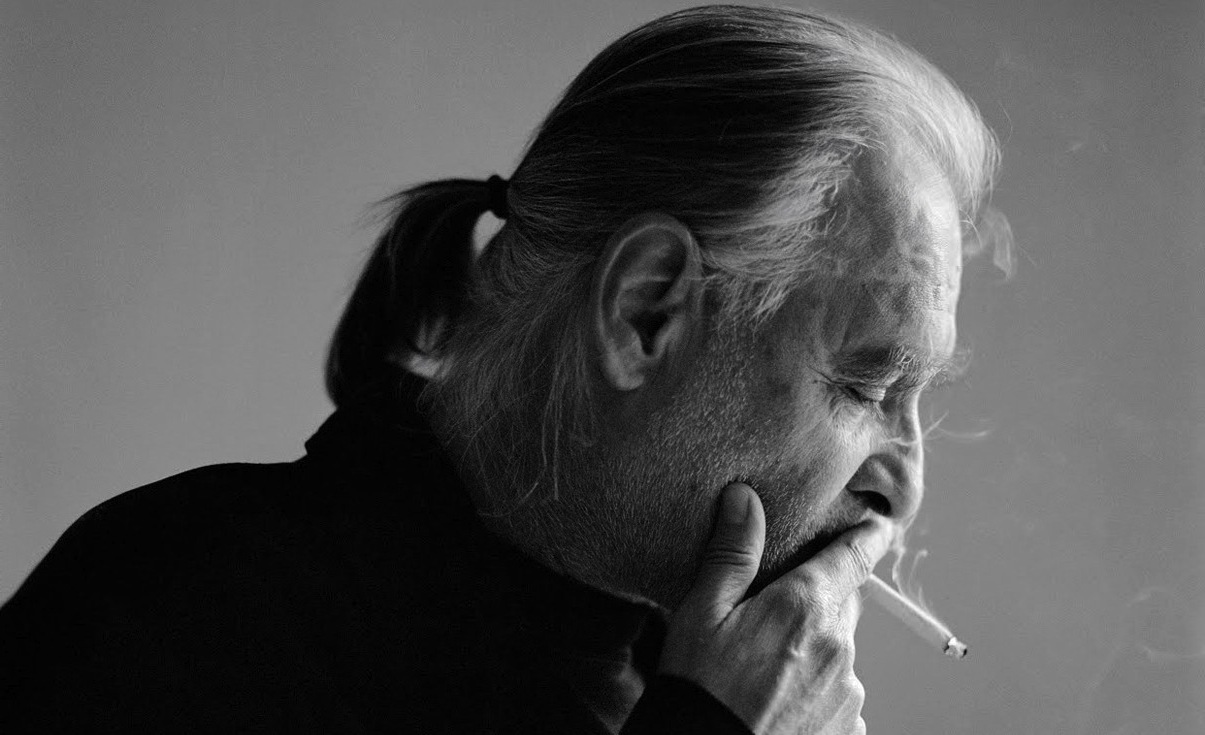
It seems this prize has now come full circle as another great director has made what he claims (and right now I believe him) is his last film and it is a great one. This year’s recipient is Bela Tarr.
Tarr is a director I’ve come to know well. However, when I first learned of him and what many consider to be his masterpiece (Satantango) I knew nothing save for the plot of the movie, that it was very long and I had to see it. I went in fairly cold and there was a sort of kinship there. I connected and I got it. That connection extended through much of Hungarian cinema, but it started with Tarr and it started instinctually.
I’ve since come to learn about him, read writings on his work – perhaps what is most fascinating about him is he went from stark cinéma vérité to an aesthetic all his own of long takes, moving cameras, black-and-white minimalist existentialism that is unique in all the world.
I’ve tackled Satantango a number of times, I agree it’s a film that could be viewed annually but I haven’t in a few years and its time to change that. I’ve, of course, seen as many of his films as possible.
It’s one I want to watch all over again. For one thing that is certain is that he proves that auteurism is indeed a live and well. He’s a rare breed, and is also giving back to the cinema fostering artists and striving for aesthetic excellence first and foremost.
The one thing that in my experience I’ve found Tarr has in common with Bergman is this brilliant final bow, his being The Turin Horse.
Tarr’s cinema is one that has evolved and is as exacting as Bergman’s, though not as prolific.
A great filmography is one where many films stand out and apart; Tarr has that:
Hotel Magnezit Family Nest The Outsider Prefab People Macbeth Almanac of Fall Damnation Satantango Journey on the Plain Werckmeister Harmonies The Man From London The Turin Horse
I’ve come to know Hungarian cinema in part because of Bela Tarr and admire it. I admire this man, his work and his vision. This admiration grows leaps and bounds when you add the fact that he’s trying to help ensure the future of the artform in his home country, and around the world.
A great filmmaker’s films will last forever, even greater is the man whose trying to ensure cinema itself lasts forever.
Steven Spielberg has been quotes as saying about Ingmar Bergman “I have always admired him, and I wish I could be a equally good filmaker as he is, but it will never happen. His love for the cinema almost gives me a guilty conscience.” So it seems fitting that someone as talented as he is, who aspires to be the master Bergman is should get this award.
Going into the year I knew the kind of year Steven Spielberg was likely to have. I knew there were many projects coming out that he had some kind of involvement with so the odds ere good he’d be in the running for one of these honorary awards.
Amazingly Steven Spielberg has already won this kind of Award before. The Irving G. Thalberg Award awarded by the Academy is for “Creative producers, whose bodies of work reflect a consistently high quality of motion picture production” and Spielberg won this in 1987.
I pick Steven Spielberg this year because he had turned 65 and because 2011 saw one of his most resounding single-year résumés: Spielberg released this year two films he directed War Horse and The Adventures of Tintin, both of which are excellent as one might expect from a director with his track record but Steven Spielberg is also a talented and prolific producer and 2011 saw many titles he produced come out and do great things most notably were Super 8 and Real Steel.
There were a few other box office titans along the way too. The year had a Spielberg project to talk about from beginning to end. Even on television there was Terra Nova and perhaps the most talked about not picked up pilot of Joe Hill’s Locke and Key. And that’s just this year.
While young for a man who has had a career as long and successful as Spielberg has he has been making great movies for a long time. He has made movies that have marked the lives of generations. His great works we all know. The above is just a year in the life. It’s been 40 years since he made Duel and what has transpired since then is one of the most amazing careers in the annals of cinema and it just keeps going. What’s best is that most people when asked will likely have a different favorite. If you ask me, and you have the time, I will tell you why Artificial Intelligence: A.I. is his greatest work. But I won’t argue if you say your favorite is E.T. or Indiana Jones or The Color Purple or Empire of the Sun or Schindler’s List any of them really.
I’ve tried to pick years in in which these artists had a release or two so I could honor them. This year Spielberg has a slew and he’s due. Many of us who love film know he’s great but it’s good to stop and recognize it. Thanks for the memories you given use so far Steven and here’s to many, many more.
The Ingmar Bergman Lifetime Achievement was sort of born because I was set to award my first ever Lifetime Achievement award to Mr. Bergman in light of the US release of Saraband, his last film. In typical Bergman fashion, however, it was one of the best films of the year and no honorary trophy was necessary.
When I decided to finally award one it was perfectly fitting to name it after him. The criteria are somewhat vague but a few things are obvious: a long and distinguished career with many good movies in it and no posthumous/deathbed honorees, which is to try to avoid the slightly uncomfortable Academy Award standard of waiting far too long to prize those who deserve it.
The recipient of this year’s Ingmar Bergman Lifetime Achievement Award is Dario Argento.
Even before he started to make a name for himself as a director in 1970 Argento already had major writing credits, namely Once Upon a Time in the West. However, once he stepped behind the camera and became an auteur he started to leave an indelible mark.
Immediately he started making his presence known by virtually creating a new subgenre, Giallo, single-handedly. His first three films are variations on this theme and due to their titles and motifs are called The Animal Trilogy.
Upon its release The Bird with the Crystal Plumage was an international sensation, which earned him his first of many comparisons to Hitchcock, eventually even Hitch himself would comment that “This young Italian guy is starting to worry me.”
The trilogy closed with The Cat O’ Nine Tails starring Karl Malden. The fame and recognition he received from these film prompted RAI (an Italian television network) to give him a virtual carte blanche for a series of short films sort of like his version of Alfred Hitchcock Presents called La Porta sul buio or Doorway to Darkness.
He followed that up with perhaps the best one-two punch any director in the horror genre ever had with Deep Red and Suspiria. You could argue for days on end about which is better but the latter still gets cited to this day as one of the finest horror films ever crafted.
Suspiria also marked the beginning of a new trilogy called The Mother of Tears Trilogy, which continues with the 1980 release of Inferno. Despite only being completed in 2007, the third installment, Mother of Tears, is brilliant and was quite literally one shot away from being awarded Best Picture.
His three other releases in the 1980s, while in my opinion varied in quality, all have their moments but are cited by many as films that impacted them. First, there is Tenebre, the only one of his films to be set in the future based on the release date and year in the story. Then there is Phenomena, which definitely has its highlights like Donald Pleasence and one of the creepiest kids you’ve ever seen. Then comes another masterpiece called Opera, which is in hindsight somewhat similar to and much better than Black Swan.
The 90s were another mixed bag with the highlight most definitely being The Stendhal Syndrome, which stars his talented daughter Asia Argento.
Yet though some may contend he is fading he still has had some very strong recent turns. For example: Do You Like Hitchcock? a tale wherein film obsession plays a big role; Jenifer, perhaps the most frightening girl you’ve ever seen; Pelts, a genuinely disturbing tale that has a bloody, gruesome frame, the aforementioned Mother of Tears and despite the issues its faced getting distributed, Giallo, a rare film which he didn’t write but still has some very strong parts.
One can only hope that there is much more coming from Mr. Argento as some of his canon is now gaining classic status and is starting to be remade hopefully his films live on and he gives us new material to love.
At the bottom of the BAM Nominee list, this critic’s personal awards for year’s best, there is mention of two honorary awards and who those recipients are. Here is where you will learn more details as to what the those prizes are and why the indicated person won each award.
First listed is The Ingmar Bergman Lifetime Achievement Award, named after the late legendary filmmaker of countless masterpieces. Bergman was initially going to be named the first winner of the prize but instead with his final film Saraband earned him the award as Best Director of 2005 and the film was one of the best of the decade, so the award was named in his honor instead. The previous winner was Clint Eastwood.
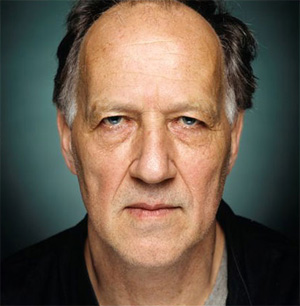
In a concerted effort not only to recognize greatness but also to not wait too long to recognize it this year’s recipient is Werner Herzog. Herzog is a man who never makes one film exactly like another. He writes and directs narrative films but is also an accomplished and renowned documentarian. This year alone he released Bad Lieutenant: Port of Call New Orleans; My Son, My Son, What Have Ye Done and a 4-minute version of La Bohème which combines the song “O Soave Fanciulla” with images of Africa. Not only that but he announced the opening of his Rogue Film School in January in Los Angeles. Always pushing the envelope the time for Herzog’s recognition has come.
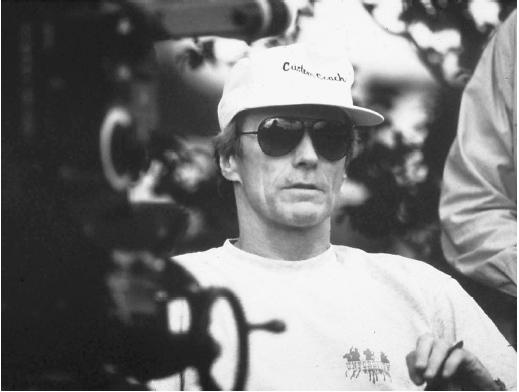
It’s hardly necessary to go on a lengthy diatribe about the accomplishments of Clint Eastwood as an actor, director and composer. Needless to say he seems to be getting more prolific and better with age. He has had several acclaimed releases since he was given this award and will likely have several more. Rather than give you a laundry list let it suffice to say that Eastwood is awe-inspiring.
So, first here come a couple of notes about the history of this category: again this category only started in the middle part of the last decade, as I began to become cognizant of all the facets of filmmaking. I cannot be certain there was an ’03 award as my records from that year have vanished and winners are being recalled. I am pretty confident there was and that in ’05 and ’06 my notes made it such that I couldn’t award a prize.
It will be awarded from here on out as all I have to do is have films to consider as all narrative films do qualify.
Art Direction is vitally important as it is the job of this department to interpret the director’s vision and aside from the camera department has the most control of the mise en scene, aside from the director.
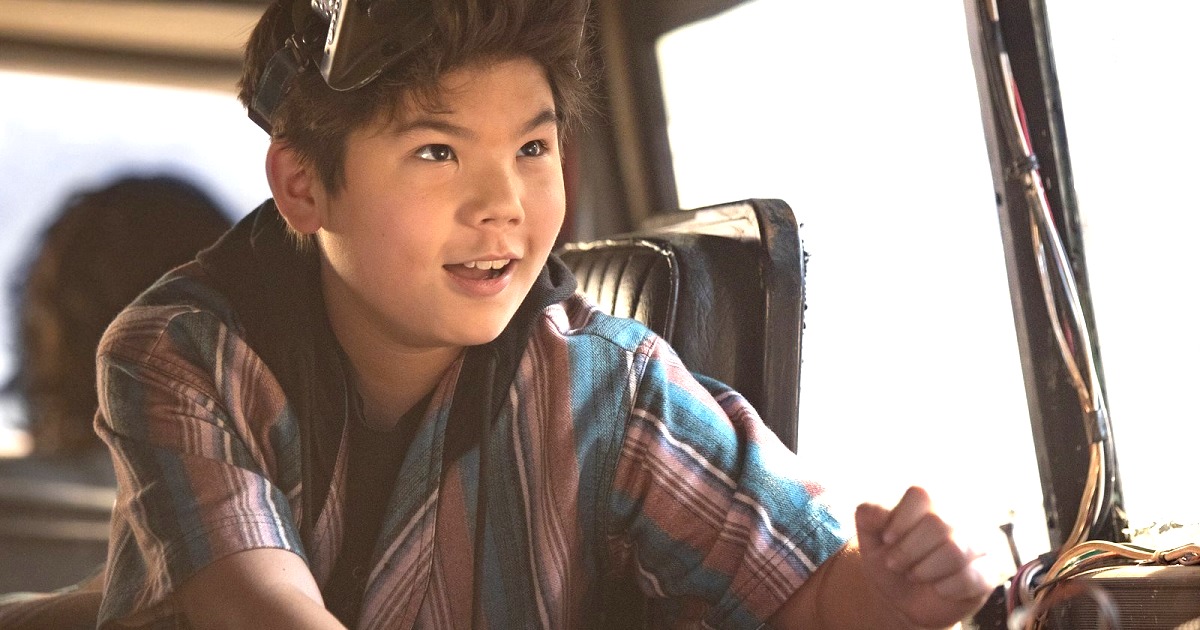
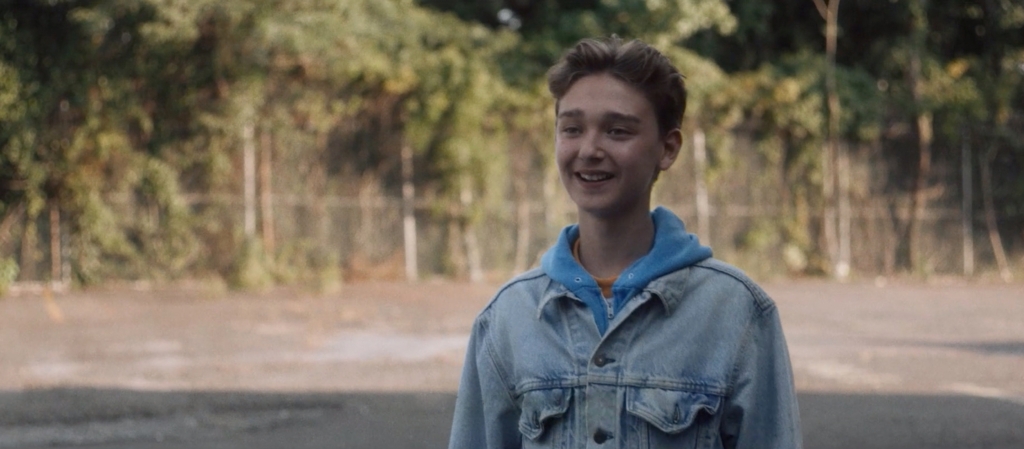
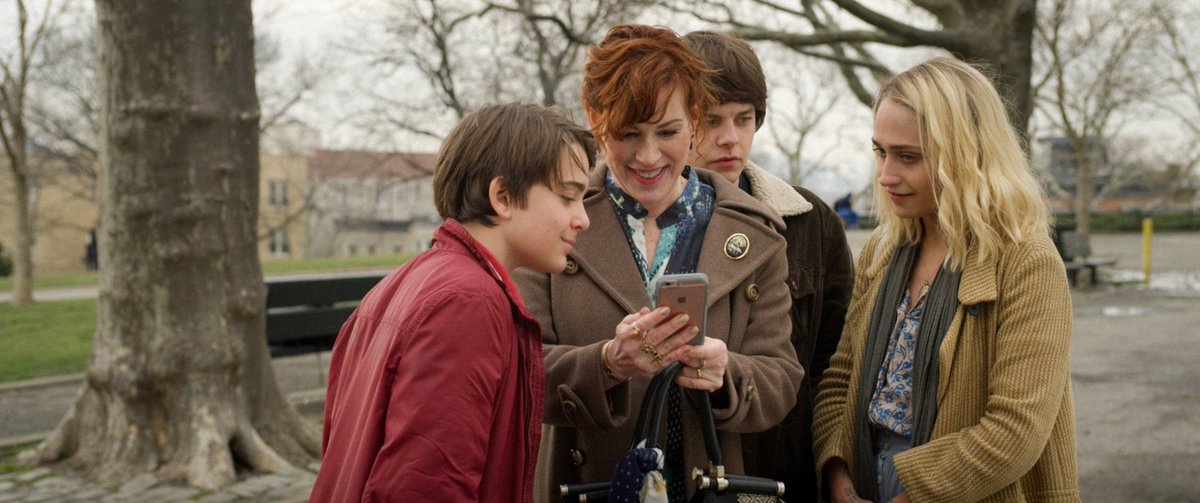
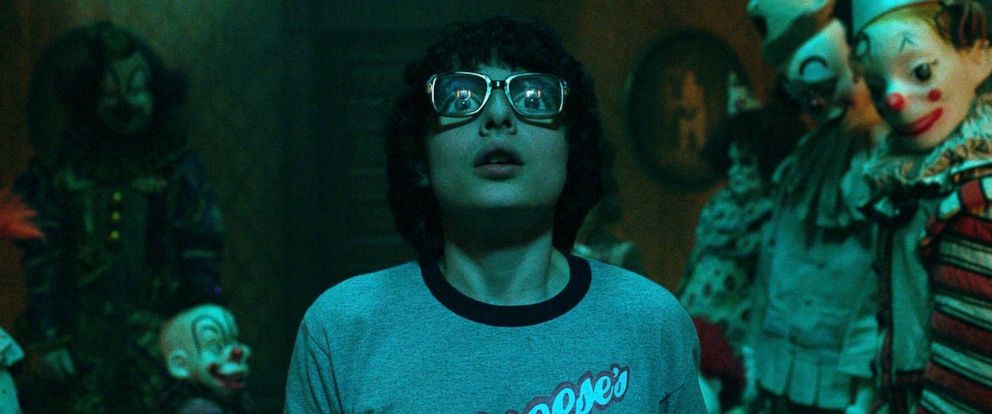
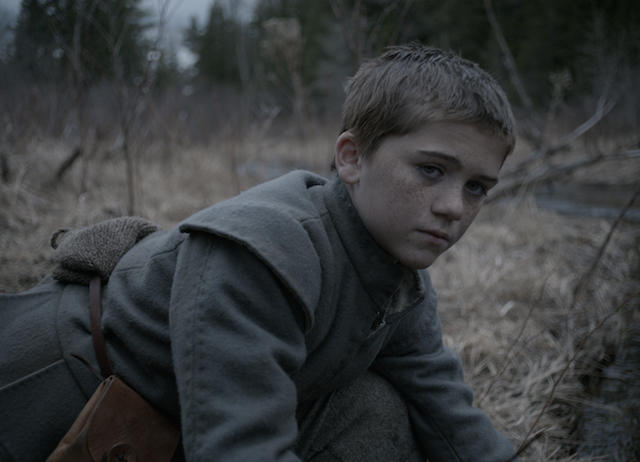
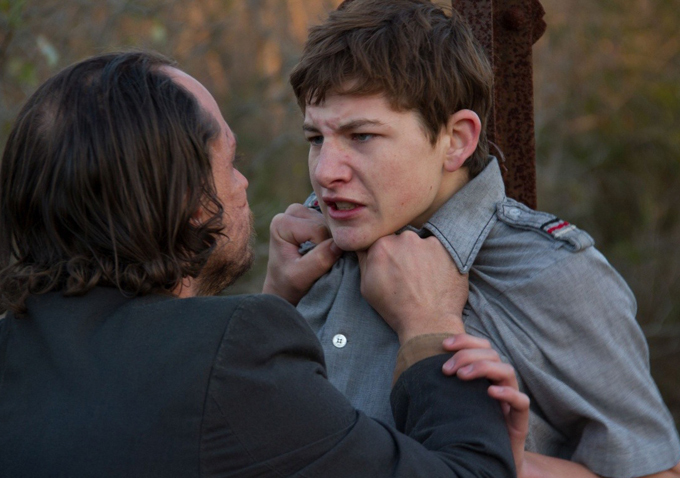
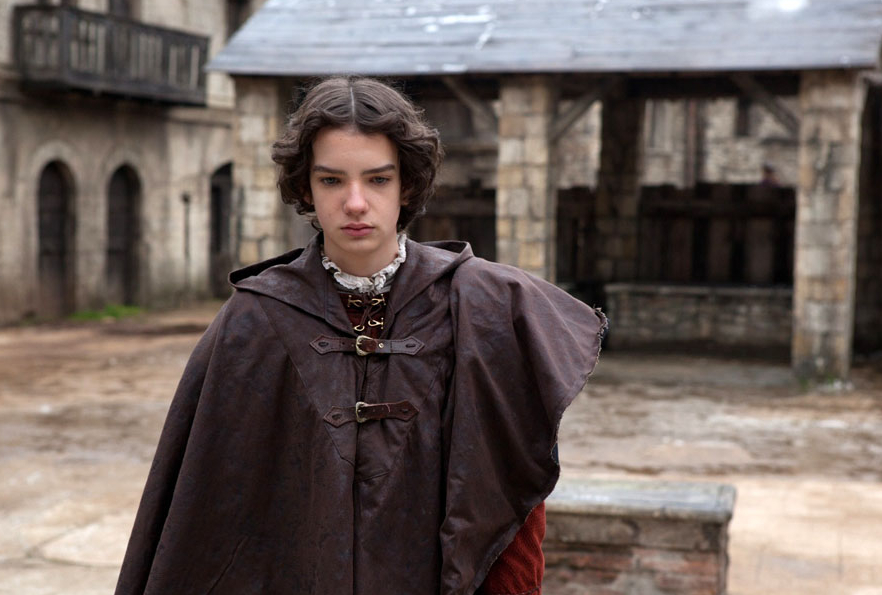
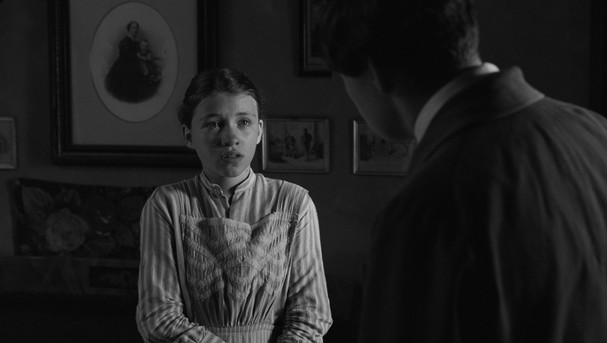
This is a post siphoned-off from the Young Actors post to make for easier reading/browsing that also reflects the changes in the Youth Acting categories in recent years. In 2010 the sing category was split into two unisex categories (Lead and Supporting). In 2011 Lead and Supporting categories for both genders were created.
Here is another post siphoned-off from the catch-all Young Actors post, which was getting a bit cumbersome to read. The diversification of the categories started in 2010 when Lead and Supporting categories were split. They were unisex for that year then divided by gender in 2011.
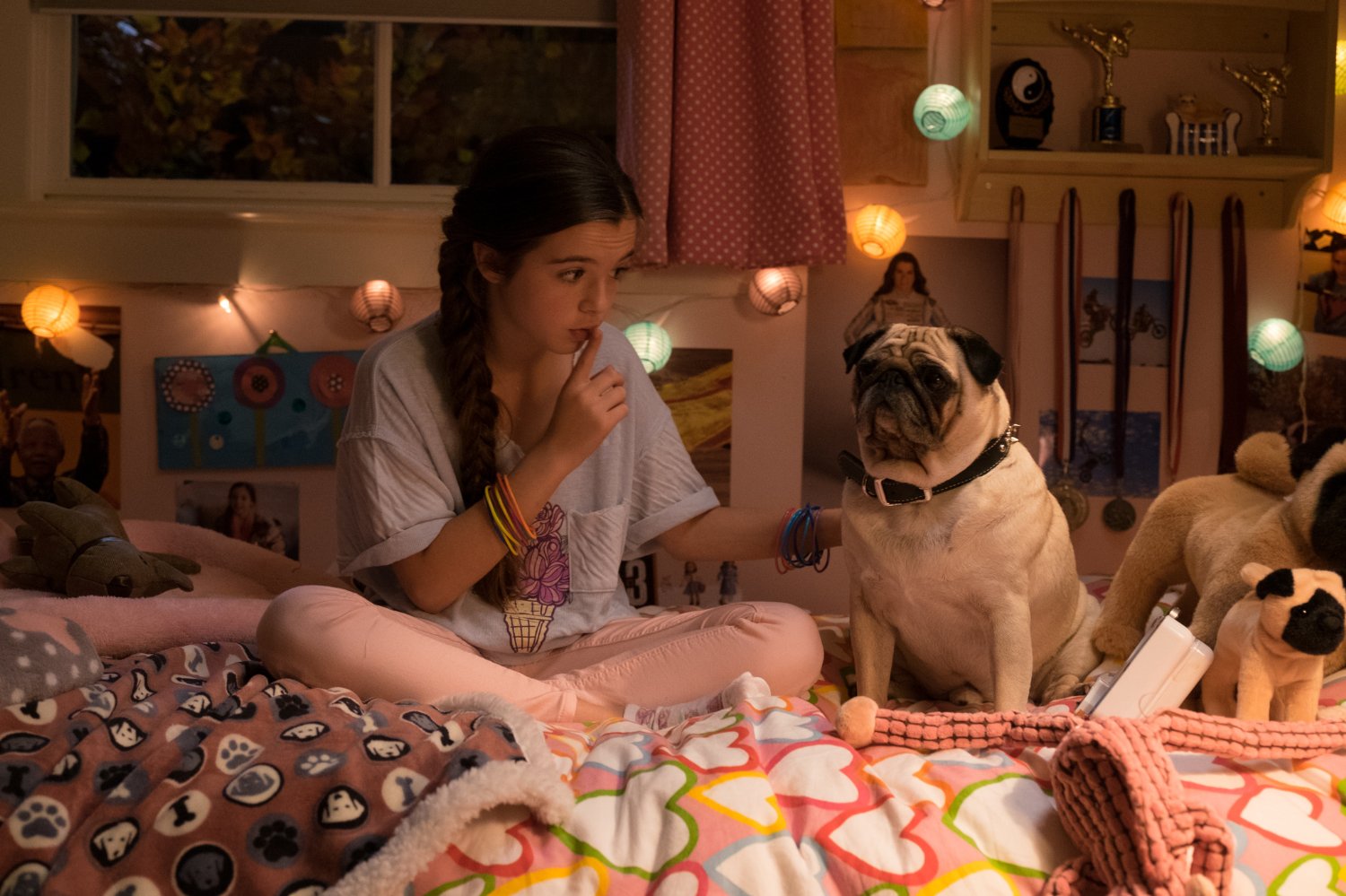
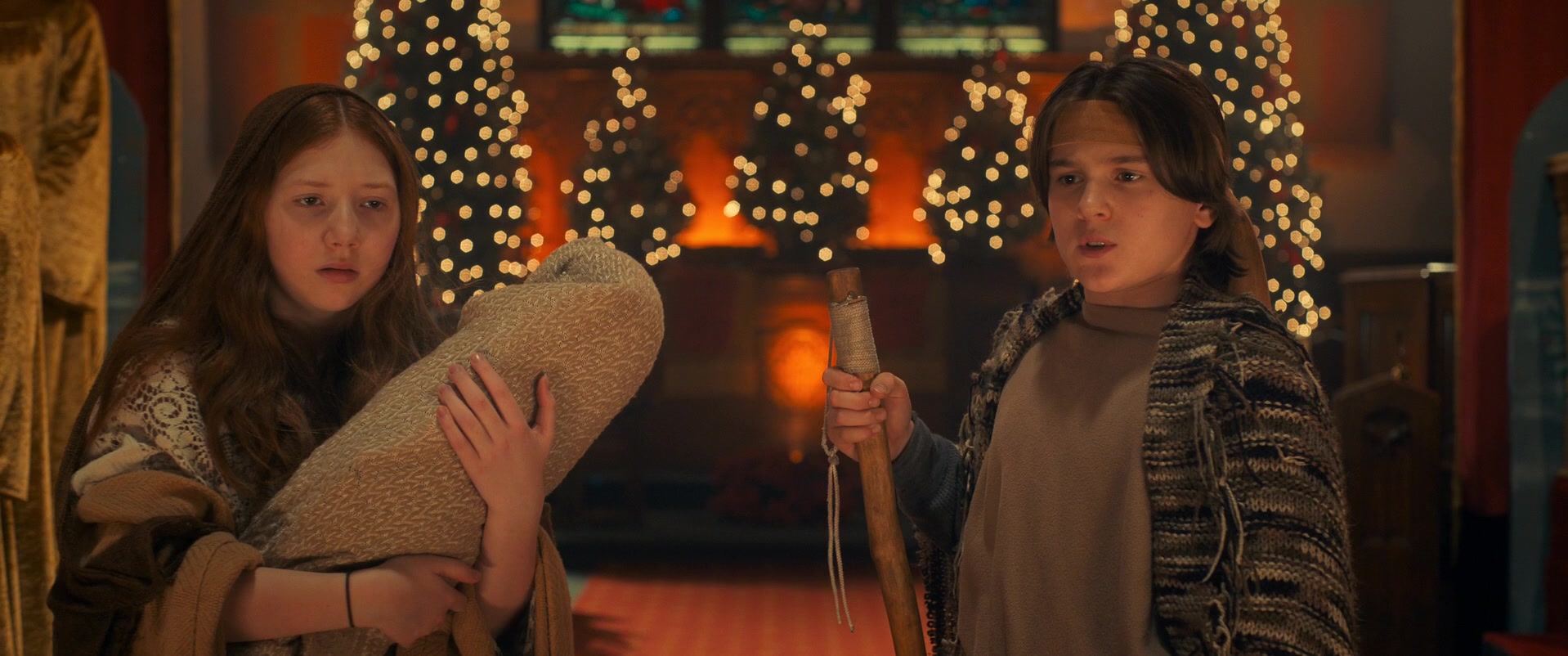
2024 Molly Belle Wright The Best Christmas Pageant Ever
While the diversification of the Young Actor categories began in 2010 with a split created between Lead and Supporting Roles each category was unisex until the following year. So aside from semantical changes there have been quite literal changes to this category through the years. This post chronicles the years in which there was only one category where young leads, regardless of gender, could hope to get in. To view the nominees you can follow the hyperlinks in each individual year.
This is a newly-siphoned off post from the original Young Actors post. This category came into being in the 2011 BAM Awards as part of the start of the diversification of the Youth Categories. This division of the category was necessary because while there were female winners, most of the time that was not the case and even nominations were hard to come by. This year’s nominees not only validated this decision, while hard to find as many titles the quality was high, the Supporting categories, which was a gamble, also provided great candidates.
2024 Beatrice Schneider The Best Christmas Pageant Ever
This is a newly-siphoned off post from the original Young Actors post. This category came into being in the 2011 BAM Awards. After adding an Ensemble Award the next logical step was to end the unisex nature of the Youth Lead Categories. The final step was complete this year with the inclusion of Supporting categories for young actors. The Lead Youth Acting winners from 1996-2010 can be found in a separate post.
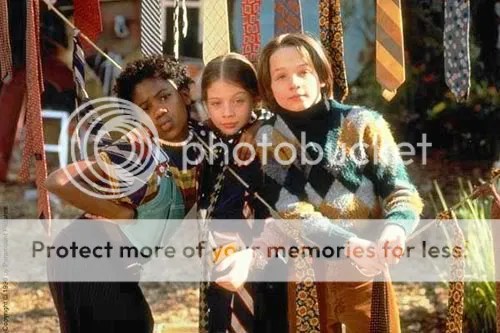
This is a newly-siphoned off post from the original Young Actors post. This category came into being in the 2010 BAM Awards to recognize Ensemble work, but only among young actors within a cast, which differentiates it from Best Cast. The inception of this category was the first step toward parity between youth-specific and open categories.
2024Kynlee Heiman, Sebastian Billingsley-Rodriguez, Wyatt Dewar, Matthew Lamb, Owen Mathison, Ewan Matthis-Wood, Essek Moore, Laurelei Olivia Mote, Mason D Nelligan, and Isla Verot The Best Christmas Pageant Ever
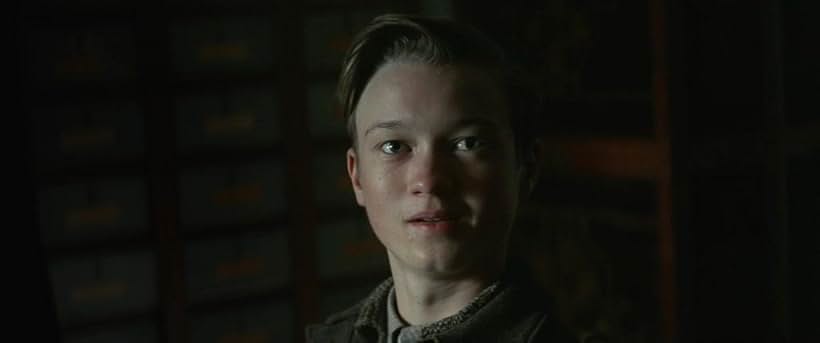
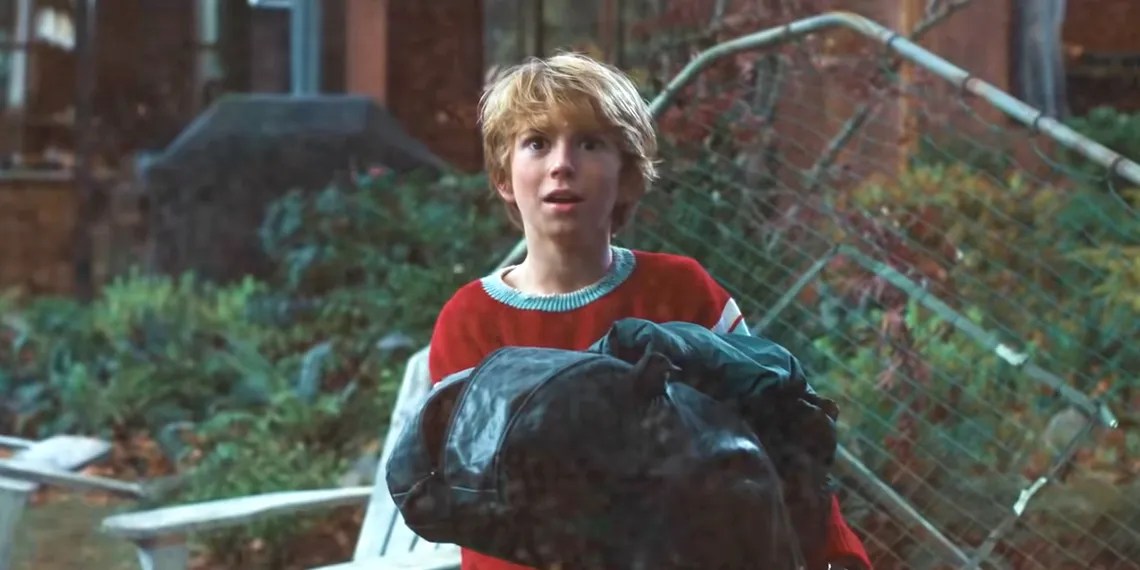
2022 Mason Thames, Madeline McGraw, Miguel Cazarez Mora, Rebecca Clarke, J. Gaven Wilde, Spencer Fitzgerald, Jordan Isaiah White, Brady Ryan, Tristan Pravong, Jacob Moran, Brandy Hepner, Banks Repeta The Black Phone
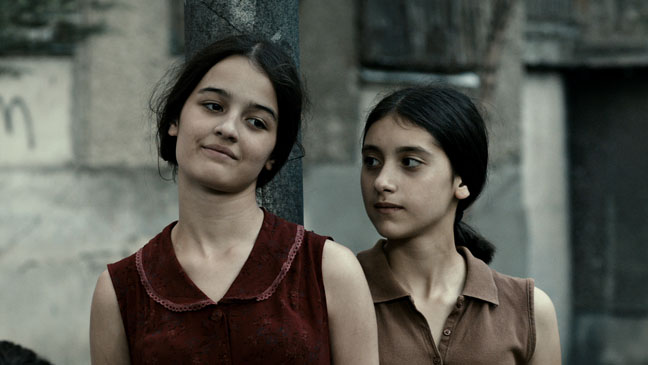
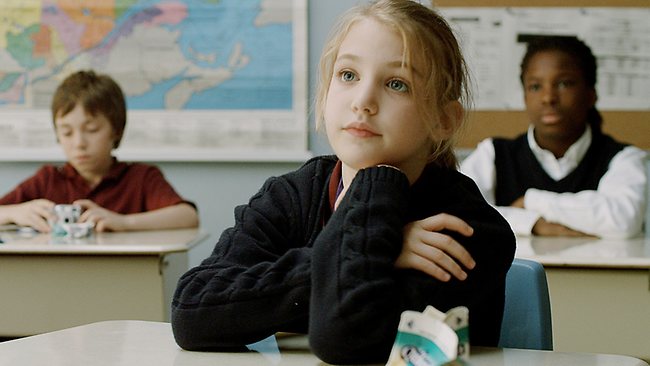
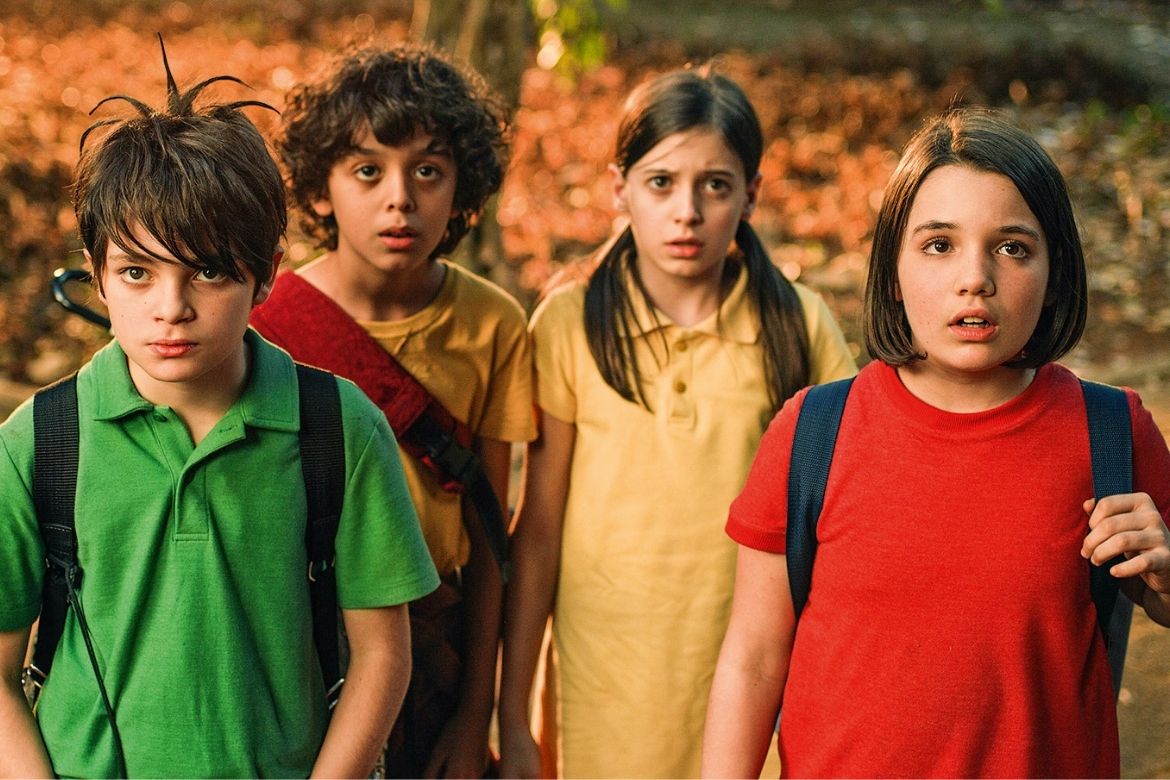
2021 Kevin Vechiatto, Gabriel Moreira, Laura Roseo, and Giulia Benite Turma da Mônica Laços
2020 Alivia Clark, Ashling Doyle, Tanner Flood, James Freedson-Jackson, Oliver Gifford, Nolan Lyons, Sam McCathy, Ivy Mille, Taylor Richardson, and Eric Schuett 18 to Party
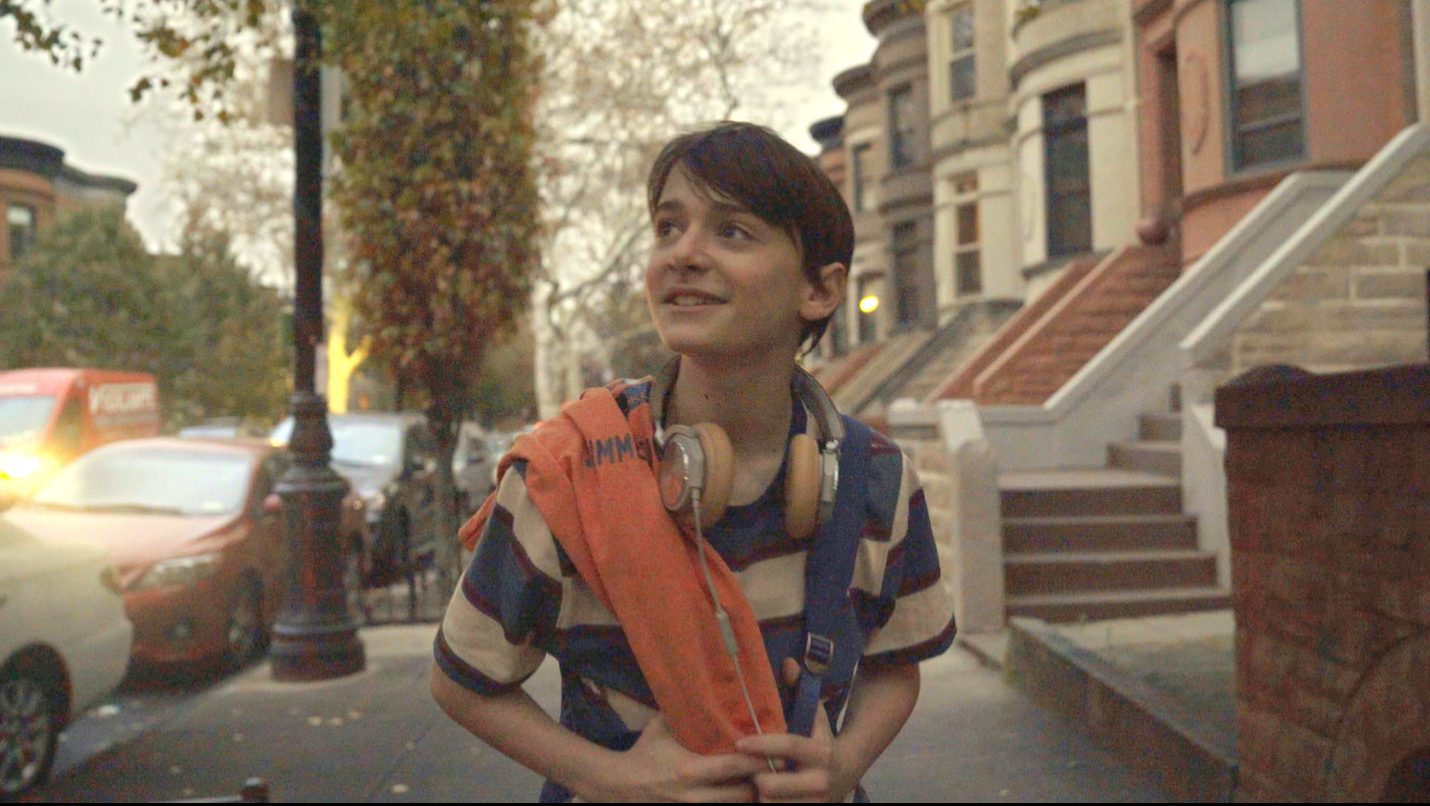
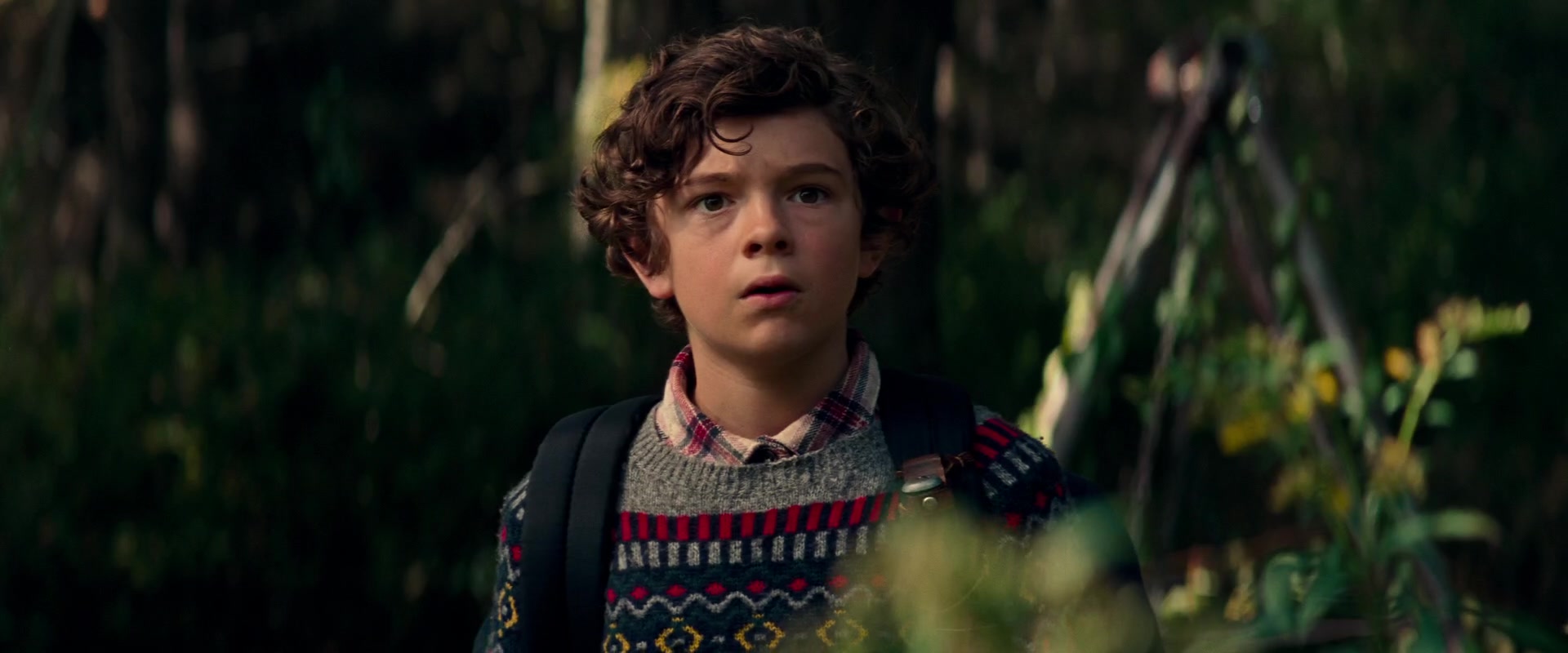
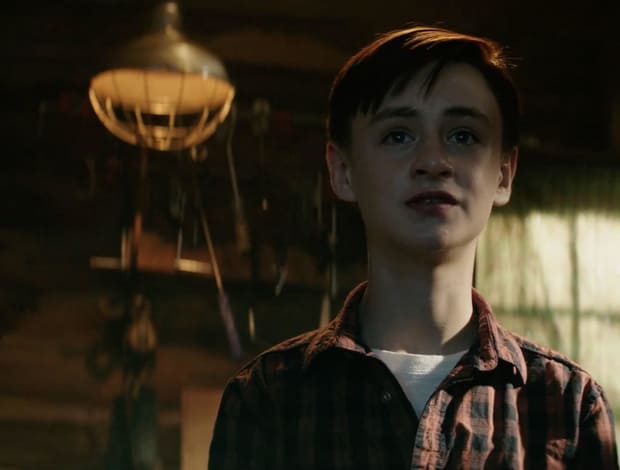
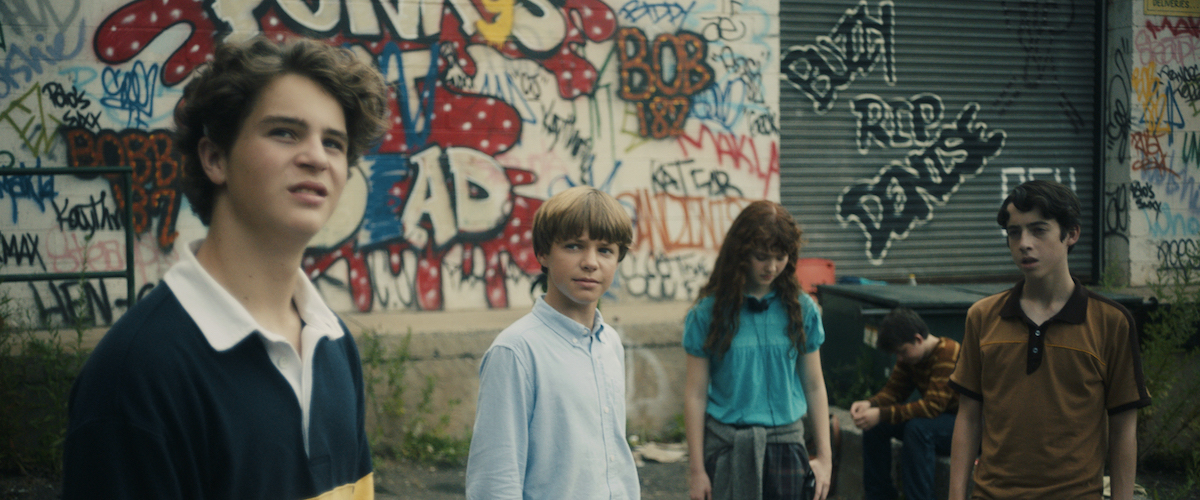
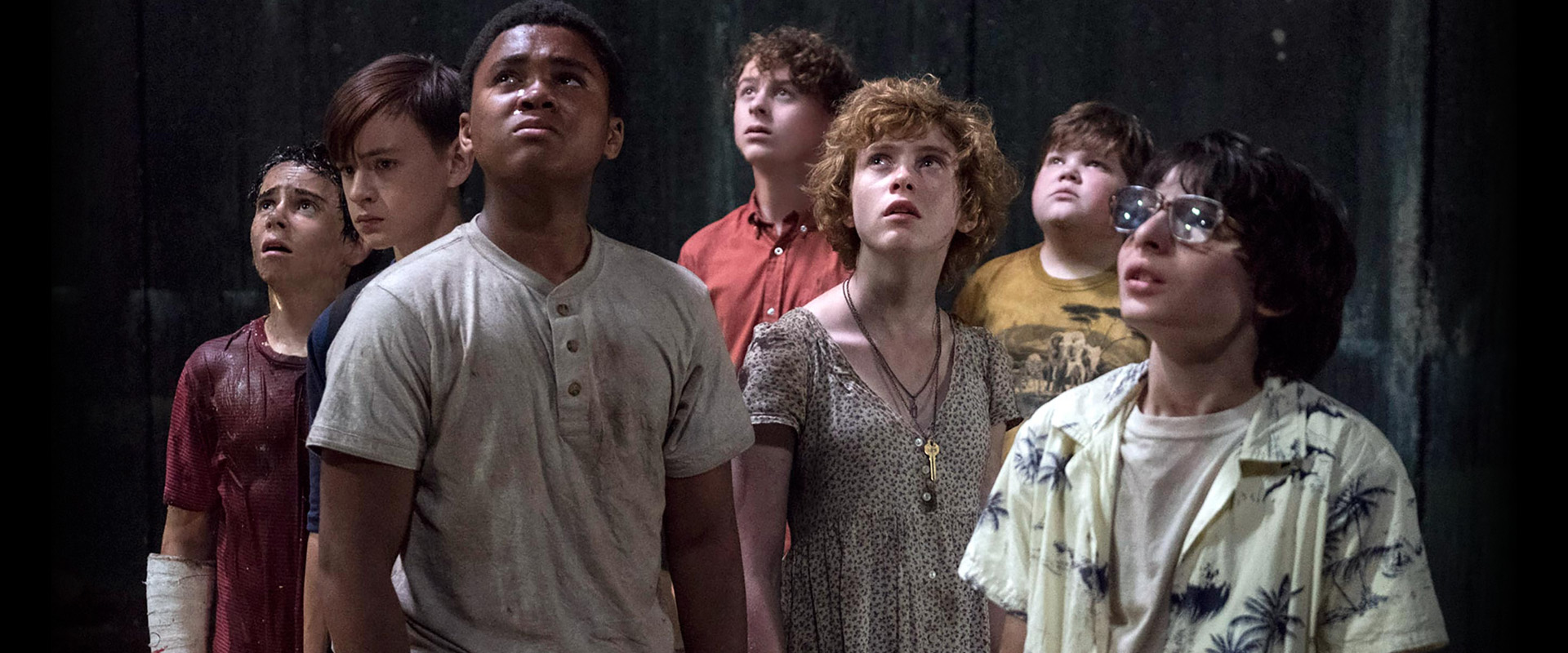
2019 Jack Dylan Grazer, Jaeden Martell, Finn Wolfhard, Wyatt Oleff, Chosen Jacobs, Jeremy Ray Taylor, Luke Roesseler, Jackson Robert Scott, Sladen Peltier, Sophia Lillis, Ryan Kiera Armstrong, It: Chapter 2
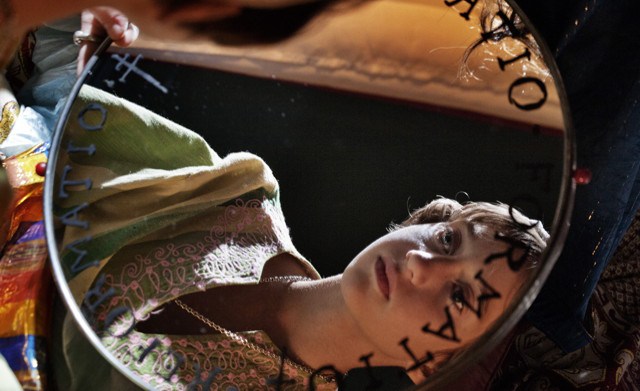
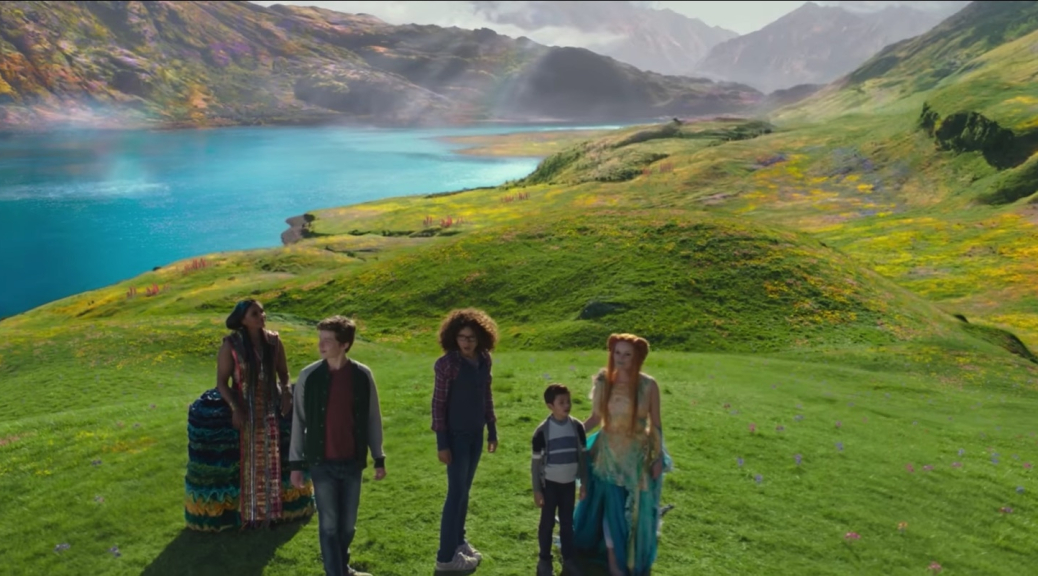
2018 Storm Reid, Levi Miller, Deric McCabe, and Rowan Blanchard A Wrinkle in Time
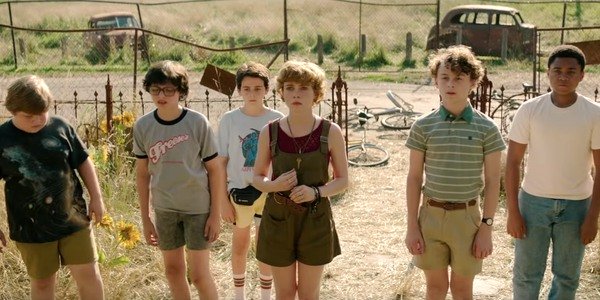
2017 Jaeden Lieberher, Jack Dylan Grazer, Wyatt Oleff, Chosen Jacobs, Jeremy Ray Taylor, Sophia Lillis, Finn Wolfhard, Jackson Robert Scott and Nicholas Hamilton It
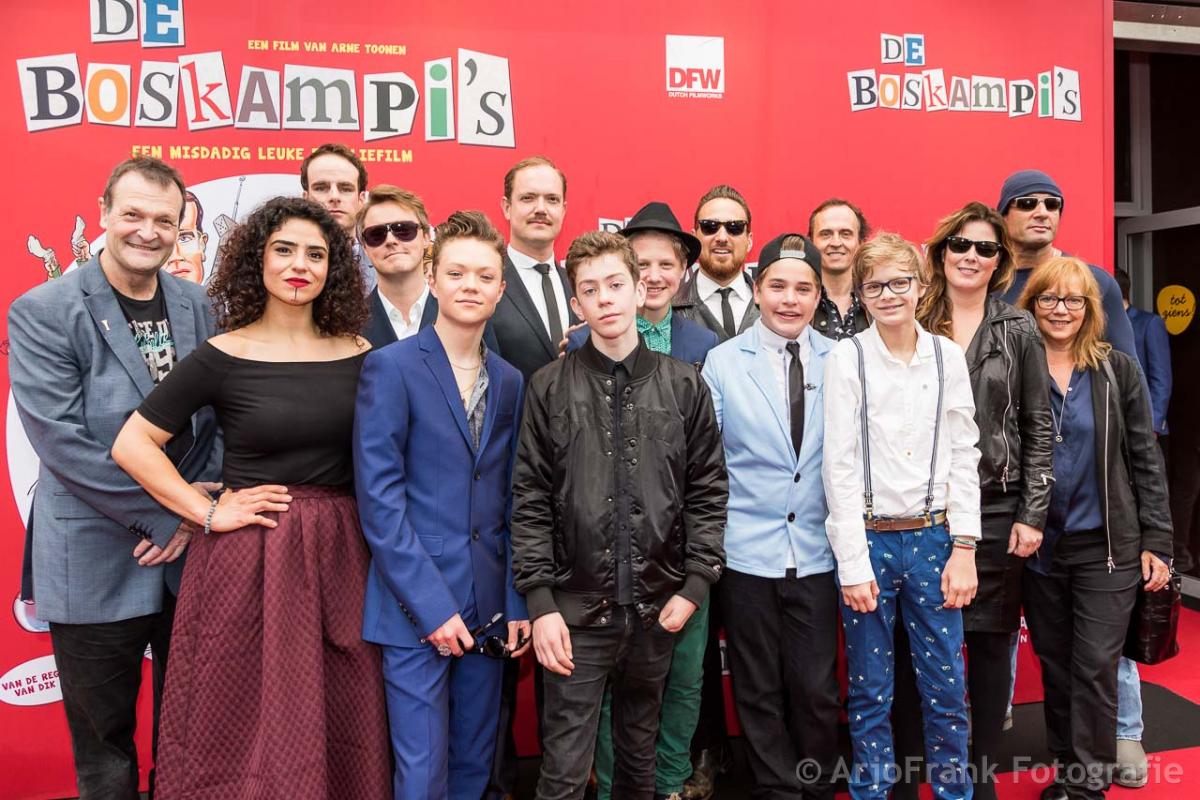
2016 Thor Braun, Rick Lens, Thijn Brobbel, Luciano Hiwat, Dylan Pijper, Joes Brauers, Maas Bronkhuyzen, and Dennis Reinsma De Boskampi’s
2015 Oscar Dietz, Samuel Ting Graf, Astris Juncher-Benzon, Amalie Kruse Jensen, Marcus Jess Petersson, Johannes Jeffries Sørensen and Hectores Brøgger Andersen Antboy 2: Revenge of the Red Fury
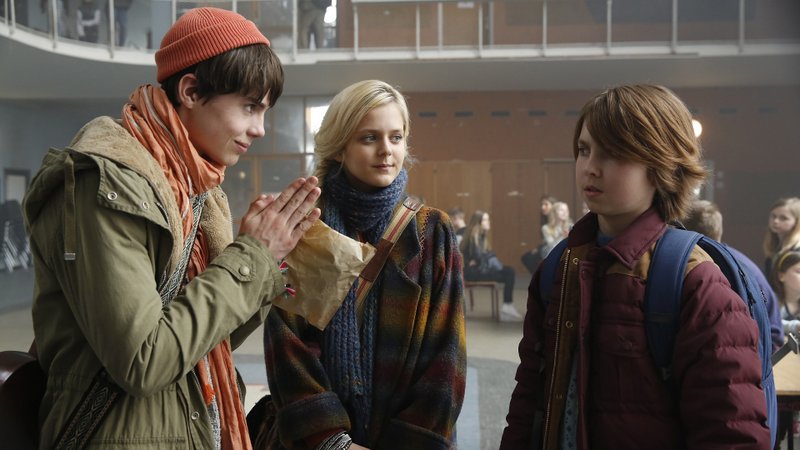
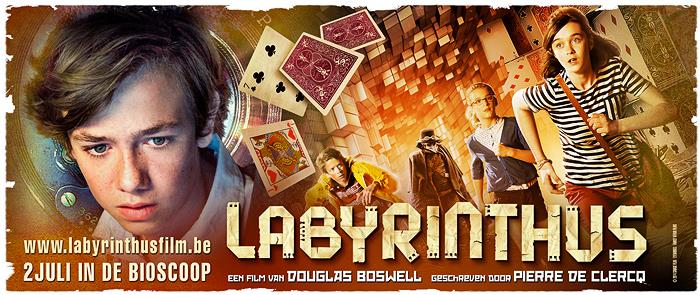
2014Spencer Bogaert, Felix Maesschalck, Emma Verlinden, Nell Cattrysse and Pommelien Tijs Labyrinthus
2013 Siam Yu, Colton Stewart, Gage Munroe, Michael Friend, Aidan Gouveia, Mackenzie Munro, Alex Cardillo, Dyson Fyke, Spencer Howes, Andy Reid, Richard Nguyen, Eric Hanson, and Alex Wall in I Declare War
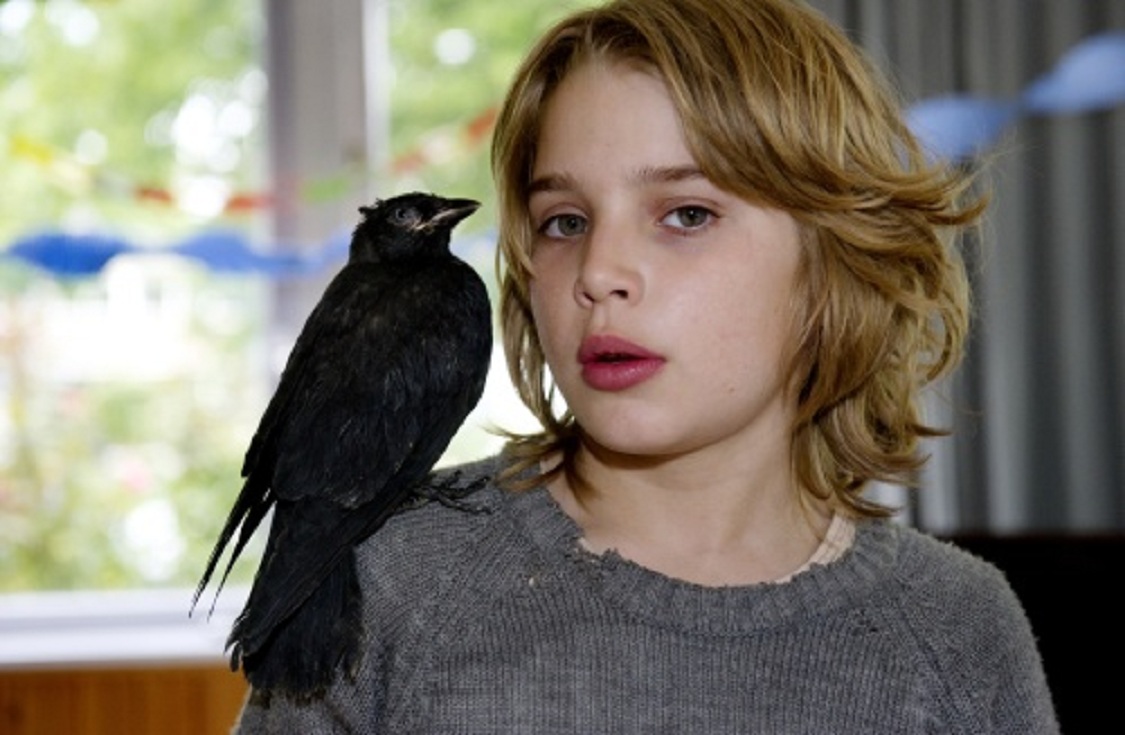
2012Ben Van den Heuvel, Nathan Naenen, Noor Ben Taouet, Jelle Florizoone, Nina Marie Kortekaas, Mathias Vergels North Sea Texas
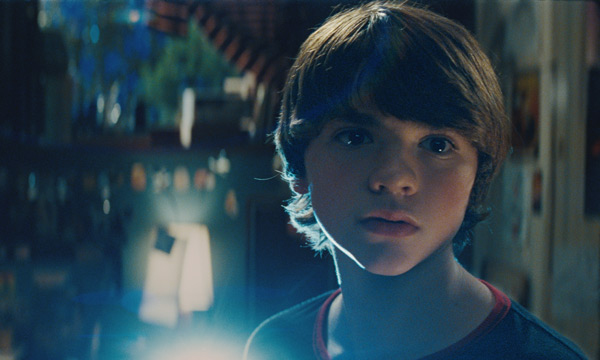
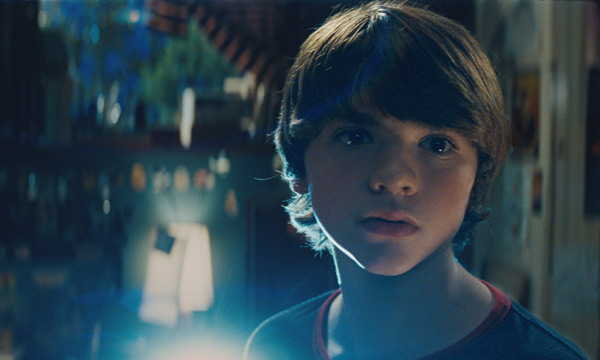
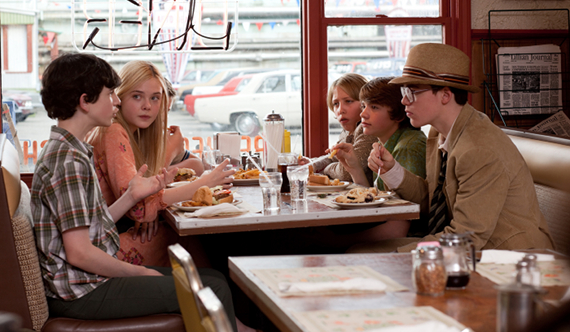
2011 Joel Courtney, Elle Fanning, Ryan Lee, Zach Mills, Gabriel Basso and Riley Griffiths Super 8
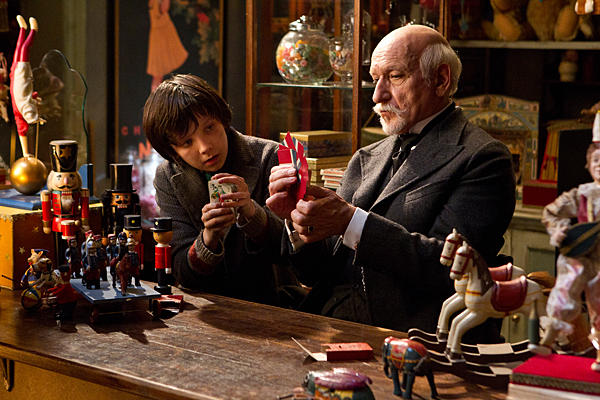
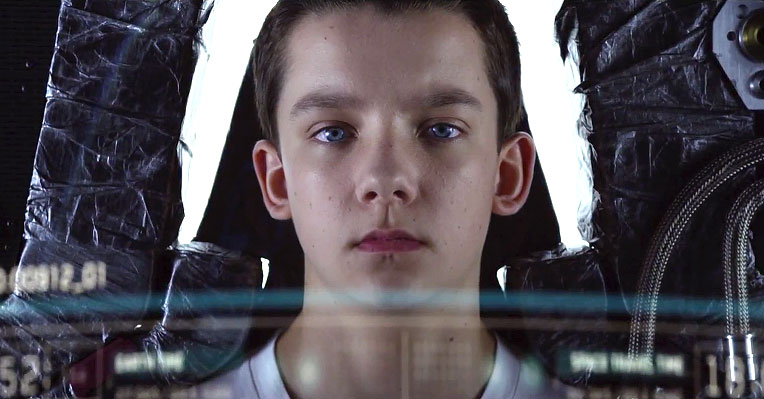
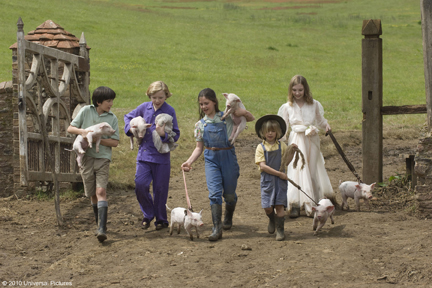
2010 Oscar Steer, Asa Butterfield, Lil Woods, Eros Vlahos and Rosie-Taylor Ritson in Nanny McPhee Returns
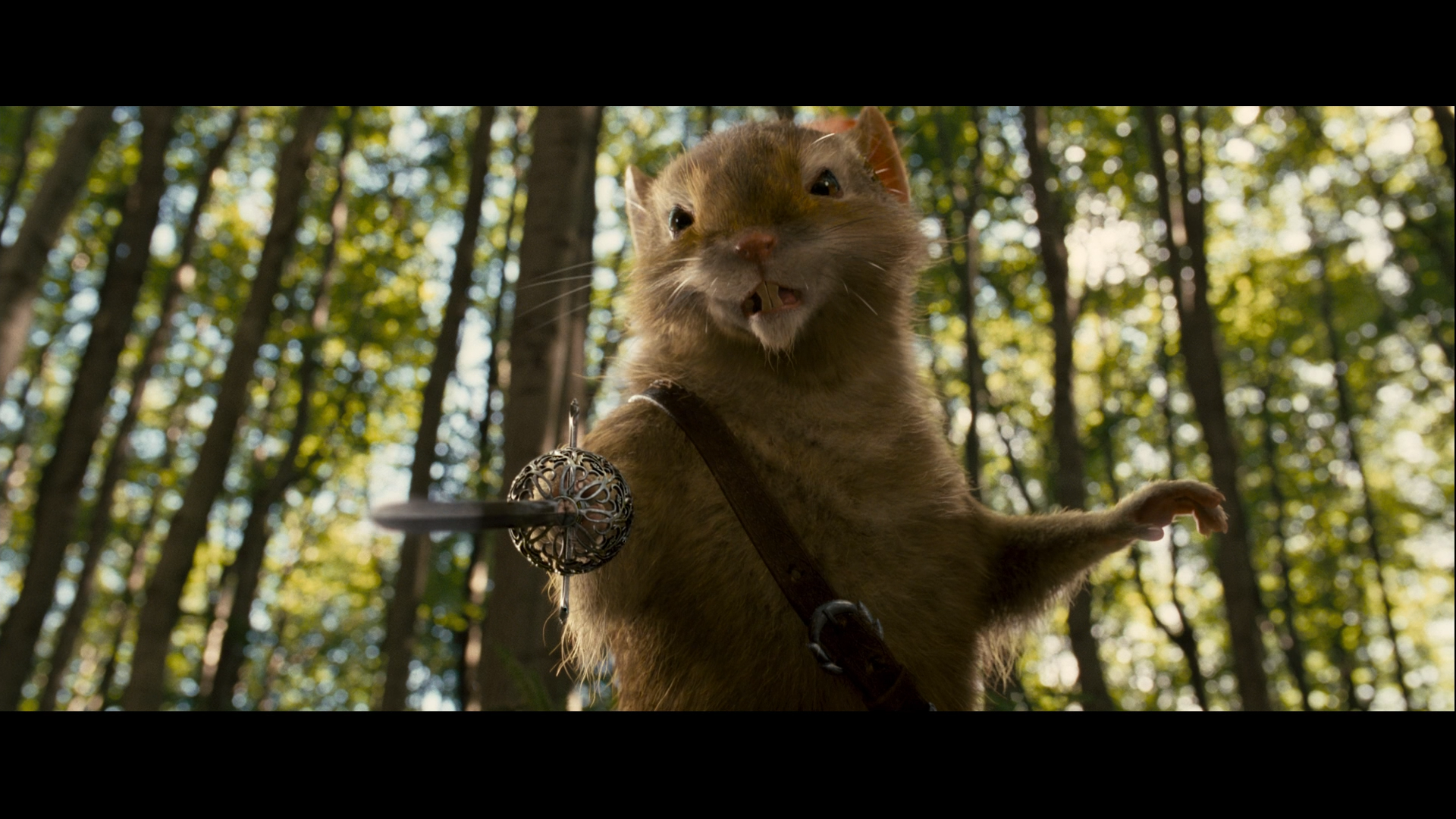
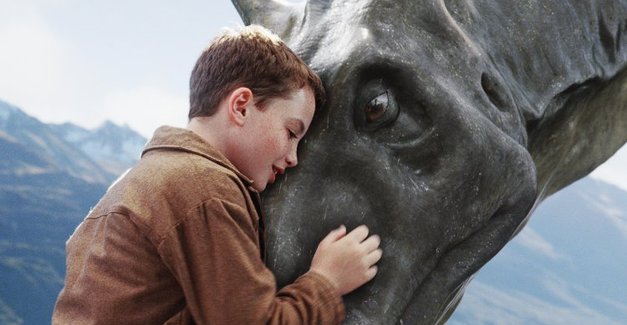
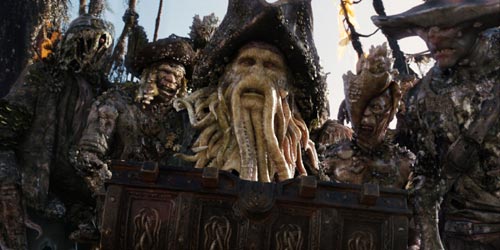
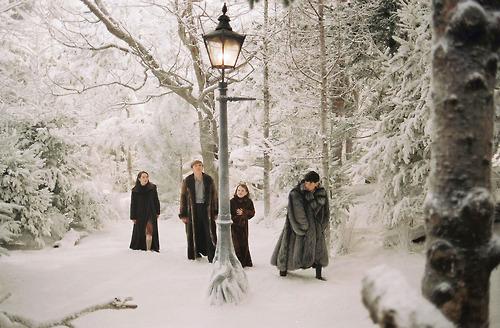
So here is the eye candy award. As always there are a few things to note: first, among my favorite winners are the back-to-back tandem of Jurassic Park: The Lost World and Small Soldiers simply because I like to award combined efforts whenever possible. Combined efforts meaning many techniques were used to create the effects of a film like robotics, prosthetic, models in tandem with CGI. Had I known how some effects were achieved for Inception it may have swayed my 2010 vote, having said that I was glad it won the Oscar. Second, one curious thing to note is that you have at times here streaks like 20th Century Fox is on a run as a studio and the Narnia series is 3-for-3 as they always up the ante in combining their work with real elements.
Lastly, I must’ve learned something about how certain shots in The Patriot were achieved in 2000 that influenced my vote but I honestly cannot recall what but as I have stated before I am not revisiting these awards merely posting them for posterity. I, of course, could never have predicted my fatigue of disaster films in 1996 or how much more unsavory that White House shot in Independence Day would grow over the years.
Nevertheless, I hope you enjoy the winners as much as I have.