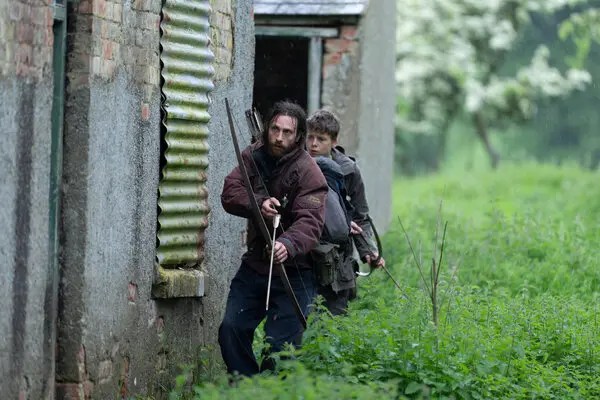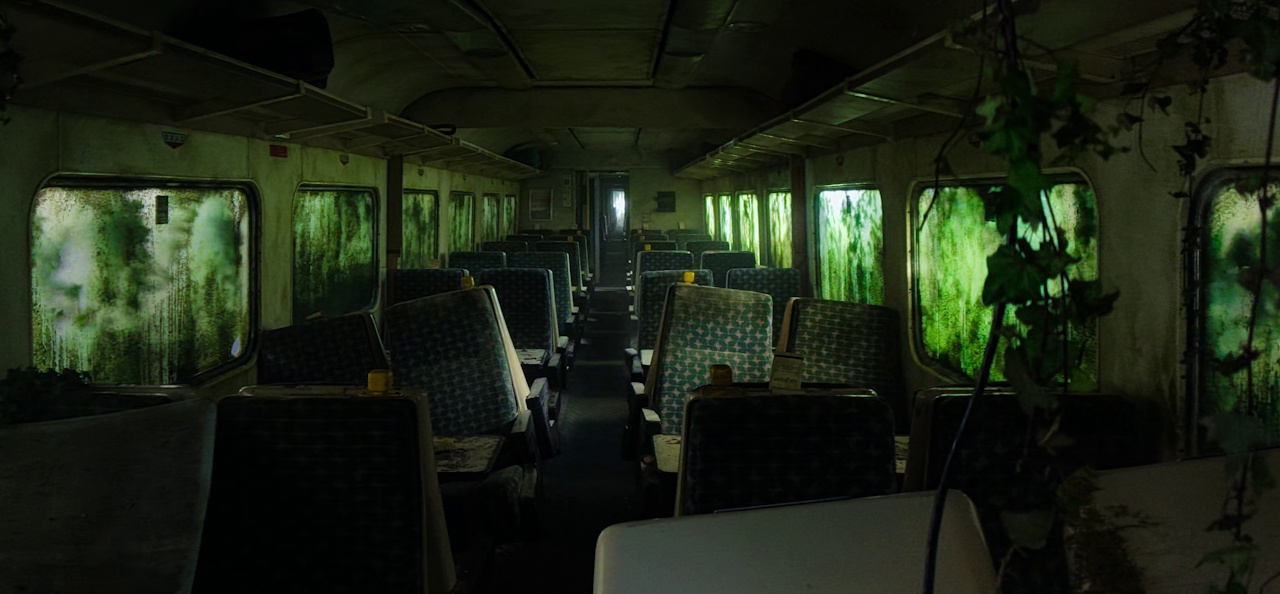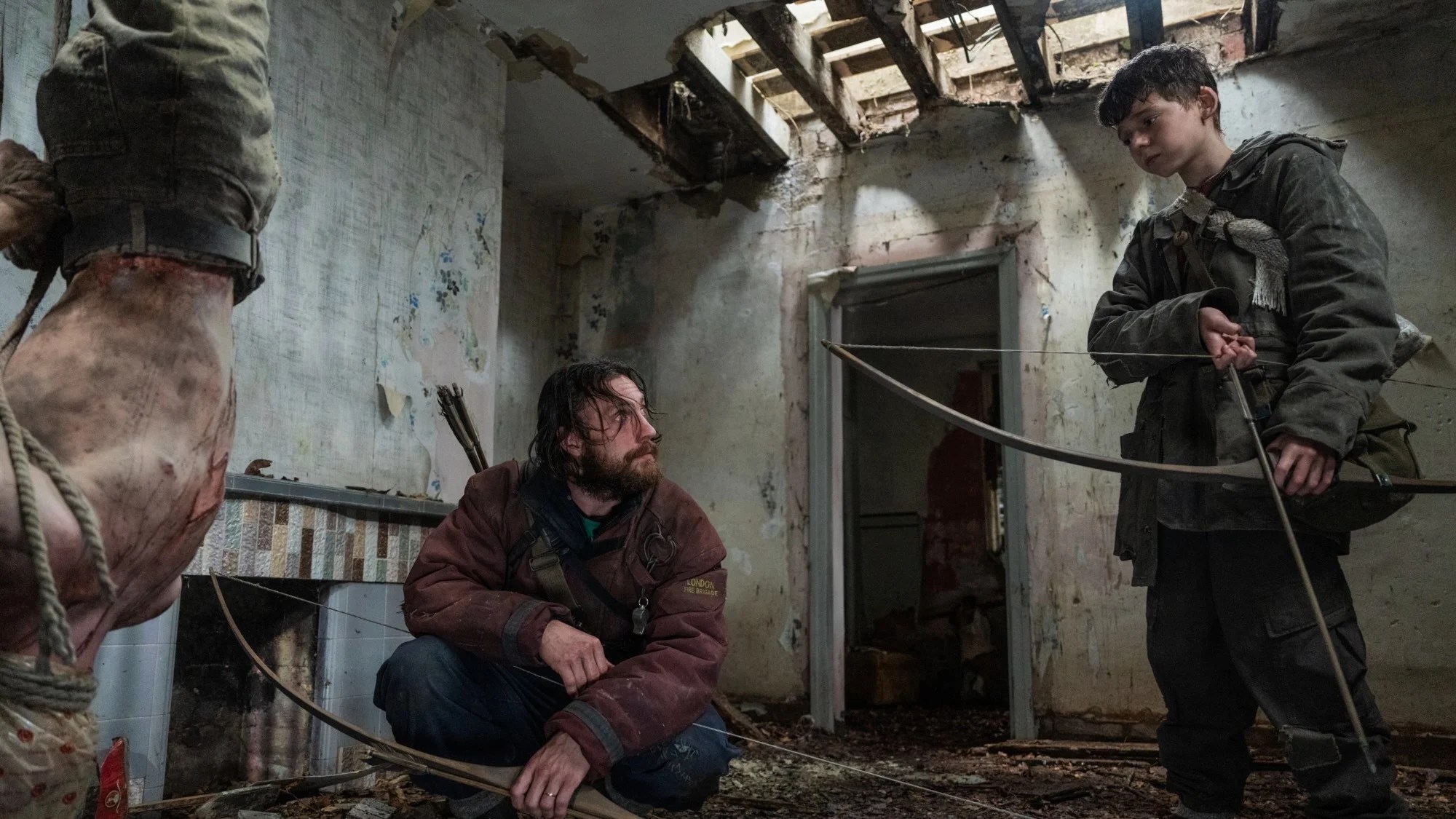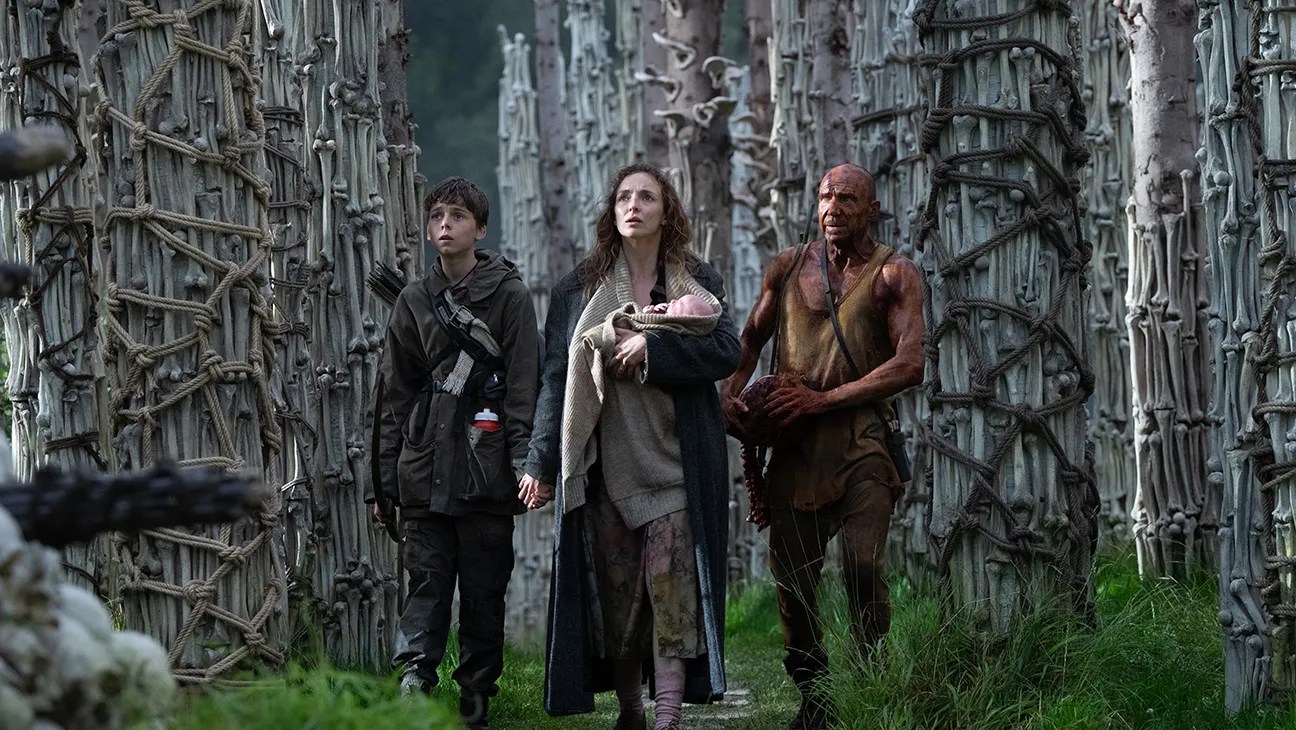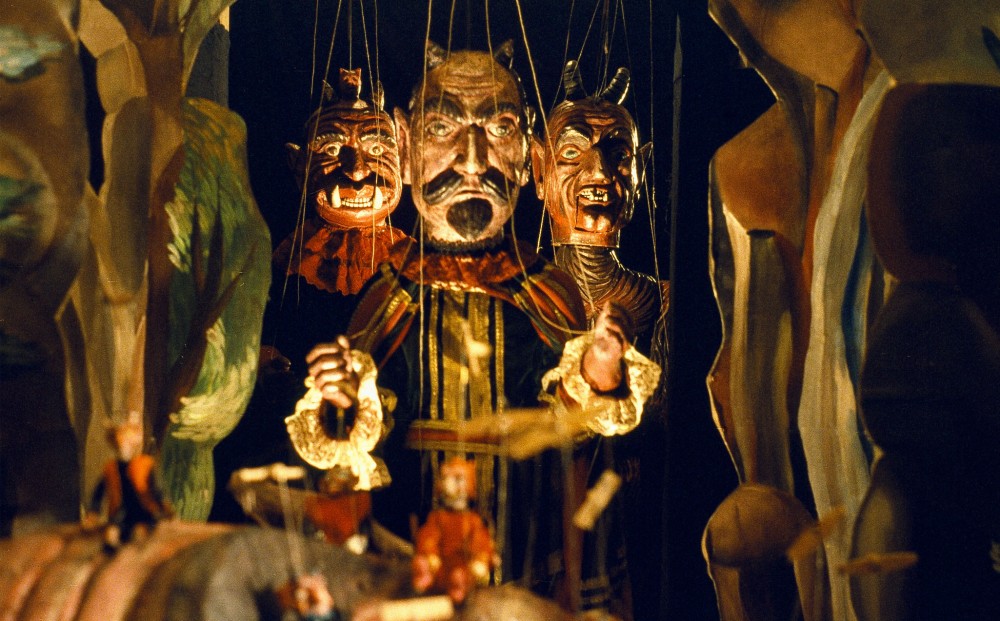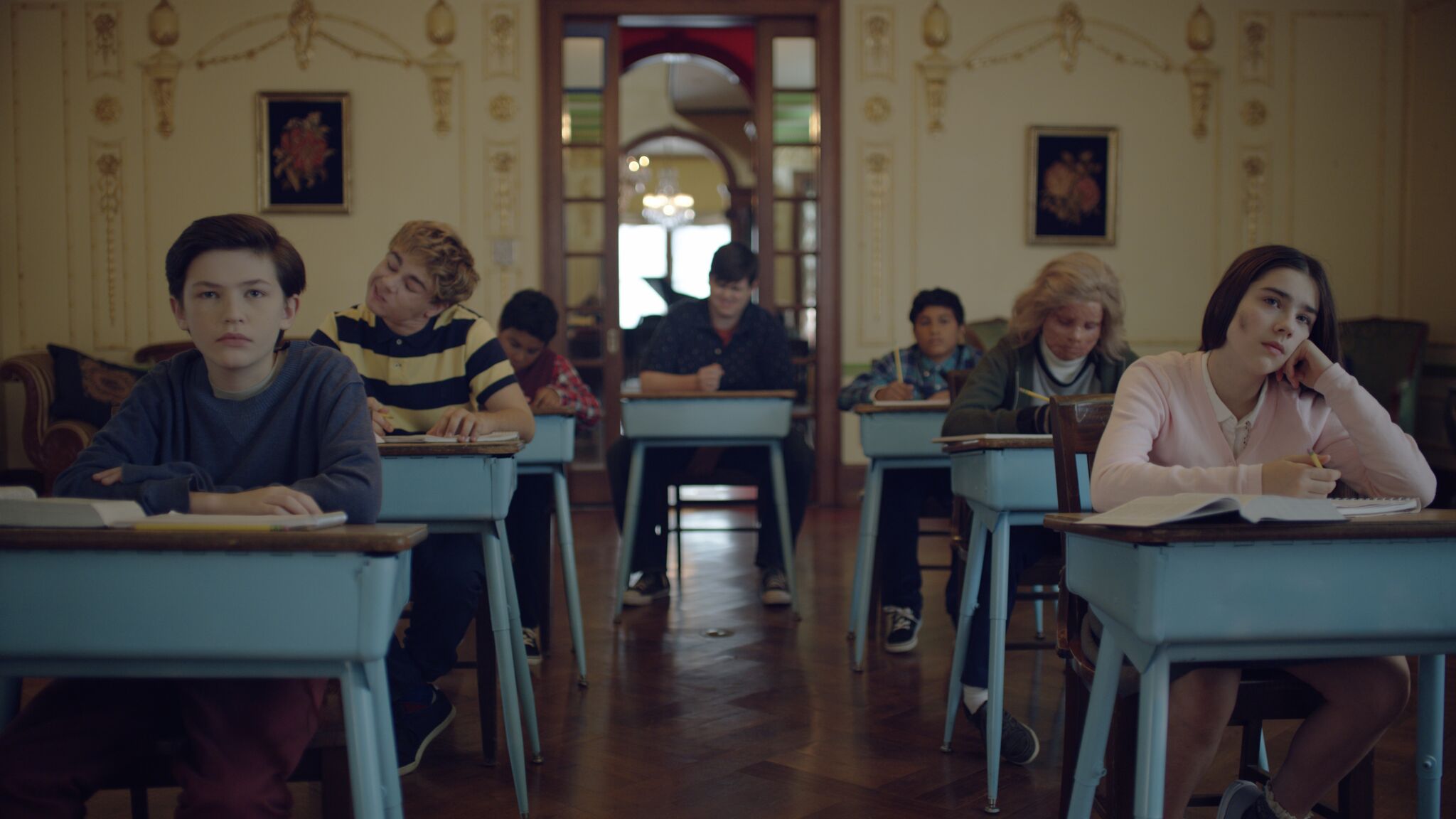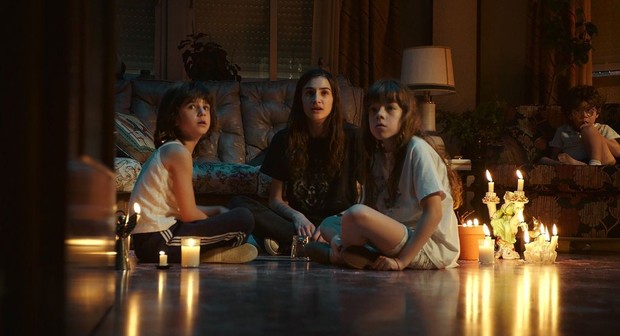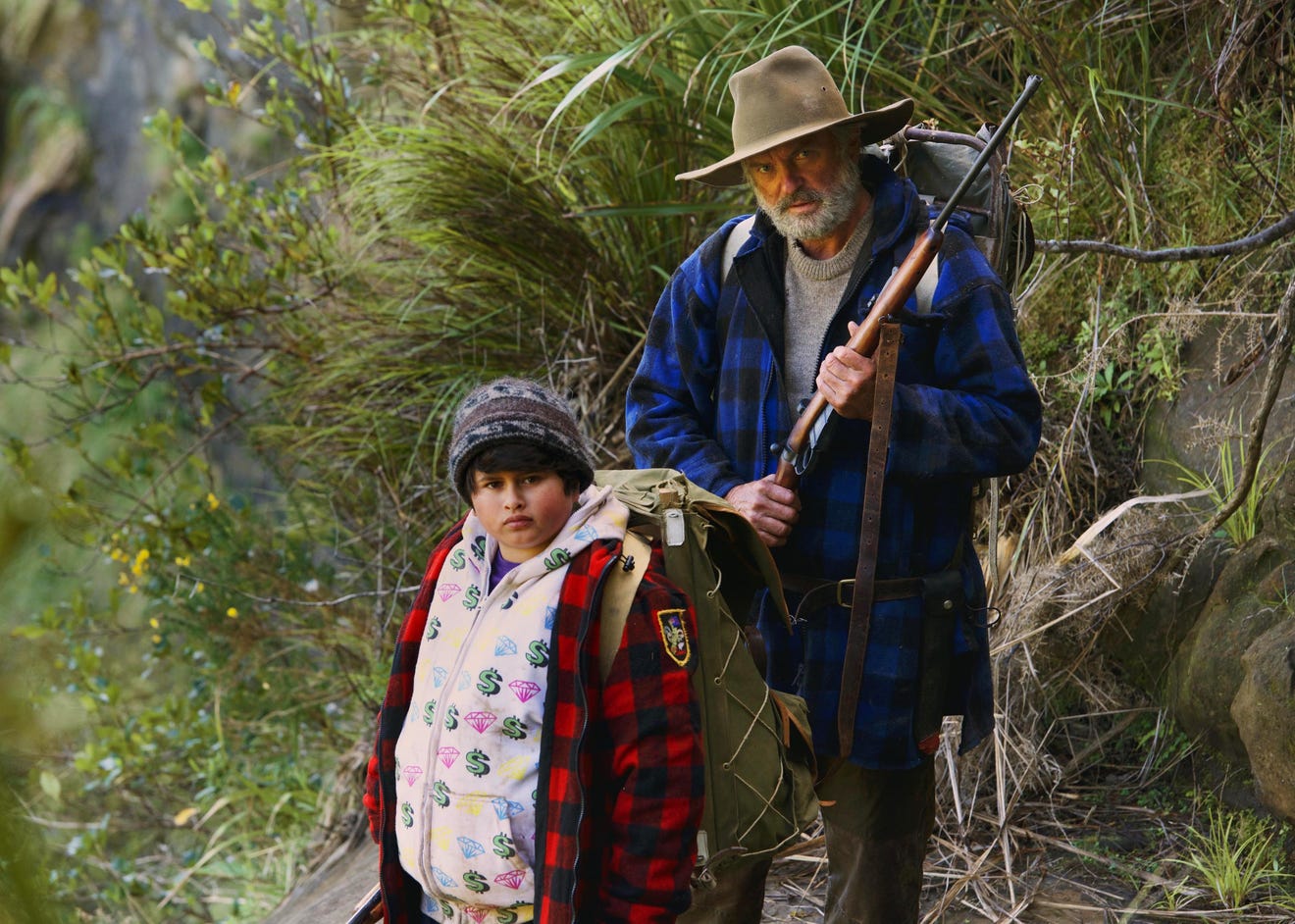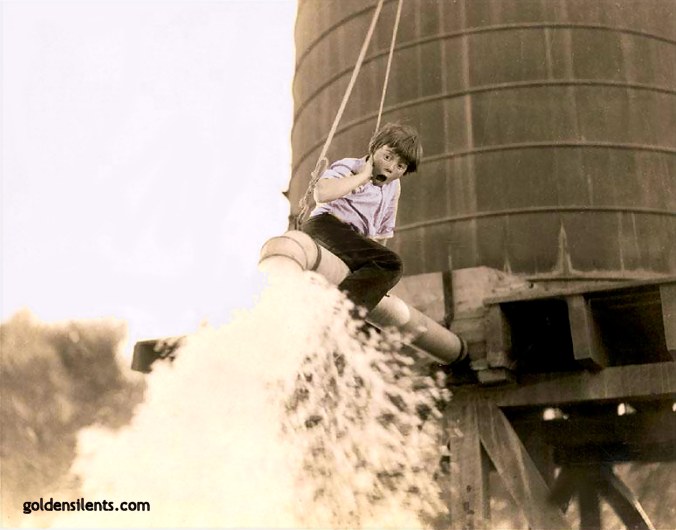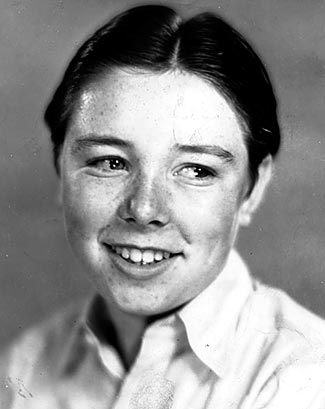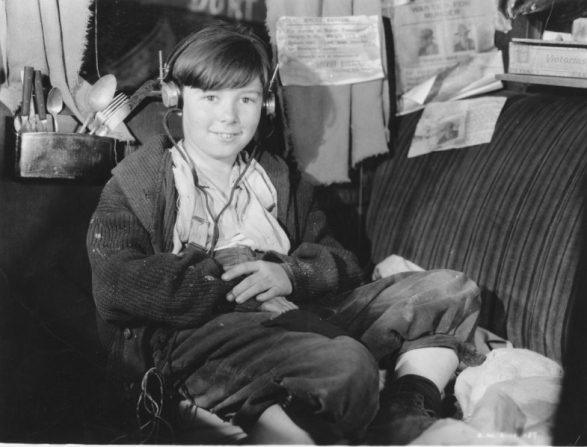
Mini-Review: Broken (2012)

This is a review that was originally posted in a Mini-Review Round-Up. As of this writing Broken can be streamed on Tubi, Pluto, and Plex.

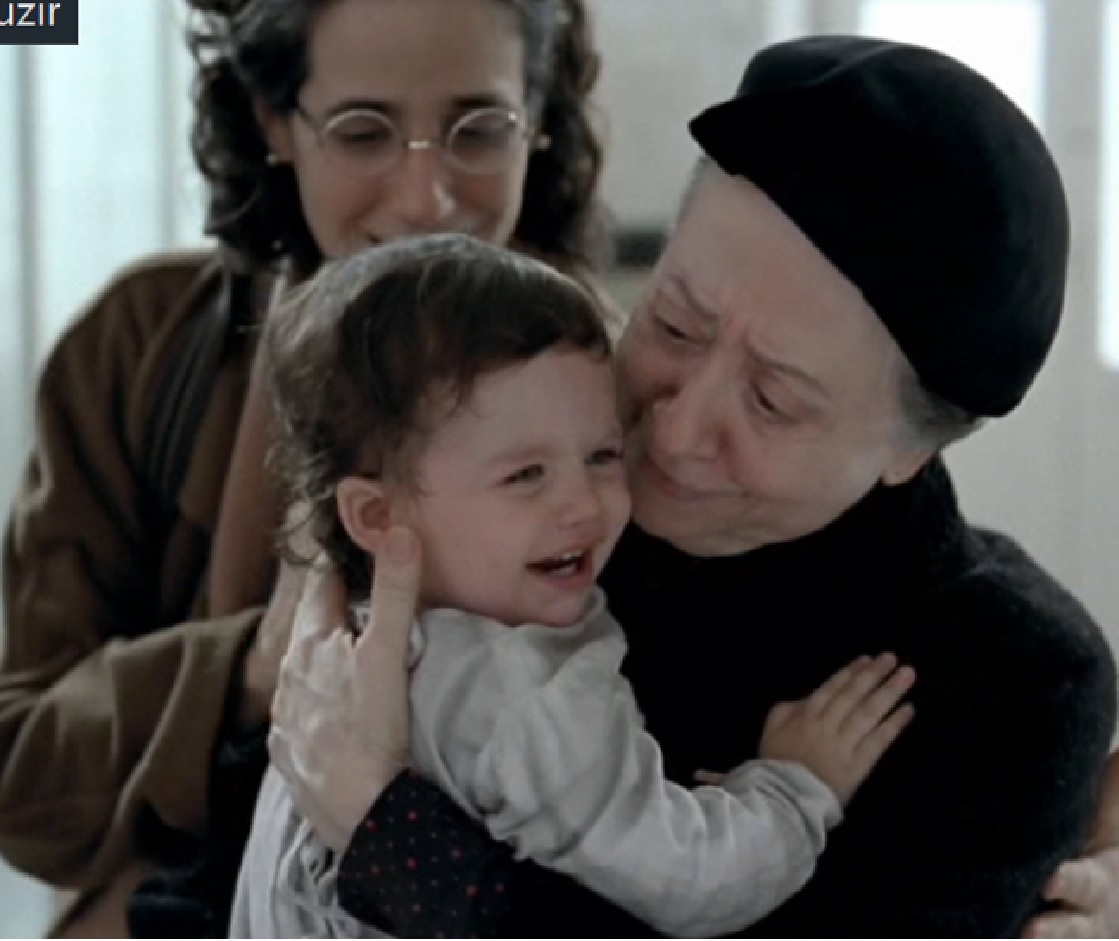
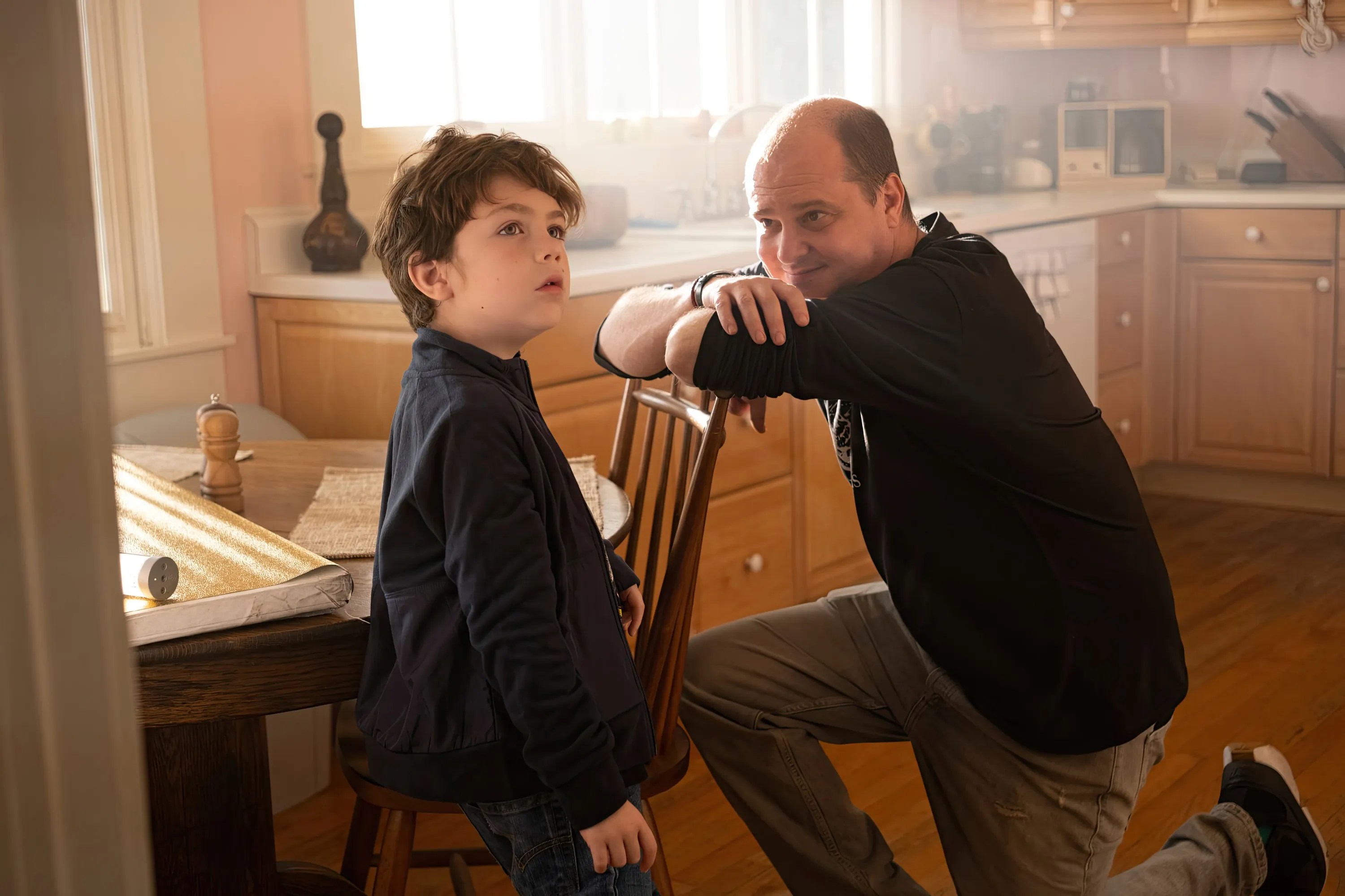
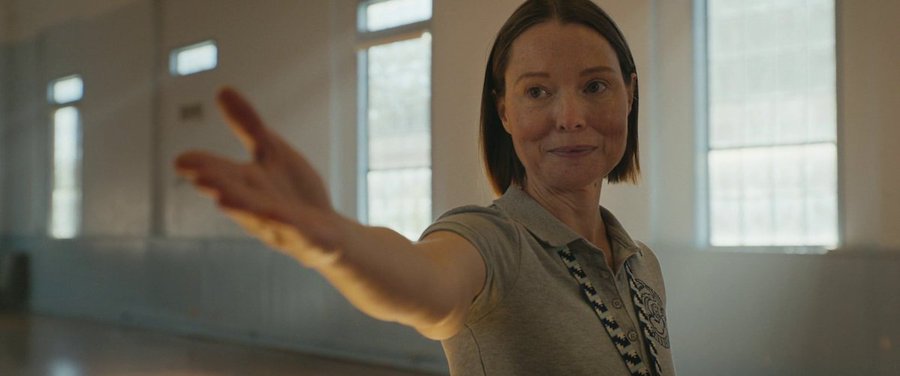
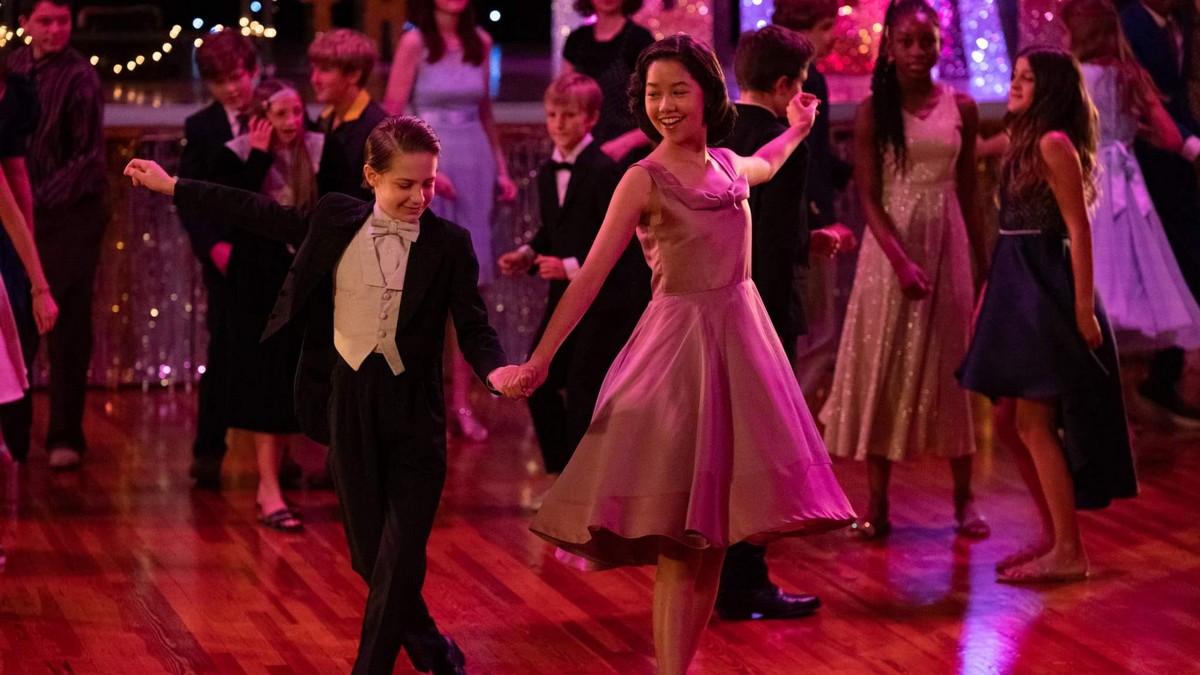
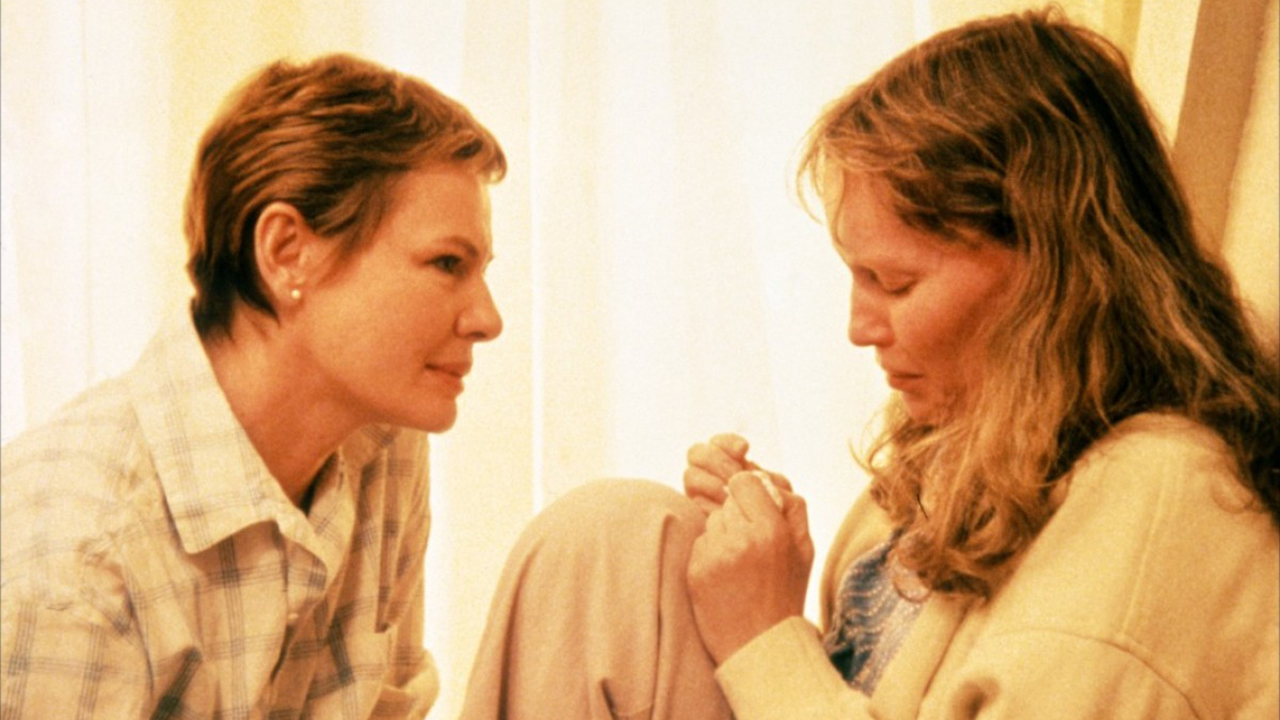
This is a film that, aside from being the opening selection during Critics’ Week at Cannes and winning the Grand Prix at the Odessa Film Festival, was also nominated for nine British Independent Film Awards, A European Film Award and two awards at the London Film Festival; so it made a bit of hay that made me intrigued to see it.

I am glad to say that after all that hullabaloo I was not let down in the least, quite the opposite; Broken is the first great new film of the year that I’ve had the pleasure of watching. It’s an intricately told and layered tale that with many narrative threads, characters crossing paths, that could get trite, but is instead invigorating and riveting.

There are frames within the film and excellent persistent use of cross-cutting that acutely accesses the proper emotional tenor that is sought, which finds the commonality in these characters so frequently at odds. In certain ways, it’s like an externalized version of We Need to Talk About Kevin, in terms of the way it’s cut together and how the actors have to truly use the edit to great affect.

It’s what I like to term a “collision course narrative,” which is a tale wherein there’s a suspenseful foreboding to the meeting of certain events that you feel, and it’s perhaps the best example of such I’ve seen. It’s also a film that starts strong and never really lets go. 

Watch Broken, it is an absolutely exquisite piece of cinema.

2024 BAM Award Nominations

In keeping to my pattern of previous years, I have kept in step with the Oscars (announcing nominations one day later). The delays in the announcement have, of course, been understandable due to the devastating wildfires across Los Angeles County. If you’re looking for a way to aid in the recovery effort, here’s just a small list of resources. Every little bit helps.

With no graceful way to segue, so on to some notes then nominations.

Please note that some films from last Awards’ Season are included due to their nationwide release date.

As always they were difficult to decide upon. Best Score always proves most difficult with such diversity of style and disparate aims of music. If you use Apple music you can listen to all the scores that were in serious contention in my playlist where I listened to them repeatedly.

Categories marked Not Awarded are ones I wanted to include but they didn’t have enough contenders.

As usual I will provide further insight when I announce the winners.

Without further ado the nominations…

Best Picture

American Fiction

Dìdi

Dune: Part Two

Furiosa: A Mad Max Saga

I Saw the TV Glow

Longlegs

Nosferatu

Problemista

The Substance

The Wait (La Espera)

Best Foreign Language Film

Not awarded.

Most Overlooked Picture

Drive-Away Dolls

Problemista

Rumours

The Wait (La Espera)

We Grown Now

Best Director

Robert Eggers Nosferatu

Coralie Fargeat The Substance

Cord Jefferson American Fiction

Julio Torres Problemista

Denis Villeneuve Dune: Part Two

Best Performance by a Female Actor in a Leading Role

Cynthia Erivo Wicked

Lily-Rose Depp Nosferatu

Julia Louis-Dreyfus Tuesday

Demi Moore The Substance

Emma Stone Poor Things

Tilda Swinton Problemista

Best Performance by a Male Actor in a Leading Role

Timothée Chalamet A Complete Unknown

Victor Clavijo The Wait (La Espera)

Ralph Fiennes Conclave

Hugh Grant Heretic

Nicholas Hoult Nosferatu

Justice Smith I Saw the TV Glow

Best Performance by a Female Actor in a Supporting Role

Sônia Braga The First Omen

Michelle Buteau Babes

Joan Chen Dìdi

Ariana Grande Wicked

Isabella Rossellini Conclave

Alicia Witt Longlegs

Best Performance by a Male Actor in a Supporting Role

Sterling K. Brown American Fiction

Nicolas Cage Longlegs

Willem Dafoe Nosferatu

Dennis Quaid The Substance

Mark Ruffalo Poor Things

Christopher Walken Dune: Part Two

Best Performance by a Young Female Actor in a Leading Role

Pyper Braun Imaginary

Cailey Fleming IF

Ariella Glaser White Bird

Beatrice Schneider The Best Christmas Pageant Ever

Mia SwamiNathan Sight

Alisha Weir Abigail

Best Performance by a Young Male Actor in a Leading Role 

Luke David Blumm Lost on a Mountain in Maine

Federico Ielapi Cabrini

Homer Janson Nutcrackers

Izaac Wang Dìdi

Orlando Schwerdt White Bird

Rupert Turnbull Daddy’s Head

Best Performance by a Young Female Actor in a Supporting Role

Madsyn Barnes We Grown Now

Valeria Lamm The Hole in the Fence (El hoyo en la cerca)

Alix West Lefler Speak No Evil

Mahaela Park Dìdi

Molly Belle Wright The Best Christmas Pageant Ever

Best Performance by a Young Male Actor in a Supporting Role

Bryce Gheisar White Bird

Maxwell Jenkins Arcadian

Griffin Wallace Henkel Lost on a Mountain in Maine

Mason D Nelligan The Best Christmas Pageant Ever

Moisés Ruiz The Wait (La Espera)

Ben Wang Sight

Best Cast

Ralph Fiennes, Stanley Tucci, Isabella Rossellini, Brían F. O’Byrne, Sergio Catellito, Carlos Diehz, Lucian Msamati, Jacek Koman, Rony Kramer, Valerio Da Silva, Joseph Mydell, Vincenzo Failla, Garrick Hagon, Merab Ninidze, Mahdav Sharma Conclave

Adam Driver, Giancarlo Esposito, Nathalie Emmanuel, Aubrey Plaza, Shia LaBeouf, Jon Voight, Laurence Fishburne, Talia Shire, Jason Schwartzman, Kathryn Hunter, Grace VanderWaal, Chloe Fineman, etc.  Megalopolis

Lily-Rose Depp, Nicholas Hoult, Bill Skargård, Aaron Taylor-Johnson, Willem Dafoe, Emma Corrin, Ralph Ineson, and Simon McBurney Nosferatu

Cynthia Erivo, Ariana Grande, Jeff Goldblum, Michelle Yeoh, Jonathan Bailey, Ethan Slater, Marissa Bode, Peter Dinklage, Bowen Yang, Bronwyn James, Aaron Teoh, Shaun Prendergast Wicked

Christian Friedel, Sandra Hüller, Johann Karthaus, Luis Noah Witte, Nele Ahrensmeier, Lilli Falk, Anastazja Drobniak, Cecylia Pekala, and Max Beck The Zone of Interest

Best Youth Ensemble

Kynlee Heiman, Sebastian Billingsley-Rodriguez, Wyatt Dewar, Matthew Lamb, Owen Mathison, Ewan Matthis-Wood, Essek Moore, Laurelei Olivia Mote, Mason D Nelligan, and Isla Verot The Best Christmas Pageant Ever

Valeria Lamm, Lucciano Kurti, Yuba Ortega, Santiago Barajas, Eric David Walker, Giovanni Conconi, Adolfo Osorio, etc. The Hole in the Fence (El hoyo en la cerca)

Mason Thames, Rafael Alejandro, and Ramon Reed Incoming

Blake Cameron James, RJ Lewis, Gian Knight Ramirez, Madsyn Barnes, and Giovani Chambers We Grown Now

Ariella Glaser, Orlando Schwerdt, Bryce Gheisar, Selma Keymakci, Jordan Cramond, Jem Matthews,and Mia Kadlecova White Bird

Best Documentary

Not Awarded

Best Original Screenplay

Francis Ford Coppola Megalopolis

Coralie Fargeat The Substance

JT Mollner Strange Darling

Jane Schoenbrun I Saw the TV Glow

Julio Torres Problemista

Best Adapted Screenplay

Robert Eggers, Patrick Galeen, Bram Stoker Nosferatu

Cord Jefferson, Percival Everett American Fiction

Peter Straughan, Robert Harris Conclave

Denis Villeneuve, Jon Spaihts, Frank Herbert Dune: Part Two

James Watkins, Christian Tafdrup, Mads Tafdrup Speak No Evil

Best Original Score

Volker Bertelmann Conclave

Robin Carolan Nosferatu

Raffertie The Substance

Robert Ouyang Rusli Problemista

Hans Zimmer Dune: Part Two

Best Editing

Jérôme Eltabet, Coralie Fargeat, Valentin Féron The Substance

Nick Emerson Conclave

Louise Ford Nosferatu

Sofi Marshall I Saw the TV Glow

Joe Walker Dune: Part Two

Best Sound Editing/Mixing

Brian Berger, Lawrence He, Jessica Tresidder, et al. Arcadian

James Ashton, Laure Montagnol, Jessica Meir et al. Furiosa: A Mad Max Saga

Dave Whitehead, Chris Terhune, Jeff Sawyer, Matt Stutter, Michael Babcock, Lee Gilmore, et al. Dune: Part Two

Michael Fentum, Anna-Agata Denzenova, Samir Foco, Mariusz Glabinski, Steve Little et al. Nosferatu

Martín Hernández, Charles Maynes, John Nathans, Alejandro Quevedo, Roland N. Thai et al. Terrifier 3

Best Cinematography

Jarin Blaschke Nosferatu

Stéphane Fontaine Conclave

Greig Fraser Dune: Part Two

Robbie Ryan Poor Things

Miguel Ángel Mora, Raúl Lavado Verdú The Wait (La Espera)

Best Art Direction

Craig Lathrop Nosferatu

Beth Mickle, Bradley Rubin Megalopolis

Stanislas Reydellet The Substance

Danny Vermette Longlegs

Patrice Vermette Dune: Part Two

Best Costume Design

Jenny Beavan Furiosa: A Mad Max Saga

Milena Canonero Megalopolis

Linda Muir, David Schwed Nosferatu

Paul Tazewell Wicked

Jaqueline West Dune: Part Two

Best Hair and Makeup

A Different Man

Longlegs

Nosferatu

The Substance

Wicked

Best Visual Effects

Alien: Romulus

Dune: Part Two

Megalopolis

Poor Things

Wicked

Best Soundtrack

Deadpool & Wolverine

Drive-Away Dolls

My Spy: The Eternal City

Red One

Y2K

Best Song

“Huele a Fraude” OHYUNG & STEFA* Problemista

“Harper and Will Go West” Kristin Wiig Harper & Will

“Song to Woody” Timothée Chalamet A Complete Unknown

“Kaawaa Kaawaa” Sachway Sachdev, Sudir Yaduvanshi, Sanj V Kill

“I Was Made For Lovin’ You” YUNGBLUD The Fall Guy

Robert Downey, Jr. Entertainer of the Year Award

TBA

Ingmar Bergman Lifetime Achievement Award

TBA

Neutron Star Award

TBA

Special Jury Awards

TBA

2023 BAM Award Nominations

It’s that time of year again, following yesterday’s Oscar Nomination announcement I announce my own personal BAM Awards. Being an academy of one only things I see can qualify and some titles are eligible for the BAMs a year after being eligible for the Oscars, due to what the wide release date is. To see what was eligible for this year’s BAMs please reference my list on Letterboxd.

The winners will be announced in March and each category will have an accompanying writeup. As is usually the case the nomination process was painstaking and was longer and more difficult than the writeup process should be. Enjoy those who made the year in moviegoing most worthwhile.

Best Picture

Anatomy of a Fall

Barbie

Close

Godzilla Minus One

The Holdovers

Huesera

Killers of the Flower Moon

Oppenheimer

Softie

When Evil Lurks

Best Foreign Film

Anatomy of a Fall

Close

Gozilla Minus One

Softie

When Evil Lurks 

Most Overlooked Picture

Aristotle and Dante Discover the Secrets of the Universe 

Next Goal Wins

Silent Night

What Happens Later

You Hurt My Feelings

Best Director

Lukas Dhont Close

Greta Gerwig Barbie

Martin Scorsese Killers of the Flower Moon

Justine Triet Anatomy of a Fall

Takashi Yamazaki Godzilla Minus One

Best Actress

Margot Robbie Barbie

Jane Fonda Moving On

Meg Ryan What Happens Later

Lily Gladstone Killers of the Flower Moon

Sandra Hüller Anatomy of a Fall

Best Actor

Dave Bautista A Knock at the Cabin

Leonardo DiCaprio Killers of the Flower Moon

Paul Giamatti The Holdovers 

Barry Keoghan Saltburn

Cillian Murphy Oppenheimer

Best Supporting Actress

Emily Blunt Oppenheimer

America Ferrera Barbie

Da’vine Joy Randolph The Holdovers

Lily Tomlin Moving On

Michaela Watkins You Hurt My Feelings

Best Supporting Actor

Robert De Niro Killers of the Flower Moon

Robert Downey, Jr. Oppenheimer

Ryan Gosling Barbie

Matthew Lillard Five Nights at Freddy’s

Jimmy Tatro Theater Camp

Best Cast

Margot Robbie, Issa Rae, Kate McKinnon, Alexandra Shipp, Emma Mackey, Hari Nef, Sharon Rooney, Ana Cruz Kayne, Ritu Arya, Dua Lipa, Nicola Coughlan, Emerald Fennell, Ryan Gosling, Simu Li, Kingsley Ben-Adir, Ncuit Gatwa, Scott Evans, John Cena, Michael Cera, America Ferrera, Ariana Greenblatt, Rhea Perlman, Helen Mirren, and Will Ferrell Barbie 

Keri Russell, Alden Ehrenreich, O’Shea Jackson Jr., Ray Liotta, Isiah Whitlock Jr., Brooklynn Prince, Christian Convery, Margo Martindale, Jesse Tyler Ferguson, Kristoffer Hivju, Hannah Hoekstra, Ayoola Smart, Aaron Holliday, J.B. Moore, Leo Hannah, Kahyun Kim, Scott Seis, Matthew Rhys, Shanel Connellan, and Conor Lambert Cocaine Bear

Courteney Cox, Melissa Barrera, Jenna Ortega, Jasmin Savoy Brown, Mason Gooding, Skeet Ulrich, Roger Jackson, Dermot Mulroney, Jack Champion, Josh Segarra, Lianna Liberato, Devyn Nekoda, Hayden Panettiere, Toby Revolori, and Samara Weaving Scream VI

Cilliam Murphy, Emily Blunt, Robert Downey, Jr., Aldren Ehrenreich, Scott Grimes, Jason Clarke, Kurt Koehler, Tony Goldwyn, John Gowans, Macon Blair, James D’Arcy, Kenneth Branagh, Harry Groener, Ted King, Tim DeKay, Steven Houska, Tom Conti, David Krumholtz, Petrie Willink, Matthia Scweighöfer, Josh Hartnett, Alex Wolff, Josh Zukerman, Rory Keane, Michael Angarano, Dylan Arnold, Emma Dumon, Florence Pugh, Matthew Modine, David Dastmalchian, Matt Damon, Dane DeHaan, Josh Peck, Jack Quaid, Bennie Safdie, Gustad Skarsgård, Devon Bostick, Rami Malek, Olivia Trilby, Casey Affleck, Harrison Gilbertson, Gary Oldman, Hap Lawrence, Et al. Oppenheimer

Leonardo DiCaprio, Robert De Niro, Lily Gladstone, Jesse Plemons, Tantoo Cardinal, John Lithgow, Cara Jade Myers, JaNae Collins, Jillian Dion, Jason Isbell, William Belleau Louis Cancelmi, Scott Shepherd, Everett Walker, Talee Redcorn, Yancey Red Corn, Tatanka Means, Tommy Schultz, Sturgill Simpson, Ty Mitchell, Elden Hensen, Et al. Killers of the Flower Moon

Best Performance by a Young Actress in a Leading Role

Kristen Cui Knock at the Cabin

Nell Fisher Evil Dead Rise

McKenna Grace Crater

Calah Lane Wonka

Violet McGraw M3gan

Madeleine Yula Voyles The Creator

Best Performance by a Young Actor in a Leading Role
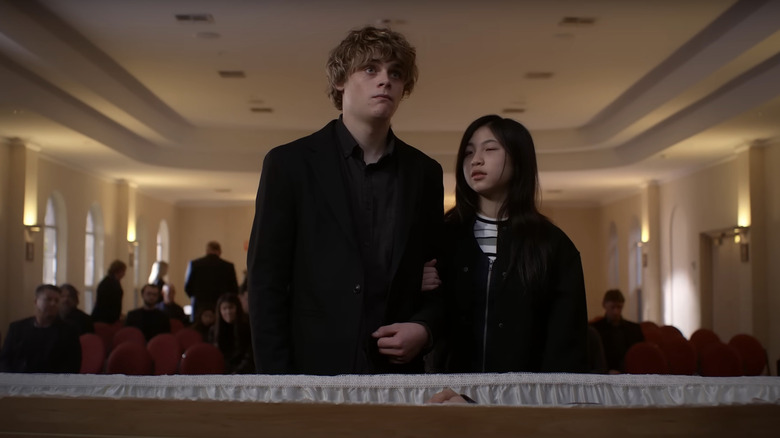
Billy Barratt Crater

Eden Dambrine Close

Milo Machado Graner Anatomy of a Fall

Woody Norman Cobweb

Manny Magnus World’s Best

Aliocha Reinert Softie

Best Performance by a Young Actress in a Supporting Role
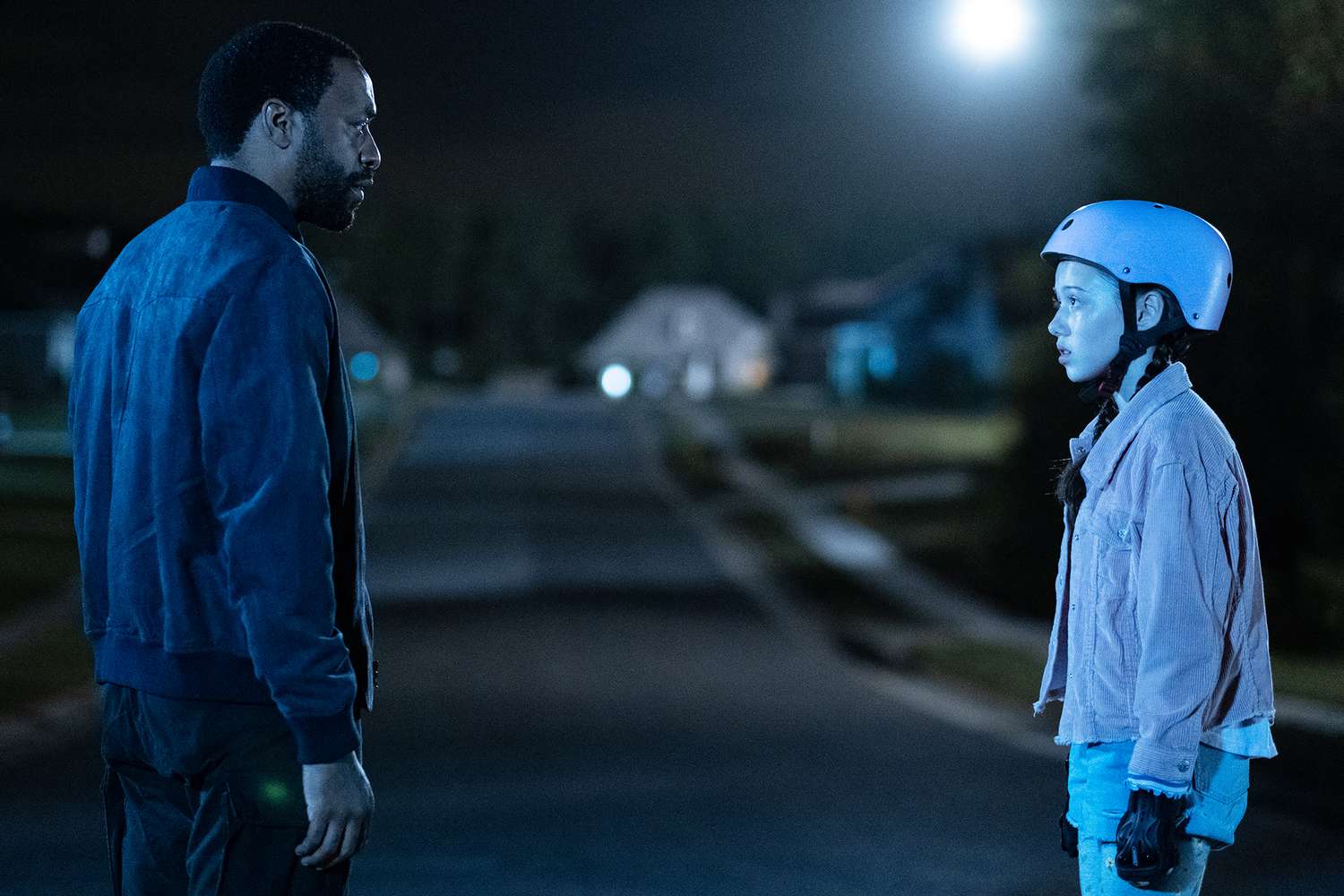
Farrah Mackenzie Leave the World Behind

Brooklynn Prince Cocaine Bear

Piper Rubio Five Nights at Freddy’s

Gabrielle Echols Evil Dead Rise

Ariana Greenblatt Barbie

Briella Guiza There’s Something Wrong with the Children

Best Performance by a Young Actor in a Supporting Role
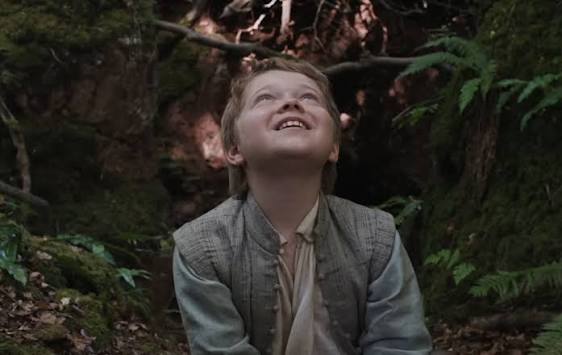
Benjamin Evan Ainsworth All Fun and Games 

Morgan Davies Evil Dead Rise

Gustav De Waele Close

Jude Hill A Haunting in Venice

Woody Norman The Last Voyage of the Demeter

Emilio Vodanovich When Evil Lurks

Best Youth Ensemble

Bailee Bonick, Kyndra Sanchez, Donovan Colan, Vivienne Sachs, Alan Kim, Alexander Bello, Luke Islam, Jack Sobolewski, Dean Scott Vazquez, Quinn Titcomb, Madisen Marie Llora Theater Camp 

Isaiah Russell-Bailey, McKenna Grace, Barratt, Orson Hong, Thomas Boyce, Hero Hunter, Carson Minniear, Brady Noon Crater

Gabrielle Echols, Nell Fisher, Morgan Davies, Tai Wano Evil Dead Rise

Winslow Fegley, Deric McCabe, Clara Stack, Ayden Elijah, Imogen Cohen, Anthony Joo, Cihang Ma, Madilyn Kellam, Camila Rodriguez, Liyou Abere The Naughty Nine

Best Documentary

Not awarded.

Best Original Screenplay

Lukas Dhont, Angelo Tijssens Close

Emerald Fennell Saltburn

Demián Rugna When Evil Lurks

Samuel Theis, Gaëlle Macé Softie

Justine Triet, Arthur Harari Anatomy of a Fall

Best Adapted Screenplay

Greta Gerwig, Noah Baumbach Barbie

Kirk Lynn, Meg Ryan, Steven Dietz What Happens Later

Christopher Nolan, Kai Bird, Martin Sherwin Oppenheimer

Eric Roth, Martin Scorsese, David Grann Killers of the Flower Moon

M. Night Shyamalan, Steve Desmond, Paul Tremblay Knock at the Cabin

Best Score

Ludwig Göransson Oppenheimer

Mark Mothersbaugh Cocaine Bear             

Daniel Pemberton Spider-Man: Across the Spider-Verse 

Robbie Robertson Killers of the Flower Moon

John Williams Indiana Jones and the Dial of Destiny

Best Editing

Kristoffer Borgli Dream Scenario

Alain Dessauvage Close

Jack Price It Lives Inside

Lauret Sénéchal Anatomy of a Fall

Thelma Schoonmaker Killers of the Flower Moon

Best Sound Editing/Mixing

Erik Aadahl, Malte Bieler The Creator

Emma Bortignon Talk to Me

Nominees to be Determined Godzilla Minus One

Wei Hi, Nick Interlandi, Mark P. Stoeckinger, Roland N. Thai Silent Night

Richard King, Randy Torres Oppenheimer

Best Cinematography

Steve Annis Inside

Sharon Meir Silent Night

Hoyte van Hoytema Oppenheimer

Rodrigo Prieto Killers of the Flower Moon

Robert Richardson The Equalizer 3

Linus Sandgren Saltburn

Best Art Direction

Toby Britton, Gavin Fitch, Nic Pallace Wonka

Andrew Max Cahn, Dan Clegg, Clara Gomez del Moral Barbie

Andreas Olshausen, Chris Shriver, Régis Marduel, Et al. John Wick: Chapter 4

Nominees to be Determined. Godzilla Minus One

Best Costume Design

Jacqueline Durran Barbie

Lindy Hemming Wonka

Joanna Johnston Indiana Jones and the Dial of Destiny

Jeffrey Kurland Haunted Mansion

Jacquelin West Killers of the Flower Moon

Best Hair and Makeup

Sally Alcott, Robb Crafer, David Darby, Carmel Jackson, Alex Lawton, John Nolan Wonka

Ozzy Alvarez, Malinalli Contreras Saw X

Rita Balla, Svetlana Gutic, Dominic Hailstone, Daniel Losco Infinity Pool

Colin Penman, Indiana Allemang, Tori Binns, Jenna Howel, Shaun Hunter, Steve Newburn Dream Scenario

Leonardo Signoretti, Aldo Signoretti, Arianna Palmucci, Federico Martellacci, Shaun Smith, Brian Wade, Schott Wheeler Ferrari

Best Visual Effects

The Creator

Cocaine Bear

Godzilla Minus One

The Last Voyage of the Demeter

Oppenheimer

Best Soundtrack

Blue Beetle

Guardians of the Galaxy Vol. 3

Saltburn

Teenage Mutant Ninja Turtles: Mutant Mayhem

John Wick: Chapter 4

Best Original Song

“World’s Best” Utkarsh Ambudkar & Manny Magnus World’s Best

“Peaches” Jack Black Super Mario Brothers

“Wahzhazhe (A Song for My People) Osage Nation members Killers of the Flower Moon

“A Hatful of Dreams” Timothée Chalamet & the cast of Wonka 

“I’m Just Ken” Ryan Gosling Barbie

Robert Downey, Jr. Entertainer of the Year Award

To be announced.


Ingmar Bergman Lifetime Achievement Award

To be announced.


Neutron Star Award

To be announced.


Special Jury Awards

To be announced.

Short Film Saturday: The Birth of the Goalie of the 2001 F.A. Cup Final

Mike Leigh’s improvisational filmmaking style did not come to him out of thin air. It was developed and one way in which he did is through short films. This one movies and tells a simple story quickly and economically. Here is Open Culture’s take:

The short, which consists of ten vignettes spanning a half-dozen years, is about a couple deciding whether or not to have a baby. The nameless bloke repeatedly asks his reluctant partner, “Wouldn’t it be great to have a kid?” At the end of the movie, he’s kicking the ball around with his young son. The end. It is almost as if Leigh wanted to see how little backstory and character psychology he could get away with.


Summer Reading Classic Film Book Challenge: They Still Call Me Junior by Frank Coghlan, Jr.

In 2009 Frank Coghlan, better known by his screen name Junior Coghlan, died. At that time I wrote an In Memoriam for him on the Site That Shall Not Be Named. Owing to the fact that I was looking for new material, and obits tend to be topical, I never re-published it here on The Movie Rat.

Adventures of Captain Marvel (1941, Republic Pictures)

It seems appropriate to do so now as it makes a perfect jumping off point for discussing this book:

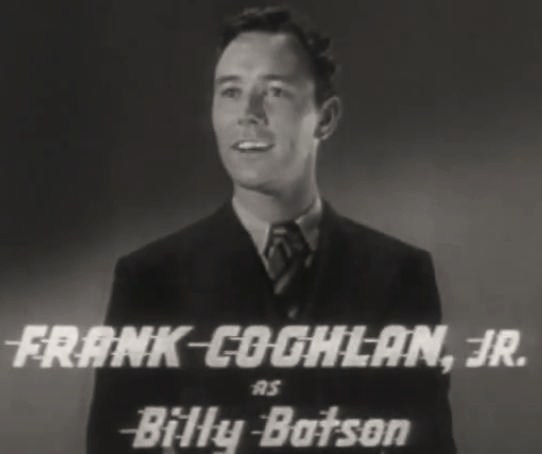
Frank Coghlan Jr., who was a child actor in the silent film era passed away quietly last month of natural causes at the ripe old age of 93. He was the kid who brought the phrase “Shazam!” into the American consciousness and played Captain Marvel later on in a serial, the pre-transformation Captain Marvel.

He started at the age of three appearing in a Western serial called Daredevil Jack. He was typically credited as Junior Coghlan and left his mark indelibly in this chapter play Bruce Goldstein, Director of Repertory Programming at New York’s world famous Film Forum lauds it “It’s considered by many aficionados as the best cliffhanger serial of all time,” and continues saying “What a great fantasy for kids: a kid who turns into a superhero.”

Leonard Maltin puts Coghlan’s place in history further in perspective by saying “If you went to the movies in those days, you couldn’t help but know him, even though he was never a major star,” which, of course, places his importance in as much as he made up the tapestry of cinema when films and movie stars whether A-List or not where a part of American culture and something everyone was well versed in.

In 1925 legendary director/producer Cecil B. DeMille signed him to a five-year deal on the strength of his publicity stills. Another small yet important role he had was as the young James Cagney in Public Enemy.

Yet it is Captain Marvel and “Shazam!” for which he is most remembered. For many who toil and seek a serious dramatic career a singular, ubiquitous role, one to which they are always associated can be a burden and later on even a regret and something they seek to forget. Coghlan frequented conventions and seminars in his later years and was always pleased when people recognized him or came to see him. So appreciative was that according to Leonard Maltin he even personalized his license plate to read “Shazam.”

Some people in entertainment don’t realize their good fortune and look a gift horse in the mouth. Frank Coghlan, Jr. was not one of those people and now left with only memories of classic film moments it is we, the film fans, who didn’t know how lucky we were.

Rubber Tires

I cannot say for certain how many of his films I had seen at that point. The Adventures of Captain Marvel was definitely one of them. While in my limited experience I can’t say I agree about it being the very best serial, it is a superlative one. I was impelled to write that obit based on the one the New York Times wrote for him. It was touching to me that he still held that experience dear rather than feeling embittered that he was still identified by that work no matter where life took him.

Since then I have seen quite a few more Coghlan films, and may see more yet. Some of these include titles from when he really was a kid, as he was in his twenties when he made The Adventures of Captain Marvel. I liked him as a performer, and still with that obit in mind I was curious to read his biography.

Like many books and films do it languished on my Amazon Wish List for years. Due to this blogathon, I returned to Amazon resorted the used offers and found a cheap one.

Junior Coghlan

Even more so than with prior reviews in this blogathon I do not want to spoil the surprises in store in this book. There are 76 chapters, most of them quite short, wherein Junior regales you with stories in  what sounds simply like him speaking (as promised in the introduction by William C. Cline). He tells tales from sets, his home life, of other stars, of friendships, transitioning to sound, secrets of the silents, how he continued to work around films, Navy life, family life, other work, and more.

Ultimately, this book, published when he was 74, reinforced that warm and fuzzy feeling that I got reading about how fond he was of his most famous work. Not that he sugarcoats things, or doesn’t relate some sadness, but none of it was a horror story and lamenting the Hollywood system.

Now, while Junior did know Jackie Cooper and Mickey Rooney, in young actor terms he was a generation older so maybe not being pre-pubescent during the Depression and not in a big studio helped, but he still made it OK and recognizes it. Like Ingrid Bergman whom I just wrote, about he freelanced after a five-year deal and in the studio era that’s unusual.

Junior Coghlan (BFI)

There is much to like here, and much to learn, as with any autobiography, or work on film, you won’t agree with 100% of the opinions espoused but it is an interesting, fact-filled journey with a handy, lengthy filmography that should help you track down titles.

It’s very enjoyable overall and worth looking for if interested.

Summer Reading Classic Film Book Challenge: Images: My Life in Film by Ingmar Bergman

Introduction

This is my latest post (third overall) for the Summer Reading Classic Film Book Challenge hosted by Out of the Past. This book fits in as a biographical/filmographic account, as Bergman speaks of the films he made from 1946 to around 1986.

Bergman and Me

Bergman Island (2004, Sveriges Television)

In my second post in this series I chronicled my history with the films of Bergman. With that in mind I was very glad that this is the autobiographical Bergman account I chose to read first rather than The Magic Lantern. When making that decision it was based solely on the fact that Images was published at a later date and therefore would include a few more works.

As it turned out, that was a good thought on a few accounts. One of which was the fact that with further hindsight, and reviewing of his own work, Bergman was able to have more distance between the present day (of when this was written) and production. Therefore, his mind changed for the better, for worse, or he had more clarity on why certain things worked or didn’t work. Furthermore, there were citations from The Magic Lantern used as jumping off points. This may be tiresome for one who read that book but was helpful here.

Clearly the most illuminating to me were the excerpts of texts from his workbooks where he’s literally dissecting his own process from abstract notes you can either clearly see how the film developed, or are let marveling at the genius that he was able to to take something rather obfuscated and turn it into concrete emotion and a visual reality that exudes the intended visceral reactions and ideas.

Fanny and Alexander (1982, Svensk Filmindustri)

The very formation of this account is one that’s fascinating. It started with what was going to be another interview book like Bergman on Bergman with interviews conducted by Lasse Bergström, Bergström then deleted his questions and Bergman edited the text. The filmography section, which was crucial in the days before the IMDb, and handy because of the plot synopses they at times contained, was compiled by Bertil Wredlund.

The film is also very interestingly organized as the films are grouped not chronologically so much as thematically. The sections within are:

Dreams and Dreamers

The Silence (1963)

(Wild Strawberries, Winter Light, Hour of the Wolf, Persona, Face to Face, The Touch, Cries and Whispers, and The Silence)

This section ends with Bergman talking about why he went into self-imposed exile amidst tax evasion allegations that were eventually deemed meritless, then it transitions back to the beginning with-

First Movies

Port of Call (1948)

(Torment, Crisis, It Rains on Our Love, A Ship Bound for India, Music in Darkness a.k.a. Night is My Future, Port of Call, The Devil’s Wanton a.k.a Prison, and Thirst)

This section starts with him in the script department of Svensk Filmindustri then writing scripts and finally directing. It also interestingly discusses his stint as script supervisor (“script girl” as it was frequently called back then), for the first screenplay he wrote. He humorously admits to not being good at it, it’s an important job, and parenthetically, I wasn’t very good at it myself.

Jests Jesters

The Serpent's Egg (1977)

(The Magician, The Rite, Sawdust and Tinsel, The Serpent’s Egg, From the Life of Marionettes, Scenes From a Marriage, and After the Rehearsal)

In this section Bergman not only discusses his years out of Sweden but also ties that in with the themes of jesters and traveling entertainers, and puppets which were omnipresent in his work but prevalent in these films

Miscreance Credence

The Seventh Seal (1957)

(The Seventh Seal, Through a Glass Darkly, The Virgin Spring, and Winter Light)

In this section the discussion at times runs together because of the religious themes that connect them all.

Other Films

Autumn Sonata (1978)

(To Joy, This Can’t Happen Here, Summer Interlude, Waiting WomenSummer with Monika, Shame, The Passion of Anna, Brink of Life, and Autumn Sonata)

While the title of this section is a bit uninspired it does talk of actors in general segues to the discussion on Autumn Sonata, which I will dedicate excruciating detail to in an upcoming blogathon.

Farces Frolics

Fanny and Alexander (1983, Svensk Filmindustri)

(some commentary on Waiting Women, A Lesson in Love, Smiles of a Summer Night, The Devil’s Eye, The Magic Flute, and Fanny and Alexander)

Herein he discusses his struggles with comedy in general and his repeated ventures (yes, there were a few) into the genre. In addition to that there is discussion on how Fanny and Alexander in many ways was born of the influence of both E.T.A. Hoffman and Dickens.

Anecdotal Awe

The Passion of Anna (1969)

Note: If you want to go into the book knowing as little as possible bypass this section.

Sure there are wide-ranging insights into his process, life, development, and art in general, but for me (as I’m sure is the case with many of us) the greatest thing is the little insights. Things I never knew that aren’t earth-shattering but intriguing, or opinions he has on his work that you don’t share, and those you do.

Some examples of this are: Fanny and Alexander started with different names in his notes, and that he likes the TV version better (as do I). He detested The Devil’s Eye, and working on it; I didn’t like it either and that kind of thing has a tendency to show (like with John Carpenter and Christine). He claims he shouldn’t have included the interviews in the The Passion of Anna.

It is curious that the mention of the The Magic Flute being produced in the Swedish language, and not German, is non-existent. Though reading the whole book, and the section between the lines there are some inferences one can make about this choice.

Ingmar Bergman

Also included are insights into his extensive theatre work, which is fascinating as it helps us understand his day-to-day schedule for many years and also see diferences era and country create. There’s also a mind-blowing explanation of a brief stint in TV commercials (news to me), discussion of his lifelong relationships with the opera, and his work therein; radio (also news to me), and influences including Swedish novelist Hjalmar Bergman (no relation). As with any good work on film it made me want to watch and see more.

A Word on Formatting

Images: My Life in Film (All Rights Reserved)

If interested in reading this book I would advise seeking out a copy in print, even if you’re not a purist. The copy I read on Kindle had some spacing issues, typos in inserting diacritical marks, and captions awkwardly separated from photos. Maybe some of the display issues would be less of a concern if I read it on an iPad or laptop but some of the mistakes would still be there. Having just made a number of these corrections myself in my own books (Plug!) I have a heightened sensitivity to such issues.

Conclusion

Liv Ullmann and Ingmar Bergman

If you are interested in Bergman, or the craft of filmmaking, I would definitely recommend this book. However, I recommend it with a grain of salt, if you’ve not seen any of these Bergman movies you will likely have them spoiled. However, keep in mind there are a few I have not seen due to a lack of availability and that made me more interested in it. So, check this out!

“…And scene!” Blogathon: Persona (1966) The Repeated Scene

Introduction: Fanny, Alexander and the Magic Lantern

Fanny and Alexander (1983, Svensk Filmindustri)

When dealing with a film that Bergman chronicles as being highly personal I feel it is only right that I give it the same treatment when I discuss it here.

There are times when I cannot help but inextricably tie my discovery of a filmmaker, or the genesis of my admiration for them, to the strength of my connection to their work. Which is to say Hitchcock and Bergman, for example, whom I gravitated to without prodding, and of my own volition, hold a more special place in my heart and mind than directors whose greatness I recognize but only found their work after hearing tell of how worthwhile an investment of my time it was and very consciously decided to watch them.

Specifically regarding Bergman, the story of my first viewing is that I decided to take the plunge when I was visiting family in Brazil. I saw a region 0 DVD of Fanny and Alexander on sale and even though to be able to see it I’d really do two translations (hearing Swedish audio, reading Portuguese subtitles and transposing it to English mentally); I went for it anyway.

Fanny and Alexander (1982)

I almost instantly loved the film a great deal and it fast became one of my favorites. I then proceeded to watch whatever Bergman I could from my teenage years through the present. DVDs were upgraded to Blu-rays at times; new-to-me titles acquired blind; repertory screenings at the Film Forum taken in when I was lucky enough to see them; his swan song was viewed the weekend it was released, dominating much of my annual BAM Awards; and then with his passing an honorary award with his name was created, and has a backstory of its own.

Fanny and Alexander (which I also got the box-set for and then viewed all versions, loving the TV version more than the original) was the impetus not only for my admiration but the best example of how I always inherently, nearly by osmosis, attributed to his films the axiom that the emotional truth of them was far more significant than the literal truth of the nearly fictitious “one true, correct meaning.” For it was without noticing really that I virtually never considered the wild conundrum, the paradox really, that exists in the telling of Fanny and Alexander until I revisited it and saw alternate versions.

Thus, when I made it around to Persona, which I believe I first saw as a VHS rental before getting a DVD,  it was one I instantly knew I wanted to come back and dissect. Even though I got the Repeated Scene, and it may not even be my favorite part of the film, I always came back to it.

Persona (1966, Svensk Filmidustri)

When I began my journey with Bergman, much like Alexander watching the images produced by the magic lantern, I was transfixed, as if by a wholly new experience unlike any I’d seen. Through Bergman’s eye the Repeated Scene in Persona was perhaps the most hypnotically dazzling. So here goes …

The Scene

Persona (1966)

For those who have seen the film but would like a refresher here is a YouTube link that works (for now) Those who have not seen it are advised to read carefully and selectively and see it as soon as they can:

https://www.youtube.com/watch?v=OKlloomJujo


The Text

Persona and Shame

Stepping back from the audiovisual image to the script we can look at a few different things.

My need to be current on Bergman has extended a bit beyond films. Be they plays, screenplays, even his novels, I’ve read quite a bit of his work also. Some I took out from the library or photocopied, some I felt impelled to get like the recently republished Persona and Shame screenplays in a single volume.

A few things that become readily apparent when reading the screenplays are:

  • The edit is the final process so certain things are altered or augmented by the editing process. Specific to Persona the doubling, the very repetition of the scene, was a construct of the editing room rather than the initial design. It doesn’t make it any less a calculated decision just one that came to the film when it was deemed necessary. It’s the same reason famed editor Walter Murch would line up stills of the first frame of each scene in grids, not just to get a different look at the project as a whole (in abstract), but it also provided the occasional new idea.
  • As for the text itself, it’s instigated by an action and it gains added weight and significance by the visual treatment of the scene. For as talky as Bergman can appear and be he worked in theatre sufficiently to know very well the delineation and the framing, lighting, and editing were always pivotal as well as the dialogue painting images where the camera could not.

Bergman’s thoughts on the dialogue itself as well as the genesis for his creation of the film will be covered in the next section. What matters here are the basics:

An actress Elisabet Vogler (Liv Ullmann) at the height of her fame and power consciously stops speaking but is just short of a breakdown and nothing is deemed physically or psychologically wrong with her. She and her nurse, Alma (Bibi Andersson), retreat to a country estate while she recovers. As Alma talks to her and observes her they clearly make an impression on one another such that the line that separates one from the other is blurred.

Persona (1966, Svensk Filmindustri)

Also interesting to note, is that this film had a change of shooting locale from Stockholm to Fårö Island that remedied many of the issues Bergman and company perceived when they saw the need for reshoots.

In examining the photo of Elisabet’s son that was Alma concocts a story about who this child in the ripped up photograph is clearly her son, so why is it ripped up? Alma speculates, to put it bluntly and concisely, that he was: the abortion that never happened. However, after the seeming coup de grâce of this judgment Alma reaffirms that she is she and coming up with something. She isn’t Elisabet only she can be.

Then the cycle starts anew. Alma repeats the story from a different point-of-view, in the camera’s view. However, where the tale was not quite complete here it is with Alma struggling against Elisabet invading her mind and soul. The story becomes Elisabet’s and Elisabet becomes Alma.

Persona (1966, Svensk Filmindustri)

The first half of the sequence culminates in the (in)famous double-image of the “bad” side of each of their faces spliced together in one frame.

The transformation is not as literal as it would be in a genre film but for the intents and purposes of this story its just as true and for either character to move on whether recovered or depleted a fracturing needs to occur to get them apart from one another.

Ingmar Bergman’s Perspective in Images: My Life in Film (1995)

Images: My Life in Film (1995, All Rights Reserved)

Many directors bristle at symbolism being imposed on their work or film theorists. And, at times, the bristling is more about that old chestnut of the “one, true version.” When it is quite clear that certain directors like Kubrick invited audiences engaging and refused to define the film for its audience. Therefore, Bergman’s background he gives on the making of the film give you the genesis, what was happening with him and how it shaped him and the story.

It should be noted that right before this he was burning the candle at both ends frequently writing and directing films for Svensk Filmindustri and was then appointed director of the Royal Dramatic Theatre. It was a lot but he thought he could handle it and ultimately chalked it up as so: “That experience was like a blowtorch, forcing a kind of accelerated ripening and maturing.”

After writing, shooting and promoting All These Women, and directing Ibsen’s Hedda Gabler for the stage, his health was waning: fever lead to double pneumonia and acute penicillin poisoning. As he was admitted to Sophiasammet Royal Hospital to recuperate the idea for Persona struck him and he began to work on it “mainly to keep my hand in the creative process.” And in doing so it was a bit freeing in a few different ways.

Persona (1966, Svensk Filmindustri)

With an unmade project canceled, his wondering about the place of theatre in the art world, and himself as an artist; he found a vehicle to express these doubts and pains and channeled it mostly through Elisabet Vogler’s personage. This is an emotional state he accurately encapsulated in what he wrote when he accepted the Dutch Erasmus Prize, an essay entitled “The Snakeskin,” which served as the foreword for the published edition of Persona. That state is rounded out and linked to the film more thoroughly in the book.

What is perhaps most fascinating is that I had not read this book, whole or in part before researching this (only the “Snakeskin” portion in Persona); so there was much information to discover, and it’s always interesting to glean insights into an artist’s creative process, but more illuminating that that is the fact that much of this story and truth is translated to the screen without overt underlining. It’s there, you feel it, and it either affects you or it does not but it’s there for you to see. Bergman’s art is not unlike his philosophy on why he is an artist:

“This, and only this, is my truth. I don’t ask that it be true for anybody else, and as solace for eternity it’s obviously rather slim pickings, but as a foundation for artistic activity for a few more years it is in fact enough, at least for me.”


Persona (1966, Svensk Filmindustri)

In his notes Bergman has not only poetics about his creative crisis and things that are implied by the film like “The conception of time is suspended,” and most importantly “Something simply happens without anyone asking how it happens.” Yet there is also the key to the emotional heart of the film, which is right there in the film itself:

Then I felt every inflection of my voice, every word in my mouth, was a lie, a play whose sole purpose was to cover the emptiness and boredom. There was only one way I could avoid a state of despair and a breakdown. To be silent. And to reach behind the silence for clarity or at least to try to collect resources that might still be available to me.
Here, in the diary of Mrs. Vogler, lies the foundation of Persona.

It’s interesting to note here that Bergman, as he himself notes has named a character Vogler before such as in “The Magician —with another silent Vogler in the center — is a playful approach to the question.” The name would then pop up in later films. The usage of silence, one of the quintessential traits of cinema that separates it from the stage, is also strongly present in this title as well as others by Bergman including the appropriately titles The Silence which features hardly any spoken dialogue.

Persona (1966, Svensk Filmindustri)

About the Repeated Scene specifically he writes in his book:

“…Suddenly they exchange personalities.”

“They sit across from each other, they speak to each other with inflections of voice and gestures, they insult, they torment, they hurt one another, they laugh and play. It is a mirror scene.
The confrontation is a monologue that has been doubled. The monologue comes, so to speak, from two directions, first from Elisabet Vogler, then from Alma.”

“We then agreed to keep half their faces in complete darkness — there wouldn’t even be any leveling light.”

Leveling light here refers to fill light, which is any light that would be aimed at the darker side of an actor’s face to lessen the contrast ratio. In keeping the highlight normal and the fill side very underexposed there is an inherent additional disquiet added to the viewership of the scene combine that with the editing tactics, then the unconventional treatment of the dual dialogue, including some jump cuts, and there is a crescendo to climax that is fairly universal even if the beats are more subsumed and the conflicts more internalized than in a standard, conventionally structured and told film. Upon seeing rushes of the scene edited Bibi Andersson and Liv Ullmann reacted as follows:

Bibi exclaims in surprise: “But Liv, you look so strange!” And Liv says: “No, it’s you, Bibi, you look very strange!” Spontaneously they denied their own less-than-good facial half.

The trick had worked and fooled the actresses themselves into seeing each other’s faces on the film. The film from that point was already speaking to people through its images alone. Yet despite the unconventional approaches, even on the written page, Bergman warns about those as well saying that “The screenplay for Persona does not look like a regular scenario.” And that it “May look like an improvisation,” but it is quite clear that there is a meticulous level of plotting that is only elevated by the inspired choice made in the edit.

Persona (1966, Svensk Filmindustri)

Even though Bergman saw his return to his position at the theatre as a temporary setback (“When I returned to the Royal Dramatic Theatre in the fall, it was like going back to the slave galley.”) there is no doubt that Persona was a personal triumph due to the very personal, even if abstracted, look at himself that revitalized virtually everything in his life as evidenced by the statement “I said that Persona saved my life — that is no exaggeration.” Persona also marked an artistic revolution for Bergman, a change in his whole approach wherein he realized “The gospel according to which one must be comprehensible at all costs, one that had been dinned into me ever since I worked as the lowliest manuscript slave at Svensk Filmidustri, could finally go to hell (which is where it belongs!).”

Liv Ullmann’s perspective in Liv Ullmann: Interviews (2006)

Liv Ullmann (2006, University of Mississippi Press)


What Ullmann added in interviews through the years does speak more to the scene itself, and as one of its participants she gives tremendous insight into the making of it, as well as her process as an actress. Also, how she was cast became a legendary story as she is a Norwegian-born actress and Bergman had only worked with Swedish actors at the time. It is the kind of stuff legends are made of but not as fantastical as people make it out to be.

“He had seen one picture I’d been in. And it wasn’t like he picked me up off the street, because I’d been an actress for many years in Norway. But he did take a terrible chance because I was very young — I was twenty-five — and I was to play a woman at the height of her career and having neurosis, which I knew nothing about. So he decided to use me on intuition, and I did the whole part completely by intuition, because I only understood what it was about many years later.”

About production specifically:

“That was very strange because he did that with two cameras. There was one on Bibi when she told my story. It was supposed to be cut up, using the best from each. But when he saw it as a whole, he didn’t know what to pick. So we used them both. Many people have tried to analyze why he does this. The real reason is that he felt that both told something there which he felt was important. He felt he couldn’t tell which was most important so he had both. “

That above reaction reinforces Bergman’s feelings and vision. Closer to the time she made it she revealed:

“The way I prepared was to read the script many times, to try and block it into sections. I would try to think, ‘This is the section where this is happening to her, and now he goes a little deeper in this section.’
“That is the way I very often work. I divide the manuscript into sections which always makes you know where you are shooting.”

Later on she elaborated even further:

“A lot of things I seriously didn’t understand. I just had to do it on feeling, on instinct. I couldn’t ask him because I felt so grateful he was giving me this, that I must pretend. When I see it now, I understand it so much better. I understand the character. But in a way I think it doesn’t matter because deep down we can experience even if we don’t really understand. I think you can instinctively play a character without intellectually or by experience being at that level. So many more people would appreciate him if they would dare to go in and think he’s really simple that he’s going to their emotions, not worry about the symbols.”

So with all these vantage points where does that leave us?

Conclusion: The Film Tears

Persona (1966, Svensk Filmindustri)

One of the structural totem poles in Persona is an image of a film strip burning and breaking. It marks a rupture in the reality as its being presented, and it reveals to us, as a reminder the eyes through which this story is being seen (Elisabet’s son played by Jörgen Lindström).


Faithless (2000, Fireworks Pictures)

When the film tears for us as viewers what are we left with? Is all theorizing to be tossed out the window? An interview Ullmann gives later on in her career when she took on Faithless as a director, based on Bergman’s screenplay:

Both women are called Marianne, so you can make all sorts of fantastic connections. Every viewer should have the freedom to do that.
Everyone also has the freedom to make connections with Elisabeth Vogler, I didn’t know very much, but I just knew I was playing Ingmar. That’s why I said that Max von Sydow could have played the part. I thought at the time “I will just watch Ingmar and I will try to act like him. In the current film, the character is called Bergman like the character he made into a woman and I played as Elisabeth Vogler in Persona. You can have great fun with this.

Which actually is not discordant with her assertions that “The real reason is that he felt that both told something there which he felt was important. He felt he couldn’t tell which was most important so he had both,” and that “So many more people would appreciate him if they would dare to go in and think he’s really simple that he’s going to their emotions, not worry about the symbols.”

If the film guts you it’ll pay to dig and pick apart these images and examine the interplay of the characters, the questions about reality, dreams, psyche, life, death, and sexuality. If it doesn’t move you an intellectual examination may not make it any better for you, and what would your motivation be to go in search of answers anyway?

When seeing the Repeated Scene in Persona you will think any of three things: a noble attempt at an experiment that fell short, a brilliant gamble that pays off in spades or a wasteful piece of sophistry. Many of the scenes in the film can be seen along this spectrum. It just bears noting to modern audiences that while his style, at-times starkness, look, and human dramas have become clichéd through the reverence of film students and arthouse filmmakers through the years, but many of the things he was doing were new and unique when he did them.

Persona (1966, Svensk Filmindustri)

When the film tears for you as a viewer as Persona ends Bergman seeks for you to have been moved, to have thought and to have examined just as he moved, thought on, and examined his own life in its making. All else is fun, as Ullmann says, but there is no wrong. In this film Bergman rebelled against the tyranny of coherence and singular meaning and came out a victor, and we are all better for it; for now we have been moved.


Free Movie Friday: Blondie (1938)

Introduction

I wanted to start this series back in January. Basically, there are a lot of good movies out there that you can watch free and clear. Meaning you don’t have to pay for them and by streaming it free you’re not stealing it because they are in the public domain. Also, in some cases, these films are not all as ancient as copyright laws usually call for.

Blondie (1938)

Firstly, anyone lamenting that sequels are “ruining movies” today, this is one of the easiest examples to cite proving that everything old is new again, meaning sequels are not a modern scourge. There were about 25 of these films released over a thirteen year period. Also worth noting is that long before the Harry Potter films Larry Simms grew up on film – at least in real life if not so much as Baby Dumpling.

I finally started watching a box set of these short, easy-viewing comedies this year. They are in the public domain, readily available and usually quite enjoyable even if the formula has few variables. The series may bolster this section for quite some time as the completist in me does want to get through all of them.

On a personal note, it’s most compelling to me because I recall Blondie in the Sunday comics when I was very young. I always read it, as I did most things on the page, and I guess I never enjoyed it per se due to my youth and the dated nature they had at the time. A similar example on the comics page for years was my not getting or liking Doonesbury reading it anyway.  Doonesbury I still don’t care for, but I have come to an appreciation of Blondie through these films mainly due to Arthur Lake and Penny Singleton’s characterization which I never would have read into the panels.

Enjoy!

http://www.youtube.com/watch?v=yV_3Ae1PWjI

O Canada Blogathon: Léolo (Part 2 – Notions of Nationality)

Notions of Nationality

WARNING: While I will do my best to avoid major spoilers this series of posts is an in depth examination of the film so it will be discussed at length. Reading about the film in distinct sections is not the same as seeing it clearly but forewarned is forearmed.

The first thing Léolo (Maxime Collin) tells you about is the story of how he believes he came to be conceived. In a way it’s his creation myth, the only explanation, however illogical, that he can come up with for why he feels so different than the rest of his family.

Naturally, with one feeling so estranged from one’s family can lead to a sense that they come from some other country. With Léolo having grown up in the midst of his family, and never having moved, the only viable option that remains in his mind is that he himself is from some other nation; somehow, some way.

This notion struck me not only because this film is French-Canadian, and the national identity of its populous has always been nebulous as a whole – as evidenced by two tight independence referenda in the ’90s and political jockeying for another. The notion was also likely to strike me personally for an obvious reason. I am neither French nor Canadian I will not get too cute about what Léolo’s desire to be Italian says about the Quebecois.

However, it’s not coincidental that that Léo’s tale of a randy Italian tomato-picker, an accident wherein his mother stumbles upon the most unlikely tomato imaginable makes him Italian in his mind, and thus, a countryman of Bianca, his great unrequited love.

Due to the fact that his belief is that an anonymous Italian is unintentionally his father and not the man he shares a house with, he also insists on being called Léolo Lozone rather than Léo Lauzon. He is rarely taken seriously in this request.

Print

“Italy is too beautiful to belong only to the Italians” he says when talking about Italy and Bianca, whom to him is the country personified. This is portion wherein I feel some more identification. I am a dual citizen of the United States and Brazil. I think being a first generation American has made me very curious about the world and made me want to experience other cultures, at least vicariously, not only as an escape (though in my younger years it definitely was) but also for my own edification.

Léo’s world is a one of very small and dark corners; it’s his apartment, his tenement building, diving in the river, collecting papers. His neighborhood, in short, to a lesser extent Montréal as a whole. He is incessantly surrounded by things he wants to be freed of it’s not a wonder that a country he has never been to, landscapes he is imagining but may have never seen represented call out to him as a safe haven. In many ways, with a much different backdrop to grow up against I had that same longing for escapism in my adolescence. Sure, most adolescents do, but it’s the manifestation of such in this particular way that makes it a parallel.

One of the great and subtle touches of this film is how it uses his preferred name to put a bittersweet closing note on the relationship arc of Léolo and his mother (Ginette Reno). There are small moments when he shows his affection towards his mother. He writes of his true feelings with greater fervor than he shows her in real life. Though at times she was unable to understand all that went through her kids’ heads, and may have passively fought him on his desired name, at the end she calls him “Léolo” seeking to bring him back to consciousness. Whatever he calls himself she just wants him to stay. Léolo may have drifted off to a purgatory – how literally one should interpret closing events in the tale is debatable – what’s inarguable its that: because he gave up on his notion of heaven and gave up the will to fight, even with the supplications of his mother beckoning him back, he was lost.

However, the way this story unravels one would hear all he thought, hoped for, and feared.

This post is the second part of a series. Read part one here, stay tuned for part three.