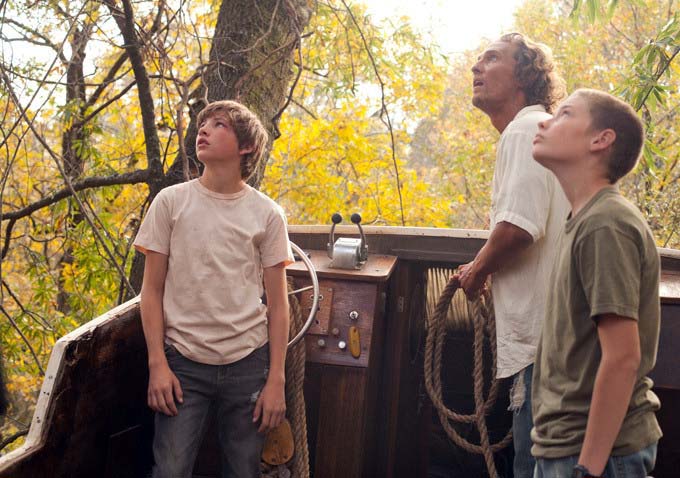
2013 BAM Awards
Prelude
The only critical “statement” that is at all meaningful is the argument made by a single voice.
-A.O. Scott, Twitter 12/4/13
Introduction
For more history and information on the BAM Awards please go here.
Below you will find the nominees in each category followed by which film is the honoree; I’ve decided this year to implement my own politically correct language to avoid distinguishing “winners” and “losers.” I do so because I do take so much care in selecting my nominees so much so that it is the nominees that really matter the most.
If you’re visiting during the day of January 9th, 2014 the list you see may be shorter than the nominees list. I will be updating this post in a LIVE BLOG method, meaning category-by-category. When it is complete you will see COMPLETED at the footer of the page. Without further ado, the awards…
Awards
Blue Jasmine
Broken
Class Enemy
Disconnect
Ender’s Game
Frozen
The Giants
It’s All So Quiet
Time of My Life
Stoker
Honoree
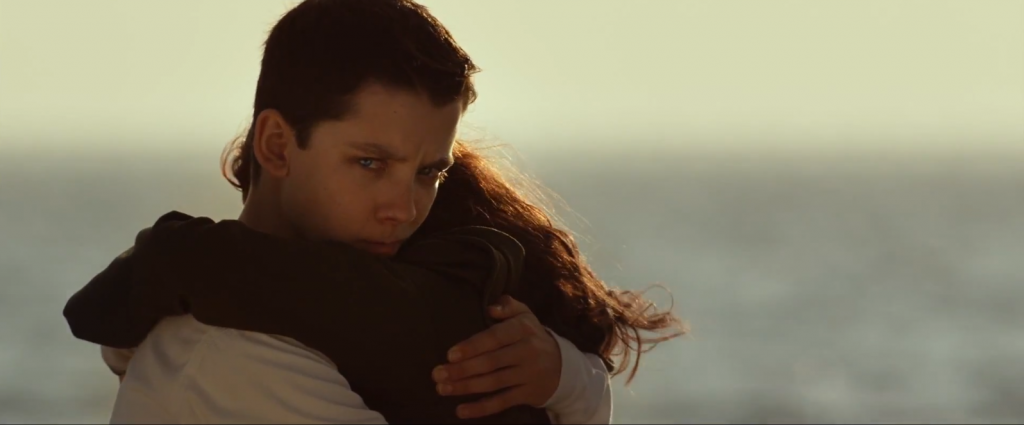
Ender’s Game
Allow me to address the white elephant in the room first before moving on to more pertinent matters, I will also do so in a far more succinct way than in my prior Op-Ed piece: I do not like Orson Scott Card’s (the author of the novel upon which this film is based) politics, it does not please me that he is a board member of the National Organization for Marriage. His views personally offend and exclude me. He’s not one of the people I’d want to have dinner with. That goes for quite a few people actually. However, any feelings about him, what he stands for, and rails against, do not color my view of his works (of fiction) or adaptations thereof.
Much like Gavin Hood, as described below, I thought that Ender’s Game would make an excellent movie. When I read it, and even leading up to it impending release, I thought it would be one of those Herculean tasks that could never possibly live up to what it “ought to” and “should be.” I anticipated the film, I do grant that, but I tempered those expectations as the release neared.
My reaction was quite nearly wordless awe. It was almost like a line from the MST3K: The Movie: “I never expected…” “This!” So overwhelmed was I that even if I didn’t want to see it again, it was almost mandatory due to the fact that I had to see if it stood up. A second viewing brought very little degradation to my opinion of it- minimal in fact. Sure, the IMAX experience is better, but that was always a given. I ended up seeing it a third time, and was actually a bit disappointed it was out of local theaters before having a chance to see it yet again; so that really sealed it.
The bottom line is: the temptation always exists to place a spectacle atop a Best Of List. However, this is the rare spectacle with brains, a conscience where not only stratagems but ethics are debated (and well-debated on both sides of the arguments in question), it’s unafraid to get in a protagonist’s head-space in such a way that’s less than the high concept hook. The acting is great all around. The film pulls you into a world quickly and builds upon it as things progress; further and further entrenching you. It’s always a gamble, especially now, to bankroll something that aims at something a bit more than spaceships, action sequences and explosions; it’s a bit risky but the gamble paid of here big time.
The Broken Circle Breakdown
Class Enemy
The Giants
The Hunt
It’s All So Quiet
Museum Hours
The Old Man
Three Worlds
Time of My Life
V8- Start Your Engines
Honoree

Time of My Life
One thing I simply won’t do, something I desperately try to avoid in these write-ups explaining my choices is to talk-up one film and then talk-down another via comparison. If I fall into a pattern in my own awards of downplaying things based on my choice its time to take stock and maybe shut it down.
The reason I say that in such dramatic fashion is to set-up this intro. Time of My Life is about a Belgian politician who was stricken with cancer and fought for the right to legalize euthanasia. So while there is that crushing story-line there’s also a soap-boxing, biopic, issue-film angle, as well as moments in his personal life. It does not offer the unique dichotomy of tones present in say The Broken Circle Breakdown. However, what sets this apart is just that it got to me more. They really only share the fact that they deal with cancer and are tear-jerkers. Other than that they do things differently. However, I wanted it clear that I was not putting one down, but rather explaining why I chose one over another despite obvious superficial similarities. For more specifically about this film, here’s my full mini-review:
This is the kind of film that faces and overcomes the danger of falling into an issue-film trap of being overly-involved in stump-speeching, soap-boxing and campaigning. When your film purports to highlight seminal case in the instituting of euthanasia laws in a country both that, and an eventual death, become inevitable.
However, what Time of My Life does so well is tell the personal narrative first and foremost and then fold in the issue film as the tale progresses. Yes, there are many issue films that will have circumstances dictate their cause, but what you also get here is a film whose emotional impact is withheld until later.
That is not to say this film doesn’t pack an emotional wallop, it most certainly does, and quite a big one. What it does do is postpone the big hit. The story travels through time and each of the early, fairly short sequences have their own tenor and know when they should end. What it builds is a more rounded, bittersweet emotion not overly-concerned in melancholy, not consciously pulling at heartstrings until the very end. When it does attempt to play them it does so very successfully.
Time of My Life features brilliant performances throughout, and some really smart, great writing; especially as it draws towards its conclusion and a crushingly beautiful emotional climax. If you know what you’re signing up for, it’s a tremendously moving and rewarding experience.
Allez, Eddy!
Blind Spot
Broken
Class Enemy
The Color of the Chameleon
Deep Dark Canyon
It’s All So Quiet
Mother, I Love You
The Old Man
V8 – Start Your Engines!
Honoree
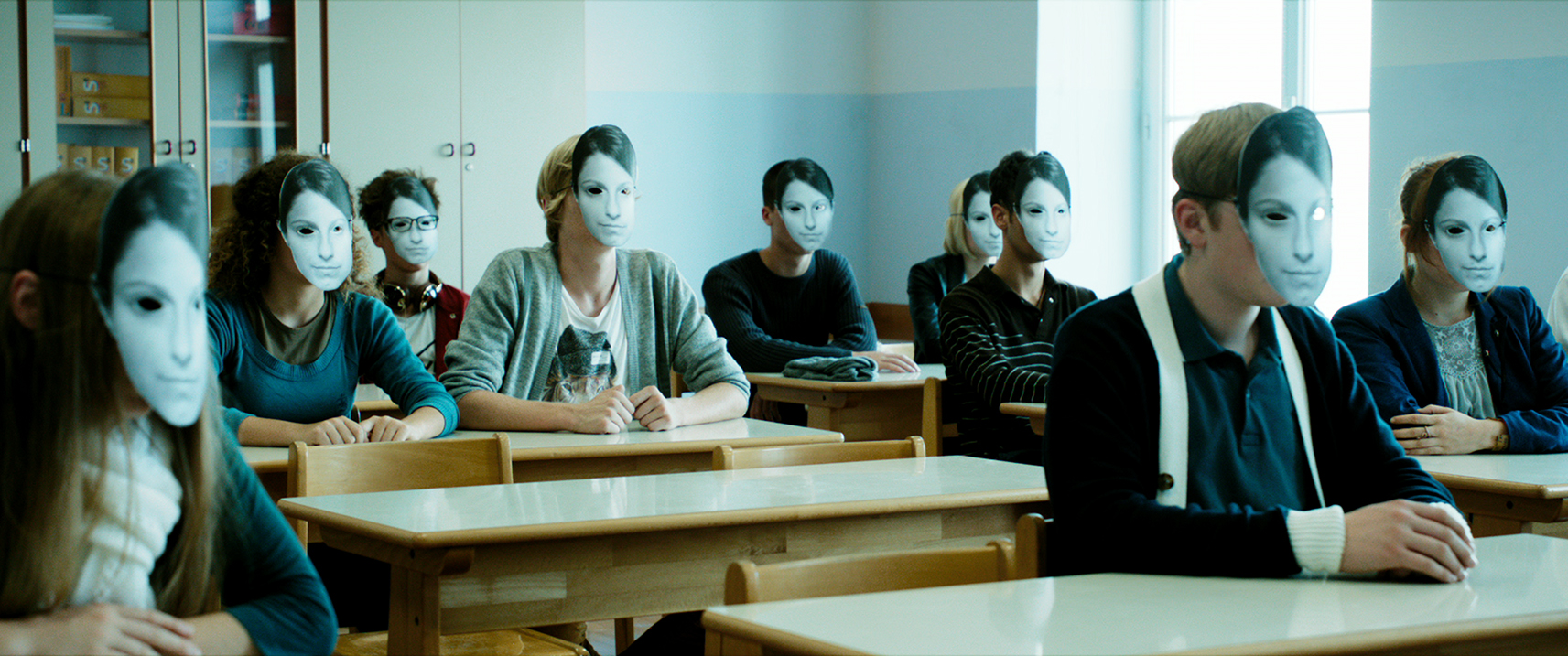
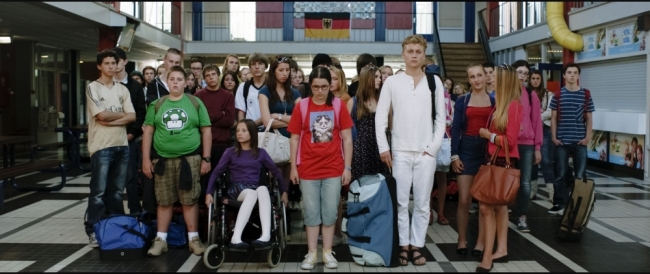
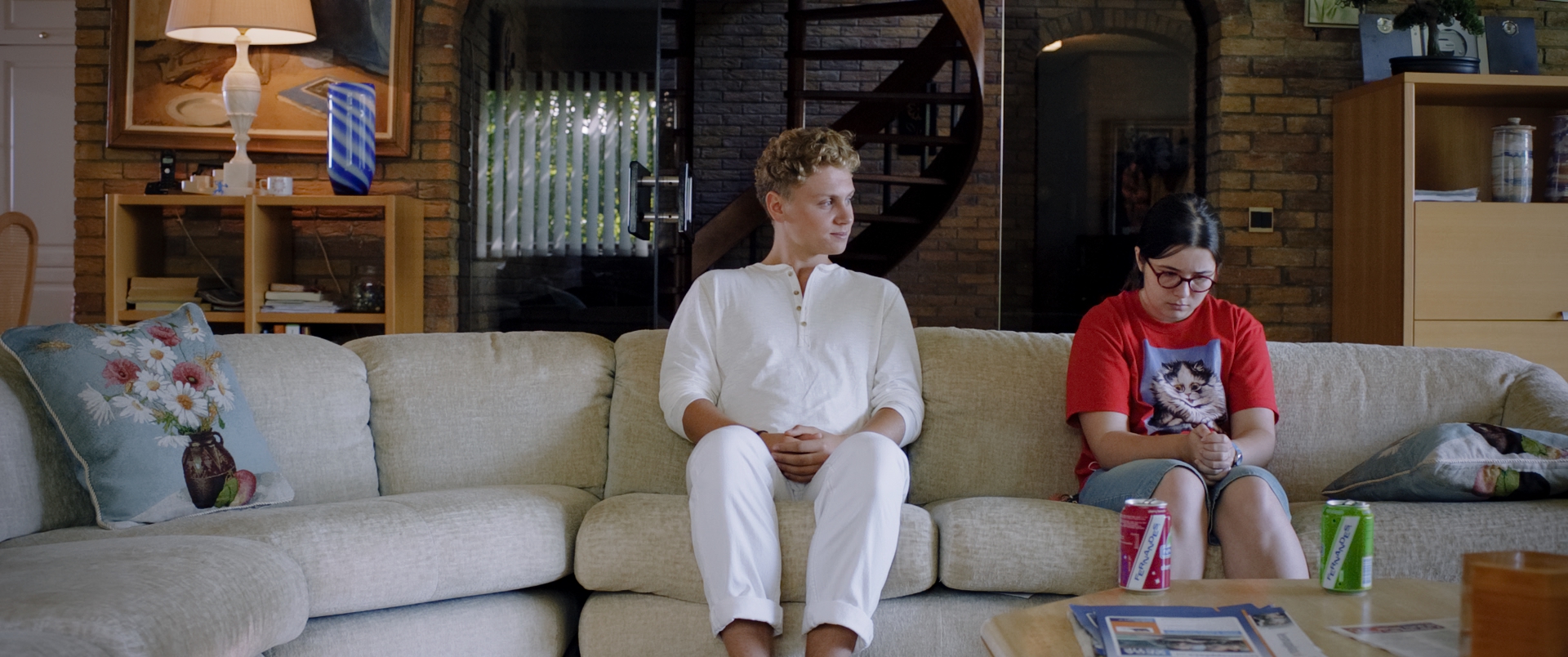
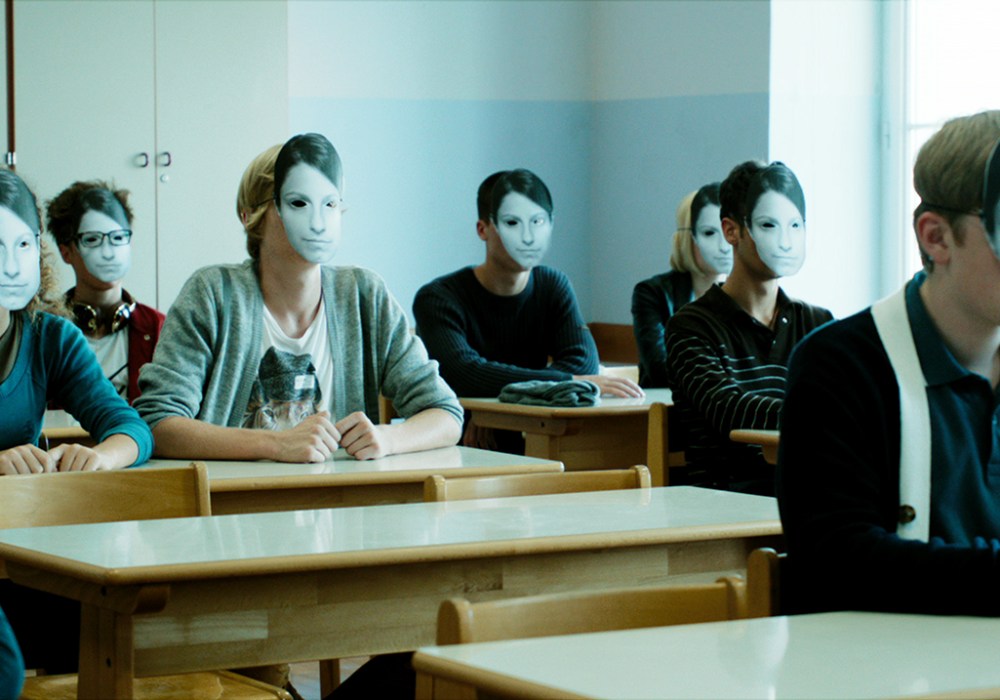
Class Enemy
In the last couple of years, and this year it became official, I have taken this category in a new direction. As has previously been mentioned, this category used to be Most Underrated Picture. However, with the elimination of Most Overrated and Worst Picture along with a shift in how I was selecting this award it was time for a name change.
Fortunately, circumstances conspired to allow me to fully embrace the “overlooked” aspect inasmuch as eight of these films have yet to see DVD distribution in the US. Broken and Deep Dark Canyon are available, and I anticipate It’s All So Quiet will also.
Four of the films (Mother, I Love You; The Color of the Chameleon; Blind Spot and Class Enemy) are official Oscar submissions that are as of yet unrepresented in the US. Allez, Eddy! you can likely get as an import, the same will be true of V8 soon if no international version emerges. Both are foreign “genre” films mainly geared at younger audiences.
As for the winner itself: I won’t spend much time why the Oscars selected the shortlist it did, not here. In part because I have seen half of those films and I get it. What I will say is merely an echo of my review is that this film has shades or now-classic American generational dramedies like The Breakfast Club with a modern spin and a lack of ease in resolution that makes it ring true. It’s very much worth seeing if you get the chance.
Brooklyn Castle
The Diplomat
Évocateur: The Morton Downey Jr. Movie
A Place at the Table
The Short Game
Honoree

With Best Documentary I again has a re-adjustment as award time started to roll around. I wanted to avoid redundancy in the topics as much as I could and really focus on the crafting on the film more so than any greater message or social purpose. Issue-based documentaries are great to rally behind and can incur real change, and they can also be great films, but you can have one without the other.
There is an issue film here (A Place at the Table) which deals with the many contributing factors to hunger in America. There’s the enigmatic tale of Morton Downey, Jr. and his long, winding road to overnight stardom as one of the first shocking talk show hosts on the air, which is an even better crafted film. Yes, there’s a school-based tale here, too, but this one is more about the kids and a dynastic after-school program that highlights the importance of funding extra-curricular activities almost by chance in Brooklyn Castle. ESPN Films’ lone entry here, The Diplomat, where they could have had many; is the intriguing tale of Katarina Witt’s celebrity, status and perception leading up to and following the fall of the Eastern Bloc. Then there’s a funny, dramatic and insightful look at golfing prodigies in one of the world’s premiere junior golf events in The Short Game. All these films tackle rather different topics, some have a cause, some don’t, all are very well made films; one is more well-made in my estimation than others that may have had equally or more important messages to convey.
So some of the ESPN crowd came more to the fore than initial first impressions, and a few dealt with more enigmatic subject matter (like The Diplomat did and Évocateur did). However, the film out of these with the most narrative drive, thrilling conclusion and removed, inspired and great filmmaking is The Short Game:
Perhaps what’s most important in a sports documentary centered on prodigious young athletes is having an interesting cross-section of personalities. Even if one is not familiar with, or a big fan of, a sport (golf, in this case) narrative and cinematic conventions and approaches should keep you engaged. The editing and scoring of this film, as well as the structural approach to the tournament that serves as the climax, is great. What keeps you interested and involved in the build-up is that while they all have golf in common they’re still kids at the core of it and quite different: Jed (A Filipino boy with autism), Alexa (a wunderkind who lives with her dad), Amari (A girl emulating Tiger Woods), Kuang (a Chinese boy who happened on the game by chance as an infant), Allan (A whiz kid who’s Anna Kournikova’s younger brother), Augustin (An intellectual French player of literary pedigree) Zama (A South African boy growing up in a different world than his father seeking a breakthrough) Sky (A Texan girl with a large stuffed bunny collection).
Combining all that, the unexpected twists and turns golf can take, and the volatility of a child’s emotions makes it an engaging, funny, suspenseful and at time even moving film.
Woody Allen Blue Jasmine
Gavin Hood Ender’s Game
Rufus Norris Broken
Chan-wook Park Stoker
Henry Alex Rubin
Disconnect
Honoree
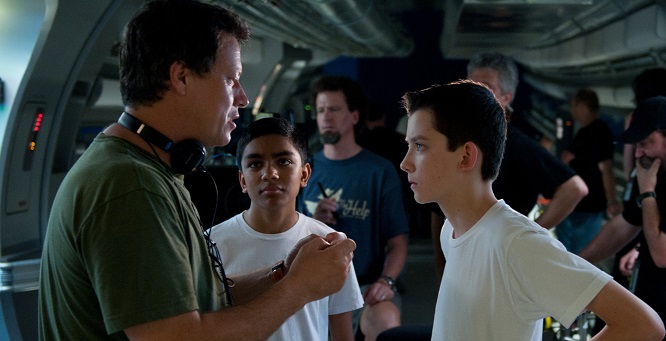
Gavin Hood Ender’s Game
In the companion book to the film Gavin Hood writes the forward and in it encapsulates his connection to the story told in this film:
From the moment I read Ender’s Game I knew I wanted to make it a s a film, and that it would be a very personal project for me.
I grew up in South Africa in the 1970s and 1980s during a time of intense political turmoil. I was drafted into the military at the age of seventeen. I experienced firsthand the abuse of authority by the men who outranked me, and I saw how easily young lives could be ruined – even ended – by the decisions of leaders. Eventually, I left the military and went on to law school, but those early experiences opened my eyes to a new way of thinking.
What struck me most about my time in the military and my experiences as a law student was the realization that, as a species, we human beings are capable of both violence and compassion. This duality exists within all of us, and our lives are defined in large measure by whether we choose to engage the world with aggression or empathy. When I read Ender’s Game it was this idea that most struck me.
And it was that idea that most struck me as well. So much so that my initial reaction upon first seeing the film is that Hood pretty much nailed my interpretation of the book, and amped it up. It probably wasn’t everyone’s but it was a far better, more immediately resonant, and true distillation of what I gleaned off the page than I expected.
With any adaptation there’s any myriad of worries I have tried to coach myself, and others out of, and this rendition of Ender’s Game immediately ends those worries by throwing me directly into the film. It’s funny that when I was trying to think of an angle for this write-up I naturally thought that this foreword may prove useful but I had no idea how accurately his connection would be conveyed and how well I believe it played out onscreen.
Veerle Baetens The Broken Circle Breakdown
Cate Blanchett Blue Jasmine
Judi Dench Philomena
Mary Margaret O’Hara Museum Hours
Barbara Sukowa Hannah Arendt
Honoree
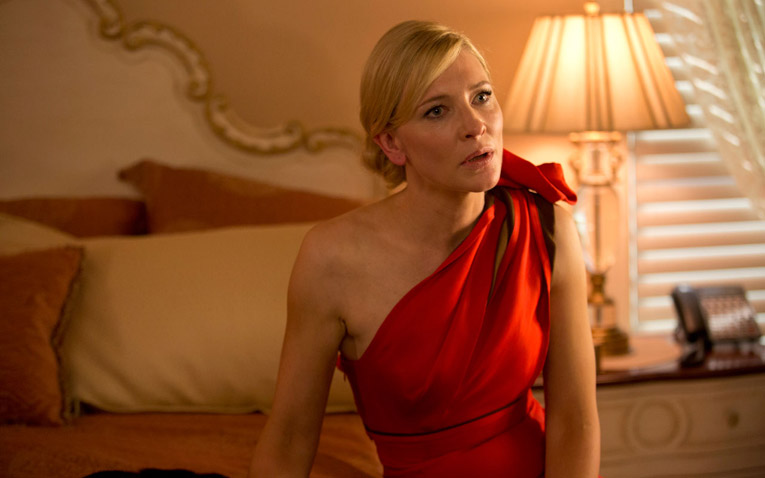
Cate Blanchett Blue Jasmine
Best Actress was second only to Best Supporting Actress in terms of categories I worried about having sufficiently populated with quality candidates through the years. Performance by a Young Actress in a Leading Role was third but it was shored up with great candidates early. Essentially, there’s a sparsity of quality roles for women and sometimes getting to see the touted ones can prove difficult. Anyway, Best Actress shaped up beautifully in the very end. However, as wonderful as all these women are, and in many years any one of them would win easily, none of them quite touches Cate Blanchett because of the following statement I made after first seeing Blue Jasmine:
…it’s really Cate Blanchett who makes this film work. She’s as powerful, if not more so, in her character’s detached, pained moments as she is in the “big” ones, which is what makes her turn so immaculate. It’s a performance that towers not only due to the sparsity of great roles afforded women in the American cinema lately, but because of how titanic an effort it is on its own.
And that’s what really really seals it. All too often award shows focus on the big moments, or so it seems, and its the totality that really what merits the honors.
Spencer Treat Clark Deep Dark Canyon
Nick Eversman Deep Dark Canyon
Koen De Graeve Time of My Life
Johan Heldenbergh The Broken Circle Breakdown
Igor Samobor Class Enemy
Honoree
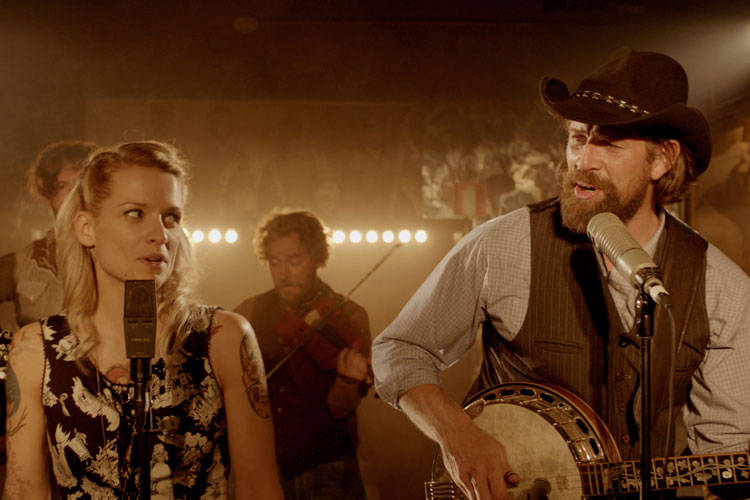
Johan Heldenbergh The Broken Circle Breakdown
This one was, as I tweeted, the hardest of them all. Therefore, I would like to give a little individual attention to each nominee. Firstly, it’s rare when you can consider two men to both be leads in a film. However, the nature of Deep Dark Canyon is such that the characters are handcuffed to one another for a great deal of it. Therefore, Clark and Eversman are almost always onscreen at the same time. Each of them are brilliant and quite raw throughout. Both being nominated is tough trick and it makes it impossible to pick just one.
Much in the way being an antagonistic supporting character and engendering sympathy is tough, it’s even more so in a leading role. Igor Samobor manages that tough ask brilliantly.
Ultimately, as a few categories have been, this was a battle between two Belgians. For the longest time I couldn’t break the deadlock between Koen De Graeve and Johan Heldenberg. If only I saw these each in the year of their domestic release instead of both in 2013 in the US maybe I wouldn’t have had the decision to make and I could honor both.
Ultimately, between the musical aspect, virtually identical dramatic asks, and also delivering a bilingual performance that tipped the scales for Johan Heldenbergh. I’d recommend you see both films, just not back-to-back you’ll be quite sad for about a week.
Doroteja Nadrah Class Enemy
Sally Hawkins Blue Jasmine
Isabelle Huppert Amour
Imelda Staunton The Awakening
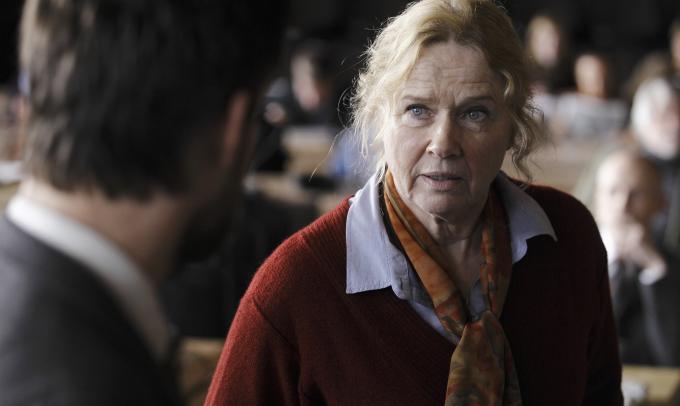
Liv Ullmann Two Lives
Honoree
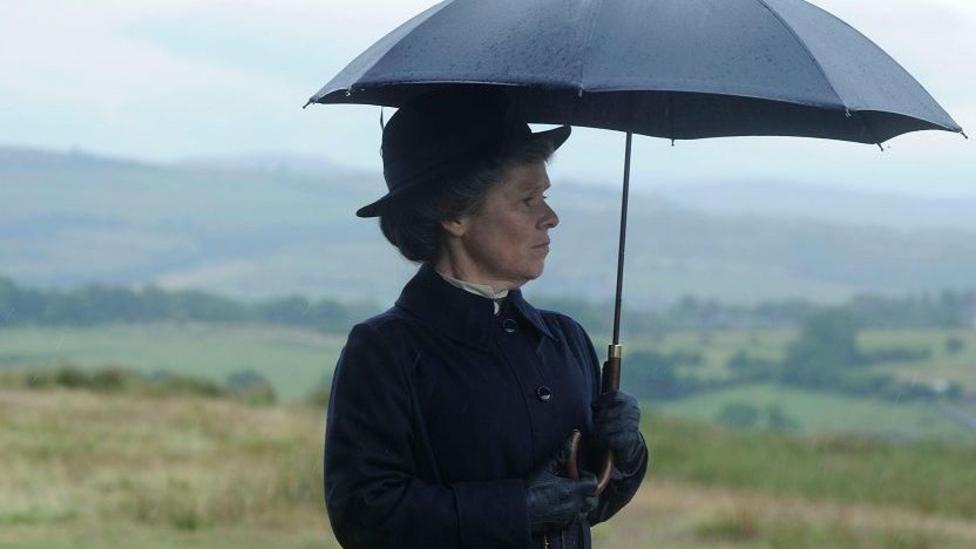
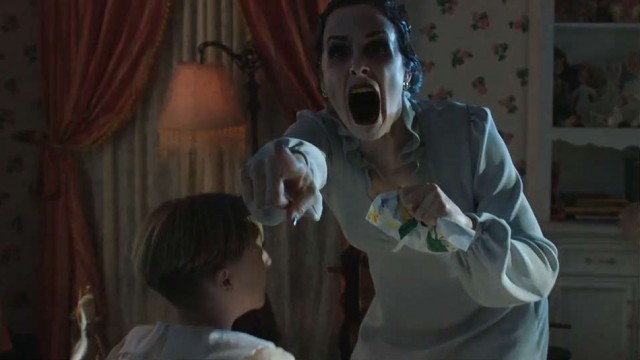
Imelda Staunton The Awakening
There were any number of ways to go with this selection and all equally valid trains of thought. However, similar to what is mentioned with Kingsley there are paths taken by Staunton in this film that aren’t often rewarded. First, an most obviously The Awakening is a horror film and they don’t get respected and treated as films on equal footing by award shows very often. Next, The Awakening is a film that prompted me, due to the caliber of the acting, to write a piece about how crucial drama is to have as a foundation of any genre.
It’s a film with performances so strong that Isaac Hempstead-Wright also got a nomination and Rebecca Hall was shortlisted as Best Actress. However, it’s not a “spreading the wealth” move. What Imelda Staunton does is in this film is very difficult. She plays a stubborn antagonistic woman who has a breakdown scene that’s so wonderfully played that it fills you with heartbreaking empathy. It’s rare to find moments like that, much less whole scenes.
There are moments of sympathy like that for all these ladies who are wonderfully played, but it’s Staunton’s task that’s most daunting.
Voranc Boh Class Enemy
Harrison Ford Ender’s Game
Ben Kingsley Iron Man 3
Matthew McConaughey Mud
Sam Rockwell The Way, Way Back
Honoree
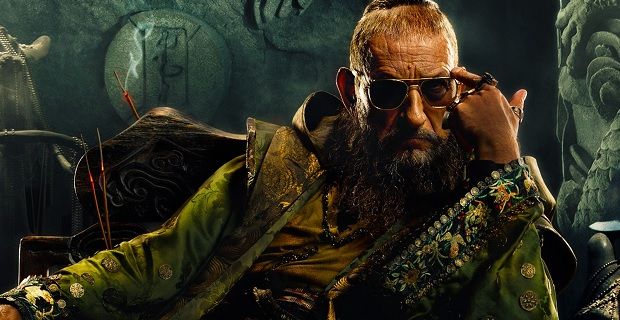
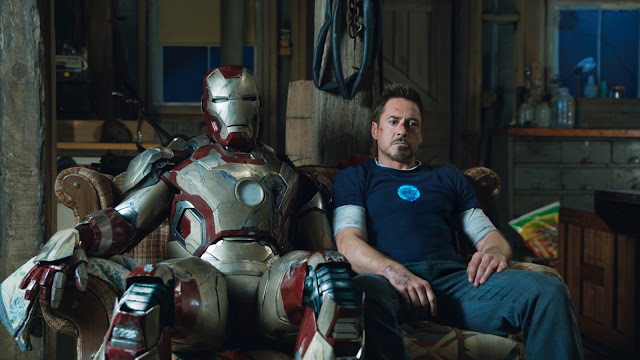
Ben Kingsley, Iron Man 3
It’s redundant to continue to say it, but this one was also difficult. What it ultimately came down to so far as decision-making was modulation and how often the character/performance veered from its go-to note. Or to put a finer point on it when referring to the honoree: how drastic a change from perception of the character to reality of the character is.
Ben Kingsley in a rather discordant way, at least at the beginning and at face value, is rather creepy as the Mandarin. Theatrical, yes, but not outside the purview of what a terrorist in a video would be. Now this is a film that’s grossed a billion dollars so I could completely spoil it, but I won’t. Suffice it to say that there’s a change in Kingsley’s turn that is equally funny, and brilliant, as it is creepy in the beginning. It’s this duality, combined with the fact that I believe comedy should be rewarded that leads me to select him. All these turns are great ones, and not all dramatic, however, Kingsley’s offers the best of both worlds.
Igor Samobor, Natasa Barbara Gracner, Tjasa Zeleznik, Masa Derganc, Robert Prebil, Voranc Boh, Jan Zupancic, Dasa Cupevski, Doroeja Nadrah, Spela Novak, Pia Korbar, Dan David Mrevlje Natlacen, Jan Vrhonik, Kangjing Qiu, Estera Dvornik, Peter Techmeister, etc. in Class Enemy
Jason Bateman, Hope Davis, Frank Grillo, Michael Nyqvist, Paula Patton, Andrea Riseborough, Alexander Skarsgård, Colin Ford, Jonah Bobo, Haley Ramm, Aviad Bernstein, etc. in Disconnect
Asa Butterfield, Harrison Ford, Hailee Steinfeld, Ben Kingsley, Abigail Breslin, Viola Davis, Aramis Knight, Suraj Partha, Khylin Rhambo, Jimmy ‘Jax’ Pinchak, Nonso Anozie, Conor Carroll, Caleb J, Thaggard, Brandon Soo Hoo, etc. in Ender’s Game
Johan Heldenbergh, Veerle Baertens, Nell Cattrysse, Geert Van Rampelberg, Nils De Caster, Robbie Cleiren, Bert Huysentruyt, Jan Bijvoet, etc. The Broken Circle Breakdown
Koen De Graeve, Geert Van Rampelberg, Lotte Pinoy, Michel van Dousselaere, Viviane de Muynck, Iwein Segers, Felix Maesschalck, Eva van der Gucht, An Miller, Ben Segers, Lucas Vandervost, Leo Achten, Sam Bogaerts, Vincenzo De Jonghe, Kevin Van Doorslaer and Senn Van Eeckelen in Time of My Life
Honorees
Koen De Graeve, Geert Van Rampelberg, Lotte Pinoy, Michel van Dousselaere, Viviane de Muynck, Iwein Segers, Felix Maesschalck, Eva van der Gucht, An Miller, Ben Segers, Lucas Vandervost, Leo Achten, Sam Bogaerts, Vincenzo De Jonghe, Kevin Van Doorslaer and Senn Van Eeckelen in Time of My Life
This one’s was tough because usually breaking the ties in Best Cast comes down to how deep they are and seeing whose “weakest link” is strongest. I’ve yet had a chance to discuss Disconnect so I will state definitively that it was very close to nominations in the Youth Categories and it is worth seeking out. It will get further mention in the Top 10 list.
There were two Belgian films, another theme this year, in the running; both with superficial plot similarities and a common cast member. One was among the last two. In totting up number of cast members cited it was a dead heat so ultimately it came down to how many of the cast members had real significant impacting moments in the course of the film, that one would be the deeper cast.
As I refreshed my memory it became clear that that cast was that of Time of My Life. There’s a journey-through-a-life element to the film that allows characters to be there and have their big moments that make up the fabric of the lead’s existence and it’s impressive how deep those moments run and lasting the images the cast help create are.
Best Performance by a Young Actress in a Leading Role
Lika Babulani In Bloom
Elle Fanning Ginger & Rosa
Eloise Laurence Broken
Maya Lauterbach V8- Start Your Engines
Sophie Nélisse The Book Thief
Ryan Simpkins Arcadia
Honoree
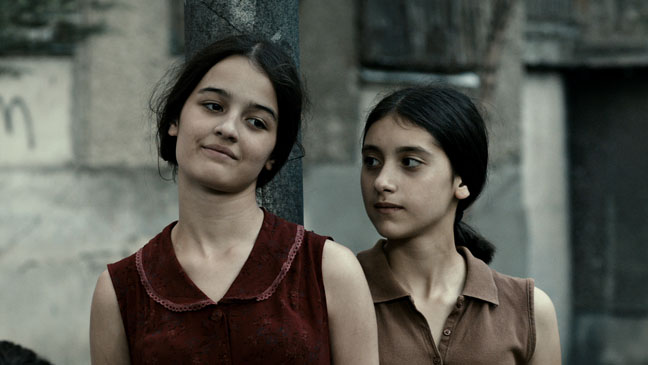
Lika Babulani In Bloom
A pattern you’ll note through the youth categories is that I repeatedly state how deep each field is. Truly the talent, direction and material that young actors are being afforded the opportunity to work with only seems to be getting better. Men and boys still have more opportunities, but the fact that there were fewer options to choose from doesn’t diminish the quality here. In fact, this field is stronger than its male counterpart this year; brilliant, layered work throughout the performances by these ladies.
If you read my reaction to In Bloom carefully you’ll see I couldn’t quite pass it, but I balk at warning people to stay away. It’s one of those where I think you should watch it and form your own opinion. One thing that is not really open to interpretation is that these girls are great, natural talents. Talents that in my review make them seem like they’ve acted forever and they should. I also alluded to the fact that Georgia is a new postcolonial cinema. I do not know much about the state of the industry there, but I have to imagine its struggling, at least to some extent. I worry about that because I really do want to see these two actresses grow and progress from this because the sky is truly the limit for them (Lika and Mariam Bokeria) and I hope they find more showcases for their talent. However, the beauty of film is that these performances will remain regardless.
Best Performance by a Young Actor in a Leading Role
Asa Butterfield Ender’s Game
Zacherie Chasseriaud The Giants
Gage Munroe I Declare War
Tye Sheridan Mud
Ty Simpkins Arcadia
Georg Sulzer V8- Start Your Engines
Honoree
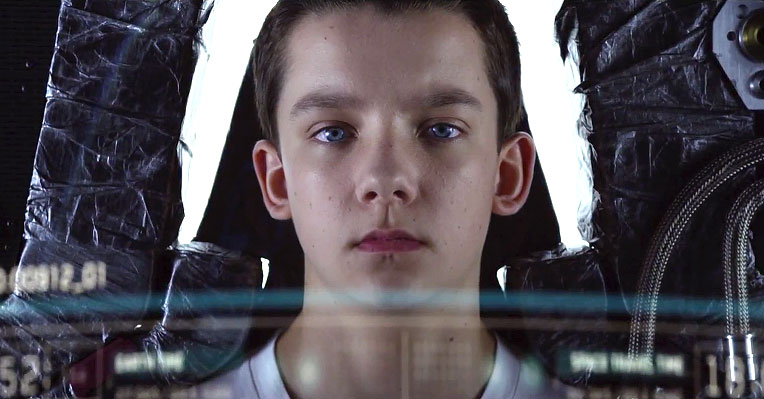
Asa Butterfield Ender’s Game
All of these performances are simply tremendous and are worth seeing. I especially urge you to seek out The Giants if you enjoyed Mud, there’s a talented trio there but Chasseriaud does carry it. Sulzer and Munroe, in very different stories standout as leads ahead of very talented ensembles.
Tye Sheridan is fantastic and he’s getting even more kick-butt work coming his way. His rise to stardom proves true a theory I formulated when I heard how long The Tree of Life took to make: a production like that can really test if you’re both willing and able to work on film. I didn’t peg him right away though, it was his screen brother that got the solo nomination, while he was nominated in the ensemble. However, that was a tough year. Asa Butterfield could’ve easily been the choice that year for Hugo, but wasn’t. These decisions aren’t usually easy or decisive. Here’s why Asa edges Tye this year:
In theatre there are those standout roles in shows that have been performed scads of times through the decades and even centuries. Film, being a younger art and less inclined by its nature to repetition, has fewer of these desired parts that call out just by character name. Usually the coveted role is in an adaptation of a work in another medium coming to film for the first time. I believe Ender Wiggin should be amongst that company of a desirous characters to play along with the likes of (insert character name you think I’m ridiculous for mentioning in the same breath here).
The second thought I had about the book filmically upon reading it was that at the time I didn’t believe there was someone who could play Ender. I don’t think there was an actor in the landscape at the time that could’ve captured the aggressive nature (which was a bit of a revelation coming from Butterfield) and the empathy required to play him and do so equally well. In short, it was kind of like the role of David in A.I. had there not been a Haley Joel Osment Spielberg likely would’ve waited to make it, and if there had not been an Asa Butterfield Ender’s Game was better off waiting also.
Best Performance by a Young Actress in a Supporting Role
Mariam Bokeria In Bloom
Annie Rose Buckley Saving Mr. Banks
Nell Cattrysse The Broken Circle Breakdown
Coline Leempoel Allez, Eddy!
Klara Merkel V8- Start Your Engines
Honree
Mariam Bokeria In Bloom
The youth categories are always difficult. This year it came back, as it did in one of these categories last year, to recalling what it is I wrote:
Lika Babluani as Eka and Mariam Bokeria as Natia really are tremendous. I see many impressive performances by young actors. However, it’s very rare to see two performances in one film from neophytes that are not only exceptional, which these are, but also read as if they are veterans; and furthermore should continue acting for a very long time to come. Babluani and Bokeria certainly achieve that and make this film as watchable as it.
Much like I did with Sophie Nélisse last year there was a statement I made, and an overall impression, that I could just not ignore. Mariam makes up one half of the reason you should give this movie a shot and her frequent scene partner is the other. While the choice was clear that is not to say there is not a tremendous deal of merit in the other nominated performances. If not for In Bloom we may well be discussing Coline Lepooel or Klara Merkel instead.
Best Performance by a Young Actor in a Supporting Role
Isaac Hempstead-Wright The Awakening
Samuel Jakob V8- Start Your Engines
Nico Liersch The Book Thief
Kodi Smit-McPhee Romeo and Juliet
Ty Simpkins Iron Man 3
Nick Romeo Reimann V8 – Start Your Engines
Honoree
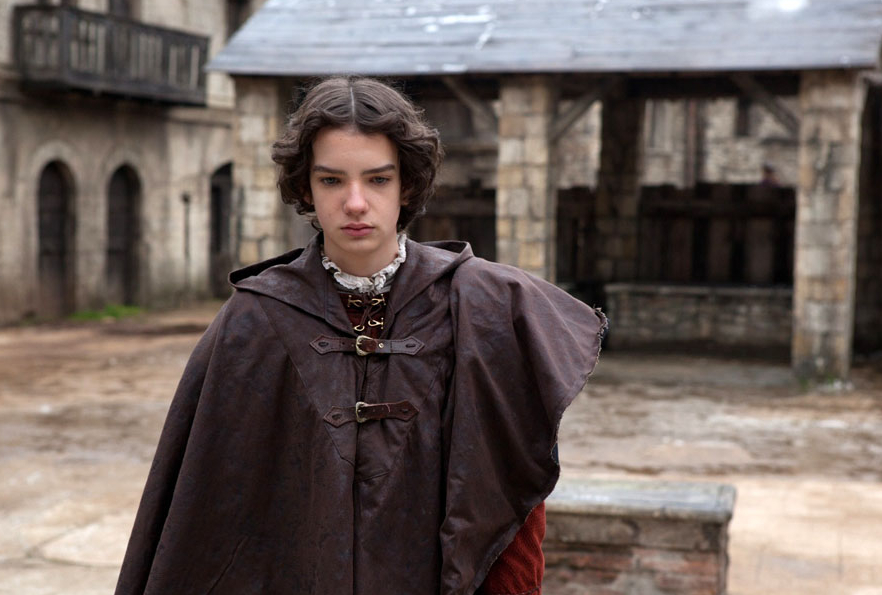
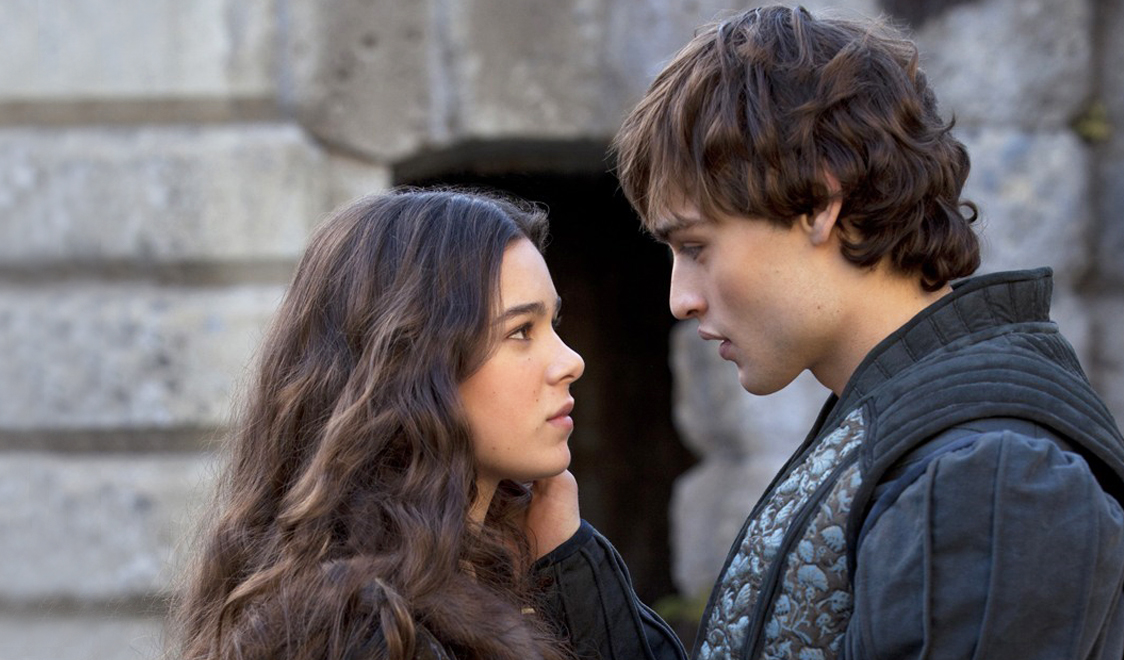
Kodi Smit-McPhee Romeo and Juliet
Echoing sentiments from the below category, and amplifying them this was the most nightmarish category to come up with nominees in. Part of the difficulty with the youth supporting categories is at times the youth will be a secondary support character, like say Ty Simpkins who has much less screen time than Ben Kingsley, the same would go for Jacob Lofland and Matthew McConaughey, and other times they will be a primary supporting player. The balance that needed to be struck then became not ignoring those who were secondary and picking who I felt had the best performances and the most notes to hit; as well as carrying out responsibilities as assigned by their part. Thus, ending up with these six I could’ve easily, easily gone with any one of them, which is why I above explained why I got rid of the word “winner.” Ultimately, I did have to make one choice, and here’s why I went the way I did:
This is another case of a very important and desirable part being absolutely crushed. In my reading of Romeo and Juliet Benvolio was always a character that stood out as one of my favorites. When I heard about this film’s casting I knew the role was in good hands. Again this is a case of expectations being far exceeded. I had a sense that most of the cast would be up to the challenge of Shakespearean acting, but this performance is not only effortless (or so it seems) but my favorite film rendition so far. He was a large part of why this version got so much emotion out of me.
Eloise Laurence, Faye Daveney, Martha Bryant, Bill Milner, Rosalie Kosky, and George Sargeant in Broken
Jelte Blommaert, Mathias Vergels, Coline Leempoel, Jelle Cleymans, Julian Borsani, Jelle Florizoone, Ben Van den Heuvel, etc. in Allez, Eddy!
Georg Sulzer, Maya Lauterbach, Samuek Jakob, Klara Merkel, Emilio Moutaoakkil, Tom Hoßbach, Nick Romeo Reimann, Heiner Lauterbach, Janina Fautz, etc. in V8- Start Your Engines
Asa Butterfield, Hailee Steinfeld, Abigail Breslin, Aramis Knight, Suraj Partha, Khylin Rhambo, Jimmy ‘Jax’ Pinchak, Conor Carroll, Caleb J, Thaggard, Brandon Soo Hoo, etc. in Ender’s Game
Siam Yu, Colton Stewart, Gage Munroe, Michael Friend, Aidan Gouveia, Mackenzie Munro, Alex Cardillo, Dyson Fyke, Spencer Howes, Andy Reid, Richard Nguyen, Eric Hanson, and Alex Wall in I Declare War
Honorees
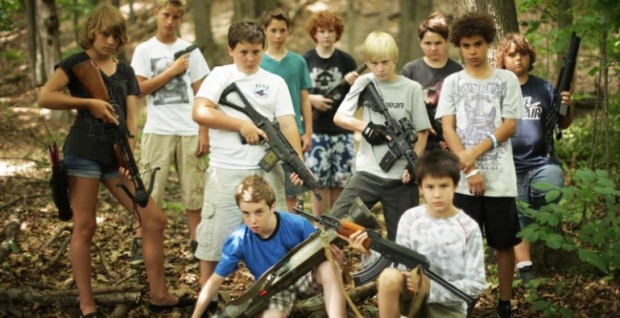
Siam Yu, Colton Stewart, Gage Munroe, Michael Friend, Aidan Gouveia, Mackenzie Munro, Alex Cardillo, Dyson Fyke, Spencer Howes, Andy Reid, Richard Nguyen, Eric Hanson, and Alex Wall in I Declare War
I’ll begin with a mini-spoiler here inasmuch as there is a split between this winner and the Best Cast winner. When I first started this award it took me a while to rationalize a split between a Best Cast and a Best Youth Ensemble. Essentially I felt the sports analogy was the best way to look at it: a cast is a whole team, the youth ensemble is a segment of said team (say the defense on an American Football team); one award is for a whole rather than a segment.
While this year’s winner is the whole cast of the film there is little crossover in the awards (meaning young actors up for the major awards due to parity in the categories), however, I do not do this to diminish the young actors. One of my recent changes was to stop using the term “Child Actor” because the connotation is so negative. Essentially the split not is for fairness and equality of opportunity.
The acting categories were some of the toughest selections that had to be made especially this subset. Quite a few of the casts featured extraordinary depth and boasted previous youth nominees and honorees.
I Declare War stands out not just because the film relies entirely on its young cast; not only because the film entrusts them with a drama about kids their age that doesn’t condescend; but in large part because many of the actors in it were unknown to me prior and their performances are revelatory. I had seen a few only in small roles and was left wondering “Who are these kids?” in the best way possible because they’re that good. They also share screen time such that it was hard to peg a lead and are an ensemble in the truest sense of the word, which is why they are most deserving of this honor among these great choices.
Woody Allen Blue Jasmine
Elise Ancion, Bouli Lanners, and Matthieu Reynaert The Giants
Nejc Gazvoda, Rok Bicek and Janez Lapajne Class Enemy
Wentworth Miller Stoker
Andrew Stern Disconnect
Honoree

Woody Allen Blue Jasmine
In much the way that last year’s Lifetime Achievement winner was also an honoree in an annual competitive category so, too, is Woody Allen. What you have in this film is not only Woody Allen once again creating characters clashing based on class and different personality types but also his most mesmerizing mostly-dramatic tale since Husbands and Wives. It’s an unapologetic character study that also dabbles in breaking its chronological continuity and goes back-and-forth in time making it one of his more memorable and different films in recent years. The dialogue, as always, is in his usual style, but it’s also poignant, insightful and often times funny, which is needed when this film does go to very dark places. Without discussing it too much it also takes a chance that works perfectly fine by me.
Gavin Hood based on a novel by Orson Scott Card Ender’s Game
Jennifer Lee, Story Jennifer Lee, Chris Buck and Shane Morris, based on “The Snow Queen” by Hans Christian Andersen; Frozen
Nanouk Leopold based on the novel The Twin by Gerbrand Bakker; It’s All So Quiet
Mark O’Rowe based on a novel by Daniel Clay Broken
Ermek Tursunov based on The Old Man and the Sea by Ernest Hemingway; The Old Man
Honoree

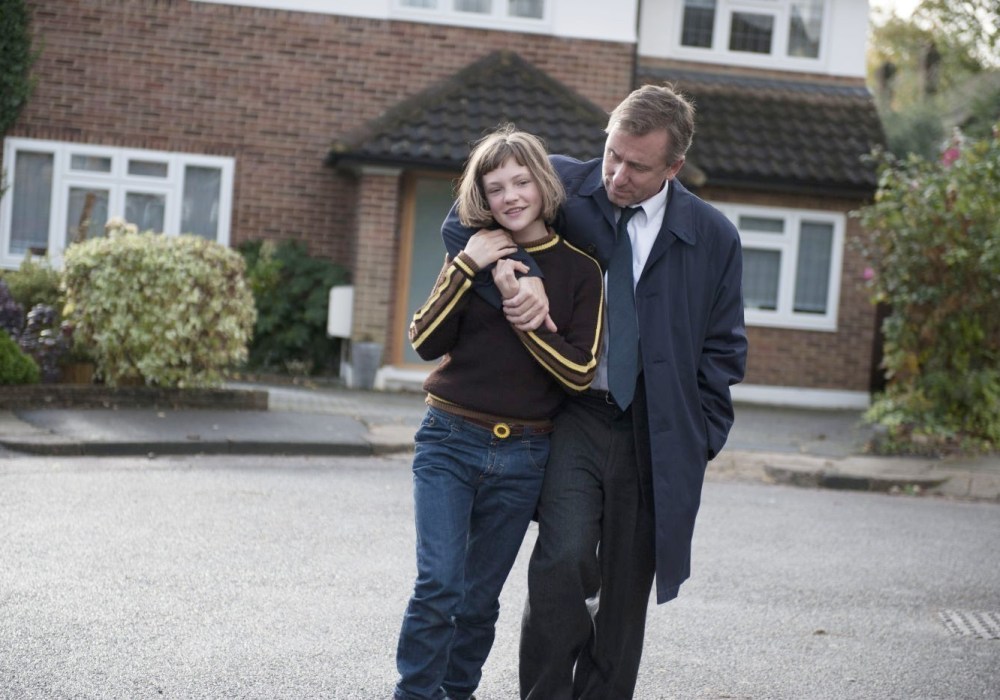
Mark O’Rowe based on a novel by Daniel Clay Broken
The best adapted screenplay decision ultimately came down to two films wherein I had both seen the cinematic version on multiple occasions and read the version of the tale in prose. While I think Ender’s Game is a rather deft truncation, sketching exactly all that was necessary to include to give the narrative the onscreen impact needed; what Broken does is create a rather different version of the tale that externalizes events more, and offers a different sequence and endgame. However, it still feels like a true representation of the intent of the narrative.
Also very much worth drawing attention to is the fact that transplanting a narrative to another culture is not easy and The Old Man does very well with that. I hope it sees distribution soon that will show it to a wider audience. The wish of wider exposure also extends to It’s All So Quiet.
Murat Aliyev The Old Man
Hans Bruch Jr. The Fifth Season
Chun-hoon Chung Stoker
Larry Smith Only God Forgives
Alexis Zabe Post Tenebras Lux
Honoree

Murat Aliyev The Old Man
All these nominees are so because they did something out of the ordinary, or in some cases innovative; it looked great and aided the storytelling. Post Tenebras Lux may have had the most inventive cinematography of all the nominees but for as much as the unusual visuals were a boon to the film there were others where they proved somewhat of a distraction. With The Fifth Season much of the triumph is about the framing and how that works in conjunction with the edit of this story. Stoker has marvelous composition, some gorgeous shots of terrible things both static and dynamic, while The Old Man captures its environs gloriously with tremendous artfulness rendering it the character it needs to be.
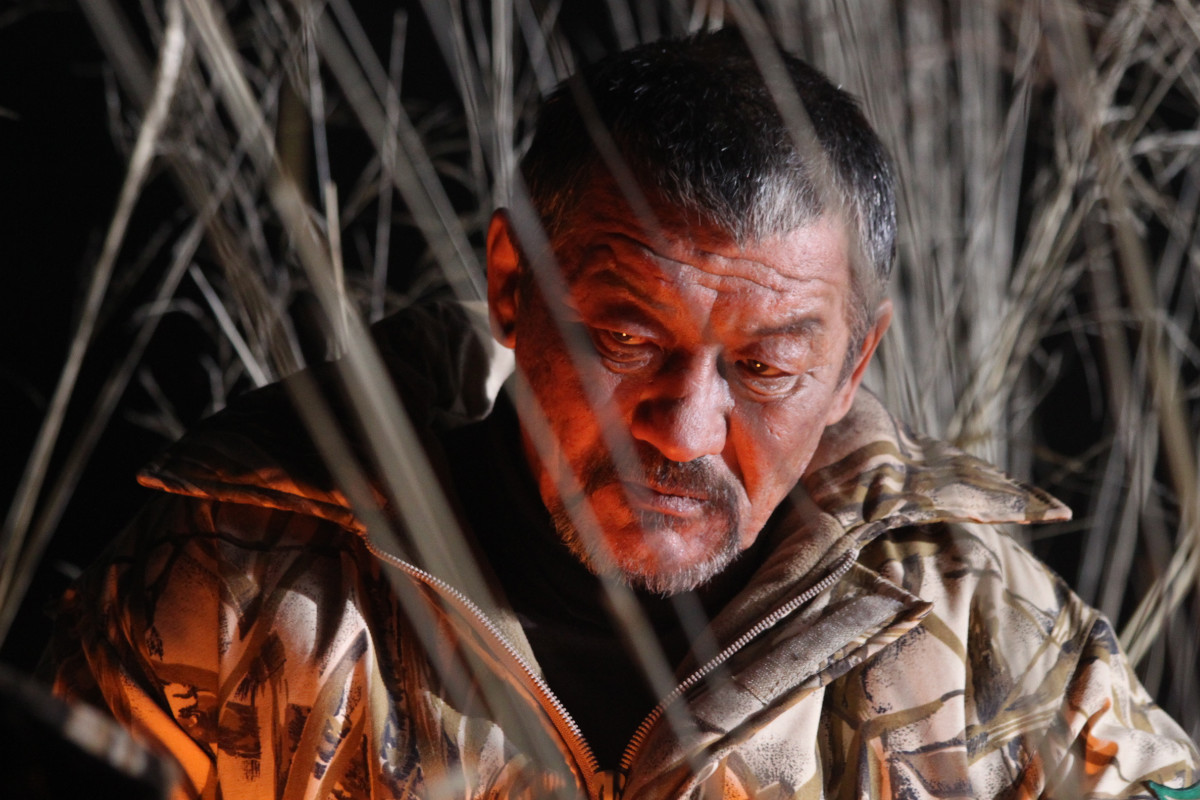
Ultimately the idea with the Best Cinematography category, or any category really, usually tends to pick candidates such that you feel there is no wrong choice. It’d be easy to buckle to a title more people have seen. However, if and when The Old Man is viewable by a wider audience if you see the Kazakh steppes with its blue-gray fog-clad nighttime vistas, its glowing orange fires, expanses of white snow, the prowling of wolves and the variety of wonders this film captures on 35mm I don’t think there’d be much of an argument. The bottom line is that I was taken aback by the imagery in this film more powerfully and more often than any other film this year.
Victoria Boydell Broken
Shane Carruth and David Lowery Upstream Color
Nicholas De Toth Stoker
Nico Leunen The Broken Circle Breakdown
Lee Percy and Kevin Tent Disconnect
Honoree
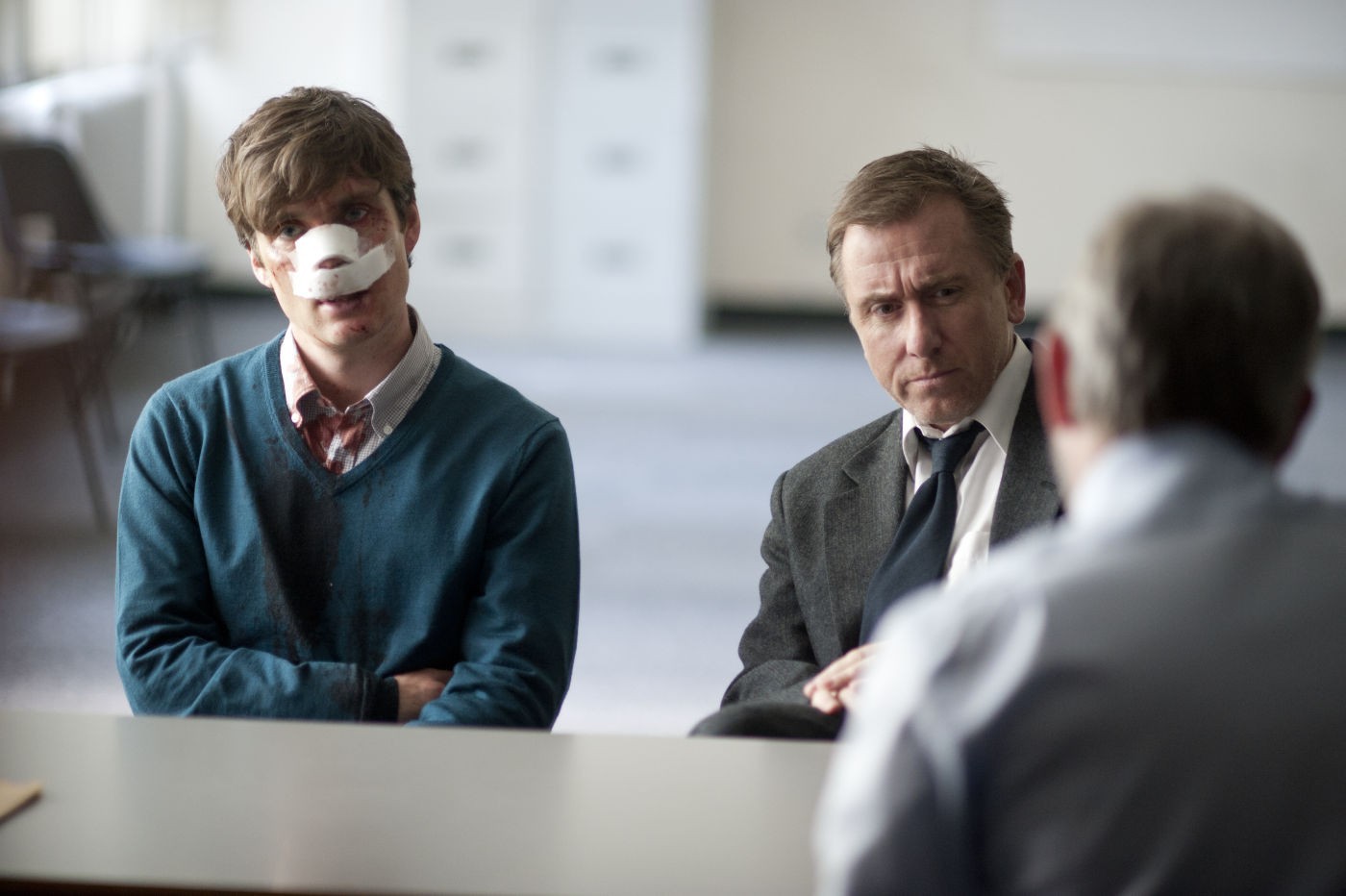
Victoria Boydell Broken
There’s not always an intent to what it is specifically in a given category I’m highlighting in a given year, but at times one emerges. Editing would be an example. Things like pacing and creative edits separate some films from the pack. However, as it gets down to the nitty-gritty things get less tricksy and more artsy. Meaning which films had edits that were not only a bit outside the norm, but also edits that created artistically structural choices that elevated the work and the quality of the story told.
All these films feature at least one, if not more, of the following devices: crosscutting, flashbacks, frames, narrative ellipses and flash-forwards and in certain ways a fractured chronology. However, through all these devices the films gain clarity rather than losing it, thus making the edits impressive and necessary and rendering the films mentioned more cinematic.
So far as the honoree Broken is concerned, where it stands apart is that it takes a rather literary, multi-character tale and based on its visual juxtaposition the way it moves, the way in which it creates spatial and personal relations and boils down what may seem and over-wrought story to tell on film into a simpler, engaging one based on the order and progression of its whipping between the characters as their paths cross.
Iron Man 3
Pacific Rim
Elysium
Gravity
Ender’s Game
Honoree

Gravity
While my overall impression of Gravity was favorable, you may notice it did not land in my Top 30. Essentially, while I believe Cuaron did a fine job it had a very definite ceiling with me as an overall film. The choreography and cinematography of events is great. It almost feels like a ride, and it may have been better left that way because the attempts at character building are clunky, clumsy, contrived and obvious. It would’ve been better left pure spectacle in my book.
This is where the effects come in, and even I can’t find fault in this film in that department. Granted logic should’ve told the reporter that asked Cuaron what it was like filming in space that it was a silly notion, but I almost, almost can’t blame him for it. It looks incredibly realistic.
Berberian Sound Studio
Ender’s Game
Imaginaerum
Leviathan
V8- Start Your Engines
Honoree

Leviathan
With a category such as this, at big award shows, dealing with films that have extended action sequences because there are lots of effects and getting them right on set then fine tuning and/or replacing them and mixing them right matters that much more. Don’t get me wrong there are some cue-heavy titles on this list too. I could’ve easily included Iron Man 3. However, not only did the sound design have to be great and stick out in my mind, but I also chose to go with nominees that has sound design play a key role in the functioning of the narrative.
By that measure there were but two in competition for the honor, and it turns out the documentary of the two did much better at it. I even cited it in my review:
…first, the sound design, which more so than the images most of the time, drive home the uneasy balance between monotony and danger of the job.
Not only is it mentioned but it’s what I start with and it’s really where the impact of the film comes from.
The Depraved
The Hobbit: The Desolation of Smaug
Two Lives
Warm Bodies
V8- Start Your Engines
Honoree
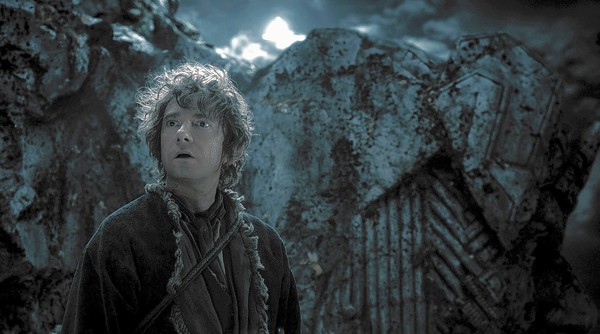
The Hobbit: The Desolation of Smaug
Not that there’s anything necessarily wrong with it, but there are a few philosophies that one can use when selecting which particular entrant in an award category: they usually fall into two categories showy or seamless. Neither is better than the other, it’s just a matter of which feels the most effective.
So far as make-up is concerned I’ve tended to go with showier choices in the past. However, even the showy selections can have their seamless natural aspects. So while beauty or prosthetic, horror or fantasy, all these choices have their merits; but in a film with higher clarity of image than most and more frames per second than it competitors the only thing that never once stuck out as unnatural not once was the make-up work. There were moments where I missed contrast in the image, where the CG lacked some and where the set stuck out as, well, sets. However, the make-up always worked in The Hobbit: The Desolation of Smaug and that’s to be highly commended.
Byzantium
Ender’s Game
The Mortal Instruments: City of Bones
Romeo and Juliet
V8- Start Your Engines!
Honoree
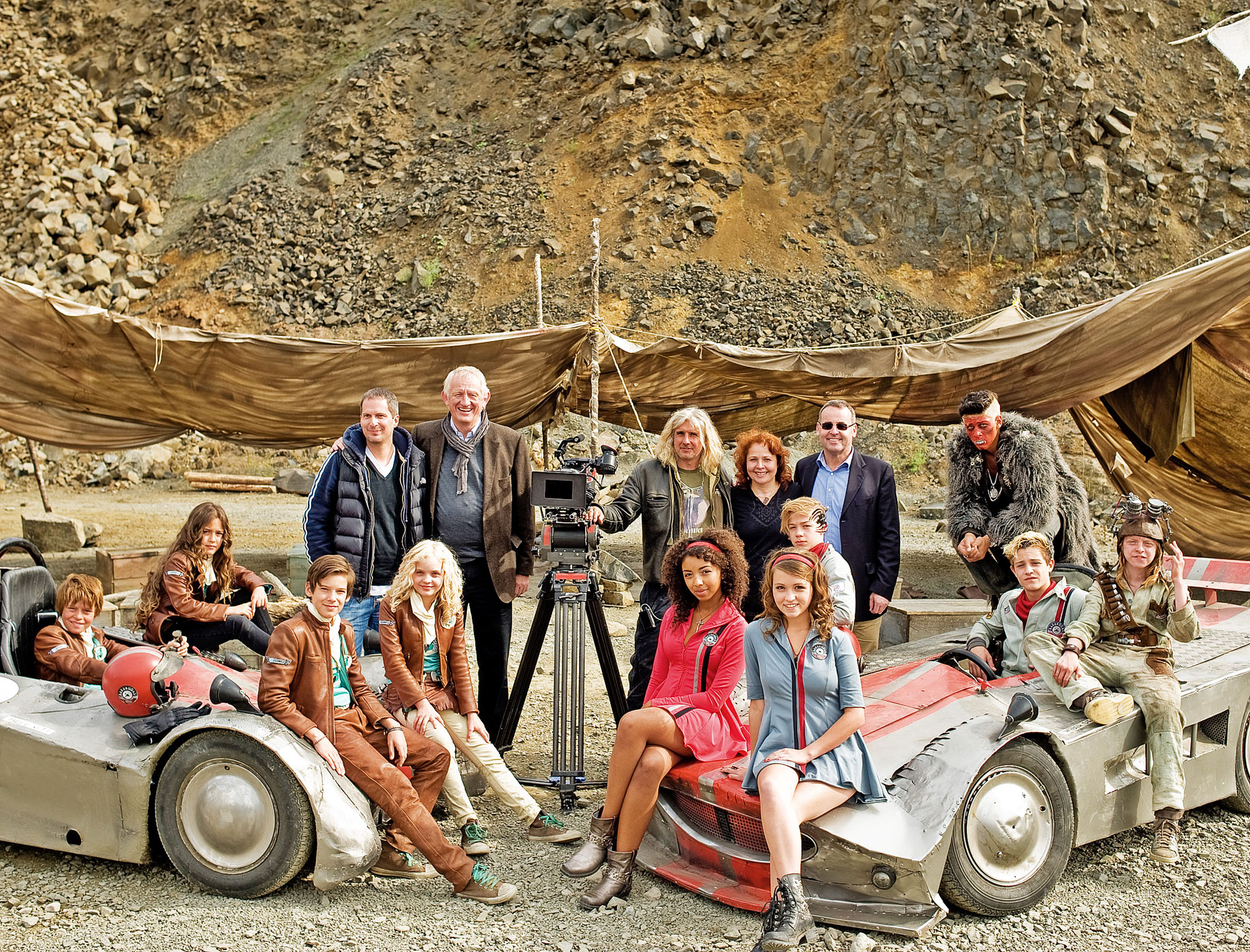
V8- Start Your Engines!
As I discuss in sound editing/mixing there is usually a school of thought at the Oscars and elsewhere about what kind of films can win this award. With Costumes it’s usually all about period pieces. Here I usually seek out films doing multiple costume styles. Sometimes its multiple periods, others it’s something a little different.
With Byzantium there’s present day and a period as well as the element of vampirism that adds some intrigue; in Ender’s Game there is the mundane clothing and the many uniforms that he wears through the ranks; in Mortal Instruments there is the regular everyday wear of the Mundanes as well as the more stylized garb of the Shadowhunters and demons. Romeo and Juliet only plays one period but it plays it so gorgeously and lushly I felt it had to be included.
Then we come to V8. While there’s a sort of subculture element to it also, there’s not really an alternate reality but each character has their own distinctive look. There are racing teams with given uniforms, some are accessorized, all say something about the characters in question and all have a certain individualized flair. Yes, costuming is a part of characterization in a visual medium and this film realizes and accentuates that better than any of the other films. I didn’t want to over-stuff this or any section with too many photos, so for more examples of the variety in this film’s costuming you can view the Facebook photo gallery.
Ender’s Game
Imaginaerum
The Magic Flute
Only God Forgives
V8- Start Your Engines!
Honoree
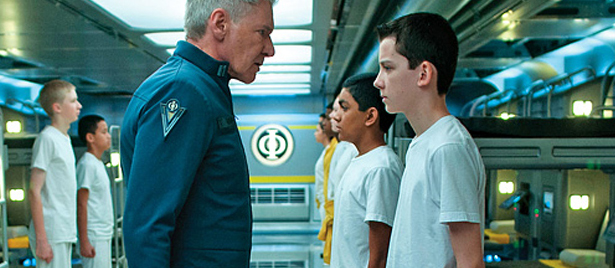
Ender’s Game
Art Direction, or Production Design (Depending on how you decide to phrase it), is all about world-building. How does the Art Department build the world of the story that the camera is going to capture and later convey to the audience.
Each of the nominated films has its own unique challenge: with V8 there’s a seemingly normal world with some myth, magic, mystery and sport beneath the surface that slowly has to be unveiled; with Only God Forgives it’s a neon criminal underworld of Bangkok; in The Magic Flute Mozart’s whimsical romance is transformed to a tale set against the backdrop of World War I with a quasi-stagebound approach; with Imaginaerum regular bedrooms give way to lands of imagination.
Typically, those films with a few tasks at hand have an edge. The world that took the most building, and was also the most well-built, is that of Ender’s Game. There’s the fairly mundane, though a bit futuristic start followed by the space station and later and alien planet and a few more intermediary locales in each which take a bit of a different approach each. There’s not just one world but a few worlds in need of creating in this film, and all come to life equally well.
Petri Alanko and Nightwish Imaginaerum
Steve Jablonski Ender’s Game
Clint Mansell Stoker
Daniel Pemberton The Awakening
Fernando Velázquez Mama
Honoree
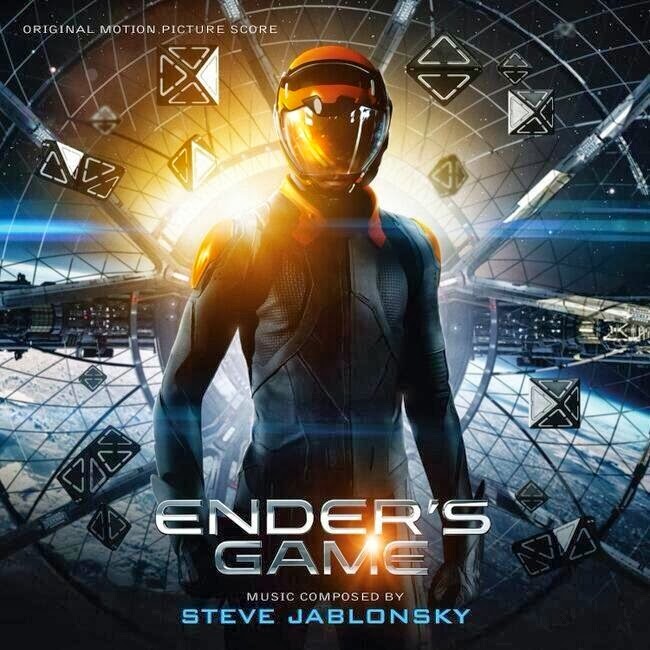
Steve Jablonski Ender’s Game
Best Score perhaps more than any other category is one wherein I rely heavily on my gut instinct. It’s one of the categories where I want to quickly jot down its noteworthiness lest I forget. However, as I ran down the full list of considerations it turned out that most of the nominees were ones I found myself having looked up and listened to a few times on Spotify through the year.
The deciding factor was that during my first viewing of Ender’s Game I thought to myself three or four times “Wow, this score is amazing” and even before the awards announcement I had to download it from iTunes. All of these scores, however, do have a different quality to them and are still searchable on Spotify if you’re so inclined.
“For the First Time in Forever” Kristen Bell, Idina Menzel Frozen
“Do You Want to Build a Snowman?” Kristen Bell, Agatha Lee Monn, Katie Lopez Frozen
“If I Needed You” The Broken Circle Breakdown Bluegrass Band The Broken Circle Breakdown
“Shine Supernova” Cody Simpson Escape from Planet Earth
“Let it Go” Idina Menzel Frozen
Honoree
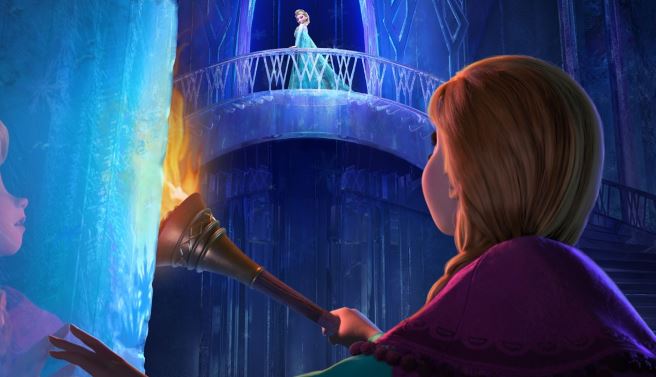
“Do You Want to Build a Snowman?” Kristen Bell, Agatha Lee Monn, Katie Lopez Frozen
Whenever possible I do like to “spread the wealth,” which is to say that when things are virtually deadlocked I may err on being more inclusive. An example would be: if I can include an actor as a nominee in Best Cast or Youth Ensemble that may not get an individual nomination. How that applies here is that I was very nearly ready to propose a slate of nominees that included songs from five different films. However, when I looked at it I was a little dissatisfied. It felt like settling. So then I decided to add the songs from Frozen I was denying.
The emphasis, as it has been for a year or two, is on songs within the body of the film and that have an impact on the storytelling. There is a song or two in Frozen that doesn’t fit that criteria, good though they may be. There were comedic considerations that didn’t quite make the cut.
All the Frozen songs that were nominated are well-written, beautifully sung and moving; however, aside from the intangible of just being better “Do You Want to Build a Snowman?” induces chills and nearly brought me to tears something less than five minutes into the film, which is a nearly impossible task, and part of what makes it so memorable. That and it strings together a montage that progresses the narrative.
One conciliatory note: if I tracked soundtracks this year I likely would’ve picked The Broken Circle Breakdown. Every song is great and works. Listen to it now.
The Robert Downey, Jr., Award for Entertainer of the Year Award

The Ingmar Bergman Lifetime Achievement Award

Completed