Bernardo Villela is like a mallrat except at the movies. He is a writer, director, editor and film enthusiast who seeks to continue to explore and learn about cinema, chronicle the journey and share his findings.
I decided that with the plethora of BAM Awards-related post towards the end of 2013 and the start of this year it was best to wait to the end of this month before officially recommencing the process.
I will post these lists towards the end of the month to allow for minimal updates. By creating a new post monthly, and creating massive combo files offline, it should make the process easier for me and more user-friendly for you, the esteemed reader. Enjoy.
Eligible Titles
Paranormal Activity: The Marked Ones
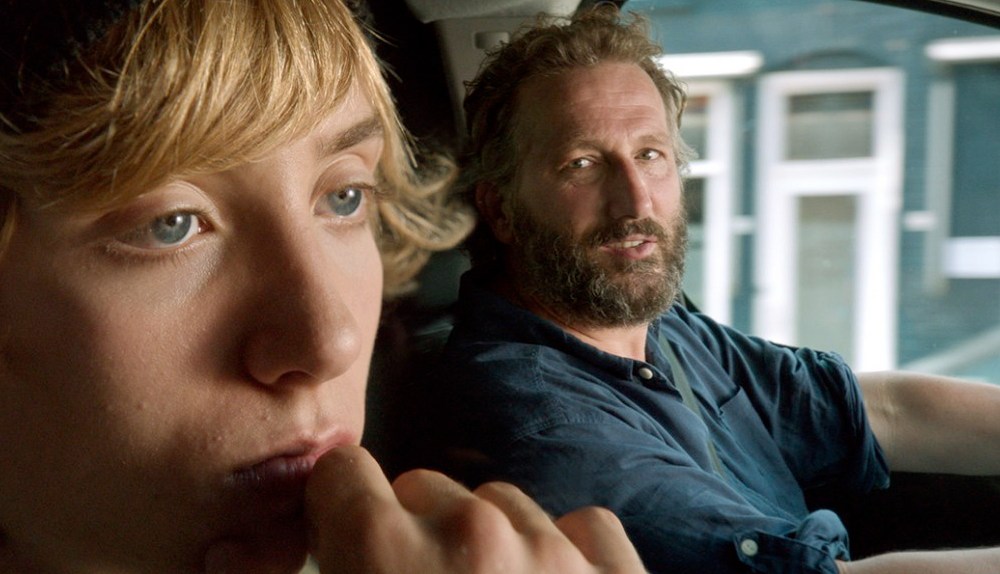
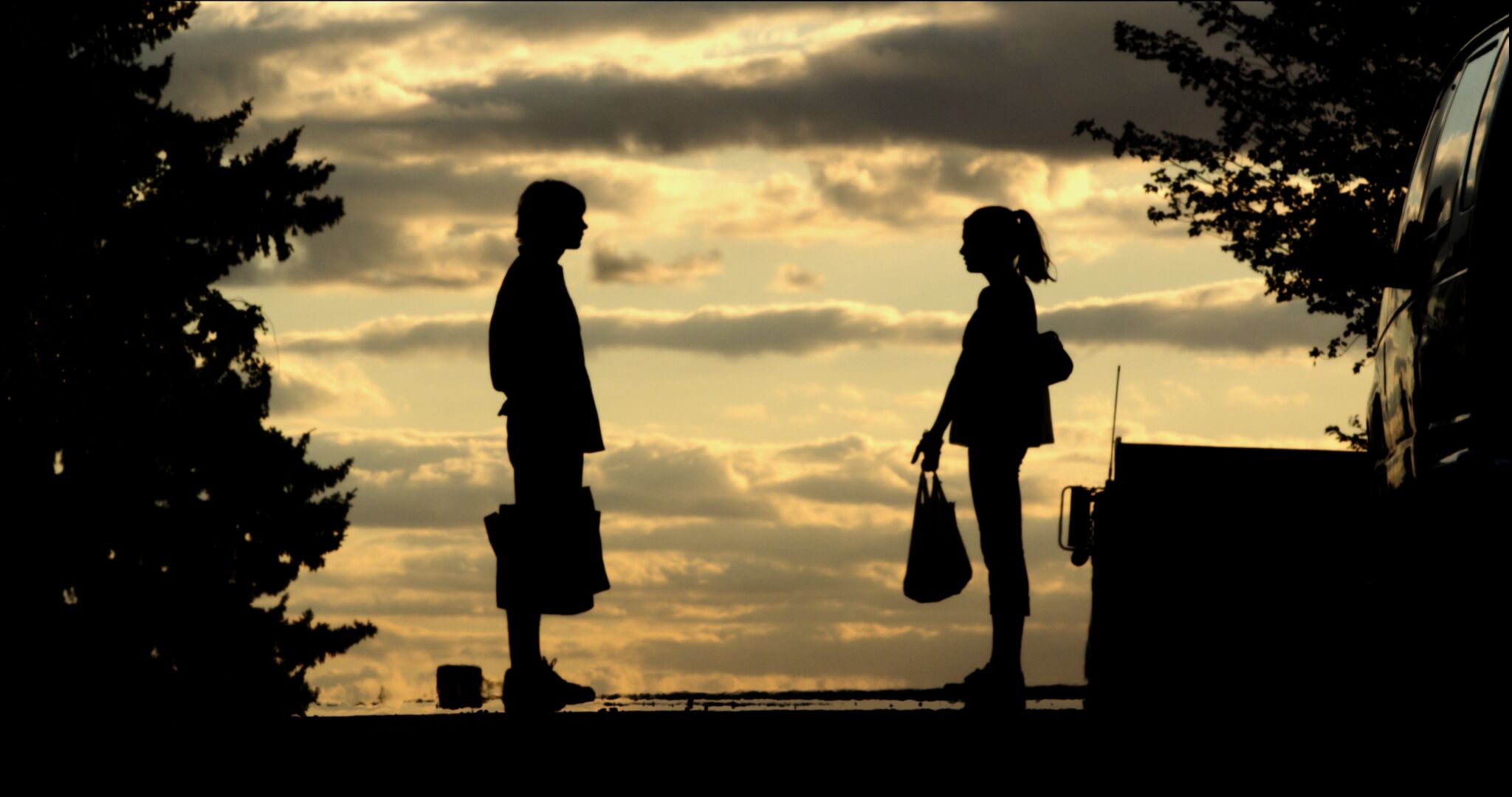
The Selfish Giant
The Legend of Hercules
Devil’s Due
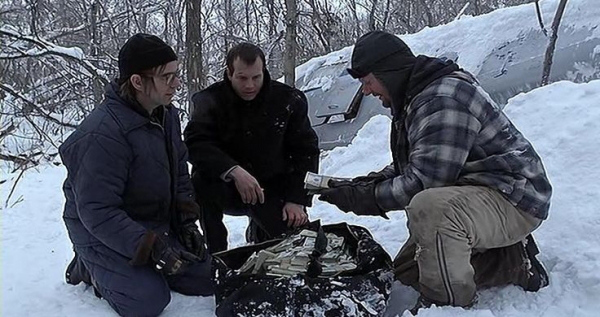
The Price of Gold
August: Osage County
Jack Ryan: Shadow Recruit
Flowers in the Attic
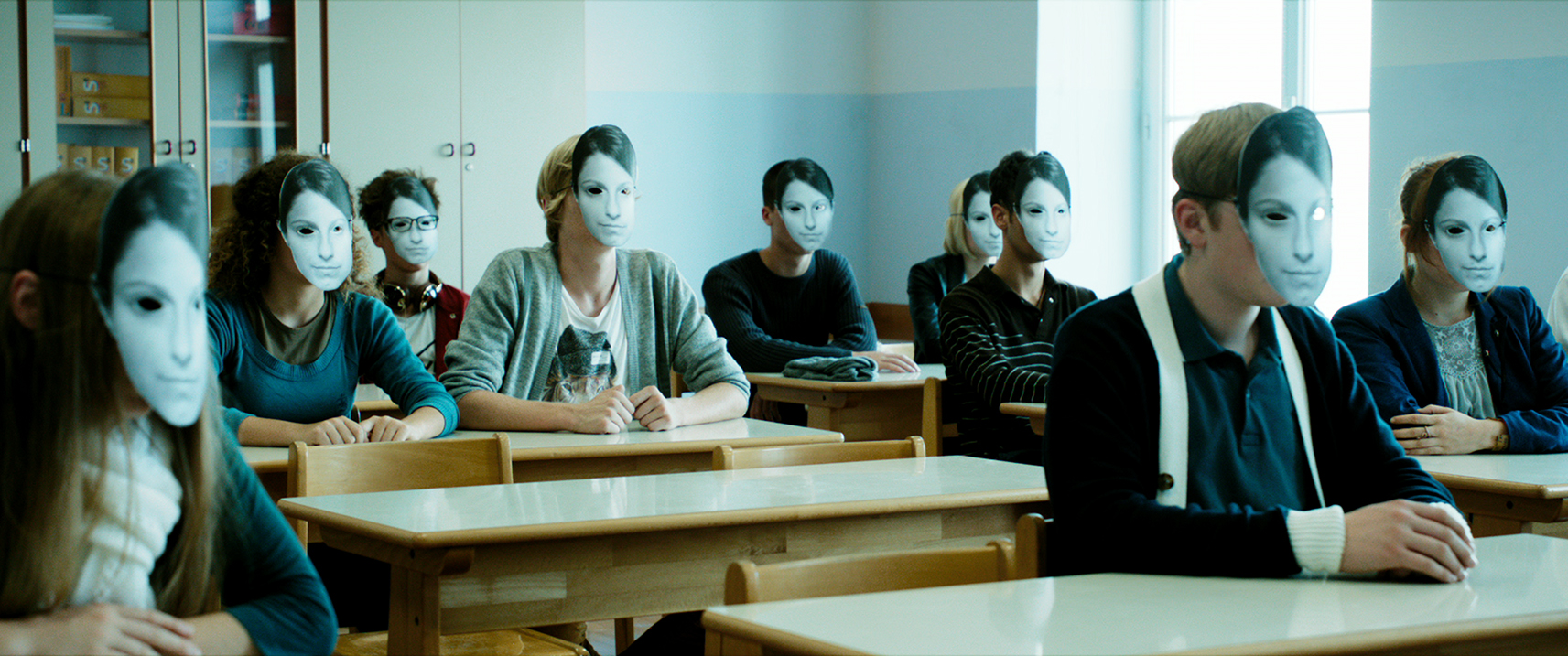
20 Lies, 4 Parents and a Little Egg
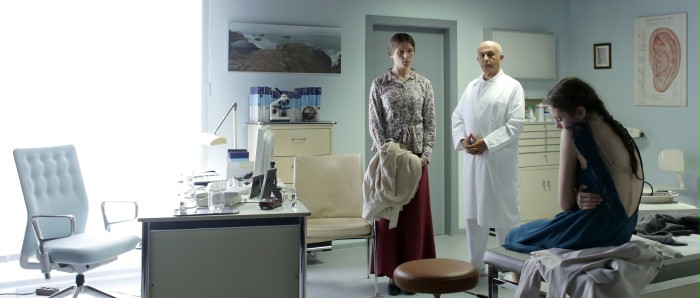
As intimated in my Most Underrated announcement this year, I’ve decided to make a change here. Rather than get caught up in me vs. the world nonsense and what a film’s rating is on an aggregate site, the IMDb or anywhere else, I want to champion smaller, lesser-known films. In 2011 with the selection of Toast this move was really in the offing. The nominees from this past year echo that fact. So here, regardless of how well-received something is by those who’ve seen it, I’ll be championing indies and foreign films, and the occasional financial flop from a bigger entity.
The Selfish Giant
20 Lies, 4 Parents and a Little Egg
Here you will find a historical list of the honorees of this recently-created award. A neutron star is one that glows more brightly after it “death,” similarly these filmmakers and actors do. It’s a counterpart to the Lifetime Achievement Award which is intended for filmmakers and actors who are very much alive and kicking.
The Neutron Star Award
OK, so what is the Neutron Star Award? As I watched older selections through the year, I was frequently compelled to pick a film based on the fact that Vincent Price was in it. When I was younger I was very actor-oriented, more so than with directors. The fact that an actor had that kind of draw, and was one who is sadly no longer with us, made me think there had to be some kind of way I could honor them.
For whatever reason I saw exactly two of her films while she was alive. Even though I loved it I never managed to see others. This box has helped with that.
2019 Gunnar Björnstrand
In my viewing and re-viewing of Bergman films this past year I came to appreciate more fully the actors the he frequently worked with, none more so than Björnstrand who appeared in his works from 1944 to 1983
While my viewings overall were down, the handful of new-to-me Bergman films I saw thanks to Criterion’s amazing new box set spurred yet another renaissance of my awe for his genius.
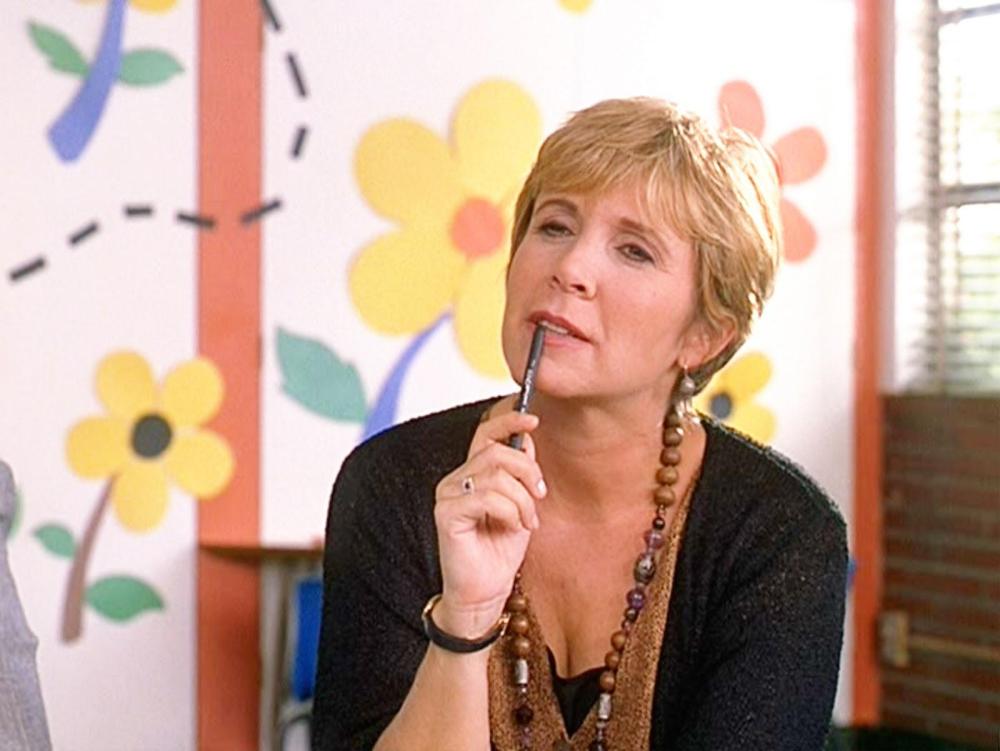
Carrie Fisher’s death in late 2016 was a cruel shock. The tragedy was of course compounded by the fact that her mother Debbie Reynolds died the very next day.
Shortly after their deaths HBO released a doc about them that they were producing anyway. I saw Bright Lights: Starring Carrie Fisher and Debbie Reynolds shortly after it became available. It was an insightful, touching and bittersweet look at their life together. It underscored the fact that too much about her career didn’t get attention until after the fact. I remember maybe vaguely hearing about her script doctoring once but by the time the fact came up again I couldn’t recall if that was something I ever knew or if it was new information.
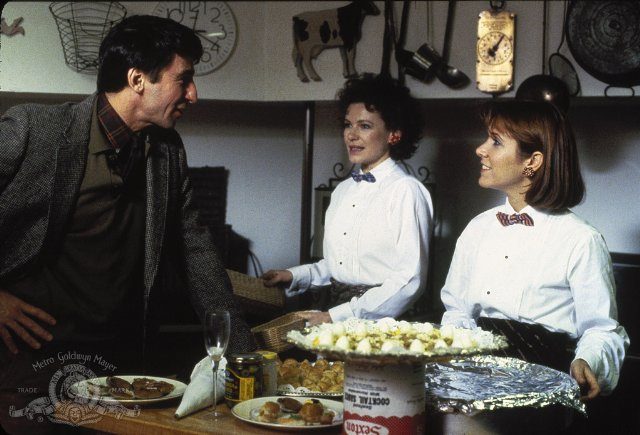
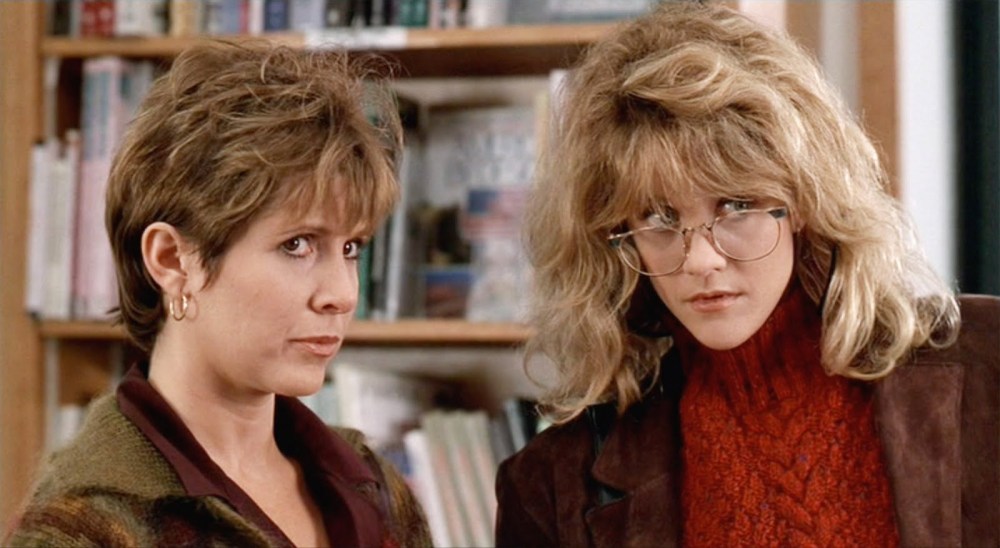
And, of course, after the fact I would find things that either I forgot she was in (Austin Powers International Man of Mystery) or never knew realized was in (When Harry Met Sally…, Hannah and Her Sisters).
Then, of course, there was The Last Jedi. Of course, when I went to see it I knew it would be one of the last new films I’d see her in (Wonderwell is slated for release this year) but I didn’t expect Leia’s role to be that much larger than it was previously and that much more epic. In the nominating process I asked myself the hard question: was she included in the nominees only because it was a posthumous honor? Absolutely not.
For those reasons and so many more Carrie Fisher gets the honor this year.
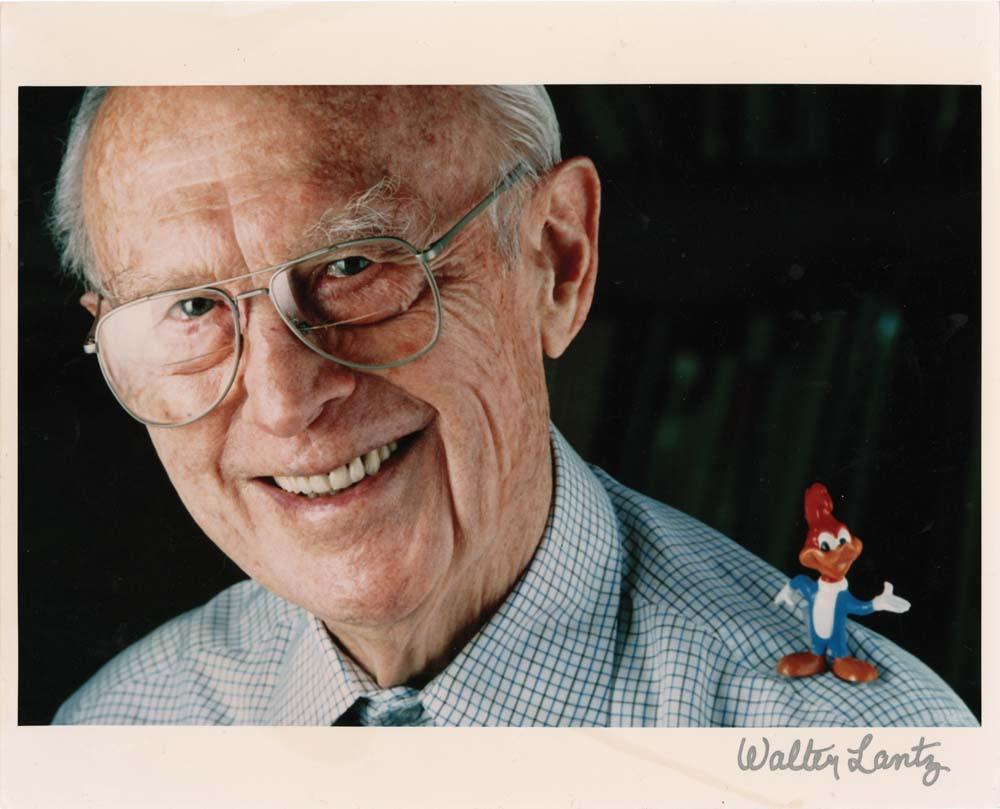
One series of viewings I was able to achieve was to watch my Woody Woodpecker box set this year. I always was a fan of that cast of characters, from my childhood, but I had gotten to such a removed perspective from having seen them that I thought it might’ve been mythologized nostalgia.
In finding things about Lantz, those characters (especially the secondary ones), I see that was not the case. There are more out there to find, they should not be overlooked, and I’ll be glad to see them. This man on a smaller scale made a world of characters to take note of. Not just Woody but Andy Panda, Chilly Willy, Wally Walrus, Buzz Buzzard, and others.
In a better world I never would’ve learned who Qusai Abtini was, in a better world the show he was one wouldn’t have needed to exist. However, it also shows the power of the arts as escapism, even when the comedy is very close-to-home.
Abtini starred in Um Abdou Aleppan, a sitcom started in 2014 in Aleppo’s rebel section, the first production to start as so:
A Syrian sitcom which takes place in one of the historic stone houses in the old city of Aleppo and in which all the roles are played by children has lost one of its stars this month: a tragic reality that has intruded on the innocence of the show. A 14-year-old boy Qusai Abtini, was killed when a missile struck the car he was in as he tried to escape Aleppo. Fresh-faced with a toothy grin and thick black hair, Abtini had become a local celebrity. His life and death underscored the suffering of Aleppans. Their city was once the commercial center of Syria with a thriving, unique culture. It has now been torn to pieces by fighting, with whole neighborhoods left in ruin. since the summer of 2012, when Aleppo split into rebel- and government-held districts and the two sides turned on each other, tens of thousands in the city have been killed. 14 year-old Qusai Abtini is now one of the killed.
2015: Dickie Moore
Here’s one I thought I wasn’t going to hand out this year.
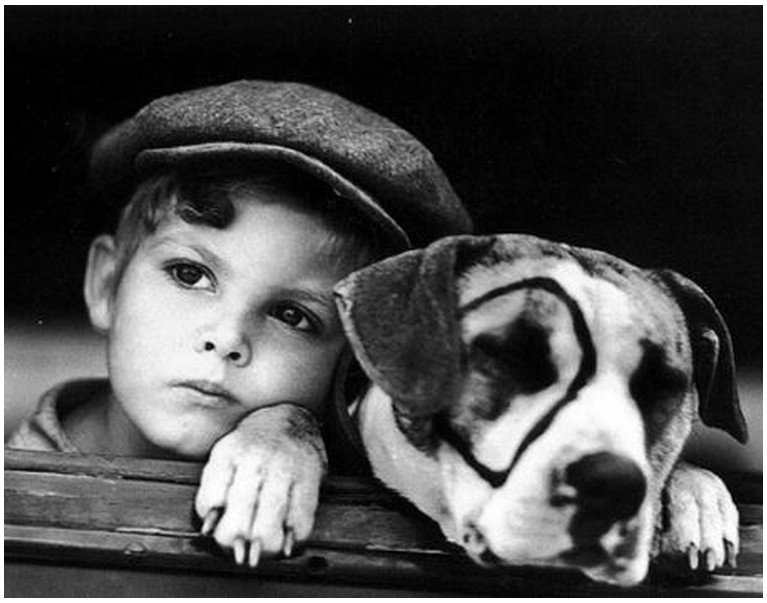
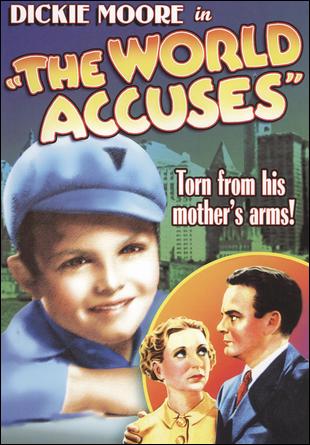
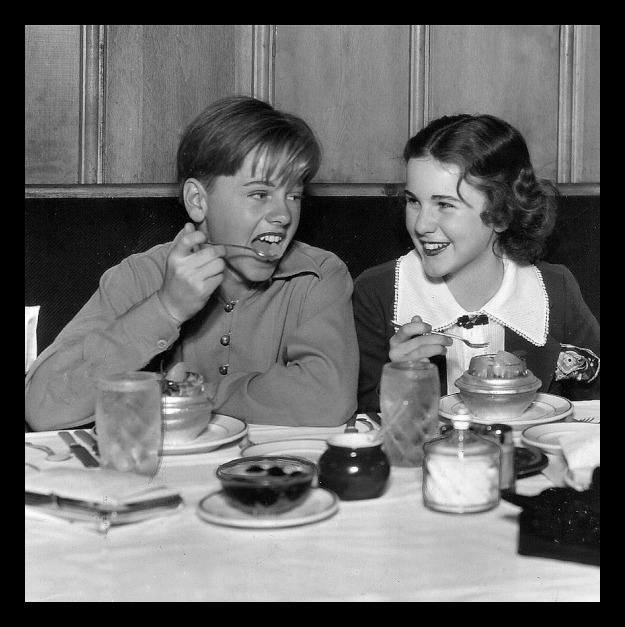
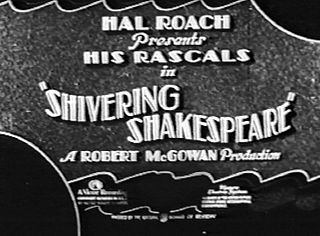
However, even though I knew Dickie Moore from things like The Little Rascals, Oliver Twist, The Word Accuses, Three on a Match, and saw him in a few titles this year; I thought his star couldn’t grow to me – matching the definition of a neutron star – a star bigger after its death. However, after his passing I started to realize he would fit.
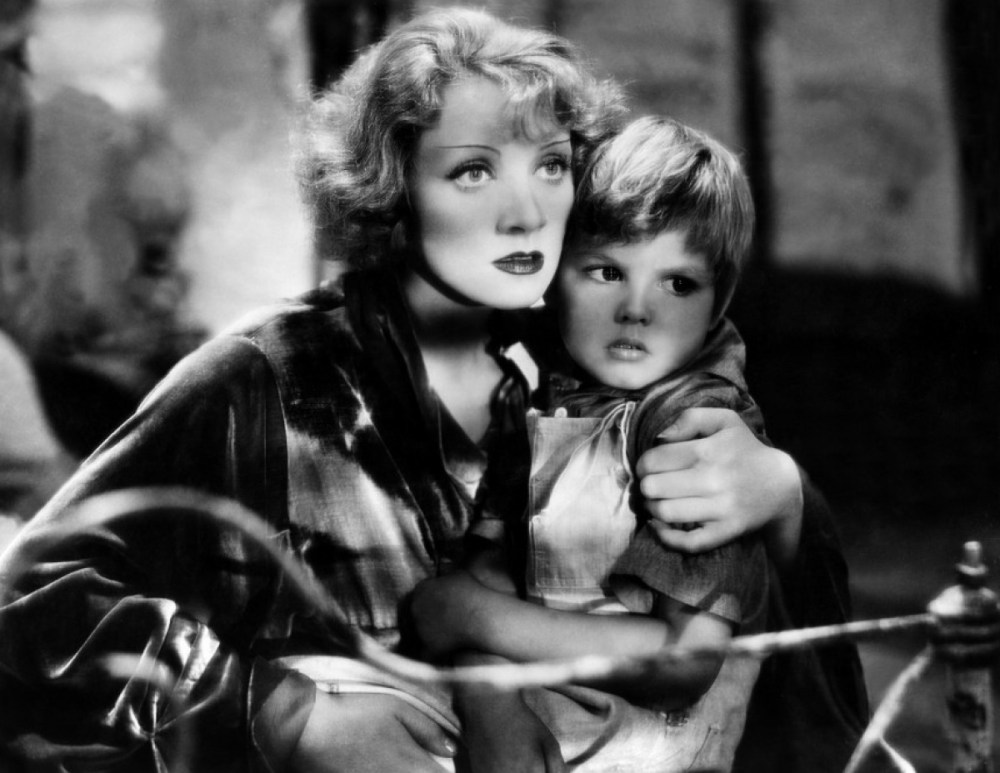
In April I covered a movie he was in for the Pre-Code Blogathon, Blonde Venus.
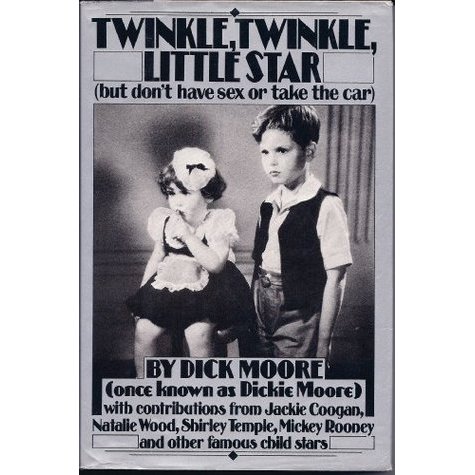
For the Summer Reading Classic Film Challenge I covered his book Twinkle, Twinkle, Little Star,which is a bittersweet-at-best account of the early days of child stardom, which includes the perspective of many young stars (himself included) from the early days of sound when he caught up with them again in the 1980s.
Then less than a month later he passed away at the age of 89. One of the better obits I read was this one.
Bogged down with other things I didn’t eulogize him at the time. I believe the one I did for Wes Craven was the only one this year.
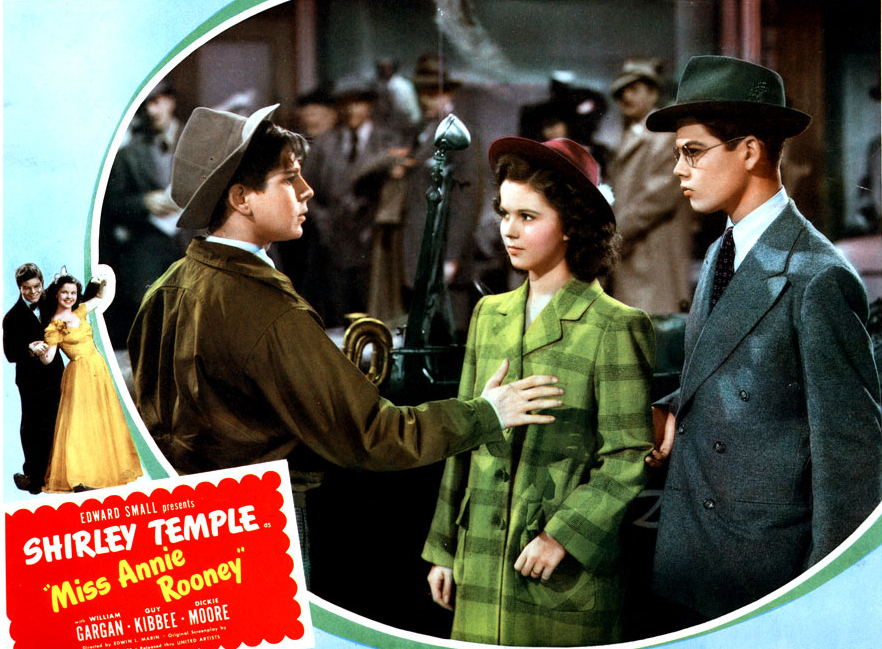
So, while there will not be Film Discoveries like there was for 2013 (Miss Annie Rooney and The World Accusses) for Moore this year, his TCM homage is taking up much of my DVR with many titles I was hoping to have seen for quite some time.
So 2016 and beyond will likely feature more of his films. No one perfectly captures all of film’s past as they learn to love and fully embrace the art. For as much as you learn and know about technique and production there is a tendentiousness to things, and everyone develops personal favorites and preferences. Some films and people are inarguably greats, or talented if their films don’t happen to reach you on a visceral level.
Despite the fact that he may not have been a Shirley Temple, Mickey Rooney or a Freddie Bartholomew; Dickie Moore is one of my favorites. He was undoubtedly a star in his own right, he was just surrounded by many of them in a crowded system. I look forward to getting to know more of his films that remain with us though he may be gone from this world.
So I thought literally about stars, and being a nerd I confirmed that a neutron star fits the definition of a star that has gone out but glows more brightly after its passing.
This one was not easy to figure out. Much of the reason this award proved difficult to choose is that with my viewings being somewhat down across the board it was difficult to find a number of actors or filmmakers who jumped up in prominence this past year. Usually, they were known as well. However, with Mickey Rooney’s unfortunate passing I did have cause to post my first In Memoriam in some time and I did feature some of his shorts after the incident, and had seen some earlier titles he appeared in. I still have, and have been meaning to see, many of his Andy Hardy titles sitting around. Then in December he reprised his role in the Night at the Museum series. As always this kind of appearance was bittersweet (particularly as Robin Williams always features prominently in those films also). For Mickey some of the bittersweetness owed to the fact that the lingering effects on his speech of a stroke were apparent. The saving graces were that he did fine and the film very classily and prominently dedicated a title card to them both.
Rooney’s credits are many and I will continue to seek them out, and who knows I may find more that I can share legally here. I hope that seeing his later works will encourage new fans to discover some of his earlier works. Many of them, from varied points in his career, have been with me for quite some time.
Ironically, the first I ever heard of Rooney was through an impersonation of him by Dana Carvey on SNL. Like a lot of impersonations there was some basis in fact for it, much as there was for Mickey to legitimately claim he was once the biggest star in the world. That point can be debated if you like but his impact and longevity may not be matched anytime soon. Therefore, any growth in the appreciation of his work is worthwhile.
“It’s never too late to see a movie.”
-Edgar Wright
The award was created last year to recognize an actor, but this year’s winning selection is a slight fudge. However, I don’t feel I’ll be likely to re-define or expand the award any time soon so I’m going to go with it.
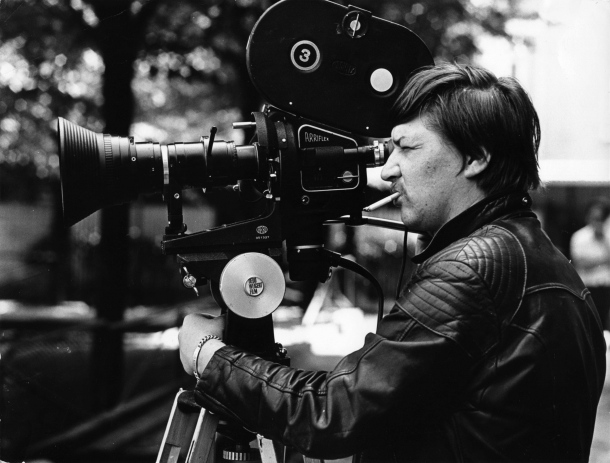
Basically, the winner did act in films and did even play leading roles, however, to be completely honest, Rainer Werner Fassbinder is winning this award for his work as a writer and director. Now a bit like Jackie Searl I did have some familiarity with Fassbinder in the past. He made appearances on both my 2011 and 2012 Favorite Older Movies list.
However, 2013 was much more viewing many more appearances and was topped off by my getting both the Region 2 box sets of his films. Granted even those aren’t all his works.
When you see a few things by a director you are responding to individual titles, when you see quite a few you start responding to a voice and Fassbinder’s was a voice I sought to hear speaking repeatedly through 2013, and I’m sure that will continue into the new year. In tandem with this award you should look out for this year’s favorites list, which will include his titles; and I may create a subsequent series designed to reflect the year’s winner as I have with other body-of-work awards in the past.
Fassbinder had a knack, in standard feature-length dramas, making the first forty minutes impossibly gripping over and over, of also creating approachable density and magnetic melancholy, and it’s why I sought to come back to his works many times over last year and why he is the recipient of this award.
OK, so what is the Neutron Star Award? As I watched older selections through the year, I was frequently compelled to pick a film based on the fact that Vincent Price was in it. When I was younger I was very actor-oriented, more so than with directors. The fact that an actor had that kind of draw, and was one who is sadly no longer with us, made me think there had to be some kind of way I could honor them.
So I thought literally about stars, and being a nerd I confirmed that a neutron star fits the definition of a star that has gone out but glows more brightly after its passing.
Which brings me back to Price. If you look at my older films list this year you’ll find Vincent Price all over it. He was not only a talent, and not only elevated works he took part in, but in a way elevated the entire horror genre; in large part because of the horror icons he arguably was the longest-lasting and most identified with it. Christopher Lee, for example, has for years been synonymous with other kinds of films, but once Price got his foothold it was nearly his sole dominion.
I fight Netflix indecisiveness so anyone that great that makes me say “Oh, he’s in it? Good enough for me.” Is certainly worthy of some honor.
I truly like this idea and I hope it acts as another incentive to discover and get to know other actors’ filmographies in the future.
After a bit of an unexpected hiatus we are officially back with Short Film Saturday. I return with a a short made by a Twitter compatriot of mine Alex Hunt. It’s a quick glimpse into a moment in a teacher’s life and her ruminating on incidences in her class with a problematic student. With documentaries like Waiting for ‘Superman’ the institutional issues are examined, and even then it can be easy to lose sight of the individual and what they attempt to do. This is a short tale that reflects a moment where doubt creeps in and a teacher wonders whether she did all she can for a student, one that is a “problem child” and it’s quite well done.
Enumerating how many artistic disciplines exist is not the purview of this series. Rather the idea of this series is to briefly explore an iteration, an instance, of another artform in the world of cinema.
In an upcoming series of posts I will state that I believe that cinema is the ultimate artform because of its ability to encompass or represent all the forms that came before it. Its elasticity is such that I believe it will be able to dialogue with whatever comes next.
However, this post seeks to satisfy a simple aim by illuminating a work cited by a film. To learn more of it and the artist in question. In short, just a bit more than information the film deems suitable.
In the House (2013)
I have had some troubles picking up this series wherein the other arts are featured in films. However, I’d rather feature a film that speaks very specifically about the works of an artist with less information than not to mention it at all.
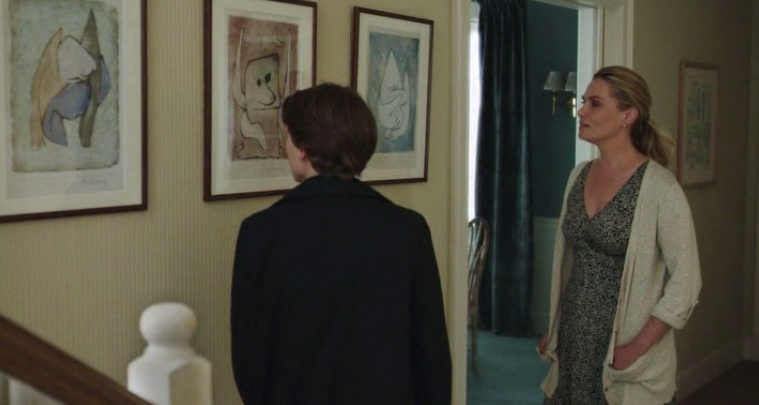
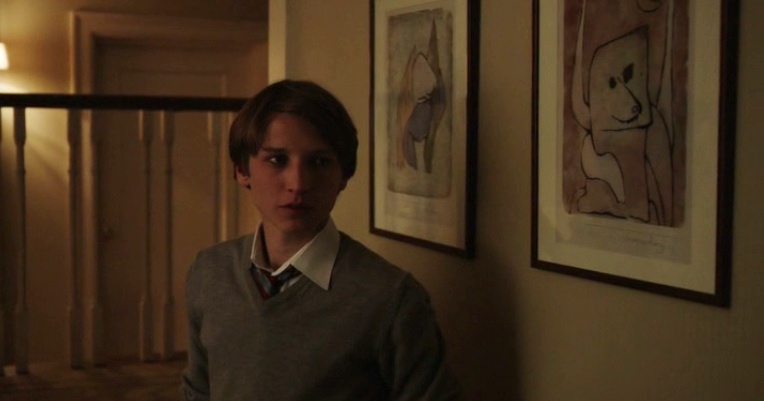
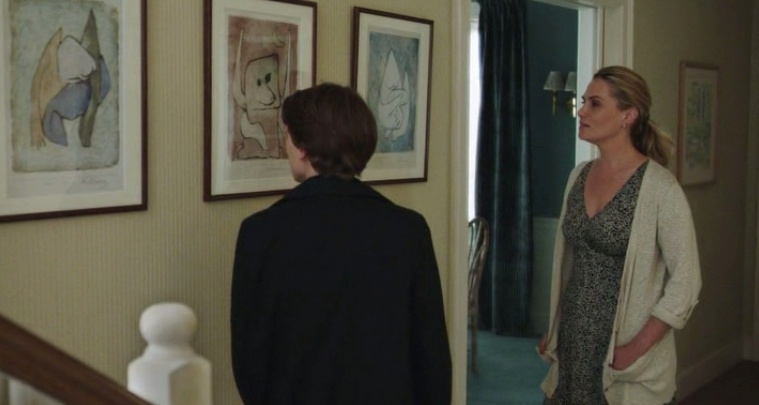
In The House references several writers, naturally as the lead is a French teacher and frustrated writer and has a protege with a flair for the written word. However, just one painted is ever mentioned through the course of the film. That painter is Paul Klee.
In doing a web search I was able to get these screen captures that give you a closer look at the paintings discussed. One review cites the titles as Rettung, Unterbrechung and Hoffnung.” Which if memory serves is right.
Any other light that can be shed on them would be appreciated.
Whenever there is a publicly-voted award in the film world I will share my thoughts and vote here.
The first thing that bears saying is that I may have to mark down on my calendar other open-to-public-voting awards through the year so that I manage to post in this series more than once in a year. Regardless, here we are again at the BAFTAs this time replete with a new sponsor and another Rising Star Award race.
What I really like about this award year after year is that it’s a body-of-work award given to a young actor on the rise. However, on occasion nominees make it mainly on the strength of one performance.
Once again this is a pretty strong field and even though I am not 100% studied on all the candidates this year there are four I have something of a viewing history with. It wasn’t easy but I had a definite choice among these impressive nominees. And, importantly, it’s additional incentive to catch up on the titles making up the other candidates’ work. I have been a bit remiss in seeing some of the award-winning much ballyhooed titles of 2013 namely 12 Years a Slave, which marks one of the most acclaimed debuts in recent memory (Lupita Nyong’o), and Blue is the Warmest Color (Léa Seydoux), though I have seen quite a few Seydoux’s titles and enjoyed her work.
George Mackay is perhaps the best surprise on this list for me. I am familiar with his career as a young actor when he appeared in Peter Pan, which would’ve won a Best Youth Ensemble had it existed (he was Curly), then in the overlooked The Thief Lord, and in one of Daniel Radcliffe’s in-Potter-franchise departures The Boys Are Back. The 2013 titles are ones I have not heard of prior to this announcement, but I look forward to finding them.
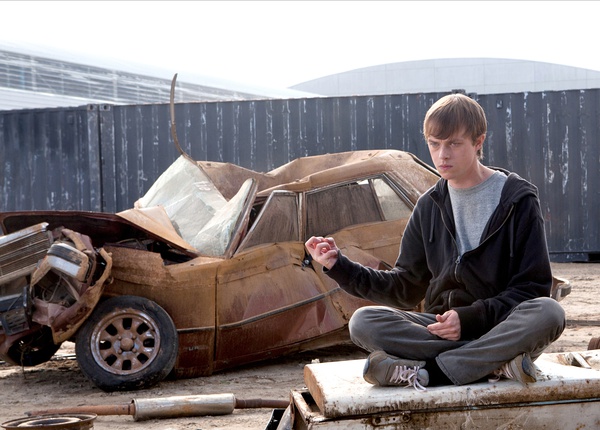
Dane DeHaan, already a BAM Award nominee for Chronicle, is a close runner-up for my vote in this award. Had I caught his most recent titles that may have changed my mind, but the odds were stacked against him.
They are stacked against him because of Will Poulter. One of the myriad viewing tasks I’ve wanted to undertake was to see all of Will Poulter’s TV and film work from the UK heretofore unavailable to me. The reason that is that the first two parts I saw Poulter play, Son of Rambow and The Chronicles of Narnia: The Voyage of the Dawn Treader he was not only nominated for myBAM Awards but won (for Son of RambowBest Performance by a Child Actor and for NarniaBest Supporting Actor). I will soon, thanks to Netflix, see Wild Bill which earned Poulter a London Critics’ Circle Award nomination for Young British Performer of the Year. Son of Rambow set a precedent most young actors wouldn’t be able to live up to, but following very different paths Poulter and Milner have both proved their mettle and staying power. With his nerdy, American persona of Kenny Rossmore in We’re the Millers Poulter, introduces himself to a new audience who witness him only scratch the surface of his capabilities, and really only on the comedic end.
In my estimation, and in the estimation of those who watch more carefully, Poulter has already arrived. However, to most the appearance in We’re the Millers and the forthcoming The Maze Runner adaptation will signal his announcement as a cinematic presence for those who don’t know. He has the credentials but also defines the rising aspect of the award more so than the fellow candidates who have made a bigger, more notable splash in mass media consciousness terms. Simply because in my mind he’s already arisen selecting Poulter as Rising Star is a no-brainer to me.
The Ballot is open through February 14th, 2014. One vote per person, register via Twitter of Facebook.
This is the category that was designed to replace Most Underrated Picture. Essentially the move was in the offing for a few years. With my prior selections of bothToastandKauwboy, I was starting to pick films that were more unheard of rather than underestimated. I became more interested in championing a smaller film that touting a film “wrongly” assessed or dismissed. Hence the change in name.
I didn’t initially think of a plan to propose for this year, but a rather simple solution came to mind. I think that using the existing rule about qualifying American of English-language films with regards to running time and a one-week engagement in Los Angeles (maybe for this category they can even add New York) that the Academy can shortlist some outstanding foreign films that have already gotten US exposure, and thus, hedge their bets about having some further interest in the potential pool of nominees. That would be Phase One.
Phase Two would, and could, operate in much the same way the foreign language submissions currently work. The US-released foreign films that could get shortlisted would likely encompass many of the nations that could benefit from additional submissions due to their history and high quality (France, Sweden, Germany, Japan, etc.) as well as those who may have multi-cultural populations and produce films in multiple languages (China, India, Belgium, Canada, etc.).
Essentially, this idea would be the smallest increase in eligible films of any I’d proposed. My first was the largest with a World-Cup-inspired merit system, the next also nearly doubled things. If a shortlist is, for the sake of argument 12 titles, this years submissions would be up to 88.
The Oscars do signify something, a much larger something to those whose eyes and ears are not glued to the process. I can’t argue that there isn’t prestige and that I don’t love the show. I have come to embrace the fact that Oscar winners are really about films easiest to build consensus around. Therefore, the committees, at least to some degree, operate correctly. What needs to be rectified is the fallacy that only one film per nation is worthy of Oscar consideration. The Oscars are the ultimate audience and judge so let them, add to the pot along with whatever films come their way via national committees.
The bottom line is that every year there’s a new facet I consider about the imperfections of the system. And, in fairness, based on what I’ve read, the Academy is working towards improvements on this category. I’m not sure that the entire membership voting on the winner is a good thing or a bad thing, but it’s a change. More changes still need to be made, more things taken into consideration when pooling candidates as I think I’ve shown in a number of ways.
As has been the case in years past I will here look at some of the issues plaguing the Best Foreign Language Film nomination process at the Oscars. Since this year I am touching on a large array of interrelated topics I thought it best to post my thoughts in a series. To read the introductory post of the series go here.
It has been suggested that the Academy, or an offshoot thereof, should select the foreign films eligible. My newest suggestion will feature a compromise on that notion.
However, it is worthy of consideration of the fact that, no matter what amount of importance or disdain you view the Academy with, this is their awards. There was a time when the cinematic revolutions worldwide filled independently-owned movie theaters and had the college set watching and artsy-er breed of cinema, but times have changed. Therefore, taking a hard look at what the Academy is short-listing, and ultimately nominating and why, is something we and national committees should be doing. If the films being chosen with the Academy in mind is this just not cutting out the middle man? I’m not a fan of playing Devil’s advocate, which is what I was doing there, but I can’t find a lot of room to argue against it; save for the fact that I don’t care for it much and have an alternate idea, which will be presented in the final installment.
The Golden Globes, really?
If you follow critics and movie geeks on Twitter, or even if you just Google The Golden Globes and find some brutal op-eds on them you’ll see how dubious their nominating process is. This is excluding the fact that the membership is so small. Yet, even this much-maligned body accepts multiple nominations from nations, but the Oscars can’t?
Release
The Academy this year disqualified Blue is the Warmest Color, which is a Palme d’Or winner and one of the most talked about foreign arthouse releases of the year solely on the basis of the fact that its release date IN FRANCE was too late.
One recent argument that has emerged is that a US release date should be a requirement. That has its pros and cons, but surely if a film has seen European festival dates and has already seen a US release that qualifies it, how can you disqualify it because of its domestic release date. It’s beyond counter-intuitive.
Eligibility for Oscars in Other Categories and Snubs
While on the topic of snubs that brings related topics this year. I’ve not yet seen the film, but have seen fairly universal raves and lauds for Lea Seydoux and Adèle Exarchopoulos in the aforementioned Blue is the Warmest Color. Due to the fact that the Academy has ruled said film ineligible for Best Foreign Language Film it is also ineligible for other categories.
Yes, there have been instances of foreign films being nominated for multiple awards: three instances jumping quickly to mind would be Amour (5), Central Station (2) and Fanny and Alexander (6) in all those cases those films were submitted as the foreign language selection for their respective nation, therefore, eligible in additional categories. Any snub this year can also write off any chance at nominations in ancillary categories.
Committee Submissions
With all the case-studies discussed prior, and with most countries I’m sure; it’s a small body making the decision of which film to select. Whenever you’re dealing with a small body I get the feeling, even though I was offered no proof of it, that undue influences could affect outcomes. I’m not saying they haven’t; it’s possible. I think most people who watch film and know the mechanics understand that the “best” isn’t always sought out. Sometimes it’s the most commercial, sometimes the most “Oscar-friendly”, sometimes other factors can be seen as coming into play.
This is a list I first saw on Rupert Pupkin Speaks. The idea is to list your favorite films from the past year that you saw for the first time, but exclude new releases. This allows much more variety and creates a lot of great suggestions if you read many of them.
Since I tracked these films much more closely this year my list grew long. I will occasionally combine selections by theme, but there is enough for five posts. These choices are in no particular order.
Enjoy!
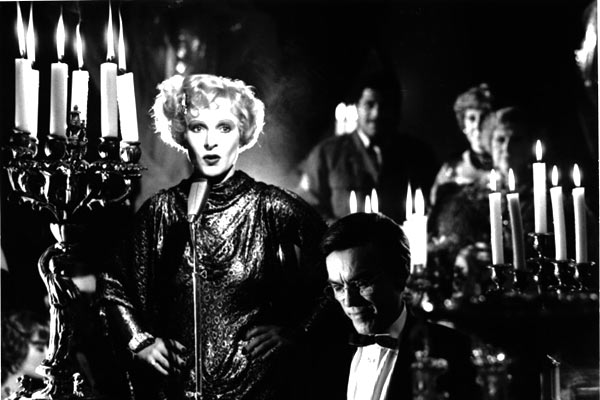
Veronika Voss (1982)
Yes, this is more Fassbinder and more of the BRD trilogy (two-thirds of it on this massive list). The BRD Trilogy through female protagonists tells tales of Post-War Germany and the repercussions it had for many years.
This particular tale takes place in Munich 1955 where a sports journalist meets Veronika Voss, a woman now hooked on painkillers who purportedly had an affair with Goebbles.
This film delves into quite a few aspects of the war, as well as the post war era and offers interesting commentaries on the Nazi link with the German film industry.
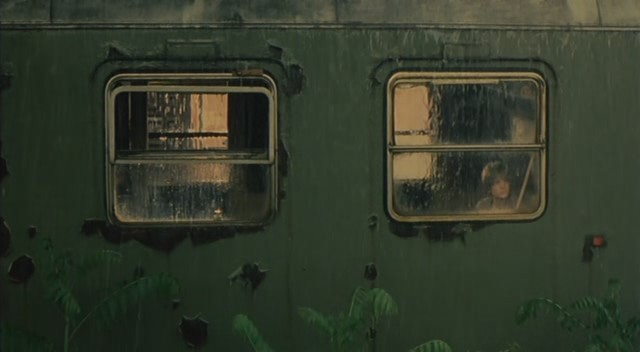
Mirage (2004)
Later this year, with regard to In Bloom and the other films from former Soviet states that I was watching, I came to realize that there is a wave of new postcolonial cinema that has been blossoming worldwide since the fall of the Soviet Union, and the Eastern Bloc in general. While it was those films that pointed it out to me it has been illuminated for some time, and this an early example.
This is a Macedonian film, and was an Oscar submission in its own right the year it came out. It successfully connects coming-of-age tropes with a burgeoning nationhood. A nationhood that’s not conducive to hope; one that glorifies the outside world and presents only violence and pain within its borders. The fact that this tale marries fantasy and reality is also a comment on the perception of both the local environment and the world at large, and a powerful statement.
Duma (2005)
If there’s one thing that always kind of bugged me about Carol Ballard’s The Black Stallion is that the portion Alec and The Black meet and bond, which is mostly silent, is far superior to the portion of the film wherein he comes home and starts to race the horse. Having bonded with a horse in the wild it just never quite jibed with me that he’d then willingly race it. Such artifice rang false. I still like the film, just not as much as I thought I would. Duma, another Ballard-directed film, based on the nature of its tale doesn’t have that issue. It’s still a tale of a boy and a wild animal bonding, helping each other becoming friends, but the nature of the animal doesn’t get altered, and furthermore, Duma helps Xan come to terms with things he couldn’t deal with in his life prior. It’s a great film that’s not as widely acknowledged as it should be.
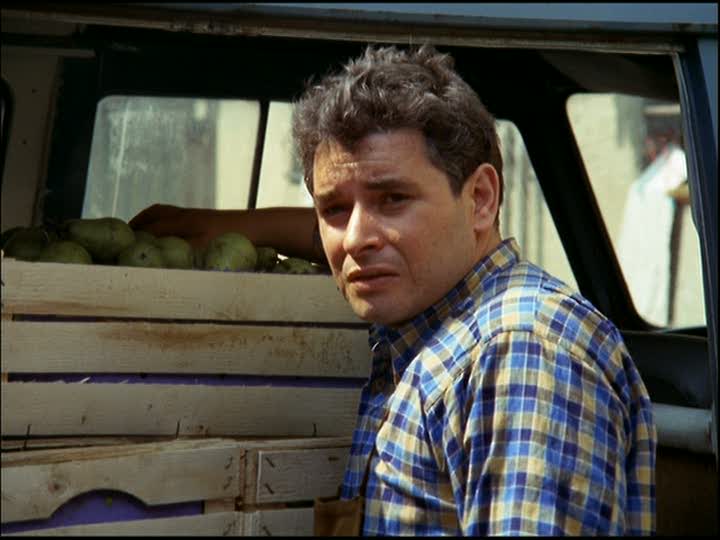
The Merchant of Four Seasons (1971)
Being the last installment of the list and the one I designated for any overflow, and in part due to luck of the draw, I had to have two Fassbinder titles here.
My reaction to this one was delayed, and the most powerful I felt after any of his films. Again I was gutted as the film comes closer to dropping than ending. It’s a simple tale, with a rather straightforward, and to an extent foreseeable, trajectory but powerful nonetheless.
Miss Annie Rooney (1942)
This has very basic set-up, however, when you look closer there are a few interesting things going on in this film. The basic premise is that a girl from a working-class family (Shirley Temple) meets and upper-crust boy (Dickie Moore) and needs a dress to fit in at a party she’s invited to. The class commentary, the love conquers all portions are fairly common. There’s a few interesting twists thrown into the happily-ever-after endings. More interestingly is the way a transitional vehicle for young actors is handled, they’re cast close to their actual age, and in fact, seem to be playing a bit older than they are at times and are not really dumbed down too much. More often than not now it seems that successful transitions from child star to adult employment on camera is facilitated by hiatus but this seems quite the successful transitional vehicle for both young stars.
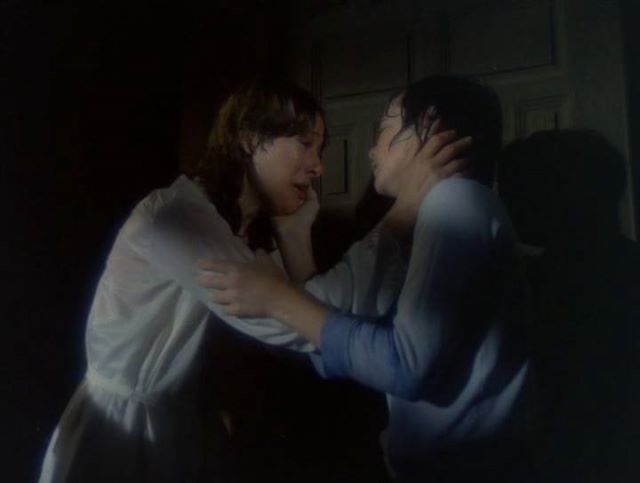
Dead of Night (1977)
Here’s the second made-for-TV movie to be featured on this list and marks a return to the list for writer/director/producer Dan Curtis whom last appeared thanks to Burnt Offerings.
This is a TV movie that tells three tales, and the opening monologue does not lie, each tale works in a bit of a different milieu: the first, regarding a very odd time traveling incident is a fantasy, a work of imagination, that is not bereft of eeriness. The second is a mystery tale though also with a decidedly horror slant, as in this one Matheson is working off his own short story about vampires. The grand finale, and it is grand, is the truest horror tale of them all, titled simply “Bobby” deals with the horrific results of a grieving mother getting what she wished for: the return of her deceased son.
It is a taut tale, it runs 72 minutes for the three tales, so each is roughly the equivalent of an episode of a half-hour TV show; which is a perfect vessel for drama. There is a tenor of seriousness and an undertone of tension throughout the film, which culminates in rather narrative film fashion in the last tale, which is absolutely pitch perfect. Joan Hackett and Lee Montgomery are the only actors in the tale, barring a voice-over husband away on business, and they are frequently in singles and could not be more flawless in their commitment and delivery.
Dead of Night is a great anthology and one that really gives me an impetus to move Curtis further up my queue, as this is masterfully done.
R.L. Stine’s The Haunting Hour – Don’t Think About It(2007)
At times, I will confess that choices do have to be representative. You can categorize, sub-categorize and pigeonhole films (or any art) in any number of ways. However, it’d be hard to represent 2013 for me without some reference to R.L. Stine. Yes, there was the huge write-up on the new series he produces, but also quite a bit of reading of his works, and then there’s also this film.
It took me a while to get around to screening this one because the last film I’d seen based on one of his works was quite a bad miss. This one, however, thankfully, mostly works.
A lot of that has to do with the practical effects work by Gregory Nicotero, one of the best in the game right now, who created an awesome creature for this film.
The film works itself into its story slowly. It does follow its protagonist (Emily Osment) and builds her character, and motivations for all the characters involved, but it does so a bit languidly. When things do get going though they’re rather freaky and things resolve themselves nicely, with the characters growing and a well-earned horror-film end.
As this film felt a bit stretched, it will be interesting to see if the planned Goosebumps film, comes to fruition if the anthology-styling suits it better, which it should.
In Love with Life (1934)
As many painfully poor titles as I had to suffer through in my Poverty Row theme it sure has made a dent on this list. Here’s my rather lengthy initial reaction to this film:
A few things come to mind when discussing this film, most are specific to Poverty Row others aren’t as much. I’ve discussed the running time and the utilization thereof on a few occasions in these posts. This is not something that stems from worries about my attention span or time management issues but is inherent to structuring. Some of these films are trying to cram a lot of film into not much time, others are at points stretching. This one, at a brisk 51 minutes seems to handle things just right.
Now one note I will include, I believe this is the TV edit. I base this conclusion on both the book by Mr. Pitts and the IMDb, which list the running time at 66 minutes, as does a supposedly remastered version available on the IMDb. Sadly, with many of these Poverty Row titles those are the only cuts that remain. If this is truly a TV edit kudos to the editors of this version, while it is brisk it never feels overly truncated. There just seem to be a few instances of dropped frames.
Things that separate this film are: that there is scoring throughout rather than just on the opening and closing title, there are moving shots which required sophisticated sound editing, elevated production values for the budget namely set design and good montage/titling work.
Not exclusive to, but more common in works of this type, are stories that pre-date and lead up to the stock market crash. It being a melodrama the moral is clear: we lost our money but have what matters. However, it doesn’t go as far over the top as it could, particularly with a mother-child separation at the beginning. It plays its tropes fairly well and quickly.
The 5,000 Fingers of Dr. T
This is kind of surprise that this list was built to highlight. There is much in this film that I usually would not connect with. However, this particular film connects in a number of ways.
The first, and most surprising thing for me, is not only is this an original screen idea by Dr. Seuss, but one I really connect with. Even as a kid I was never really into Dr. Seuss at all, quite the contrary, but on occasion I will find a tale that sneaks by and I enjoy and this is one. Next this film features Tommy Rettig pre-Lassie and he’s perfectly cast and has quite a bit to carry aside from singing he also breaks the fourth wall and narrates the tale. The villain, played by Hans Conried, struck me as familiar. As the film started, I knew I had heard that voice. Sure enough I was right, and guessed it. I heard that voice a lot as Disney’s Captain Hook. Almost immediately I pegged this film as a one nomination film and having fallen in love with the production design thought it’d be that, it was the score which is also good. It merited multiple honors in my estimation.
This was a film that I initially qualified for the 2013 year, but upon further research I discovered it was on Amazon Instant Video for a while without my knowing about it. When I had a slip-up in the planning of these lists and found this list one film short it was the perfect title to slip in.
The malleability of the tale again shines through as in this rendition while the tale begins in Arkham, Massachusetts; the protagonist is in search of his father who vanished in Germany after World War II, and that is where he will spend most of his time. As he arrives in his last known whereabouts he meets a man who starts to tell him of the strange events that had occurred in that town. These events make up a bulk of the short story.
Now the film being transplanted to Germany is already a bold decision that works out quite well. The next emboldened choice is that the film is predominantly in black and white. It’s a great choice for Lovecraft’s antiquarian style, but also aids in selling a majority of the effects work that is needed to render this tale. Yet, in a tale about color it is further brave – and without putting to fine a point on it, does serve a purpose.
There is some English dialogue in the film, but a vast majority of it is in German, and due to that performances are usually spot on. Both the cinematography and the edit do tremendous things to build the atmosphere of outre and foreboding that is one of Lovecraft’s hallmarks. Things in this tale are slightly askew and on a precipitous decline leading to one earth-shattering moment and it moves there almost unerringly.
The workmanship in this tale rivals what the H.P. Lovecraft Historical Society has been able to do with its films. It really is quite a work and proves that The Colour Out of Space is what I would refer to as one of the great stories, meaning that I can view many renditions of it and revel in the tweaks an modifications each brings to the table.
Shorts
Not much text is needed to discuss the shorts, but they do deserve inclusion. Especially when you consider my list of films seen I should highlight a few older shorts, some not featured on Short Film Saturday. So here are some notable ones.
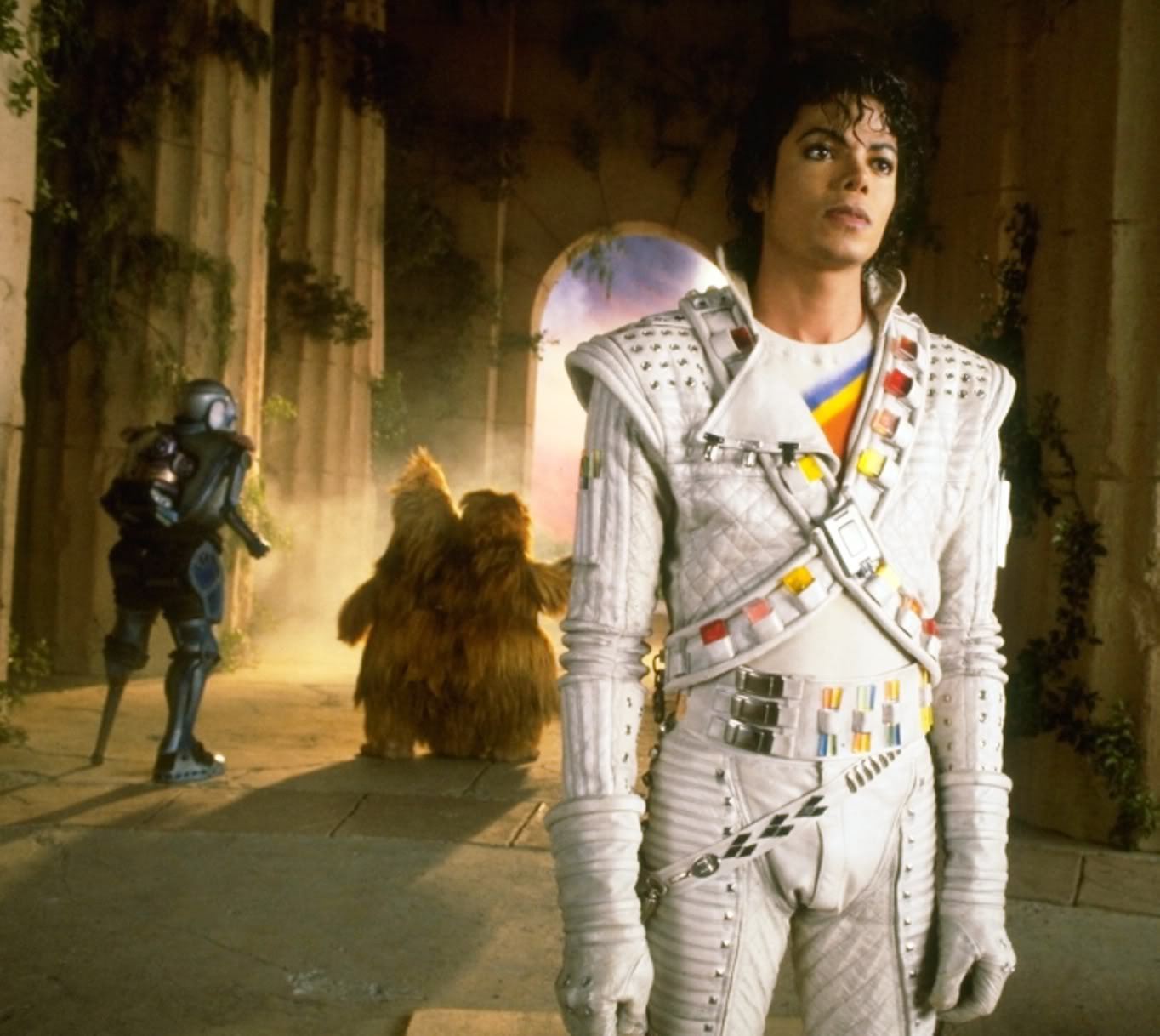
Captain Eo
Thankfully I went to see this wondrous relic of the ’80s before the attraction disappeared from the Walt Disney World landscape for all of eternity. In my opinion, it’s Michael Jackson’s best and most cinematic video/short film.
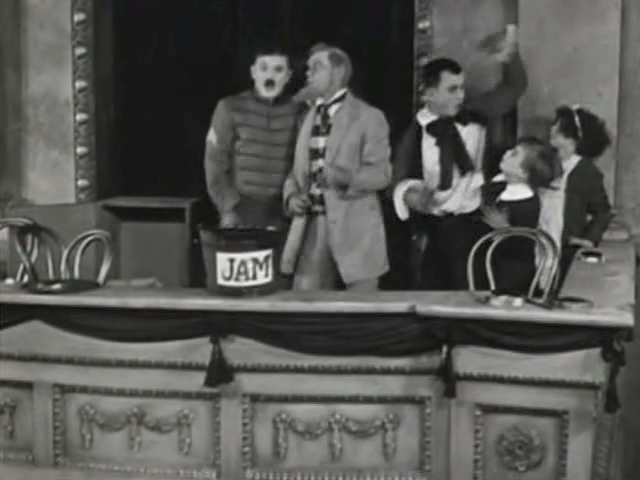
I sought out quite a few films based on having read The Keystone Kid. This was the first and quite a humorous one at that.
The New York Hat
This is one of the shorts I saw for the Funny Ladies Blogathon wherein I wrote about Fazenda. This is most definitely a Gloria Swanson vehicle, and most definitely a D.W. Griffith title and very good.
There were also this year a few categories, be they directors or performers, that I saw many notable films from. Namely:
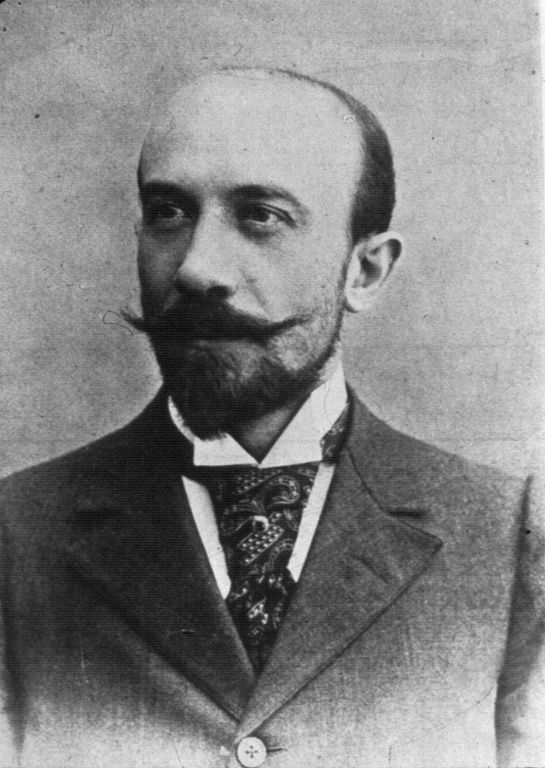
Georges Méliès
For these titles I was able to find YouTube links. However, for the long Documentary about him, I recommend the box set Méliès the first Wizard of Cinema, for the Alice Guy and Louis Feuillade titles I refer you to the Gaumont Treasures vol. 1 set, For The Little Rascals I refer you to The Little Rascals The Complete Collection.
The Human Fly
The Impossible Voyage
Untamble Whiskers
A Moonlight Serenade
There was also a noteworthy film about him I saw called: Le Grand Méliès by Georges Franju
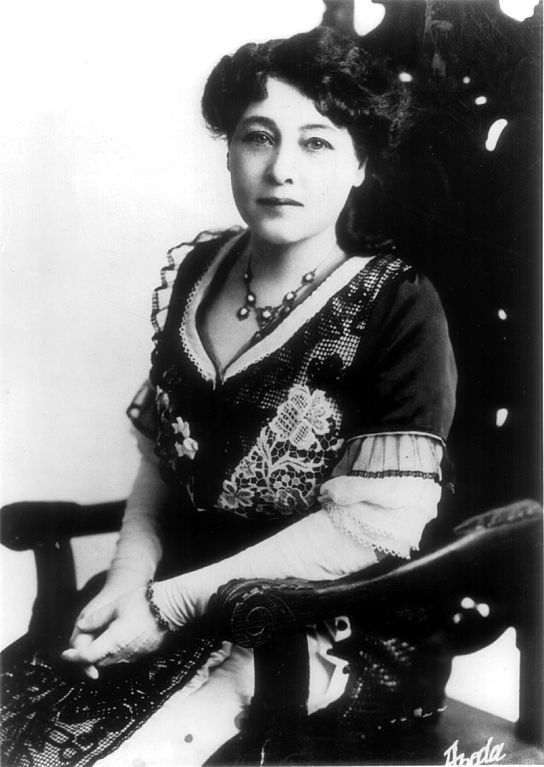
Alice Guy
The Magician’s Alms The Game Keeper’s Son At the Photographers
In 2012 the character of Tarzan celebrated his 100th year in print. A serialized version of the story first appeared in 1912. A hardcover collection of Tarzan of the Apes first appeared in 1914. Being in the middle of the Tarzan centennial period it’s an opportune time to (re)visit many of the screen renditions of the character. Previous posts in this and other series can be found here.
Tarzan’s Revenge (1938)
If you page through the Poverty Row Studio books you’ll find an entry for a studio established by Edgar Rice Burroughs to bring his characters, mainly Tarzan to the silver screen the way he saw fit. Surely, Burroughs (and his estate) was not the only author ever dissatisfied with screen versions of his story, but a reason for that could be the proliferation of poor films made. Disregarding “accuracy” many of them are just not good and highly disposable works.
This particular version though produced by Sol Lesser, who was the architect of many of the character’s onscreen incarnations, was a Fox release. There’s not a lot in Tarzan’s Revenge that stands out as unique and most of it stands out as being so in a bad way. Hunting is a major plot element, and the goal of the hunt is to trap animals for a zoo.
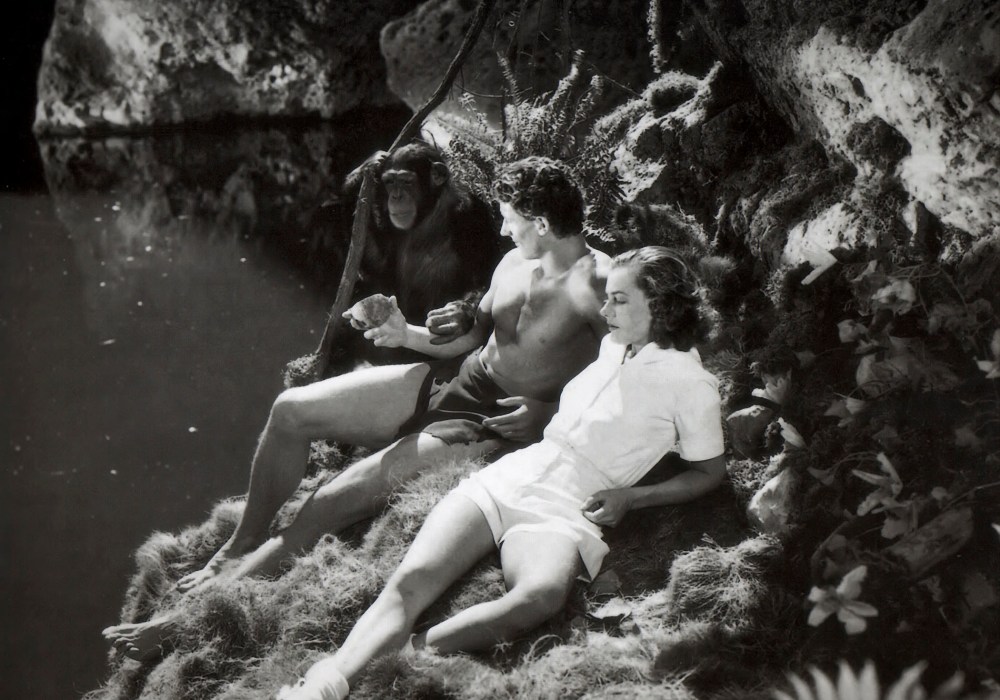
Being at another studio there are some things that would have to be different: the love interest is Eleanor (Eleanor Holm) not Jane, the Tarzan call is different, the chimps is a quieter less insane version, and in its defense this Tarzan (Glenn Morris) is a bit more fit.
However, many of the issues from the MGM-RKO titles are here too because conventions of the day were too easily obeyed. A map of Africa plays a significant supporting role, ambiguous native, excessive amounts of exposition, Eleanor being disbelieved, lots of swimming and gallivanting.
However, there are things uniquely weird here: Tarzan is there but rather passive for a time, the battle for Eleanor’s affection is lame; the bottom line is that this is flat and unengaging.